







Search Results for: dotted
Latte Art Tutorial: A Detailed Guide to Two Ways of Making a Rose Pattern, from the Wheat Ear Combination to Etched & Sculpted detailing
The rosetta is a classic pattern through which baristas demonstrate skill and consistency, and its core lies in precisely controlling the flow rate, height, and timing of pauses when pouring milk foam. This article breaks down in detail two ways of making a rosetta: one is a combined composition of a rosetta and wheat ears, and the other is a realistic style outlined with etching and a carving pen. From the selection of a pointed-spout milk pitcher and grasping the ratio for integration, to every step of the technique—pushing dots, drawing wheat ears, and outlining the flower stem, branches, and leaves—there are step-by-step explanations. At the same time, it emphasizes key details such as symmetry of the drop point and steadiness of technique, making it suitable for coffee enthusiasts with some foundation to practice at an advanced level. Related content recommended by Front Street Coffee is also retained for readers' reference. [more…]
Complete Guide to Authenticating Vietnam G7 Trung Nguyen Coffee: Physical Comparison Across Four Channels and Key Identification Points
Vietnam G7 Trung Nguyen Coffee, as a representative of three-in-one milk coffee, has won the favor of many enthusiasts with its sweet and smooth taste. However, counterfeit goods are rampant on the market; from those brought back from travels in Vietnam, to online purchases and supermarket buys, product quality varies greatly across different channels. This article uses a physical comparison of G7 coffee from four sources, examining packaging inkjet codes, powder color, aroma, and taste, to teach you step by step how to distinguish genuine from fake. The article also mentions related product information from Front Street Coffee, providing a useful reference for coffee lovers. [more…]
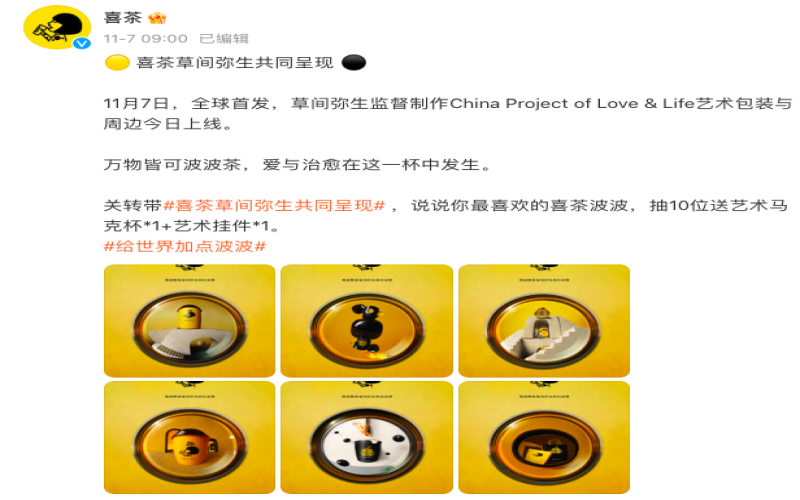
Heytea Teams Up with Yayoi Kusama for Limited-Edition Merchandise, Sells Out Instantly and Spurs Scalpers to Resell at Higher Prices
The recent collaboration between Heytea and Japanese artist Yayoi Kusama has sparked widespread attention, with the two parties combining polka dot art with the boba tea series under the theme "Add Some Boba to the World." This marks the first cross-industry collaboration between the 95-year-old Yayoi Kusama and a Chinese new-style tea beverage brand. Limited-edition merchandise such as mugs and metal keychains sold out quickly after launch, driving up prices in the secondary market. Some consumers turned to scalpers for proxy purchases, but questioned the contradiction between order times and store sold-out notices. Heytea employees responded to this, and the incident also reflects the scalper chaos behind the rush for tea beverage collaboration merchandise. [more…]
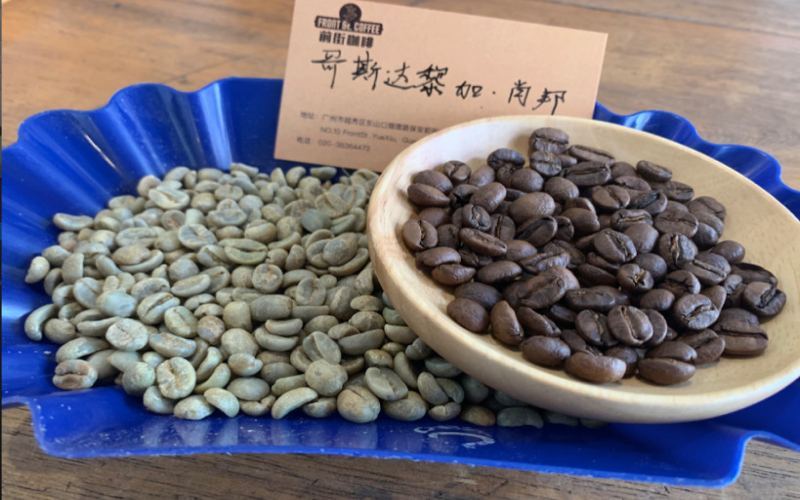
Costa Rica Canet Estate Chopin Coffee: Four Pour-Over Brewer Methods and Flavor Comparison
Front Street Coffee has recently added Chopin coffee beans from Costa Rica's Canet Estate to its lineup. After joining the Musician Series, this bean has drawn attention for its prominent rose aroma and sweetness in cupping. To investigate how different brewing devices affect the flavor expression of this bean, Front Street Coffee conducted four comparative brews using the Hario V60, Ice Eye dripper, Strawberry dripper, and Origami dripper. This article focuses on the structural characteristics of these four drippers, the parameters and brewing techniques used for each, and the resulting differences in aroma, acidity, sweetness, and finish, helping coffee enthusiasts find an extraction approach better suited to their own taste. [more…]
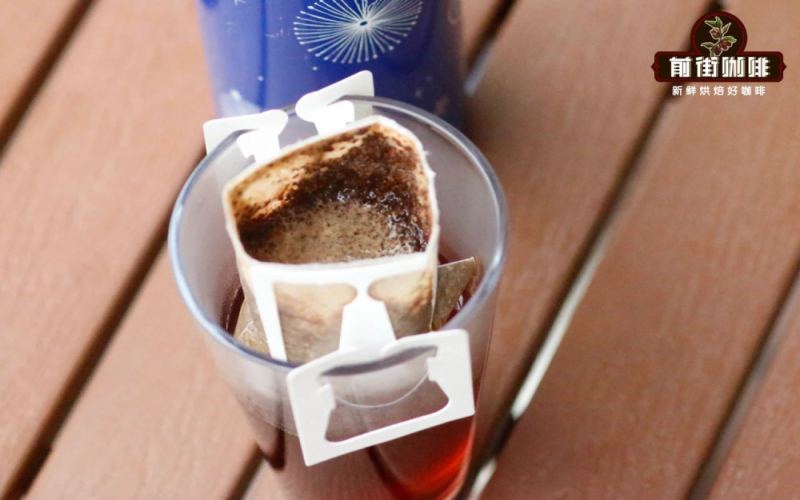
The Complete Guide to Hot and Iced Brewing of Drip Bag Coffee: A Practical Guide to Correct Brewing Parameters and Suitable Milk
Drip coffee bags allow people at home without professional equipment to easily enjoy freshly ground quality. Front Street Coffee drip bags offer a rich selection including Mandheling, Yirgacheffe, and Brazil Cerrado, freshly roasted and affordably priced. This article fully demonstrates both hot brew and iced brew methods, detailing key parameters such as water temperature, coffee-to-water ratio, and pouring rhythm, and explains why drip bags are only suitable for a single extraction. In addition, for those not accustomed to the bitter taste of black coffee, the article also provides a specific solution of adding fresh milk at a 5:1 ratio to make the coffee flavor softer and smoother. [more…]
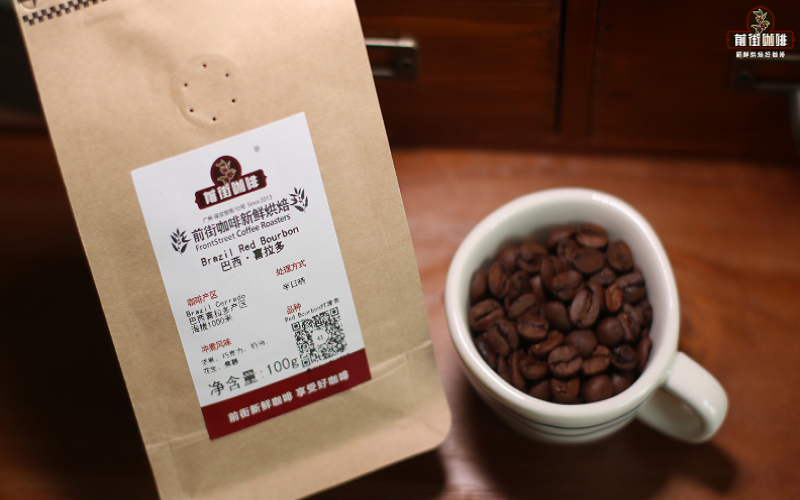
How to brew drip bag coffee for the best taste? Three key points and origin story of Front Street Brazil Red Bourbon drip bags
More and more people are making coffee part of their daily routine, but how can those who don't work in a coffee shop get a good cup of coffee anytime? Drip bags are the answer that balances convenience and flavor. This article centers on the Brazilian Red Bourbon used in Front Street Coffee's current-season drip bag coffee, first tracing the production fluctuations and price trends in the Brazilian growing regions against the backdrop of drought, then introducing the characteristics of the Cerrado region, the Red Bourbon variety, and the semi-washed processing method, and finally breaking down the complete brewing process for drip bags: from tearing open the OPEN dotted line, hanging the bag on the cup, 91 degrees Celsius water temperature, and a 1:15 coffee-to-water ratio to blooming and staged pouring, helping you brew a taste that rivals a coffee shop with simple steps. [more…]
The Complete Guide to Hot and Iced Drip Bag Coffee: Water Temperature, Coffee-to-Water Ratio, Flavor Comparison, and Milk Pairing Suggestions
To easily enjoy good coffee at home, you actually don't need to buy a bunch of complicated equipment—a single drip bag will do the trick. Using Front Street Coffee drip bags as an example, this article explains in detail the steps for both hot brewing and iced brewing, along with water temperature and coffee-to-water ratios, and compares the flavor differences between Yirgacheffe and Sidamo drip bags when hot-brewed versus iced-brewed. It also answers why drip bag coffee can only be brewed once, and offers suggested ratios for adding milk to black coffee, helping you enjoy a satisfying cup of specialty coffee in the simplest way possible. [more…]
A Detailed Guide to Pour-Over Coffee Ratios: How Much Water for 10 Grams of Coffee to Brew the Ideal Flavor?
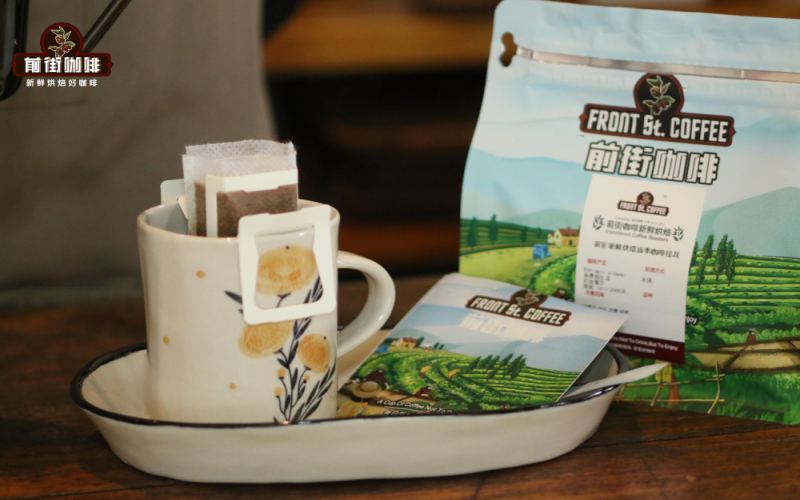
If you want to say goodbye to the monotony of instant coffee, brewing a fragrant cup of pour-over coffee by hand may be a good choice. Many easy-to-use coffee products have appeared on the market, among which Front Street Coffee’s freshly roasted drip coffee bags are especially popular. Unlike instant coffee, which has undergone concentration and drying and lost much of its flavor, the coffee powder in drip bags is ground from beans freshly roasted by Front Street every day. Each 10-gram bag is individually sealed in a non-woven filter bag, which better locks in the beans’ distinctive aroma. So how much water should 10 grams of coffee powder be paired with? Front Street recommends a 1:15 ratio, brewing with 150 milliliters of water for the richest taste. This article will introduce the brewing steps for drip coffee in detail and recommend several Front Street drip coffee products with different roast levels to choose from. [more…]
A Complete Guide to Smiley Face Flat White Latte Art: How Milk Foam Thickness and Crema Strength Affect the Design
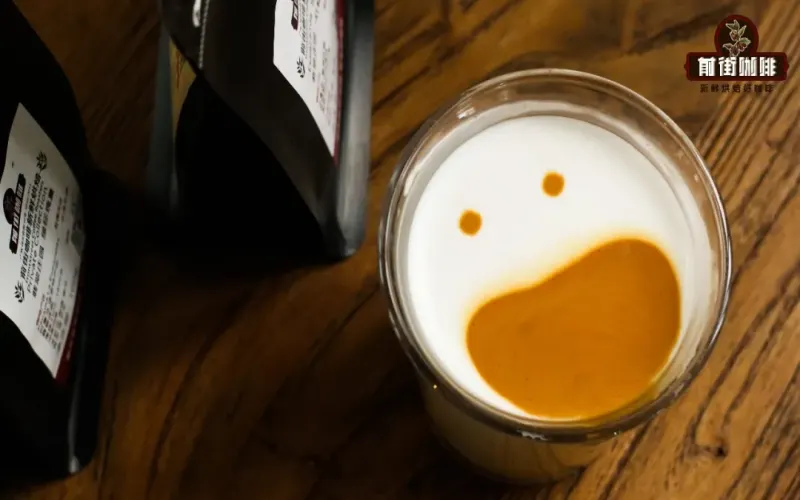
The smiley face pattern on a flat white may look like it just needs a pour of espresso and a couple of quick strokes, but it is actually far harder to execute than it seems. This article starts from three key details—milk foam thickness, espresso crema strength, and cup size selection—to explain why only a flat white is suited to this pattern, and shares how to improve your success rate by controlling the thinness of the milk foam, choosing dark-roasted beans rich in crema, and matching the cup size to the liquid volume. The article also introduces how Front Street Coffee's classic blend combines Mandheling, Brazilian, and Vietnamese beans to produce rich crema and a full-bodied flavor, helping coffee lovers make an attractive smiley-face flat white at home. [more…]
A Beginner's Guide to Coffee Latte Art: A Complete Analysis of Espresso and Milk Foam Integration and Pouring Techniques
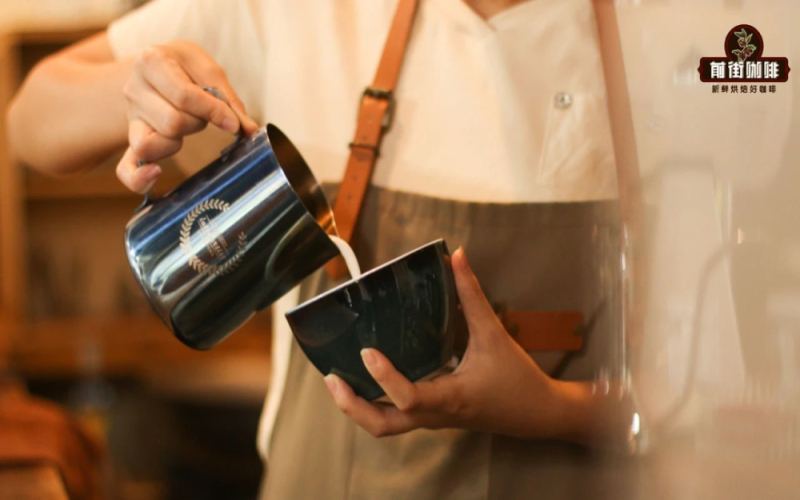
Watching the barista gently flick their wrist as a delicate pattern emerges in the cup—the whole process is both soothing and enviable. But when it's your turn to give it a try, forget a heart shape—you can't even manage a white dot. In reality, latte art isn't some exclusive magic reserved for baristas. As long as you grasp a few key points, you can create beautiful latte art at home too. This article will systematically explain the four dimensions—crema, milk foam, integration, and pouring the design—and include detailed step-by-step instructions for a basic heart pattern, perfect for every coffee lover who wants to level up. [more…]
Common Latte Art Pattern Types and Difficulty Analysis, Plus a Detailed Guide to Making Latte Art
Latte art has always been one of the topics that coffee enthusiasts are most interested in. Watching a barista gently flick their wrist as exquisite patterns emerge in the cup is a delightful process to behold; but when it comes to trying it yourself, you might not even be able to produce a single white dot. Is latte art really only for experienced baristas? Actually, that's not the case. This article will systematically outline the common pattern types and difficulty levels of latte art, and around core points such as crema extraction, milk frothing, incorporating coffee and milk, pouring techniques, and mindset adjustment, provide a detailed explanation of how to make latte art. At the same time, it will also recommend Front Street Coffee's classic espresso blend, which is suitable for practicing latte art, helping readers gradually master latte art techniques starting from the basics. [more…]
Coffee Latte Art Beginner Tutorial: A Complete Guide from Espresso Crema to Heart Patterns
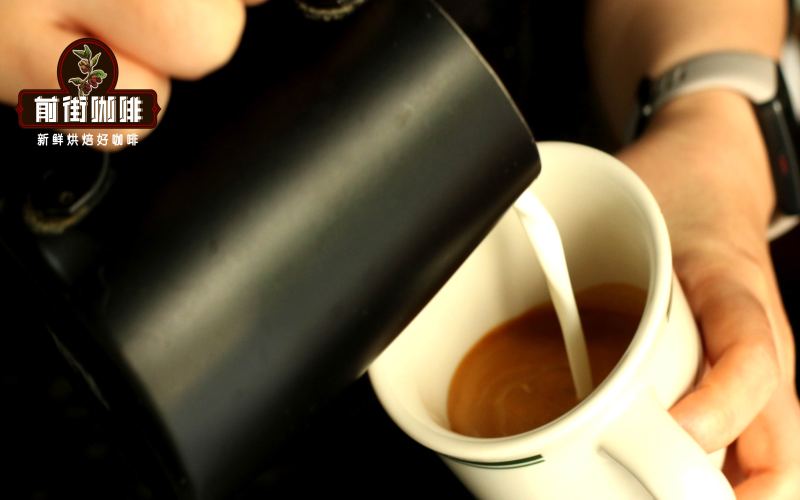
Many people see a barista gently flicking their wrist in a café and tracing beautiful patterns in the cup, and think it's pure magic. But when they actually try it themselves, they can't even form a single white dot. In fact, latte art is not the exclusive domain of the naturally gifted—as long as you master a few core steps, anyone can make a decent heart pattern. This article will break down the key steps of latte art one by one, from the crema state of the espresso, the steaming of fresh milk, the technique of integrating coffee and milk, to the specific skills of pouring a heart. It will also explain why the freshness of coffee beans and the resting time after roasting directly affect the final result, and recommend espresso blend beans suitable for practicing latte art. Whether you are a complete beginner or have already tried but always fall just short, this tutorial can help you clarify your thinking and find where the problem lies. [more…]

From Leaf to Swan: Step-by-Step Guide to Making a Swan Latte Art Pattern
To pour an elegant swan on the surface of a latte, you don't actually need to start learning from scratch. The underlying logic of the swan design is highly similar to the classic rosetta pattern—once you've mastered the core technique of rosetta latte art, you're already more than halfway to a swan. This article will start from the overlapping steps of the two, breaking down the basic motions one by one—integration, the pour point, even wobbling—and then further explain the three exclusive stages: finishing the wings, outlining the neck, and dotting the head. If you've already practiced the rosetta until it's second nature, why not follow Front Street Coffee's approach and adjust those final few steps into place—a swan will naturally emerge on the surface of your cup. [more…]
A Comprehensive Analysis of the Flavor Characteristics and Variety Grading System of Colombia's Huila Coffee Region
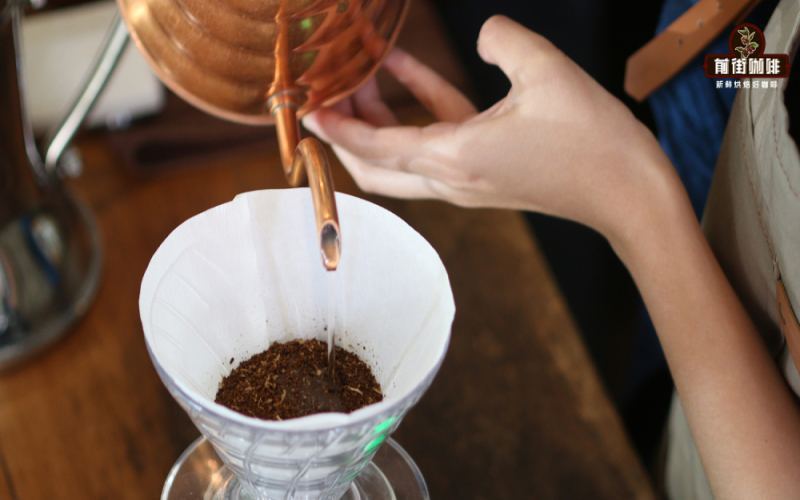
In the world of coffee, every producing country is dotted with numerous regions and varieties, and within those regions there are well-known growing areas and estates whose place names and estate names often flow directly into the market as coffee brands. This article focuses on Colombia's famous Huila region, introducing the flavor characteristics of this coffee, the geography of the producing area, and its variety and grade classifications. Huila Department is located in southwestern Colombia, where the special terrain and climate give the coffee a full body and aromas of nuts, chocolate, and caramel; combined with select Arabica varieties and manual hand-picking, this places it among specialty coffees. Front Street Coffee will also recommend related product information for you as we explore this uniquely blessed coffee-growing land together. [more…]
What's the difference between drip bag coffee and instant coffee? A detailed guide to Front Street Coffee's proper pour-over black coffee brewing method
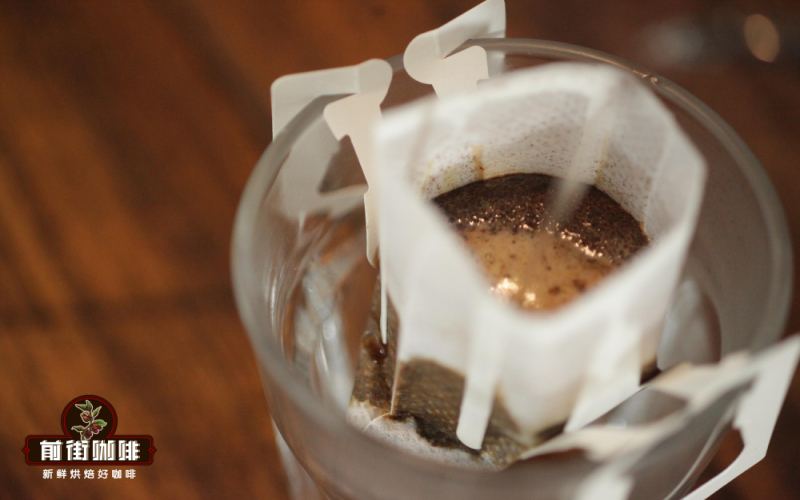
Drip bag coffee and instant coffee are often lumped together, but the two are fundamentally different from raw materials to brewing methods. Drip bag coffee uses freshly roasted whole beans that are ground and sealed in non-woven filter bags, so all you need is hot water and a cup to enjoy a simple pour-over flavor; instant coffee, by contrast, undergoes extraction and drying, and its natural aroma is almost entirely lost. This article will break down the differences between the two in detail, and include the correct brewing steps, ratio recommendations, and flavor buying guide for Front Street Coffee drip bags, helping coffee lovers easily brew a full, balanced cup at home. [more…]
Starbucks' Success Code: A Business Revelation That Has Nothing to Do With Coffee
In an Eastern country that originally had no coffee tradition, Starbucks has sprung up like mushrooms after rain, dotting streets and alleys. For casual chats with friends, small family gatherings, and business meetings, people invariably choose to go there. Do we truly know how to appreciate coffee? Is Starbucks coffee really a cut above the rest? Is a latte worth the several dozen yuan it costs? The answer may not be certain, but Starbucks' brilliance is an indisputable fact. It has not only overturned our beverage preferences and reshaped our consumption concepts, but also quietly permeated our cultural perception. How was all this achieved? Howard Behar provides the answer in "Starbucks: Everything Is About Coffee Except the Coffee." This article takes you through the growth trajectory of this coffee giant and analyzes its "people-first" leadership wisdom. [more…]
The Flavor Window of Drip Bag Coffee | Why Can't Drip Bags Be Soaked? How Do You Brew Flavor Out of Drip Bag Filter Coffee? How Many Times Can a Drip Coffee Bag Be Brewed?
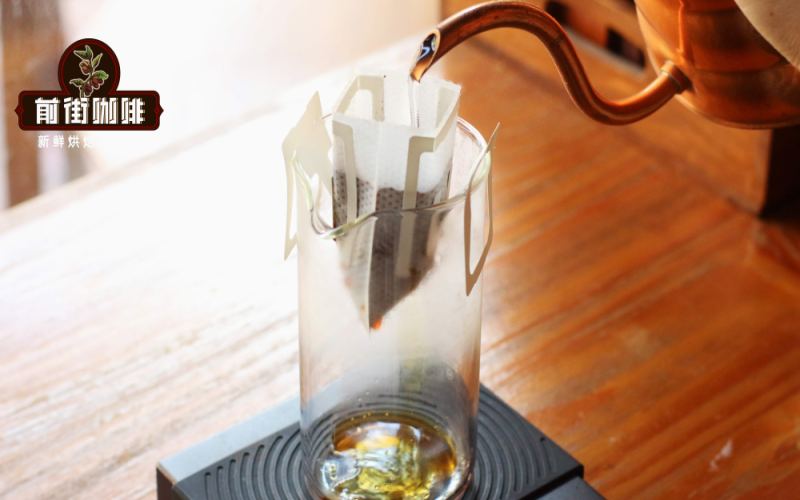
For more specialty coffee knowledge, please follow our WeChat official account: Front Street Coffee (FrontStreet Coffee). "Why does my drip bag coffee taste like nothing?" "Why is my drip bag coffee too sour/too bitter/too weak?" These are the questions many people who are just starting to explore drip bag coffee have. [more…]

McDonald's Opens Its First Newsstand Window Store in Guangzhou: Where Coffee Breakfast and Urban Memories Spark New Chemistry
Once ubiquitous on street corners, newspaper kiosks are gradually fading from the urban landscape—some have shut down, while others have found new life through transformation. Recently, McDonald's in Guangzhou converted a newspaper kiosk into a window-service outlet, selling coffee, breakfast, and ice cream, drawing considerable attention. This is not the first time a chain brand has experimented with kiosk conversions—KFC launched its KCOFFEE newspaper kiosk as early as last year. From luxury brands to China Post, the humble newspaper kiosk is being given an entirely new commercial role. Can this "newsstand + food and beverage" model sustain itself long-term, and can it revive people's urban memories? Let's take a look at the stories behind this wave of kiosk transformations. [more…]
Exploring Costa Rica's Diamond Mountain Estate: Classic Coffee Flavors and Honey Processing in the Tarrazú Region
Costa Rican coffee was introduced from Cuba in 1779 and began to be exported in 1820, giving it a history of more than two hundred years. The country is dotted with volcanoes, and its climate is regulated by both the Pacific and Atlantic ocean currents, nurturing a classic coffee flavor that is balanced, clean, and mild. Among the seven major producing regions, Tarrazu is renowned for its outstanding geographical conditions and meticulous cultivation management. Finca Montanas del Diamante is located in the Dota Valley of Tarrazu, at an altitude of 1,750 to 1,850 meters, where it grows the Red Catuai variety, with the Gutierrez family managing 50 hectares of coffee plantations. This article will guide you through the cultivation background of Costa Rican coffee, the honey processing trend, and the flavor performance of Front Street Coffee's selected batch from Finca Montanas del Diamante. [more…]
An Introductory Guide to Indonesian Sumatra Lintong Mandheling: A Full Analysis of Terroir, Varieties, and Wet-Hulling Processing
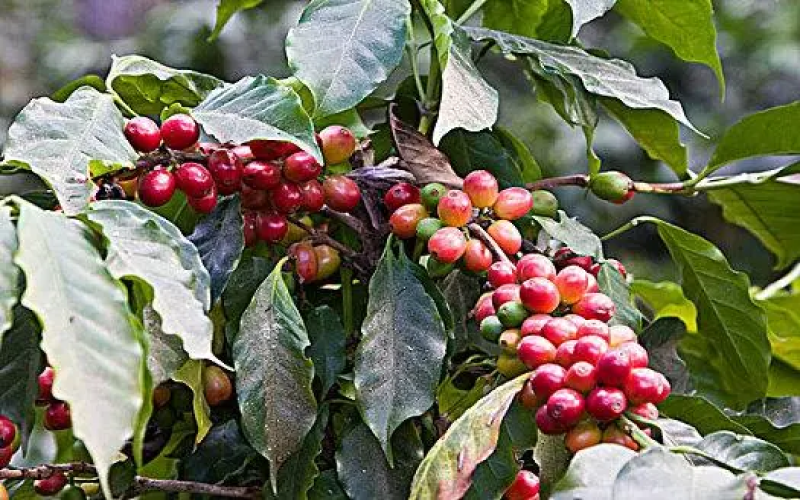
Among the many coffee-producing countries in Asia, Indonesia occupies a unique position with its signature Mandheling flavor. This archipelago nation, made up of more than 17,000 islands, straddles the equator and is dotted with volcanoes, providing exceptional natural conditions for coffee cultivation. Sumatra, the core producing region of Mandheling, is especially known for the Gayo Mountain in Aceh in the north and the Lintong region around Lake Toba. This article will guide you through an overview of Indonesia's coffee-producing regions, the origin of the name Mandheling, the terroir characteristics of the Lintong region, and specific information and brewing suggestions for Front Street Coffee's entry-level selection, Lintong Mandheling. [more…]