







Search Results for: cup lid controversy

Starbucks Tumbler Production Process Raises Environmental Concerns, Greenwashing Controversy and Lid Plastic Issues Draw Attention Again
Starbucks has long presented itself as environmentally friendly, from coffee-ground straws to the global expansion of its "Greener Stores," earning recognition from many environmentalists. However, a recent TikTok video showed a barista first making a drink in a disposable plastic cup before pouring it into a customer's own glass cup and then throwing the plastic cup away, sparking accusations of "greenwashing." In fact, this is not the first time Starbucks has been questioned over its environmental measures: the strawless lids introduced in 2018 were criticized for using more plastic, and the deposit and recycling issues surrounding reusable cups have also been highly controversial. This article will outline the course of the incident and the responses from various parties, and review the many controversies in Starbucks' environmental marketing, to help you understand the true situation of this coffee giant on the road to sustainable development. [more…]
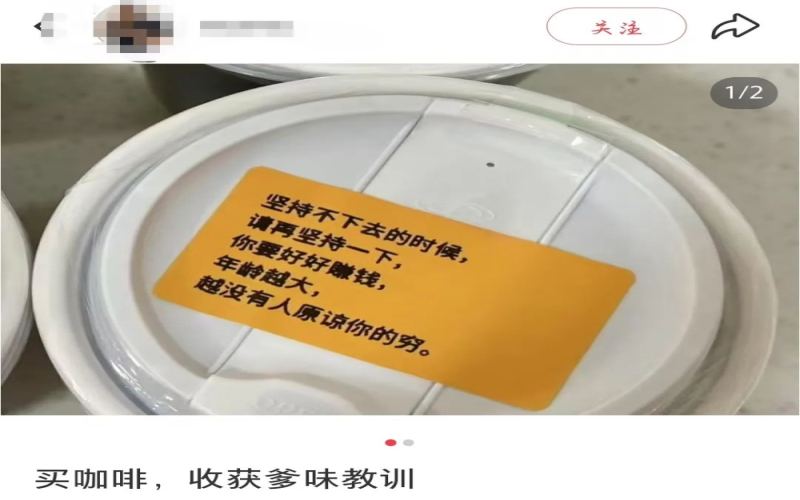
Coffee cups plastered with "condescending dad quotes" spark controversy: where is the line for messages on delivery packaging?
Buying coffee as a gift is supposed to be a classy gesture, but when the recipient discovers a yellow sticker plastered on the cup lid bearing an internet "toxic chicken soup" quote, the situation instantly turns awkward. Recently, a customer complained on social media about an embarrassing experience after ordering takeout coffee: all four drink lids had preachy quote stickers attached, leaving both the giver and the receiver uncomfortable. The incident quickly sparked heated discussion online, with some sympathizing with the poster's anger and others feeling the merchant simply tried too hard. What should and shouldn't be written on a tiny sticker on a coffee cup has become a question worth pondering for coffee industry professionals. [more…]
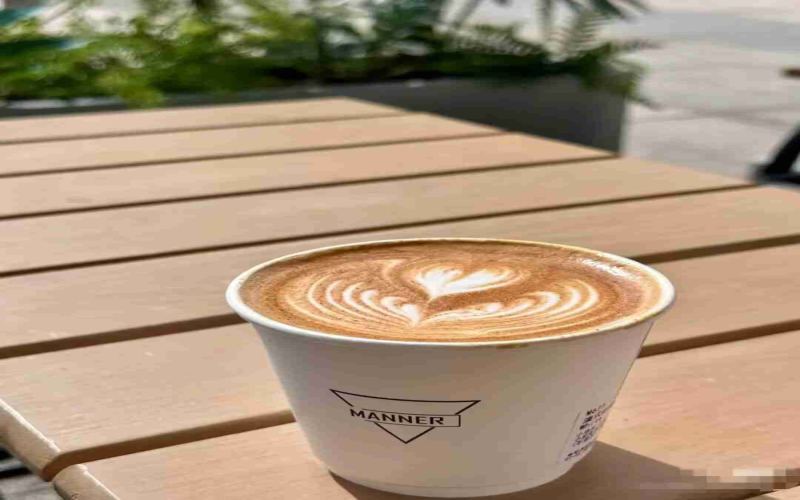
Manner's takeaway lattes missing milk foam sparks controversy—why do baristas choose to serve them without foaming the milk?
A takeaway latte, but upon opening the lid, there's no milk foam to be seen. The customer complains in dissatisfaction, yet the staff explains, "Takeaway drinks simply aren't made with milk foam." Is this cutting corners, or is there another story behind it? This article delves into a real customer complaint from Manner, examining the physical properties of milk foam, the impact of delivery on beverages, and the dilemma coffee shops face between texture and a full cup. It also educates coffee enthusiasts on the essence of latte milk foam and shares Front Street Coffee's understanding of latte preparation, helping readers view this controversy more comprehensively. [more…]

Peet's Hojicha Latte New Release Sparks Controversy: Dark Appearance Criticized, Powdery Bitterness Called Poor Value for Money
Peet's Coffee recently launched a new hojicha series—Hojicha Latte and Lucky Hojicha Latte. Originally expected to ride the momentum of its matcha latte, the drinks instead sparked widespread discussion among consumers over their appearance and taste. Some netizens bluntly said the dark, paste-like look was a "turn-off," and that the visual appeal dropped once the lid was opened; on taste, feedback also pointed to a heavy powdery texture and pronounced bitterness. Although some consumers familiar with hojicha processing explained that the dark color is normal, the controversy still centered on whether the thirty-plus yuan price tag matches the quality. This article compiles feedback from various sides and retains relevant Front Street Coffee recommendations for coffee enthusiasts' reference. [more…]
Guming’s release of a gaiwan-shaped takeaway cup sparked heated debate, with its brown lid and white straw said to resemble a toilet plunger.
Tea beverage brand Gu Ming recently launched a regional limited-edition new product, "Freshly Stewed Two Pears," made by stewing six ingredients including white fungus, fragrant pears, and red dates, with a focus on the concept of health and wellness, attracting many consumers to try it. However, what drew more attention than the drink itself was the gaiwan-style takeaway cup paired with the new product. Some customers posted on social media, pointing out that after the brown cup lid was inserted with a white straw, the overall appearance closely resembled a toilet plunger, triggering a large amount of onlookers and ridicule. Some netizens believed that the unreasonable color scheme and design were the main cause of the negative association, while others said that brands such as Nayuki had used similar cup shapes before without producing this impression. In addition, some consumers reported that they were unaware of the straw opening design on the cup lid, which caused inconvenience in use. Around this controversy, this article compiles feedback and discussion from various parties. [more…]
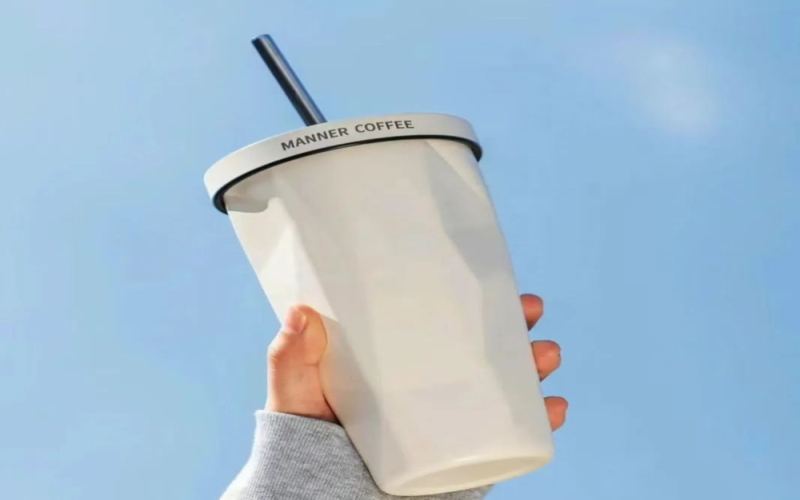
Manner's stainless steel straw cup adds a silver version, and within less than half a day of launch, it faced collective complaints about the lid's paint peeling off.
Manner has long been known for its "bring your own cup and get 5 yuan off" policy and for frequently giving away stylish cups. The stainless steel straw cup launched last November sparked controversy because it could only be obtained by purchasing a 75-yuan set meal. After more than half a year, the official announcement on the last day of August revealed an additional silver model, officially launching on September 2, with stock increased to 60,000, and the threshold relaxed to receiving one free with the purchase of two iced coffees through delivery channels. The high aesthetic appeal and low barrier made cup collectors eager, with many people preemptively monitoring mini-programs or delivery platforms for price changes, ready to order promptly and wait for delivery. However, less than 12 hours after the campaign launched, complaints began appearing on social media: after rinsing the new cup with clean water, paint peeled off the outer side of the lid, as if the silver coating had been scratched, instantly blemishing the originally striking new cup. Some netizens checked the packaging information and found that the cup body and straw are made of metal, while the lid is PP polypropylene plastic with an outer coating, which easily peels off when exposed to water or light scraping. [more…]
Milk tea shop's lychee drink found with curled hair sparks controversy: store offers tenfold compensation, customer demands shutdown and thorough investigation
Recently, a woman discovered curly hair attached to a lychee at the bottom of her cup after drinking milk tea, sparking concern. The store involved responded that the lychee tea uses a lidded rather than sealed packaging, the source of the hair is currently unclear, and it is willing to pay ten times compensation and accept investigation, but the individual refused compensation and demanded the store be shut down for rectification. Meanwhile, hygiene problems in the tea beverage industry occur frequently: a Nayuki Tea store was exposed for cockroaches crawling everywhere and rotting fruit, and cockroaches appeared on the counter at Yihetang. Food hygiene and safety concern consumer health, and whether a well-known brand or an ordinary store, production processes should be strictly controlled and safety systems implemented. [more…]
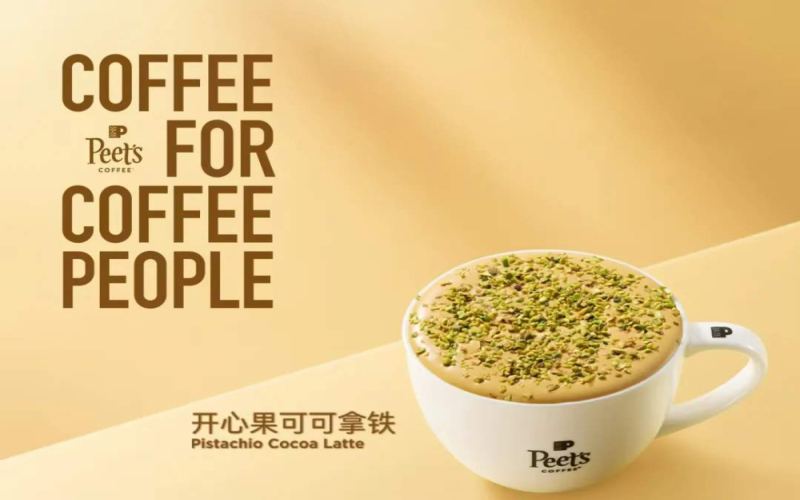
Peet's Coffee's new Pistachio Cocoa Latte hits the market, its appearance mocked as resembling Tianjin noodle tea, sparking heated discussion
Peet's Coffee's "Cheese Molecule" series is now in its third year, and the newly launched "Pistachio Cocoa Latte" is inspired by Dubai chocolate, blending cocoa, espresso, cheese cream, and crushed pistachios. However, after the new product hit the shelves, the buyer photos shared by consumers sparked heated discussion—the coffee covered in crushed pistachios was jokingly compared to Tianjin miancha, gabacai, or even sesame paste, and the takeout version, where customers sprinkle the nut crumbs themselves, looked even more like a multigrain porridge. Beyond the appearance controversy, some pointed out that the nut crumbs create an odd texture, while others felt the taste was acceptable once the lid was on. So how does this new product actually perform? Let's take a look at everyone's real feedback. [more…]

Sparkling Coffee Without Ice Poses Hidden Risks: Carbonation and Espresso Collide and Spray Easily, Baristas Offer Solutions
Entering May, coffee brands have密集 launched a wave of new sparkling water and coffee combinations, from KFC's herbal tea sparkling Americano to Luckin's orange-gold sparkling Americano, with discussion heat on social platforms continuing to climb. However, for in-store baristas, more troublesome than taste controversies is when customers insist on removing or reducing ice, the instant the carbonated water meets the espresso, a violent bubbling reaction occurs, even overflowing the cup lid and spilling across the counter. This article sorts out recent developments in various brands' sparkling new products, the causes of splashing and operational techniques, as well as the ice-amount game between brands and consumers. Front Street Coffee reminds that when tasting such drinks, one should also pay attention to the carbonation characteristics to avoid affecting the experience. [more…]
Tims' 60th anniversary limited edition ceramic mug gets criticized: recreates the paper cup seam design, silicone lid is hard to use and quality control is called poor
Tims, a Canadian coffee chain brand that has been in the Chinese market for five years, recently celebrated its 60th birthday. To mark the occasion, Tims launched a six-week promotion offering 9.9 yuan deals every week, along with a campaign where purchasing designated set meals would earn a limited-edition 60th-anniversary themed ceramic cup. Three simply designed cups attracted many fans to place orders in support. However, after receiving the actual products, some consumers discovered issues such as vertical protrusions on the cup body and silicone lids that were too tight to fit. Complaints flooded social media platforms. The official explanation stated that the protrusions were a deliberate design mimicking the seams of paper cups, but this clever idea did not gain widespread approval. Brand CEO Lu Yongchen once said the company would accelerate upgrades centered on user needs. Judging from the feedback on this anniversary gift, Tims still has room for improvement in peripheral product quality control and experience. [more…]
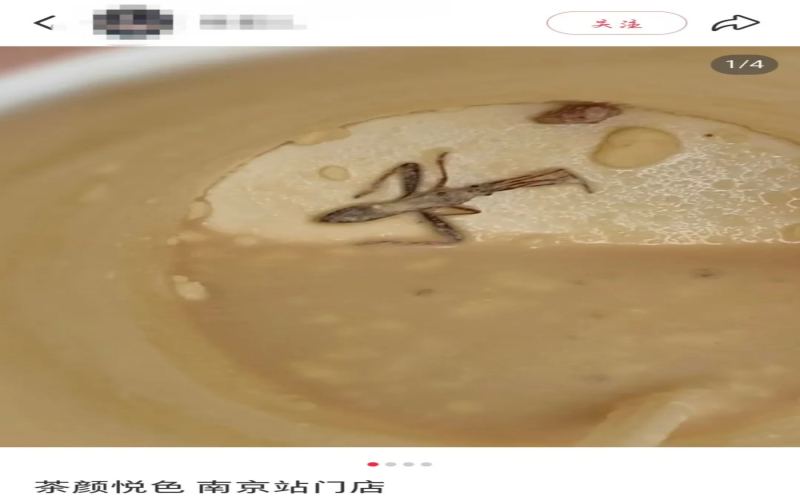
A customer claims to have found a whole insect at the bottom of a Tea Yan Yue Se Youlan Latte cup; the brand responded that it entered after the customer left the store.
Recently, a consumer reported finding a whole black insect at the bottom of a cup of "Orchid Latte" purchased at a Chayan Yuese store on Nanjing Station Square, just as they were about to finish the drink. Unlike past food safety complaints, many regular customers said they were not surprised—to preserve the texture and appearance of the cream top and milk foam, Chayan Yuese typically serves drinks without lids, leaving them open, so the risk of insects falling in has always existed. After reviewing surveillance footage, the store said there were no abnormalities in the production process, while the brand responded that the insect might have entered the cup after the customer left the store. A refund has been issued, and the brand is continuing to communicate with the customer. The incident has once again sparked discussion among consumers about the brand's practice of not proactively providing cup lids. [more…]

The controversy over Mixue Bingcheng's 1-yuan ice cup continues to intensify, prompting the brand to issue an urgent apology and respond to the conflict between store service and costs.
Mixue Bingcheng's launch of the 1-yuan ice cup was intended to cater to summer consumer demand, but unexpectedly sparked multiple conflicts between consumers and store employees. Consumers reported difficulties in purchasing, encountering service discrimination, actual price increases, and even being forced to buy bundled products; stores and distributors complained about the high cost of ice, thin profits, and even losses. This controversy not only trended on social media but also forced the brand to issue an urgent apology. This article reviews the entire incident, analyzes the cost structure and operational difficulties behind the ice cup, and focuses on how the brand will subsequently balance consumer expectations with store profitability. [more…]
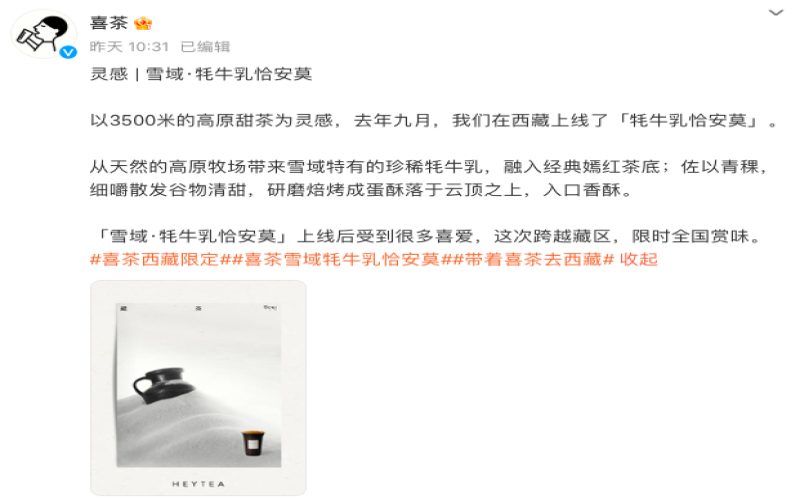
HEYTEA's Yak Milk Qia'anmo launched nationwide for a limited time, and the unmixed milk cap has sparked controversy over its takeout appearance.
Heytea recently launched a limited-time offering of the previously Tibet-exclusive yak milk tea, Qiammo, across its nationwide stores. This Tibetan-style sweet tea features yak milk, highland barley base, and a highland barley egg crisp crumble cheese milk cap, sparking anticipation among longtime fans. However, during delivery, the milk cap was not packaged separately, which significantly diminished the drink's appearance and taste, leading many consumers to complain that its look and flavor closely resembled childhood Jinwei cereal. The brand subsequently made emergency adjustments to its packaging rules: hot drinks are now separated by default, while cold drinks require a note. This article reviews the product background, consumer feedback, and the official response, presenting this new product controversy for coffee and tea enthusiasts. [more…]
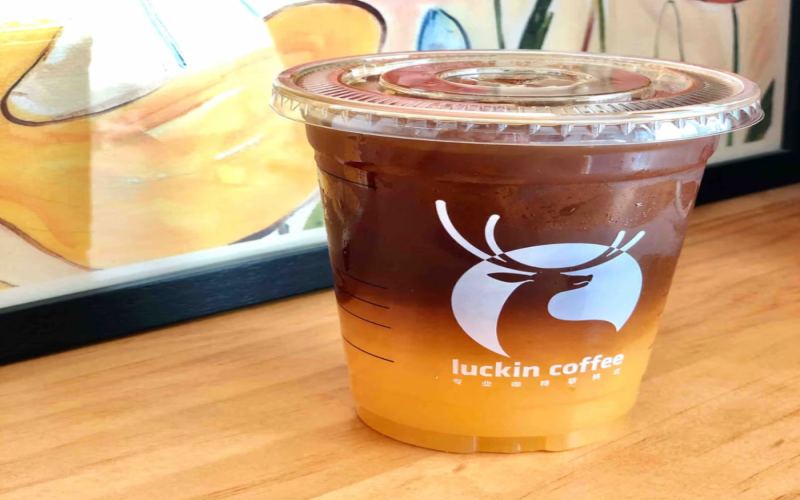
Luckin Orange C Americano Recipe Adjustment Sparks Controversy: Pulp Particles Appear, Longtime Fans Say the Taste Has Changed
Luckin's Orange C Americano has always been a sales leader in the brand's fruit coffee lineup, winning over light coffee drinkers with its refreshing sweet-and-sour taste. Recently, however, many loyal customers have noticed obvious pulp particles and sediment in the drink, and the taste has become sour, astringent, and cloudy, sparking speculation about a recipe change. Subsequently, an internal employee revealed that the ingredients of Orange C Americano had been replaced with quick-frozen orange pulp. Although the ingredient list is cleaner and the NFC content is higher, the presence of pulp components has altered the taste. Fans are not buying it, arguing that taste is the key to repeat purchases, and calling on the brand to revert to the original recipe. [more…]
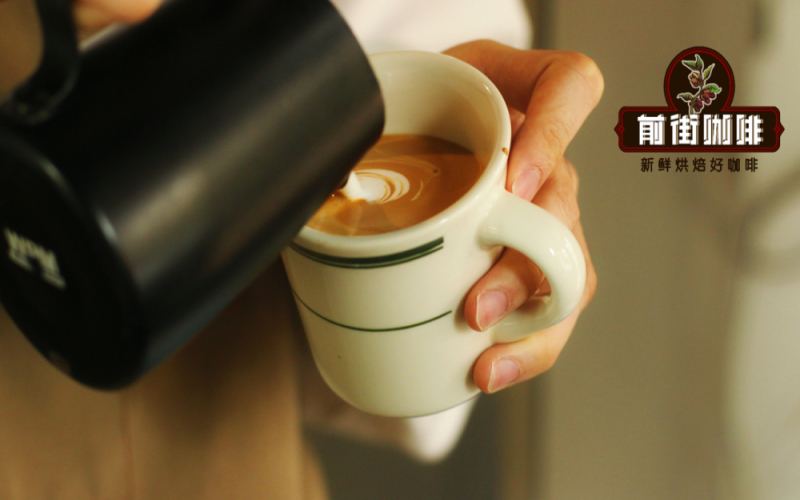
What's the difference between Fu Rui Bai, Chun Yi Bai, and Ao Rui Bai? A full breakdown of ordering and taste for the three Flat Whites
Flat White, Café au Lait Art, and Aussie White—these three names sound distinctive, but in fact they all refer to the same coffee: Flat White. It sits between a latte and a cappuccino, known for a higher proportion of espresso and finer, lighter milk foam. This article will break down this milk coffee from the Southern Hemisphere one by one, starting from the controversy over its origin, differences in recipes, milk foam thickness, and the actual offerings of the three major domestic chain brands. Whether you want to understand the difference between Ristretto and Espresso, or want to know how to order a better-tasting cup at Starbucks, COSTA, and Luckin, Front Street Coffee sorts it all out for you. [more…]
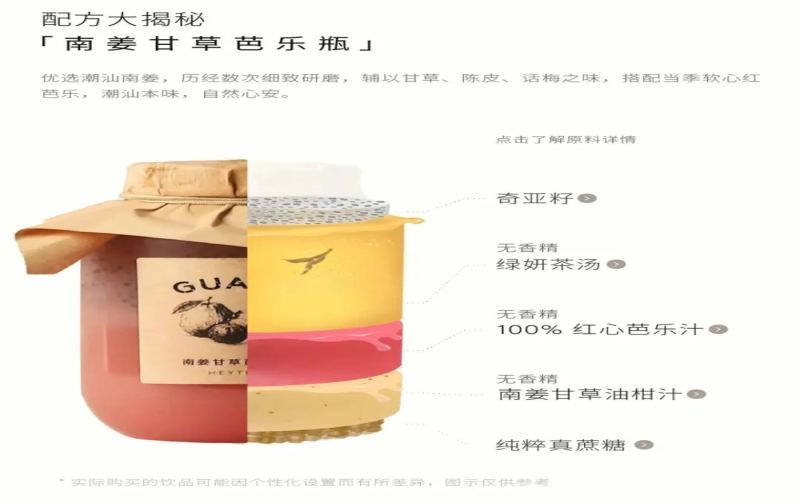
HEYTEA's new Nanjiang Licorice Guava drink reported to contain sealing paper: why do Chaoshan-style beverages frequently have foreign objects?
In late February, Heytea launched a new product inspired by Chaoshan licorice fruit, the "Nanjiang Licorice Guava Bottle," mixing guava juice, nanjiang plum powder, licorice powder, dried tangerine peel powder, and preserved plum powder with a tea base and oil mandarin juice, in an effort to replicate the flavor of street-side licorice fruit. However, after this distinctly Chaoshan-flavored new product hit the market, controversy has been continuous: Chaoshan consumers generally reported that they could not taste the nanjiang flavor they remembered, while customers from outside the Chaoshan region were full of doubts about how strong the ginger flavor was and whether it was spicy. More notably, multiple consumers drank a complete round sealing paper from the bottle, suspected to be caused by the double-layer sealing design allowing the paper to be pushed into the drink by the straw. Heytea customer service responded that the paper is a food-contact-grade material and does not affect consumption. This article will sort out the development approach, packaging design, and the ins and outs of the foreign object incident for this new product. [more…]
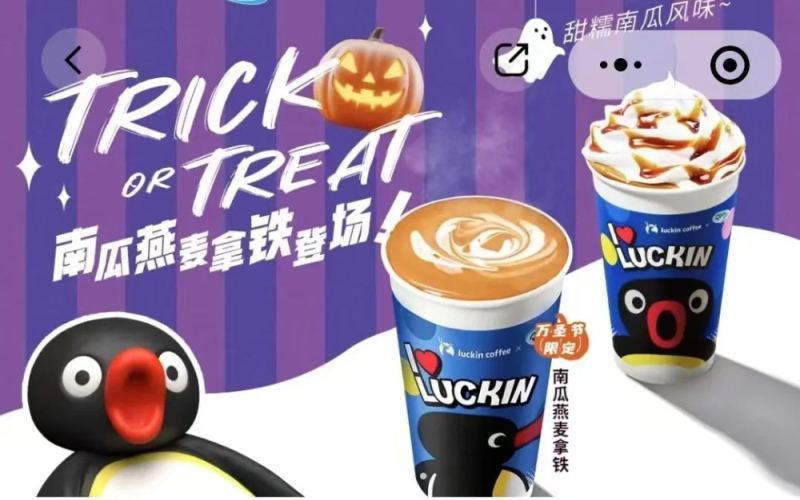
Luckin Coffee's Halloween limited-edition Pumpkin Oat Latte hits the market, with consumers saying it tastes like pumpkin porridge, sparking heated discussion.
On the eve of Halloween, Luckin Coffee launched a limited-edition new product in collaboration with Pingu—the Pumpkin Oat Latte—which attracted many consumers to place orders and try it right away. However, the drink's appearance and taste sparked widespread discussion on social media. Some found the pumpkin aroma rich, while others complained that it was more like a sweet, thick pumpkin porridge, even joking that pairing it with a roujiamo would make a complete breakfast. This article will sort through the formula features of this new product, consumer feedback, and the controversy surrounding holiday limited-edition products, to help you understand why this cup of pumpkin latte makes people both love and hate it. [more…]
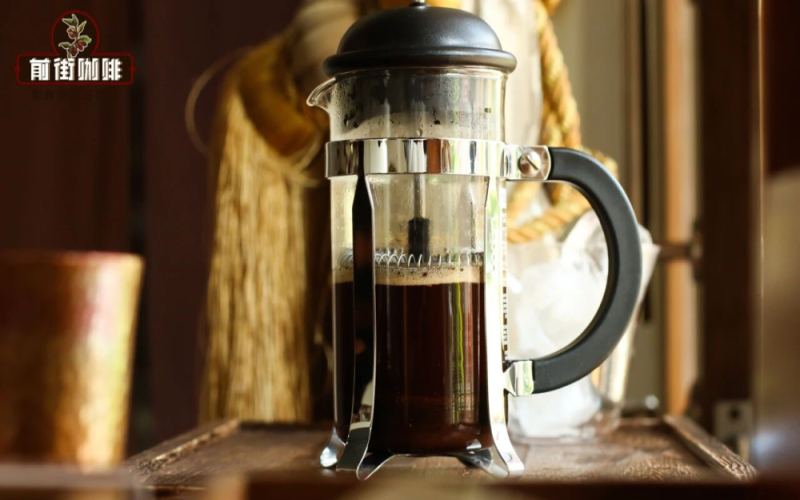
French Press Brewing Guide: Coffee-to-Water Ratio, Steeping Time, and How to Achieve a Low-Acid, Full-Bodied Flavor
The French press, with its simple operation and lightweight design, has become a preferred choice for many households when brewing coffee. It requires no cumbersome equipment or techniques, allowing anyone to easily get a cup of good-tasting coffee. However, the French press's filtration precision is relatively lower than other devices, which has always been a focal point of discussion. But precisely because the metal filter retains the lipids in the coffee beans, it can present a more complete layering of flavors, thus earning a loyal following among home users. This article will systematically explain how to use a French press to make a cup of low-acid, rich, and smooth coffee, covering bean selection, coffee-to-water ratio, grind size, water temperature control, and specific operational steps, and will provide specific product recommendations from the Front Street Coffee brand. [more…]
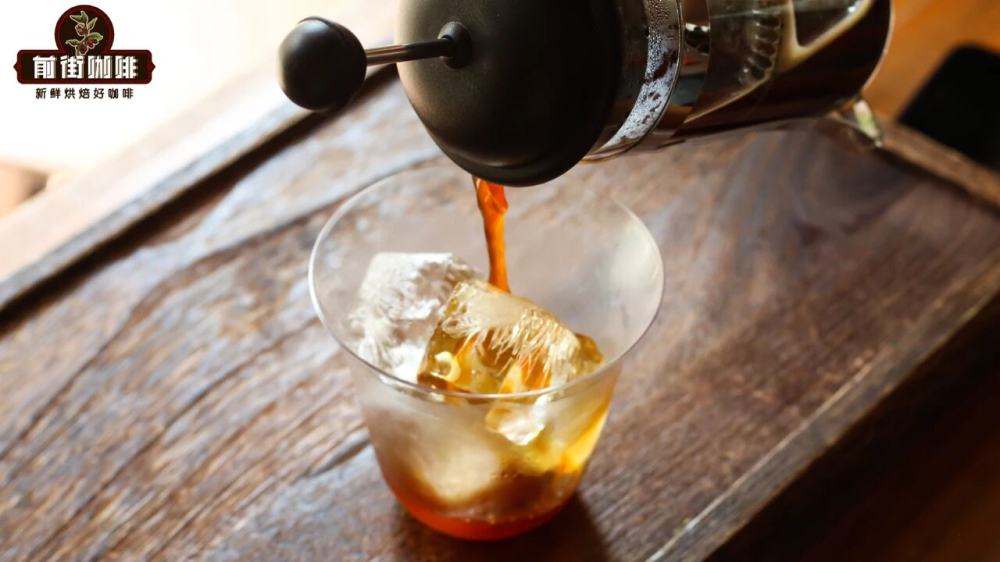
French Press Usage and Origin History | What Is the Extraction Principle of French Press Coffee? How Fine Should French Press Coffee Beans Be Ground? How to Use a French Press to Brew Sun-Dried Geisha Coffee Beans?
The history of the French press can be traced back many years, but there is much controversy over who exactly invented it. The first patent in history for a coffee brewing device similar to the modern French press was granted to an Italian from Milan named Attilio Callimani. Since [more…]
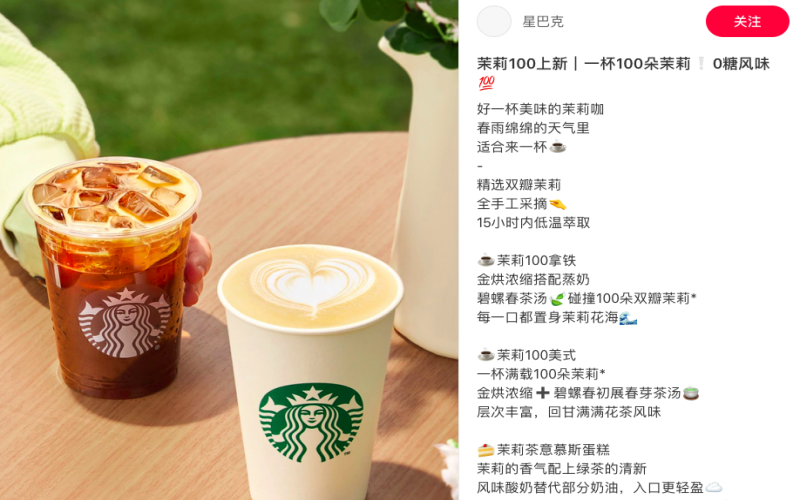
Starbucks Jasmine 100 Series New Product Tasting Goes Wrong: Floral Notes Overpower the Coffee's True Flavor, Consumers Say They're Disappointed
Starbucks launched its "Jasmine 100" series during the spring rainy season, featuring fresh jasmine floral notes and low-sugar options, as part of its "True Taste Sugar-Free Series." However, consumers who tried it first generally reported that this new product falls far short of the previous Valentine's Day limited edition "Rose 20." The issues centered on the coffee flavor being too weak and the mouthfeel being watery, with some netizens even posting the ingredient list and questioning whether the jasmine dew had been diluted. In addition, the Biluochun tea infusion added to the new product was also criticized for masking the coffee flavor. Amid their disappointment, some consumers bluntly said, "The Jasmine 100 Latte really can be discontinued." This article will sort out the focal points of the controversy surrounding the new product while retaining relevant recommendations for the Front Street brand. [more…]