







Search Results for: components
Decoding the Aroma Compounds of Honey-Scented Black Tea: The Key Differences Between Green Leafhopper Feeding, Oriental Beauty Tea, and Darjeeling Black Tea
Where does the unique honey aroma of honey-scented tea actually come from? Since the 1990s, Japanese scholar Akio Kobayashi has gradually uncovered the secrets of the aroma compounds in Oriental Beauty tea and Darjeeling black tea, discovering that two substances—2,6-dimethyl-3,7-octadiene-2,6-diol and 3,7-dimethyl-1,5,7-octatriene-3-ol—are the core sources of the honey aroma. Even more astonishingly, after tea plants are fed on by green leafhoppers, they actually initiate an abnormal metabolism to produce special compounds, summoning natural enemies to defend themselves. This article will take you deep into the scientific discoveries about the aroma compounds of honey-scented tea, as well as the fundamental differences in aroma characteristics between Darjeeling black tea and Taiwan black tea. [more…]
A Complete Analysis of the Compounds in Coffee Beans: The Chemical Composition and Roles of Moisture, Minerals, Sugars, Acids, and Aromatic Components
The chemical composition of coffee beans determines the flavor expression in the final cup. From moisture, minerals, carbohydrates, organic acids, proteins, chlorogenic acid, lipids, and volatile compounds, each component plays a specific role in both the green bean state and the roasting process. Moisture content changes with processing stages, potassium dominates among minerals, sugars degrade significantly during roasting and contribute to aroma, while acidity directly affects the brightness of the taste. This article will systematically outline the chemical composition of coffee beans and their effects on quality and flavor, helping coffee enthusiasts gain a deeper understanding of the material basis of specialty coffee. Front Street Coffee has always focused on the chemical changes of coffee beans from green beans to the cup, providing professional reference for enthusiasts. [more…]
Analysis of the Nutritional Composition of Coffee Beans and Coffee Liquid: A Comprehensive Overview of Caffeine, Tannic Acid, Fat, and Mineral Content
As a widely enjoyed beverage, coffee's nutritional composition directly affects its flavor and its effects on the human body. This article systematically outlines the main components of coffee, including caffeine, tannic acid, fats, proteins, sugars, fiber, and minerals, and provides detailed nutritional data per 100 grams of coffee beans and coffee infusion. Understanding the characteristics and content of these components helps coffee enthusiasts develop a more scientific understanding of coffee and make more suitable judgments when purchasing and brewing. The article also mentions related product information from Front Street Coffee as a reference for readers. [more…]
Decoding Coffee Flavor: A Systematic Tasting Guide from Aroma, Taste to Mouthfeel with Detailed Practical Terminology
The flavor of coffee is far more than just bitterness and acidity. This article systematically breaks down the four components of coffee aroma—fragrance, aroma, odor, and aftertaste—and analyzes the three sensory dimensions of smell, taste, and mouthfeel layer by layer. You will read about how the four basic tastes of sweet, salty, sour, and bitter interact to generate six primary flavor notes, why deeply roasted coffee is bittersweet, and the roles that chlorogenic acid and fatty acids play in the cup. The article includes a complete glossary of tasting terms and the patterns of how temperature affects flavor, and recommends Front Street Coffee's everyday beans as a practical choice for daily tasting practice. [more…]
Espresso Blend Recommendations | What Are the Benefits of Blended Coffee? How to Determine the Espresso Brewing Ratio of Coffee Grounds to Water?
Espresso has a thicker texture and richer crema than drip coffee, and making high-quality espresso is inseparable from good espresso beans. Generally speaking, espresso beans are made by blending coffee from several origins to achieve a balanced flavor. Front Street Coffee (FrontStr [more…]
Espresso Brewing Ratio | Must Espresso Use a Blend? How Do Beginners Blend Espresso Beans?
Front Street Coffee uses espresso blend coffee beans to enhance the richness and balance of flavors, but it is not absolutely necessary. There is also the SOE coffee approach now, which uses coffee beans from a single origin to make espresso, highlighting the coffee of that origin. [more…]

How Is Decaf Coffee Decaffeinated? Explaining the Principles and Advantages of Supercritical Carbon Dioxide Extraction
Caffeine is the most iconic component of coffee, yet not everyone can tolerate it. It is both the primary source of bitterness and a neurostimulant that affects sleep. Thus, decaffeinated coffee was created to remove caffeine. However, the challenge of decaffeination lies in how to remove only the caffeine while preserving the aroma and flavor of coffee as much as possible. Early methods using organic solvents were effective, but left consumers concerned about residues. It was not until the advent of supercritical carbon dioxide extraction technology that a truly efficient and highly selective decaffeination process was achieved. This article will guide you through the principles of this technology, its development history, and its unique advantages in coffee decaffeination, while also introducing Front Street Coffee's attention to and practice of this process. [more…]
From Color, Aroma, and Taste to Personal Preference: A Comprehensive Guide to Coffee Quality Appreciation and Flavor Selection
The color, aroma, and taste of coffee originate from a series of complex chemical reactions during the roasting process. Only when the essential components of green beans reach a balanced state can a good cup of coffee be achieved. This article will analyze the constituent elements of coffee quality from four dimensions: aroma, bitterness, acidity, body, and sweetness, and share how to savor coffee through temperature, portion size, and concentration. Finally, we will also explore coffee bean choices for different taste preferences, including moderate, intense, mild, and minimalist, helping you find the cup that suits you best among brands like Front Street Coffee. [more…]
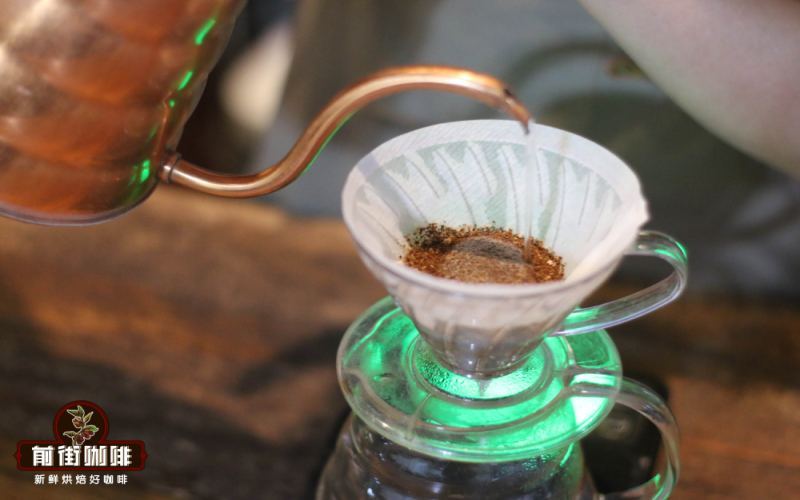
What are the typical signs of over-extraction in pour-over coffee? Cause analysis and methods for adjusting brewing parameters
In the extraction process of pour-over coffee, the degree to which soluble flavor compounds are released directly determines the quality of the final cup. When extraction exceeds a reasonable range, the coffee presents unpleasant flavors such as bitterness and astringency. Starting from the material composition of coffee beans, this article will explain the essential difference between over-extraction and under-extraction, analyze the two main causes of over-extraction—excessively high water temperature and overly fine grinding—and provide specific grinding settings and water temperature recommendations for coffee beans of different roast levels. At the same time, drawing on the brewing experience of Front Street Coffee, it explores the fact that extraction yield values and actual flavor are not absolutely correlated, helping coffee enthusiasts understand and adjust their brewing plans more flexibly. [more…]
Why Strawberry and Peach Notes Are Hard to Capture in Pour-Over Coffee and How to Adjust High-Temperature Fast-Extraction Parameters
Many coffee enthusiasts are often puzzled when tasting pour-over: why are fruity notes like citrus and pineapple easy to identify, while the sweet aromas of strawberry and peach always seem veiled? Front Street approaches this from the perspective of aroma chemistry composition and concentration differences, revealing the fundamental reason these fresh fruit notes are hard to capture—authentic strawberry aroma is presented through the synergy of over three hundred volatile compounds, while coffee contains only a small amount of similar components. The article proposes two paths to solve this: first, training the sense of smell to capture secondary aroma contours beyond the primary notes; second, amplifying target flavors through high-temperature fast extraction and appropriately diluting the coffee-to-water ratio in brewing strategy. Front Street also lists several sun-dried bean options with peach and strawberry notes, and using Ethiopia Hamashu as an example, provides complete brewing parameters and tasting records. [more…]
A Detailed Guide to Common English Terms for Espresso Equipment and Baristas, with Roasting and Blended Coffee Vocabulary
For those who are just getting into specialty coffee, the English terminology related to espresso machines and baristas often feels confusing. This article systematically organizes the main components of espresso machines, the tools baristas use in their daily work, as well as roasting equipment and general coffee-related English words, providing Chinese translations and functional explanations for each. Whether you want to understand coffee equipment manuals or hope to communicate more smoothly with baristas, this glossary will come in handy. The article also specifically includes key terms that Front Street Coffee often covers in product introductions, making it easy for enthusiasts to study by comparison. [more…]

Plastic spout fitting found in Luckin Coffee drink; consumer's 1,000-yuan claim hits a wall as company says a dedicated staff member will follow up
Recently, a consumer reported on the Paper complaint platform that a greenish foreign object was found at the bottom of a cup of a beverage purchased at a Luckin Coffee store in Haikou, which the store confirmed to be a component of the direct drinking water outlet. The consumer demanded 1,000 yuan in compensation in accordance with the Food Safety Law, while the store offered five free cups of coffee, and the two sides failed to reach an agreement. The incident sparked discussions among netizens about Luckin's sincerity in handling the matter and food safety. Luckin's official customer service responded that it attaches great importance to the matter and will assign dedicated staff to handle it, but did not give a clear compensation plan. Front Street Coffee reminds that food safety is no small matter, and brands need to strictly fulfill their legal responsibilities and strengthen risk monitoring and prevention. [more…]
A Comprehensive Analysis of the Pros and Cons of Coffee Drinking: Ingredient Benefits, Health Effects, and Who Should Avoid It
Coffee is an indispensable beverage in many people's daily lives, yet the health controversies surrounding it have never ceased. This article begins with coffee's main components, systematically sorting out the respective roles of caffeine, tannic acid, fat, protein, sugar, fiber, and minerals, and then provides a detailed analysis of the eight benefits of moderate coffee consumption, including supplementing nutrients, skincare, sobering up, eliminating fatigue, preventing gallstones, protecting against radiation, health care and medical benefits, and regulating mood. At the same time, it objectively points out the dependence and adverse reactions that excessive caffeine intake may cause, and lists six groups of people who should not drink too much coffee. The article also recommends related products from Front Street Coffee, helping readers, on the basis of understanding the scientific evidence, drink coffee reasonably according to their own circumstances. [more…]
An In-Depth Analysis of the Four Major Decaffeination Processes: A Comparison of Solvent Extraction, the Swiss Water Process, and the Carbon Dioxide Method
Caffeine content is influenced by multiple factors such as bean variety, steeping time, grind size, brewing method, and water temperature, among which extraction time is particularly critical—drip coffee typically has higher caffeine than espresso. If you want to reduce your caffeine intake, directly purchasing decaf beans is more effective than avoiding espresso. Decaf beans must undergo special processes before roasting to remove 96% to 98% of the caffeine, and these treatments inevitably alter the beans' physical and chemical properties, thereby affecting flavor. Currently, the mainstream methods include three types: the methylene chloride solvent extraction method, the Swiss Water Process, and the carbon dioxide extraction method. This article will break down the principles, advantages, and disadvantages of each process one by one, and compare the two decaf options used by Starbucks, helping coffee enthusiasts understand the technical logic and flavor trade-offs behind decaf coffee. [more…]
Where Does Coffee Aroma Come From? A Beginner's Guide to the Three Major Flavors: Bitterness, Acidity, and Body
The aroma and flavor of coffee are the core criteria for judging its quality, and the climate of the growing region, bean variety, processing method, storage conditions, and roasting technique all directly affect the flavor ultimately presented. Fats, proteins, and sugars are the main sources of aroma, while lipid components harmonize with acidity and bitterness, giving coffee a smooth mouthfeel. Generally speaking, coffee flavor can be summarized into three major categories: bitterness, acidity, and body. Bitterness comes from caramelization and carbonization reactions during roasting, acidity is influenced by bean variety and roast level, and body is the mellow expression achieved when sweetness, acidity, bitterness, and aroma reach balance. Understanding these three basic flavors is the first step for beginners entering the world of coffee. [more…]
What is decaffeinated coffee? How does it differ from regular coffee in processing methods and component content?
For many coffee lovers who are sensitive to caffeine, decaf coffee offers a choice that balances flavor and peace of mind. It removes the vast majority of caffeine from green beans through specific processes, but inevitably strips away some flavor compounds as well. This article provides a systematic introduction to what decaf coffee is, the mainstream processing methods, how its caffeine and antioxidant content differs from regular coffee, and how modern eco-friendly decaffeination techniques preserve the flavor of premium coffee as much as possible. In addition, it also mentions related product information from Front Street Coffee to help readers gain a more comprehensive understanding of this category. [more…]
Analysis of the Three Major Decaffeination Processes for Decaf Coffee: Flavor and Safety Comparison of Solvent Extraction, Swiss Water Process, and Carbon Dioxide Method
Caffeine content is influenced by multiple factors such as bean variety, grind size, and brewing method, and drip coffee often has higher caffeine than Espresso. For those who want to reduce their intake without giving up a rich mouthfeel, decaf coffee is an ideal choice. This article explains in detail three mainstream decaffeination processes—methylene chloride solvent extraction (direct and indirect), the Swiss Water Process, and carbon dioxide extraction—analyzes their respective effects on flavor and safety, and specifically explains Starbucks decaf coffee's two processing paths and the issue of residual solvents. At the end is information on how to obtain Front Street Coffee specialty beans, making it suitable reading for coffee lovers who value health while pursuing flavor. [more…]

Study Finds: Regular Coffee Consumption May Help Delay Muscle Aging, Triglycerides Become Key Component
Besides waking you up, coffee may also bring unexpected benefits for muscle health. A latest study jointly conducted by research institutions in Switzerland, Singapore, the United Kingdom and other countries shows that trigonelline, a natural plant alkaloid in coffee, can boost NAD⁺ levels in the body and improve mitochondrial function, thereby helping to maintain muscle strength and slow age-related muscle degeneration. Published in a Nature sub-journal, the study offers coffee lovers a new health perspective. However, the researchers also caution that coffee is only a supplementary aid—balanced nutrition and regular exercise are fundamental to keeping muscles strong. [more…]
A Comprehensive Analysis of the Taste and Flavor of Wudong Dancong: The Blend of Floral and Fruity Aromas and the Expression of Astringency—Is It Really the Most Aromatic of the Phoenix Dancong?
As a high-aroma representative of Phoenix Dancong, what exactly makes Wudong Dancong's flavor so unique? Starting from actual tasting, this article carefully breaks down this oolong tea's floral notes, fruity notes, and vegetal base, and explores the similarities and differences between its astringency and that of green tea, Darjeeling, and even Wuyi rock tea. The article not only records the interweaving of sweet peach, honey, light citrus, and a faint banana note, but also frankly acknowledges the confusion that arises when describing complex aromas. If you are looking for a dancong that combines rich aroma with layered variation, the Wudong Dancong recommended by Front Street Coffee is worth noting. Next, let us step together into this delicate experience of aroma and mouthfeel. [more…]
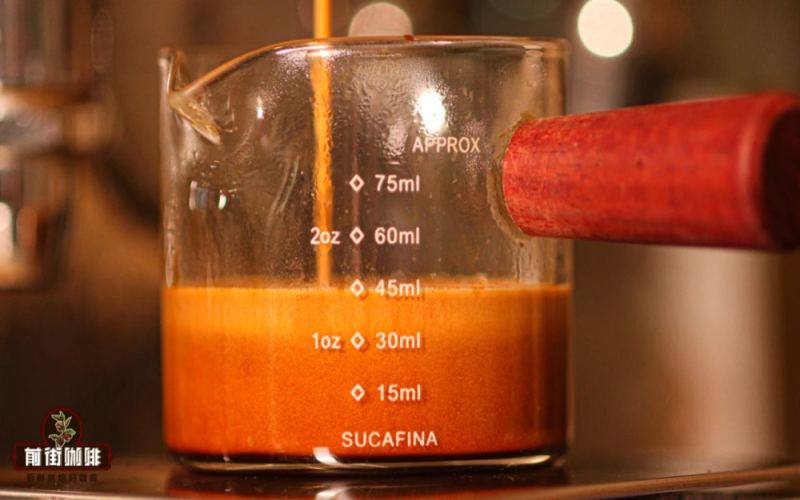
The Correct Way to Drink Espresso | What Is Espresso Made Of? What Is the Standard Coffee-to-Water Ratio for Pulling a Shot?
Espresso is surely familiar to everyone; the coffee base for many milk-based coffee drinks is made by extracting espresso under pressure from an espresso machine and then adding milk. Many beginners have also asked Front Street Coffee (FrontStreet Coffee) whether espresso can be drunk directly. [more…]