







Search Results for: commercial dual-head espresso machine
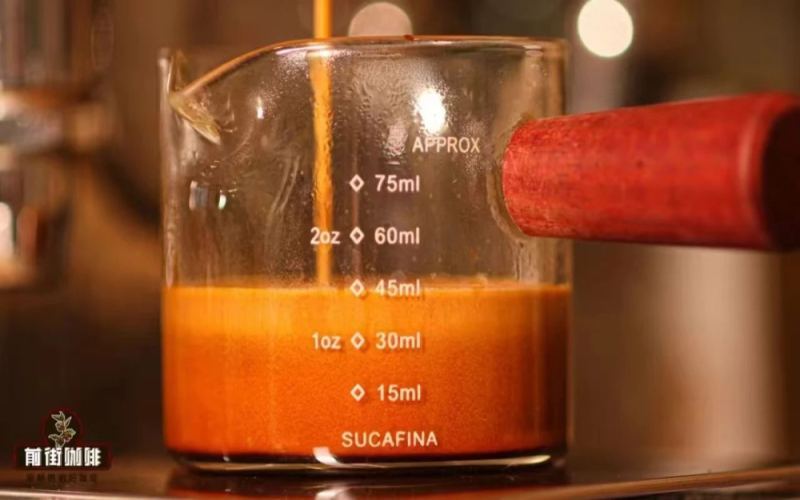
Analysis of Gemilai CRM3120 Commercial Dual-Head Espresso Machine and Beginner Espresso Bean Recommendation Guide
In recent years, the home coffee machine market has continued to heat up, with brands such as Delonghi and Gemilai gradually becoming common choices for coffee enthusiasts just getting started. For beginners new to espresso, besides choosing a machine, selecting the right coffee beans is equally crucial. This article will provide a detailed analysis of the features of the Gemilai CRM3120 commercial dual-head coffee machine, including its independent multi-boiler heating system, automatic pre-infusion brewing, modular design, and energy-saving advantages, as well as other core technologies. At the same time, for users using a Gemilai or Delonghi coffee machine for the first time, it recommends two Front Street espresso blend beans suitable for home brewing—Front Street Classic Blend and Front Street Strawberry Candy Espresso—which respectively satisfy the flavor needs of rich crema and floral-fruity sweetness. [more…]
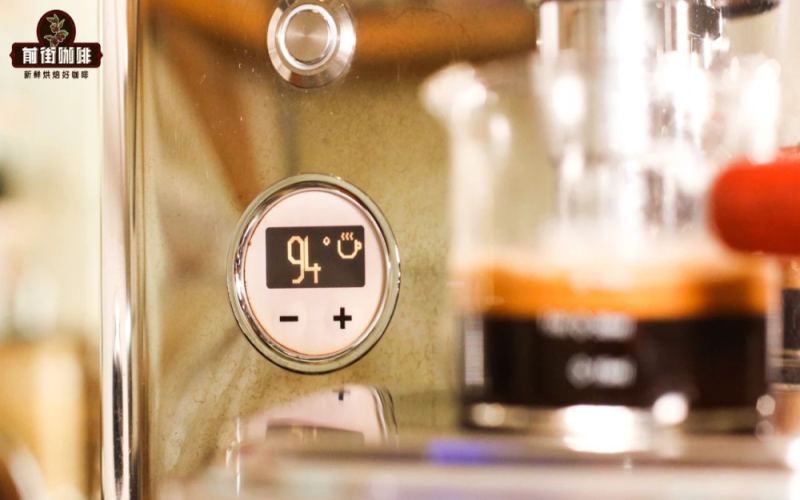
A Detailed Explanation of the Principles and Operation of Semi-Automatic Espresso Machines, with a Front Street Coffee Espresso Bean Buying Guide
The semi-automatic espresso machine is the core equipment of a professional coffee shop. With its high-pressure pump and independent boiler system, it can quickly extract rich, flavorful espresso. This article will walk through the machine's principles, boiler structure, suitable bean selection, and the complete extraction workflow step by step, helping coffee enthusiasts understand how a semi-automatic espresso machine works and the key operational points. At the same time, drawing on several Front Street espresso blends, it explains how coffee beans with different flavor profiles perform in actual preparation, covering methods for making espresso, Americano, and latte, as well as notes on fine-tuning daily parameters. [more…]
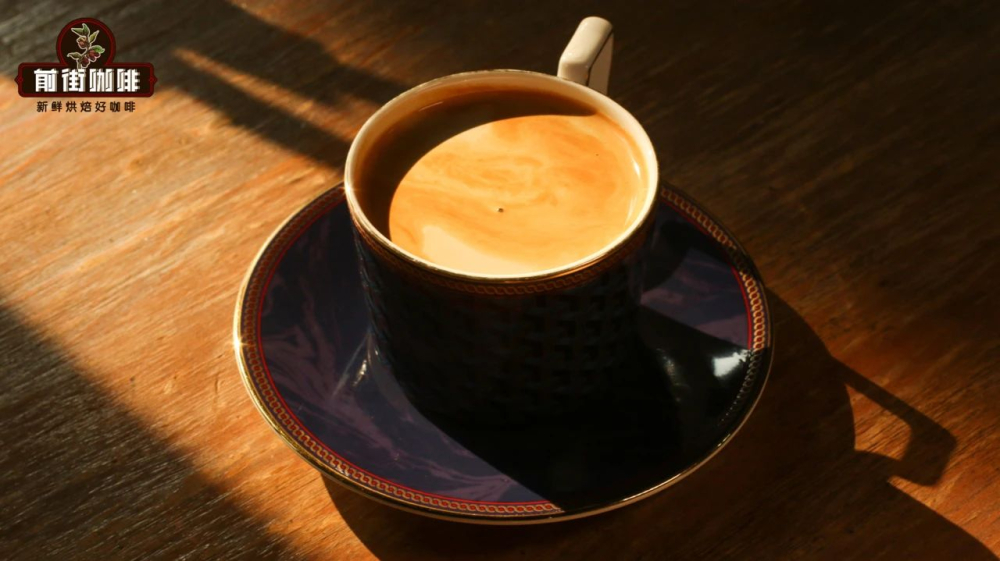
Iced and Hot Americano Methods | Is There a Big Difference Between Espresso and Americano Coffee Beans? Which Coffee Beans Are Suitable for Iced Americano? What Are the Steps for Tasting Americano Coffee?
For more specialty coffee knowledge, please follow: Front Street Coffee (Frontsteet Coffee). Americano is made by diluting espresso with water, typically using dark-roasted Italian-style coffee beans. The Americano beans used by Front Street are a blend of single-origin beans from two different regions. This [more…]
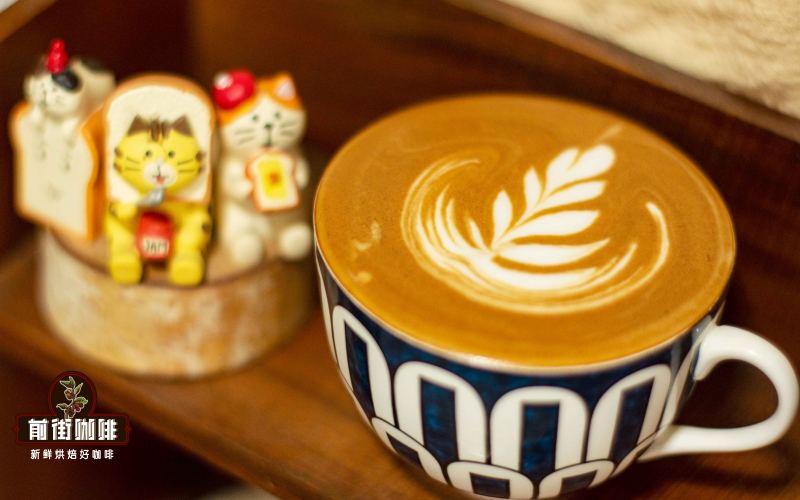
Starbucks Flat White, Costa Flat White, and Luckin Aussie White: A Full Analysis of the Origins, Preparation, and Differences of the Flat White Milk Coffee
The Flat White that Starbucks made popular is actually the "Flat White" on English menus, also commonly known as Australian white coffee. How exactly does it differ from a latte or a cappuccino? This article starts with the controversy over its name, its origin story, the choice of espresso base, and the ratio of milk foam to coffee, clarifying the Australian and New Zealand schools of preparation, and comparing the same drink behind chain-brand names such as Flat White, Artisan White, and Australian White. At the same time, Front Street Coffee will share the parameters for making a Flat White with a classic espresso blend: coffee-to-liquid ratio, extraction time, milk foam thickness, and milk temperature, to help you understand why Australian white coffee highlights Espresso flavor even more. [more…]
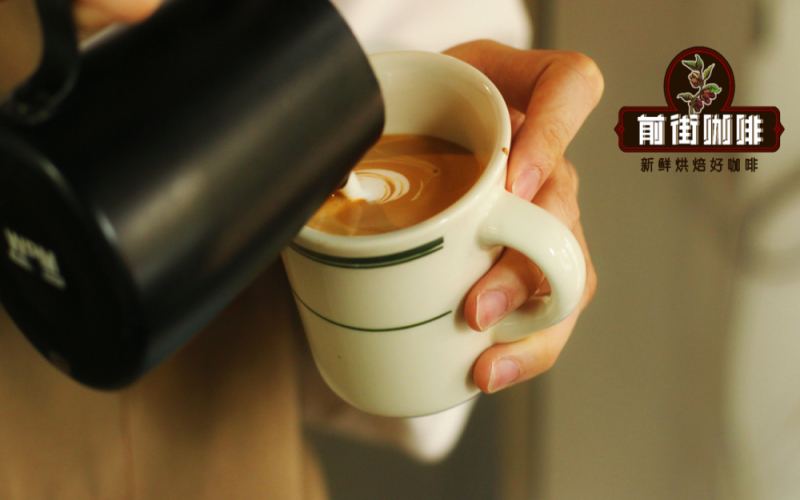
What's the difference between Fu Rui Bai, Chun Yi Bai, and Ao Rui Bai? A full breakdown of ordering and taste for the three Flat Whites
Flat White, Café au Lait Art, and Aussie White—these three names sound distinctive, but in fact they all refer to the same coffee: Flat White. It sits between a latte and a cappuccino, known for a higher proportion of espresso and finer, lighter milk foam. This article will break down this milk coffee from the Southern Hemisphere one by one, starting from the controversy over its origin, differences in recipes, milk foam thickness, and the actual offerings of the three major domestic chain brands. Whether you want to understand the difference between Ristretto and Espresso, or want to know how to order a better-tasting cup at Starbucks, COSTA, and Luckin, Front Street Coffee sorts it all out for you. [more…]
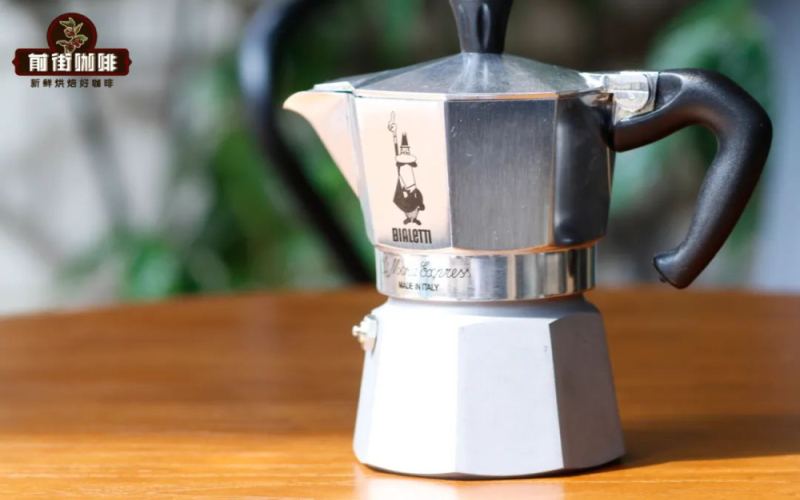
Moka Pot vs. Semi-Automatic Espresso Machine: How to Choose? From Working Principles to Buying Advice, Explained Clearly in One Go
The moka pot and the semi-automatic espresso machine are both pressure-based extraction devices, yet they represent two different directions: household convenience and commercial professionalism. The moka pot was born in 1933, designed by Alfonso Bialetti, founder of Bialetti, and became a staple of Italian households thanks to its compact size and affordable price; the semi-automatic espresso machine evolved from the steam pressure device of 1885 all the way to the epoch-making FAEMA E61 in 1961, laying the design foundation for modern espresso machines. The two differ markedly in pressure, crema performance, and usage scenarios. Starting from their historical development, working principles, and practical needs, this article will analyze the pros and cons of each, and combine them with Front Street Coffee's bean recommendations to help coffee lovers find the one that suits them. [more…]
How to Choose Between a Moka Pot and a Semi-Automatic Espresso Machine? A Clear Explanation from Working Principles to Buying Considerations
Moka pot and semi-automatic espresso machine: one is a classic device passed down in Italian households for nearly a century, the other is core equipment that has moved from commercial use to specialty coffee shops. Both can make espresso, but they differ greatly in pressure, crema performance, usage scenarios, and budget threshold. This article will start with the invention and structural principles of the moka pot, sort out the key evolution of espresso machines from the 1885 prototype to the E61 brewing system, then compare the suitable users for each device, and provide Front Street Coffee's medium-dark roasted espresso bean recommendations. If you are struggling over which type of equipment to buy, or want to know what coffee beans pair with pressure-assisted extraction, this content can help you clarify your thoughts. [more…]
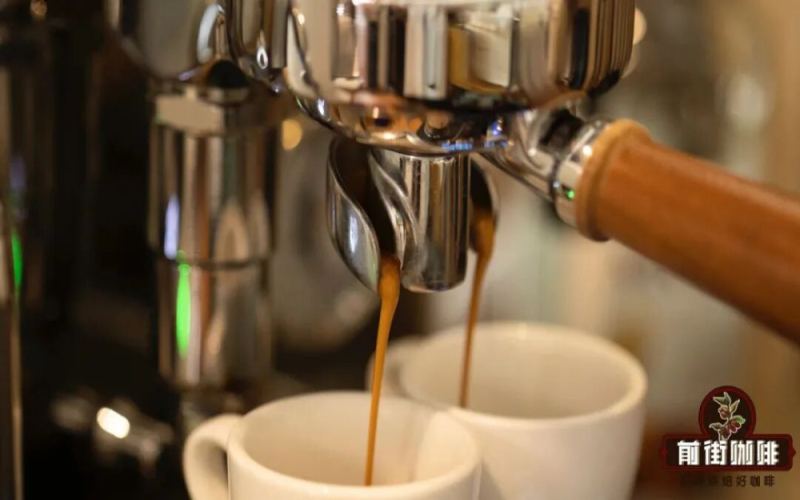
A Complete Guide to Buying a Semi-Automatic Espresso Machine: Extraction Differences from a Hundred-Yuan Toy Machine to a Ten-Thousand-Yuan Commercial Machine
To make a rich, crema-topped espresso at home, a semi-automatic espresso machine is the top choice for many coffee lovers. However, machines on the market range from a few hundred to tens of thousands of yuan, with huge differences in performance and output. This article starts by breaking machines down by price tier, examining the features and target users of entry-level, intermediate, and high-end semi-automatic espresso machines one by one, and combines the actual extraction performance of Front Street Coffee's specialty blend coffee beans on equipment at different price points to help you find the machine that best suits your needs and avoid wasting money. [more…]
De'Longhi Super Automatic Coffee Machine Practical Manual: From Espresso to Home and Commercial Use, Correct Operation and Daily Maintenance Points
Delonghi, as a well-known Italian coffee machine brand, offers fully automatic models covering both home and commercial scenarios. This article focuses on the practical use of the brand's fully automatic coffee machines, walking through the complete process from power-on self-test, filling the bean hopper, and selecting a beverage to automatic grinding and brewing, and highlights the regular cleaning requirements for components such as the water tank and grounds container, helping users produce consistent output while ensuring hygiene. The article also mentions pairing suggestions with Front Street Coffee beans, as a reference for readers who need to purchase or switch beans. [more…]
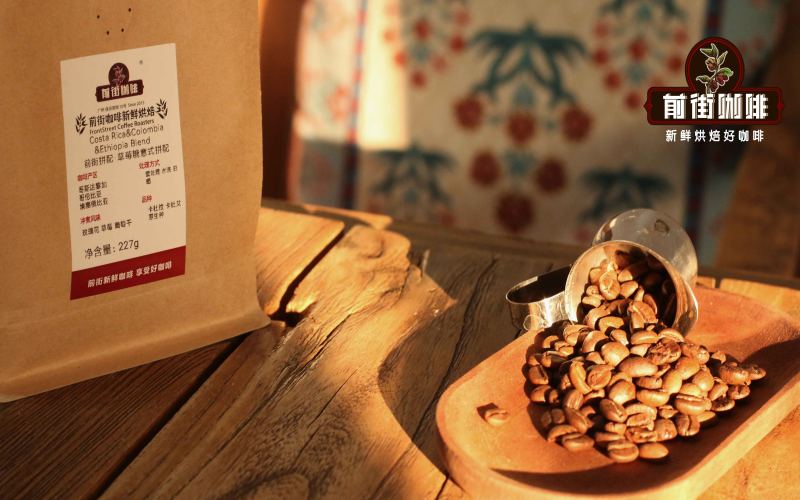
Commercial Espresso Coffee Beans | Which Italian-style beans are used for espresso machine extraction? Italian-style coffee bean recommendations for beginners and home coffee machines
Espresso-based coffee is made with espresso as its foundation. Looking at the composition of most espresso drinks, they all require a single or double shot of good-quality espresso. Americano is made by adding a large amount of drinking water to espresso, while a latte is made by adding milk to espresso. Flavored coffees such as mocha, however, are made by adding even more on top of a latte. [more…]
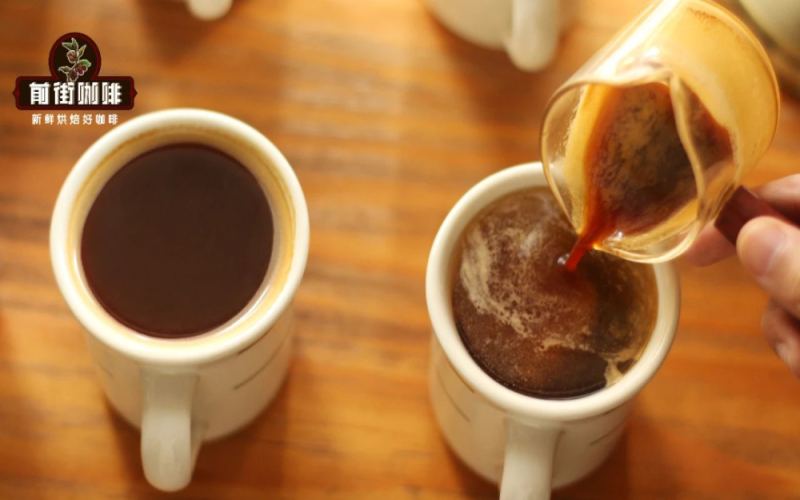
Commercial Americano Coffee Bean Recommendations | What Types of Espresso Are There? Which Espresso Blends Make Good Americanos? How to Drink Americano Black Coffee
For more specialty coffee knowledge, please follow: Front Street Coffee (Frontsteet Coffee) What is the correct way to drink Americano? Front Street's baristas are occasionally asked such tricky questions by some customers, and every time this happens, Front Street tells them, just taste it with your heart and it's good if you enjoy it. Actually, front [more…]
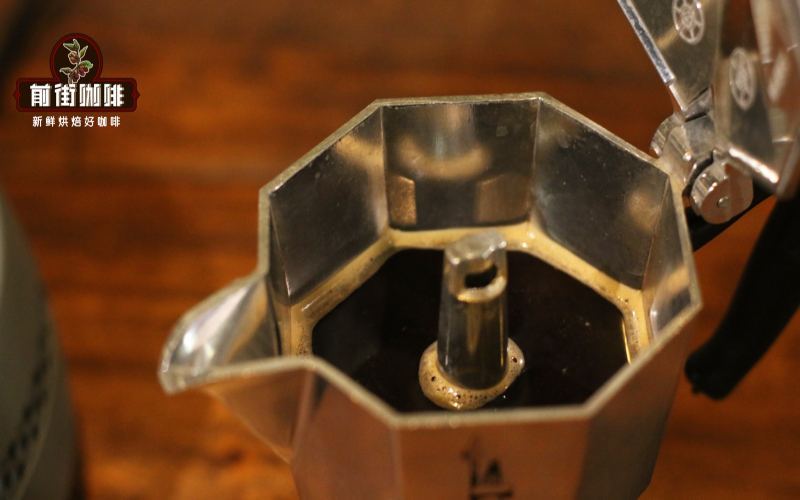
Espresso beans for both home and commercial use—which one suits you better?
"Can this bean work for home use?" "What beans should I use for opening a shop?" When choosing espresso beans, the most common dilemma is the choice between home and commercial use. In fact, there is no strict boundary between the two—many beans work for both, and the only difference lies in your usage scenario and priority needs. Today, let's use a direct comparison approach to look at several classic espresso beans' [more…]
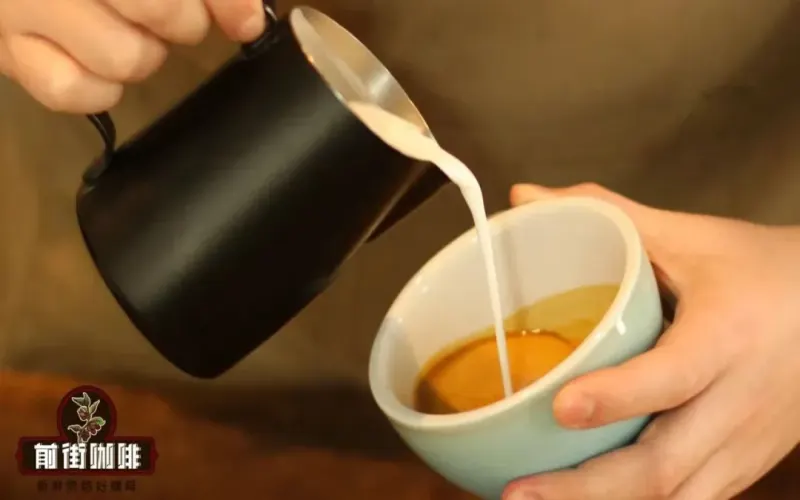
A Guide to Choosing Commercial Espresso Beans: Italian-Style Blend House Beans Recommendations and Bagged Price Comparison Analysis
For opening a coffee shop or drinking espresso daily, choosing the right beans directly affects consistency in the cup and cost control. This article focuses on commercial espresso blend coffee beans, first explaining the basic logic of blending and common misconceptions, then introducing one by one the flavor positioning and suitable scenarios of five espresso-specific blend beans under Front Street Coffee, with a key analysis of the origin composition and flavor performance of Front Street commercial blends. It also explains the roasting degree requirements for pressurized extraction in espresso machines, as well as how beginners and shops with a single grinder should choose. Finally, it offers a way to compare prices of bagged espresso blends, helping coffee enthusiasts and industry professionals find daily beans that taste good, are consistent, and are not expensive. [more…]

Commercial Espresso Bean Recommendations | Can American coffee machines use espresso beans? Which espresso blends are suitable for making espresso?
Many friends don't know how to choose beans suitable for their machine. Today, Front Street Coffee is here to teach you how to quickly find high-value Americano coffee beans based on flavor. 1. Fruity Americano coffee beans. Front Street Strawberry Candy espresso beans are a blend of three origins—Costa Rica, Colombia, and Ethiopia—combining sun-dried [more…]
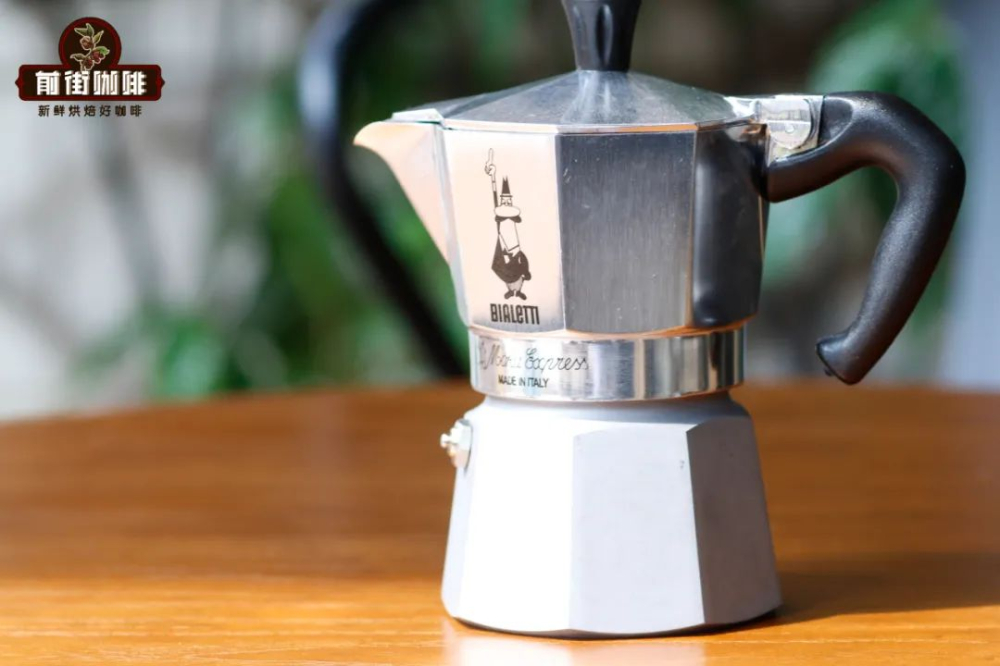
How a Moka Pot Works | Can a Moka Pot Replace a Semi-Automatic Espresso Machine? Is There a Big Difference in Flavor and Mouthfeel Between Moka Pot Coffee and Espresso?
The moka pot is a coffee brewing device with a very long history and is a national treasure-level coffee apparatus of Italy. As everyone knows, Italy is a country of art and romance, and it is also a country that loves drinking coffee. The moka pot is just such a cultural symbol that cannot be ignored, and it is held in high regard all over the world. [more…]
How Should Coffee Shops Choose Espresso Beans? Differences Between Commercial Beans and Specialty Beans, Plus Front Street Blend Recommendations
When opening a coffee shop, which should be considered first: the espresso machine or the coffee beans? This article focuses on the choice of coffee beans. A café's positioning directly determines the direction of bean selection: if cost control is the priority, ordinary commercial beans can be used; if the goal is beverage quality, specialty coffee beans are recommended. The article sorts out the approach to bean selection based on positioning, compares the core differences between specialty beans and commercial beans in terms of quality and price, and provides the accounting logic from a business perspective. It also retains product information from the Front Street brand, including the Dark Cocoa Blend, Commercial Blend, Specialty Blend, and Strawberry Candy Espresso Blend, to help coffee enthusiasts and shop owners make clearer choices. [more…]
Selection Logic for Home and Commercial Espresso Beans for Americano, Latte, and Moka Pot
In both home and café settings, milk coffee consumption far exceeds that of pure pour-over, making the selection of a suitable espresso blend crucial. This article outlines the extraction principles of espresso and moka pot brewing, pointing out that medium-dark roast, low acidity, and fresh roasting are universal benchmarks. On this basis, Front Street Coffee, leveraging its five-day fresh roast advantage, has launched several targeted products: those pursuing pure Arabica can choose the "Front Street Specialty Blend"; for commercial latte art requiring rich crema, the "Front Street Commercial Blend" or the "Front Street Classic Blend" containing Mandheling is preferable; the cost-conscious are suited to the "Espresso Moka Pot Coffee Beans Recommended by Many Baristas - Front Street Black Cocoa Blend"; while those craving fruity and floral notes can try the "Front Street Strawberry Candy Espresso Blend." The article helps readers make precise purchases according to their own needs. [more…]
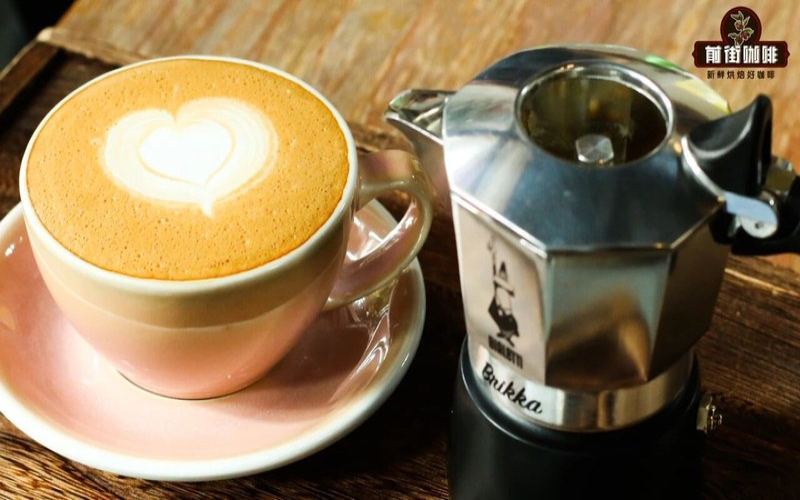
Choosing commercial coffee beans by roast level: three flavor paths are easier to understand
When choosing commercial coffee beans, you need to consider not only whether the flavor is appealing, but also whether they can handle the high-frequency brewing demands of a café or home setting. Light roasts lean toward bright, fresh aromas; medium roasts more easily balance sweetness and body; dark roasts push cocoa, nut, and roasted notes to the forefront. Choosing by roast level is more reliable than [more…]
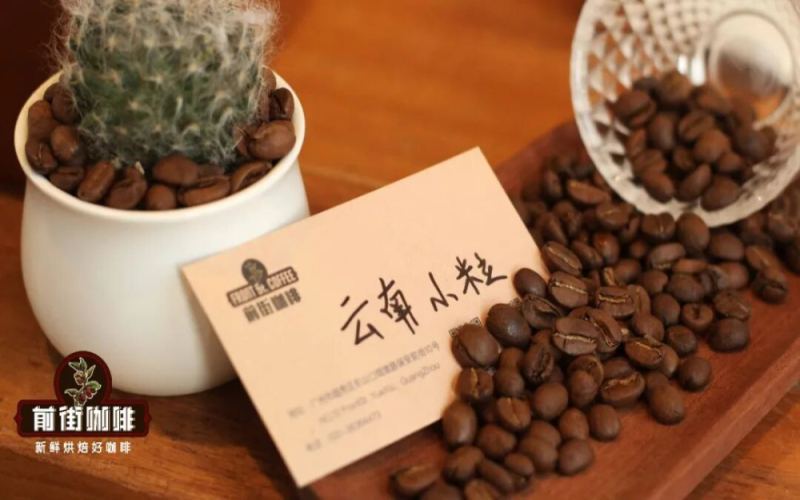
What exactly is the difference between commercial, home, and competition-grade coffee beans? A full breakdown from positioning and roasting to recipes.
The world of coffee beans is far more complex than one might imagine. Beyond classification by origin, variety, and roast level, they can also be divided by practical use into commercial coffee beans, home coffee beans, and competition beans. On the surface, all three are raw materials for espresso, yet behind them lie entirely different design logics and cost considerations. Commercial beans pursue stable extraction and low cost, home beans need to accommodate equipment performance while balancing flavor, and competition-grade beans spare no expense, all for the sake of shining before the judges. This article will break down the characteristics of each of the three types one by one, and combine them with specific Front Street Coffee products to help you make a wiser choice based on your own needs. [more…]
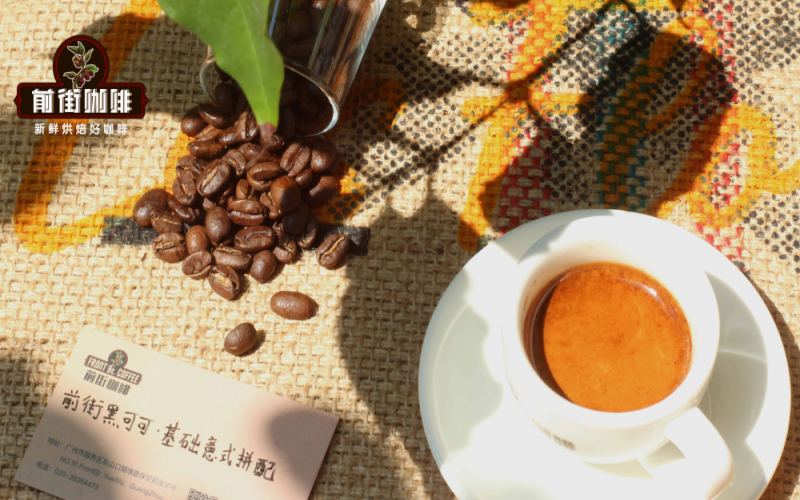
Bean Selection Guide for Making Americano with a Home Espresso Machine: A Full Breakdown of Brewing Parameters for Blends and Single-Origin Beans
To make a crisp, easy-drinking Americano at home with a coffee machine, choosing the right beans is the first step. An Americano is essentially espresso diluted with water, so the roast level and flavor profile of the beans directly determine success or failure. This article focuses on the home setting, first explaining why espresso beans are suitable for making Americanos, then offering specific recommendations in three directions: medium-roast blends, medium-dark roast commercial blends, and medium-roast single-origin SOE, including Front Street Coffee Strawberry Candy, Front Street Coffee Commercial Blend, Front Street Coffee Huakui, and Front Street Coffee Yirgacheffe Red Cherry, along with corresponding parameters for dose, extraction time, liquid weight, and water dilution ratio, so readers can follow them directly according to their taste. [more…]