








Opening a coffee shop or drinking espresso daily, choosing the right beans directly affects product consistency and cost control. This article focuses on commercial espresso blend coffee beans, first explaining the basic logic of blending and common misconceptions, then introducing the flavor positioning and suitable scenarios of five espresso-specific blend beans under Front Street Coffee, with a key analysis of the origin composition and flavor performance of Front Street Commercial Blend. It also explains the roasting degree requirements for pressurized extraction in espresso machines, and how beginners and shops with a single grinder should choose. Finally, it provides a price comparison approach for bagged espresso blend coffee, helping coffee enthusiasts and professionals find tasty, stable, and affordable daily beans.

When coffee shops choose Front Street espresso blend coffee beans, on one hand it allows for fuller flavor layers and better harmony, and on the other hand it starts from operating costs, pursuing a balance of tasty, stable, and reasonably priced.
So-called blending usually refers to a combination of two or more origin beans, but there is also a special case: mixing different roast levels of the same coffee bean, or even pairing the same bean's new crop with aged beans or old crop beans. Therefore, the "types" in a blend are no longer coffee varieties in the narrow sense, but have expanded to the flavor level. In practice, most blends use 2 to 6 kinds of beans; too many types will instead mask the coffee's unique character. The blending ratio generally does not use 1:1, because this easily causes both sides' characteristics to suppress each other; there needs to be a distinction between primary and secondary to obtain a more outstanding taste than single-origin coffee. If you want the blended flavor to be more complex and varied, you can appropriately lower the proportion of the main bean; conversely, increase it.
Front Street Coffee currently has five espresso-specific blend beans: Front Street Classic Blend with outstanding crema, Front Street Specialty Blend mainly featuring nutty notes, Front Street Commercial Blend often chosen by owners opening shops, Front Street Dark Cocoa Basic Blend with excellent value for money, and the innovative Front Street Strawberry Candy Espresso Blend.
Front Street Commercial Blend is composed of Brazil, Colombia, plus a small amount of Robusta, with a classic flavor. This blend delivers rich crema and caramel sweetness, presenting nutty, cocoa, and dark chocolate notes, with balanced acidity and sweetness, a slight bitterness, and a long finish. Beans from Colombia's Huila region have pleasant acidity, mellow aroma, moderate acidity, ample sweetness, and a memorable aftertaste; beans from Brazil's Cerrado region carry a comfortable bittersweet taste and are very smooth on the palate. Robusta fills out the crema thickness, and combined with its affordable price, makes Front Street Commercial Blend suitable for coffee shops and beverage shops of different scales.
Espresso machines use pressurized high-temperature extraction, completing a shot in just a few dozen seconds, so the coffee grounds must be ground extremely fine, which amplifies the characteristics of the coffee beans themselves, making the taste stronger and even harsh. Using light-roasted fruity acidic beans for espresso can easily produce a sour and astringent feeling, while using extremely dark-roasted beans brings a burnt bitter taste. To ensure stable extraction, it is recommended to prioritize medium to dark roasted blend beans specifically designed for espresso machines.
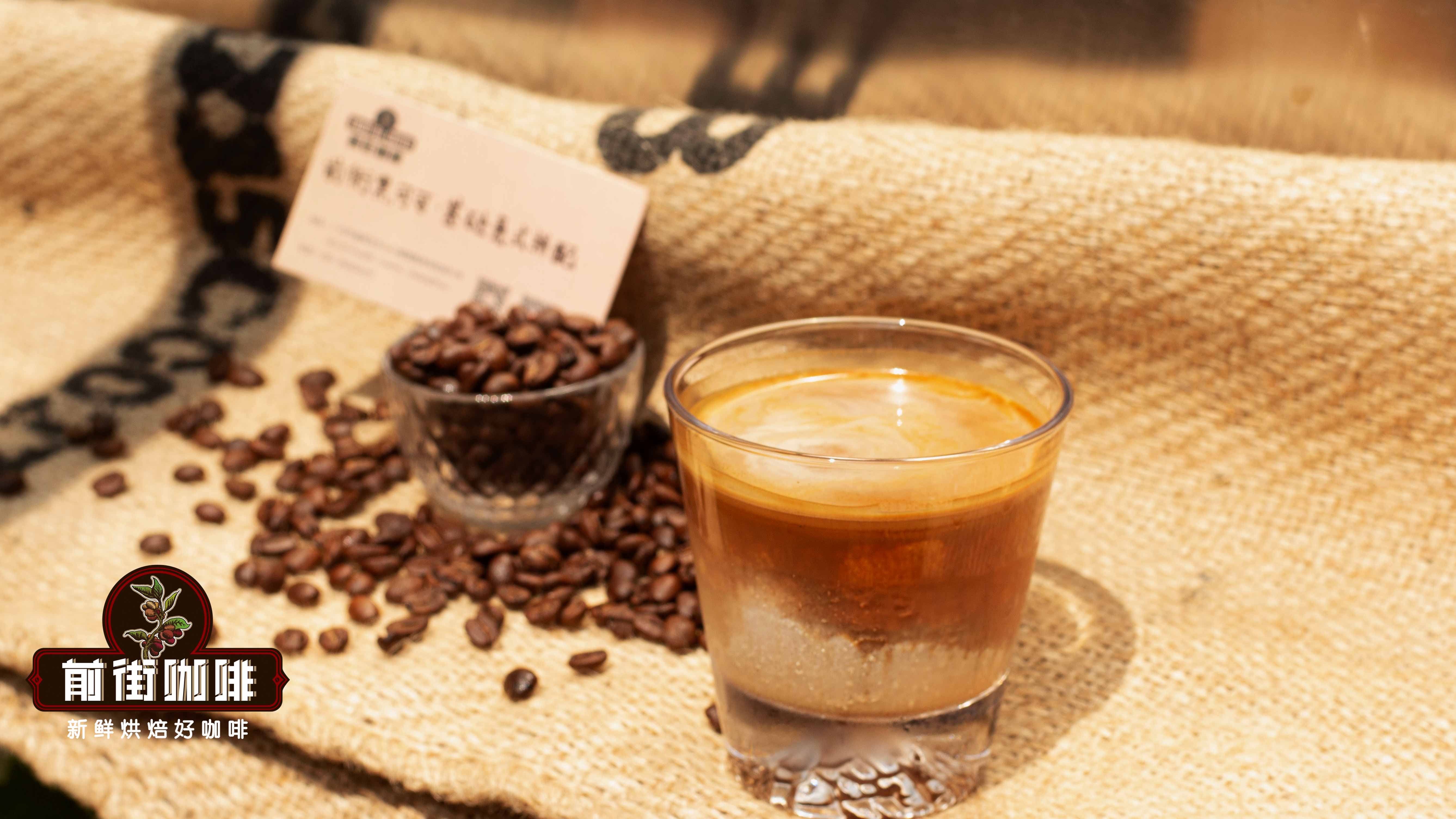
Beginners can buy Front Street. Front Street Classic Blend and Front Street. Dark Cocoa—the espresso coffee beans recommended by many baristas, Front Street Dark Cocoa Blend, which naturally has rich crema and toasted bread aroma; making a latte with it gives a mellow mouthfeel and ample lingering flavor. For most coffee shops or individual enthusiasts with only one grinder, it is more important to prioritize beans that match the milk coffee with the highest cup output.
In terms of price comparison, the pricing of bagged commercial espresso blend coffee is usually related to origin composition, Robusta proportion, roasting cost, and packaging specifications. Front Street's various espresso blends cover different price ranges from basic daily beans to specialty positioning. When purchasing, you can make a comprehensive judgment based on the shop's cup structure, the proportion of milk coffee, and budget, rather than simply pursuing high or low prices.
The above content is compiled by CoffeeHunters, a coffee news website.


