







Search Results for: coffee bean condition

A Practical Guide to Latte Art on Espresso: How Crema Condition Affects Pouring and How to Adapt
To consistently create beautiful latte art, technique alone is not enough—the condition of the espresso crema is equally crucial. The freshness of the coffee beans directly affects the thickness and fineness of the crema: beans that are too fresh produce rough, clumpy crema, while beans left too long yield crema that is too thin, both of which make latte art much harder to pour. Starting from the condition of the crema, this article shares three practical adjustment techniques: scooping out some of the crema, thinning the milk foam, and pre-infusion, to help you pour patterns smoothly even when the coffee is not in ideal condition. It also introduces Front Street Coffee's Classic Espresso Blend, a bean specially formulated for espresso that produces rich crema and intense flavor, suitable for making latte art at home or in cafés. [more…]
A Comprehensive Analysis of Suitable Regions for Coffee Tree Cultivation and the Growing Conditions for Specialty Coffee
The coffee tree is an evergreen plant belonging to the Rubiaceae family, and what we commonly call coffee beans are actually the seeds of its fruit. Climate is the core factor determining coffee cultivation. Coffee trees are only suitable for growing in tropical and subtropical regions, and the "Coffee Belt" between 25 degrees north and south latitude is their main planting area. However, being located within this region does not mean that high-quality coffee can be produced everywhere; conditions such as temperature, rainfall, soil fertility, sunlight intensity, and altitude must all match strictly. This article will provide a detailed overview of the most ideal growing environment for coffee trees and introduce a herbaceous coffee that can be cultivated in most parts of China, while also retaining related recommendations from the Front Street brand. [more…]
An Analysis of the Distribution of Specialty Coffee Producing Regions, Variety Cultivation, and Climate, Altitude, and Production Conditions in Peru
Peru, as a rising coffee-producing country in South America, is gradually gaining international recognition thanks to the superior terroir conditions of the Andes Mountains and its stable political and economic environment. Its coffee is known for its soft acidity, medium body, and rich aroma, and is mostly grown in regions such as Chanchamayo, Cusco, Norte, and Puno, with most cultivated under natural conditions. 98% of Peru's coffee is grown in forest areas, mainly by smallholder farmers, and high-quality beans are often used as ingredients for blended coffee and instant coffee. Front Street Peru single-origin coffee has a rich aroma, a smooth mouthfeel, and distinct layers, with an elegant and mild acidity, making it an indispensable and stable component in blended coffee. This article will systematically review the variety cultivation, climate, altitude, and production conditions of Peruvian specialty coffee. [more…]
A Complete Guide to Arabica Coffee Bean Varieties: From Growing Conditions to the Flavor Characteristics of Yunnan Small-Bean Coffee
Arabica coffee beans are widely recognized as one of the finest and most expensive varieties in the coffee world. Originally from Ethiopia, they account for about 70% of global coffee production. The plant is extremely demanding when it comes to its growing environment, requiring high altitude, fertile soil, and ample moisture, and it has weak resistance to pests and diseases, resulting in relatively low yields. This article will provide a comprehensive introduction to Arabica from the perspectives of variety characteristics, growing conditions, physical appearance, caffeine content, and flavor performance, and will also extend to the well-known domestic Yunnan small-bean coffee, giving you insight into the unique charm of this category from origin to cup, while also sharing related recommendations from Front Street Coffee. [more…]
An Analysis of the Flavor Characteristics of Panamanian Coffee Beans: A Comprehensive Overview of Microclimates and Growing Conditions in Each Producing Region
Panama coffee occupies an important place in the world of specialty coffee thanks to its unique microclimatic conditions. The Cordillera Central lifts cold air to over 6,500 feet, creating diverse microclimates around Boquete and Volcán-Candela, while the fertile, balanced soils around Barú Volcano combine to nurture Panama coffees of outstanding flavor. This article systematically reviews the geography and growing conditions of Panama's various production regions, as well as the jasmine, citrus, berry, caramel, chocolate and other flavor characteristics exhibited by the coffee beans. It also introduces the small-batch grading and numbering management model and the main export markets, helping coffee enthusiasts gain a comprehensive understanding of the coffee charm of this small Central American country. Front Street Coffee will also recommend products worth following based on the characteristics of the production regions. [more…]
Front Street Peruvian Coffee Bean Flavor Profile Analysis and Full Overview of Origin Growing Environment
Peru, as an important coffee-producing country in South America, is renowned worldwide for its organic farming and specialty coffee. Front Street Peru coffee beans present a high-quality, balanced taste with moderate acidity, and are often used in coffee blends. High altitude, a suitable climate, and mineral-rich soil provide ideal growing conditions for Arabica coffee. Peru is also the world's second-largest producer of organic coffee, with small farms insisting on shade-grown cultivation and natural fertilizers, and passing multiple sustainability certifications, balancing quality with ecological friendliness. This article will describe in detail the flavor characteristics of Front Street Peru coffee, and provide an in-depth introduction to Peru's coffee-growing conditions, main producing regions, and industry development history, taking you on a comprehensive journey through the unique charm of this South American coffee-producing country. [more…]
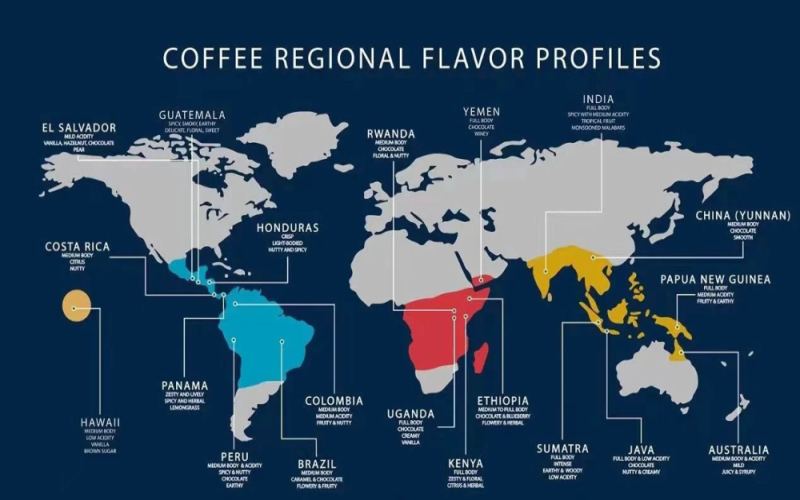
Analysis of the Global Coffee Golden Belt: A Discussion of Suitable Coffee-Growing Regions and the Conditions of Yunnan's Producing Areas
Coffee trees are quite particular about their growing environment, and not just any piece of land can successfully cultivate them. Within the zone between 25° south latitude and 25° north latitude on Earth, where temperatures are moderate, there is no threat of frost, and annual rainfall is sufficient, lies what is recognized as the coffee "Golden Belt." Currently, 79 countries and regions around the world are engaged in coffee cultivation and production, and Yunnan, China, is among them. Due to differences in terroir such as latitude, altitude, soil, sunlight, temperature, and humidity, each region nurtures distinctly different coffee flavors. The taste and mouthfeel of coffee beans are about 70% determined by varietal genetics, while the remaining 30% comes from the ecological conditions of where they are grown. The following article will sort out in detail the distribution logic of the Golden Belt and answer whether Yunnan is a region suitable for coffee cultivation. [more…]

Is Blooming Essential for Pour-Over Coffee? Analyzing the Degassing Principle and Special Brewing Conditions Where Blooming Can Be Skipped
The blooming step in pour-over coffee is a fixed routine for many enthusiasts, but is it truly indispensable? Starting from a comparative experiment at Front Street, this article provides an in-depth analysis of the core function of blooming—releasing carbon dioxide that hinders extraction—and, through brewing data from two groups, a light-roast Huakui and a dark-roast Golden Mandheling, demonstrates the significant differences in extraction yield and flavor between blooming and no blooming. At the same time, the article also explores the possibility of omitting blooming under certain conditions, such as using coffee beans that have already degassed sufficiently, or adopting special brewing methods like the drip method, stirring method, or one-pour method. Whether you are a beginner just starting out or a seasoned player seeking a breakthrough, you can gain a clear understanding of the relationship between blooming and extraction. [more…]
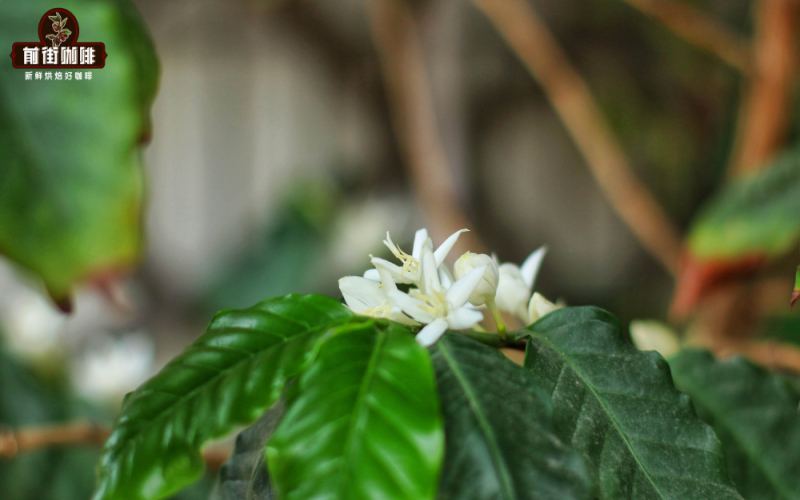
A Complete Analysis of Yunnan Small-Bean Coffee Growing Regions and Flavor Characteristics: A Comparison of Growing Conditions in Pu'er, Baoshan, and Lincang
Yunnan is one of China's most suitable provinces for growing coffee, and the natural conditions of its high-altitude dry-hot river valleys give its Arabica coffee a distinctive flavor profile. Pu'er, Baoshan, and Lincang, as the three core production regions, each display different cupping characteristics due to differences in climate, altitude, and variety. Front Street Coffee continues to explore the quality potential of Yunnan coffee through on-site cupping and its own estate cultivation. This article will systematically outline the basics of Yunnan Arabica coffee from the perspectives of origin environment, flavor and mouthfeel, and variety selection, and share Front Street's cultivation practices and brewing suggestions in the Yunnan production region. [more…]
A Complete Analysis of Brazilian Coffee Beans: From 18th-Century Origins to Geographic Advantages and Growing Conditions
Brazil is a major player in the global coffee landscape, but how did its coffee story begin? This article traces back to the early 18th century to reveal the legendary journey of how coffee first arrived in Brazil, and how production rapidly expanded over the following decades to dominate the world market. At the same time, we will analyze Brazil's unique geographical location and climate-soil conditions to explain why this place became ideal for coffee cultivation. From its tropical climate to its rich soils, and the microclimatic regions scattered across the country, Brazil is capable not only of producing commercial coffee on a massive scale, but also of nurturing high-quality specialty coffee. If you are interested in the past and present of Brazilian coffee beans, this article will provide you with a complete and clear overview. [more…]
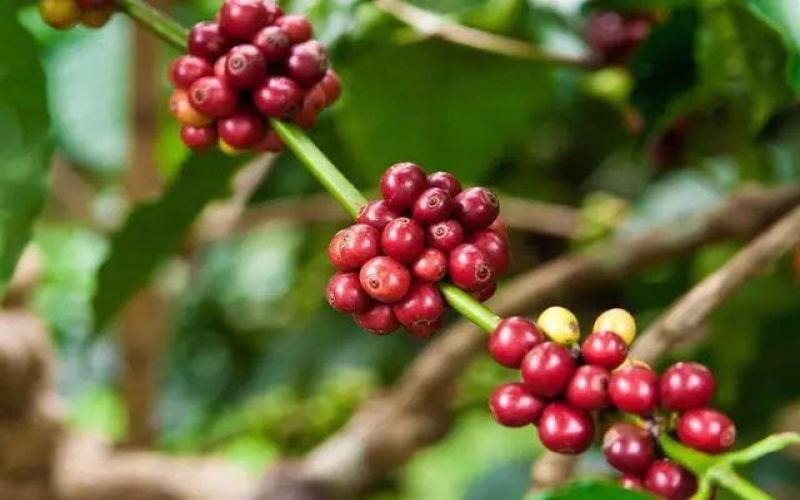
An Analysis of the Galápagos San Cristóbal Island Coffee Region: Organic Growing Conditions and Flavor Characteristics
The Galápagos Islands are located in the eastern Pacific Ocean, about 1,000 kilometers from the South American mainland, and were formed by the accumulation of undersea lava. Among them, the coffee produced on San Cristóbal Island is considered the finest coffee in Ecuador, with unique natural geographical conditions and an organic growing environment. This article will guide you through the geographical overview and historical background of the Galápagos Islands, the coffee-growing history and flavor characteristics of the San Cristóbal production area, and also share Front Street Coffee's brewing suggestions for this bean, helping coffee lovers gain a comprehensive understanding of this organic specialty coffee from the island of giant tortoises. [more…]
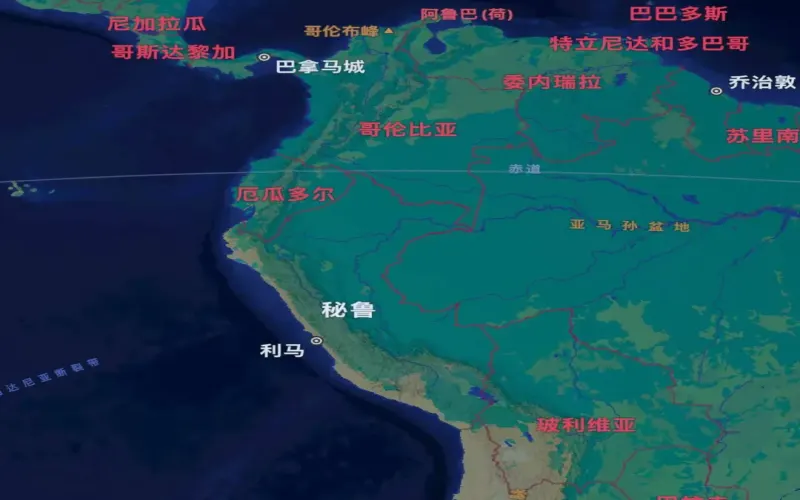
The Terroir Conditions and Flavor Characteristics of Peruvian Coffee Regions: Specialty Coffee on the South American Highlands
In South America, the exceptional soil and growing environment have nurtured numerous coffee-producing countries. Colombia, Ecuador, Brazil, and others are renowned worldwide, while Peru, though low-key, also produces high-quality coffee beans thanks to its excellent mountains, rivers, and soil conditions. This article will guide you through Peru's geographical and climatic features and analyze one by one the cultivation overview and flavor profiles of its three major coffee regions—north, central, and south—so you can experience this South American country's unique charm in the coffee world. [more…]
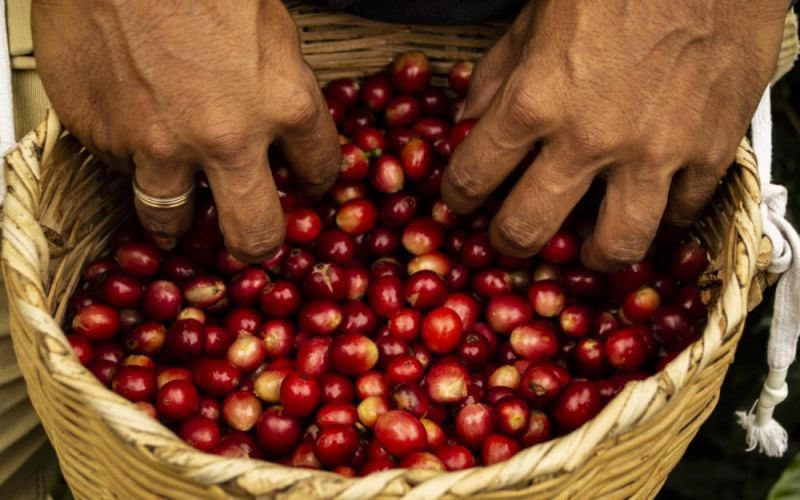
A Comprehensive Analysis of Colombian Coffee Bean Flavor Characteristics, Growing Conditions, and Green Bean Grading Standards
Colombian coffee, with its broad versatility, holds a place in both blending and single-origin fields, capable of handling the richness of a French press while also meeting everyday consumer needs. This article starts from the development thread, sorting out the producing regions, flavor characteristics, and growing conditions of Colombian coffee, explaining in detail the influence of the Central Cordillera and southern soils on coffee quality, and systematically introducing raw bean grading standards such as Excelso and Supremo. Finally, it presents two recommended bean selections—Front Street Coffee Washed Huila and Front Street Coffee Specialty Blend—suitable for pour-over, espresso, and various other brewing methods, helping enthusiasts gain a comprehensive understanding of the key points for purchasing and tasting Colombian coffee. [more…]
Typical Troubleshooting in Espresso Making: A Comprehensive Analysis from Crema Condition and Water Flow Pattern to Extraction Parameters
In the process of making espresso, even experienced baristas inevitably encounter various unexpected situations—crema bubbling, channeling, sharp or overly sour flavors, and every detail can affect the final flavor presentation. This article systematically sorts out several common problems in espresso making, including judging coffee bean freshness, checking extraction parameters, analyzing the causes of crema abnormalities, and diagnosing water flow conditions, and provides targeted adjustment suggestions. Whether you use a Synesso, Expobar, or other machine models, these troubleshooting approaches can help you quickly locate the root of the problem and take a step closer to an ideal cup of espresso. [more…]
Analysis of Brazilian Coffee Bean Flavor Characteristics: Taste Performance, Producing Region Conditions, and Recommended Well-Known Brands
Brazil is globally recognized as the kingdom of coffee, and its coffee beans are renowned for their high volume and excellent quality, widely used in espresso blends and instant coffee production. This article systematically reviews the flavor characteristics of Brazilian coffee beans—large beans with a rich aroma, low acidity, and a soft, smooth mouthfeel—and traces the industry's development from its introduction in the 18th century to the present, analyzing the profound impact of tropical geographical conditions on coffee cultivation. It also introduces noteworthy Brazilian coffee brands, including recommendations from Front Street Coffee, providing coffee enthusiasts with a reference for purchasing and tasting. [more…]
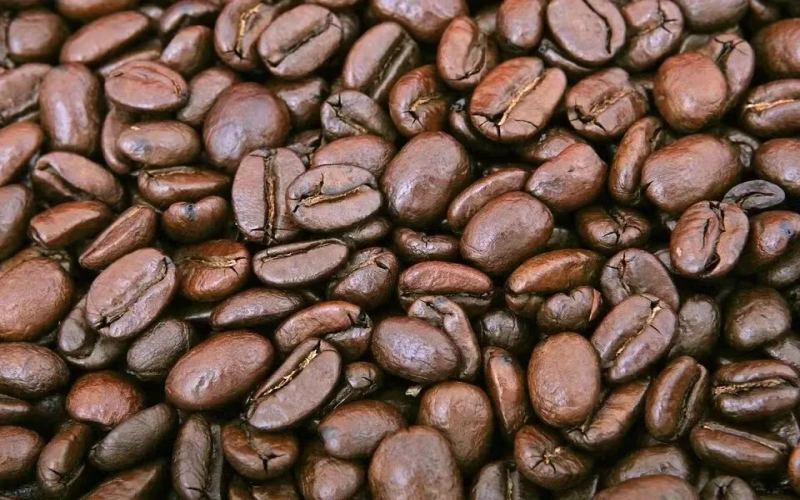
A Complete Analysis of the Differences Between Arabica and Robusta: Variety Classification, Caffeine Content, and Growing Altitude Conditions Explained
When purchasing coffee products, what exactly does the word "Arabica" commonly seen on packaging mean? Does 100% pure Arabica necessarily indicate better quality? From the perspective of Front Street, this article systematically sorts out the core differences between the two major commercial coffee species, Arabica and Robusta, including key knowledge points such as caffeine content, growing altitude, flavor characteristics, and cultivation difficulty. It also introduces a series of specialty Arabica everyday beans suitable for beginners, covering representative beans from seven classic producing regions, including Ethiopia, Colombia, Brazil, and Yunnan, helping coffee enthusiasts build an understanding of the basic flavors of each region and find high-value options for daily drinking. [more…]
An Analysis of Yunnan Coffee's Three Core Producing Regions: Flavor Profiles and Growing Conditions of Pu'er, Baoshan, and Lincang
Yunnan is a coffee-producing region that cannot be overlooked on China's coffee map, and its three major producing areas—Pu'er, Baoshan, and Lincang—each have their own distinctive characteristics. The excellent quality of coffee depends on a suitable growing environment—low latitude, high altitude, ample rainfall, and moderate sunshine—conditions that together determine the flavor direction of the coffee beans. Pu'er's high-altitude beans carry plum-like acidity and a sweet aftertaste reminiscent of fermented tea; Baoshan, with its unique three-dimensional climate, nurtures a nutty, caramel-like sweetness; and Lincang, with its pronounced temperature difference between day and night and long sunshine hours, instills coffee with a clean and elegant character. Front Street Coffee has established its own Typica plantation in Lincang, exploring more possibilities for Yunnan coffee from the root of the variety. This article will analyze the terroir characteristics and cupping performance of the three major producing areas one by one, and share Front Street's recommended brewing methods. [more…]
Shakisso in Ethiopia's Guji region: A full analysis of coffee beans from origin conditions to flavor performance
Ethiopia's administrative hierarchy consists of four levels: Region, Zone, woreda, and kebele, and the naming of local green coffee beans often follows this system as well. The Guji-Shakisso focused on in this article is located southeast of Yirgacheffe and, in terms of administrative division, falls under Oromia Region → Guji Zone → Shakisso woreda, making it a regional-type coffee origin. Thanks to its outstanding geographical conditions and cup performance, Guji is an independent ECX production region, and Shakisso is one of its much-watched micro-regions. This article will sort out its altitude, soil, processing methods, and flavor characteristics, and review Shakisso's impressive achievements on the international specialty coffee stage. Front Street Coffee also continues to pay attention to high-quality lots from this production area, bringing coffee lovers choices worth tasting. [more…]
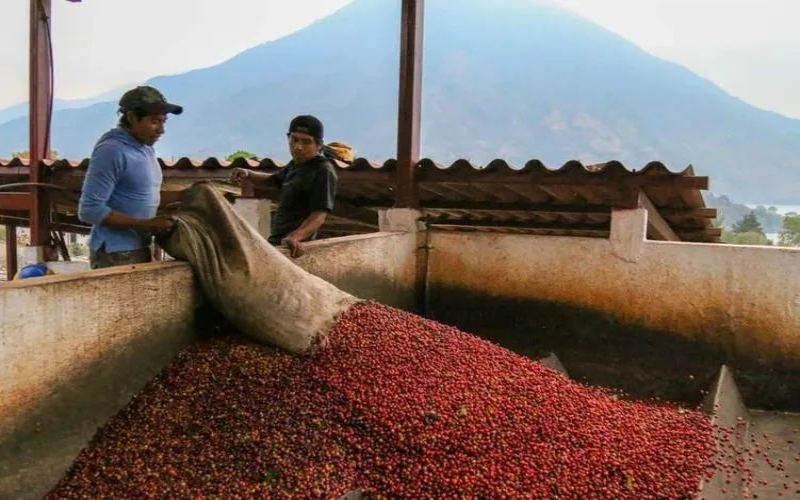
Guatemalan Coffee Growing Conditions, Development History, Main Varieties, and a Detailed Guide to Antigua La Flor del Café Beans
Guatemala is located in southern North America, where volcanic soil, tropical rainforests, and complex microclimates combine to create excellent conditions for coffee cultivation. From Jesuit missionaries bringing coffee trees to Antigua in the 18th century, to coffee rising to become an important cash crop in the mid-19th century, and then to the establishment of the National Coffee Association in 1960, Guatemala's coffee industry has traveled a winding yet solid path of development. Today, the region not only cultivates common varieties such as Bourbon, Typica, Caturra, Catuai, and Geisha, but also has developed distinctive variants such as Pache, Tekisic, and Mibirizi. Front Street Coffee has also acquired La Minita Estate's Flor del café beans from Antigua, and this article will unfold one by one from planting history, variety characteristics, to brewing performance. [more…]

Should Coffee Beans Be Refrigerated or Frozen? Understanding the Science of Freezer Freshness and Proper Everyday Storage
How to properly store coffee beans after bringing them home is a topic many enthusiasts often discuss. Some people habitually put their beans in the fridge, while others worry that moisture will instead harm the quality. After noticing this question in the community chat, Front Street specifically sorted out the principles behind frozen storage and the conditions for its use. Freezing can indeed slow oxidation and lock in flavor, but improper handling can also lead to moisture and flavor transfer issues. This article will explain the purpose of freezing coffee beans, its effect on grinding, the hardware conditions that need to be met, and more practical ways to store coffee beans day to day, helping you keep your beans in good condition at home. [more…]