







Search Results for: brown sugar
Brewing Brazilian and Colombian coffee with a moka pot: how to pair the nutty sweetness
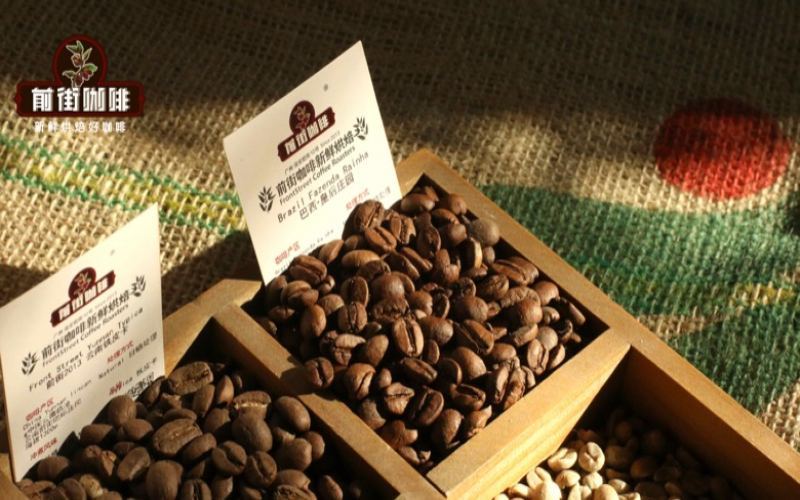
Brazil and Colombia both work well in a moka pot for expressing nutty and sweet notes, but the flavor focus of the two is not the same. Brazil commonly shows hazelnut, peanut brittle, caramel, and cocoa, with a rounded mouthfeel, making it suitable as a substantial base; Colombia often carries brown sugar, caramel, ripe fruit, and a soft citrus note, which can give the brewed coffee more [more…]
Not a Fan of Sour or Bitter: Sweet Pour-Over Bean Recommendations to Truly Understand "Sweetness"
In the flavor spectrum of coffee, "sweetness" is the most easily overlooked segment. Many people waver between acidity and bitterness, yet fail to realize that in specialty coffee there is an entire route centered on sweetness—smooth, easy to drink, and appealing to all ages. This article explains sweet-tasting beans all at once. Where does coffee's sweetness come from? Coffee's sweetness mainly comes from roasting. [more…]
The Historical Development of Specialty Coffee in Yunnan, China | How to Buy Authentic Yunnan Small-Bean Coffee? Beginner-Friendly Recommendations for High-Quality Yunnan Single-Origin Beans for Pour-Over Coffee
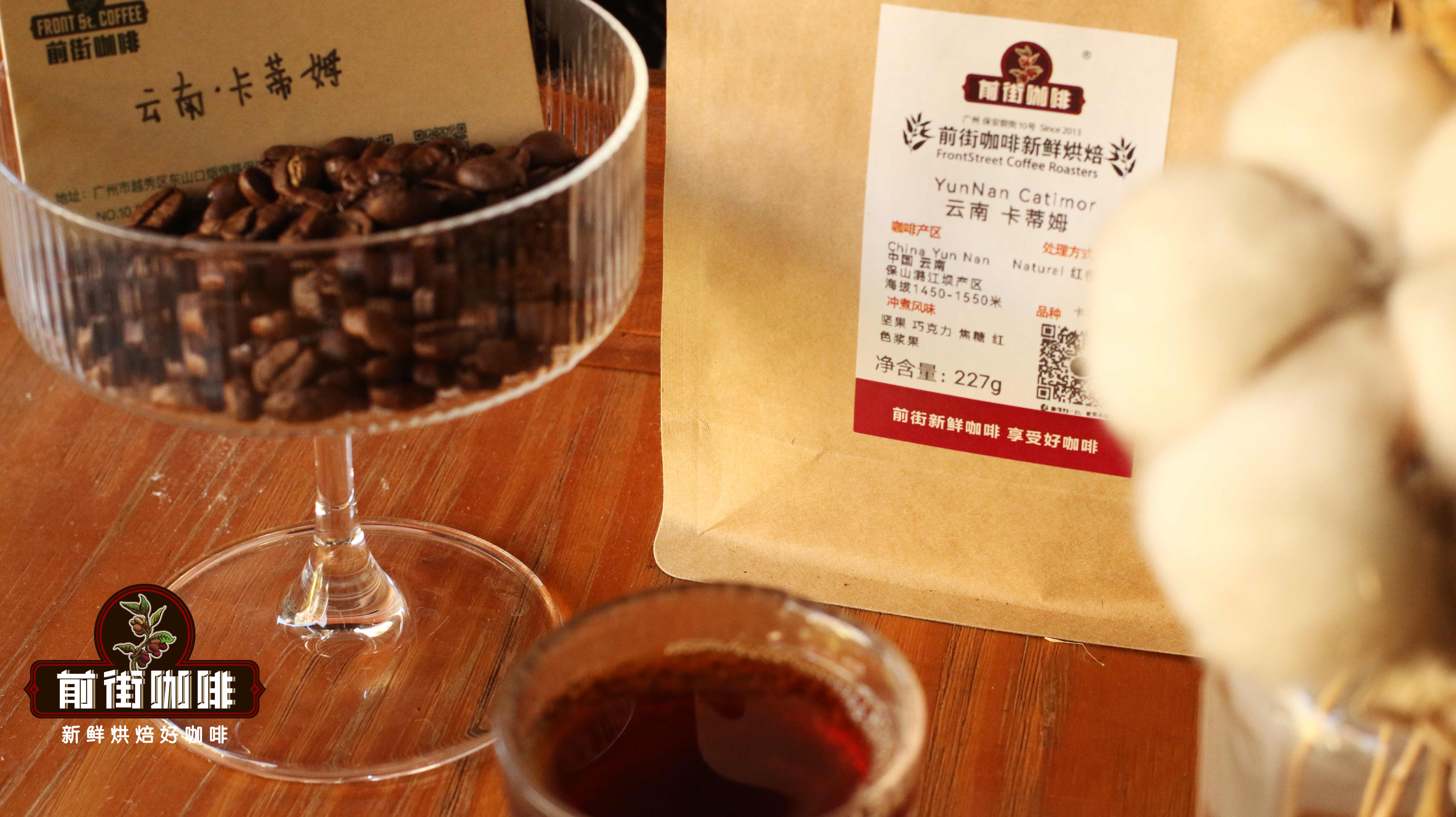
When it comes to the representative of Chinese coffee, many people may think of Yunnan coffee, or Yunnan small bean. So what exactly does Yunnan small bean refer to, and where can you buy authentic Yunnan small bean? Today let's talk about this pride of Chinese goods. Yunnan small bean can be understood as Arabica among coffees, and the coffee fruit is relatively [more…]
How to Choose American Beans for Home Use: Balancing Value and Flavor
When making Americano at home, choosing the beans matters more than the equipment: a basic drip machine paired with the right beans can still brew a fully flavored cup. Front Street Coffee Kenya Little Tomato works well for home Americano—the sweet-and-sour notes of cherry tomatoes and brown sugar come through clean and bright in the drip machine's downward extraction. Have a cup in the morning, and it offers more layers of flavor than takeout coffee. [more…]
Coffee beans with strong sweetness: how to choose based on roast level
To find coffee beans with a pronounced sweetness, start by looking at the roast level, then decide which type of sweetness you prefer. Light roasts are more like fruit, floral nectar, and juice; medium roasts tend to show caramel, brown sugar, and ripe fruit notes; medium-dark roasts rely on cocoa, nuts, and roasty aromas to create a deep, weighty sweetness. Sweetness does not mean a sugary, syrup-like taste, but rather [more…]
Americano Brewing Guide | Why Is Americano So Popular? What's the Difference Between Hot and Iced Americano? Can You Add Sugar and Milk to Americano?
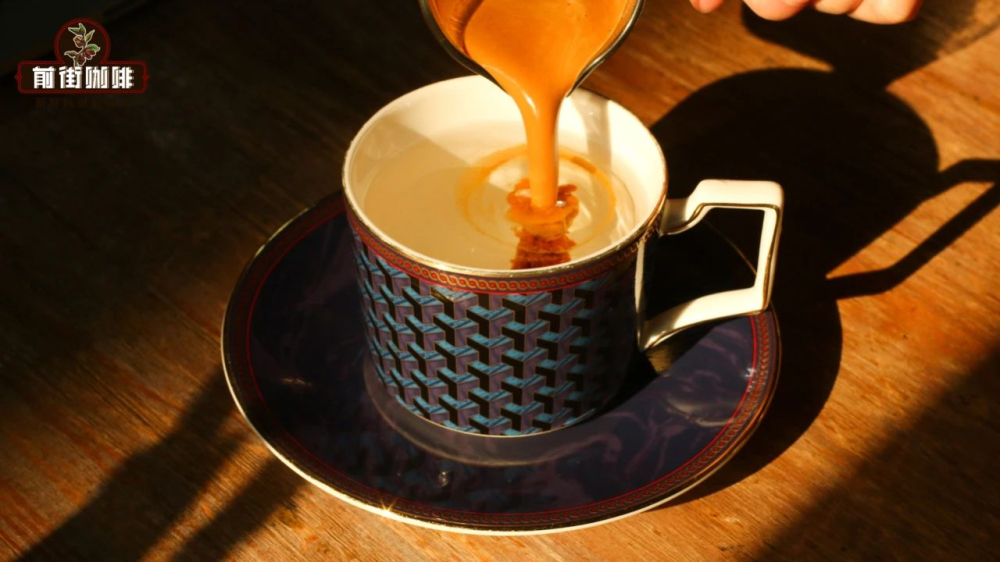
Americano has become the drink of choice for many young people. A cup of Americano after a meal can not only cut through greasiness and aid digestion, but also effectively break down fat; combined with proper exercise, it can help with weight loss, which is why Americano has also become the coffee drink of choice for many celebrities. Front Street Coffee (FrontStr [more…]
Berry-scented coffee beans, choose your roast level like this
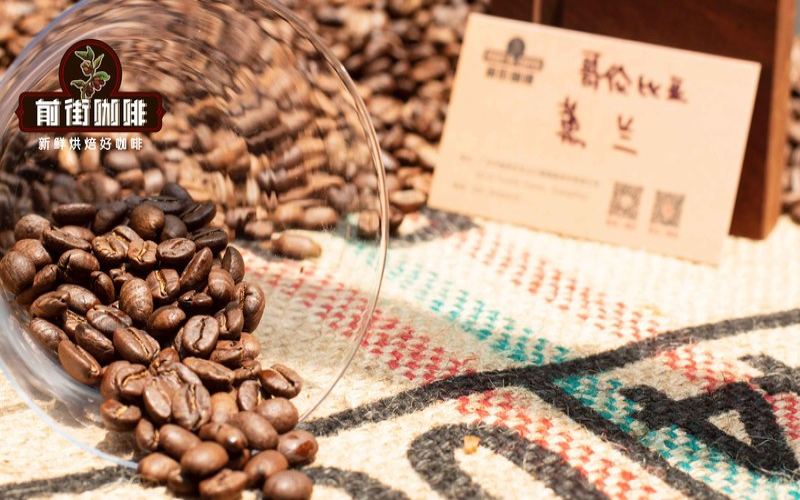
If you want coffee beans with a pronounced berry flavor, start by looking at the roast level, then compare origin and processing method. Light roasts are more likely to retain bright aromas like strawberry, blueberry, and red berry, with a sweetness reminiscent of fresh fruit flesh; medium roasts rein in the acidity and develop notes of fruit jam, smoked plum, or brown sugar; medium-dark roasts let the berry notes blend with cocoa and cara- [more…]
Coffee Grind Size Parameters | Pour-Over, Cold Brew, Ice Drip, Moka Pot – How Fine Should Coffee Grounds Be? A Guide to Using the Common Coffee Grind Size Reference Chart
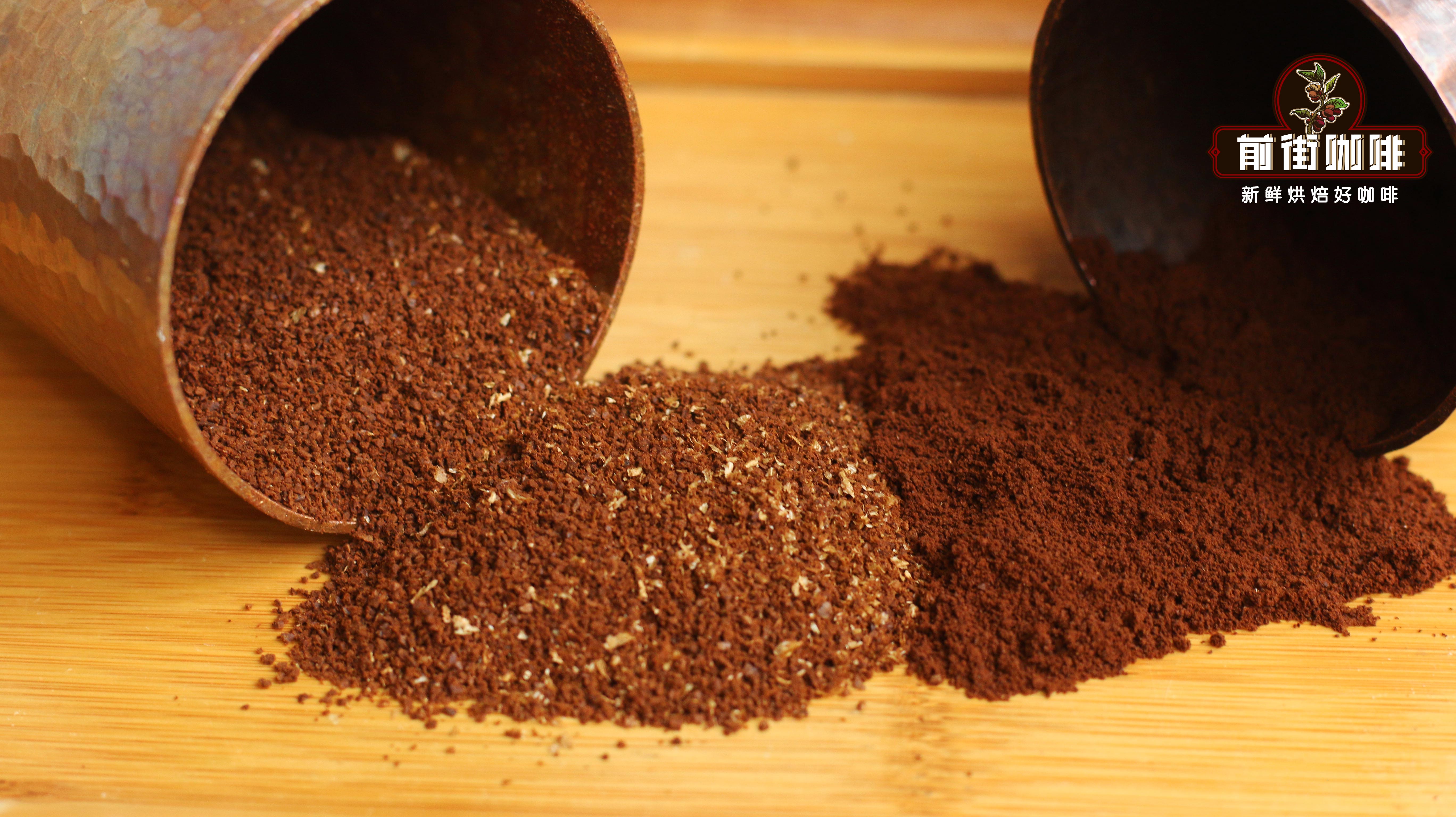
"Excuse me, what grind size should I use for pour-over coffee?" "Why is the grind at setting 10 on your machine different from setting 10 on mine?" "When you say 'sugar-like,' do you mean caster sugar, granulated sugar, or brown sugar?" ... Are you still struggling to find the right grind size for your coffee brewing device? Front Street has an article to [more…]

全球主要咖啡品种风味图鉴:从瑰夏到卡图艾的产区表现解析
同一咖啡品种,种在不同国家与产区,杯中的风味走向往往大相径庭。本文梳理了瑰夏、铁皮卡、波本、马拉戈吉佩、肯特、帕卡斯、帕卡马拉、SL28、SL34、Mundo Novo以及卡图艾等主要品种,在巴拿马、哥斯达黎加、哥伦比亚、危地马拉、秘鲁、洪都拉斯、墨西哥、巴西、尼加拉瓜、坦桑尼亚、印度、萨尔瓦多、肯尼亚等地的具体风味表现。无论你是想了解瑰夏的花香柑橘谱系,还是想弄清波本的巧克力焦糖底色,这份品种与产区的对应关系都能提供直观参考。前街咖啡也建议,在实际冲煮中结合烘焙度与处理法综合判断,才能更准确地还原这些风味描述。 [more…]
Coffee Sensory Tasting | How Can Coffee Novices Learn to Describe Coffee Flavors from Different Angles? How to Properly Develop Coffee Flavor Tasting Skills?
"This coffee has a rich fruity profile, with notes of citrus, lemon, oolong tea, and jasmine!!!" For someone who has just been introduced to specialty coffee, this might sound unbelievable—how can you taste so many flavors in one cup of coffee! (Are they just making it up?) In this installment of Barista Growth Diary, we'll share a little [more…]
Comparison of Eight Coffee Bean Roast Levels|How do different roast levels affect coffee flavor? What is the specific process for roasting coffee beans?
Anyone who drinks coffee regularly knows that coffee beans come in different roast levels, and the flavor and mouthfeel they present are all different. As a café that roasts its own beans, Front Street has dozens of batches of coffee beans to roast every day. We know the flavors of light-roasted Yirgacheffe, medium-roasted Brazilian coffee, and the like like the back of our hand, and we also need to [more…]

SCA Coffee Flavor Wheel Analysis Tutorial | What Is Coffee Flavor? Which Single-Origin Coffee Beans Best Represent Coffee Flavor? How Can Beginners Distinguish Coffee Flavor Characteristics?
Professional barista exchange, please follow Front Street Coffee (FrontStreet Coffee). Many friends have asked Front Street's baristas: "Can you really taste so many flavors in the beans? How do you taste them?" First, this is about personal sensory perception. As everyone grows up, [more…]
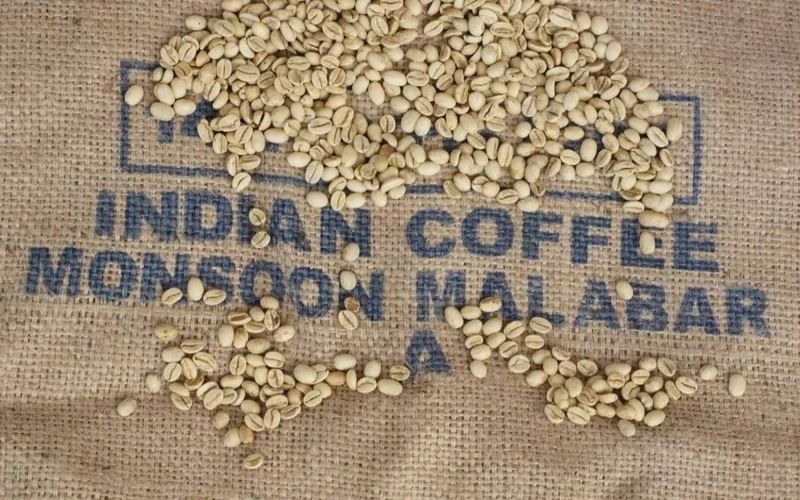
Rich crema on the surface of the espresso—the roast color gives you the answer.
When making espresso, the golden-brown foam on the surface of the cup directly affects both the visual appeal and the mouthfeel on entry. If you want a pronounced, rich crema, you can start by judging the roast level: the darker the color, the easier it usually is to form a thick foam and a full-bodied mouthfeel; lighter-colored beans, on the other hand, emphasize floral and fruity aromas, sweetness, acidity, and clarity. Neither direction is superior to the other, [more…]

Arabica Varieties and Espresso: The Espresso Performance of Typica and SL28
Arabica is not a single, monotonous variety; it has many sub-varieties, and each one performs differently in espresso extraction. Understanding the flavor characteristics of different Arabica varieties in espresso gives you a deeper basis for judging SOE bean selection. Typica is an old-school Arabica variety with a clean, pure flavor, [more…]

The Science of Specialty Coffee | How do you interpret coffee roasting levels and roasting percentages? What are the flavor characteristics of different roasting levels?
We usually talk a lot about coffee bean brewing, but today Front Street Coffee will explain coffee bean roasting knowledge to everyone. We know that the process of coffee beans going from green beans to roasted beans is the roasting process, and this process includes light roast, medium roast, and dark roast. Exactly how should different coffee beans be roasted? At the same time, light roast, medium roast [more…]

Authentic PWN Golden Mandheling price range | Where is the Indonesian Mandheling coffee produced? What is the difference between Golden Mandheling and G1 grade Mandheling?
Among the many single-origin beans, Indonesian Mandheling has won the hearts of many coffee connoisseurs with its rich coffee flavor. Many people think that a rich coffee must be very bitter, but that is not actually the case. When coffee reaches a certain level of richness, it develops a sweet aftertaste, and a sweetness like sucrose or brown sugar appears in the mouth, such as Front Street Coffee. [more…]
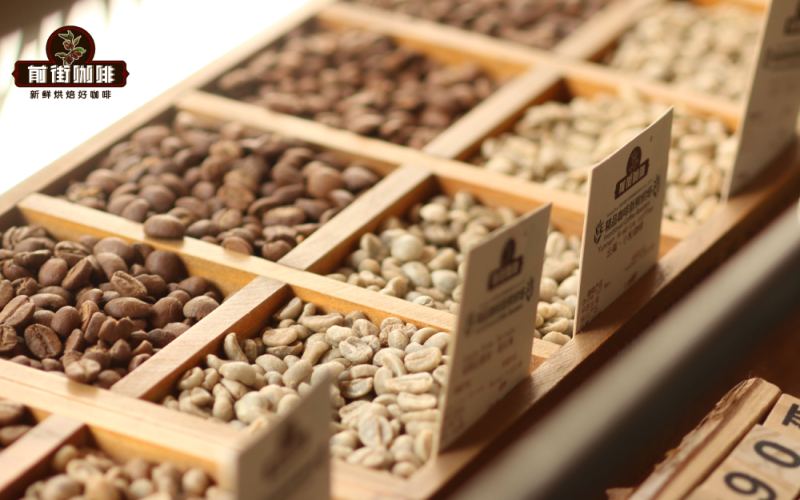
Coffee Bean Roast Levels | What Is the Maillard Reaction in Coffee? How Do Light, Medium, and Dark Roast Coffee Beans Differ in Flavor?
Coffee is a beverage brewed from coffee beans. Front Street believes that what makes coffee special is that green beans must be roasted before they can be used for preparation, and the roasting temperature reaches over 200 degrees Celsius, which is far higher than the roasting temperature for nuts. The length of roasting time is also related to the depth of the roast level, so it is not [more…]
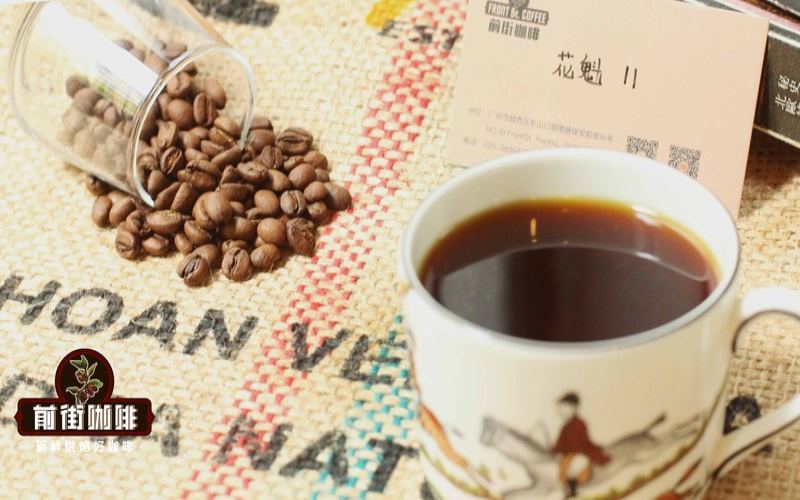
How to Choose Medium-Roast Coffee Beans for Pour-Over: Three Styles from Fruity to Sweet
Medium-roast coffee beans are well suited to pour-over because they strike a good balance between aroma, sweetness, and body. They don't emphasize the bright acidity and fragrance of light roasts, nor do they put the roasty notes front and center like dark roasts. Once brewed with hot water, the cup retains the character of its origin while offering a rounder texture, making it a good choice for breakfast or the afternoon. [more…]
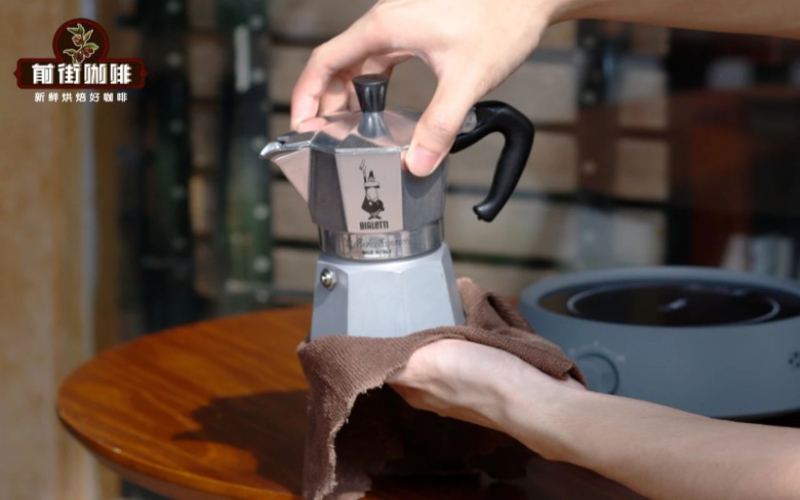
Two Fates of the Same Bean: Moka Pot vs. Espresso Machine
After spending enough time with coffee, many people end up owning both a moka pot and a semi-automatic espresso machine at home. The same beans go into the portafilter for one cup, then into the moka pot's basket for another, and the gap in flavor is so big it often makes you wonder if the beans were swapped out. Understanding this difference, in turn, can help you judge when choosing beans: which beans are worth [more…]
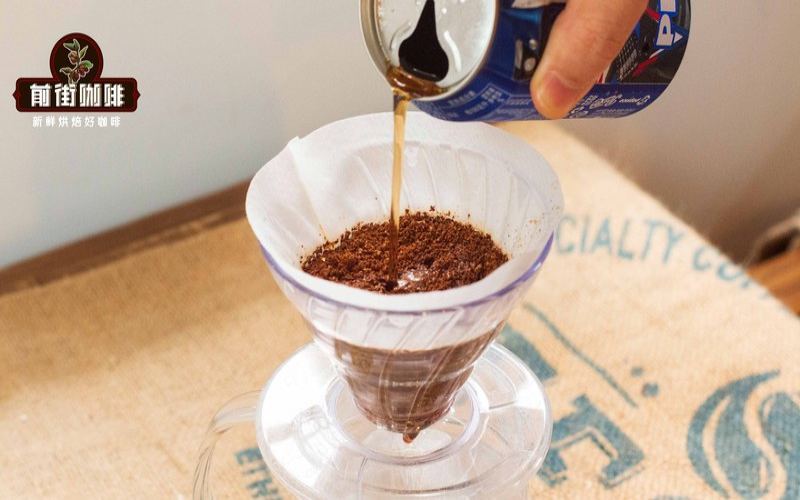
Let Fruit and Sweetness Land in the Cup: A Guide to Roast Levels for Pour-Over Beans
If you want to brew a pour-over coffee with clear sweetness and noticeable fruity aromas, roast level is a very useful screening clue. It affects how well the beans retain their aroma, how the acidity expresses itself, and the body of the cup, and it also determines how much force you need during brewing. Light roasts are lighter and brighter, while medium roasts are rounder and fuller—choose the right direction, and the fruity notes and sweetness will come through more easily [more…]