







Search Results for: average spending per person
Top 10 Most Popular Themed Cafes in the Mountain City: A Complete Guide to Average Spending, Signature Ambience, and Addresses
If you're looking for a place to relax on the weekend, gather a few friends for coffee and some reading, a café is undoubtedly a great choice. These ten highly regarded themed cafés in Chongqing each have their own charm—some are tucked away in lush flower houses, some offer views of the Yuzhong Peninsula's night skyline, some take an industrial-meets-artsy-minimalist approach, and others create a fairyland atmosphere with seas of flowers and greenery. From Longhu Times Paradise Walk to Jiefangbei, Nanbin Road, and Beibin Road, these shops each have their own signature offerings in environment, drinks, and desserts. This article compiles each café's features, average per-person spending, and detailed addresses, making it easy for coffee lovers to explore them one by one. If you're used to brewing your own, Front Street Coffee's beans are also a great choice for recreating these flavors at home. [more…]

A coffee shop in Wenling, Zhejiang is charging 2,888 yuan for a pour-over, with the owner saying they use BOP auction beans, and the most expensive cup costs 3,888 yuan.
How much can a cup of pour-over coffee sell for? Recently, a coffee shop in Wenling, Zhejiang, sparked heated discussion with a hand-brewed coffee priced at 2,888 yuan on its menu, with the original price even marked at 3,888 yuan. Netizens joked, "Did they forget to mark the decimal point?" The owner responded that the high-priced beans are all BOP auction lots, and the pricing is based on international competition auction prices, not set arbitrarily. One of them, a 2021 Panama Geisha, once set a record at $2,568 per pound, and now a single cup sells for 3,888 yuan with a 10-day advance reservation required. Besides the top auction beans, the shop also offers affordable options ranging from 18 to 188 yuan, with an average spend of about 47 yuan per person. Front Street Coffee takes you behind the story of this cup of coffee that "ordinary workers don't deserve to drink." [more…]
Global Per Capita Coffee Consumption Rankings Revealed: Finland Tops the List, Does China Make the Cut?
Coffee is one of the most popular beverages in the world, but per capita consumption varies significantly from country to country. Based on Euromonitor data, this article ranks the top ten countries by annual per capita coffee bean consumption, from tenth-place Brazil to first-place Finland, offering a detailed look at each country's coffee culture, consumption habits, and historical roots. Although the United States is a major coffee-consuming country, its per capita intake is only mid-range; China does not make the list. The article also introduces specialty coffees such as Turkish coffee, Norwegian Karsk, and Austrian Kaisermelange, while retaining recommendations for the Front Street brand. [more…]
Global coffee prices continue to climb, leaving consumers facing higher costs
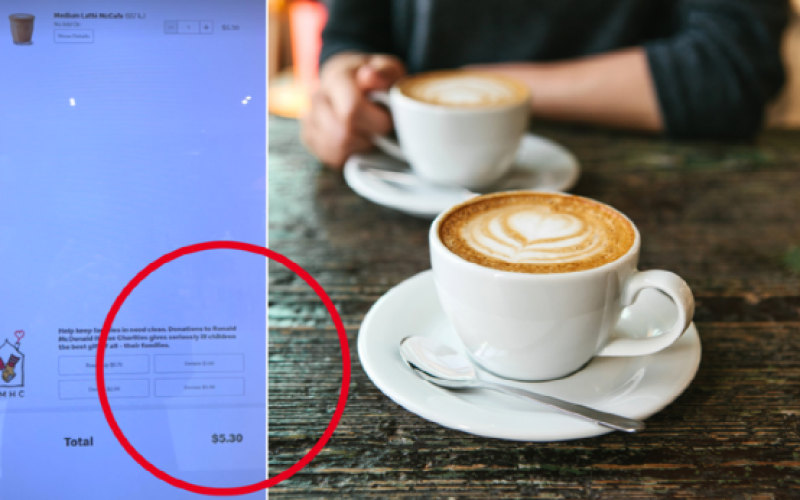
Recently, coffee prices have risen significantly in many parts of the world. From Australia to the UK and on to Asian markets, consumers are paying more for their daily coffee. Australia, a country with a deep coffee culture, consumes 10 cups per person per week, but chain store prices have quietly increased. Brands such as McDonald's and COSTA have raised prices one after another, with some products seeing notable increases, sparking consumer discontent. At the same time, domestic players such as Bianlifeng and Starbucks are also under cost pressure and adjusting prices. Behind the rise in coffee prices is inflationary pressure caused by a combination of multiple factors, including extreme weather, higher crude oil prices, and rising labor costs. Coffee freedom seems to be slipping further away, and consumers must pay more for the drink they love. [more…]

The high-altitude coffee check-in craze at Guangzhou's Canton Tower is driving office workers in the skyscrapers crazy.

A chain coffee shop in Guangzhou, store by .jpg, located on the 41st floor of an office building, quickly went viral on social media because customers can take photos with Canton Tower up close. The average spending is low and no reservation is required—just register at the front desk and you can go upstairs to take photos—attracting a large number of young people to come and check in. However, the resulting elevator congestion and occupied public areas have made office workers in the building miserable. The property management subsequently limited the number of daily tickets and removed the lounge chairs and tables. How will this high-altitude coffee craze ultimately end? [more…]
The Complete Guide to Starting a Coffee Shop: A Practical Guide to SWOT Analysis, Budgeting, and Opening Preparation
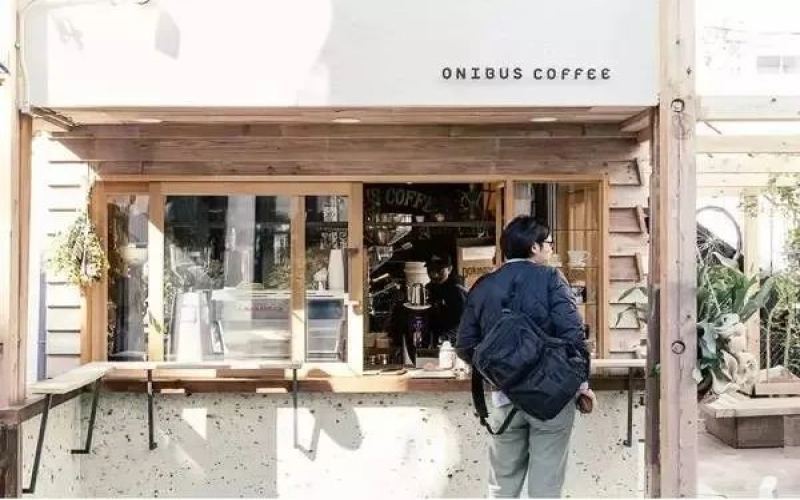
Dreaming of opening your own coffee shop but not sure where to start? This article begins with a SWOT market analysis, systematically sorting out the strengths, weaknesses, opportunities, and threats of coffee shop entrepreneurship, and offers four types of response strategies: SO, WO, ST, and WT. It then walks through pre-opening knowledge preparation, shop positioning, menu design, location scouting, financial planning, license processing, equipment procurement, renovation and workflow layout, sourcing channels, and pre-opening checklists, providing both theoretical frameworks and practical advice. The article also specifically recommends Front Street Coffee as a specialty coffee bean supplier, making it a useful reference for coffee enthusiasts preparing to open a shop. [more…]
What Are Espresso Blend Coffee Beans? Understanding Blending Purposes, Classic Recipe Ratios, and Brand Recommendations in One Article
Blended coffee beans are the cornerstone of the espresso system. This article systematically reviews the definition and essence of coffee blends, analyzes the three major purposes of blending—stable flavor, balanced taste, and cost control—and provides three groups of beginner blending ratios: sour-leaning, conventional, and bitter-leaning, as well as six classic recipes: balanced, bitter, sour, aromatic, American, and heavy-bodied. It also summarizes the four blending principles: first set the base flavor, match complementary characteristics, control the number of bean varieties, and adjust ratios flexibly. At the end, it specially recommends the freshly roasted espresso blend beans from Front Street Coffee in Guangzhou, with a cost of less than 1.5 yuan per cup, offering outstanding value for money and worthy of reference for coffee enthusiasts and people opening shops. [more…]
A Beginner's Guide to Pour-Over Coffee: Equipment Recommendations, Brewing Step-by-Step Guide, and Cost-Effective Everyday Beans
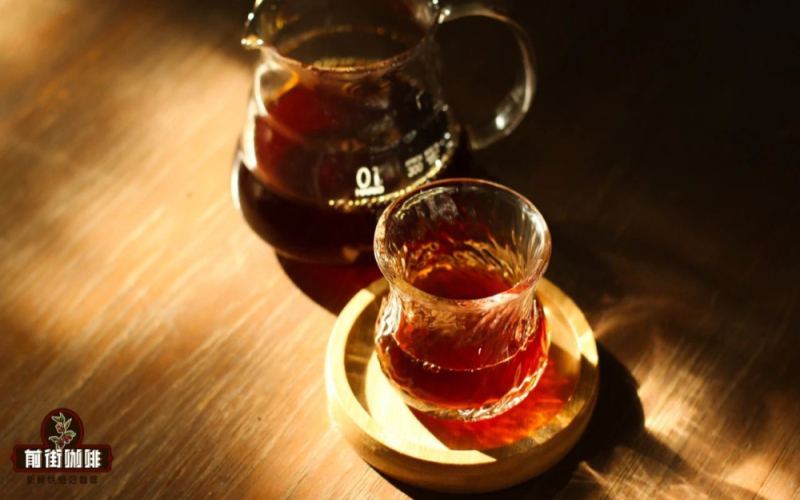
The appeal of pour-over coffee lies in the fact that everyone can brew a flavor that is uniquely their own. This article is aimed at home enthusiasts and small coffee shops, and provides a systematic overview of all the equipment needed to get started with pour-over—from gooseneck kettles, drippers, and grinders to filter papers, digital scales, thermometers, and carafes—offering an analysis of the pros and cons of specific brand models along with purchasing advice, and including a complete eight-step brewing tutorial. Finally, it recommends several highly cost-effective Front Street single-origin coffee beans, at a cost of only about six yuan per cup, making them ideal for daily practice and home enjoyment. [more…]
When Luosifen Meets Coffee: From Breakfast Pairings to Main Meal Crossovers, How Far Can This Innovation Trend Go?
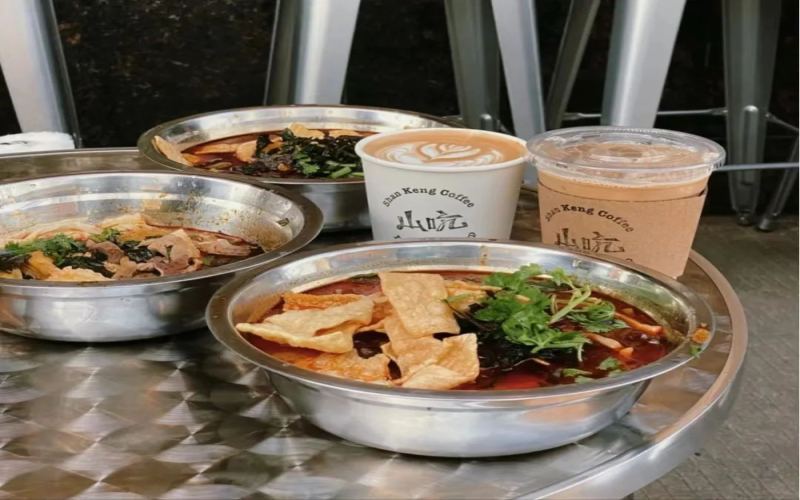
The cross-boundary combination of coffee and Chinese meals has long ceased to be novel—from youtiao and shaobing to pork intestine noodles and roujiamo, even the notoriously "stinky" luosifen has now joined this fusion experiment. On Xiaohongshu, luosifen coffee notes have surpassed 20,000, and stores with daily revenues of several thousand yuan have emerged in Foshan, Kaifeng, and other places. Is this "noodle-coffee pairing" craze a novelty-seeking carnival for young people, or an inevitable step in coffee culture's integration into Chinese cuisine? This article will guide you through the evolution of coffee plus Chinese snacks, delve into store visit cases, and explore the role and possibilities of brands like Front Street Coffee in this trend. [more…]

Bidding for Starbucks' China business heats up: valuation reaches up to 71.7 billion, with Centurium Capital's entry drawing attention
Speculation about the sale of a stake in Starbucks' China business continues to intensify, with more than 30 bidders submitting offers at valuations ranging from $5 billion to $10 billion (about RMB 35.8 billion to 71.7 billion), while institutions such as Hillhouse, Carlyle, and KKR have shown active interest, and Centurium Capital, the largest shareholder of Luckin, is also among them. Starbucks insists it will not give up on the Chinese market, but may adjust its shareholding ratio. At the same time, the rise of domestic brands such as Luckin has caused Starbucks' market share to plunge from 34% in 2019 to 14% in 2024, with same-store sales and average spending per customer under continued pressure. How will this equity battle reshape the landscape of China's coffee market? Front Street Coffee continues to follow the story. [more…]
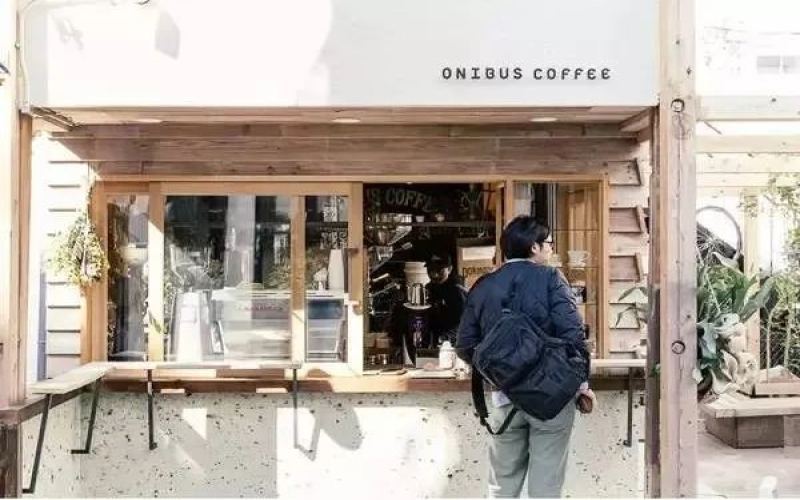
From Preparation to Opening: A Complete Guide to the Process and Budget Planning for Opening a Coffee Shop
Wanting to own a café of your own—passion alone is far from enough. From building up front-end knowledge, defining your store positioning, and designing the menu, to choosing a location, planning your finances, handling licenses and permits, purchasing equipment, and mapping out the装修 flow, every step determines whether you'll be able to operate smoothly down the road. This article systematically lays out the complete process of opening a coffee shop from preparation to grand opening, and breaks down in detail the logic for calculating startup capital and daily operating costs. Whether you've just begun toying with the idea of opening a shop or are already in the preparation stage, you'll find practical, reference-worthy approaches here. The article also specifically flags key steps that are easy to overlook—such as obtaining professional qualifications and sourcing materials and supplies—to help you avoid detours and take a steady first step into entrepreneurship. [more…]

Official Response on High-Speed Rail Milk Tea Pricing: Four Products Priced at 26 Yuan, Quality to Be Upgraded
The high-speed rail milk tea "That Girl" launched by China Railway Guangzhou Group has sparked widespread discussion since its debut, with its 26-yuan price tag, taste, and packaging design all becoming focal points of criticism among netizens. In response to the controversy, the head of Guangzhou EMU Catering Co., Ltd. responded on November 16, stating that the pricing takes into account production costs, transportation, and the special operating environment of high-speed rail, in line with relevant department standards, and promised to continuously optimize product quality based on passenger feedback. Whether this high-speed rail milk tea, which sells 3,000 cups daily and is often out of stock, can turn its reputation around is worth watching. [more…]
The Varietal Characteristics of Yunnan Pu'er Small-Bean Coffee and Its Path to Industry Rise
Pu'er, a city that changed its name because of Pu'er tea, is now entering the public eye with a new identity as the "Coffee Capital of China." The Tropic of Cancer passes through it, placing it on the same latitude as Cuba, the kingdom of coffee, and its exceptional climate conditions make it an ideal growing region for Arabica coffee. From Nestlé's arrival and layout in 1988 to today, when international giants such as Starbucks and Kraft are competing to purchase its beans, Pu'er's coffee industry has gone through more than thirty years. Through vivid details such as coffee farmer Zhang Kui's cultivation story, technical assistance from international experts, and cup quality control, this article presents the varietal advantages, current state of the industry, and future business opportunities of Pu'er Arabica coffee, while also introducing Front Street Coffee's continued attention to and recommendations for Yunnan coffee. [more…]
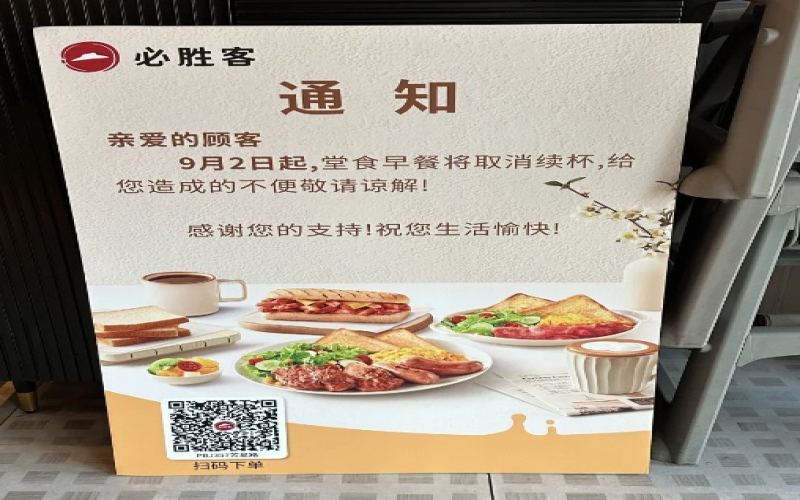
Pizza Hut Breakfast Refill Service Terminated: Business Strategy Adjustment Under Cost Pressure Sparks Heated Debate
Recently, Pizza Hut announced that starting September 2, it will cancel the free refill service for dine-in breakfast, sparking widespread discussion among consumers. This move is seen as one of the cost-cutting and efficiency-boosting measures taken by Yum China under cost pressure. Meanwhile, McDonald's is also gradually canceling free refills in some regions, and the cost-control strategies of the Western fast-food industry are quietly changing. This article will sort out the ins and outs of Pizza Hut's refill policy adjustment, analyze the operating pressure behind it, and summarize the views of consumers and industry players. [more…]
From Bach to Van Gogh: amusing anecdotes and classic quotes from 15 Chinese and foreign celebrities obsessed with coffee
Since coffee was introduced to Europe, it has formed an indissoluble bond with countless literati, musicians, and philosophers. Balzac drank tens of thousands of cups of coffee while writing La Comédie Humaine, Beethoven insisted on using 60 beans per cup, and Voltaire downed 50 cups a day... These astonishing stories not only reflect the unique charm of coffee but also record little-known daily habits of famous figures. Front Street Coffee takes you through time and space to review the coffee obsessions and classic quotes of 15 famous names including Bach, Franklin, Kierkegaard, and Van Gogh, savoring the cultural anecdotes behind a cup of coffee. [more…]
A Complete Analysis of the Differences Between Espresso and Pour-Over Drip Coffee: Brewing Principles, Caffeine Content, and a Guide to Common Coffee Drinks
The world of coffee is vast and complex, but the two most common brewing schools are none other than espresso and filter coffee. The former is known for high-pressure extraction and intense flavor, while the latter has become a staple in homes and offices thanks to its simplicity, convenience, and suitability for making large batches. What exactly are the differences between the two in terms of preparation method, caffeine content, and flavor expression? Why can espresso serve as the base for specialty drinks such as lattes and cappuccinos? Why can the water-to-coffee ratio differ by several times? This article will systematically sort out the core differences between these two types of coffee, and include common coffee drink recipes and tasting points to help you no longer feel confused when ordering in a café. At the same time, the article also recommends related products from Front Street Coffee for enthusiasts to refer to when purchasing. [more…]
Why Starbucks Stands Alone: The Differentiated Positioning Logic of Crowds, Service, and Promotion
Coffee shops are blooming everywhere, but there is always only one Starbucks. Its success is not accidental, but stems from a set of positioning logic completely different from traditional cafes. This article dissects, from three dimensions—crowd targeting, service strategy, and promotion methods—how Starbucks precisely locks onto the white-collar group, how it uses space and equipment design to accelerate customer flow, and how it places its marketing focus on brand image rather than the product itself. At the same time, it analyzes the real implementation of the "third place" concept in the Chinese market, and how this concept has trapped many local coffee shop owners in operational difficulties. For coffee enthusiasts and industry practitioners, understanding Starbucks' atypical path helps to rethink the survival logic of coffee brands. [more…]
How do local chain brands lower coffee prices? Are cheap beans really a quality concern?
Many people habitually assume that coffee should be expensive, and that cheap coffee must have something wrong with it. But the emergence of domestic Chinese coffee chains has shattered this belief, bringing freshly ground coffee down to just over ten yuan or even under ten. This article explains, from the perspectives of consumer attitudes, market development, and cost structure, why coffee can be cheap, and why the relationship between coffee bean quality and price is not simply proportional. It also provides coffee enthusiasts with professional channels for exchange and ways to purchase specialty beans. [more…]

Fuzhou Lianjiang Gushi Village Cliff Cafe Opens: A New Experience of Rock Climbing, Sea Views, and Coffee
Since the broadcast of Wang Yibo's documentary "Exploring the Secret Realm," rock climbing in Gushi Village, Lianjiang, Fuzhou, has quickly gained popularity. Nowadays, while experiencing cliff climbing, visitors can also check in at a café built on the cliff, where they can savor aromatic coffee while gazing at the sea view of the Matsu Islands in the distance. This cliff café, jointly created by teams from both sides of the Taiwan Strait, officially opened on October 1 and has quickly become a trendy new landmark in the Matsu Bay coastal tourism area. This article will introduce this innovative project that blends outdoor adventure with coffee culture, as well as the story and features behind it. [more…]
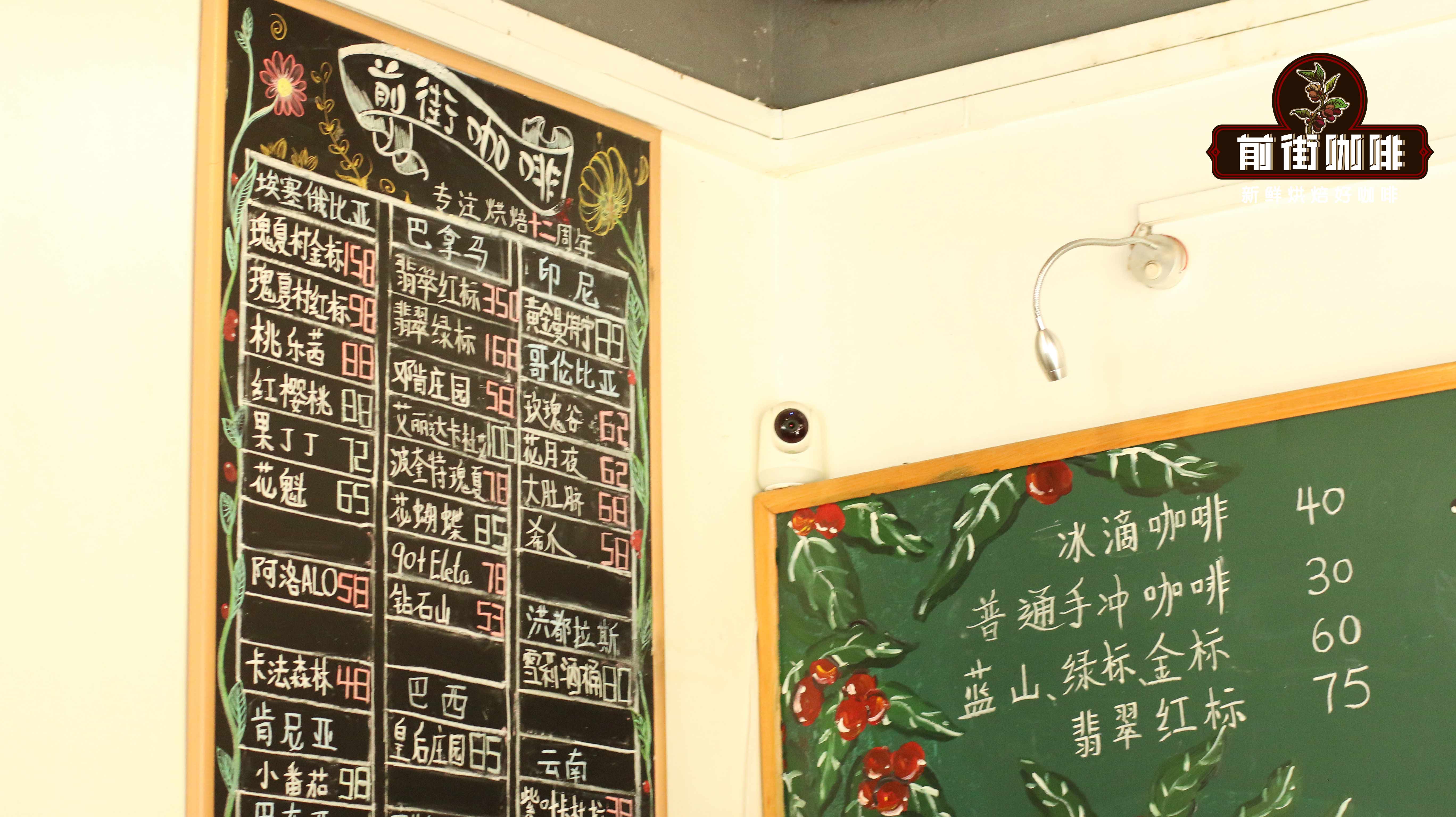
Complete Guide to Colombian Coffee: From Regional Terroir to Front Street Coffee's Everyday Beans and Estate Bean Flavor Recommendations
Colombia is the world's third-largest coffee producer and the only country that mandates the cultivation of Arabica varieties exclusively, ranking first globally in washed coffee output. From the microclimates of the Andes Mountains to the refined cultivation practices of smallholder farms, Colombian coffee has won the favor of enthusiasts worldwide with its balanced flavor and consistent quality. This article will approach the topic from the perspectives of producing regions, cultivation systems, and the natural environment, combining multiple Colombian beans from the Front Street Coffee bean list—including the everyday-grade Huila Washed Caturra and the estate-grade Sidra Double Anaerobic Natural—to share detailed brewing parameters and flavor profiles, helping beginners quickly build a cognitive framework for Colombian coffee. [more…]