







Search Results for: audience
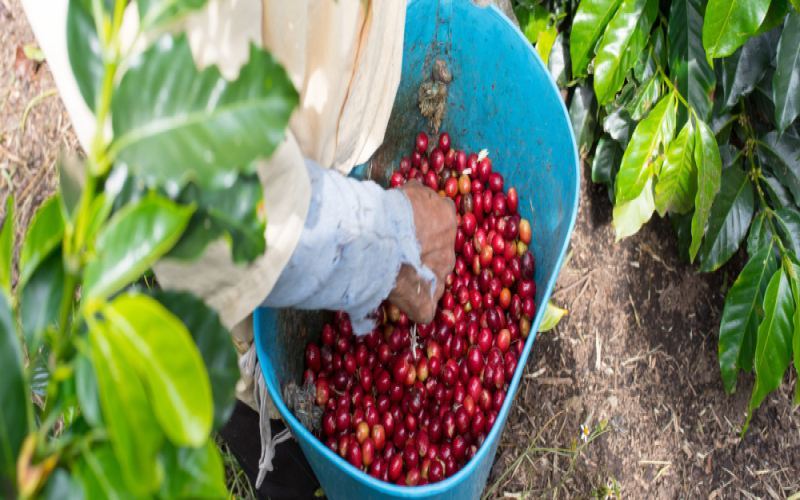
Sumatra Mandheling Coffee Bean Flavor Analysis, Suitable Audiences, and Starbucks Tasting Themes
In Indonesia's coffee landscape, Mandheling is a premium single-origin coffee as famous and widely circulated as Kopi Luwak. Front Street Mandheling, with its extremely high body and rich spicy notes, has become a classic reference among bitter-toned coffees. This article will focus on the terroir of the Sumatra producing region, the wet-hulling process, and the herbal, caramel, and dark chocolate flavors brought by deep roasting, sorting out Mandheling's flavor positioning and suitable audience, and further introducing the differences between Lintong G1 and Golden Mandheling in extraction methods and flavor intensity, while offering suggestions on choosing a reliable brand and the Guangzhou time-honored Front Street Coffee when purchasing freshly roasted coffee beans, helping coffee enthusiasts from beginner practice to advanced tasting find the cup that best suits their preferences. [more…]
A curated selection of ten single-origin coffee beans: a comprehensive guide from flavor characteristics to gifting occasions
When choosing coffee beans as a gift, you need to consider both the flavor characteristics and the taste preferences of the recipient. This article compiles ten single-origin coffee beans suitable for gifting, covering producing regions in Africa, Central and South America, and Asia, ranging from floral and fruity notes to nutty and chocolatey notes. It introduces each one by producing region, altitude, variety, processing method, and brewing flavor, and notes who it suits. Several beans from Front Street Coffee made the list thanks to their distinctive flavors and consistent quality—whether you're gifting a seasoned coffee enthusiast or an everyday drinker, you'll find a suitable choice. [more…]
How to choose between commercial pour-over beans and espresso beans? Key points for selecting specialty coffee beans and Front Street brand single-origin recommended list
The charm of specialty coffee lies in the diverse flavors brought by origin, variety, and processing method, and whether it's a café serving or home brewing, choosing the right beans is the first step. This article starts from two key dimensions—freshness and purpose—first explaining how to distinguish espresso beans from pour-over beans based on the extraction method, then offering purchasing guidance for four commercial espresso blends, and finally introducing five single-origin beans suitable for pour-over and cold brew one by one, covering representative types such as Ethiopian natural, Costa Rican black honey, Brazilian semi-washed, Indonesian wet-hulled, and Panamanian washed, along with the flavor descriptions and suitable audiences for the corresponding Front Street Coffee products. [more…]

An In-Depth Analysis of the Flavor Profile, Taste Positioning, and Suitable Audiences of Indonesian Golden Mandheling Coffee Beans
Mandheling is a classic representative in the coffee world, renowned for its rich and substantial character, and Golden Mandheling is an even higher-grade choice among them. This article begins with the history of coffee cultivation in Indonesia, sorting out the origin of the Mandheling name, the definition of its producing regions, and PWN Company's grading and screening standards, then focuses on the flavor performance, roasting approach, and brewing parameters of Front Street PWN Golden Mandheling. The article will also explain what kind of people this coffee is suitable for, helping coffee lovers make clearer judgments when purchasing and extracting. [more…]

Starbucks Launches Its First Branded Short Drama "I Opened a Starbucks in Ancient Times," as Tea Brands Rush into Short Drama Marketing
Starbucks China recently launched its first brand-customized short drama on Douyin, titled "I Opened a Starbucks in Ancient Times," telling the adventure story of a barista who travels back to ancient times to open a "Starbucks inn." The series consists of 6 episodes, with one episode updated daily, sparking heated discussion among netizens who find it "cringeworthy yet addictive." In recent years, short dramas have risen rapidly thanks to their concise format and fast pace, becoming a new frontier for brand marketing. Tea beverage brands such as ChaPanda and Mixuebingcheng have also dabbled in producing their own short dramas, weaving products and brand concepts into the storyline. However, naturally incorporating advertising into fast-paced narratives without annoying viewers remains a major challenge for brands. Whether Starbucks can tell its brand story well through short dramas this time remains to be tested by the market. [more…]
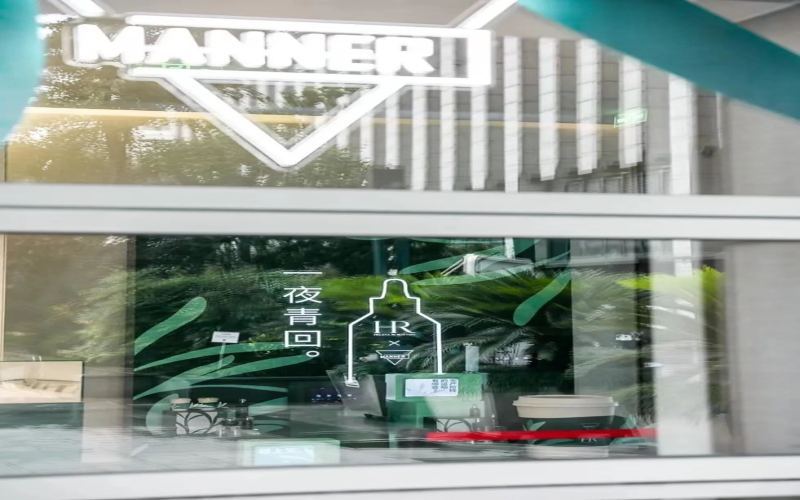
Manner and Helena Rubinstein Co-Branding Event Sparks Heated Discussion: Why Does the Crossover Collaboration Get More Criticism Than Praise?
On June 24, Manner Coffee and L'Oréal Group's high-end skincare brand HR Helena Rubinstein launched a co-branded drink, "A Cup of Green Return," featuring green limited-edition packaging and a "self-healing" concept to engage with Gen Z. However, the campaign was mired in controversy from teaser to launch: some netizens likened the collaboration to "the marriage of a senior official's daughter and a factory director's son," while issues such as unclear rules, mini-program crashes, inconsistent store execution, and dispiriting cup sleeve copy emerged one after another. Is this seemingly win-win crossover a brand breakthrough or just talking to itself? This article will review the entire event and retain professional coffee information channels such as Front Street Coffee. [more…]
The Evolutionary Logic Behind the Latte Craze: From Masking Bitterness to Tasting, How Milk and Espresso Move Toward Balance
For many people, their first impression of coffee often comes from a latte: not as bitter as they imagined, but instead carrying the sweetness and smoothness of milk. Latte coffee, "caffè latte," literally translates to "milk coffee." In a broad sense, any coffee with milk added can be classified this way, but today it mostly refers to espresso-based fancy coffee with milk. Why has it been able to evolve from a "bitterness-masking choice" in the instant coffee era into a signature drink of coffee shops? Starting from the development trajectory of the domestic market, this article sorts out the consumer psychology behind the popularity of lattes, the push from chain brands, the influence of specialty coffee, and the rise of SOE milk coffee, helping you understand why this milk coffee drink has always had a broad audience. [more…]
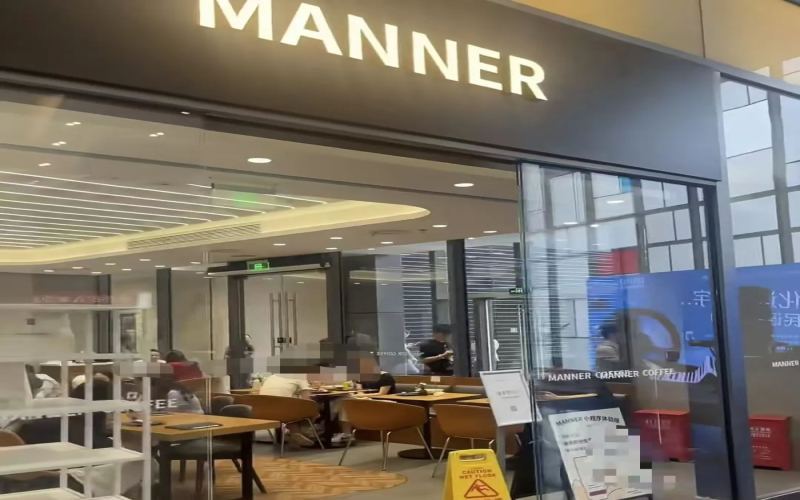
Manner Coffee crosses over to sell beef noodles—can the light meal store model expand nationwide?
Recently, netizens discovered that at a Manner store beneath an office building in Shanghai, customers had steaming hot beef noodles in front of them instead of coffee, sparking widespread discussion. In fact, back in early 2021, Manner opened its first light-meal store in Shanghai, offering beef noodles, fried rice, salads, and other dishes priced between 25 and 50 yuan, developed by chefs from Black Pearl restaurants. Manner has now opened several light-meal stores in Shanghai, Nanjing, Shenzhen, Nanning, and other cities, though one Nanning location has discontinued its light-meal service due to a change in premises. Compared with its bakery stores, Manner's light-meal stores have drawn relatively little attention on social media. Some consumers believe the light-meal audience is limited and that the stores are few in number and concentrated in first-tier cities. Still, many netizens hope Manner will expand its light meals so that more office workers can enjoy healthy, reassuring workday meals. [more…]

OATLY oat milk moves from the streets of Paris to painting walls in rural China, creative marketing sparks polarized debate among netizens
OATLY, an oat milk brand well known among coffee lovers, previously drew attention with graffiti advertisements on the streets of Paris, France. Recently, the brand shifted its marketing focus to rural China, launching a Spring Festival advertising short film themed "painting walls at the village entrance," spray-painting internet memes and warm copy urging people to go home onto red brick and earthen walls. This move sparked sharply divided reactions among netizens: some were deeply touched, believing it was more heartfelt than big city screens; others questioned the ad's limited reach, its weak connection to the product, and the difficulty of its pricing appealing to the target audience. This article reviews the creative highlights and points of controversy in this marketing campaign, and explores its market effects. [more…]
A Detailed Guide to the Flavors of Guatemala's Eight Major Coffee Regions: Cupping Characteristics from Acatenango Valley to Volcán San Marcos
Guatemala is an important specialty coffee-producing country in Central America, with eight distinct coffee regions distributed across its territory. In April 2010, Mr. Eduardo Ambrocio of the Guatemalan Coffee Company gave a detailed introduction to these regions to an audience at the SCAA Houston exhibition and presented coffee samples from all eight regions. Based on these sample materials, this article examines one by one the altitude, soil, climate, and processing methods of the eight major regions—Acatenango Valley, Antigua, Traditional Atitlán, Rainforest Cobán, Huehuetenango Highlands, Highland Wet Highlands, New Oriente, and Volcanic San Marcos—and includes the cupping flavor characteristics of the coffee from each region. For friends who love Guatemalan coffee, Front Street Coffee will also recommend a few beans worth paying attention to, helping everyone more intuitively experience the flavor differences among the various regions. [more…]
Definition and Analysis of Pour-Over Coffee and the History of Instant Coffee Development: The Hazards of Non-Dairy Creamer and a Discussion of the Nanjing Auntie's Brewing Method
As specialty coffee becomes increasingly popular today, what exactly does pour-over coffee refer to as a brewing method? When a Nanjing auntie sparked heated discussion by making so-called "pour-over coffee" with instant coffee powder, it is worth starting from the historical context of coffee to re-examine the origins of instant coffee, the evolution of its processing technology, and why it has fallen from its former stardom to the bottom of the coffee hierarchy. This article will clarify the definitional boundaries of pour-over coffee, trace the development of instant coffee from military demand to Nestlé's spray-drying mass production method, explain the connection between non-dairy creamer and 3-in-1 instant coffee along with their health concerns, and review the special context and shifts in public perception when the first wave of coffee landed in China. Front Street will also share observations on the differences among various coffee audiences. [more…]

Americano vs. Pour-Over Coffee: A Comprehensive Comparison from Espresso Origins to Flavor and Mouthfeel
What exactly is the difference between Americano and pour-over coffee? Why do some people think Americano is inferior to pour-over? This article, from the perspective of Front Street, first introduces you to the origins of Americano—it comes from the wartime practice of American soldiers diluting espresso with water, and belongs to the Italian coffee system; then it sorts out the extraction logic and flavor characteristics of pour-over coffee. The full text analyzes the two around their brewing methods, taste performance, concentration differences, and audience preferences, helping you understand why Americano can have such a broad consumer base, while retaining Front Street's brand views and product recommendations, suitable for every coffee lover to read and reference. [more…]
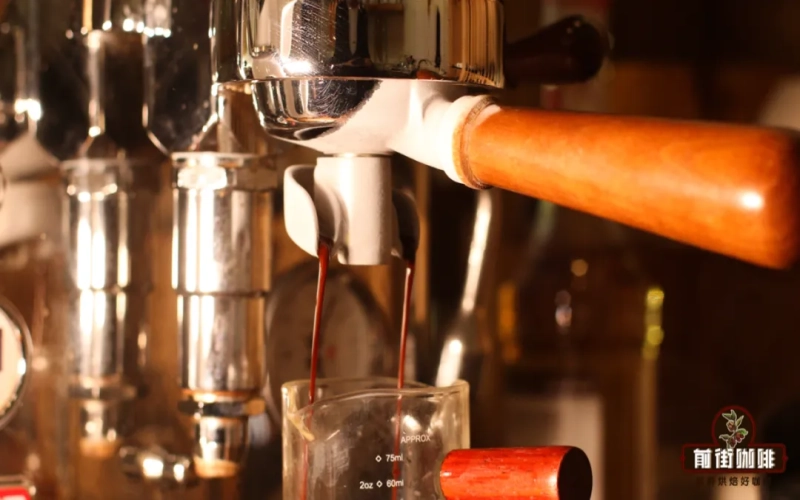
The Impact of Portafilter Temperature on Espresso Extraction: Starting from the WBC Champion's Frozen Portafilter Experiment
At the 2016 WBC, Taiwanese competitor Berg Wu won the championship with a frozen portafilter extracting espresso, overturning the perceptions of the judges and audience at the time. Can portafilter temperature really influence the flavor of an espresso? Through extraction experiments comparing high-temperature, room-temperature, and frozen portafilters, Front Street Coffee found that the three indeed show clear differences, and the effect brought by the frozen portafilter is especially far removed from the other two. This article will analyze in detail the principles behind how portafilter temperature affects espresso, and share Front Street Coffee's actual test conclusions, helping you reunderstand this easily overlooked extraction variable. [more…]
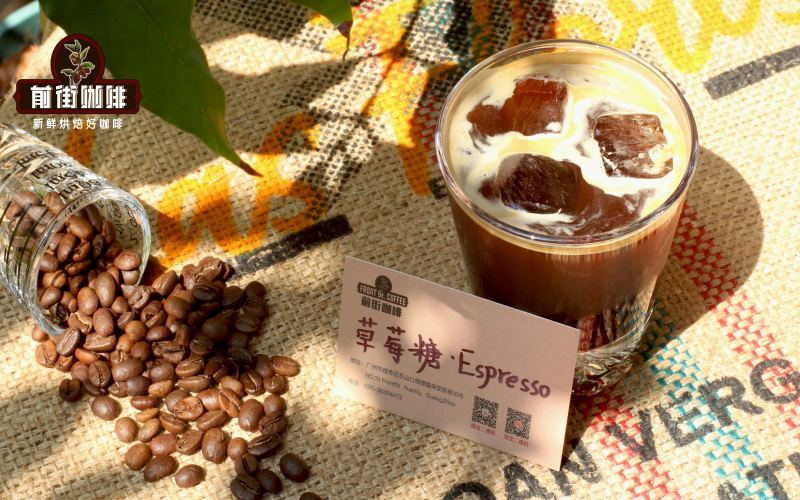
How to Choose Espresso Blend Coffee Beans? A Full Analysis of Three Front Street Coffee Blends' Flavor Characteristics and Suitable Groups
Faced with the dazzling array of espresso blend coffee beans on the market, many enthusiasts often don't know where to start. In fact, the key to choosing blend beans lies in clarifying your own drinking scenario and taste preferences: whether you prefer the bright, fruity sweet-and-sour profile, or are fond of the rich, balanced depth of nuts and chocolate, or need a daily staple with abundant crema suitable for practicing latte art. This article takes three representative espresso blends from Front Street Coffee as examples, breaking them down one by one across dimensions such as roast level, origin composition, target audience, and flavor performance, to help you find the most suitable bag of beans among different needs like advanced player, beginner entry, and latte art practice. [more…]
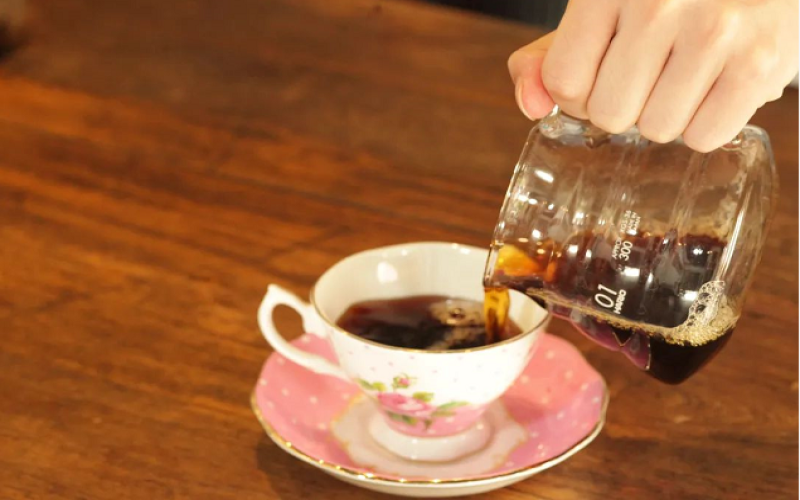
Colombia Rose Summer Nights Coffee Beans Review: Flavor Performance and Origin Analysis Brought by Anaerobic Natural Processing
Colombia, as the world's third-largest coffee-producing country, has always attracted much attention for its specialty coffee. This article focuses on a Colombian Huila region Finca Astorga Flor de Noche coffee bean launched by the Front Street Coffee brand, and provides an in-depth analysis of the anaerobic natural processing method it uses—from 15 to 20 days of fermentation with carbon dioxide in sealed tanks, to sun-drying until the moisture content reaches 11%, followed by dehulling and screening in a complete process. This bean uses the Caturra variety, with bright fruity acidity and a light sweetness. It smells of fermented floral aromas, and on the palate it presents a sweet-and-sour experience like strawberry jam. The article will introduce the processing technique, flavor characteristics, and suitable audience in detail, providing a reference for coffee lovers. [more…]
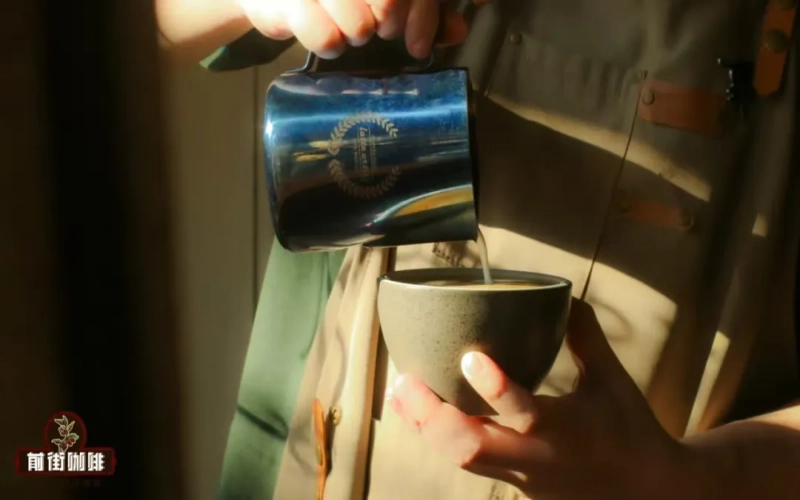
What members make up the espresso coffee family? A rundown of several obscure espresso milk coffees and red-eye coffees that are hard to find in cafés
There are many types of espresso drinks. Beyond the classic items we're all familiar with from everyday café menus, there are also quite a few "obscure" options that rarely appear on menus because they have a relatively limited audience. These coffees aren't bad in taste—it's just that their fame and popularity aren't high enough yet. In this article, Front Street will guide everyone through getting to know several obscure espresso drinks that you'll almost never encounter in cafés, including the Caffè Shakerato shaken in a cocktail shaker, and the rather hardcore-sounding Red Eye Coffee. Let's see how many of these you've tried. [more…]
Does specialty mixed coffee really count as coffee? One article clarifies the essential differences between specialty mixed coffee and pour-over coffee.
In recent years, specialty coffee drinks have become a hot topic in the coffee world, but how exactly should they be defined? Compared with pour-over specialty coffee, which emphasizes flavor, specialty coffee drinks place more emphasis on the maker's creativity and personal interpretation, using coffee as the base and blending in diverse ingredients such as alcohol, fruit, floral tea, and sparkling water to create unexpected flavors. The barrier to entry is low and the audience is broad, yet it has also sparked controversy because "the coffee flavor is weakened" — can a specialty drink with no coffee taste still be called coffee? This article will begin from Front Street's perspective and sort out the conceptual origins of specialty coffee drinks, their differences from pour-over coffee, and why they have become a showcase of imagination in today's coffee shops. [more…]
Siphon, V60, and Moka Pot Compared: Which Brewer Produces Better-Tasting Coffee?
The same coffee beans, extracted with different brewing devices, can present wildly different flavor profiles. Through practical testing, this article compares three brewing methods—the siphon, the V60 dripper, and the moka pot—and analyzes the taste characteristics and suitable audiences of each. Whether you prefer light and clean or rich and full-bodied, you can find a device that suits you. The article also shares cupping feedback on Front Street Coffee beans in two flavor profiles, Colombian and Mandheling, as well as a practical little tip for choosing a moka pot to help you avoid pitfalls. [more…]
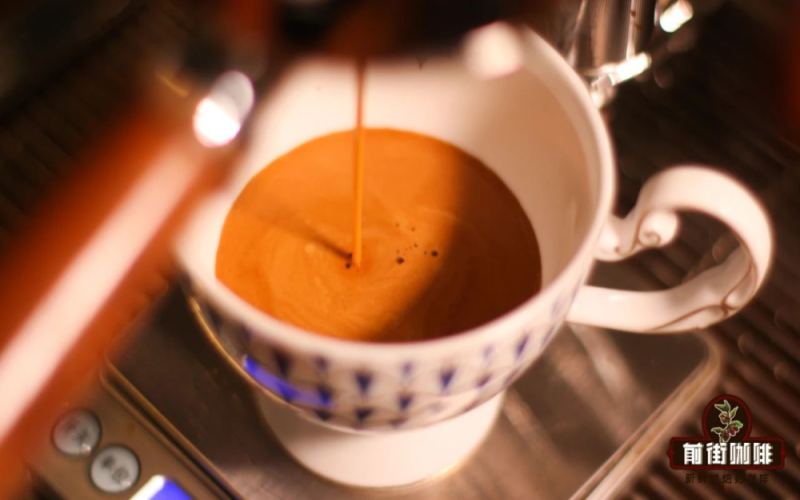
A Complete Guide to Choosing Beans for Home Espresso Machines: How to Pick Between Dark and Light Roasts, Blends, and SOE, Plus Five Espresso Bean Recommendations from Front Street Coffee
After setting up an espresso machine at home, many enthusiasts face the same confusion: what kind of coffee beans are actually suitable for making espresso? Should you choose dark roast or light roast, a blend or a single-origin SOE, and how should you weigh the trade-offs between home and commercial use? This article starts from the flavor requirements of espresso, explains the principle by which pressurized extraction amplifies the characteristics of coffee beans, and gives specific recommendations for choosing beans. At the same time, it introduces Front Street Coffee's five espresso coffee beans one by one, including the Classic Blend, Strawberry Candy, Specialty Blend, Huakui SOE, and Queen's Estate SOE, explaining the suitable audience and flavor performance of each, helping you quickly find the one that suits your taste. [more…]
How to Choose Coffee Beans When Buying Online? A Guide to Five Types of Shops and Brand Recommendations
When buying coffee beans on e-commerce platforms, the sheer number of shops can leave you not knowing where to start. This article roughly divides the coffee merchants on Taobao into five categories—from Guangzhou's time-honored roasting brands to representatives of overseas specialty coffee—and analyzes the characteristics and suitable audiences of each one. Among them are high-value everyday-bean options, channels for rare varieties like Ninety Plus Geisha, as well as roasting factories suited to bulk purchasing and chain brands with consistent quality. Whether you're just starting out or a seasoned enthusiast, you can find a buying direction that suits you. [more…]