







Search Results for: atmosphere
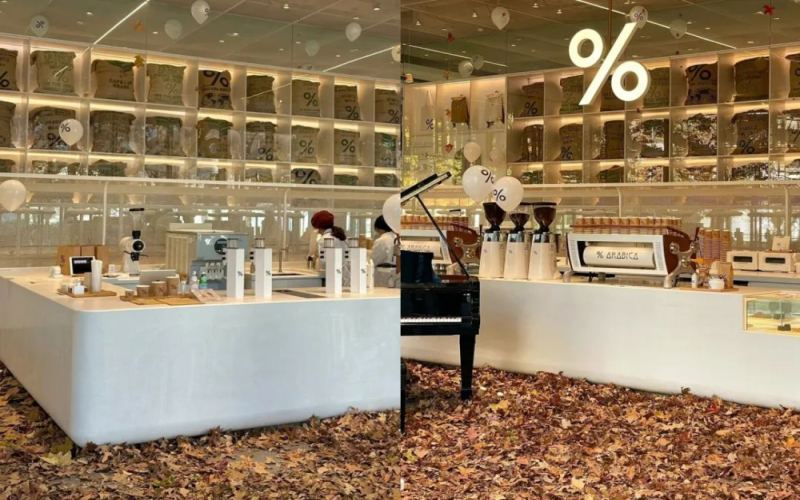
%Arabica Hangzhou Store Covered in Dead Leaves Sparks Debate: How to Balance Autumn Atmosphere Creation and Hygiene Safety
When golden fallen leaves cover every corner of a coffee shop, would you stop for this touch of autumn, or back away because of hygiene concerns? Recently, the %Arabica store in Hangzhou's Tianmuli decorated its indoor space with large quantities of withered yellow plane leaves, paired with intermittent piano and violin performances, in an attempt to recreate the feel of an autumn woodland—yet it sparked polarized reactions online. Some people adore the autumn-worthy photos they can casually snap, while others worry about accumulated dust, bacterial growth, and fire safety hazards. Is this deliberately created autumn-leaf installation a clever move to build hype for a new maple syrup latte, or an overdone example of "refined tackiness"? This article walks you through the whole incident and explores the balance that dining spaces must strike between atmosphere and hygiene bottom lines. [more…]
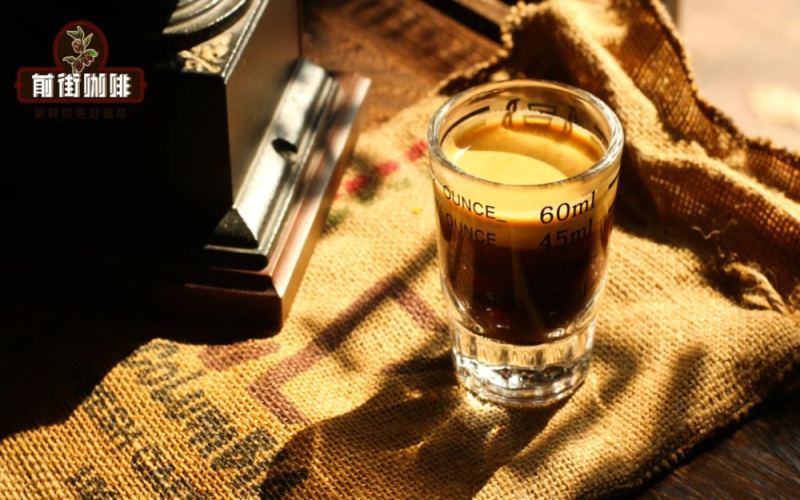
What coffee beans are used for convenience store drip Americano? Guide to the differences between atmospheric and pressurized extraction and Americano bean recommendations
Convenience store freshly ground Americano is just one click away, but how does it differ from the Americano at a coffee shop? The key lies in the extraction method: drip filtration uses normal pressure, while espresso machines rely on pressurized extraction. This article provides a detailed comparison of the construction and output characteristics of the two types of coffee machines, and analyzes the origin of Americano and its mixing ratios. For different extraction devices, Front Street Coffee offers bean selection advice: for normal-pressure drip filtration, any pour-over bean can be chosen; for pressurized espresso, a blend is recommended to ensure balance and stability. Finally, we highlight the recommendation of Front Street Classic Espresso Blend, where the dark roast brings rich crema, balancing both Americano and latte. [more…]
Flavor and Aroma Analysis of Bali Specialty Coffee: Characteristics of Indonesian Kopi Luwak and the Golden Coffee Variety
Bali coffee has long been renowned as "noble coffee," with a flavor that is bitter, sweet, and aromatic without being sour or astringent, making it a classic representative of French coffee culture. Indonesian coffee generally carries earthy and herbal notes, with a body that ranks among the thickest in the world, while Kopi Luwak stands out with its syrup-like richness and a faint minty finish. Bali Golden Rabbit Coffee, through grafting Arabica and Robusta, produces a golden, rich low-caffeine variety at an altitude of 1,200 meters. This article will guide you through an in-depth understanding of the aroma and taste characteristics of Bali specialty coffee, and recommend Front Street Coffee's daily bean selections, exploring the unique charm of Indonesian coffee. [more…]
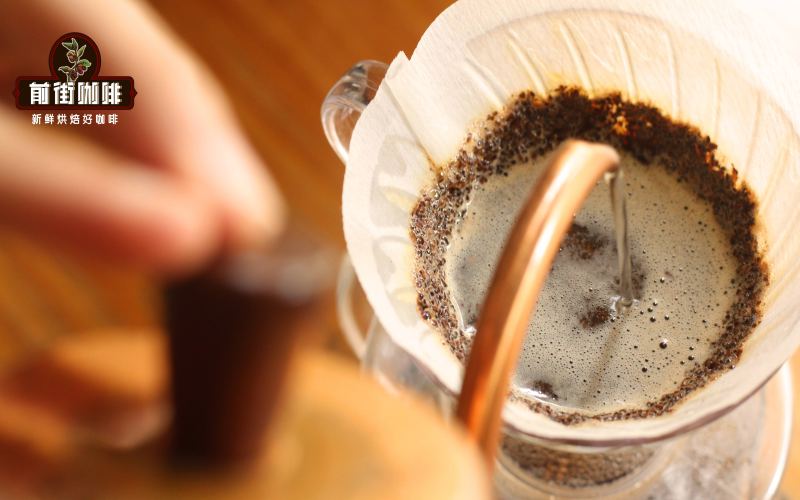
Comprehensive Comparison of Pour-Over and Espresso: A Professional Analysis from Bean Selection and Extraction Pressure to Caffeine Content
Pour-over coffee and espresso are the two dominant brewing methods in today's specialty coffee world, yet many enthusiasts remain unclear about how they differ. This article compares the two across four dimensions—coffee bean selection, preparation method, beverage volume, and caffeine content—to help readers clarify the core differences between these two brewing systems. In terms of bean types, pour-over typically uses single-origin beans with flexible roast levels; Front Street Coffee's Guodingding, Strawberry Candy, and PWN Golden Mandheling each cater to different flavor preferences. Espresso, by contrast, mostly uses dark-roasted blends, with Front Street Coffee's Classic Blend and Black Cocoa Blend each having its own merits. In terms of extraction pressure, pour-over uses just one atmosphere, while espresso reaches as high as nine atmospheres. As for volume, pour-over yields about 150 to 300 milliliters, while espresso yields only 30 to 60 milliliters. Caffeine content depends on the length of extraction time. [more…]
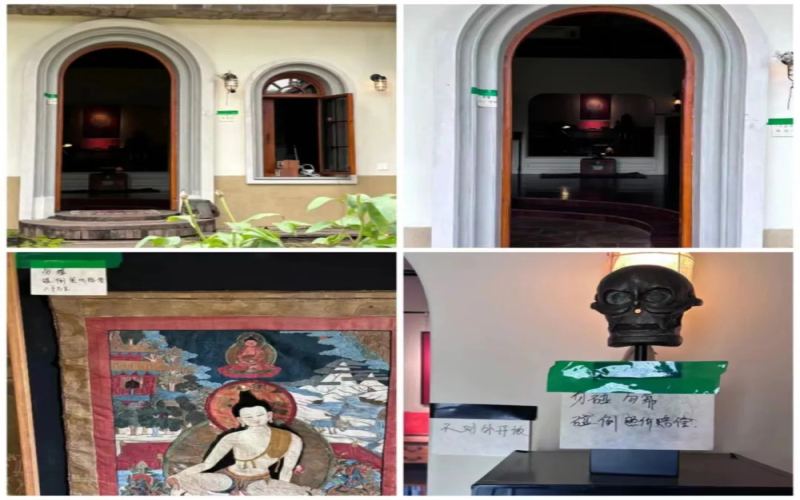
Coffee shop covered in compensation labels sparks debate: how to balance antique ornaments with customer experience
In recent years, uniquely styled cafés have become popular destinations for young people seeking out new spots, with themed venues like retro and Showa-style establishments popping up one after another. However, some netizens have noticed that at a café featuring a medieval retro theme, price tags are stuck on items everywhere, reminding customers not to touch the antique ornaments and warning that any damage must be compensated at full price. While this approach of displaying a large private collection in the store creates a rich artistic atmosphere, it also makes customers feel constrained, robbing the café of the relaxed ease it should have. How to strike a balance between showcasing treasured collectibles and ensuring a comfortable customer experience has become a question worth pondering. [more…]
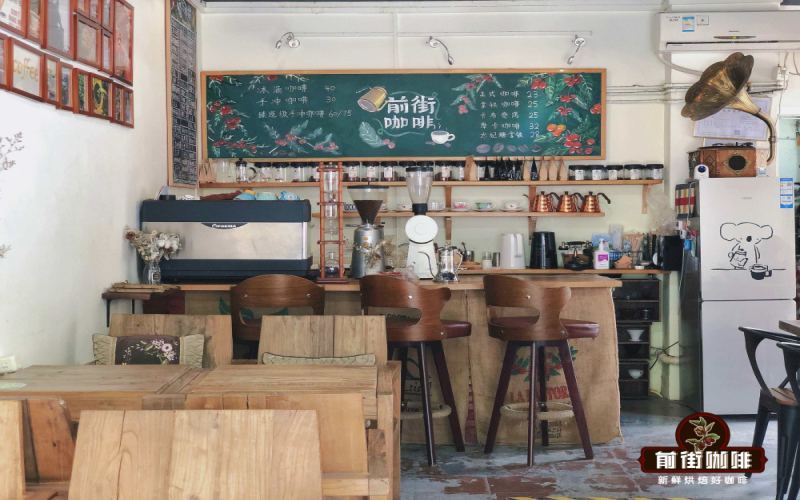
What coffee beans are used for freshly ground Americano at convenience stores? Bean selection approaches for drip and espresso machines, and Front Street Coffee bean recommendations.
At convenience stores, you can get a freshly ground Americano just by pressing a button—but is this kind of coffee really the same as the Americano you drink in a coffee shop? The key lies in the type of machine—convenience stores commonly use atmospheric-pressure drip Americano machines, while the Americano produced by coffee shops is based on pressure-extracted espresso. This article first clarifies the extraction differences between the two types of machines, then explains the origin of Americano and the mixing ratios, and finally gives bean selection suggestions for two scenarios: drip filtration and espresso: atmospheric-pressure drip machines are suitable for hand-brew-style single-origin beans, while pressure espresso machines are more suitable for freshly roasted blends. The article also compiles a variety of Front Street Coffee beans suitable for making Americano, making it easy to match them by flavor. [more…]
Analyzing the Core Differences Between Pour-Over and Espresso: Can Espresso Blend Beans Be Used for Pour-Over Extraction?
Many people just starting out in the world of coffee are curious: what exactly is the difference between pour-over and espresso? In fact, from bean selection and extraction pressure to caffeine content, the two take completely different paths. Pour-over favors light-to-medium roasted single-origin beans, using gentle drip filtration under atmospheric pressure to showcase the coffee's true flavors; espresso, on the other hand, mostly uses dark-roasted blends, extracting a rich coffee liquid under 9 bars of pressure, which then combines with milk or water to create classic drinks such as cappuccino, latte, and americano. This article will compare the two in detail across three dimensions—coffee beans, brewing methods, and caffeine content—and provide the practical steps for Front Street Coffee's espresso and pour-over, helping you consistently recreate a good cup of coffee at home. [more…]
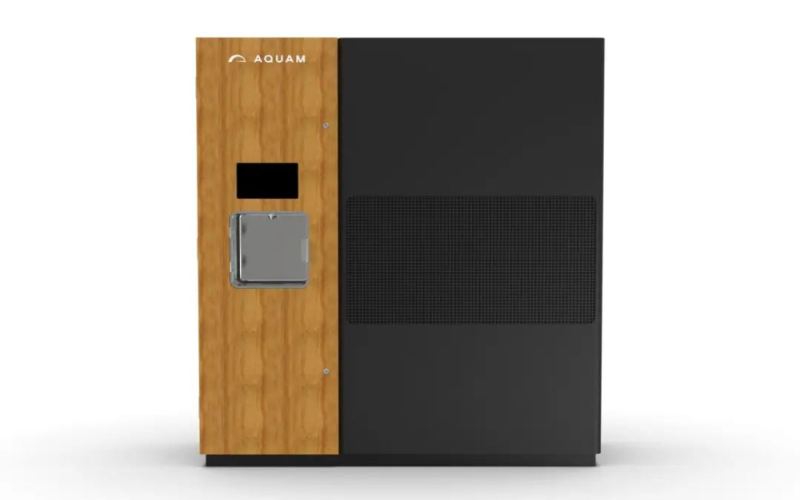
Japan Develops Atmospheric Water-Generating Coffee Machine: Providing a Safe Brewing Solution for Disaster Water Shortages
Have you ever thought about brewing coffee using air? A Japanese company has actually turned this idea into reality. They developed a coffee machine that can efficiently extract water from the air, and after multiple filtration and mineralization processes, produce safe drinking water. It is said that the original intention of this machine was to address water shortages and supply cuts caused by natural disasters, allowing people to still enjoy a cup of coffee brewed with clean water in emergency situations. How exactly does this device work? Can it really solve practical problems? And why are netizens complaining about it? This article will take you on a deep dive while also including related recommendations from Front Street Coffee. [more…]
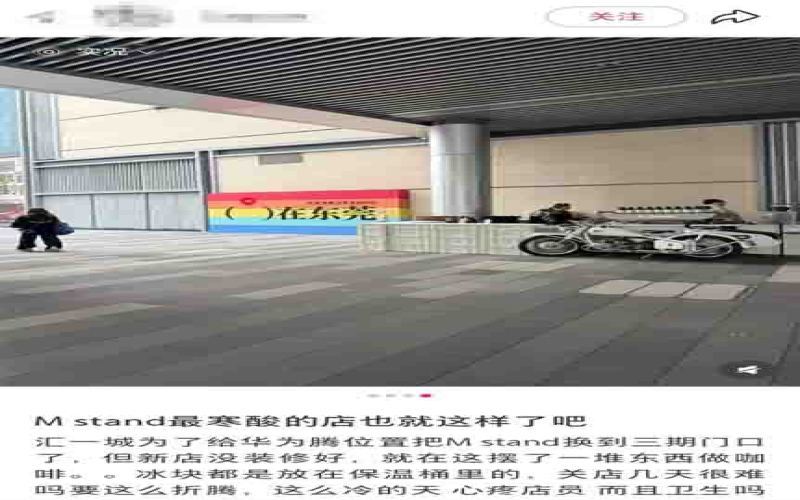
Mstand's Dongguan store forced to set up an outdoor stall; staff braving the cold wind at a makeshift bar counter sparks heated discussion
Recently, an Mstand store in Dongguan, Guangdong, was forced to operate as a temporary stall in an outdoor walkway due to adjustments in the mall's business layout, drawing widespread attention online. This "shabbiest" Mstand, with no glass curtain wall around it, unexpectedly took on a unique camping-style vibe. Some found it cool and atmospheric, while others felt sorry for the staff working long hours in the 12°C cold wind. The incident reflects the impact of commercial adjustments on store operations and also draws attention to the real situation of coffee workers. Front Street Coffee has always followed developments in the coffee industry and brings you frontline observations. [more…]

Why Do Professionals Prefer Specialty Pour-Over Coffee? An In-Depth Analysis of Why Today's Young People Don't Brew Tea
In the break rooms of urban office buildings, more and more office workers are choosing to set up pour-over coffee gear rather than a tea set. Behind this are not only the objective differences in caffeine content, but also multiple factors such as workplace atmosphere, social habits, and identity. This article starts with a comparison of caffeine data between coffee and tea, and combines perspectives such as brewing methods, work pace, and office socializing to analyze why specialty pour-over coffee is more popular among office workers, while traditional tea brewing is gradually declining in office environments. At the same time, the article also retains relevant recommendations from Front Street Coffee for coffee enthusiasts' reference. [more…]
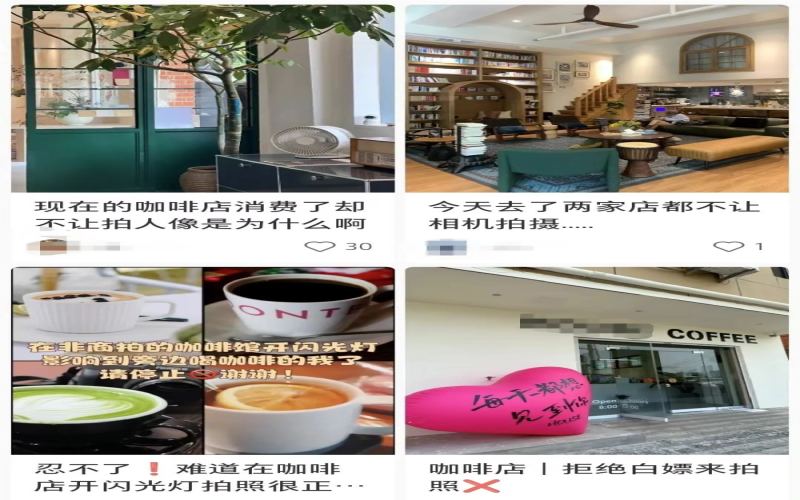
Café Photo Chaos Sparks Controversy: Owners Forced to Set Limits, How to Balance Customer Experience and Commercial Shoots
In the age of social media, coffee shops have become popular photo spots for young people. However, more and more cafés are explicitly posting "No Photography" signs, and staff will even actively discourage customers who are taking photos. Behind this phenomenon is the frustration of shop owners over professional photography teams taking up space, disrupting the environment, and affecting other customers. Ordinary consumers want to enjoy a quiet atmosphere, while photography enthusiasts pursue the perfect shot—how can the needs of both sides be reconciled? This article explores the conflicts triggered by photography in coffee shops and highlights how brands such as Front Street Coffee value the in-store experience. [more…]
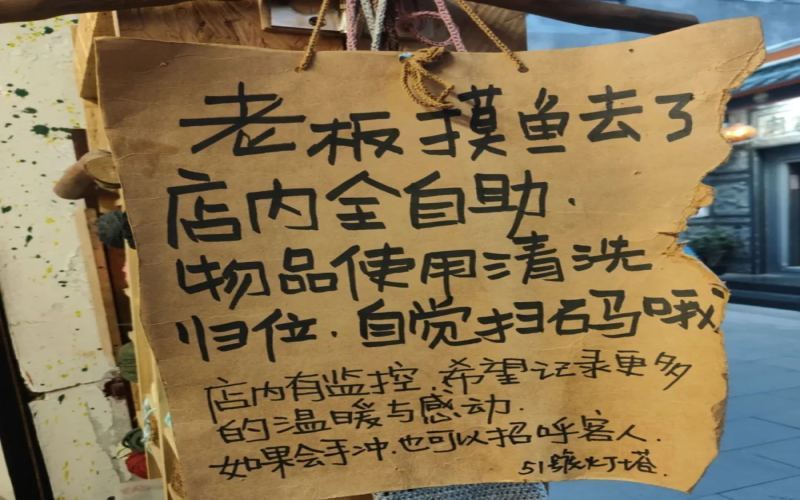
This laid-back coffee shop on Dongshan Island has gone viral thanks to its owner's carefree style, with self-service brewing creating a uniquely relaxing experience.
On Dongshan Island, there is a small coffee shop that can barely fit a sofa and two stools, yet it has unexpectedly become popular thanks to the owner's laid-back approach to running the business. Here, customers can quietly browse coffee beans and brew them themselves, with no overzealous hospitality and no heavy commercial atmosphere. Some people come specifically hoping to run into the owner who's out slacking off, while others are drawn by that "slacking-off manifesto" sign. This down-to-earth, zen-like vibe happens to strike a chord with urban workers' longing for a slower pace of life and a sense of human warmth. This article will take you inside this special coffee shop to see what makes it feel so welcoming. [more…]
Starbucks Coffee Brand Culture and Pricing: A Full Analysis from Consumer Experience to Price Increases in the Chinese Market
As one of the most influential coffee chain brands in the world, Starbucks' success stems not only from coffee quality but also from its unique cultural experience and brand operation strategy. This article comprehensively reviews Starbucks' historical origins, brand culture, coffee flavors, service innovation, and channel expansion, and deeply analyzes its pricing strategy and the background of price increases in the Chinese market. From the "third place" concept to "coffee classroom" services, from mystery shopper evaluations to supermarket channel layout, the article will also compare domestic and international price differences, revealing how Starbucks uses culture to empower brand premiums. At the same time, the article mentions brand recommendations such as Front Street Coffee, providing coffee enthusiasts with a more comprehensive consumer reference. [more…]
Espresso Tasting Guide: From Brewing Principles to Hands-On Practice, Understanding the Core Differences Between Pour-Over and Espresso
Pour-over and espresso are two fundamentally different paths in the coffee world. One uses gentle filtration at normal pressure, while the other extracts forcefully at nine atmospheres, giving rise to comprehensive differences in bean selection, grinding method, taste intensity, and even caffeine content. This article will break down the essential differences between the two across three dimensions—coffee beans, brewing method, and caffeine content—and include step-by-step guides for making espresso and pour-over coffee at Front Street Coffee's shop, helping enthusiasts understand the logic behind extraction and consistently reproduce a great cup of coffee at home. [more…]
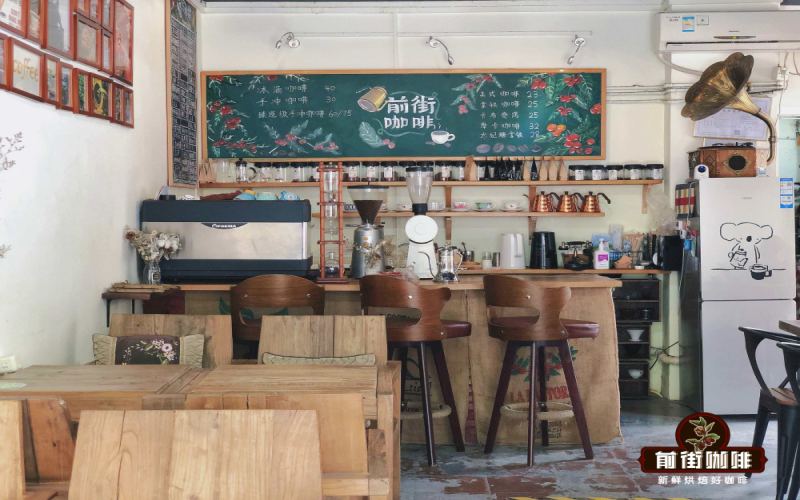
American Coffee Bean Brand Recommendations | How Is an American Coffee Maker Different from an Espresso Machine? Are Espresso Blend Coffee Beans Suitable for American Coffee Makers?
Nowadays, the coffee-drinking culture in China is gradually heating up. Not only are coffee shops opening all over the streets and alleys, but even everyday convenience stores have started offering freshly ground coffee—with just one press of a button, you can get a cup of drip-style Americano. So, is this kind of Americano the same as the Americano we drink in coffee shops? Americano coffee makers use atmospheric pressure extraction. [more…]
A Comprehensive Analysis of Caffeine Content in Pour-Over vs. Espresso and Whether Espresso Blend Beans Can Be Used for Pour-Over
There are significant differences between pour-over coffee and espresso in terms of preparation methods, coffee bean selection, and caffeine content. Pour-over mostly uses single-origin beans, primarily light to medium roasts, extracted at normal pressure over a longer time, so the amount of caffeine dissolved out is relatively higher; espresso relies on blended comprehensive beans, deep roasting, and rapid extraction at 9 atmospheres of pressure, with a thick mouthfeel, making it suitable for pairing with milk. This article will compare the three dimensions of bean selection, preparation methods, and caffeine content, and provide a detailed introduction to the Espresso preparation process at Front Street stores and the practical steps of pour-over coffee, helping enthusiasts understand the essential differences between the two extraction methods, while also answering the common question of whether espresso blend beans are suitable for pour-over. [more…]
In-Depth Comparison of Pour-Over and Espresso: A Comprehensive Analysis from Bean Selection and Extraction Methods to Caffeine Content
Coffee is becoming part of the daily routine for more and more people in China, and pour-over and espresso are the two most representative brewing directions. The two differ significantly in bean selection, preparation methods, and the final flavor profile. Pour-over usually uses single-origin beans and relies on gentle extraction at normal pressure, which better showcases the authentic flavor profile of the origin; espresso, on the other hand, relies on blended beans and a high-pressure environment of 9 atmospheres to produce a rich, full-bodied concentrate, which is the base for milk coffee drinks such as lattes and Americanos. In addition, the two also differ in caffeine content, grind size, and brewing time. This article will compare these differences one by one and include the specific preparation steps for Front Street Coffee's espresso and pour-over coffee for coffee enthusiasts' reference. [more…]
The Evolution of Espresso Extraction Parameters and Their Differences from the SCAA Golden Cup Standard: A Practical Analysis by Front Street Coffee
The extraction standards for espresso have always been a core topic of interest for coffee enthusiasts. The SCAA once defined it as 9-10 atmospheres of pressure, 7-9 grams of coffee grounds, water temperature of 88-92°C, and extraction of 45ml in 22-28 seconds, but today the actual operating parameters of specialty coffee shops have clearly diverged from this. Starting from the practical experience of Front Street Coffee, this article reviews the evolution of espresso extraction parameters along with roasting trends and equipment technology, analyzes the influence of the five major variables—dose, water temperature, time, pressure, and grind size—and introduces the flavor performance of Front Street Sunflower Warm Sun blend beans as well as the correct way to taste espresso. [more…]

Rich-Crema Espresso Beans Recommendations | Which Coffee Beans Should You Choose for Making Café-Style Latte Art Lattes? Is More Crema Always Better in Espresso?
For more specialty coffee knowledge, please follow our WeChat public account: FrontStreet Coffee. An espresso with a clearly visible crema requires high-quality coffee beans with moderate grinding and rich oils, as well as a skilled barista. Compared to [more…]

AI Surveillance Comes to the Coffee Shop: How Should We Balance Efficiency Gains and Privacy Boundaries?
Artificial intelligence is permeating every industry, and the coffee retail sector is no exception. Some coffee shops have introduced AI monitoring systems, allowing managers to track employee productivity and customer dwell time through surveillance footage and real-time data, thereby optimizing operational decisions. However, this practice has sparked sharply divided opinions: supporters argue that transparent management helps ensure fair treatment of employees, while opponents worry about privacy exposure and a tense atmosphere. The clash between technology and humanity is particularly thought-provoking in the cafe, a space that is supposed to be relaxed. [more…]