







Do Compensation Labels Hurt the Coffee in Hand Experience?
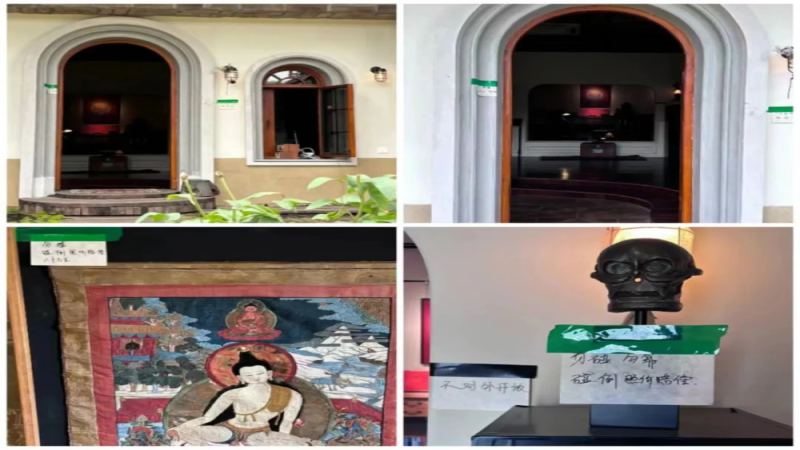
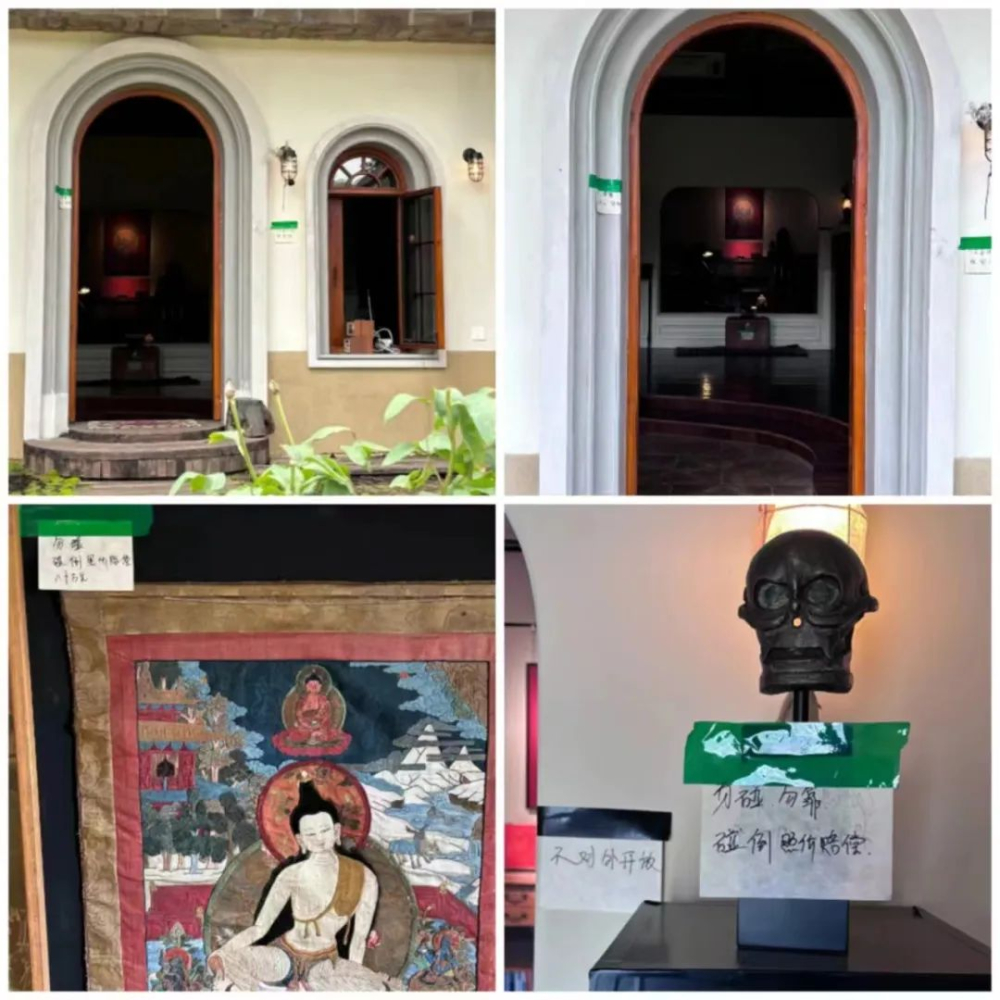
A medieval-style cafe covered in compensation labels has drawn debate online. Price tags and green-taped signs warn customers not to touch the antique ornaments, with damage charged at the marked price. Visitors say the displays create an artistic atmosphere but leave little room to relax with the coffee in hand, since even setting a cup down risks a costly accident.
Displaying private collections in retro and Showa-themed shops is common, and European style coffee houses have long used antiques to set a mood. The recurring complaint is balance: labels everywhere can make a cafe feel like a gallery under guard. Owners weighing atmosphere against customer comfort may need to limit what is on open display or separate fragile pieces from seating areas.
In recent years, cafes with distinctive styles have become popular spots for young people to explore, with themed stores featuring retro, Showa, and other styles emerging one after another. However, some netizens have discovered that in a cafe specializing in medieval retro style, price tags are visible everywhere, reminding customers not to touch the antique ornaments, and that any damage must be compensated at the marked price. This practice of displaying a large number of private collections in the store, while creating a rich artistic atmosphere, also makes customers feel constrained and loses the relaxed and comfortable feeling that a cafe should have. How to find a balance between displaying beloved collections and ensuring a comfortable customer experience has become a question worth pondering.
▲
Click to follow | Daily specialty coffee culture magazine Coffee Workshop
Today's street cafes come in diverse styles—minimalist, retro, Showa, and more—each with its own characteristics, allowing consumers to feel as if they have stepped into a different coffee world the moment they enter. Precisely because of this, some uniquely styled coffee shops always spark young people's curiosity and attract them to visit.
Recently, a netizen discovered a special coffee shop while exploring. Seen from a distance, the interior was dimly lit; passing through the retro arched door, it felt like returning to a medieval cafe. The shop displayed quite a few art paintings and ornaments, with an artistic atmosphere rushing over you.
After taking a look around the shop, the customer found that the most jarring thing was probably the conspicuous labels stuck on the walls with green tape. Roughly counting, at least ten labels were posted in the store, all reminding guests not to touch things at will. Some higher-value artworks had prices marked by the owner, with an emphasis that damage would require compensation at the marked price.
Using expensive mid-century ornaments to add atmosphere to a cafe is not uncommon among retro-style stores. But what left the netizen helpless was that the store had so many antiques, and the labels everywhere made people unconsciously feel restrained in the shop. Even setting down the coffee in hand on a small tea table worth a thousand yuan required extra care, for fear that accidentally damaging something would empty one's wallet by the time they left.
Many people joked that the owner had put their entire fortune in the store, displaying all kinds of collected treasures, making it feel more like an antique shop than a cafe. Compared with replicas, antique old objects indeed have more charm, but for the owner, these are beloved items—not only expensive, but some may also carry special meaning. Therefore, it is not hard to understand why the owner uses reminder labels to tell visiting customers to treat these treasures gently.
However, some also believe that if the owner wants to display their collection, they should take protective measures in advance. For example, certain valuable ornaments could be protected with professional glass covers, just as museums display cultural relics; or when arranging them, a reasonable visiting route could be planned, keeping objects that are easily knocked over away from that route and placing them in relatively safe positions to reduce the chance of being bumped by passing customers.
In addition, too many labels will more or less detract from the store's appearance—"it looks like it's covered in patches"—and the numbers on the labels also make customers unconsciously tense up, losing the relaxed and leisurely sense of freedom that a cafe should have.
Antiques with a built-in sense of story are atmosphere creators for European-style retro cafes. Through these mid-century old objects bearing traces of time, customers feel as if they are in an old cafe from the last century. However, customers come not only to experience the artistic retro atmosphere, but also to enjoy a good cup of coffee in this special environment, and they do not want to be frightened into "being unable to sit still" by reminder labels all over every corner.
Image source: Xiaohongshu
Disclaimer: Some images in this article are from the internet. For some content on the website, such as images, we will respect the original author's copyright and indicate the source. However, due to the large quantity, a few images and texts may not have been credited in time; please understand. If the original author has any dispute, they may contact the website for handling. Once verified, we will correct it immediately. Compiled and edited by "Coffee Workshop"; please indicate the source when reposting. If there is infringement, please inform us for deletion. Thank you~!
The above content is compiled by CoffeeHunters, a coffee news website.


