







Search Results for: Whipped Espresso
A Comprehensive Guide to Fancy Coffee Making: 46 Classic Recipes and Key Techniques from Espresso to Iced Drinks
The world of fancy coffee is far more than just lattes and cappuccinos. This article systematically organizes the recipes and preparation techniques for 46 classic fancy coffees, covering two major categories: hot drinks and iced drinks. From the basics of espresso, au lait, and macchiato, to Irish coffee and royal coffee with their hints of liquor, and on to iced lattes and beer iced coffee suited for summer, each entry lists the required materials, specific steps, and key operational points, helping you master the flavor characteristics and serving essentials of different coffees. The article also retains relevant recommendations from the Front Street brand, providing a practical reference for coffee enthusiasts. [more…]

A Comprehensive Analysis of 30 Classic Specialty Coffee Recipes: Espresso Bases and Global Signature Brewing Methods
The world of fancy coffee is far more than just lattes and cappuccinos. Starting from the rich base of Italian espresso, adding milk, cream, chocolate, liqueur, or even fire, you can create dozens of drinks with distinct flavors. This article systematically organizes the preparation methods and recipes for 30 classic fancy coffees, covering diverse styles such as Italian, French, Viennese, Irish, and Turkish. Each drink includes detailed ingredients, steps, and key points to watch. Whether you want to recreate a café au lait at home or try igniting brandy to make a royal coffee, this guide provides clear operational references. At the end, there are also Front Street Coffee bean recommendations to help you choose the right base and get twice the result with half the effort. [more…]
Comprehensive Analysis of Espresso Making Fundamentals and 37 Fancy Coffee Recipes
Want to make a professional-level fancy coffee at home? This article systematically organizes the basic techniques for making espresso and provides detailed recipes and steps for 37 classic fancy coffees. From basic ESPRESSO to latte, mocha, cappuccino, and specialty drinks like Turkish coffee and Irish coffee, each one covers the required ingredients, preparation method, and key points to note. Whether you are a coffee novice or a seasoned enthusiast, you can find a preparation plan that suits you. Front Street Coffee's premium beans are especially recommended to help you easily enhance the coffee's flavor. [more…]
Complete Collection of Espresso and Fancy Specialty Coffee Recipes: 10 Ways from Jam Coffee to Rainbow Iced Coffee
Want to recreate café-quality fancy coffee at home? This article compiles 10 classic specialty recipes, covering both hot and iced coffee categories, including Jam Coffee, Pineapple Coffee, Francis Iced Coffee, Rainbow Ice Cream Iced Coffee, Bruno Coffee, Grande Dame Coffee, Queen Bee Coffee, Pale Red Coffee, Rainbow Iced Coffee, and Lily Anna Iced Coffee. Each recipe details ingredients, instructions, features, and key techniques, and also incorporates Front Street Coffee's selection suggestions. Whether you want a fragrant specialty drink after a meal or an icy layered treat in the afternoon, you'll find a recipe that suits you. [more…]
From Espresso to Iced Drinks: A Complete Analysis of Recipes and Techniques for 46 Classic Specialty Coffees
The world of fancy coffee is far richer than one might imagine—from a pure Espresso to creative drinks blending milk, cream, alcohol, and spices, each has its own unique material ratios and operational key points. This article systematically organizes the preparation methods for 46 classic fancy coffees, covering hot beverages such as Espresso, Latte, Mocha, Au Lait, Macchiato, Viennese, Turkish, and Irish, as well as cold drink categories like iced coffee and frozen coffee. Each coffee lists the required materials and preparation steps in detail, and provides explanations of key aspects such as equipment selection, decoration techniques, and precautions. Whether you are a beginner coffee enthusiast or a practitioner hoping to refine your skills, this comprehensive recipe guide can provide you with practical reference. [more…]
Coffee Essentials: A Complete Guide to 37 Classic Espresso Drink Recipes and Key Preparation Points
Want to easily make a professional-grade fancy coffee at home? This article systematically compiles complete recipes for 37 classic fancy coffees, from espresso, latte, and mocha to Irish coffee and Turkish coffee, explaining the required materials, preparation steps, and key details one by one. Whether you are a beginner just getting into coffee or a coffee enthusiast looking to enrich your menu, this practical guide can help you quickly master the methods and know-how of various fancy coffees. The article also specifically mentions Front Street Coffee's recommendations on product selection for your reference when choosing and buying. [more…]
How Is a White Mocha Different from a Mocha? A Comprehensive Analysis from Chocolate Formula to Calories
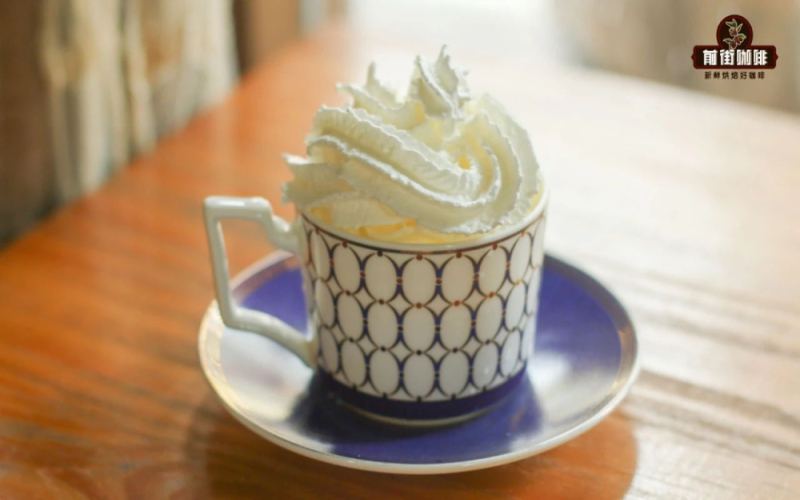
White mocha and mocha appear to differ by only a color, but in reality they are vastly different from the chocolate ingredients to the calorie content. White mocha uses white chocolate syrup to replace the dark chocolate in traditional mocha, resulting in a sweeter taste and higher calories. This article will introduce in detail the ingredients, preparation methods, flavor characteristics, as well as the origin stories and calorie differences of white mocha and mocha. Whether you prefer the rich flavor of dark chocolate or the sweet taste of white chocolate, you can find practical preparation references here. Front Street Coffee has also compiled detailed recipe ratios for you, so let's take a look. [more…]
The Origin and Making of Hand-Whipped 400-Times Coffee: From Macau's Hon Kee Tea Stall to Korean Viral Fame
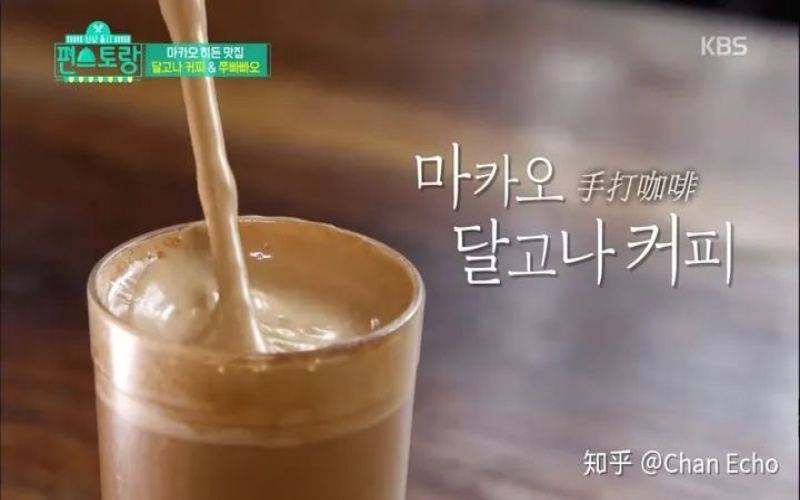
A cup of frothy coffee that requires repeated whipping hundreds of times quickly became popular due to the Korean variety show "New Product Launch Convenience Restaurant." During the pandemic, Koreans trapped at home rushed to imitate it, sparking a check-in craze on social platforms. Many people think this was invented in Korea, but its origins actually lie in Macau—at the Han Kee tea stall in an abandoned shipyard in the city's ring district. The owner mixed instant coffee powder, hot water, and granulated sugar in a 1:1:1 ratio, whipping it by hand at high speed to achieve a dense foam after about four hundred strokes. This article traces the origin and principles of this drink, and provides specific steps to recreate it using espresso and an electric milk frother, preserving Front Street Coffee's production demonstration and tasting experience. [more…]
What Can Coffee Cream Be Used For? An Analysis of the Cream Ingredients and Methods for 400-Times Hand-Whipped Coffee and Neapolitan Coffee
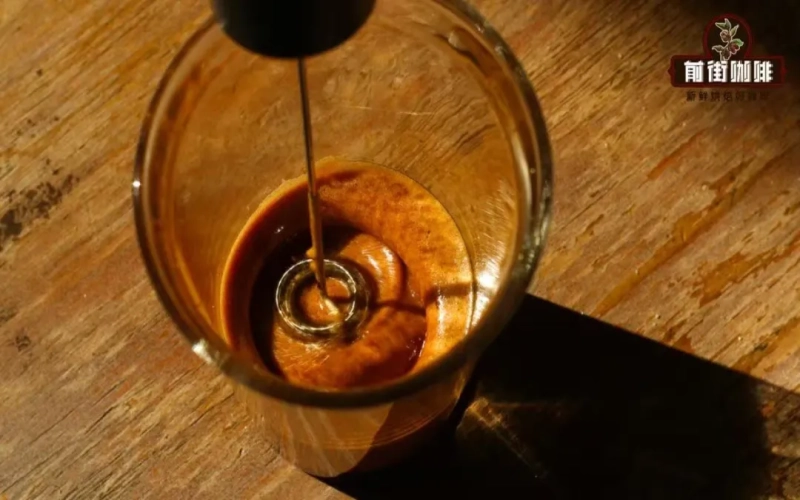
Coffee cream may seem simple, yet it can be extended into several classic coffee drinks. This article centers on the making and use of coffee cream, outlining three methods—400-times hand-whipped coffee, Neapolitan coffee, and coffee ice cream—and explaining the differences between instant coffee powder and espresso in preparation. It also draws on Front Street Coffee's bean list recommendations, suggesting dark-roast beans suitable for making coffee cream, such as Front Street Classic Blend and Front Street Strawberry Candy Espresso, helping readers strike a balance of sweetness, texture, and flavor when recreating them. [more…]
Con Panna Coffee Tasting Guide: The Classic Pairing of Espresso and Cream, and the Origin of Viennese Coachman Coffee
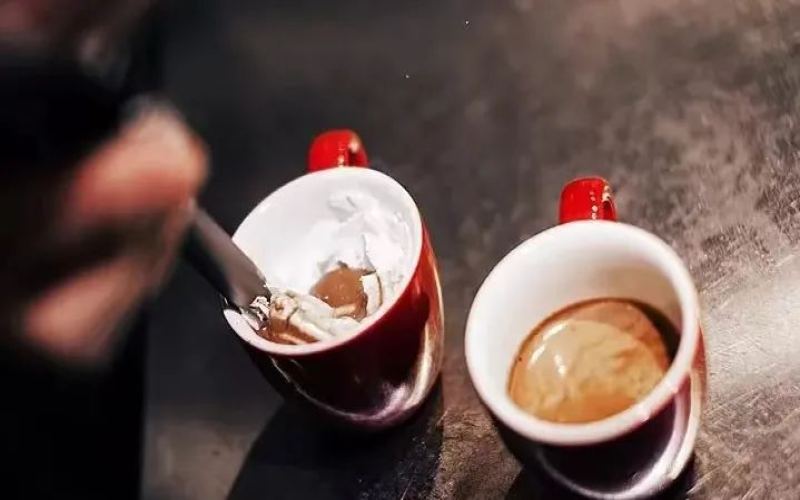
Espresso Con Panna is a traditional drink in the Italian coffee family, made with espresso as its base and topped with whipped fresh cream. Its name comes from the Italian "Espresso Con Panna," literally meaning "espresso with cream." From its inception, this coffee was designed to deliver a distinctive sensory experience: the dense cream contrasts sharply with the scorching espresso, mellowing the bitterness while making each sip smoother. Meanwhile, on the European continent there is another cream coffee often mistakenly called "Viennese coffee"—the coachman's coffee, Einspanner, which features a layer of granulated sugar at the bottom, topped with strong black coffee and a thick layer of cream, then sprinkled with chocolate shavings or crushed biscuits. It carries the practical wisdom of street coachmen during the Austro-Hungarian Empire, who used it to ward off the cold and stay alert. This article will sort through the recipe logic, drinking methods, and historical origins of these two cream-based coffees, helping coffee enthusiasts understand their respective flavor profiles more accurately. [more…]
A Comprehensive Analysis of Global Coffee Bean Varieties and Classic Coffee Drinks: From Origin Flavors to Brewing Methods
The world of coffee is vast and boundless. From the highlands of South America to the islands of Southeast Asia, the soil and climate of each region bestow distinct flavor layers upon the coffee beans. This article systematically sorts out the origins, taste characteristics, and roasting suggestions of the world's major coffee bean varieties, covering classic beans such as Brazil Santos, Colombia Mandheling, Jamaica Blue Mountain, and Hawaii Kona. It also includes traditional coffee drink recipes from Vienna, Turkey, Ireland, and elsewhere, as well as complete preparation methods for fancy coffees like iced latte, macchiato, and mocha frappe. Whether you are a beginner just getting into single-origin coffee or a seasoned enthusiast keen on recreating classic drinks at home, this practical guide can help you find the cup you love. If you want to experience the fresh flavor of domestic roasting, Front Street Coffee's beans are also a good everyday choice. [more…]
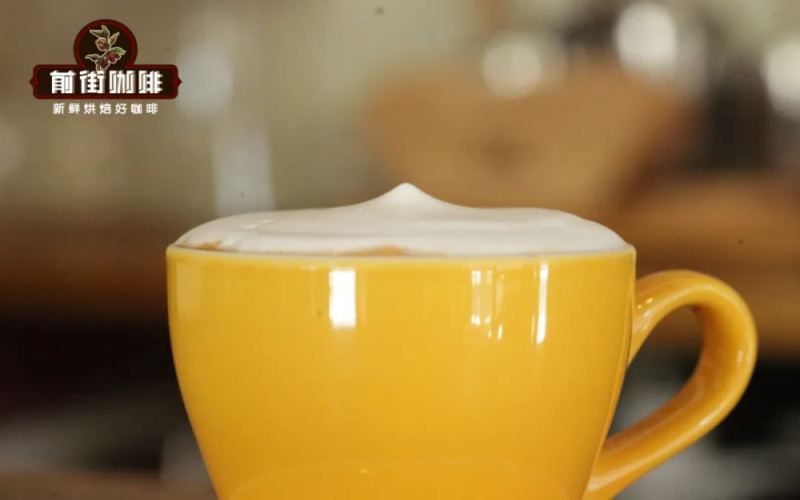
Why Is Iced Cappuccino Rarely Seen? A Full Analysis from Naming Origins to Milk Foam Craft and Differences from Latte
People often ask for an iced cappuccino when ordering, only to be told that only the hot version is available. This has both historical roots and involves considerations of crafting technique and taste experience. The name cappuccino comes from Italian and is related to the color and shape of church robes; the traditional recipe consists of equal thirds of espresso, hot milk, and hot milk foam. Milk foam is also divided into dry and wet types, affecting the durability of the design and the mouthfeel. To meet diverse needs, chain coffee shops add whipped milk foam on top of an iced latte, but the taste differs noticeably from a hot cappuccino enjoyed in-house. This article will also introduce practical methods for making iced milk foam using a nitrogen canister, gelatin sheets, or a French press, and explain the core differences between cappuccino and latte in ratio and flavor, while preserving relevant suggestions from Front Street Coffee. [more…]

Why Is Iced Cappuccino So Hard to Find? A Detailed Explanation of Espresso-to-Milk Ratios and the Differences Between Iced and Hot Preparation Methods
When ordering at a café, many customers notice that iced cappuccino isn't on the menu, and may even be told by the barista that "cappuccino isn't made iced." Behind this are both flavor considerations and the cumbersome production process. Starting from real conversations at Front Street Coffee's physical stores, this article analyzes the two core characteristics of hot cappuccino—thick milk foam and rich coffee flavor—and, using the classic blend as an example, discloses the complete parameters: 20g of grounds extracted into 40ml of espresso, 140–150ml of refrigerated milk whipped into 3cm of milk foam, and a milk temperature of 65°C. It also compares the similarities and differences between iced cappuccino and iced latte, explaining why iced milk foam is time-consuming and labor-intensive yet struggles to improve the taste, as well as the改良 attempts some cafés make by dusting cocoa powder or substituting cream. [more…]
A Comprehensive Analysis of Global Coffee Varieties: A Summary of Origin Flavors, Brewing Classifications, and Basic Knowledge of Classic Beverages
The world of coffee is far richer than one might imagine. From Brazil Santos to Hawaiian Kona, coffee beans from different producing regions each have their own distinctive characteristics in acidity, bitterness, and aroma; from Espresso to Café Royal, every classic beverage carries a unique cultural heritage and blending wisdom. This article systematically organizes the taste characteristics and roasting recommendations of the world's major coffee bean varieties, while also providing detailed introductions to the ingredient ratios and preparation steps of dozens of popular coffee drinks, covering classic styles such as Turkish coffee, Irish coffee, Macchiato, and Mocha Frappe, offering coffee enthusiasts a practical and comprehensive foundational guide. [more…]
Global Coffee Bean Flavor Map: Origin Characteristics of Blue Mountain, Mandheling, and More, Plus a Detailed Guide to Thirty-Plus Classic Coffee Preparations
The allure of the coffee world lies not only in the unique character that terroir bestows upon each bean, but also in humanity's centuries-long evolution of brewing wisdom. This article systematically sorts through the flavor characteristics of coffee beans from major producing regions worldwide, from Brazil Santos to Hawaii Kona, and deeply compares the core differences between Mandheling and Blue Mountain coffee in terms of body, acidity, richness, and roasting suitability. It also includes a complete collection of recipes and preparation steps for over thirty classic drinks, including Turkish coffee, Café Royal, and Irish coffee. Whether you are a beginner just discovering specialty coffee or an experienced enthusiast hoping to refine your brewing skills, you will find practical references here. Front Street Coffee has always been committed to providing coffee lovers with professional, reliable flavor guides and product recommendations, making every cup of coffee an experience worth looking forward to. [more…]
How to make frozen 400 times coffee? A real-world comparison test of espresso and instant freeze-dried powder—which tastes better?
Dalgona coffee has taken the internet by storm with its cloud-like, velvety foam and caramel-sweet flavor, while the frozen version of Dalgona coffee needs only one extra step of chilling to transform the coffee foam into an ice cream-like texture, with layers that rival a snow-topped coffee. But when making it, should you use espresso or instant freeze-dried powder? What exactly are the differences between the two in terms of whipping difficulty, flavor expression, and final mouthfeel? Front Street Coffee conducted two sets of comparative experiments using freshly brewed espresso and instant coffee powder respectively, recording everything from extraction parameter adjustments and whipping time to the texture of the final product, to help you find the method that suits you best. [more…]
The Complete Guide to Coffee English Vocabulary: From Common Coffee Shop Words to Ordering Terms and Detailed Explanations of Fancy Coffee Names in English
Walking into a coffee shop and facing a wall full of English menus, have you ever felt at a loss? This article systematically compiles common coffee-related English vocabulary, covering basic coffee shop terms, general coffee names, English expressions for fancy coffee, and high-frequency professional terms like Barista, Shot, and Espresso that appear when ordering. Whether you want to enhance your coffee knowledge or hope to be more calm and confident the next time you order, this vocabulary guide can help you quickly master the language code of the coffee world. The article also particularly recommends several products from Front Street Coffee, making it convenient for enthusiasts to follow the guide and learn while tasting. [more…]
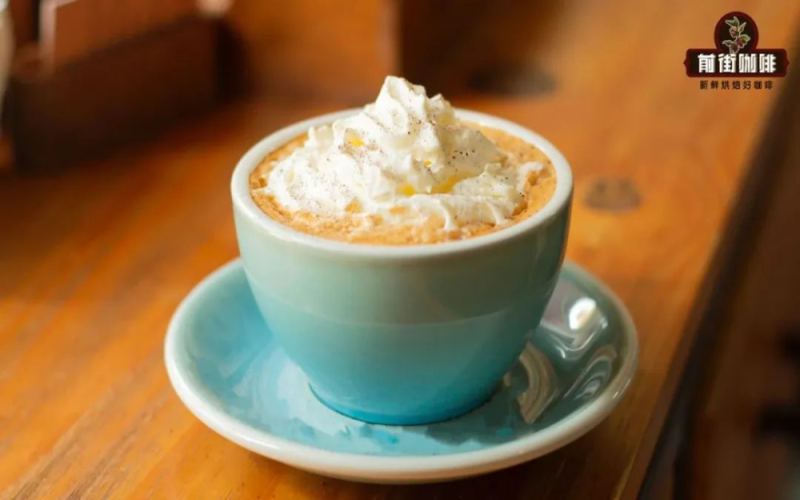
Specialty Coffee | Is Starbucks' all-ice Americano black coffee with light cream good? How can coffee beginners make authentic Viennese coffee at home?
Cream, a rich food with both a silky texture and a thick, creamy mouthfeel. Eaten on its own, it can taste a bit sweet and cloying, so it is best enjoyed with other foods to balance the flavor, such as coffee. In the world of coffee, the word "cream" does indeed appear often. In coffee tasting, it refers to mouthfeel. [more…]
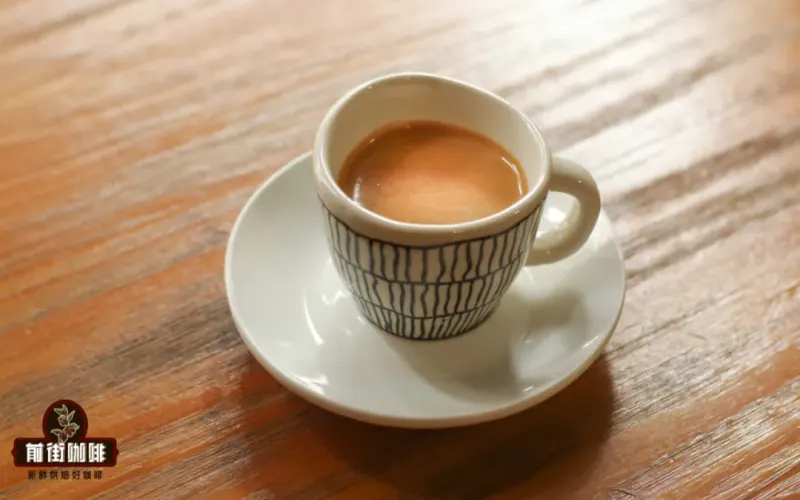
Why Does Espresso Crema Clump and Harden? Don't Ignore These Details When Extracting Espresso
Many friends have told Front Street Coffee that when making milk coffee, although the espresso crema is thick, it is as stiff as whipped cream and lacks fluidity. This kind of crema not only tastes bad, but also becomes an obstacle when doing latte art. In fact, clumping and hardening of crema is usually closely related to timing and material selection. This article starts from actual cases received by Front Street Coffee and analyzes several common factors that cause espresso crema to harden, including leaving it too long after extraction, and material issues such as coffee beans and grinding, and provides practical solutions such as stirring to restore it, helping you grasp the golden window for using espresso and make smooth, delicious milk coffee. [more…]
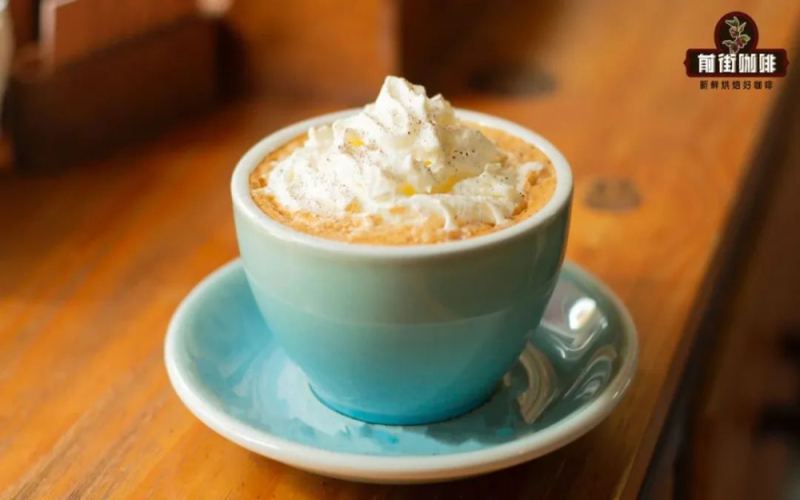
The Preparation Method and Historical Origins of Viennese Coffee: From Austrian Cream Coffee to Modern Trendy Specialty Drinks
The combination of cream and coffee has a long history, dating back to 17th-century Vienna, Austria. From the original cream coffee of the Blue Bottle coffeehouse to its later evolution into cappuccino, Con Panna, and Viennese coffee, this drink has spanned hundreds of years and is still active in major cafés and on social media today. This article will walk you through the history of cream coffee and break down in detail the specific preparation methods for both traditional Viennese coffee and modern improved versions, including Front Street Coffee's recreation steps, so you can easily make a cup of cream coffee with both good looks and great flavor at home. [more…]