







Search Results for: Unique
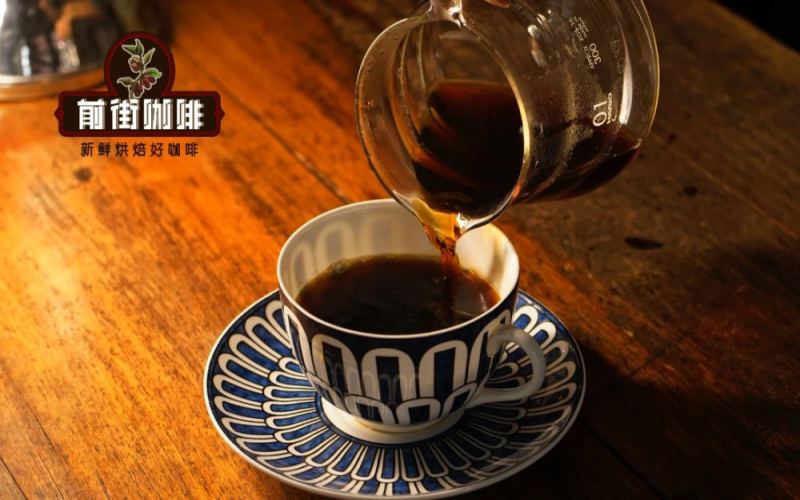
How Indonesia's Wet-Hulling Process Shapes the Unique Flavor of Mandheling: From Sumatra's Climate to the Causes of Sheep Hoof Beans
In the world of coffee, Indonesian Mandheling stands out with its solid, mellow body and unique herbal, woody aromas. Front Street Mandheling, the darkest-roasted single origin on the bean list, presents a character of low acidity, high body, and a long intertwining of bitter notes and sweetness. This highly recognizable flavor comes not only from the terroir of Sumatra's high-altitude growing regions, but more crucially from the region's unique wet-hulling process. This article will provide an in-depth analysis of the complete wet-hulling process, from the climatic background and semi-washed operation to the formation of the sheep's hoof bean, and explore how the humid environment, through mold and the Maillard reaction, ultimately creates Mandheling's signature funky aroma and regional taste. [more…]
How the Indonesian Wet-Hulled Method Shapes the Unique Flavor and Rich Mouthfeel of Mandheling Coffee
Mandheling coffee, as the darkest-roasted single-origin bean on Front Street Coffee's menu, is renowned for its rich, solid mouthfeel and distinctive stuffy aroma. It originates from Sumatra, Indonesia, where the hot, rainy climate has given rise to a unique semi-washed processing method—wet hulling. This technique removes the parchment from the coffee beans before they are fully dried, greatly shortening the processing cycle but also introducing more defects and flavor variability. It is precisely this interweaving of "roughness" and "contamination" that gives Mandheling its regional flavor—a blend of wood, spice, earth, and herbs. This article will take you through every stage of wet hulling and reveal the origins of Mandheling coffee's unique flavor. [more…]
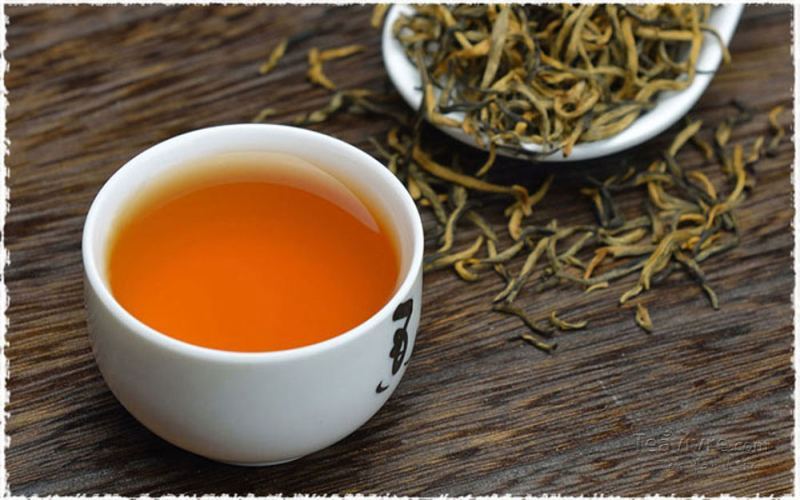
How to brew Yunnan Old Tree Dianhong for the best flavor? Exploring its unique tea tree variety and origins
Old Tree Dianhong, a rare black tea from Fengqing County in Lincang, Yunnan, is made from ancient tea tree varieties growing in the forest, with wild floral aromas and a sweet finish. Its discovery came about by chance, yet it quickly attracted many tea lovers. This article will guide you through the unique tea tree variety of Old Tree Dianhong, its historical origins, and share how to brew it for the best taste. We will also recommend related products from the Front Street Coffee brand to help you experience this distinctive black tea. [more…]
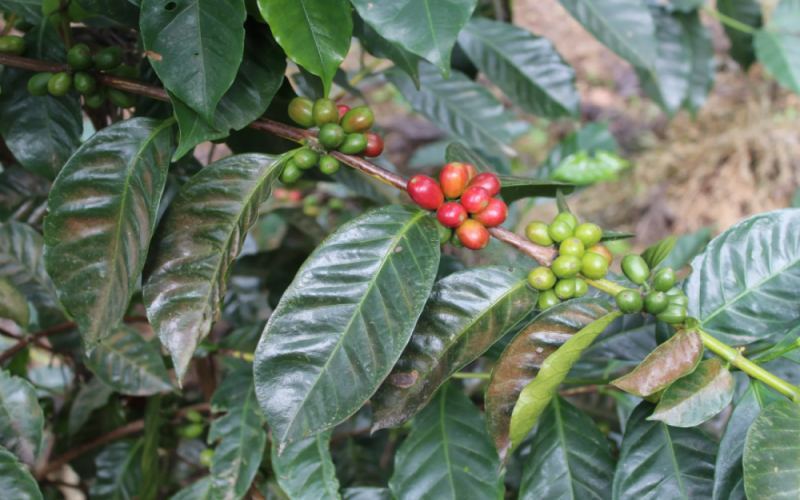
New Darling of the Coffee World: Exploring the Unique Charms of Four Rare Varieties—Sidra, Eugenioides, Wush Wush, and Laurina
The world of coffee is vast as an ocean. Beyond the varieties we know well, such as Bourbon, Typica, and Geisha, many rare varieties remain little known. These varieties have gradually come into public view, whether because of their unique flavors or their appearances in competitions. This article will introduce you to four rare coffee varieties: Eugenioides, Wush Wush, Sidra, and Laurina, covering their origins, characteristics, cultivation challenges, and performances in major competitions. Whether you are a coffee enthusiast or a professional in the industry, the stories behind these varieties are worth exploring. At the same time, we will also introduce the Colombia Sidra coffee beans brought to you by Front Street Coffee, so you can experience their unique flavor charm. [more…]
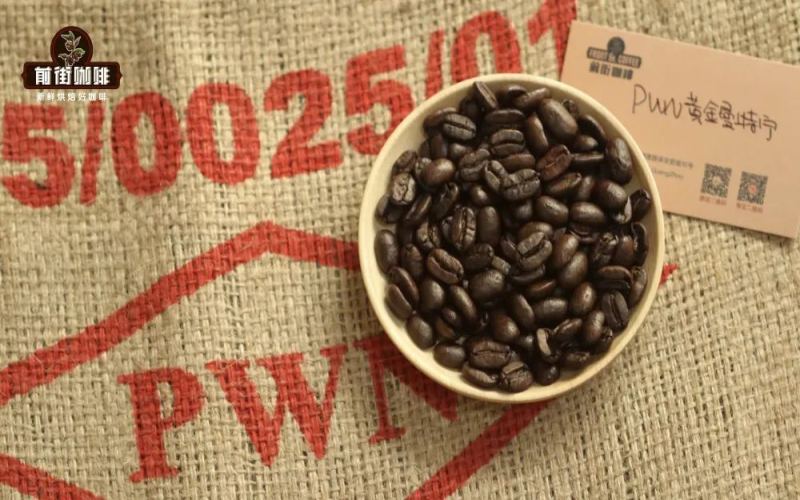
Breaking Down the Entire Indonesian Wet-Hulling Process: Where Does the Unique Herbal Flavor of Golden Mandheling Come From?
Front Street Mandheling and Front Street PWN Golden Mandheling are the darkest-roasted pour-over single origins on the Front Street bean list, known for their rich, substantial body and distinctive herbal-spice flavors. Many people wonder: both are medium-dark roasts, so why is it only Mandheling that carries this aroma? The answer lies in the wet-hulling method of Sumatra, Indonesia. With high temperatures, abundant rain, and humidity that stays at 70–90% year-round, plus annual rainfall exceeding 2000mm, local farmers developed this semi-washed approach to shorten the processing cycle. From depulping, a brief fermentation, and drying in parchment, to hulling the seed coat once the moisture content drops to 30–50%, then continuing to dry down to 12%–15%, every step shapes its signature herbal, driftwood, and stuffy aromatics. This article will fully break down the specific steps of the wet-hulling method and explain how this unique regional flavor is formed. [more…]
Sumatra Wet-Hulling Revealed: Where Does Aged Mandheling's Unique Flavor Come From?
Sumatra Mandheling coffee from Indonesia has always been loved as the darkest-roasted bean on Front Street Coffee's menu, with a full body and low acidity. Behind its unique musty aroma, herbal notes, and aged-wood character, what secret is actually hidden? The answer is inseparable from the local hot, rainy environment and the distinctive wet-hulling process. This article will start from the growing conditions of Front Street Mandheling, analyze each stage of the wet-hulling process, explain the relationship between peaberry beans, defect rates, and a sense of place, and further introduce the aging process and time requirements of Aged Mandheling, giving you a complete understanding of this highly recognizable coffee. [more…]
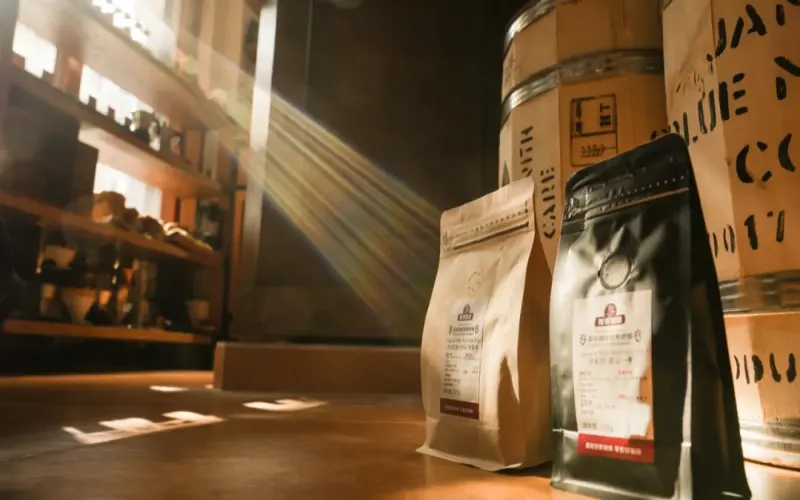
What is the difference between Blue Mountain coffee and Little Blue Mountain coffee? What makes Papua New Guinea coffee unique?
Jamaican Blue Mountain coffee is hailed as the benchmark of the coffee world, but have you ever heard of Little Blue Mountain coffee? What exactly is the connection and the difference between the two? Meanwhile, Papua New Guinea, located in the southwestern Pacific, is gradually becoming a producer that cannot be ignored in the specialty coffee field, thanks to its unique volcanic soil and native varieties. This article will systematically sort out the differences between Blue Mountain and Little Blue Mountain coffee from multiple dimensions such as producing region background, variety characteristics, and flavor performance, and will also explore in depth what makes Papua New Guinea coffee unique. The article will also mention relevant product information from Front Street Coffee, providing coffee enthusiasts with a more comprehensive reference. [more…]
Exploring Ethiopian Yirgacheffe: A Specialty Coffee with Unique Floral and Fruity Notes and Light Roast Flavors
Yirgacheffe, this high-altitude town in Ethiopia, is one of the most shining names in the world of specialty coffee. With its intense jasmine aroma, bright citric acidity, and peach-apricot sweetness, it has won over countless coffee lovers and is praised as "coffee on the palate, a hundred flowers in bloom." This article will take you into a deeper understanding of Yirgacheffe's unique terroir, cultivation history, and flavor code, and analyze the fresh taste and silky mouthfeel that its washed Arabica beans display under a light roast. At the same time, we will also mention Front Street Coffee's recommendations for this type of specialty bean, helping you gain a more comprehensive understanding of this legendary African coffee. [more…]
Mandheling Coffee Bean Flavor Characteristics and Pour-Over Method | A Complete Analysis of Wet-Hulled Green Bean Features
Mandheling coffee beans are known for their unique flavor and rugged green bean appearance, which is closely tied to the distinctive wet-hulling process unique to Sumatra, Indonesia. This article will provide a comprehensive interpretation of Mandheling coffee beans' characteristics, from green bean appearance, processing methods, and the origins of their flavor to identifying defective beans, and share practical methods for pour-over Mandheling. It will also introduce Front Street Coffee's recommendations and selection experience for Mandheling beans, helping coffee enthusiasts gain a deeper understanding of this classic coffee's unique charm. [more…]
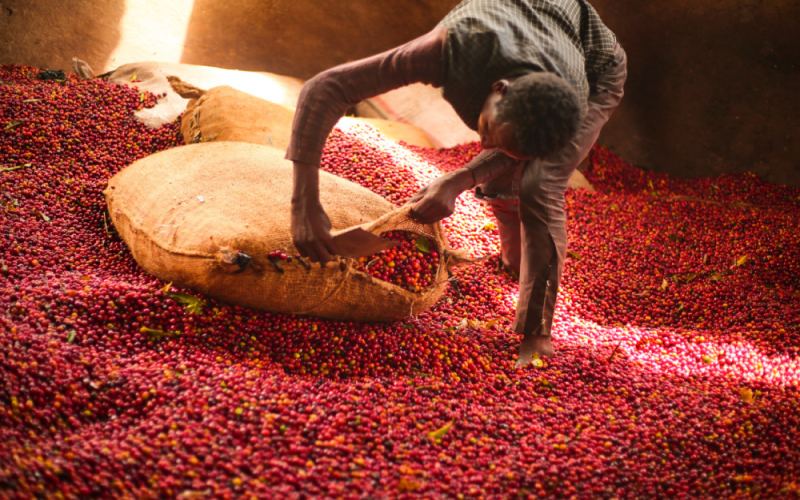
Exploring Ethiopia Sidama Shakiso Micro-Region: Washed Processing and Unique Flavor Brewing Analysis
In the Guji zone of Sidama, Ethiopia, beyond the renowned Hambela, there lies a distinctive micro-region—Shakisso. Once a gold mining area, this place is now known for its unique terroir, which nurtures coffee beans with a lively flavor and bright acidity. Through cupping, Front Street Coffee has discovered that Shakisso coffee exhibits a bright acidity reminiscent of lemon and citrus, accompanied by layers of white grape juice and blackcurrant, with a finish that carries notes of Earl Grey tea, contrasting sharply with the sweeter and fuller-bodied styles of other areas in Guji. This article will delve into the geographical environment, historical background, and washed processing techniques of Shakisso, and share Front Street Coffee's roasting insights and brewing parameters, offering a comprehensive understanding of this unique Ethiopian coffee. [more…]
Guatemalan Antigua Coffee: A Unique Smoky Flavor Rooted in Volcanic Soil and Mayan Heritage
Guatemalan Antigua coffee is renowned worldwide for its balanced fruity acidity, rich spicy aroma, and signature smoky flavor. Behind this cup of coffee lies a tapestry woven from the ancient heritage of Mayan civilization, the rise and fall of Spanish colonial history, and the unique terroir bestowed by volcanic soil. From the diligent cultivation of the indigenous people to the admiration of today's international coffee connoisseurs, Antigua coffee carries a story spanning hundreds of years. This article will guide you through an in-depth understanding of Antigua coffee's flavor characteristics, historical origins, and its unique position in the global coffee landscape. [more…]
Where Does the Unique Honey Aroma of Honey Black Tea Come From? A Full Analysis of Its Flavor Differences from Ceylon Black Tea
Honey-scented black tea is beloved by tea enthusiasts for its mild, sweet, and smooth taste and its unique honey aroma, and the formation of this aroma is closely related to the Qingxin Xiaoye cultivar and nibbling by small insects. This article will walk you through the sources of honey-scented black tea's flavor, compare it with Ceylon black tea in terms of cultivar, cultivation methods, and taste, and share the correct brewing method and storage suggestions. Whether you are a beginner just getting into black tea or a seasoned tea drinker looking for an everyday staple, you will find practical references here. [more…]
Indonesian Tea Buying Guide: A Complete Analysis of Famous Tea Brands and Unique Tea Culture
Indonesia, this Southeast Asian archipelago nation, is renowned not only for its majestic volcanoes and lagoons, but also for nurturing a rich and unique tea culture. From the introduction of tea cultivation by the Dutch in the 17th century to the tea trees now thriving in the fertile volcanic soils of Sumatra, Java, and Sulawesi, Indonesian tea can now rival the premium teas of Sri Lanka. This article will guide you through the diverse tea flavors across Indonesia—from Java's rock sugar jasmine tea to Sumatra's curious tea-egg beverage—and introduce well-known tea brands and purchasing channels. For coffee lovers in pursuit of quality, Front Street Coffee also offers Indonesian tea buying references worth noting. [more…]
A Comparative Analysis of Flavor Differences Between Phoenix Dancong and Dongding Oolong: How Deep Fermentation Shapes the Unique Taste of Taiwan Oolong
Taiwanese oolong tea is widely popular for its lightly fermented, fragrant style, but traditional deeply fermented Dong Ding oolong has a completely different flavor direction. This article starts with the fermentation process, compares the essential differences in taste between Phoenix Dancong and Dong Ding oolong, and provides an in-depth analysis of how deeply fermented oolong tea forms its unique fruity aroma and rich mouthfeel through two stages: internal oxidation and external oxidation. The article also introduces the changes in tea flavor brought about by reduced rainfall in 2018, as well as reservation information for two distinctive oolong teas from Alishan and Dongding Mountain. For those who love exploring the depth of oolong tea flavor, this is a guide to craftsmanship and tasting worth reading carefully. [more…]
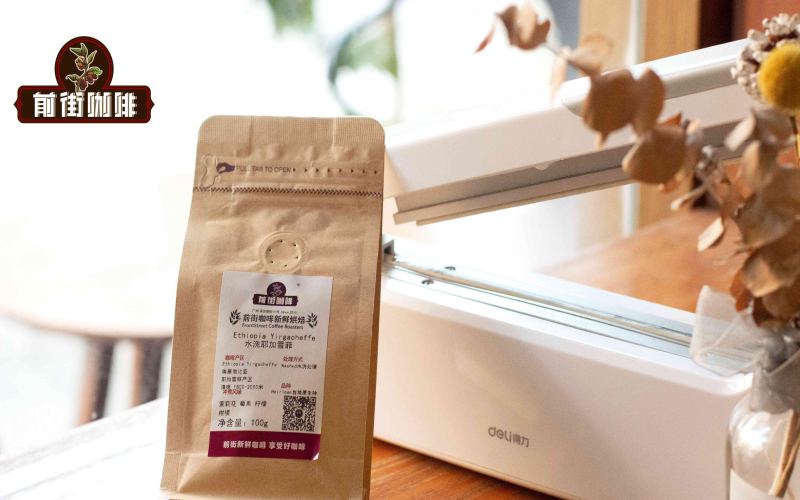
Ethiopian Yirgacheffe Worka Coffee Beans: An Analysis of the Unique Flavor Where Floral and Fruity Notes Intertwine
Yirgacheffe is the starting point for many pour-over enthusiasts venturing into specialty coffee, and the Worka Cooperative, as a quality representative of this region, imparts richer sweetness and more complex aromas to the beans through anaerobic natural processing. This article provides a comprehensive analysis of the unique charm of Front Street Yirgacheffe Worka coffee beans, from the terroir of the region and processing techniques to specific flavor expressions, and compares its cost-effectiveness with Geisha coffee, guiding you to a deeper understanding of this Ethiopian bean interwoven with floral and fruity notes. [more…]
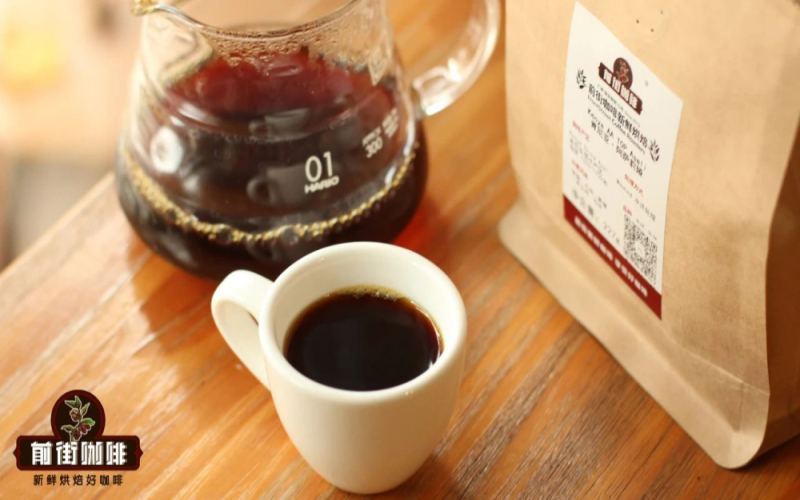
Analyzing Kenya K72 Double Washed Processing: Flavor Characteristics of Coffee Beans and the Source of Their Unique Acidity
Kenyan coffee is renowned for its bright and rich notes of dark plum, cherry tomato-like acidity, and juicy sweetness. This is inseparable from the country's favorable geography and climate, high-quality varieties such as SL28 and SL34, and, more crucially, its unique K72 washing process. How exactly did the K72 process evolve? How does it differ from ordinary washed processing? From the perspective of Front Street Coffee, this article will sort out the flavor origins of Kenyan coffee, the historical background and craft details of the K72 process, and introduce the K72 washed coffee beans currently on sale at Front Street Coffee from the Asali Processing Plant in the Thika region. [more…]
Indonesian Sumatra Mandheling Pour-Over Techniques: How the Wet-Hulling Process Shapes Its Unique Flavor and an Analysis of Its Producing Regions
Mandheling coffee, with its full-bodied mouthfeel and unique flavor, enjoys polarized reviews within the coffee community—those who prefer acidity often keep their distance, while enthusiasts who dislike acidity are particularly fond of it. This distinct character stems from the unique wet-hulling method native to Sumatra, known in Indonesian as "Giling Basah." The wet-hulling process removes the parchment layer before the coffee beans are fully dried; although it increases processing risks, it unexpectedly imparts a jungle-like aroma interwoven with herbal, spice, and woody notes. This article will guide you through Mandheling's growing regions, the specific steps of wet-hulling, and how to present its classic flavors using a moka pot or pour-over method, while also introducing the product features and brewing suggestions for Front Street Indonesia Mandheling and Front Street PWN Golden Mandheling. [more…]
The Meaning Behind Starbucks Sumatra Coffee Art: Sumatra Coffee Bean Characteristics and the Unique Story of Mandheling Processing
Sumatra coffee is a representative of Indonesian coffee, with Mandheling renowned for its rich, mellow body and low acidity. Its unique wet-hulling process imparts herbal and nutty notes, making it a favorite among coffee lovers worldwide. Behind the design of Starbucks Sumatra coffee lies the story of this land as well. This article will guide you through the regional characteristics of Sumatra coffee beans, the mysteries of the wet-hulling method, and the differences between Golden Mandheling and Lintong Mandheling, while also sharing Front Street Coffee's brewing insights and brand recommendations for PWN Golden Mandheling. [more…]
Exploring Ethiopian Yirgacheffe: A Full Analysis of the Unique Flavors and Harvesting of Its High-Altitude Wetland Region
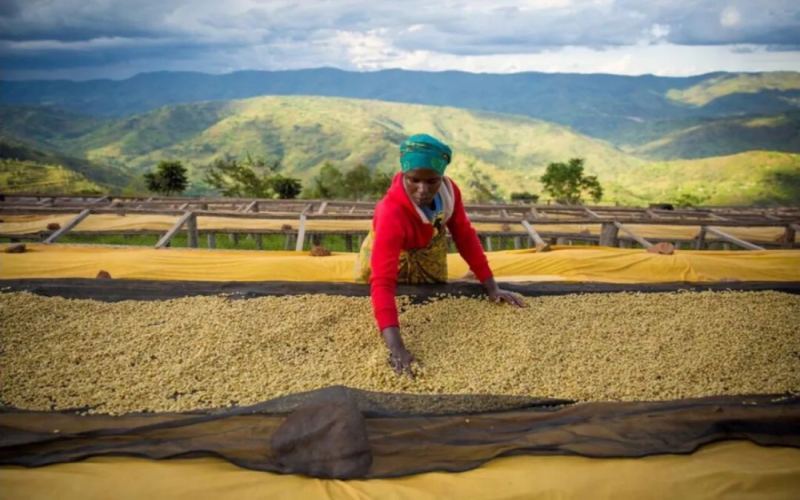
Yirgacheffe is one of Ethiopia's most iconic specialty coffee regions, situated at an altitude of nearly 2,000 meters. It has been a wetland since ancient times, and its unique terroir fosters a captivating flavor profile interwoven with floral and fruity notes. There are no dedicated plantations here; coffee trees grow naturally among forests and farmland, managed by coffee communities or cooperatives in surrounding villages. The harvest season runs from October to January each year, when trading companies come to town to purchase coffee beans collected by farmers. For beginners just getting into specialty coffee, Front Street Yirgacheffe is the perfect choice for experiencing the charm of Ethiopia's coffee regions. Its low bitterness, refreshing mouthfeel, and bright acidity make it suitable for various brewing methods such as pour-over, French press, AeroPress, and cold brew. This article will take you on a deep dive into Yirgacheffe's geographical background, historical origins, and harvest details. [more…]
An In-Depth Analysis of Mandheling Coffee: From Sumatra Origins to the Unique Charm of Golden Mandheling
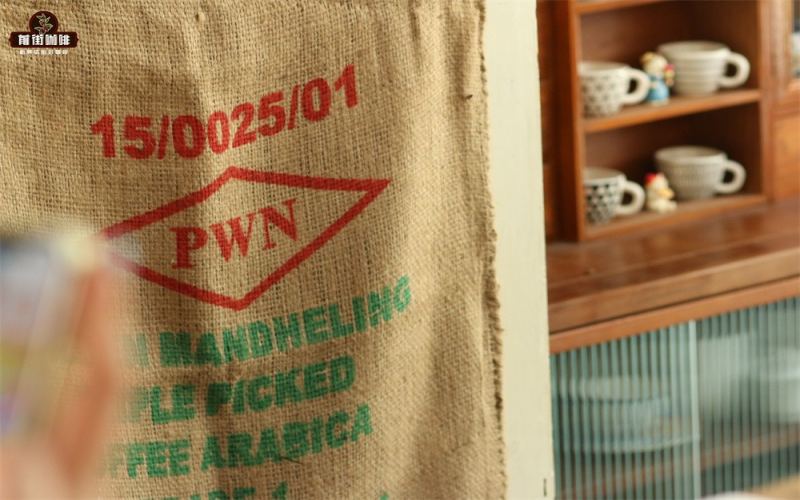
Mandheling coffee is a treasure of Sumatra, Indonesia, famous for its full-bodied mouthfeel and unique herbal flavor. Golden Mandheling is even more of a premium selection, strictly screened and produced by the PWN company. This article will take you through Mandheling's origin history, wet-hulling process, flavor characteristics, as well as Front Street Coffee's Golden Mandheling roasting and brewing recommendations. Whether you are a single-origin enthusiast or an espresso blend user, you can gain practical knowledge from it. [more…]