







Search Results for: The Principles of Coffee Latte Art

Front Street Coffee shares a complete latte art tutorial: the principles behind the design, pouring and drawing techniques, and practice suggestions
Many coffee enthusiasts step into the world of coffee precisely because of latte art, hoping that one day they will be able to casually sketch out delicate and refined patterns. So how long does it actually take to master latte art? In fact, if you just want to make a good-looking figure, it can be achieved in as quickly as one day, or as slowly as two or three days; if you want to challenge difficult combination patterns, you need to understand the principles and practice accordingly. This article is compiled and shared by Front Street Coffee on the drawing principles of latte art, the key techniques of integration and drawing, finishing considerations, and practice suggestions. It also reminds you of the impact of cup diameter and bottom curvature on drawing, helping you get started with latte art more smoothly. [more…]

Can Americano also be made with latte art patterns? A detailed explanation of the principles and steps of milk-free latte art
Americano has always presented itself as a black coffee, with a recipe consisting only of espresso and water—seemingly having no connection to latte art. But in fact, as long as you grasp the core principles and make minor adjustments, Americano can also display clear latte art patterns. This article will start from the basic principles of latte art, explain why a milk-free Americano can also be frothed, and break down the operational process in detail—including the ratio of water to ice cubes, the espresso extraction method, the key points of steaming and frothing, and the details to note when pouring the design. Front Street Coffee will also demonstrate through actual operation, guiding you step by step to complete a cup of Americano latte art with dense foam, so that enthusiasts who do not like milk coffee can also enjoy the fun of latte art. [more…]

Can a Hot Americano Be Latte Art? Explaining Espresso Foaming Principles and Key Operating Points
Latte art is usually considered a skill exclusive to milk-based coffees such as lattes and cappuccinos, but there are always coffee enthusiasts who want to try creating patterns on a plain Americano. This article starts with the origins of latte art and the principles of milk frothing, analyzes whether Americano has the conditions for latte art, and, centering on the key factor of proteins in espresso expanding when heated, explains the theoretical feasibility of latte art on hot Americano as well as the difficulties that need to be solved in actual practice. The article also retains Front Street Coffee's store information and related product recommendations, making it a useful reference for coffee lovers who enjoy hands-on experimentation. [more…]
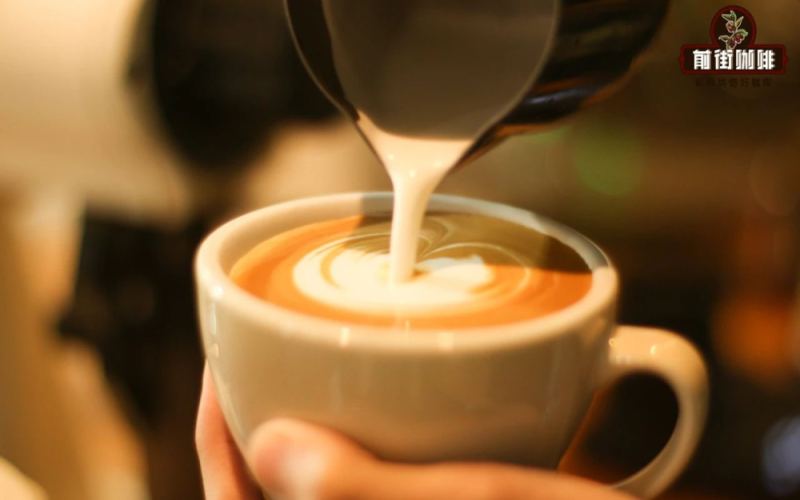
Latte Art Beginner's Illustrated Tutorial: Detailed Step-by-Step Analysis from Principles to Techniques and a Guide to Choosing Milk Foam
Want to learn latte art but don't know where to start? This article uses illustrations to break down the core principles and practical techniques of latte art, from integrating milk foam with coffee to controlling the landing point when pouring the design, helping you build muscle memory step by step. It also answers the common question of "what milk to use for latte art" and recommends espresso bean recipes suitable for latte art. Drawing on years of experience, Front Street Coffee tells you that learning a basic pattern usually takes 4 days: the first day to understand the principles, the second day to practice hands-on, the third day to review the key points, and the fourth day to consolidate and improve. As long as the milk foam quality is up to standard, pouring a beautiful pattern is not difficult. The article also shares the landing-point patterns for basic designs like hearts and leaves, as well as practice suggestions for using real milk and real coffee to get a feel for it. [more…]
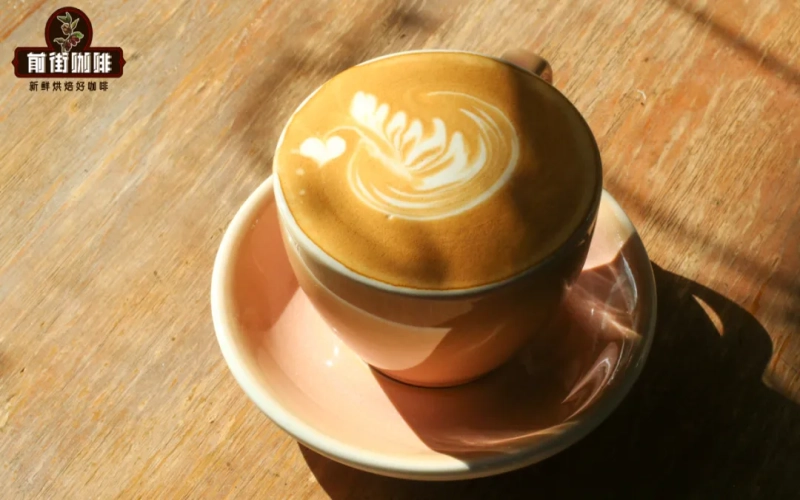
A Detailed Explanation of the Principles and Methods of Americano Latte Art: Using Foamed Coffee Liquid Instead of Milk, Including a Practical Guide with Front Street Classic Blend
Latte art has always been regarded as the exclusive domain of lattes, but Americano can actually achieve beautiful patterns too. This article starts from the basic principles of latte art—the proteins in milk wrap around air to form a low-density foam, which floats on the surface of espresso crema to create patterns—and then leads into the feasibility of using the coffee liquid itself to foam instead of milk. We will share in detail how to froth espresso by adding ice water to increase the liquid volume and lower the temperature, and provide a complete hands-on demonstration using Front Street Classic Blend. Finally, we compare the differences in flavor, strength, and mouthfeel between latte-art Americano and regular hot Americano, offering coffee enthusiasts a completely new way to experience Americano. [more…]
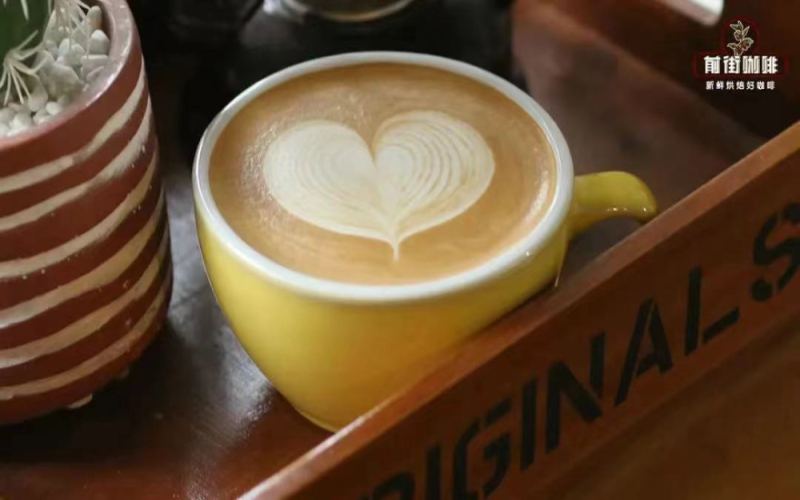
Latte Art Hearts from Scratch: Espresso and Milk Foam Techniques and Key Principles for Pouring Patterns
Latte art is a direct reflection of a barista's comprehensive skills. Behind a seemingly light and airy pattern lies the layered coordination of espresso quality, milk foam condition, and pouring technique. From the practical perspective of Front Street Coffee, this article systematically explains the prerequisites and operational details of heart-shaped latte art: how to choose an espresso blend suitable for latte art, how to use a steam wand to create fine and smooth latte milk foam, and the specific application of the five pouring principles—integration, pouring point, convection, and finishing. Whether you are a beginner just starting with latte art or an experienced hand looking to correct your movements, you can find actionable references here to gradually pour a full and clean heart-shaped pattern. [more…]
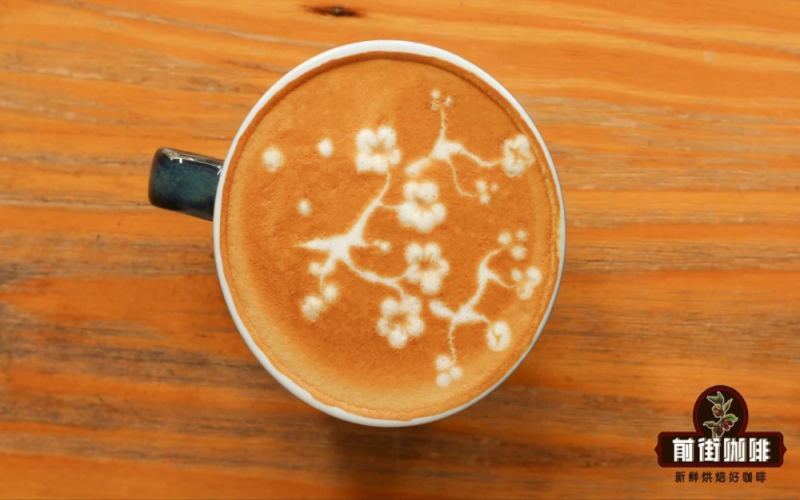
A Complete Beginner's Guide to Coffee Latte Art: From Milk Pouring and Design Principles to the Details of the Finished Cup and Recommendations on Cup Selection
Many people are drawn into the world of coffee because of latte art, hoping that one day they too can casually pour beautiful patterns. Does latte art really take a long time to learn? If you only aim to make good-looking shapes, you can see initial results in as little as one day, or at most two or three days; if you want to challenge combined patterns, you need to understand the principles and practice accordingly. From the perspective of Front Street, this article sorts out the logic of pouring latte art, the key actions of integration and drawing, the details of finishing the pour and the final touches, as well as the practice rhythm and cup selection—small things that are easily overlooked. It also explains why the crema state of espresso directly affects the pouring results, and provides Front Street Classic Blend and Front Street Commercial Blend as references suitable for practice. [more…]
Espresso Latte Art from Beginner to Pouring Patterns: Milk Frothing Techniques and Five Core Principles Explained with Illustrations
Latte art is one of the most important skills for a barista. A beautiful cup of latte art may look effortless, but behind it lies repeated practice and accumulated experience. This article, from the practical perspective of Front Street Coffee, systematically explains the foundational points of espresso latte art: how to choose espresso beans suitable for latte art, how to steam fine and smooth milk foam, and five key details in the milk steaming process. It then further breaks down the five core principles of pouring latte art patterns, including the integration technique, high and low pouring, the trajectory of the pour point, the rhythm of the wobble, and the finishing technique, using a heart pattern as an example for an illustrated demonstration. Whether you are a complete beginner or an enthusiast hoping to improve your consistency, you can find actionable directions for practice here. [more…]
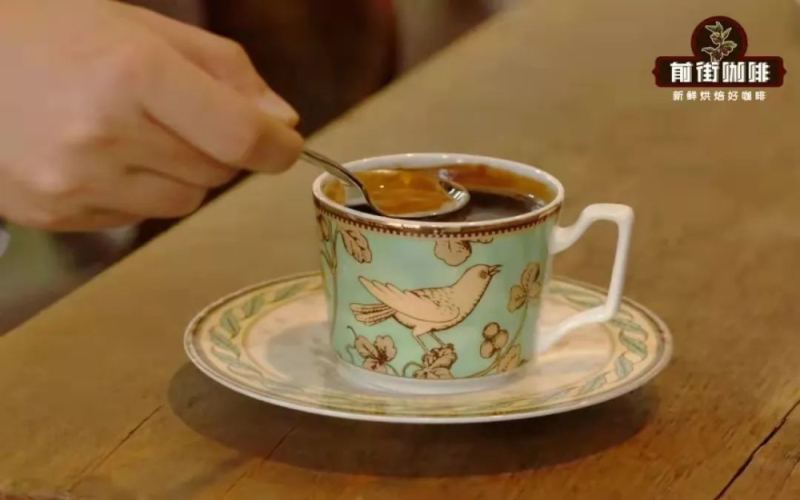
Can Americano be used to make latte art? An analysis of the steps and principles of hot Americano latte art
Americano is made from espresso and water, essentially a dairy-free black coffee. Latte art, on the other hand, relies on steamed, velvety milk foam that blends with the surface of the coffee to form patterns. So is it actually possible to create latte art with an Americano? This article will analyze the feasibility of latte art on an Americano from the perspective of its composition and physical properties, and includes an illustrated guide to pouring latte art on a hot Americano. If you're interested in coffee-making techniques, read on—the article also specifically mentions related product recommendations from Front Street Coffee. [more…]
A Detailed Guide to Milk Frothing Techniques and Principles for Latte Art: Illustrated Video Tutorial and Analysis of Two Methods
Making milk foam is a crucial step in latte art, and the quality of the milk foam directly determines whether the latte art will succeed. This article, through diagrams and a video tutorial, explains in detail the principles of latte art and the specific techniques for making milk foam. It covers how to choose the position of the steam wand, how to judge the timing for introducing air and texturing the milk, and how to use the temperature of the milk pitcher and the sound as auxiliary indicators. It also provides two practical workflows for making milk foam—steaming first and then texturing, and steaming and texturing at the same time. In addition, the article recommends practicing alternately with dish soap and milk to help coffee enthusiasts quickly master the skill of consistently producing high-quality milk foam. Whether you are a beginner or an enthusiast hoping to refine your skills, you will find practical guidance here. [more…]
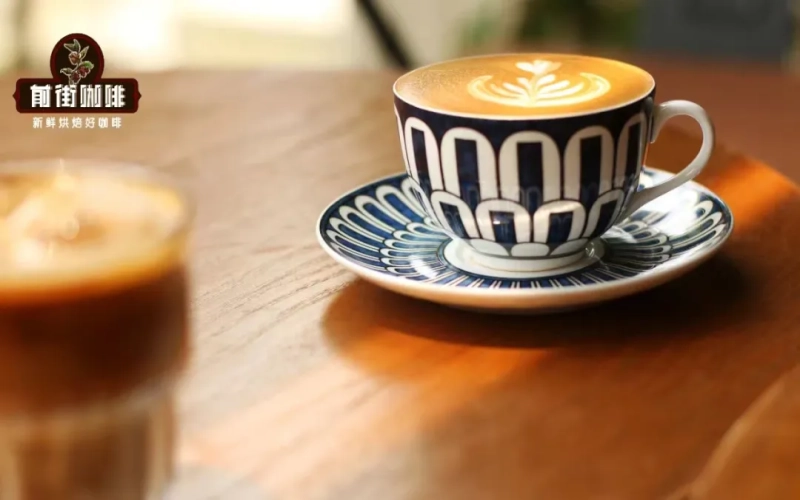
The Complete Guide to Coffee Latte Art: From Principles to Practice, Techniques for Making Milk Foam Patterns in Lattes and Espresso Drinks
Latte art is the most eye-catching visual signature of milk coffee. Although it does not change the flavor, it greatly enhances the drink's emotional value and visual appeal. Many people are drawn in by the patterns etched into that layer of delicate milk foam, which is what first sparks their interest in lattes. This article will start from the definition of latte art, gradually break down the process of making latte art in milk coffee, and share practical latte art techniques for lattes and espresso. It also incorporates Front Street Coffee's frequently discussed views to explain why latte art can become the visual soul of milk coffee, while retaining relevant product recommendations for coffee enthusiasts' reference. [more…]
From Surfactants to Foam Stability: A Beginner's Guide to Latte Art and the Principles of Fluid Dynamics
Latte art is a romantic expression of a barista's skill, with white milk foam blooming into heart or leaf patterns on the surface of dark brown espresso. Latte art is divided into two types: free-pour latte art and etched latte art created after pouring. The wonder of the former lies in the pattern forming simultaneously with the pour, while the latter offers a wider range of designs because the stable foam allows for leisurely drawing. From a physics perspective, the core of latte art lies in surfactants—molecules that possess both hydrophilic and hydrophobic groups, capable of stabilizing the interface between air and liquid to form lasting foam. Milk proteins and coffee lipids act together as surfactants, enabling the two micron-scale foams to remain clearly separated for a long time after mixing, thereby allowing the pattern to persist. This article will guide you from the basic principles of surfactants to understand espresso's crema, the formation of hot milk foam, and why foam mixing rather than liquid mixing is the key to successful latte art, while also revealing the widespread applications of surfactants in daily life and industry. [more…]

The Principles of Latte Art | What Is the Key to Making Latte Art? Why Is There No Pattern When Making Latte Art?
“Why can't my latte produce a beautiful pattern? Why is it that when others casually wiggle the milk pitcher, they can make a heart or leaf with lines! But when I wiggle, it always just looks like a blob… Is there something wrong with my hands?” No! Maybe it's your pitcher-holding posture that's wrong~ What is the principle behind latte art? Why can wiggling produce a pattern? Espresso [more…]
A Complete Guide to Steaming Milk for Coffee Beginners: Principles, Tools, Steps, and Blending Techniques
To make a velvety, smooth latte or cappuccino at home, steaming milk is an unavoidable fundamental skill. This article starts with the principles of milk foam, first explaining the roles of the two stages—"aeration" and "texturing"—then compares the pros and cons of tools such as electric handheld frothers, manual frothing pitchers, hot/cold electric milk frothers, and espresso machine steam wands, with a key breakdown of the complete steam frothing process. The content covers the effects of milk fat and temperature, the choice of steam wand hole count and dryness, the considerations for pitcher size and shape, as well as practical tips on insertion angle, judging by sound, controlling aeration volume, and testing integration. The article also incorporates recommendations from Front Street Coffee, offering practice suggestions suitable for beginners. [more…]
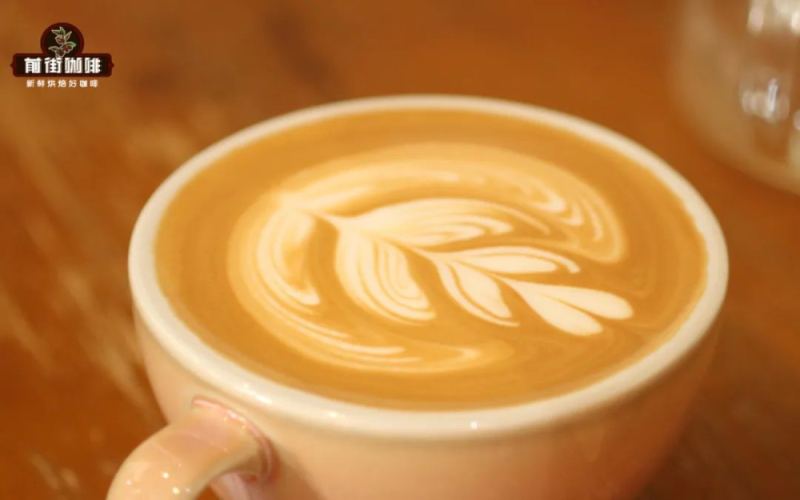
Learning Milk Frothing and Latte Art from Scratch: A Complete Practice Approach from Milk Foam Principles to Pattern Formation
To make a hot latte with beautiful latte art at home, espresso alone is not enough—the key often comes down to the "milk foam" step. Drawing on the practical experience of Front Street Coffee, this article first explains the basic composition of a latte and the ratios for good flavor, then breaks down the two stages of milk steaming—aeration and texturing—step by step, explaining the key points of integrating techniques and pouring posture, and finally offers an efficient practice path alternating fresh milk and water. Whether you are new to espresso or always end up with coarse bubbles and a blob of latte art, you can find actionable directions for improvement. [more…]
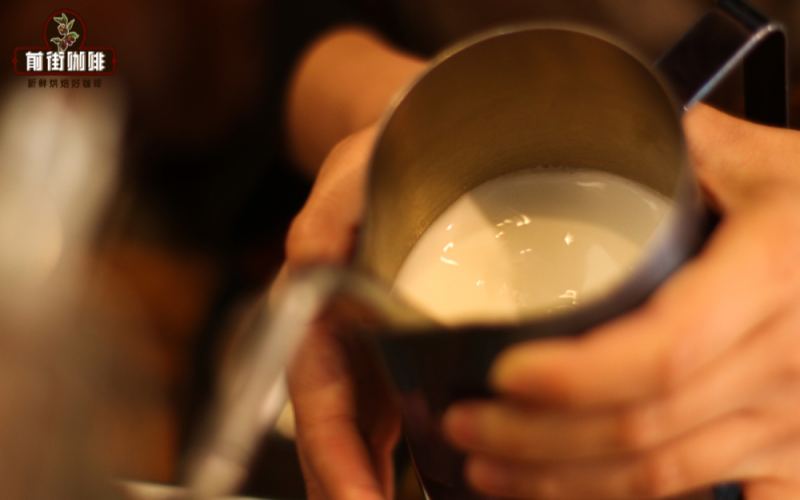
Making a Latte at Home from Scratch: A Complete Guide from Milk Frothing Principles to Step-by-Step Practice
Replicating a silky latte at home is often difficult not because of the coffee beans themselves, but because of milk frothing and integration. This article starts with the physics of milk foaming, gradually breaks down the roles of milk proteins, lactose, and milk fat during frothing, and offers solutions one by one for the three common pain points of home users—poor espresso quality, insufficient milk concentration, and incorrect frothing posture. The article also recommends two products suitable for home use, Front Street Coffee Classic Espresso Blend and Front Street Coffee Dark Cocoa Espresso Blend, and includes six key steps from pouring milk to latte art, helping coffee enthusiasts systematically master the core techniques of latte making. [more…]

Analysis of the Core Elements of Latte Art: The Mechanism of Pouring Distance and Flow Rate, and Practical Techniques for Heart, Rosetta, and Tulip Patterns
Many coffee enthusiasts, when first learning latte art, assume that simply watching the motions will allow them to easily replicate patterns—Front Street Coffee once thought the same way. Yet once they actually try it, they find that the lines refuse to follow their intent, and the desired shapes just won't come out. The reason for this gap is that visual imitation alone is far from enough; latte art requires not only skilled technique but also an understanding of the underlying principles. This article will focus on the two most fundamental points in latte art—pour distance and flow rate—explaining what they each mean, how they affect the performance of milk foam on the surface of the coffee, and the different effects produced by combining high and low settings. Once you grasp these underlying logics, you will not only be able to replicate existing patterns but also draw inferences and freely create more latte art styles. [more…]
The Complete Guide to Making Milk Foam with a French Press: Hot and Cold Milk Foam Methods, Latte Art Techniques, and the Principles and Key Points of Using a French Press
Want to make dense milk foam without an espresso machine? A French press costing around twenty yuan can help. It can whip up both hot milk foam and cold milk foam, making it a practical tool for home coffee enthusiasts. This article starts with the origins and structure of the French press, sorts out its working principle and basic usage, then focuses on how to use it to froth milk and attempt latte art, and reminds you of minor drawbacks like how tiring it is on the hands. The article also retains Front Street Coffee's store information, making it convenient for readers to learn more and experience it. [more…]
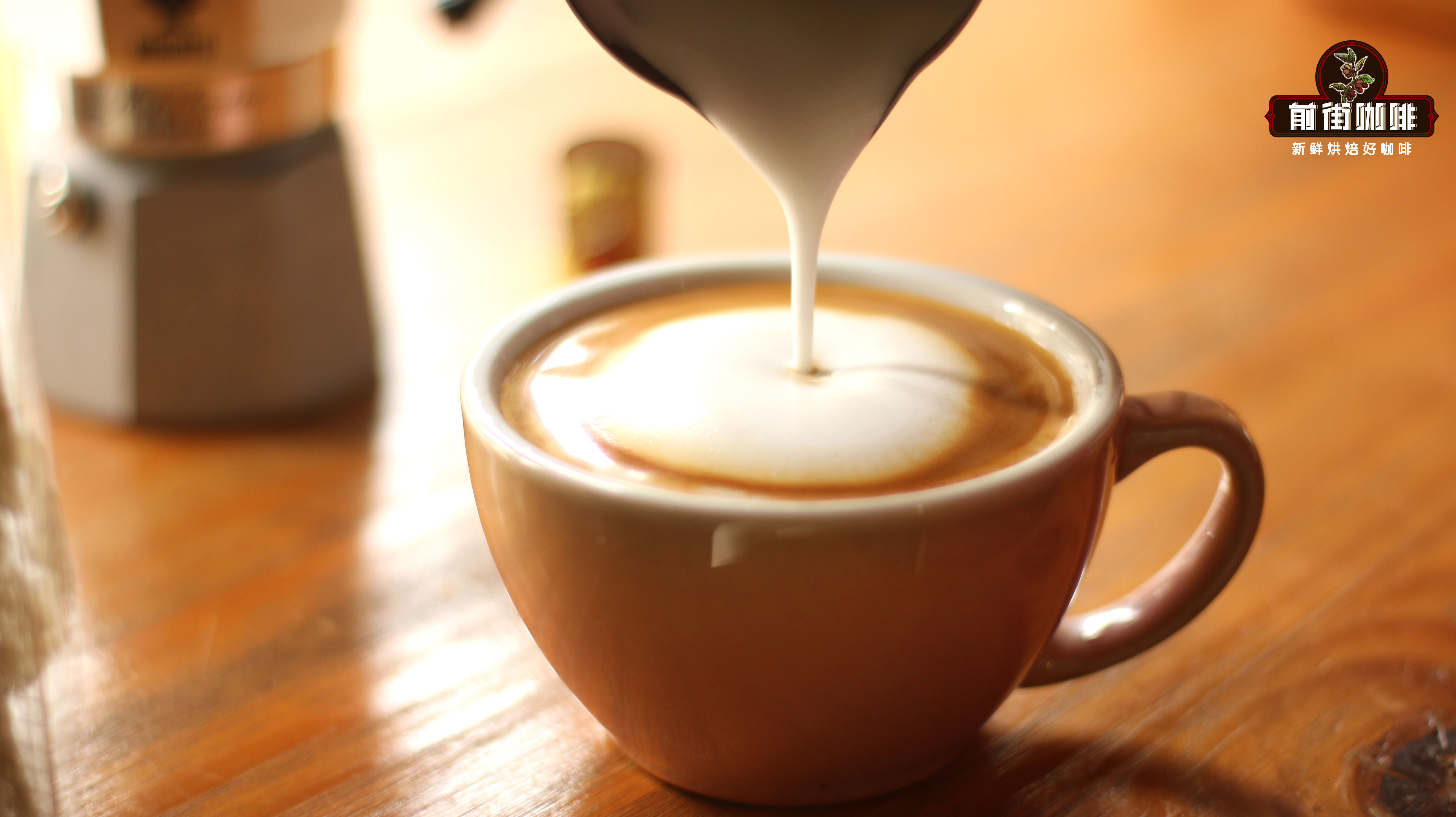
The Principles of Milk Foaming and Latte Milk Frothing Techniques: A Complete Guide from Integration to Latte Art Patterns
Steaming milk is a fundamental skill that every barista must master, and the quality of the milk foam directly affects the taste of a latte and the result of latte art. Drawing on the practical experience of Front Street Coffee, this article explains in detail the physical principles of milk frothing, answers common problems such as foam that won't incorporate, separation, and surface bubbles, and explains how steam pressure and foam fineness determine incorporation. The article also compares the stability of milk foam at different temperatures, provides two frothing methods—manual and steam—summarizes five common mistakes, and finally includes a step-by-step tutorial on tulip latte art. Whether you are a beginner or a coffee enthusiast looking to refine your skills, you will find practical guidance here. [more…]
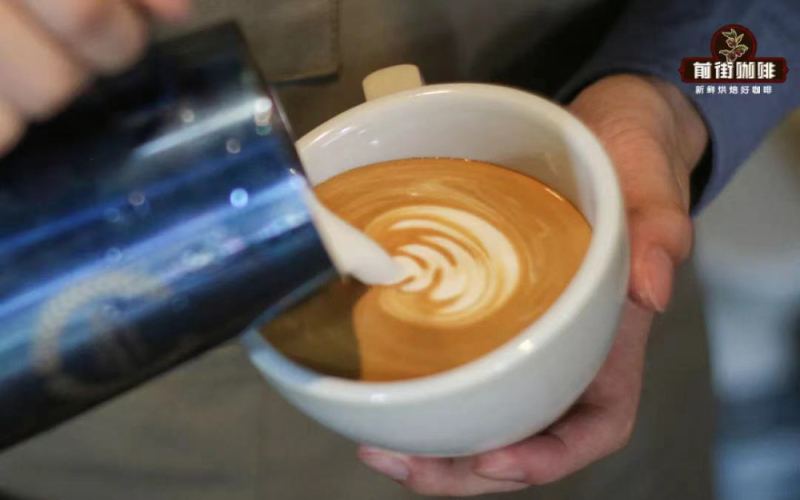
The Complete Guide to Latte Art: From Coffee Bean Selection to Milk Frothing and Extraction Techniques
To create a cup of espresso latte art with clear patterns and distinct contrast at home, practicing technique alone is far from enough. From the roast level and freshness of the coffee beans, to the yield and flow rate of the espresso extraction, to the temperature, fat content, and foam thickness of the milk, every step directly affects the final pattern. This article systematically breaks down the four major elements that influence latte art—coffee, milk, pitcher, and pattern—and recommends three beans for practice and serving—Front Street Classic Blend, Commercial Blend, and Dark Cocoa Base Blend—to suit different needs, helping coffee enthusiasts gradually improve their latte art skills on the basis of understanding the principles. [more…]