







Search Results for: The Coffee Hierarchy of Contempt

An Analysis of the Flavor Differences Between Iced and Hot Americanos: From the Chain of Contempt to a Complete Overview of the Iced Coffee Family
Should you choose hot or iced coffee? A hot Americano is made with drip coffee or espresso plus hot water, pursuing convenience and casualness, with a light and subtly sweet taste; an iced Americano pours hot-brewed espresso over ice cubes and cold water, with the ratio adjusted to your liking—the more water, the weaker the flavor. There's even a hierarchy of disdain circulating in the coffee world—pour-over enthusiasts think Americanos are just watered-down coffee, while hot coffee drinkers see iced coffee as an oddity, and ordering an iced Americano might even earn you scorn. Besides iced Americanos, other iced black coffees like cold brew, ice drip, and nitro cold brew have also entered the scene—what exactly sets them apart? This article explains it all at once. [more…]

What Is Black Coffee? The Real Difference Between Americano and Pour-Over, and How Espresso Is Made
Americano and pour-over both belong to the black coffee camp, yet they are often compared side by side to determine which is superior, even giving rise to the stereotype that "Americano is inferior to pour-over." This article, from the perspective of Front Street, first clarifies the respective definitions and brewing logic of Americano and pour-over coffee, then breaks down where this prejudice comes from across three dimensions: bean selection, price, and operation. The article also explains that blended beans are not necessarily inferior to single-origin beans, that Americano may actually cost more, and the technical difficulty behind espresso production, helping readers understand that the two types of coffee are inherently equal and that a hierarchy of contempt should not exist. [more…]

Why Is Instant Coffee Disliked? The Real Differences Between Freeze-Dried, Freshly Ground, and Specialty Coffee
More and more people love drinking coffee, but an invisible "chain of contempt" has emerged along with it: those who drink pour-over look down on those who drink Americano, those who drink Americano look down on those who drink milk coffee, and instant coffee seems to forever sit at the very bottom. So some people wonder: wasn't coffee originally just for waking up and quenching thirst? Why, as we drink it, has it come to carry notions of high and low, noble and base? This article starts with the history of instant coffee, discusses the real differences between freeze-dried coffee and freshly ground coffee, and explores what kind of mindset we should actually have when choosing a cup of coffee. [more…]
A Comprehensive Analysis of Mandheling Coffee Beans: Flavor Characteristics, Differences from Golden Mandheling, and Drinking Methods Suitable for Women
As the most representative coffee variety from Sumatra, Mandheling has enjoyed enduring popularity in the Asian market thanks to its low acidity and full-bodied taste. This article begins with the origins of the name Mandheling, traces the hierarchy of contempt in the minds of older generations of coffee lovers, clarifies the essential differences between Golden Mandheling and Aged Mandheling, and takes a deep dive into the sources of its smooth, mellow flavor, its distinctive dark-roast method, and the two best ways to prepare it: cold brew and espresso. It also addresses common questions such as whether Mandheling is suitable for women to drink and whether pour-over Mandheling is acidic, and recommends Front Street Coffee's Mandheling products for readers to consider purchasing. [more…]

Is Affordable Coffee Really Low-End? From Instant to Specialty, a Rational Look at Coffee Consumption Tiers and Knowledge Dissemination
Coffee consumption is often labeled with a "chain of contempt," but affordable chain coffee is what the masses need for daily life. Starting from the consumption differences between first- and second-tier cities and third- and fourth-tier cities, and combining data from China coffee consumption reports, this article sorts out the hierarchical relationship among instant coffee, freshly ground coffee, affordable chains, and specialty pour-over, and points out the role of brands such as Lucky Cup, Luckin, and Manner in popularizing freshly ground coffee. The article emphasizes that coffee can be both an exquisite afternoon tea on the Left Bank of the Seine and a roadside stall on the streets of Vietnam; inclusiveness is its essence. After learning about specialty coffee knowledge, one should share rationally rather than show off a sense of superiority, promoting the healthy dissemination of coffee culture. At the end, Front Street Coffee exchange information is retained. [more…]

Behind the Freeze-Dried Coffee Craze: An Analysis of Instant Coffee Process Evolution and Flavor Differences
Freeze-dried coffee has become a new favorite in the coffee market in recent years, but many people are not clear about the real difference between it and traditional instant coffee. From the perspective of Front Street, this article sorts out the origin of instant coffee and its two core production processes—spray drying and freeze drying—analyzes why freeze-dried coffee can better preserve flavor, and how it breaks away from the stereotype of instant coffee. At the same time, the article also discusses the impact of raw material upgrades and packaging innovation on the popularity of freeze-dried coffee, helping readers fully understand the development context of this category and the reasons behind its market heat. [more…]
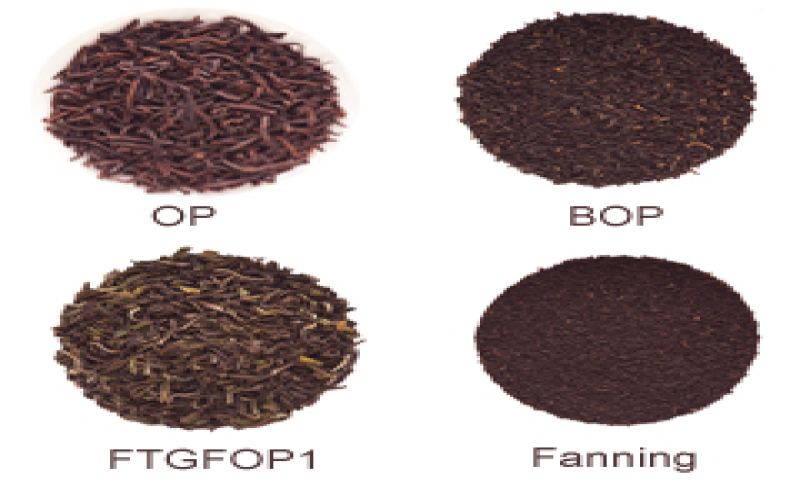
Loose Leaf OP Black Tea vs. Tea Bag Broken Leaf Tea: An Analysis of Grade Hierarchy and Flavor Differences
After tea leaves are processed, they are graded based on physical characteristics such as size and color, but grading does not directly equate to brewing quality. Indian black tea has the most rigorous grading system, in which Orange Pekoe (OP) is a basic term derived from the Chinese word for "white down" and has nothing to do with orange flavor. Black tea is divided into four categories: whole leaf, broken leaf, fannings, and dust. Whole-leaf grades range from OP to SFTGFOP1, with quality improving grade by grade; the broken-leaf grade BOP retains more whole-leaf quality and is often used for blending; finer tea powder is mostly used for tea bags and ready-to-drink beverages. Although loose-leaf tea and tea bags come from the same source, there are significant differences between orthodox processing and CTC processing, with the former having a more complex flavor. Front Street Coffee has always advocated choosing loose-leaf tea in order to enjoy the visual appeal and pure taste of whole tea leaves. [more…]

An Analysis of Colombia's Specialty Coffee Region Hierarchy: Flavor Characteristics and Brewing Suggestions for Nariño, Cauca, and Huila
Colombia, as the world's second-largest producer of Arabica coffee, nurtures outstanding specialty coffee thanks to its high altitudes and diverse climates. Many people first came to know Colombia through espresso blends, but today high-quality single-origin beans from southwestern regions such as Cauca, Nariño, and Huila are winning growing favor among coffee enthusiasts. This article systematically sorts out the origin distribution of Colombian specialty coffee and the terroir characteristics of three major premium regions, and, taking the Huila region as an example, introduces the Caturra variety, the washed processing method, and the brewing parameters and flavor profile of Front Street Coffee's everyday drinking beans, guiding you through the complete picture of Colombian coffee from origin to cup. [more…]

Americano vs. Pour-Over Coffee: A Comprehensive Comparison from Espresso Origins to Flavor and Mouthfeel
What exactly is the difference between Americano and pour-over coffee? Why do some people think Americano is inferior to pour-over? This article, from the perspective of Front Street, first introduces you to the origins of Americano—it comes from the wartime practice of American soldiers diluting espresso with water, and belongs to the Italian coffee system; then it sorts out the extraction logic and flavor characteristics of pour-over coffee. The full text analyzes the two around their brewing methods, taste performance, concentration differences, and audience preferences, helping you understand why Americano can have such a broad consumer base, while retaining Front Street's brand views and product recommendations, suitable for every coffee lover to read and reference. [more…]
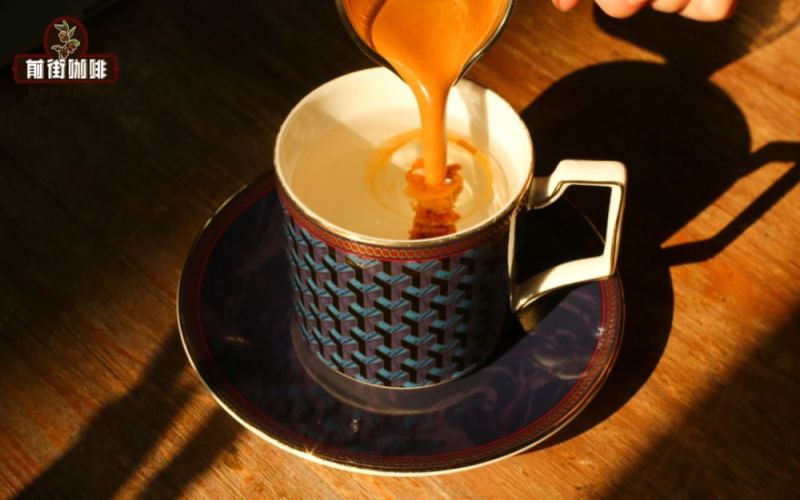
Specialty Espresso Beans Recommendation | How to Describe the Flavor and Mouthfeel of Americano Black Coffee? Which Espresso Blends Are Suitable for Making Americano Black Coffee?
As a well-known black coffee, Americano is the "spiritual sustenance" for busy office workers in any country. At the same time, many friends are curious: seeing such bitter coffee, why do so many people drink it? In this article, Front Street Coffee will talk about the charm of Americano ~ Americano in the United States actually refers to a lower concentration. [more…]

Coffee bean recommendations for espresso extraction: how different roast levels change the cup profile
The roast level shifts the flavor focus and extraction rhythm of coffee beans. Light roasts tend to retain more floral and fruity notes and bright acidity, medium roasts often show sweetness and balance, while dark roasts lean toward nutty, cocoa, and full-bodied flavors. There is no hierarchy among them; the key is whether they match your brewing method. Espresso extraction centers on dose, grind [more…]
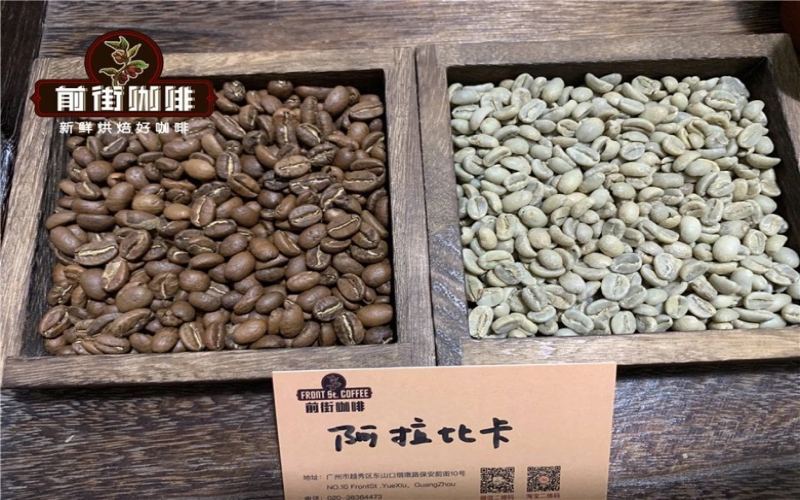
Coffee beans worth buying again: a review exploring how different roast levels change the cup
The roast level changes the flavor focus and extraction rhythm of coffee beans. Light roasts usually retain more floral and fruity notes and bright acidity, medium roasts tend to present sweetness and balance, while dark roasts lean toward nutty, cocoa, and full-bodied flavors. There is no hierarchy among them; the key is whether they match your brewing method. Pour-over flavor is mainly determined by origin, va [more…]
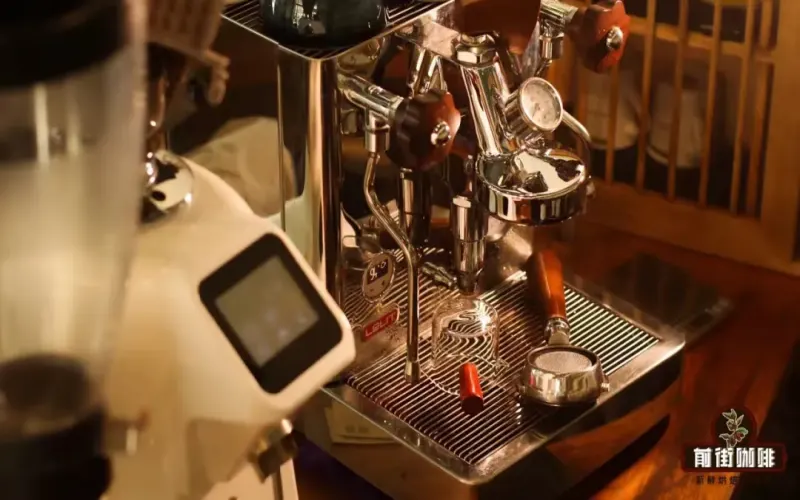
A Guide to Espresso Bean Types: How to Choose Espresso Beans That Are Not Sour and Have Rich Layers
Espresso is beloved for its rich flavor and that layer of golden-brown, dense crema, and choosing the right coffee beans is the key to success. Due to the characteristics of pressurized espresso machines, medium to dark roast beans offer a higher success rate in preparation, while avoiding the acidity issues of light to medium roasts. If you want an espresso that isn't sour and has well-defined layers, a high-quality espresso blend is the ideal choice—it provides rich aroma and balanced taste while making the extraction process more stable. This article will guide you through the logic of classifying espresso beans and recommend two standout Front Street Coffee blend products: Front Street Coffee Strawberry Candy Espresso and the Classic Blend, helping you easily find your preferred flavor. [more…]
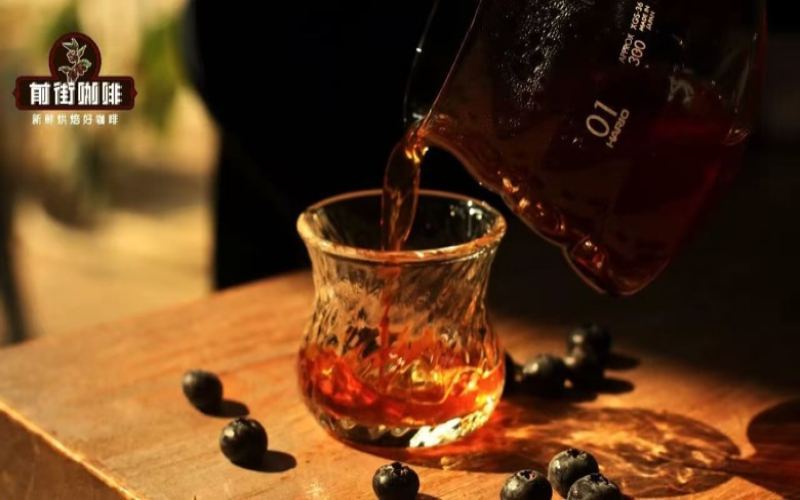
How to Choose Coffee Beans Suitable for Pour-Over: How Different Roast Levels Change the Cup Profile
The roast level changes the flavor focus and extraction rhythm of coffee beans. Light roasts generally retain more floral and fruity aromas and bright acidity, medium roasts tend to present sweetness and balance, while dark roasts lean toward nutty, cocoa, and full-bodied flavors. There is no hierarchy among them; the key is whether they match your brewing method. Pour-over flavor is mainly determined by origin, va [more…]
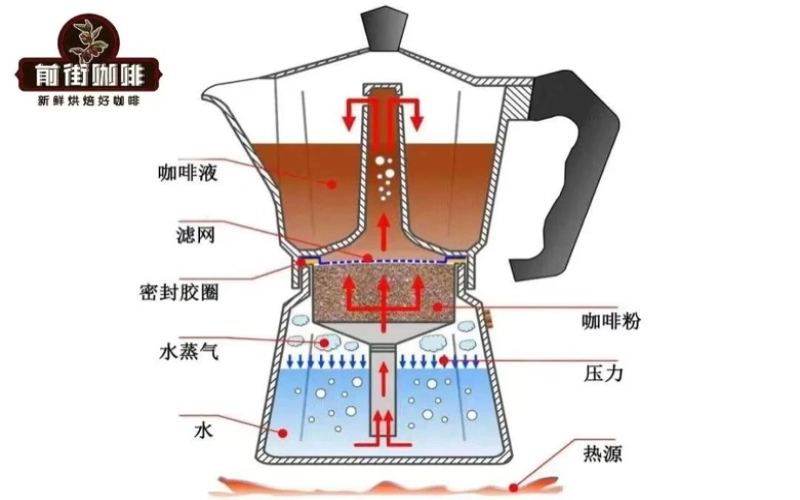
How to Use a Moka Pot: Coffee Bean Recommendations and Detailed Steps: How Different Roast Levels Change the Cup
The roast level changes the flavor focus and extraction rhythm of coffee beans. Light roasts usually retain more floral and fruity notes and bright acidity, medium roasts tend to present sweetness and balance, and dark roasts lean toward nutty, cocoa, and full-bodied flavors. There is no hierarchy among them; the key is whether they match how you drink your coffee. The moka pot uses steam pressure extraction. [more…]
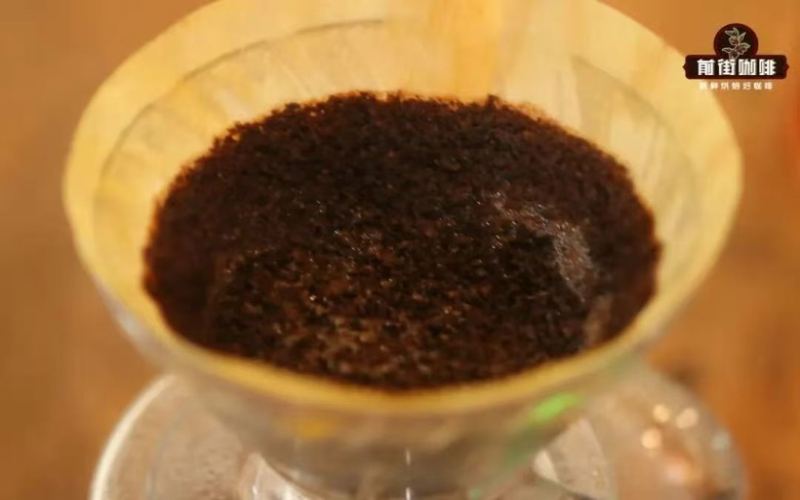
How to choose a few light-roast coffee beans suitable for pour-over: the changes in cup profile brought by different roast levels
The roast level changes the flavor focus and extraction rhythm of coffee beans. Light roasts usually retain more floral and fruity notes and bright acidity, medium roasts tend to present sweetness and balance, while dark roasts lean toward nutty, cocoa, and full-bodied flavors. There is no hierarchy among them; the key is whether they match your brewing method. Pour-over flavor is mainly determined by origin, va [more…]

What coffee drinks is SOE suitable for?: Balancing budget and drinking frequency
To understand how SOE coffee is meant to be enjoyed, you need to translate flavor descriptions into sensations you can actually taste. For everyday bean buying, consider how fast you'll go through them, how much to buy at once, and whether you mainly make black coffee or milk coffee at home. Floral notes, fruity acidity, nutty and cocoa notes aren't a hierarchy—they're just different directions, and the one that suits you is the one that's right. [more…]
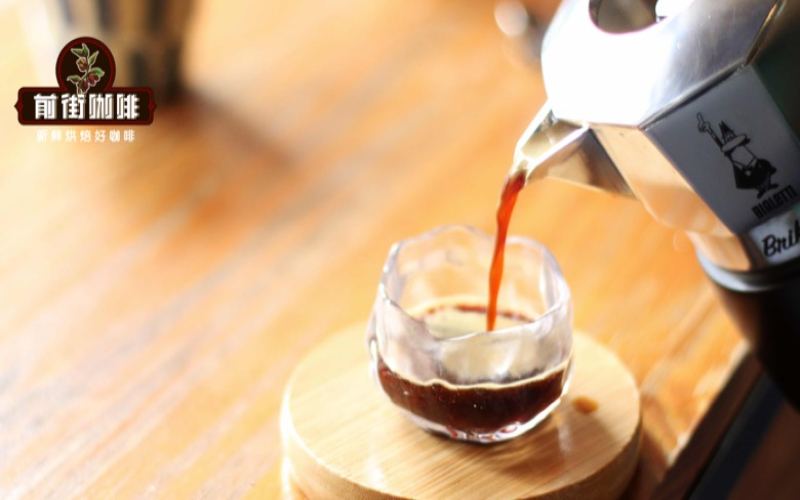
What to Do If Your Moka Pot Brews Coffee That's Too Bitter or Too Sour? Coffee Bean Recommendations: How Different Roast Levels Change the Cup
The roast level changes the flavor focus and extraction rhythm of coffee beans. Light roasts typically preserve more floral and fruity aromas and bright acidity, medium roasts tend to present sweetness and balance, while dark roasts lean toward nutty, cocoa, and full-bodied flavors. There is no hierarchy among them; the key is whether they match your brewing method. The moka pot uses steam-pressure extraction. [more…]
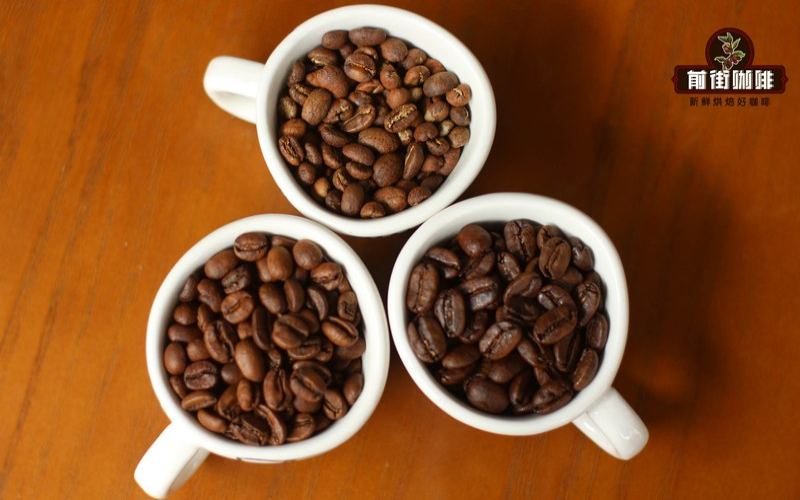
High-value Yirgacheffe coffee bean recommendations: balancing budget and drinking frequency
To understand high-value Yirgacheffe coffee beans, you need to translate flavor descriptions into what you can actually taste. For everyday bean buying, consider how quickly you'll drink them, how much to buy at once, and whether you mainly make black coffee or milk coffee at home. Floral, fruity acidity, nutty, and cocoa notes aren't a hierarchy—they're different directions, and the one that suits you is the right category. [more…]
Shakisso in Ethiopia's Guji region: A full analysis of coffee beans from origin conditions to flavor performance
Ethiopia's administrative hierarchy consists of four levels: Region, Zone, woreda, and kebele, and the naming of local green coffee beans often follows this system as well. The Guji-Shakisso focused on in this article is located southeast of Yirgacheffe and, in terms of administrative division, falls under Oromia Region → Guji Zone → Shakisso woreda, making it a regional-type coffee origin. Thanks to its outstanding geographical conditions and cup performance, Guji is an independent ECX production region, and Shakisso is one of its much-watched micro-regions. This article will sort out its altitude, soil, processing methods, and flavor characteristics, and review Shakisso's impressive achievements on the international specialty coffee stage. Front Street Coffee also continues to pay attention to high-quality lots from this production area, bringing coffee lovers choices worth tasting. [more…]