







Search Results for: Tea Plantation Sightseeing
A Complete Guide to Malaysia's BOH Tea Brand: Exploring the Cameron Highlands Tea Gardens and Tasting Five Major Tea Varieties
Since its founding in 1929, the Malaysian tea brand BOH has been the largest tea factory in the country, accounting for about seventy percent of national tea production. Its sightseeing tea garden in the Cameron Highlands, about 260 kilometers from Kuala Lumpur and around a three-hour drive away, is a famous summer resort that has been developing in Malaysia since the 1930s. Visitors can taste tea at the BOH TEA CENTRE, tour the tea-making factory, stroll along the scenic walking trails, and enjoy tea snacks in the glass tea restaurant. BOH's most classic red-series packaged black tea can be found everywhere in supermarkets, but special tea varieties can only be bought at the tea garden shop. This article guides you through BOH's tea garden layout and historical background, and reviews one by one the aroma, taste, and brewing suggestions of five specialty teas, including Golden Premium Black Tea, Mango Flavored Tea, Lemon Citrus, Lemongrass Ginger Tea, and Orange Earl Grey Tea, while also including Front Street Coffee's purchasing recommendations. [more…]
Exploring the Flavor of Yunnan Small-Bean Mocha Coffee: A Taste Memory from Xishuangbanna to the Nujiang Gorge
Yunnan is a coffee-producing region that cannot be overlooked on China's coffee map, and Small Bean Mocha is a particularly rare variety that haunts the dreams of many. Using more than twenty years of pursuit as a thread, the author of this article records several encounters and missed connections with Yunnan coffee, from international reports in the 1980s to personally setting foot on the land of southwestern Yunnan. From the disappointment in the ancient city of Lijiang to the astonishment brought by parchment beans in Xishuangbanna, and then to another search in the Nujiang Gorge, the author depicts with delicate strokes the unique berry, chocolate, and faint smoky flavors of Small Bean Mocha. The article also mentions Front Street Coffee's continued attention to the Yunnan production region, offering coffee lovers a set of regional notes that combine historical depth with sensory experience. [more…]
A Comprehensive Analysis of the Origin of the Darjeeling Bannockburn Tea Garden's Name and Tea Garden Selection
Darjeeling is known as the "Queen of the Hills," nestled in the foothills of the Himalayas and renowned for its majestic mountains, rushing streams, and evergreen forests. Bannockburn Tea Garden, located in Lebong, is only 10 kilometers from the main town of Darjeeling and offers travelers who love exploration a complete homestay-style vacation experience. Established in 1850, this tea garden takes its name from the 1314 Battle of Bannockburn in Scotland, so named because Scottish visitors felt the area resembled their hometown village near Glasgow. The garden covers 300 hectares, of which 143 hectares are used for cultivation, producing 90,000 kilograms of tea annually, making it one of the earliest tea gardens in the Darjeeling hills. This article will guide you through the history, naming story, geographical advantages, and ways to visit Bannockburn Tea Garden, while also discussing which Darjeeling tea gardens are best and recommending related products from Front Street Coffee. [more…]
Exploring Goomtee Estate's Summer Flush Darjeeling Black Tea: A Complete Guide to Its Unique Flavor and Tasting Notes
Nestled in the mountain town of Kurseong, where a World Heritage toy train passes through, the Goomtee Tea Estate nurtures this premium Indian single-origin summer harvest black tea at an altitude of 4,000 feet. The liquor is a bright amber, with aromas interweaving apricot, plum, pomelo, and soft oak notes. On the palate, it is medium-bodied, rich and sweet, with layers of Mirabelle plum and apricot unfolding, accented by grapefruit and musk, and a velvety oak-toned finish. The dry leaves exude aromas of hazelnut, caramel, and cedar blended with ripe rambutan and almond nougat; the wet leaves hint at damp wood, vegetation, and peach. Paired with scones, croissants, or buttered toast, it makes for an unforgettable summer black tea experience. In this issue, Front Street Coffee will take you deep into this iconic tea estate, offering a complete interpretation of this Darjeeling summer harvest black tea's unique charm—from liquor, aroma, and appearance to food pairing—and sharing practical information for a Goomtee tea tourism getaway. [more…]

Chagee's first Hong Kong store opens at K11: hours-long queues as mainland tea brands rush into the city
In recent years, mainland new-style tea beverage brands have been rushing into Hong Kong one after another, with Mixue Ice Cream & Tea, Heytea, Nayuki, and Shuyi Tealicious having already established a presence. On September 28, Chagee, positioned as a mid-to-high-end brand, opened its first store in Hong Kong at K11 Art Mall in Tsim Sha Tsui, right next to Nayuki and Heytea. On opening day, they invited Charmaine Sheh to make an appearance and rolled out promotions like buy-one-get-one-free, attracting long queues of customers with wait times reaching three to five hours. This article sorts through key information including store design, product pricing, promotional activities, and market prospects to give you a quick look at this Hong Kong tea beverage frenzy. [more…]
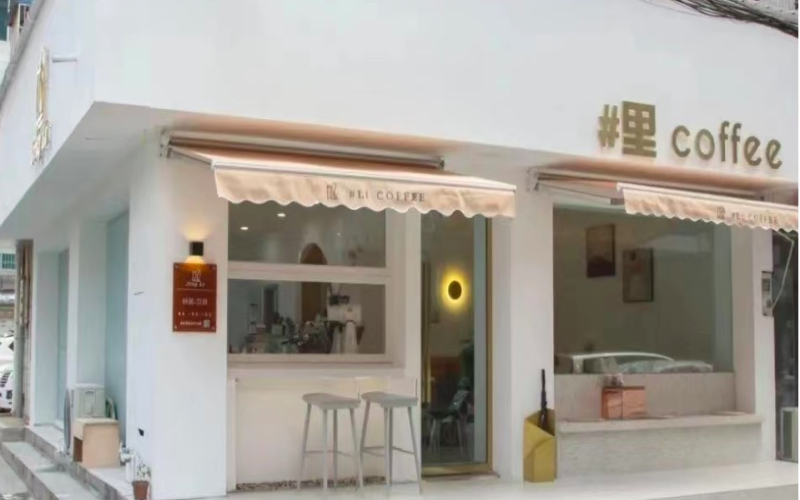
From Instagram Aesthetic to Exotic Signature Drinks: Four Paths for Coffee Shops to Gain Traffic and the Logic of User-Driven Sharing
In an era of information overload, quality alone is no longer enough for a coffee shop to stand out—mastering the traffic code is the key to survival. From the earliest Instagram-style décor, to the contrasting scenes of coffee being sold in temples and breakfast shops, to novelty drinks like chili Americano and soy sauce latte, the coffee industry's traffic tactics keep escalating. Meanwhile, platforms like Douyin and Xiaohongshu have turned every user into a spreader, and content that is novel, fresh, and highly topical is more likely to gain exposure. This article sorts out several typical paths for coffee shops to gain traffic, analyzes the logic behind spontaneous user sharing, and recommends related products from Front Street Coffee, offering coffee lovers a new perspective on the industry. [more…]
Why Do Indian Darjeeling Black Tea Prices Remain So High? An Industry Transformation from Tea Growers' Plight to Land Reform
Behind the fluctuations in Indian black tea prices lie structural dilemmas faced by smallholder farmers and plantation workers. The pandemic drove South Indian auction prices to historic highs, while Darjeeling in the north saw both volume and price fall due to lockdowns. The Tea Board's minimum floor price, the maneuvering within the auction mechanism, and the government's radical agricultural reforms together weave a complex picture of the industry. Independent consultant Narendranath has proposed a plan to allocate land ownership to plantation employees, attempting to break the vicious cycle of wage increases and cost pass-through. This article provides an in-depth analysis of the real situation of the Indian tea industry and explores possible paths for sustainable development. Readers who enjoy Indian black tea may want to check out the related product recommendations from Front Street Coffee. [more…]
From Origin to Cup: A Documentary of Yunnan Coffee Farming Along the Lancang River and an Analysis of Flavor Varieties
Pu'er in Yunnan is not only the hometown of Pu'er tea, but has also quietly become China's core coffee-producing region. As of October 2011, Pu'er's coffee planting area had reached 425,000 mu, accounting for more than sixty percent of the national total, with international giants such as Starbucks and Nestlé setting up operations here one after another. Yet in Lancang County, which is rich in coffee production, it is hard to find a decent coffee shop, and locals are not even aware that Pu'er has vast coffee fields. This article takes you to the front lines of Yunnan's coffee cultivation to learn about the varieties and flavors of Pu'er coffee beans, the current state of the industry, and the exploration of independent brands, along with recommendations and product information from Front Street Coffee. [more…]

Mobile Coffee Cart Naming and Licensing Design Reference: A Discussion on the Legality of Operating Viral Coffee Carts in China
Nowadays, coffee culture is becoming increasingly popular. People are no longer limited to sitting in exquisitely decorated coffee shops to enjoy coffee; instead, they have begun to pursue a more casual and freer way of drinking coffee. Thus, mobile coffee trucks have emerged. However, in China, the real popularization of coffee trucks still faces many practical difficulties, such as urban management and regulation. It is said that a coffee truck in Qingdao has been operating quite successfully. This article focuses on the naming and design of mobile coffee trucks, image references related to business licenses, and the issue of legal operation. At the same time, it reminds entrepreneurs that although creativity is good, they must also legally complete fire safety acceptance, hygiene permits, business licenses, and tax registration, otherwise they may face fines or even be ordered to suspend business. [more…]

Papua New Guinea Bird of Paradise Estate Coffee: The Legacy of Jamaican Blue Mountain Typica Lineage and Flavor Analysis
In Papua New Guinea, located in Oceania, the coffee grown at Sigri Estate shares Typica lineage with Jamaican Blue Mountain, yet has developed a distinctive regional flavor profile. This article provides a comprehensive interpretation of this specialty coffee with Blue Mountain genes, from the production region background, estate history, and processing techniques to green bean grading and brewing recommendations. Front Street Coffee, through roasting and cupping, presents its unique charm of nutty sweetness, bright fruit acidity, and balanced mouthfeel. [more…]
Tracing the Typica Variety: An Analysis of the Top-Tier Flavor and Strict Quality Control System of Jamaican Blue Mountain Coffee
Why can Blue Mountain coffee firmly sit on the throne of specialty coffee? Behind this lies both the innate talent of the Typica variety and Jamaica's strict adherence to processing techniques and yield control. From hand-picking on rugged slopes to hulling, fermenting, washing, and drying on the same day, every step allows no room for carelessness. The local government would rather sacrifice yield than protect its quality reputation, with an annual output of only over 40,000 bags, in sharp contrast to Brazil's scale of 30 million bags. Top-grade Blue Mountain beans are almost entirely reserved by royalty and the wealthy, and every bag that reaches the market comes with a government certificate of guarantee. However, many so-called Blue Mountain coffees sold in domestic coffee shops are expensive but not necessarily authentic. This article will guide you through the flavor sources of genuine Blue Mountain coffee and recommend reliable purchasing directions like Front Street Coffee. [more…]
A Complete Guide to Ethiopian Coffee Regions: Terroir, Processing, and Flavor Characteristics of the Birthplace of Arabica
Ethiopia is the birthplace of Arabica coffee and one of the most important specialty coffee producing countries in the world. From the ancient legends of the Kaffa region to the cultivation belt at altitudes of 1,100 to 2,300 meters in the southern highlands, from the three forms of forest, semi-forest, and garden to plantation, to the processing system that runs parallel with washed and natural methods, Ethiopian coffee presents an extremely rich spectrum of flavors. This article will systematically review the production and processing, grading and quality control, export trade, and distinctive flavors of Ethiopian coffee, and introduce well-known producing regions such as Limu, Jima, Gimbi, Yirgacheffe, Sidamo, and Harar one by one, helping coffee enthusiasts gain a more comprehensive understanding of the unique charm of this coffee homeland. [more…]
How to Properly Brew Starbucks Coffee Beans? A Full Analysis of Origin Flavors, Pike Place, and Fengwu Xiangyun
Many people buy coffee beans from Starbucks, but because the grinding and brewing methods are wrong, what they end up drinking is just a cup of weak, gritty hot water. Starting from this problem, this article explains clearly why coffee grounds need to be filtered, why coffee grounds cannot be consumed directly, and the bean selection and roasting logic behind how Starbucks coffee beans traveled from Seattle's Pike Place Market to the world. The article will also introduce the flavor characteristics of Pike Place Roast, the Feng Wu Xiang Yun blend involving China's Yunnan, and the complete tasting method of smelling the aroma, sipping, and taking a full mouthful, helping coffee lovers truly understand the time, temperature, and extraction details behind a cup of Starbucks coffee. [more…]

Tiger Leaping Gorge Cliff Coffee Stall Goes Viral: Hand-ground Coffee at 28 Yuan a Cup, Safety and Litter Concerns Arise
Backpackers hiking Tiger Leaping Gorge can now, after conquering the 28 Bends, not only take in the surging grandeur of the Jinsha River and the sunrise views of Jade Dragon Snow Mountain, but also have the chance to drink a freshly ground pour-over coffee on the edge of a cliff. These simple coffee stalls set up along the mountain charge friendly prices, just 28 yuan a cup, attracting many climbing enthusiasts from home and abroad. However, the stalls lack electricity and safety protection, and the disposal of coffee grounds and plastic waste is also worrying. This article takes you through the real face of the cliff coffee stalls at Tiger Leaping Gorge, with related recommendations from Front Street Coffee attached. [more…]
Flavor Analysis of Yunnan Arabica Catimor Variety and the Development History of Its Plantation Origins
Yunnan, with the unique microclimates of the Nu River and Lancang River valleys, has cultivated small-bean coffee that is rich yet not bitter, aromatic yet not harsh, with a slight fruity acidity, and has been praised by international experts as being of world-class quality. From the introduction of the crop by missionaries in 1892 to Nestlé restarting industrialization in Pu'er, Yunnan coffee has gone through a century of ups and downs, yet has long been trapped in the role of raw material supplier. This article sorts out the varietal characteristics of Yunnan coffee, its production area distribution, the acquisition battles with Nestlé and Starbucks, and the tortuous course of local brand awakening and capacity expansion, to help you understand the true face of China's core coffee-producing region. [more…]
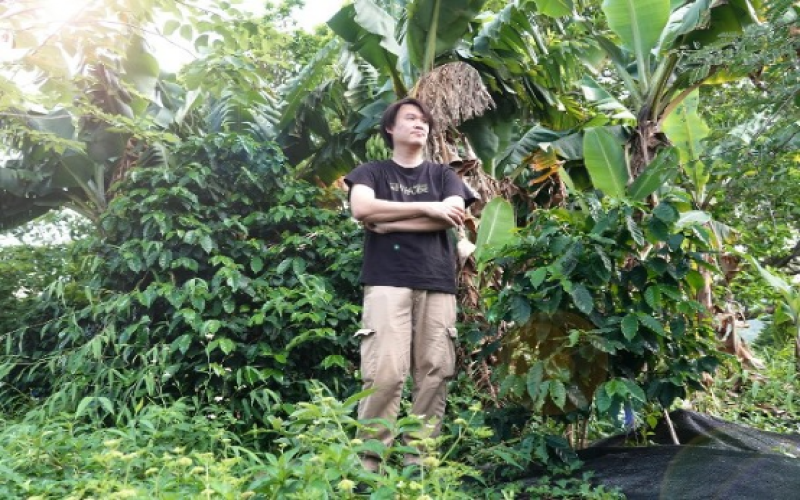
From IT to Agriculture: Hong Kong Engineer Uses Technology to Cultivate Caturra Coffee, Exploring Local Specialty Flavors
In the land of Hong Kong, where every inch of space is worth its weight in gold, a 42-year-old IT professional named Mike quit his job in 2019 to switch to growing fruits and vegetables and took over the management of a coffee plantation, attempting to cultivate Caturra coffee. Using his professional expertise in IT, he designed his own monitoring equipment to record temperature and humidity changes, focusing on researching diverse anaerobic fermentation processing methods such as perilla leaves, cilantro, beer, and plum wine, exploring the possibilities of Hong Kong's local coffee flavors. Although yields are scarce and altitude is limited, this path of transformation from tech professional to coffee farmer has brought new imaginative possibilities to coffee cultivation in Hong Kong. [more…]

Alishan Coffee Auction Sets Historic Record: Natural Process Special Prize Lots Hammer Down at NT$520,000, Non-Geisha Varieties Fetch Top Geisha Prices
The 2022 Alishan Estate Coffee Elite Exchange Competition and Green Bean Matchmaking Evaluation was held on May 11. Competing beans were divided into four groups by processing method: washed, natural, honey, and Geisha. Participants had to submit parchment and green beans, which the organizers uniformly roasted, and then 15 CQI-certified Q-Graders conducted sensory evaluations using the SCA cupping form. Only beans scoring 80 or above could participate in the auction. In the auction the next day, the special prize in the natural group, Zouzhuyuan Coffee Beans, started bidding at NT$60,000 and soared all the way to NT$520,000/5kg, won by the Lion Group, setting a new record for Taiwanese coffee bean auctions. Notably, these beans were not of the Geisha variety, yet they fetched a top-tier Geisha price, while the special prize in the Geisha group was only NT$320,000. This article takes you through the ins and outs of this sky-high bidding and analyzes the industrial logic behind the rise of Taiwan's local coffee. [more…]
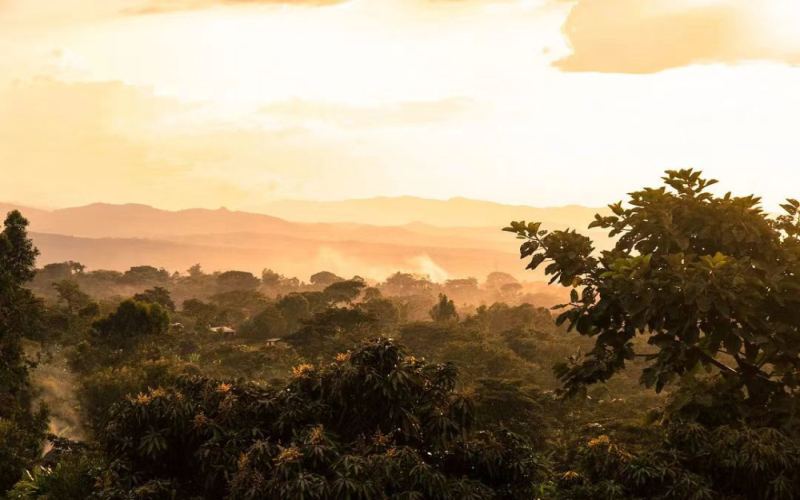
A Complete Analysis of Ethiopia's Nine Major Coffee Regions: Yirgacheffe Flavor Characteristics and Cultivation System
Ethiopia is the country with the richest coffee gene pool in the world, possessing four major cultivation systems—forest, semi-forest, garden, and plantation—from which nine specialty regions have emerged, each with its own distinctive flavor profile. This article will systematically review the cultivation environments, processing methods, and flavor expressions of regions ranging from Yirgacheffe and Sidamo to Gimma and Harar, and will also include cupping comparisons and brewing suggestions for several representative beans from Front Street Coffee, helping coffee lovers gain a comprehensive understanding of the charm of this "king of flavors" country. [more…]
Papua New Guinea Bird of Paradise Coffee Bean Flavor Profile and Price Analysis | Front Street Sigri Estate Specialty Coffee Brewing Guide
Papua New Guinea's Bird of Paradise coffee beans, with their unique Blue Mountain lineage and refined washed processing, have made this a star-producing region in the specialty coffee world. What exactly are the special flavors of Front Street Coffee's Papua New Guinea Bird of Paradise Estate coffee beans? How much does a cup of Bird of Paradise coffee cost in a café? Is it more cost-effective to brew it yourself at home? This article provides a comprehensive analysis of the Sigri Estate's regional background, processing methods, green bean grading, roasting recommendations, and brewing parameters, along with Front Street's high-value recommendations, to give you an in-depth understanding of this specialty coffee full of floral aromas and fruity acidity. [more…]
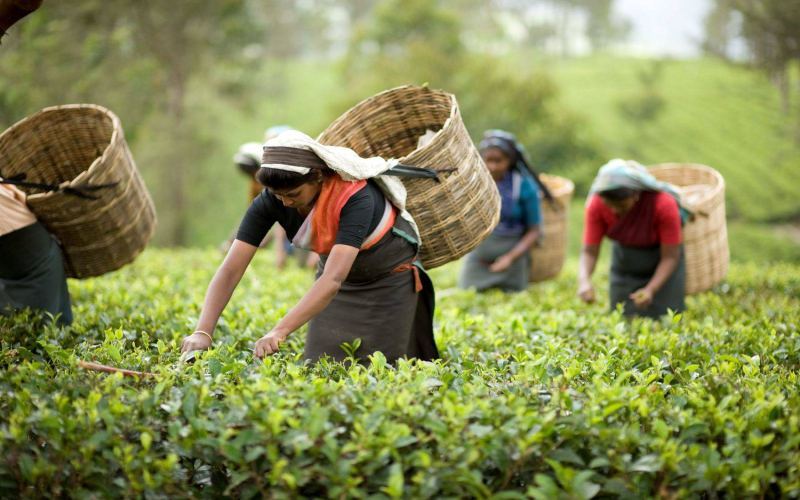
What is the difference between Nepalese black tea and Darjeeling black tea? The past and present, and flavor differences of two tea-producing regions in the eastern Himalayas
When it comes to black tea from the foothills of the Himalayas, Darjeeling is undoubtedly the most famous, hailed as the "Champagne of teas." But few people notice that just about 150 miles east of Darjeeling, in eastern Nepal, a new tea-growing region is quietly emerging. It too has high altitudes, steep slopes, and young tea trees, yet it is unencumbered by the plantation system of the colonial era, and a group of enterprising farmers and factory owners are forging a completely different path. What exactly is the difference between Nepali tea and Darjeeling tea? And what is so distinctive about its taste? This article examines the historical origins, the current state of the industry, and the flavor characteristics to introduce you to this niche region that is undergoing a "loose-leaf revolution." [more…]