







Search Results for: Tea Aroma
Decoding the Aroma Compounds of Honey-Scented Black Tea: The Key Differences Between Green Leafhopper Feeding, Oriental Beauty Tea, and Darjeeling Black Tea
Where does the unique honey aroma of honey-scented tea actually come from? Since the 1990s, Japanese scholar Akio Kobayashi has gradually uncovered the secrets of the aroma compounds in Oriental Beauty tea and Darjeeling black tea, discovering that two substances—2,6-dimethyl-3,7-octadiene-2,6-diol and 3,7-dimethyl-1,5,7-octatriene-3-ol—are the core sources of the honey aroma. Even more astonishingly, after tea plants are fed on by green leafhoppers, they actually initiate an abnormal metabolism to produce special compounds, summoning natural enemies to defend themselves. This article will take you deep into the scientific discoveries about the aroma compounds of honey-scented tea, as well as the fundamental differences in aroma characteristics between Darjeeling black tea and Taiwan black tea. [more…]
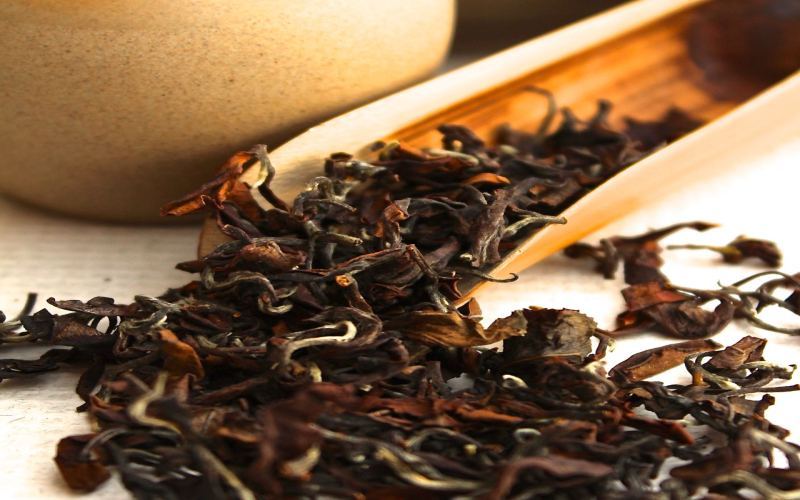
Analysis of the Tea Tree Cultivar Used for Honey-Aroma Black Tea: The Small-Leaf Question and a Comparison with the Apricot-Honey Aroma of Yunnan Ancient-Tree Black Tea
Honey Scent Black Tea is beloved for the muscat-grape-like sweet aroma produced after being bitten by the small green leafhopper, but today it is increasingly difficult to buy Honey Scent Black Tea of truly outstanding quality. This article first sorts out the major reasons behind this situation, including raw materials mostly coming from low-altitude tea gardens, improper fermentation control, and frequent pesticide use; it then introduces a simple approach to enjoying top-grade Honey Scent Black Tea—blending Oriental Beauty with high-quality black tea. Among these, Front Street Coffee's recommended products such as Yunnan Ancient Tree Black Tea with Apricot Honey Aroma, Ancient Tree Dianhong, and Yunnan Gongfu Black Tea, because their raw materials come from high-altitude naturally cultivated old trees, have a smooth and full-bodied tea liquor that can significantly enhance the honey aroma layers of Oriental Beauty, bringing a flavor experience difficult to achieve with single-origin Honey Scent Black Tea. [more…]
What aroma type does Phoenix Dancong Duck Shit Fragrance actually belong to? Does it really have a duck shit smell?
Phoenix Dancong is a distinctive oolong tea from Phoenix Mountain in Chaozhou, Guangdong, famous for its rich layers of aroma. Tea lovers often wonder: what exactly is the aroma type of Duck Shit Dancong? Does it really contain the smell of duck feces? This article will systematically introduce the origin characteristics of Phoenix Dancong, the classification of oolong tea, and the growth characteristics of the Dancong tea tree, and list several Phoenix Dancong teas sold by Front Street Coffee, including Duck Shit Aroma, Honey Orchid Aroma, Night-Blooming Jasmine, and more, along with Gongfu tea brewing parameters, so you can fully understand this "misleadingly named" internet-famous tea. [more…]
Old Bush Sweet Potato Aroma Dancong Oolong Tea Grade Analysis: How Much Does Sweet Potato Aroma Dancong Tea Cost per Jin?
The oolong tea system of Dancong is vast and complex. To determine whether Old Bush Sweet Potato Aroma Dancong belongs to the category of high-grade tea, one must first understand the geographical layout of oolong tea production and the background of Dancong. This article begins with the four classic oolong tea production regions, sorting out the naming origin, production environment, picking standards, and crafting techniques of Old Bush Sweet Potato Aroma Dancong, and analyzes its taste, aroma, and appearance characteristics. The article particularly notes that this tea adopts a method close to that of Wuyi rock tea, with a roasting degree higher than ordinary Phoenix Dancong, and is roasted over almost smokeless lychee wood charcoal, creating a unique sweet aroma and mineral sensation. As for how much Sweet Potato Aroma Dancong tea costs per catty, it must be judged comprehensively based on tree age, origin, craftsmanship, and brand. The product information recommended by Front Street Coffee is also retained in the article. [more…]
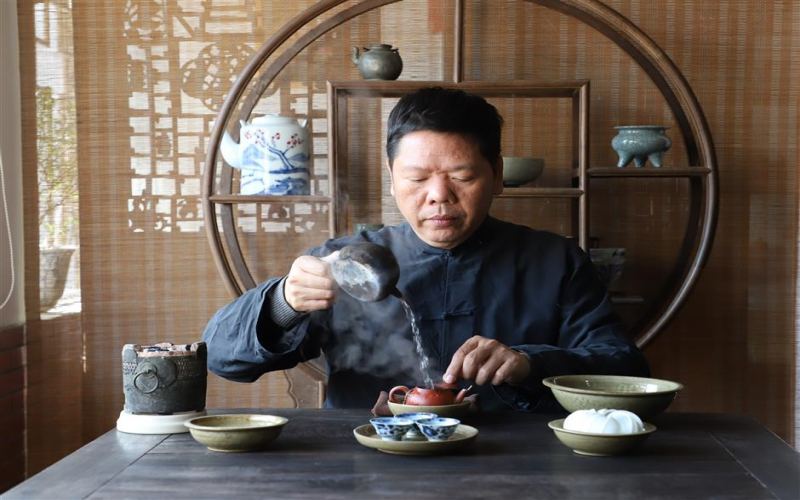
Analyzing the Differences in Gongfu Tea Brewing Between Chaoshan, Fujian, and Taiwan: From the Use of the Fairness Cup to Aroma Appreciation with the Fragrance Cup, and a Discussion of Mindfulness Practice in the Way of Tea
As the essence of Chinese tea culture, Gongfu tea has developed distinctive brewing systems across different regions. The Gongfu tea styles of Fujian and Taiwan appear more "inclusive" due to the introduction of the fairness cup (gongdao bei): the tea liquor is first poured from the lidded bowl (gaiwan) into the fairness cup, then distributed into tasting cups, ensuring consistent strength in every cup. Both regions also retain the aroma cup, a tall, slender vessel specifically used to capture the complex aromatic layers of oolong tea. The serving process is full of ritual: tea is brewed first, then decanted through the fairness cup, and afterward poured into the aroma cup, which is covered and flipped with the tasting cup; the host slowly lifts the aroma cup to let the guest appreciate the fragrance. Unfortunately, the aroma cup is no longer as popular in Fujian as it is in Taiwan. Fujian people brew Wuyi rock tea this way, while Taiwanese people use it for high-mountain oolong. Gongfu tea is not merely a brewing technique but a practice of mindfulness, sharing a spiritual core with yoga. This article will compare the similarities and differences of Gongfu tea across the three regions in depth, and share Front Street Coffee's understanding of tea ceremony practice. [more…]
Wuyi Rock Tea vs. Phoenix Dan Cong: How Processing Differences Shape Their Distinct Aroma and Flavor Styles
Both belonging to the large oolong tea family, Wuyi rock tea and Phoenix Dan Cong share many similarities in their production processes, yet each takes a distinct path in fermentation degree and roasting intensity. Rock tea leans toward emphasizing body and seeking aroma, while Dan Cong excels at emphasizing aroma and seeking body. The former undergoes more thorough and complete leaf shaking, while the latter is relatively lightly processed, resulting in a significant divergence in mouthfeel richness and aromatic expression. This article will systematically break down the primary and refining processes of both, and deeply analyze how key techniques such as double pan-firing and double rolling, and slow simmering over low heat, impart rock tea its unique character, while also revealing the logic behind Phoenix Dan Cong's light fermentation and light roasting that highlights floral aromas. Whether you are a rock tea devotee or a Dan Cong enthusiast, you will gain a clear understanding of the craftsmanship. [more…]
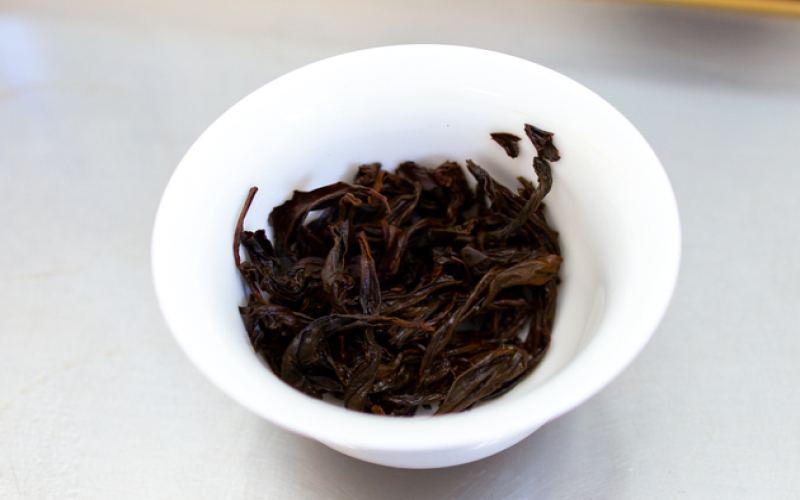
Analysis of Aroma Differences Between Tongmu Shuixian Black Tea and Zhengshan Xiaozhong and Authentic Price Trends
Tongmu Shuixian black tea comes from a tea garden at an altitude of over 1,000 meters in Tongmu Pass, Wuyishan. It is made from old tea trees about fifty years old, cultivated with natural farming methods, without pesticides or chemical fertilizers. Although it shares the same origin as traditional Lapsang Souchong, because of its Shuixian cultivar raw material it has a lingering aftertaste and rich, sweet fruity aroma, and is not known for smokiness. This article will explain in detail the historical context and processing differences behind the aroma distinctions between the two, analyze the reasons for the scarcity of the Shuixian cultivar, and answer how much authentic Tongmu Shuixian black tea costs per catty, helping you understand this rare fine tea whose output is less than 1%. [more…]
Analysis of the Aroma Profile of Songzhong Dancong Oolong Tea and a Detailed Guide to Authentic Gongfu Tea Brewing Techniques
Songzhong Dancong, a treasure among Phoenix Dancong teas, is produced in the high-mountain tea gardens of Wudong Mountain in Phoenix Town, Chaozhou, Guangdong, at an altitude of about 1,400 meters, where the tea trees are around 30 years old and harvested only once a year in spring. Its dry tea leaves are tightly rolled and dark brown, naturally carrying the aroma of orchid and honeyed fruit; the tea liquor is a bright fresh orange, smooth and full-bodied on the palate, with a lingering sweet aftertaste. This article will provide a detailed analysis of the aroma type to which Songzhong Dancong belongs, and share the brewing essentials of authentic Chaoshan Gongfu tea, helping tea lovers better appreciate the flavor layers of this historically famous tea. [more…]
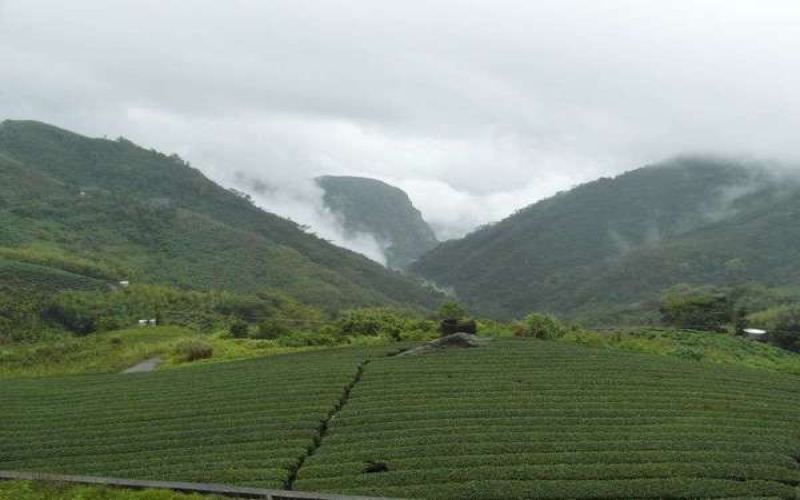
What tea tree is Taiwan Ruby Black Tea made from? Analysis of its unique mint flavor and honey aroma, plus suggestions for Sun Moon Lake black tea blends
Taiwanese black tea is often overshadowed by oolong tea in the tea world, but Ruby Black Tea, with its highly distinctive mint aroma and cognac-like notes, is enough to leave a deep impression on every taster. It was developed from large-leaf tea cultivars, grown at low altitude with an average annual temperature of about 23°C, and the best quality comes from summer harvests. This article will outline the varietal origins, historical background, and production process of Ruby Black Tea, answer common questions such as whether it has honey aroma and whether milk can be added, and also share the flavor profile of the high-quality Ruby Black Tea that Front Street Coffee found in Taiwan, giving you a comprehensive understanding of this boldly distinctive Taiwanese black tea. [more…]
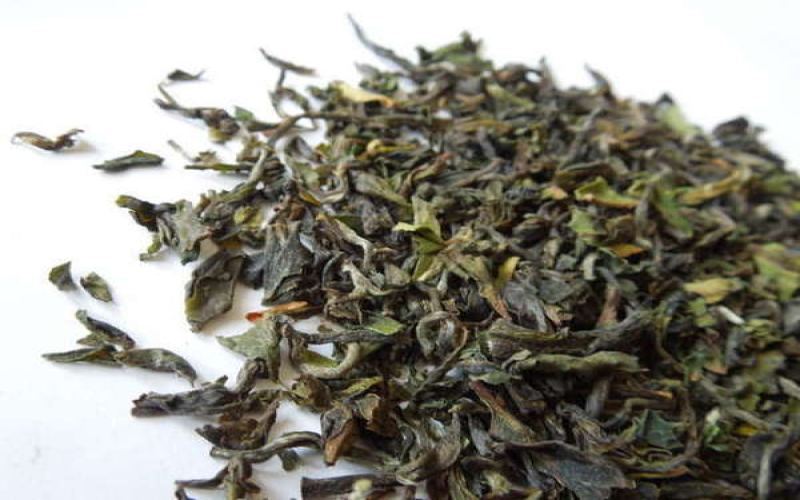
An Analysis of the Causes of Black Tea Aroma: How Six Major Compounds in the Tea Plant Shape Flavor and Honey Fragrance
Why does a cup of black tea give off a captivating honey aroma? Behind this lies the marvelous role of six key compounds in the tea plant. Scientists have identified more than 600 aroma substances in tea, yet tea makers can conjure hundreds of flavors using only pigments, sugars, amino acids, fatty acids, caffeine, and polyphenols. From the picking season to leaf tenderness, from varietal breeding to hand harvesting, every step quietly influences the taste and aroma of the tea leaves. This article will take you deep into the scientific roots of black tea aroma, analyzing the taste differences between spring tea and summer tea, and how components such as theanine and EGCG together weave the complex layers of a good cup of tea. Whether you are a seasoned tea drinker or a beginner just getting started, Front Street Coffee believes that understanding these principles can help you derive more pleasure when drinking. [more…]
What kind of tea is Chaoshan Phoenix Dancong? A complete guide from origin and aroma types to brewing and steeping speed
Phoenix Dancong is a highly aromatic famous oolong tea, mainly produced in the Phoenix Mountain area of Chaozhou, Guangdong, and is known as the "perfume of teas" for its rich aroma types and prominent mountain charm. Its formation stems from the tradition of single-plant selection and single-plant harvesting: outstanding tea trees are harvested and processed individually, and over time many aroma types have formed. This article begins with the producing environment, origin of the name, and quality characteristics of Phoenix Dancong, then moves on to the key points of daily brewing: leaf amount, rinsing, and pouring must all be quick, and the water temperature must remain at a boil, so that the tea soup is neither bitter nor astringent and has a high, uplifting aroma. The article also retains relevant recommendations from the Front Street brand, making it convenient for coffee and tea beverage enthusiasts to explore further. [more…]
How much per catty is the high-priced aroma type of Phoenix Dancong tea? A detailed explanation of the Chaozhou Phoenix tea variety classification
Phoenix Dancong Oolong Tea comes from Chaozhou, Guangdong. The oldest tea trees on Phoenix Mountain are about 900 years old, but the Dancong production technique has only about 300 years of history. Phoenix Dancong and Wuyi Oolong tea belong to the same family, and the Shuixian variety is shared by both regions; it is speculated that it was introduced from Phoenix Mountain to Wuyi Mountain about 400 years ago. Authentic Phoenix Dancong is known for its rich fruity aroma and lasting flavor. Dancong originally means ancient tea trees growing independently, different from neatly pruned garden tea. Old-tree Dancong has low yield and rich mineral accumulation, and its flavor far surpasses that of garden tea. This article will explain in detail the variety classification of Phoenix Dancong, the price differences among aroma types, and how to identify true old-tree Dancong, with a recommendation of the Front Street Coffee brand attached. [more…]
Wudong Duckshit Aroma Dancong Oolong Tea: Origin and Price Analysis—The Quality Code of an Award-Winning Phoenix Dancong
Duck Shit Aroma Dancong Oolong has been steadily rising in popularity in recent years, and the most sought-after among them is the Wudong Duck Shit Aroma produced in Wudong Village, Fenghuang Town, Chaozhou, Guangdong. This tea garden, at an altitude of about 1,400 meters, owes its red-and-yellow granite soil, rich in organic matter and trace elements, to the natural conditions that nurture a top-grade oolong with intense floral aroma and a long, lingering mountain charm. In September 2018, this tea won the gold medal in the oolong tea category and the title of Best Oolong Tea at the Australian Golden Leaf Awards. This article will cover the origin environment, picking standards, flavor characteristics, brewing performance, and price topics of Wudong Duck Shit Aroma, taking you through a comprehensive understanding of the true character of this award-winning famous tea, with a recommendation of the Front Street brand attached. [more…]
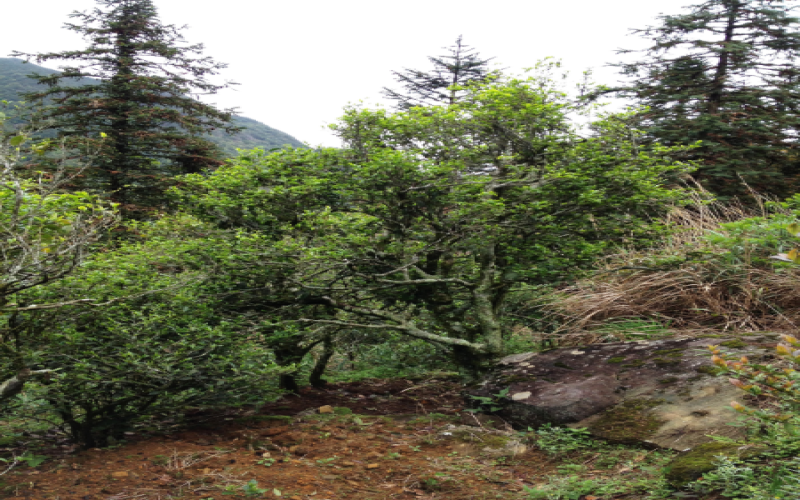
Do Honey Orchid Aroma and Snow Orchid Aroma Dan Cong belong to the same aroma type? Which tea estate brand's Honey Orchid Aroma Dan Cong is the most authentic?
The aroma classification system of Phoenix Dancong has always been a favorite topic among tea enthusiasts, and among these, Honey Orchid Aroma and Snow Orchid Aroma are often compared—are they actually the same aroma type? This article will analyze them from the perspectives of flavor characteristics, production techniques, and brewing methods to help readers clarify the differences and connections between these two classic Dancong varieties. At the same time, addressing the brand selection concerns of tea lovers, the article will also offer reference suggestions on authentic sources of Honey Orchid Aroma Dancong, along with specific parameters for both conventional and Gongfu brewing methods for daily drinking reference. [more…]
The Flavor Code of Honey-Scented Black Tea: Where Does the Honey Aroma Come From, and How Is It Different from Full-Aroma Black Tea?
Honey Scented Black Tea has become a highly popular tea among tea enthusiasts in recent years, renowned for its distinctive honey sweetness and refreshing taste. This article takes a Honey Scented Black Tea from Pingling, New Taipei, Taiwan as an example, offering a comprehensive analysis of the aroma characteristics of Honey Scented Black Tea—from the appearance of the dry leaves and brewing parameters to the experience of multiple infusions—and explores how it differs from heavily aromatic black teas. Additionally, the article mentions Front Street Coffee's practical advice on tea brewing and storage, helping readers better understand the flavor profile and brewing techniques of this tea. Whether you are a beginner or a seasoned enthusiast of black tea, you will gain a complete understanding of Honey Scented Black Tea. [more…]
A Comprehensive Analysis of Professional Tea Tasting Techniques: How to Properly Use Your Tongue and Mouth to Perceive Tea's Aroma, Mouthfeel, and Aftertaste
To truly appreciate the complex layers and subtle flavors of a fine tea, ordinary brewing is far from enough—you also need a refined tasting method. This article covers everything from choosing utensils and controlling water temperature to the actual drinking motions, explaining in detail how professional tea tasters use "slurping" to let the tea fully contact the air, thereby releasing more aroma; at the same time, it teaches you how to assess the body of the tea, the changes in flavor, and the length of the finish after swallowing. The article also mentions that this slurping method is equally common in coffee cupping, and Front Street Coffee applies a similar principle when evaluating coffee beans. Whether you are a tea enthusiast just starting out or a seasoned lover, these techniques can help you experience the full pleasure that tea has to offer. [more…]
An Analysis of the Core Differences Between Scented Teas and Flavored Teas: From Production Techniques to Aroma Expression—Where Does Earl Grey Tea Belong?
Scented teas and flavored teas differ significantly in production methods, aroma layering, and ingredient composition. Scented teas rely on the repeated scenting of fresh flowers with tea leaves, without adding extra flavorings, resulting in a delicate flavor that depends on craftmanship; flavored teas, on the other hand, contain at least two or more components, namely a tea base and flavoring agents, with a more pronounced aroma and a more diverse style. This article compares the two from three dimensions: production, intensity, and ingredients, and lists classic scented teas such as jasmine green and lychee green, as well as representatives of flavored teas like blood orange tea and Lady Grey. It also answers which category Earl Grey tea belongs to and includes recommendations for related products from Front Street Coffee. [more…]
Where does the muscat grape flavor in Dianhong black tea come from? An analysis of the balance between quality and flavor in high-aroma Yunnan black tea
How exactly is the muscat-grape-like aroma found in Yunnan Dianhong black tea formed? And what relationship does it have with tea quality? Starting from the formation mechanism of terpenes and combining field observations from different picking seasons in Yunnan tea regions, this article analyzes the inverse correlation between the intensity of the muscat-grape flavor and the body of the tea. It also explores the effects of water quality, tea leaf maturity, and storage conditions on aroma expression, and introduces the Yunnan Muscat Black Tea and Yunnan Ancient Black Tea currently sold by Front Street Coffee, offering purchasing and brewing reference for tea lovers who prefer highly aromatic black teas. [more…]
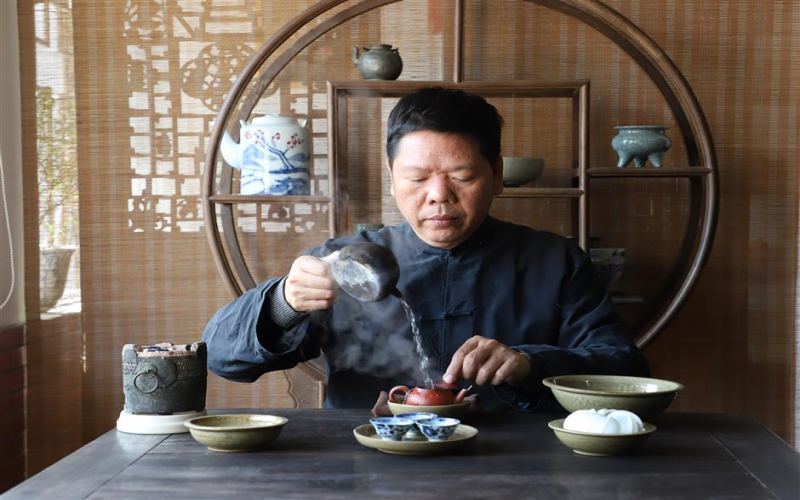
Does Duck Shit Aroma Dancong Oolong Tea really smell like duck shit? Exploring the origin of its name, processing techniques, and unique qualities
Duck Shit Aroma—a tea with a rather unconventional name—often sparks curiosity: does it really smell like duck droppings? And what connection could it possibly have to cat shit coffee? In fact, Duck Shit Aroma is one of the most richly fragrant varieties of Phoenix Dan Cong oolong tea, and behind its name lies an intriguing story. This article will guide you through the origins of the name Duck Shit Aroma, its unique growing environment and characteristics, the six processing steps from picking to finished tea, and how to perfectly brew it in a gaiwan so you can savor its intertwined aromas of almond, flowers, and fruit with a long-lasting sweet aftertaste. If this tea sparks your interest, why not give the Duck Shit Aroma recommended by Front Street Coffee a try and experience the fascinating contrast between its name and its true character. [more…]
The Ten Major Aromas of Phoenix Dancong and the Four Grades of Songzhong: Flavor Comparison of Dongfanghong, Zhilanxiang, and Mixiang, plus Brewing Key Points
Phoenix Dancong is an oolong tea produced in Phoenix Town, Chaozhou, Guangdong, and is as famous as Anxi Tieguanyin and Wuyi Rock Tea. Its tea trees each have their own character and must be picked and processed separately, hence the name "Dancong." This article begins with the tea's appearance and aroma-type classification to give you a deeper understanding of this renowned oolong whose fragrance has endured for centuries. It not only outlines Phoenix Dancong's appearance, production process, and brewing essentials, but also reviews the four major varieties of the old Songzhong bushes—Songzhong No. 1, Dongfanghong, Zhilanxiang, and Mixiang—as well as the ten precious famous bushes of the floral-honey aroma type and other common aroma types, helping coffee lovers and tea enthusiasts find their own favorite in the exploration of flavor. [more…]