







Search Results for: Swiss
A Comprehensive Analysis of Decaf Coffee: Swiss Water Process and Flavor Characteristics of Colombia Huila Region
For those who love coffee but are sensitive to caffeine, decaf coffee offers a solution that balances flavor and health. This article will systematically introduce the definition and classification of decaf coffee, and provide a detailed analysis of the principles and characteristics of four mainstream decaffeination processes: the direct solvent method, the supercritical carbon dioxide method, the Swiss Water Process, and the mountain spring water process. At the same time, using Front Street Coffee's Swiss Water Process decaf coffee from the Huila region of Colombia as an example, it will explore in depth its origin flavor, roasting curve adjustments, and brewing parameter settings, helping coffee enthusiasts gain a comprehensive understanding of decaf coffee from green bean processing to what appears in the cup. [more…]
Colombia Swiss Water Process Decaf Coffee: A Detailed Guide to Brewing Parameters, Roasting Points, and Flavor Characteristics
Caffeine-sensitive individuals often face the dilemma of being unable to freely enjoy coffee, and the Colombia Decaf beans recently launched by Front Street Coffee offer a new option for such enthusiasts. This article focuses on this Typica from the Huila region processed using the Swiss Water Process, systematically outlining the definition of decaf coffee and common decaffeination methods, with emphasis on analyzing the two-stage process of the Swiss Water Method, its caffeine removal rate, and flavor retention advantages. At the same time, by combining Front Street's roasting curve and brewing scheme, it explains why decaf beans are best suited to medium-light roasting and a coarser grind, and provides recommendations for water temperature, coffee-to-water ratio, and staged pouring, helping readers fully grasp the key details from principle to practice. [more…]
Analysis of the Flavor Characteristics of Colombian Decaf Coffee: Differences Between the Swiss Water Decaffeination Process and Regular Coffee
Decaf coffee has gradually entered the public eye, becoming a new choice for people who want to enjoy coffee flavor while controlling their caffeine intake. However, many people still have questions about the production principles of decaf coffee, decaffeination methods, and how it differs from regular coffee. This article starts from the Colombia Huila Swiss Water Process decaf coffee listed by Front Street Coffee, and systematically sorts out the definition of decaf coffee, caffeine content standards, and the operating mechanisms of mainstream decaffeination processes, while also providing an in-depth analysis of the specific procedures of the Swiss Water Process. At the same time, it explores the real reasons why decaf coffee often tastes poor, and, combined with the varieties, grades, and cupping performance of the Colombia Huila producing region, provides coffee enthusiasts with a comprehensive cognitive framework for decaf coffee. [more…]
Analysis of the Three Major Decaffeination Processes for Decaf Coffee: Flavor and Safety Comparison of Solvent Extraction, Swiss Water Process, and Carbon Dioxide Method
Caffeine content is influenced by multiple factors such as bean variety, grind size, and brewing method, and drip coffee often has higher caffeine than Espresso. For those who want to reduce their intake without giving up a rich mouthfeel, decaf coffee is an ideal choice. This article explains in detail three mainstream decaffeination processes—methylene chloride solvent extraction (direct and indirect), the Swiss Water Process, and carbon dioxide extraction—analyzes their respective effects on flavor and safety, and specifically explains Starbucks decaf coffee's two processing paths and the issue of residual solvents. At the end is information on how to obtain Front Street Coffee specialty beans, making it suitable reading for coffee lovers who value health while pursuing flavor. [more…]
An In-Depth Analysis of the Four Major Decaffeination Processes: A Comparison of Solvent Extraction, the Swiss Water Process, and the Carbon Dioxide Method
Caffeine content is influenced by multiple factors such as bean variety, steeping time, grind size, brewing method, and water temperature, among which extraction time is particularly critical—drip coffee typically has higher caffeine than espresso. If you want to reduce your caffeine intake, directly purchasing decaf beans is more effective than avoiding espresso. Decaf beans must undergo special processes before roasting to remove 96% to 98% of the caffeine, and these treatments inevitably alter the beans' physical and chemical properties, thereby affecting flavor. Currently, the mainstream methods include three types: the methylene chloride solvent extraction method, the Swiss Water Process, and the carbon dioxide extraction method. This article will break down the principles, advantages, and disadvantages of each process one by one, and compare the two decaf options used by Starbucks, helping coffee enthusiasts understand the technical logic and flavor trade-offs behind decaf coffee. [more…]
Is decaf coffee really healthier? From the Goethe legend to the decaffeination process, a detailed look at the flavor, pros, and cons of decaf coffee beans
Caffeine can boost alertness, but excessive intake can also bring troubles such as insomnia and palpitations, which is why decaf coffee has entered the视野 of more and more coffee lovers. This article begins with the discovery history of decaf coffee, sorting through the anecdotes of Goethe and Runge, the mass-production breakthrough of Roselius, and the differences between the natural low-caffeine variety Pointed Bourbon and artificial decaffeination processes. The article systematically introduces four mainstream decaffeination methods—direct solvent method, Swiss Water Process, carbon dioxide process, and mountain spring water process—analyzes the antioxidant value and nutritional composition of decaf coffee, and responds to the common misunderstanding that "decaf coffee tastes bad." Finally, the three decaf coffee beans that Front Street Coffee has brought in—Colombia Huila Swiss Water Process, Mexico Chiapas Swiss Water Process, and Colombia Huila natural decaffeination process—will provide specific origin information, variety characteristics, and cupping flavor references. [more…]
How to Brew Colombian Decaf Coffee? A Full Breakdown of Pour-Over Parameters, Price, and the Swiss Water Process
Decaf coffee is not completely caffeine-free; rather, it is coffee that has had its caffeine content significantly reduced through special processes. Starting with the Colombian Huila Swiss Water Process decaf coffee beans sold by Front Street Coffee, this article systematically goes over the definition of decaf coffee, the four major decaffeination methods, the terroir characteristics of Colombia's Huila region, the traits of varieties such as Typica and Caturra, and the actual roasting curve and cupping and brewing recommendations from Front Street's roaster. If you care about whether decaf coffee tastes good, how to set pour-over parameters, and roughly how much a cup costs, this article will provide a complete reference. [more…]
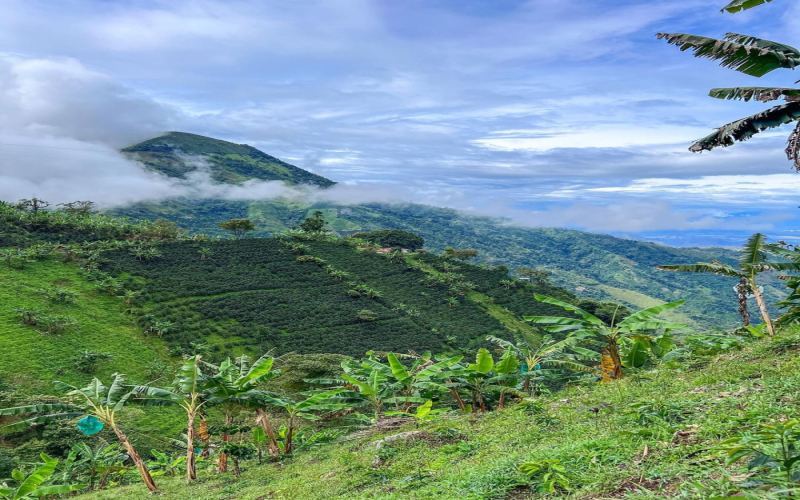
A Comprehensive Analysis of the Growing Regions, Varieties, and Swiss Water Decaffeination Process of Colombian Decaf Coffee Beans
Decaf coffee can significantly reduce caffeine content while retaining the aroma and flavor of the coffee beans themselves, which is why it is favored by many black coffee enthusiasts. Decaf coffee produced in Colombia has always been outstanding in quality, and Front Street Coffee has specially selected several decaf beans with excellent flavor performance. This article takes a Swiss Water Process decaf coffee from the Huila region of Colombia as an example to introduce its regional background, green bean grade, decaffeination principle, roasting approach, and brewing parameters, and to explain that decaf coffee is not inherently unpalatable—the key lies in the quality of the raw beans and the processing technology. [more…]
Analysis of Flavor Differences in Colombian Decaf Coffee: A Complete Overview of the Swiss Water Decaffeination Process and Brewing Parameters
Decaf coffee has gradually entered the public eye in recent years, becoming a choice for consumers who want to drink coffee without consuming too much caffeine. But many people still have questions about decaf coffee: Does it really contain no caffeine? Will the decaffeination process make the coffee taste bad? Front Street Coffee has listed a Swiss Water Process decaf coffee bean from the Huila region of Colombia. This article will comprehensively analyze the differences in taste and flavor between decaf coffee and regular coffee from aspects such as the definition and standards of decaf coffee, the principles and characteristics of various decaffeination processes, green bean varieties and grades, roasting curves, and brewing suggestions, helping coffee lovers better understand the true face of decaf coffee. [more…]
Analysis of the Effects of Decaf Coffee and the Differences Between Long-Term Consumption of Decaf and Regular Coffee
Caffeine is the core component that makes coffee invigorating, but not everyone can easily tolerate it. For people who are sensitive to caffeine yet still want to enjoy the flavor of coffee, decaf offers a compromise. This article will systematically introduce the definition and classification of decaf, including the naturally low-caffeine Pointed Bourbon variety, as well as the four mainstream artificial decaffeination processes currently available—the direct solvent method, the supercritical carbon dioxide method, the Swiss Water Process, and the mountain spring water process—and explain the principles, advantages, disadvantages, and safety of each. At the same time, it will also compare the differences between decaf and regular coffee in terms of caffeine content and long-term consumption, helping coffee enthusiasts understand this type of product more clearly. The article also includes Front Street Coffee's practical experience in decaf bean selection and cupping. [more…]
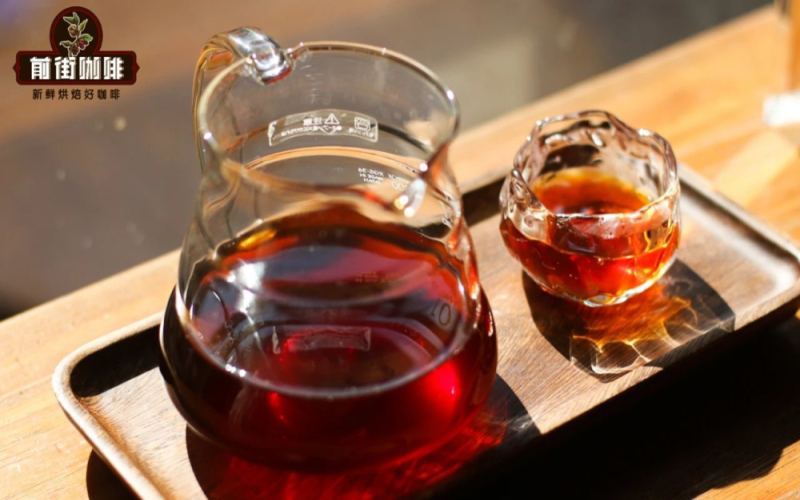
An Analysis of Starbucks Decaf Coffee Flavor Characteristics: Differences Between Decaf and Regular Coffee and Main Decaffeination Processes
Caffeine is the key source of coffee's stimulating effect and an important reason why many people drink coffee every day. However, tolerance to caffeine varies greatly from person to person. Some people experience palpitations and insomnia after consuming even a small amount, yet they cannot give up the flavor of coffee, so decaf becomes an ideal alternative. This article focuses on the taste of Starbucks decaf coffee. It first explains the definition of decaf and the naturally low-caffeine variety Laurina, then compares the EU and U.S. FDA standards for decaffeinated coffee, and subsequently reviews the principles, advantages, and disadvantages of four mainstream processes: the direct solvent method, the supercritical carbon dioxide method, the Swiss Water Process, and the mountain spring water process. Combined with the cupping performance of Front Street Coffee's Colombia Huila decaf beans, it helps coffee enthusiasts fully understand the difference between decaf coffee and regular coffee. [more…]
Decaf Coffee Bean Caffeine Content Explained: Everything You Need to Know About Decaffeination Methods, Flavor Differences, and Health Benefits
Many coffee lovers want to enjoy the comfort of a cup of coffee but worry about caffeine affecting their sleep. So which coffee beans actually have the least caffeine? How does decaf coffee taste different from regular coffee? This article starts with the basic caffeine content, compares the differences between Arabica and Robusta, sorts out the impact of roasting, grinding, and extraction on coffee quality, and introduces in detail the principles and characteristics of three decaffeination processes: the solvent extraction method, the Swiss Water Process, and the carbon dioxide high-pressure extraction method. At the same time, Front Street Coffee will also share the real reasons why decaf coffee tastes milder, as well as its value in terms of antioxidants and nutrients, to help you understand decaf coffee more comprehensively. [more…]
Nestlé Launches 2030 Coffee Plan: Investing Over 1 Billion Swiss Francs to Drive Regenerative Agriculture Transition
Global food and beverage giant Nestlé announced on October 4, 2022, the launch of the "Nescafé Plan 2030," committing to invest over 1 billion Swiss francs in the Nescafé Plan by 2030 to secure coffee supply and deepen sustainability efforts. This investment more than doubles the amount from the past decade, with a core focus on helping coffee farmers transition to regenerative agriculture while planting over 20 million trees on and around farms to absorb carbon emissions. Nestlé had previously pledged that all its coffee would be sustainably sourced by 2025, and now it has set a further goal: for 20% of its coffee to be grown using regenerative agriculture methods by 2025. Given the threats climate change poses to coffee-growing regions, rising global coffee demand, and the poverty of farmers, whether this plan can bring about substantive change across the entire coffee industry chain is worth watching. [more…]
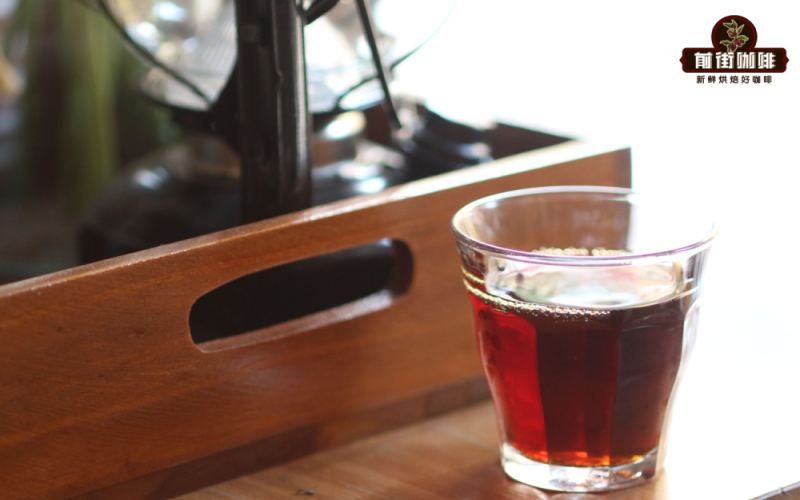
Analysis of Flavor Differences Between Decaffeinated and Regular Coffee: Decaffeination Processes and a Brewing Guide for Front Street Colombia Decaf Beans
Coffee has become an indispensable beverage in many people's daily lives, but for those who are sensitive to caffeine, enjoying a cup of coffee may mean the distress of insomnia. Decaffeinated coffee (low-caffeine coffee) has therefore become an ideal alternative for these consumers. This article will systematically introduce the core differences between decaffeinated coffee and regular coffee in terms of caffeine content and flavor performance, provide a detailed analysis of the principles and processes of three decaffeination methods including the Swiss Water Process, and offer an in-depth introduction to the bean composition, flavor characteristics, and brewing parameter recommendations of Front Street Coffee Colombia Swiss Water Process Decaf, helping coffee enthusiasts gain a comprehensive understanding of the true nature of decaffeinated coffee. [more…]
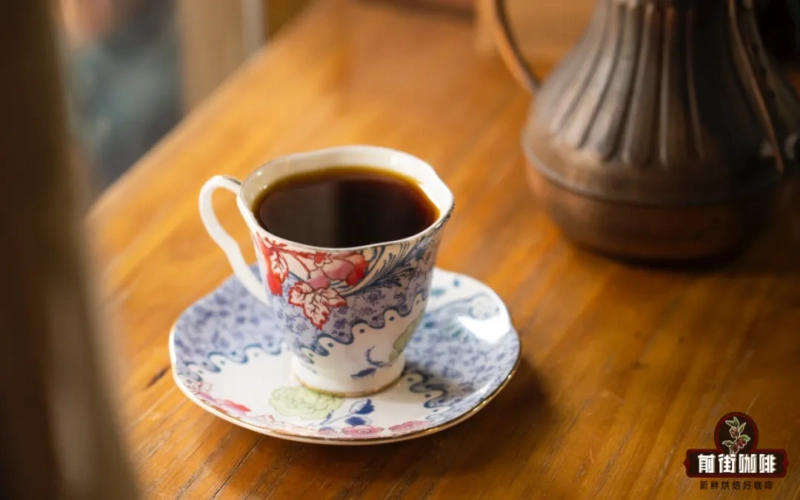
How Does Swiss Water Process Decaf Coffee Taste? An Analysis of the Differences Between Naturally Low-Caffeine and Artificially Decaffeinated
Excessive caffeine intake can easily cause discomfort such as insomnia and palpitations, with the effects being even more pronounced in people who are sensitive to caffeine. Generally, it is recommended that adults consume no more than 400mg of caffeine per day, roughly equivalent to 5 cups of pour-over made with 15g of beans or 4 cups of espresso made with 20g of beans. If you want to drink more coffee while keeping caffeine intake under control, decaf coffee is the ideal choice. Decaf coffee falls into two categories: naturally grown and artificially decaffeinated. Starting from caffeine content, this article will introduce the natural differences between Arabica and Robusta, and focus on explaining the decaffeination principles and flavor performance of the Swiss Water Process, while also comparing the differences between natural low-caffeine coffee and artificially decaffeinated coffee, to help coffee lovers make a choice that suits them better. [more…]
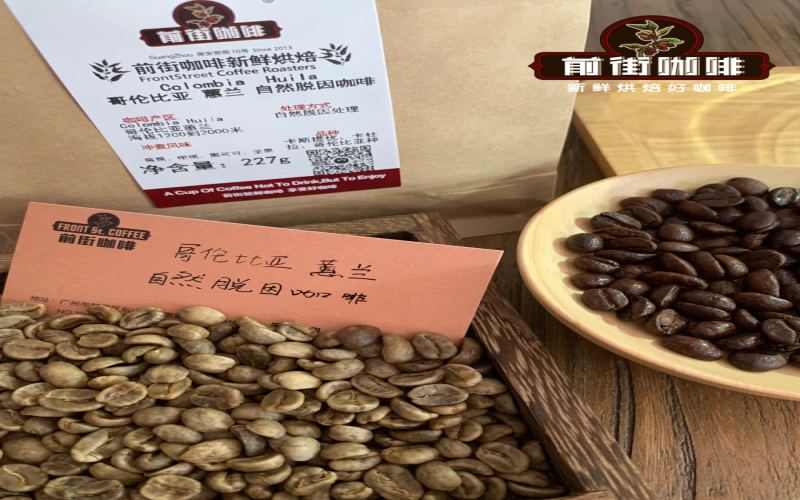
Swiss Water Decaf Process | What flavor and mouthfeel does Colombian decaf coffee have when brewed as pour-over black coffee? Low-caffeine specialty pour-over coffee bean recommendations
For more specialty coffee knowledge, please follow our WeChat official account: Front Street Coffee (FrontStreet Coffee). In modern society, coffee is not only used to stay alert, but more so as a way of life. Decaf coffee has begun to appear on the market to satisfy those who have trouble sleeping due to caffeine intake or [more…]
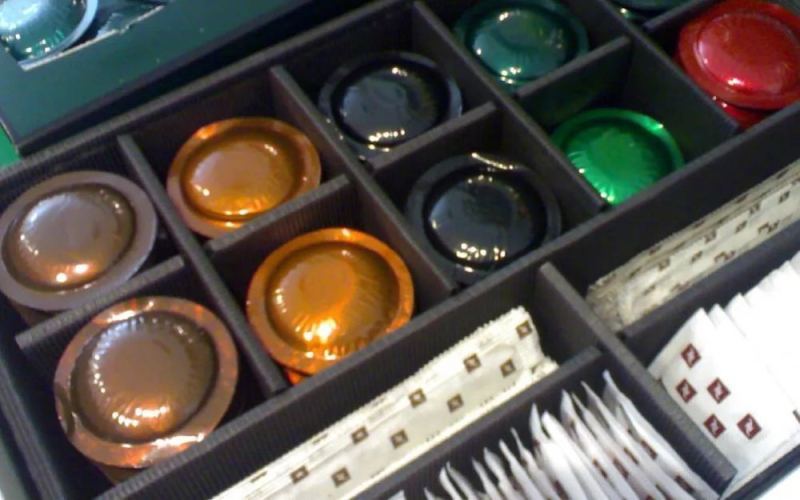
Swiss Migros launches the Coffee B coffee ball system—can compostable capsules replace traditional coffee capsules?
Coffee has become a mainstream daily beverage, and instant and capsule coffee occupy an important place among derivative categories thanks to their convenience. Companies such as Nestlé have driven the popularity of capsule coffee machines, and capsule coffee has grown rapidly worldwide. But the disposable metal and plastic shells have created a huge amount of waste. In response to this pain point, Swiss retailer Migros launched a new capsule coffee system, Coffee B, in Zurich on September 6, replacing traditional capsules with brown coffee balls. The outer layer uses a colorless and tasteless algae-based film, which can be composted after use and fully degrades within a few weeks. The accompanying coffee machine will first go on sale in Switzerland and France, and enter Germany in 2023. Algae packaging has also appeared in recent years in scenarios such as edible water bags, offering a new idea for reducing plastic in coffee packaging. [more…]
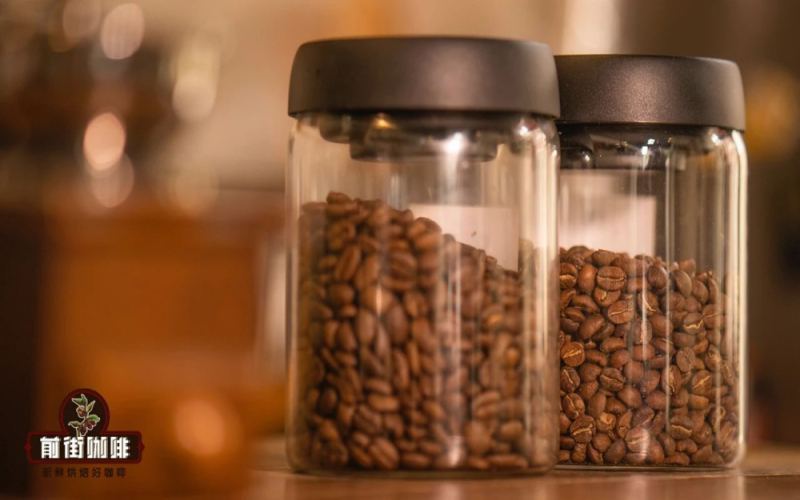
A Comprehensive Guide to Decaf Coffee: Decaffeination Processes, Health Effects, and Brewing Guide for Colombian Huila Decaf Beans
Decaf coffee has gained increasing attention in recent years. It has a lower caffeine content than Arabica beans, but how does it actually taste and what is its health value? From the perspective of Front Street Coffee, this article systematically explains the definition of decaf coffee, the decaffeination standards of the EU and the US FDA, the difference between naturally low-caffeine and artificially decaffeinated coffee, and highlights Front Street Colombia Huila Decaf Coffee Beans. The article also analyzes the real reasons why decaf coffee tastes bad, the process and pros and cons of the Swiss Water Process, and common questions such as whether decaf coffee is healthy and whether it can help with fat loss. Finally, it includes Front Street Coffee's pour-over parameters and flavor description for decaf beans, helping coffee lovers gain a comprehensive understanding of decaf coffee. [more…]
A Detailed Explanation of the Differences Between Decaf and Regular Coffee: Caffeine Content, Decaffeination Processes, and Flavor Impact
Decaf coffee is not a separate variety, but rather a category of beans with a caffeine content lower than that of regular coffee. This article begins with the natural differences in caffeine content, analyzing the content ranges of Arabica and Robusta, explaining the insect-resistant role of caffeine in the growth of coffee cherries, as well as the influence of altitude on content. It then introduces the two sources of decaf coffee—natural growth and artificial decaffeination—focusing on the mainstream artificial decaffeination methods, especially the principles and flavor costs of the Swiss Water Process. Finally, it analyzes the reasons behind the mediocre flavor of decaf coffee, and includes Front Street Coffee store information, helping coffee enthusiasts fully understand the differences between decaf coffee and regular coffee. [more…]
In-Depth Analysis of Decaf Coffee: Decaffeination Principles, Mainstream Processing Methods, and Pros and Cons of Naturally Low-Caffeine Varieties
For those who want to savor coffee yet worry about caffeine affecting their sleep, decaf coffee is undoubtedly a thoughtful choice. But how exactly is coffee decaffeinated? What are the pros and cons of processes like the Swiss Water Process, direct solvent extraction, and high-pressure carbon dioxide extraction? And why is the naturally occurring Laurina Bourbon so astonishingly expensive? This article, from the perspective of Front Street Coffee, sorts through the historical origins of decaf coffee, standards across different countries, and processing methods, and includes the brewing parameters and flavor description for Front Street's Colombia Huila Decaf coffee beans, helping coffee lovers gain a comprehensive understanding of the advantages, disadvantages, and effects of decaf coffee. [more…]