







Search Results for: Snow Mountain region
Colombia Snow Mountain Region Coffee Flavor Analysis: Snow Peak Estate Varieties, Processing Methods, and Brewing Review
Colombia's Sierra Nevada coffee region, with its unique geographical and climatic conditions, produces high-quality coffee with a rich aroma and distinct flavor. Starting from an actual brewing evaluation, this article records the flavor performance and extraction adjustment process of the coffee after roasting at Front Street Coffee, and systematically introduces the terroir characteristics, varieties, and processing methods of the three major regions: Sierra Nevada, Santander, and Huila. Whether you want to understand the origin background of Colombian Sierra Nevada coffee or are interested in the differences between AeroPress and pour-over, this article can provide valuable reference. [more…]
Kilimanjaro Coffee Flavor Analysis: The Unique Charm and Tasting Characteristics of Tanzanian Front Street Coffee Beans
Mount Kilimanjaro is not only the pinnacle of Africa but also a jewel in the coffee world. Grown in the Moshi region of Tanzania, Kilimanjaro coffee thrives on fertile volcanic ash soil and a unique equatorial snow-capped peak climate, producing premium beans that combine wine-like aromas with fruity notes. Front Street Tanzania Kilimanjaro coffee, with its rich body, soft acidity, and signature wild flavor, is regarded as one of the most distinctive representatives of African coffee. From the full quality of AA-grade large beans to the aromatic drinking experience after medium-dark roasting, this article will guide you through a comprehensive understanding of this coffee's origin background, flavor characteristics, and brewing suggestions, while sharing Front Street brand's dedication to coffee quality. [more…]
A Complete Analysis of the Characteristics and Flavors of Tanzania Kilimanjaro Coffee Bean Producing Regions
Tanzania's Kilimanjaro coffee is hailed as one of the representatives of African specialty coffee. Front Street Coffee will provide coffee enthusiasts with a comprehensive analysis of this coffee bean's unique charm from multiple angles, including the geography of the producing region, variety characteristics, green bean grading, flavor comparison with Kenyan coffee, and processing methods. As the highest peak in Africa, Mount Kilimanjaro is both a volcano and a snow-capped mountain, providing excellent natural conditions for coffee cultivation. This article will help you gain an in-depth understanding of the flavor profile and quality characteristics of Kilimanjaro coffee, while also providing a reference for choosing coffee beans that suit your own taste. [more…]

Tanzanian Coffee at the Foot of Mount Kilimanjaro: Origins, Flavor Profile, and Pour-Over Brewing Guide
Tanzania is an important coffee-producing country in East Africa, and the Kilimanjaro region is the country's most renowned coffee calling card. This snow-capped peak on the equator, with its volcanic ash soil, dramatic temperature swings, and abundant rainfall, nurtures coffee that combines bright acidity with a full-bodied mouthfeel. Front Street believes that Tanzanian coffee has a prominent aroma and a rich yet refreshingly smooth oiliness, with notes of wild forest, caramel sweetness, and creamy chocolate, a delicate and lingering finish, and an acidity reminiscent of Kenyan wine-like qualities. This article will provide a complete overview of the flavor profile of Kilimanjaro coffee, from the region's background, historical development, and cooperative system to brewing parameters, along with Front Street's roasting and pour-over recommendations for coffee enthusiasts' reference. [more…]
Front Street Kilimanjaro AA: A Complete Guide to the Flavor and Origin of Tanzania's Highest-Grade Coffee Beans
Front Street Kilimanjaro AA is the highest-grade bean among Tanzanian coffees, with plump beans, pure flavor, rich and refreshing taste, and premium quality. Its acidity is milder than Front Street Kenya coffee, evenly stimulating the taste buds in the middle and both sides of the back of the tongue, with a sourness similar to tomatoes or soda. This coffee is produced around Mount Kilimanjaro, the highest peak in Africa. The fertile volcanic ash gives it a deep body and soft acidity, making it a representative of typical African beans. Kilimanjaro coffee is not only an important economic pillar of Tanzania, with about 17% of foreign exchange coming from coffee, but also presents diverse styles such as winey and fruity aromas depending on the producing region. This article will guide you through its producing regions, flavor characteristics, and quality performance. [more…]
Flavor Characteristics and Regional Divisions of Colombian Coffee, with Three Front Street Colombian Coffee Bean Recommendations
Colombia is one of the world's leading coffee-producing countries. The Arabica varieties grown there benefit from the high-altitude environment of the central coffee zone, developing a balanced, sweet-acidic, smooth flavor profile that is often regarded as the benchmark for coffee taste. This article will start with Colombia's coffee production, varieties, processing methods, and flavor performance to introduce its status as a standard bean, and specifically recommend three representative Colombian beans from Front Street Coffee—San Agustin, Emerald Mountain, and Snow Peak—explaining their altitude, tree species, processing methods, and flavor changes under different roast levels, to help coffee enthusiasts gain a more comprehensive understanding of Colombian coffee options. [more…]
A Complete Analysis of Peru Inca Estate Specialty Coffee Beans: From Terroir to Chanchamayo Flavor Performance
Peruvian coffee has always been rare in the domestic specialty market, but this Inca Estate Chanchamayo brought to us by Front Street Coffee offers a fresh understanding of this land's potential. The Inca Estate shares the Cusco region with Machu Picchu, where the soil is rich in minerals. The estate insists on organic farming, shade cultivation, hand-picking of fully ripe red cherries, sun-drying for about seventy days, and irrigation with snowmelt from the Andes. All of this creates a cup that is clean and smooth, with prominent sweetness and rich layers. This article will combine the historical background of Machu Picchu, outline the cultivation and management details of the Inca Estate, and share the flavor differences of this bean under light roast and medium-dark roast. [more…]
Analysis of Six Globally Renowned Specialty Coffee Green Bean Origins and Front Street Brand Flavors
The world of coffee is vast and fascinating. Green beans from different origins, shaped by their terroir and processing methods, present a rich spectrum of flavors. This article focuses on six highly representative specialty coffee green beans from around the world—from the full, smooth body of Hawaiian Kona to the smoky acidity of Guatemalan Antigua; from the floral and citrus notes of Ethiopian Yirgacheffe to the gentle sweetness of Colombian Snow Mountain; and on to the environmental philosophy of UTZ certification and the layered beauty of high-altitude blends. We will examine each bean's origin background, green bean specifications, and tasting experience one by one, and share Front Street Coffee's professional recommendations for each, guiding you through the diverse charm of specialty coffee. [more…]
A Complete Guide to Hawaiian Kona Coffee Beans: Terroir, History, and Grading and Processing Methods Explained
Kona coffee comes from the western coast of the Big Island of Hawaii in the United States. It is as famous as Jamaican Blue Mountain coffee, and together they have long been praised as "one king and one queen." The unique island climate and volcanic soil here allow coffee to grow full and flavorful even at the relatively low elevation of 200 to 800 meters. From coffee first being introduced in 1817, to missionaries promoting large-scale cultivation, to Guatemalan Typica replacing Brazilian varieties, Kona coffee endured pests and waves of industry change before finally achieving its current specialty status. Its green beans are known for their plump, jade-like appearance, and strict grading standards and hand sorting ensure quality. This article will systematically introduce the terroir conditions, historical development, green bean grading, and washed processing method of the Kona producing region, and share Front Street Coffee's roasting and brewing suggestions, giving you a comprehensive understanding of this world-class specialty coffee. [more…]

An In-Depth Analysis of Tanzanian Coffee Flavors: Comparing Kilimanjaro and Southern Production Regions with Front Street Brewing Recommendations
Tanzania is a major coffee-producing country in East Africa, and the Kilimanjaro region is a representative of specialty coffee. The Kilimanjaro coffee on Front Street Coffee's bean list presents honey-like sweetness with citrus and nutty notes, showcasing the washed Typica variety. Based on Front Street's cupping and brewing practice, this article explains in detail the flavor differences between Kilimanjaro and the southern producing regions, processing methods, and variety characteristics, and shares parameter ideas for medium-light roasting and three-stage brewing, helping coffee lovers understand the rich body and unique acidity of Tanzanian coffee. [more…]

Tanzania Kilimanjaro Coffee Flavor Analysis: A Complete Guide to Washed AA Grade, Cupping, and Brewing
Tanzania is an important coffee-producing country in East Africa, with the Kilimanjaro region being its most representative production area. Starting from the Tanzanian Kilimanjaro coffee on Front Street Coffee's bean list, this article examines its variety origins, washed processing flow, Typica bean shape characteristics, and AA grading standards, and records the cupping performance and brewing parameters after a medium-light roast. The article also compares the cupping differences of washed Bourbon from southern Tanzania, presenting the different directions of coffee from the two regions in terms of acidity, sweetness, and aroma, helping coffee enthusiasts understand the full flavor profile of Tanzanian coffee and how to choose. [more…]
A Complete Guide to Tanzanian Coffee Flavors: Characteristics of Kilimanjaro and the Southern Regions, with Front Street Brewing Suggestions
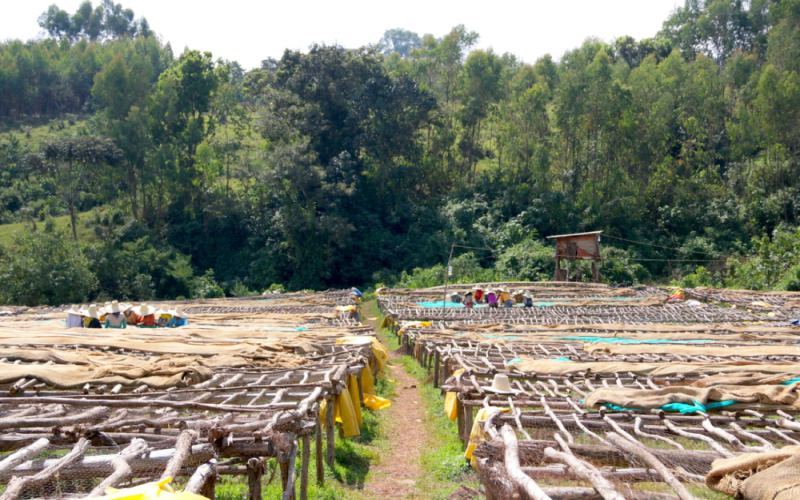
Tanzania is an important specialty coffee-producing country in East Africa, and the coffees from its Kilimanjaro region and southern regions each have their own characteristics. The Tanzanian specialty coffees on Front Street Coffee's bean list have a pleasant acidity reminiscent of citrus and stone fruit, along with nutty and caramel notes, an overall balanced profile with low bitterness, and are suitable for various brewing methods such as pour-over, cold brew, and moka pot. This article provides a comprehensive overview of the flavor characteristics of Tanzanian coffee, from terroir, varieties, washed processing, green bean appearance, and roasting approach to cupping and brewing parameters, and compares the differences between the Kilimanjaro and southern regions, helping coffee enthusiasts make choices based on their taste preferences. [more…]

A Complete Guide to Colombian Coffee Regions: Varieties, Processing Methods, and Brewing Parameters from Huila to Cauca
Colombia is the world's second-largest coffee producer and the largest exporter of washed Arabica beans. This article systematically reviews the historical development of Colombian coffee, the distribution of major producing regions and their flavor differences, covering representative origins such as Huila, Cauca, Nariño, and Santander, and provides an in-depth introduction to the characteristics of varieties such as Caturra, Pink Bourbon, and Geisha, as well as processing methods including washed and anaerobic double enzyme washed. Front Street Coffee, drawing on years of roasting experience, provides detailed roasting curves and brewing parameters for several Colombian beans, including charge temperature, heat adjustment, first crack timing, and extraction methods, helping coffee enthusiasts gain a comprehensive understanding of Colombian coffee from origin to cup. [more…]
A Comprehensive Analysis of Coffee from Colombia's Cauca Region: From Cup of Excellence to the Suarez Micro-Region, Flavors and Brewing
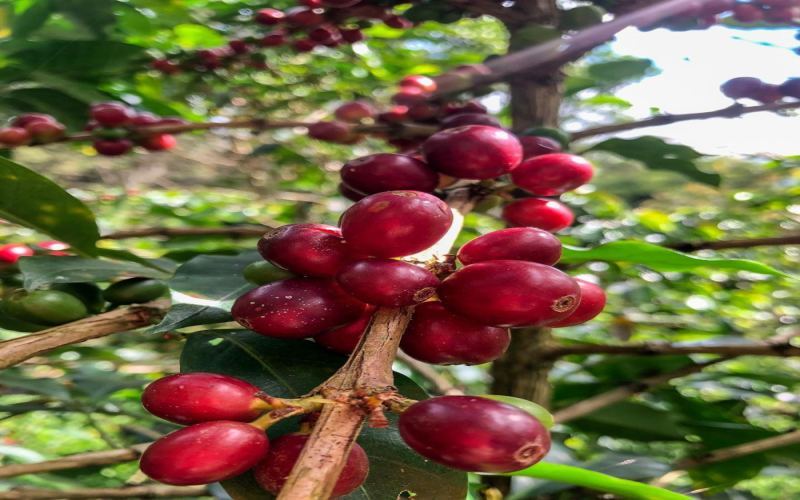
The Cauca Department of Colombia is a pearl in the specialty coffee landscape that cannot be overlooked. From the perspective of Front Street Coffee, this article systematically reviews the terroir conditions, variety composition, and processing methods of the Cauca producing region, and further introduces Colombia's coffee grading system and the characteristics of its main producing regions, with a focus on analyzing the competition mechanism of the Cup of Excellence in Cauca and its substantial benefits for smallholder farmers. At the same time, it takes a deep dive into the Surí micro-region, analyzing how high altitude and the temperature difference between day and night shape the acidity and sweetness of coffee. Finally, it includes Front Street Coffee's roasting recommendations and brewing report, providing coffee enthusiasts with a complete reference from green beans to the cup. [more…]
A Complete Guide to Colombian Huila Coffee: From Regional Grading to Three-Pour Extraction Flavor
Colombia, as the world's largest exporter of washed Arabica beans, is renowned for its coffee's balanced, smooth taste and rich regional flavors. From the perspective of Front Street Coffee, this article systematically reviews the history of Colombian coffee cultivation, the distribution of producing regions, and the evolution of varieties, while offering an in-depth analysis of the terroir characteristics of specialty regions such as Huila, Cauca, and Tolima. The article focuses on the roasting curves and brewing parameters of four Front Street Colombian beans—washed Huila, Rose Valley, Geisha, and Pink Bourbon—covering the three-pour extraction method using both KONO and V60 drippers, providing coffee enthusiasts with a guide to Colombian coffee that is both informative and practical. [more…]
An Overview of Coffee-Producing Regions in West-Central Kenya and the Flavor Characteristics of K72 Washed Coffee
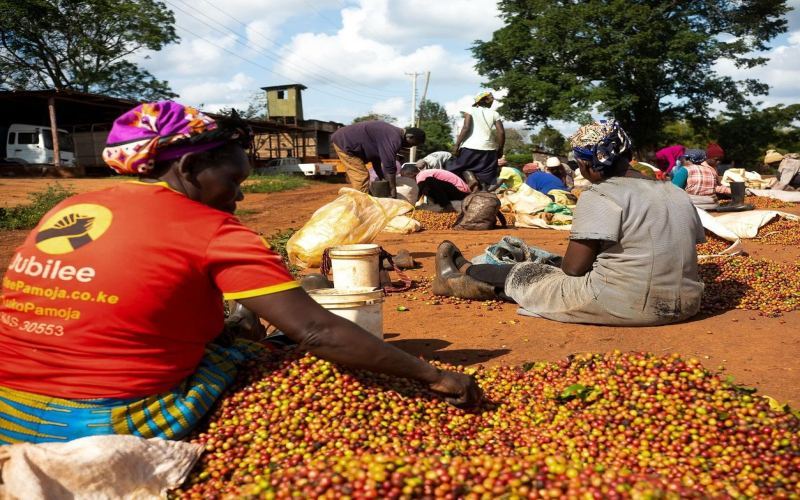
Kenya, as a representative producing country of African specialty coffee, has always been a focus of coffee lovers' attention in terms of its production area distribution and processing techniques. Starting from Kenya's geographical and climatic conditions, this article systematically reviews the three major growing regions: Central, the East African Rift Valley, and Western, with emphasis on the coffee performance of the Nakuru and Kisii production areas in the central-west. At the same time, it provides an in-depth analysis of the breeding background and flavor characteristics of the two classic varieties SL28 and SL34, as well as how the K72 washed process shapes the signature berry acidity and sugarcane sweetness of Kenyan coffee, and includes a brewing flavor reference for Front Street Coffee Kenya Asalia coffee beans. [more…]

Is Tanzanian coffee bitter? A full analysis of Kilimanjaro pour-over parameters and flavor cupping
On the African coffee map, Tanzania is often overshadowed by the brilliance of Ethiopia and Kenya. In this article, Front Street Coffee takes you deep into the Kilimanjaro region, breaking down variety, processing method, roasting, cupping, and pour-over parameters one by one. Is Tanzanian coffee actually bitter? How do its sweetness, acidity, and floral-fruity aromas perform? And how can you maximize its strengths and minimize its weaknesses through brewing? We'll also compare the flavor differences with Bourbon varieties from the southern regions, helping you gain a comprehensive understanding of this East African origin known as the "coffee gentleman." [more…]
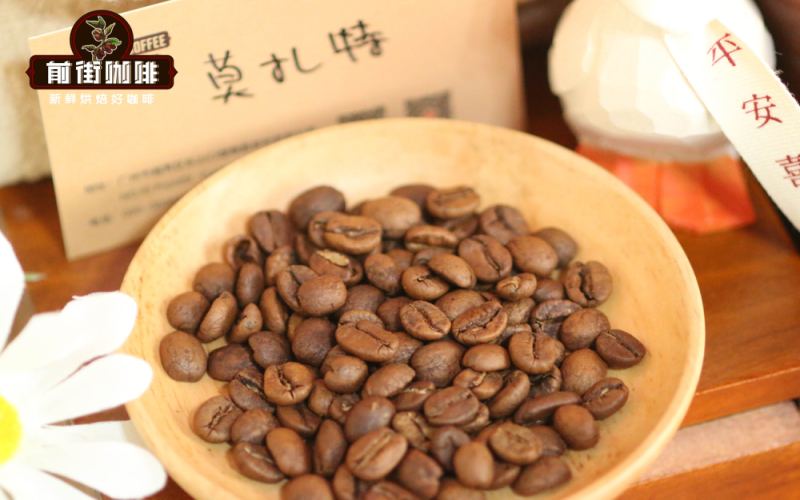
Introduction to the World's Top Ten Coffee-Producing Countries | Which country's coffee is smooth and not bitter? Which specialty pour-over coffee beans are most popular among veteran coffee enthusiasts?
Since the fifteenth century, coffee has served as a common beverage and a pick-me-up tonic. It was not until the rise of the third wave of specialty coffee that roasters began to favor lighter roast profiles, and the distinctive acidity and aroma in coffee won over one group of coffee drinkers after another. Many who have just come to appreciate [more…]
Analysis of Signature Beans from the World's Six Major Coffee-Producing Countries: A Must-Drink List from Yirgacheffe to Yunnan Typica
Coffee, cocoa, and tea are ranked as the world's three major beverages. Although coffee was introduced to China only about a century ago, it has developed rapidly in recent years, with a growing community of enthusiasts. Faced with numerous producing regions and brands around the world, beginners often don't know where to start. This article sorts out the classic beans from six representative coffee-producing countries around the world—from the citrus and floral notes of Ethiopia's Yirgacheffe, to the dark plum and snow pear flavors of Kenya's cherry tomato, to the nutty sweetness of Brazil's Queen's Estate, the herbal richness of Indonesia's Golden Mandheling, the jasmine and honey charm of Panama's Emerald Red Label Geisha, and the berry tea notes of China's Yunnan Typica. Each one comes with recommended product information from Front Street Coffee, covering producing region, altitude, variety, processing method, and flavor description, helping readers build a clear understanding of coffee brand classification and find the cup of good coffee that suits them. [more…]
Tanzania Arusha Kilimanjaro Coffee Beans: A Complete Guide to Origin, Quality Characteristics, and Buying Tips
Front Street Kilimanjaro Coffee comes from the area around Mount Kilimanjaro, the highest peak in Africa, in northeastern Tanzania. It is one of the finest representatives of Tanzanian AA coffee beans, with a unique cocoa-fruity aroma and strong, mellow sweetness. Starting from Tanzania's geography and coffee economy, this article introduces the origin and cultural history of Kilimanjaro coffee, outlines its producing regions, quality characteristics and flavor expression, and organizes practical ways to judge when buying fresh coffee beans, as well as the key principles to grasp when blending coffee, such as selecting beans, removing defective beans, and understanding bean variety traits and roast levels, helping coffee lovers gain a more comprehensive understanding of this coffee known as "the most African in character." [more…]