







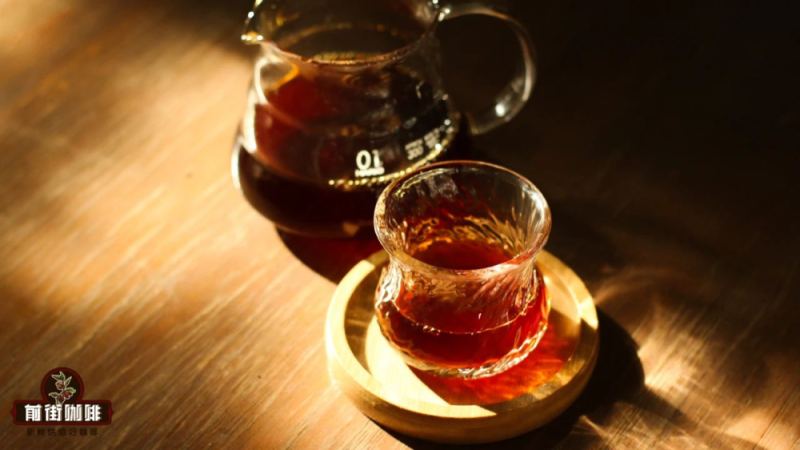
What Makes Kilimanjaro Coffee Taste So Distinct?
Kilimanjaro coffee comes from the volcanic slopes of Africa's highest mountain range in northeastern Tanzania. The region accounts for about 75 percent of the country's coffee production, and its volcanic ash soil, wide temperature swings and ample rainfall give the beans bright acidity with a full body, prominent aroma, caramel sweetness and creamy chocolate notes.
Tanzania's coffee farms are spread widely across the country, but Kilimanjaro remains the recognized calling card. The cup shows forest-like wild notes, a lingering finish and acidity reminiscent of Kenyan wine-like quality, plus a hint of almond as it cools. Roasting and pour-over parameters are usually adjusted to protect that aromatic intensity.
Tanzania is an important coffee-producing country in East Africa, and the Kilimanjaro region is the country's most renowned coffee calling card. This equatorial snow-capped peak, with its volcanic ash soil, dramatic temperature swings, and abundant rainfall, nurtures coffee that combines bright acidity with a full-bodied mouthfeel. Front Street Coffee believes that Tanzanian coffee has a prominent aroma and a rich yet refreshingly smooth oily body, with forest-like wild notes, caramel sweetness, and creamy chocolate nuances, a delicate and lingering finish, and an acidity reminiscent of Kenyan wine-like quality. This article will comprehensively trace the flavor profile of Kilimanjaro coffee from the region's background, historical development, and cooperative system to brewing parameters, and will include Front Street Coffee's roasting and pour-over recommendations for coffee enthusiasts' reference.

For more specialty coffee knowledge, please follow our WeChat public account: FrontStreet Coffee
Tanzania is located in East Africa, and its coffee-growing regions are quite widely distributed. Front Street Coffee believes that the aroma expression of Tanzanian coffee is often more prominent than that of ordinary coffee beans, with a delicate and rich mouthfeel, an abundant yet very refreshing oily body, a forest-like wild aroma, and a steady caramel-like sweetness. The elegant and intense creamy chocolate aroma blends with fruity notes, offering a full-bodied sweetness that returns, a delicate and long-lasting finish, and even a hint of almond aroma when slightly cooled. When slurped, it presents an acidity similar to the wine-like quality of Kenyan coffee. When it comes to Tanzanian coffee, Front Street Coffee believes that coffee produced in the Kilimanjaro region is absolutely unavoidable. It is located in northeastern Tanzania and is the highest mountain range in Africa. This region is also the best representative of Tanzanian coffee beans, accounting for as much as 75% of the country's coffee production.
Kilimanjaro Coffee
Kilimanjaro coffee grows on the volcanic slopes of the highest mountain range in northeastern Tanzania on the African continent, possessing a unique terroir flavor, good body, and bright acidity, which places it among Africa's finest coffees.
Mount Kilimanjaro is not only the highest mountain range in Africa but also a mountain formed by volcanic eruption, and it is the world's second-largest volcanic crater. As is well known, volcanic ash soil is an excellent nourishment for cultivating coffee beans. The volcanic soil of Mount Kilimanjaro is fertile, slightly acidic, and well-draining. The climate and geological conditions work together, allowing the coffee flavor to develop with exceptional richness.
Additionally, Africa often gives the impression of being hot year-round and arid, but this is actually a great misunderstanding. Taking Mount Kilimanjaro as an example, although mountain temperatures can reach as high as 59 degrees Celsius, the summit is covered in snow year-round and can drop to minus 34 degrees Celsius. Therefore, Mount Kilimanjaro is also known as the "equatorial snow-capped peak." In terms of rainfall, the river valley can receive 800 to 900 millimeters of annual precipitation; the mountain area is cool and rainy, with the windward slope receiving 1,600 to 1,800 millimeters of annual precipitation. Growing in such a climate and geographical environment, one can well imagine how special the coffee flavor would be.
Compared with its close relative Kenya AA coffee, Tanzanian Kilimanjaro coffee has a slightly lower body and acidity, but still presents good body and brightness, as well as a delicate balance and a cup of refreshing coffee. Kilimanjaro coffee is also milder than Kenyan coffee, often presenting a smooth, velvety texture with a hint of blackcurrant. Kilimanjaro coffee is richly flavored and embodies many of the virtues of Kenyan coffee, making it one of the world's top-quality premium coffees.
Coffee Harvesting and Processing on Mount Kilimanjaro
With careful attention, Mount Kilimanjaro is undoubtedly one of the best coffees in the world. However, unlike Kenyan coffee, Kilimanjaro coffee places more emphasis on proper harvesting and processing of the coffee beans. The problem is that the Kilimanjaro region lacks coffee-related infrastructure, and this area is far less advanced than Kenya. The deeper issue is that coffee farmers on Kilimanjaro lack motivation and are very careful at every stage of the coffee bean process.
Therefore, although finding and buying Kilimanjaro coffee is not difficult, finding truly exceptional Kilimanjaro coffee is relatively difficult. It is hoped that this situation will improve in the future, as coffee beans from the region receive better care. Currently, coffee farmers only have the incentive to separate and sell peaberry beans from the region, which has already earned a premium. Coffee farmers generally do not care much about how these beans are handled.
Kilimanjaro Coffee Politics
The coffee politics in the Kilimanjaro region remain fragile. A bit of history: for example, in 2005, Peet's Coffee & Tea launched a Tanzanian coffee bean from Kilimanjaro, which they purchased from 839 small-scale growers. For the second consecutive year, they were able to sell directly to coffee roasters without participating in the national coffee auction.
In 2000, Peet's began collaborating with the Kilimanjaro Specialty Coffee Growers Association (KILICAFE), and by 2005, the association had grown to more than 8,000 small coffee growers. One of the goals was to improve the quality and consistency of Kilimanjaro coffee beans. By bypassing the national coffee auction and selling directly to coffee roasters, farmers received higher prices, and the quality of premium coffee was greatly improved.
In the past, the Kilimanjaro Coffee Growers Association (KiliCafe) was part of Starbucks Coffee and Farmer Equity (CAFE) program, establishing long-term best practices for production.
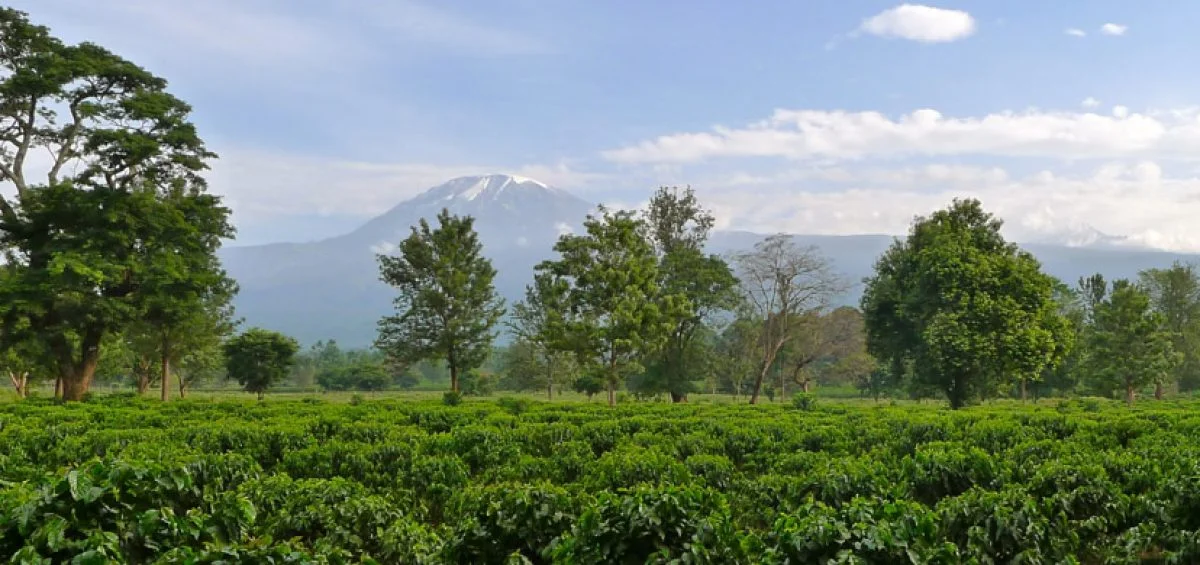
Kilimanjaro Native Cooperative Union
The Kilimanjaro Native Cooperative Union (KNCU) is the oldest cooperative in Africa, and coffee is their most important cash crop. They grow on the volcanic rock soil of Kilimanjaro, producing wet-processed (washed) Arabica coffee. Coffee trees are often intercropped with bananas.
More than 150,000 smallholders from nearly 100 village societies supply approximately 5,300 tons of Arabica coffee to KNCU. This coffee accounts for about 60% of the region's coffee, although this proportion varies depending on the market and private trade agreements that offer competition. KNCU is registered as a Fair Trade supplier and exports some of its beans under the Fair Trade coffee name. The coffee collected and traded by KNCU accounts for about 11% of the country's total coffee production. KNCU also supports staff in providing organic coffee development, training, and inspection, working with farmers to improve quality and yield while helping the environment and enabling farmers to earn higher profits.
The WACHAGGA People of Kilimanjaro
More than 2,000 small coffee farmers on Mount Kilimanjaro were selected to participate in this project, including Moshi coffee farmers and the indigenous Wachagga people of the mountain region, who speak Bantu. They are the third-largest ethnic group in Tanzania.
The Wachagga people mainly live on the eastern and southern slopes of Mount Kilimanjaro, as well as in the Mount Meru and Moshi areas. For over a thousand years, they have been known for successfully using extensive irrigation systems, fertilization, and other agricultural methods. The fertile soil, abundant rainfall, and mild climate of the Kilimanjaro region provide optimal conditions for the many small coffee farms in the area known as shambas, where coffee is often intercropped with bananas.
The region's organic premium farmers help protect the fertility of the volcanic soil and maintain shade trees. By eliminating intensive cultivation, coffee farmers earn higher profits and reduce health risks.
Harvesting Coffee on Mount Kilimanjaro
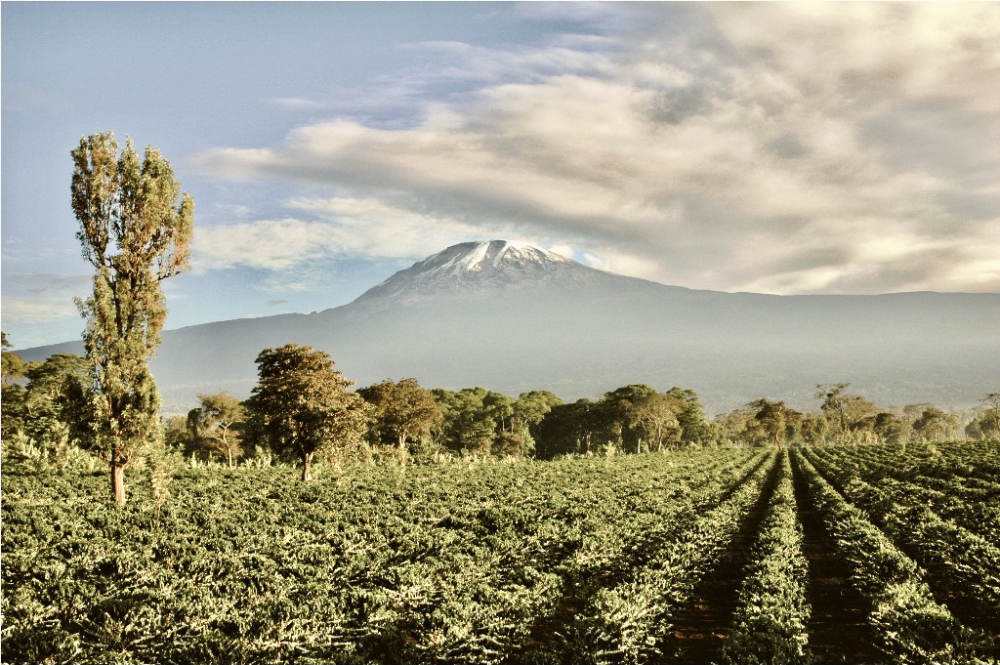
Mount Kilimanjaro stands at 5,334 feet (5,893 meters) above sea level, making it the world's tallest free-standing mountain. The coffee harvest season in the Kilimanjaro region lasts from October to February. Approximately one million people live on the coffee-growing slopes of Mount Kilimanjaro, and coffee farming is the sole source of income for many of them. Recently, changing weather patterns due to climate change and temperature shifts have led to coffee leaf rust (locally known as "roya"), which has destroyed more than 90% of the trees—enough for the local government to declare it a national emergency.
FrontStreet Coffee uses this Tanzanian Kilimanjaro coffee bean as an example for brewing, to taste its flavor.
FrontStreet Coffee Roasting Recommendations:
This Tanzanian coffee consists of large, uniformly sized beans with a grayish-green color. It has a relatively strong acidity and sweet aroma, with an excellent flavor. After a medium-light roast, it releases sweetness and a light acidity.
Bean charging temperature: 170°C, turning point: 6'30'', 150.8°C, first crack: 10'16'', 182.7°C, first crack development 1'45'', drop at 193°C.
FrontStreet Coffee Brewing Parameters
Dripper: V60
Coffee-to-water ratio: 1:15
Water temperature: 91°C
Grind size: pour-over fine granulated sugar
FrontStreet Coffee Brewing Method
30g-125g-225g. Bloom with 30g of water for 30 seconds. After blooming, pour in a circular motion to 125g. Once the water level drops to halfway, continue pouring in a circular motion to 225g.
FrontStreet Coffee Flavor Description
Dry aroma: caramel; Wet aroma: berry; Flavor: citrus on the palate, honey, berry, tea-like quality.
The above content is compiled by CoffeeHunters, a coffee news website.


