







Search Results for: Seasonal Coffee Beans
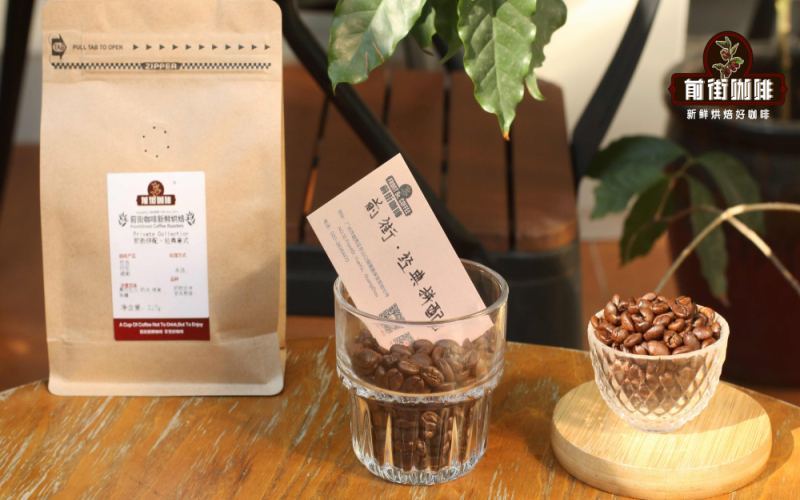
A Complete Guide to Espresso Blend Coffee Beans: Blending Principles, Raw-Roasted Blending Methods, Seasonal Recipes, and Brand Recommendations
Blended coffee beans are the flavor cornerstone of espresso, but there is a great deal of craft behind how to blend an outstanding shot. This article begins with the basic logic of blending: a good recipe must surpass any single-origin bean in the blend, and the number of bean varieties should ideally be kept to no more than five; it then analyzes the differences between the two processes of roasted blending and green blending, along with their respective resting times—3-4 days for green blending and about a week for roasted blending; next, it introduces the seasonal blending concept popular in the specialty coffee world, and uses the standout sweet Front Street Strawberry Candy espresso as an example to break down its composition of origins and processing methods; finally, it presents the cost-performance ledger of Guangzhou Front Street Coffee's commercial blend beans—less than 1.5 yuan per cup—providing a clear reference for your purchasing decision. [more…]
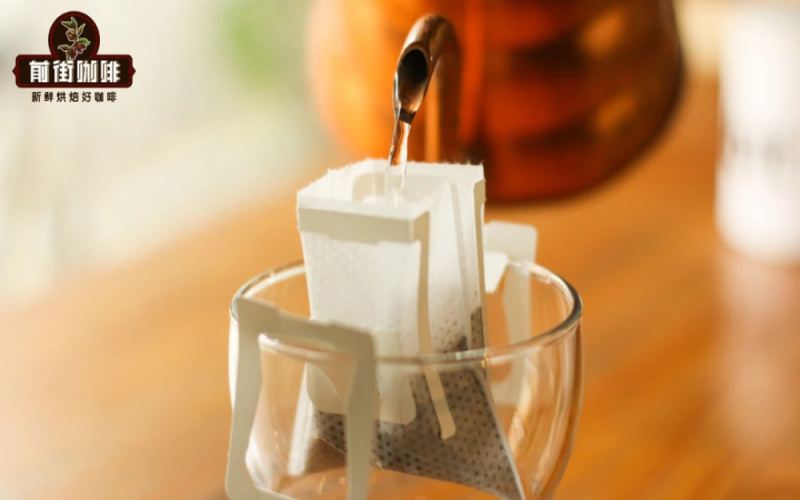
How to Brew Drip Bag Coffee for a Richer, More Aromatic Cup? Deep-Roast, Low-Acid, Mellow-Bitter Flavor and Three Seasonal Drip Bag Picks from Front Street Coffee
Drip bag coffee has become increasingly popular in recent years because it is easy to use and lets you enjoy a freshly brewed flavor at home. It was first invented and patented by the Japanese, sealing coffee grounds inside a filter bag with two side flaps that rest on the rim of the cup, so it can simply be thrown away after brewing. Compared with pour-over, drip bags are more convenient, but with a little extra attention to detail, you can noticeably enhance the aroma and strength. First, you need to be clear about the flavor direction you prefer: if you like a rich, bitter taste and do not accept sourness, medium-dark roast drip bags will satisfy you more easily. With this idea in mind, this article introduces three seasonal drip bags from Front Street Coffee—Indonesia Mandheling, Brazil Cerrado, and Jamaica Blue Mountain—corresponding to three needs: intense and low-acid, balanced acidity and bitterness, and premium single-origin. [more…]
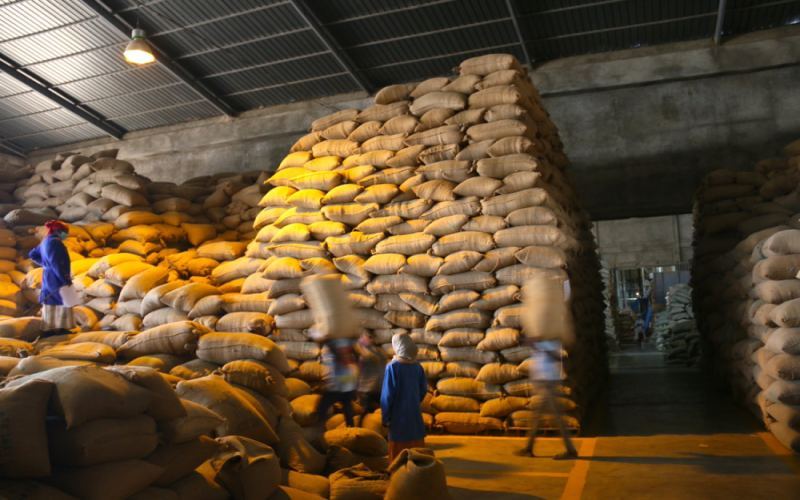
A Complete Guide to Green Coffee Packaging and Storage: From Jute Bags to Vacuum Seals and Freezing Methods
From the moment green coffee beans leave their place of origin and reach the roaster, the packaging and storage methods directly affect the final flavor. In the past, burlap sacks were the mainstream, but today specialty coffee has driven a series of more refined packaging and storage technologies, including vacuum bags, grain bags, and even frozen storage. This article will systematically introduce the commonly used green bean packaging methods, their respective advantages, disadvantages, and costs, and discuss warehouse environment management as well as different understandings of the concept of "seasonal." Whether you are a roaster or a coffee enthusiast, you can learn from this how to better maintain the freshness and quality of green beans. The burlap sacks commonly seen at Front Street stores are also mentioned in the article as one of the most economical options. [more…]
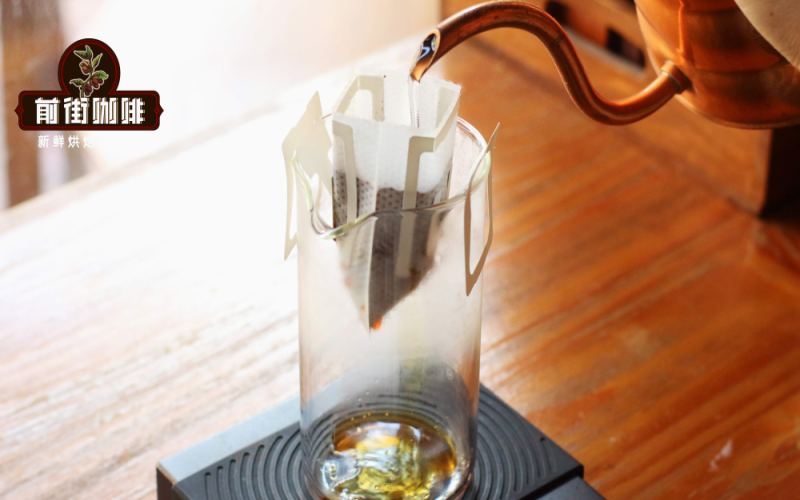
Should You Steep Drip Coffee? A Complete Guide to Brew Time, Water Temperature, Cup Type, and Water Volume, Plus 5 Seasonal Front Street Coffee Drip Coffee Recommendations
Drip bag coffee has become the top choice for many people when they are out and about, thanks to its advantages of simple operation, rich variety, and the ability to enjoy fresh black coffee anytime, anywhere. But do drip bags really need to be soaked? How long should a cup take to brew? How should you control the water temperature, cup type, and water amount? This article explores the brewing principles and practical details of drip bag coffee, explaining that, like pour-over, it relies on hot water flowing through the coffee grounds to complete extraction, and provides references such as staged pouring and a total time of 1 minute 20 seconds to 2 minutes. It also summarizes the flavor characteristics of Front Street Coffee's 5 seasonal drip bag coffees, including Huakui, Yirgacheffe Gidding, Indonesian Mandheling G1, Yunnan Small Bean, and Brazil Cerrado Red Bourbon, making it easy to choose according to taste preferences. [more…]
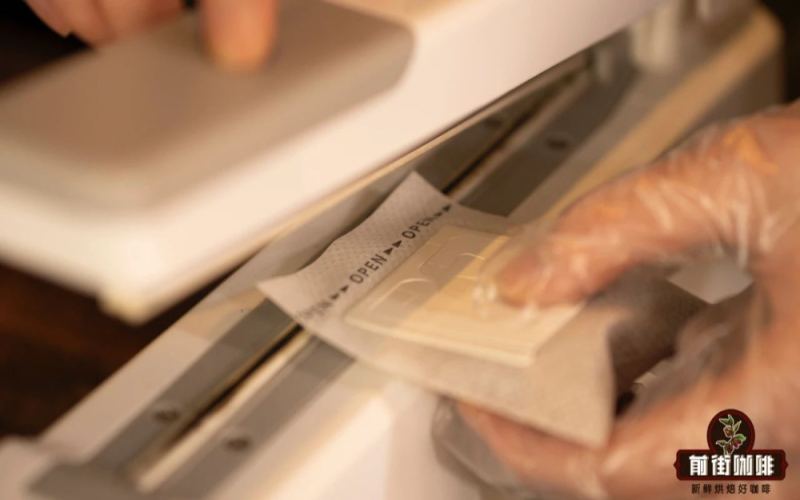
Beginner's must-read: A detailed guide to buying specialty drip coffee bags and brewing techniques for drip coffee
As a portable yet fresh form of coffee, drip bag coffee has won the favor of more and more coffee lovers in recent years. But faced with the dazzling array of products on the market, how should beginners choose? Starting from the definition and flavor characteristics of drip bag coffee, this article combines a number of Front Street Coffee's seasonal drip bag products to provide beginners with clear purchasing guidance, while also breaking down in detail the five major brewing steps for drip bag coffee, helping you easily recreate a high-quality pour-over-style coffee at home. [more…]
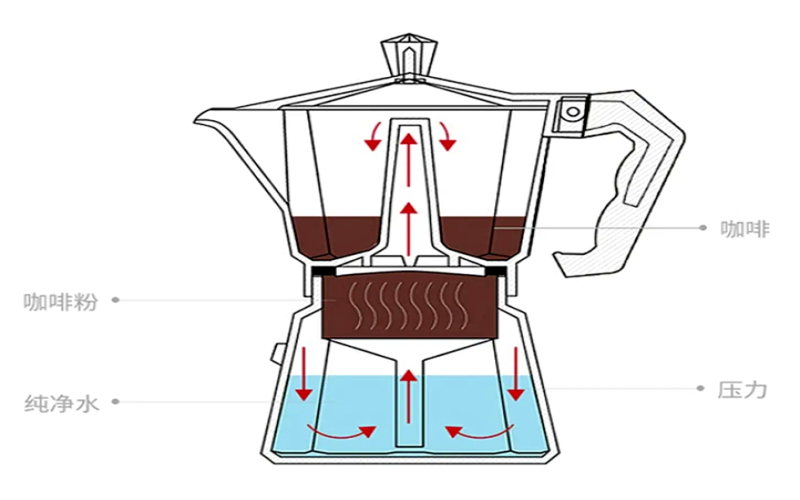
Moka pot produces no liquid at all / moka pot brews extremely slowly: a seasonal bean-list approach
In the early days of buying beans, chasing too many flavors at once isn't very meaningful. A more reliable path is to choose a bean with a clear profile and high brewing compatibility, fix your dose, grind, and water temperature, then observe how the entry, sweetness, and finish change—this is how a taste reference gradually takes shape. The working principle of a moka pot is steam pressure, and the coffee bed [more…]
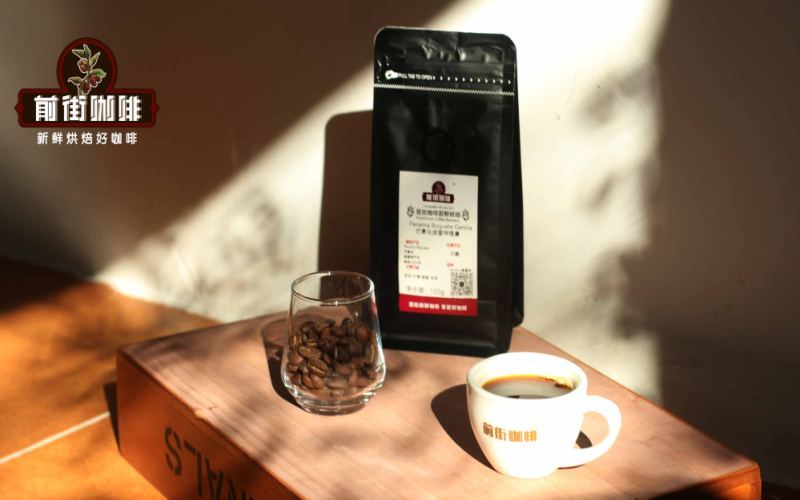
Front Street Coffee Limited-Time Special: Blue Label Geisha half price at 49 yuan for 100 grams, everyday beans from 9.9 yuan, seasonal drip bags at 19.9 yuan
Front Street Coffee (FrontStreet Coffee) launches its annual mega-value promotion, featuring selected drip coffee bags, six best-selling everyday beans, and thirteen specialty beans, with single-origin beans at up to 50% off. Among them, the Panama Hacienda La Esmeralda Blue Label Geisha is half price at only 49 yuan/100g, while everyday beans such as Yunnan small-batch, washed Yirgacheffe, and Mandheling are as low as 9.9 yuan/100g, and seasonal drip coffee bags are 19.9 yuan/box with free shipping nationwide. The promotion runs from July 15 to 17, only three days. This article details the flavor characteristics, processing methods, and Taobao codes of each discounted bean, and also includes a primer on Geisha grades (Red Label, Green Label, Blue Label) along with brewing suggestions, helping coffee lovers taste specialty coffee at affordable prices. [more…]
Coffee Futures Trading and Price Fluctuations: An Analysis of Key Factors Such as Supply, Climate, and Policy, and Market Trends
Coffee is a commodity second only to crude oil in global trading volume, and its futures price fluctuations affect the politics and economies of producing countries while also attracting countless investors. This article systematically examines the major core factors influencing coffee bean prices: changes in supply, climate and pests, government policies of various countries and measures by the International Coffee Organization, strikes and market rumors, and seasonal patterns. At the same time, it provides an in-depth analysis of the special position of major producing countries such as Brazil, revealing the market logic and investment opportunities behind the key break-even line of $1 per pound. [more…]
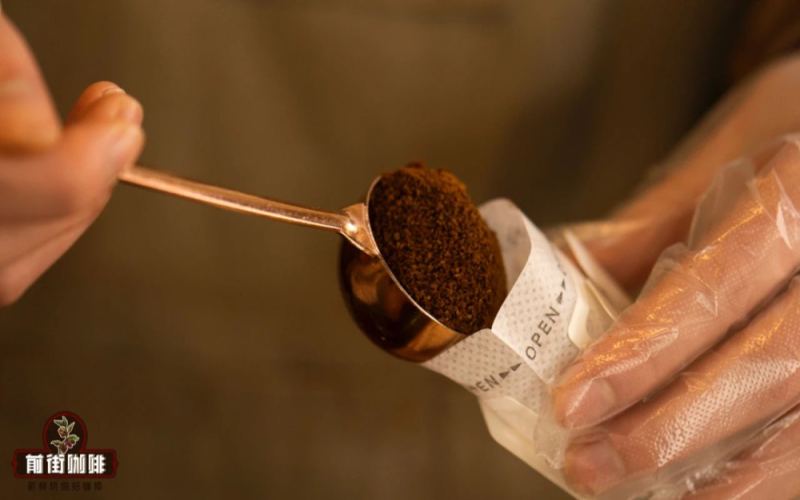
Can you just drop a drip coffee bag straight into a cup and brew it? A guide to the correct way to enjoy specialty freshly ground drip coffee bags
Drip bag coffee, with its portability and flavor close to pour-over, has become a daily choice for many coffee lovers. But many people wonder: can it be brewed by simply pouring it into a cup like instant coffee? The answer is no. The coffee particles inside a drip bag are ground coffee beans, which cannot dissolve in water and require the filter bag for drip extraction. This article will break down the correct brewing steps for drip bag coffee in detail, from cup type selection, water temperature control to the pouring ratio, and based on different taste preferences, recommend three seasonal drip bags from Front Street: Yirgacheffe, Brazil Cerrado, and Indonesia Mandheling, helping you easily make a cup of full-flavored pour-over-grade coffee. [more…]

Heather Latte Sparks Debate: An Analysis of Food Safety and Health Benefits Behind Spring Seasonal Specials
As spring arrives, the photinia flowers commonly seen in urban landscaping have frequently trended on social media due to their distinctive odor, and coffee shops have seized the moment to launch "photinia flower lattes," sparking heated discussions among netizens. This special drink claiming to capture the taste of spring has a comment section filled with sounds of disgust. Can photinia flowers actually be eaten? What medicinal value and health benefits do they have? And what kind of gastrointestinal effects might they bring when paired with coffee? This article will provide a detailed analysis of this highly controversial spring special from the perspectives of preparation methods, food safety, medicinal value, and caffeine stimulation. Meanwhile, relevant recommendations from Coffee Workshop and Front Street Coffee (FrontStreet Coffee) are retained in the article for coffee enthusiasts' reference. [more…]

Green Coffee Packaging, Storage Conditions, and Seasonality: A Full Analysis of Jute Bags, Vacuum Bags, GrainPro Bags, and Freezing Methods
The quality of green coffee beans depends not only on origin and processing method; their packaging and storage methods are equally crucial. From the most common jute bags to vacuum bags, grain bags, and even frozen storage, different packaging methods vary significantly in their protective effect on green beans and their cost. Over the past decade, specialty roasters have driven innovation in packaging and transportation methods, using faster and more scientific approaches to lock in the freshness of green beans. This article will systematically review the advantages and disadvantages of commonly used packaging, the requirements of the storage environment, and explore the concept of "seasonality," which has attracted much attention in recent years. Whether you are a roaster or a coffee enthusiast, understanding this knowledge can help you better judge and preserve coffee beans. [more…]
Pour-Over Drip Bag Coffee Brewing Guide: Can You Brew It Directly with Milk? Detailed Explanation of Water Temperature, Water Amount, and Step-by-Step Instructions
Drip bag coffee, with its convenience and flavor retention, has become the preferred way for many people to get their daily black coffee. But there are also many questions surrounding it: Can it be brewed directly with milk? What water temperature is appropriate? This article starts with the origin of drip bag coffee, sorts through the origin stories behind Front Street Coffee's products such as Sun-Dried Red Cherry, Brazil Red Fruit, Honduras Sherry, and the seasonal drip bag packs, and explains in detail the brewing water amount, water temperature, blooming time, and operating steps. Finally, it answers the feasibility and precautions of adding milk, helping coffee lovers more fully grasp the key points of brewing drip bag coffee. [more…]
Four Cats Coffee Tasting Comparison: Flavor Differences and Buying Advice vs. Nescafé and G7 Instant Coffee
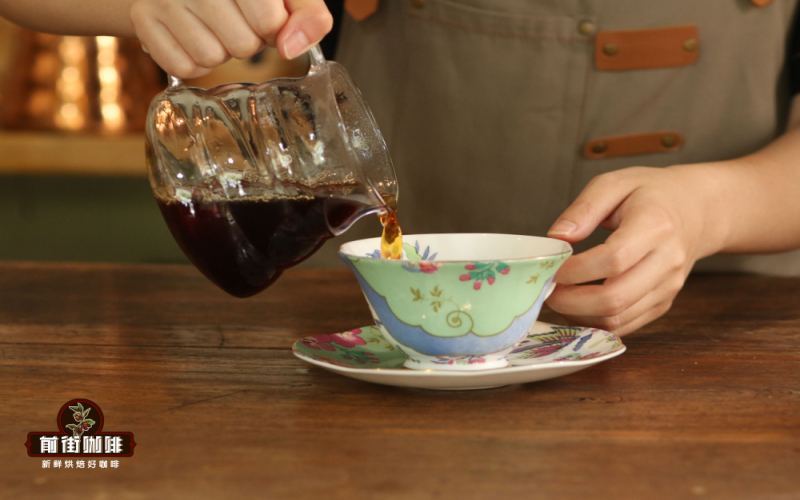
In the world of instant coffee, Four Cats, Nescafé, and Vietnam's G7 are three of the best-selling brands on e-commerce platforms, each relying on different coffee bean sources and blending approaches to deliver distinctly different drinking experiences. Over 98% of Four Cats Coffee's raw materials come from high-mountain coffee beans grown in Yunnan, while Nescafé blends Yunnan Arabica with Hainan Robusta, and Vietnam's G7 uses locally grown Vietnamese Robusta beans. This article will help you decide which one suits you best from three dimensions—alertness-boosting effect, smoothness of taste, and value for money—while also sorting out the differences between instant coffee and freshly ground coffee in terms of production process and health impact, and introducing Front Street Coffee's drip bag series along with its brewing method. [more…]
Front Street Coffee Limited-Time Offer: Blue Label Geisha Half Price ¥49 for 100g, Everyday Beans as Low as ¥9.9, Seasonal Drip Bags ¥19.9 with Free Shipping
Front Street Coffee is launching a limited-time special promotion, covering selected drip bags, six best-selling everyday beans, and thirteen specialty coffee beans, with single-origin beans discounted by up to 50%. Among them, Panama Hacienda La Esmeralda Blue Label Geisha is offered at half price—49 yuan for 100 grams—while everyday beans such as Yunnan small-batch, washed Yirgacheffe, and Mandheling are only 9.9 yuan. This season’s drip bags are 19.9 yuan for a box of ten, with free shipping nationwide. The promotion runs from July 15 to July 17, only this once. Whether you need everyday staples or want to try the Geisha flavor profile, this sale is worth checking out. Below, we introduce each product and its flavor characteristics in the order of drip bags, everyday beans, and specialty beans. [more…]
Comparison of Four Cats, Nescafé, and G7 Instant Coffee: Why Drip Bag Coffee Is More Worth Recommending
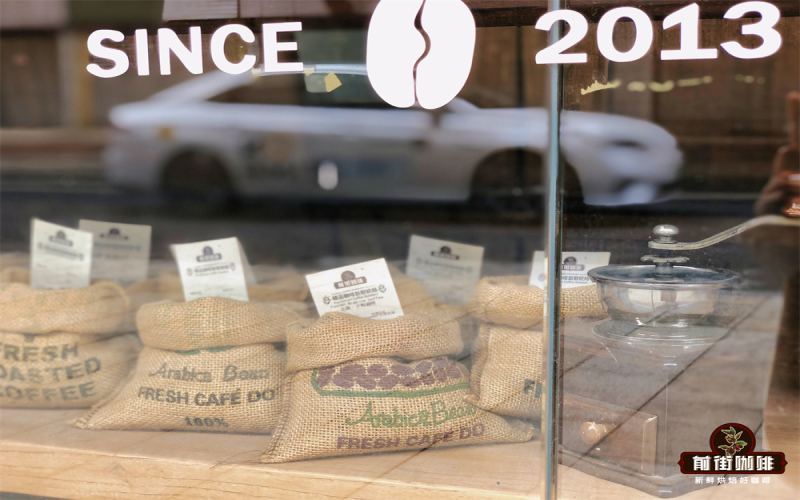
Instant coffee has carved out a place for itself in everyday drinks thanks to its convenience, and Sizhimao, Nescafé, and Vietnam's G7 are currently three of the most widely discussed instant coffee brands in China. Each has its own emphasis in raw material regions, flavor performance, and pricing strategy, while also sharing the inherent health concerns of instant products. This article will go through these three brands one by one in terms of their coffee bean sources, taste rankings, and value for money, and further introduce the advantages of drip bag coffee as an alternative, including Front Street Coffee's specific recommendations on freshness control, flavor choices, and brewing methods, to help coffee lovers find the option that better suits them between convenience and quality. [more…]
Green Coffee Storage | What Are Green Coffee Packaging Methods? Introduction to Green Coffee Storage Temperature, Humidity, and Shelf Life
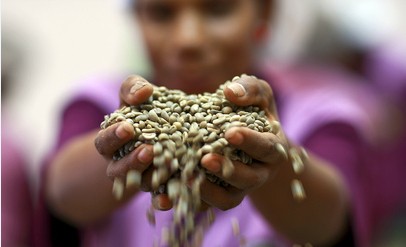
Until recent years, all coffee beans were packaged in burlap sacks and transported in shipping containers, only reaching roasters several months after the beans had been processed. If roasters and importers occasionally wanted to cup coffee beans from the place of origin, or taste a "pre-shipment sample," what they received instead would be stored [more…]
How should you brew drip coffee bags to make them taste good? A full breakdown of coffee-to-water ratio parameters and the number of times you can re-brew
Drip coffee bags, with their advantages of requiring no skill and no equipment, have become a convenient choice for busy coffee lovers. But many people still have questions about their brewing parameters: What powder-to-water ratio is appropriate? What temperature should the water be controlled at? Can they be brewed repeatedly? This article starts with the background of the birth of Front Street drip bags and the product series, then breaks down key steps one by one, including warming the cup, pre-wetting, and pouring water. It clarifies the standard that one 10g drip bag corresponds to 150g of coffee liquid and a water temperature of 90-92°C, and explains why drip bags are only suitable for brewing once. Whether you choose Front Street sun-dried Sidamo, semi-washed Brazil Red Fruit, or the full-of-surprises seasonal drip bag, mastering these details will allow the flavor to be presented more completely. [more…]
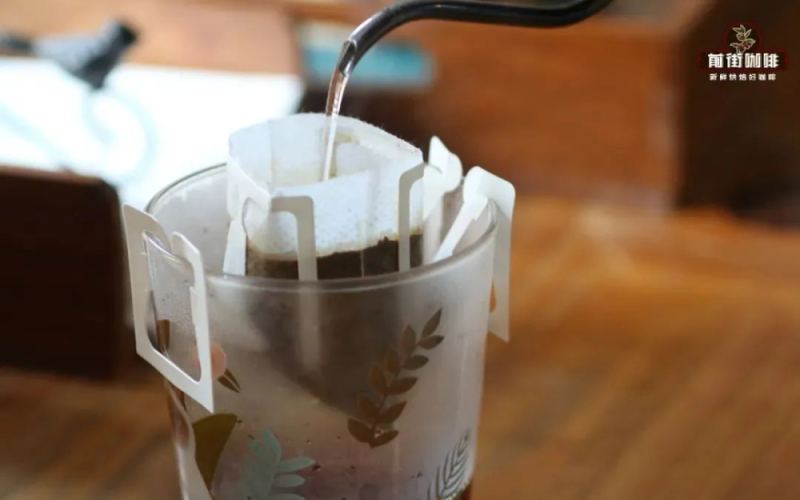
The Complete Guide to Brewing Drip Coffee Bags: Water Ratios and Strength Adjustment Tips for 10g of Coffee
Drip coffee bags have become the daily go-to for many coffee lovers thanks to their advantages of requiring no complex equipment and being able to brew a cup of drip-filter black coffee anytime. But simplicity doesn't mean carelessness—how much water is the right amount to pour? How exactly do you perform the three-stage pour? And how should you adjust the parameters for iced brewing? This article uses a 10-gram drip bag as an example to explain in detail the coffee-to-water ratio, pouring technique, and water flow control points for both hot brewing and iced brewing scenarios. It also offers actionable adjustment ideas for when the taste is too strong or too weak, and recommends several seasonal drip bags from Front Street Coffee in different flavor profiles to help you easily find the cup that suits you. [more…]
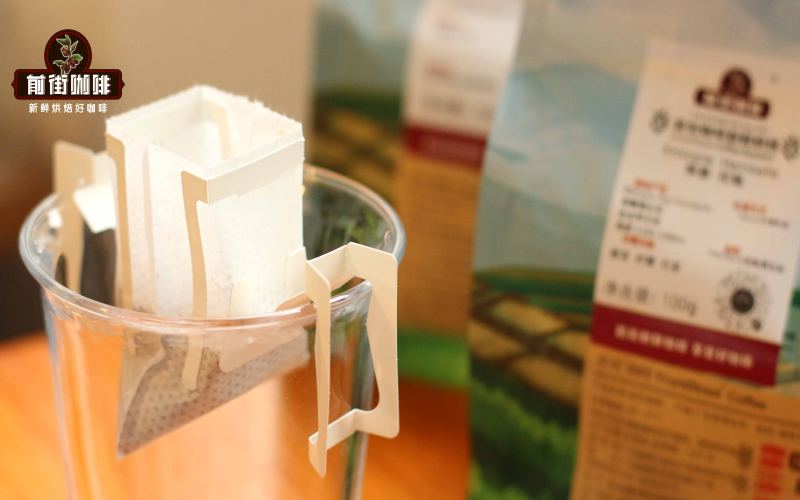
How to Choose a High-Value Black Coffee Brand? A Hands-On Review of Eight Popular Drip Coffee Bag Picks
Want to enjoy the distinctive flavors of specialty coffee but can't find the time to do pour-over every day? Drip bag coffee is the most hassle-free alternative. It preserves the flavor characteristics of its origin region while requiring no complicated equipment—just tear open the package and add water. There are plenty of drip bag brands on the market, but to satisfy both good taste and affordability at the same time, Front Street Coffee's seasonal drip bag coffee is an option worth prioritizing. Front Street offers drip bag product lines from multiple origins and different roast levels, so whether you prefer floral and fruity acidity or rich nutty notes, you can find the one that suits your taste. Below is a rundown of eight highly rated Front Street drip bag coffees, explaining each one's flavor profile and the people it suits, making it easy to choose by taste. [more…]
When Coffee Beans Are Deconstructed to the Molecular Level: Can Atomo's "Molecular Coffee" Become a New Solution for the Industry?
Coffee is the most heavily traded agricultural commodity in the world, yet its production is constrained by seasons, climate, and pests and diseases. Single-origin coffees such as SOEs are even more obviously seasonal, with supply fluctuating unpredictably. Some scientists have reverse-engineered coffee beans at the molecular level, attempting to preserve caffeine and the desired flavor without relying on coffee beans, and have co-founded the Atomo brand with entrepreneurs to develop "molecular coffee." This attempt responds both to the hidden worry that future coffee varieties may disappear on a large scale and to multiple issues such as traditional brewing rituals, flavor replication, and environmental ethics. Will it open a new path for traditional coffee, or will it bring disruption? This article will sort through the technical logic, flavor challenges, and industry impact of molecular coffee. [more…]