








How to make coffee from powder in a drip bag
One 10g drip bag should yield about 150g of coffee liquid at 90-92°C. Warm the cup, pre-wet the grounds to let them bloom, then pour in stages. A drip bag is meant to be brewed only once, because the second round mostly pulls out bitterness and loses the flavors the roaster intended.
The format traces to Japan: Yamanaka Sangyo adapted tea bags to coffee in 1990, and Daiki Shoji improved the extended drip design in 1998. Front Street's line includes Natural Ethiopia Sidamo and Semi-Washed Brazil Red Fruit. The same methods amount to how to make coffee from powder without a grinder, plus basic fermentation tips for baristas.
Drip coffee bags have become a convenient choice for busy coffee lovers thanks to their advantages of requiring no technique and no equipment. But many people still have questions about their brewing parameters: what ratio of coffee to water is appropriate? What temperature should the water be controlled at? Can it be brewed repeatedly? This article starts with the background of the birth of Front Street drip bags and the product series, then breaks down key steps such as warming the cup, pre-wetting, and pouring water one by one, clarifying the standard that one 10g drip bag corresponds to 150g of coffee liquid at a water temperature of 90-92 degrees, and explaining why a drip bag is only suitable for brewing once. Whether you choose Front Street Natural Ethiopia Sidamo, Front Street Semi-Washed Brazil Red Fruit, or the surprise-filled seasonal drip bags, mastering these details will allow the flavor to be presented more completely.
Nowadays, more and more people drink coffee, and the group pursuing specialty coffee continues to expand. However, the brewing process for specialty coffee is cumbersome and time-consuming, which is not friendly to enthusiasts with a fast-paced lifestyle. It is precisely based on this pain point that Front Street launched drip bag coffee, with the aim of allowing everyone to drink a cup of good-quality specialty coffee anytime and anywhere without having to master brewing skills. Some enthusiasts tell Front Street's baristas that drip coffee bags seem unprofessional. Front Street believes there is no need to deny the existence of drip coffee with such a perspective—for any kind of food to reach the masses, it needs to develop more convenient forms.
The Origin of Drip Coffee Bags In 1990, Japan's Yamanaka Sangyo Co., Ltd. transplanted the idea of tea bags to coffee, invented filter-drip coffee, and applied for a patent. However, Yamanaka Sangyo's initial drip design could not withstand the weight of the coffee during brewing and was also prone to imbalance during the brewing process, so it was not successfully commercialized. It was not until 1998 that Daiki Shoji improved this invention by extending the drip portions outward, forming the drip coffee we are familiar with today.
The drip bag series currently available at Front Street includes: Front Street Natural Ethiopia Sidamo, Front Street Semi-Washed Brazil Red Fruit, Front Street Wet-Hulled Mandheling, and seasonal drip bags randomly combined from coffee beans from 5 major producing regions. Of course, if customers want drip coffee bags made from specified coffee beans, Front Street also supports on-site custom processing. The Ethiopia Sidamo producing region has an altitude between 1400-2200m. Front Street Natural Sidamo has a rich fruity aroma and a smoothness brought by fermentation. The reason Front Street chose it as a member of the drip bag series is that it is very suitable for people who want to drink a strong flavor but do not want too heavy a mouthfeel, achieving a good balance between aroma and taste.
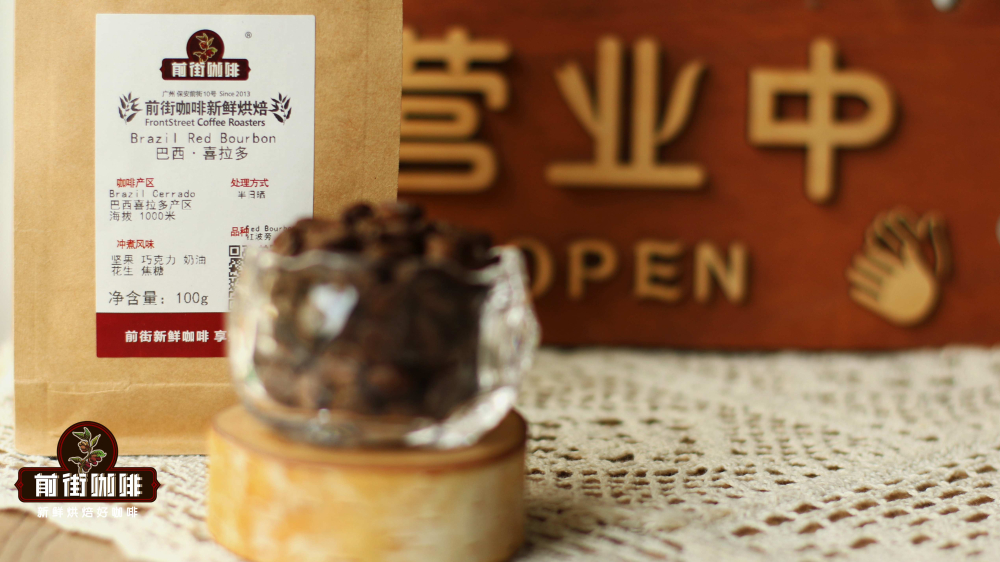
Front Street Semi-Washed Brazil Red Fruit This bean comes from the Cerrado region in central-western Brazil. The region has an altitude of 1100-1300m and is located in the prime area of the savanna, with higher altitude and fertile soil, producing coffee beans that are sweet and mellow. Combined with Brazil's unique semi-washed processing method, Front Street believes that coffee beans from this region have high sweetness, low acidity, and obvious nutty aroma.
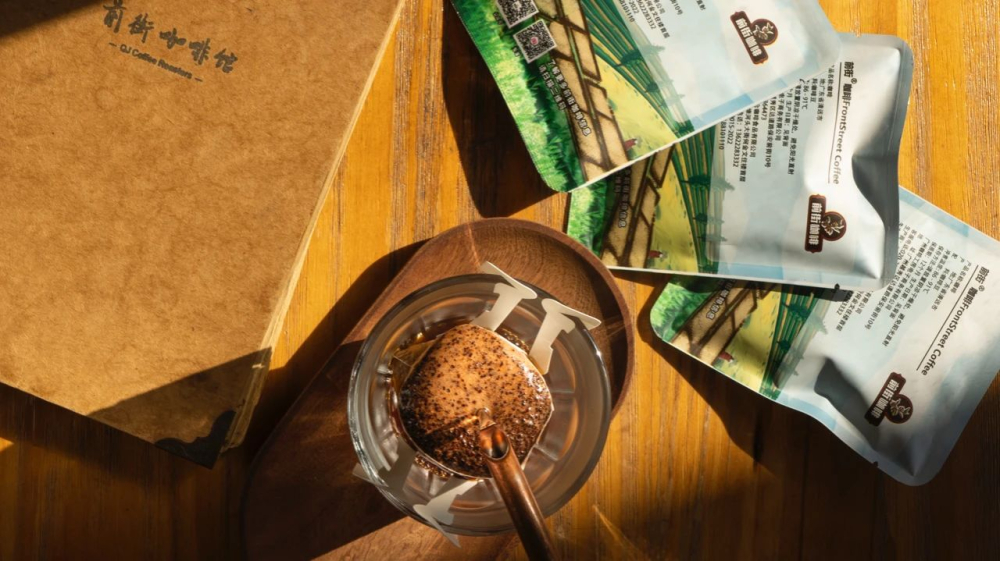
Seasonal Drip Bags are made from coffee beans randomly selected from 5 of the 6 major producing regions currently offered by Front Street. Buying seasonal drip bags is like opening a blind box—you might receive an unexpected surprise.
How Should Drip Coffee Bags Be Brewed? A drip coffee bag can only be brewed once. One bag of Front Street drip coffee (10g) A pot of hot water at 90-92 degrees A cup you like The coffee-to-water ratio is 1:15 (a 10g drip bag brews 150g of coffee liquid)
Warm the cup: First prepare the cup and pour in some hot water to warm it. This is to prevent the brewed coffee from cooling too quickly—coffee constantly changes flavor as the temperature drops, and if it cools too abruptly, you will miss many different layers of taste. Hang it up: First gently shake the drip bag to let the coffee grounds fall back to the bottom, avoiding powder scattering when tearing it open; then pour out the hot water in the cup, tear open the drip bag seal, spread out the paper tabs on both sides, shake a few times to level the coffee grounds, and finally hang it on the rim of the cup.
Pre-wetting: The first pour should be just enough to wet the coffee grounds; too much or too little will affect the flavor, then let it sit for 20 seconds so the coffee grounds fully absorb water. The strength of the coffee can be adjusted through the pre-wetting time; extending it to 40 seconds will give you a stronger coffee. Pouring water: For the second pour, you can fill to eight-tenths of the filter paper, preferably using a thin, long stream of water; after the water level drops to the height of the pre-wetting stage, continue pouring to eight-tenths full until 150 to 180cc has been extracted. After extraction is complete, there is no need to wait for all the water in the filter paper to drip through; simply discard it.
Note!! Once a drip coffee bag has been brewed, it cannot be brewed again, otherwise you will only get a cup of coffee that tastes bad and is harmful to your health, so do not feel it is a waste. The drip bag itself is a product of good quality and low price.
The above content is compiled by CoffeeHunters, a coffee news website.


