







Search Results for: Qingxin Da Mao
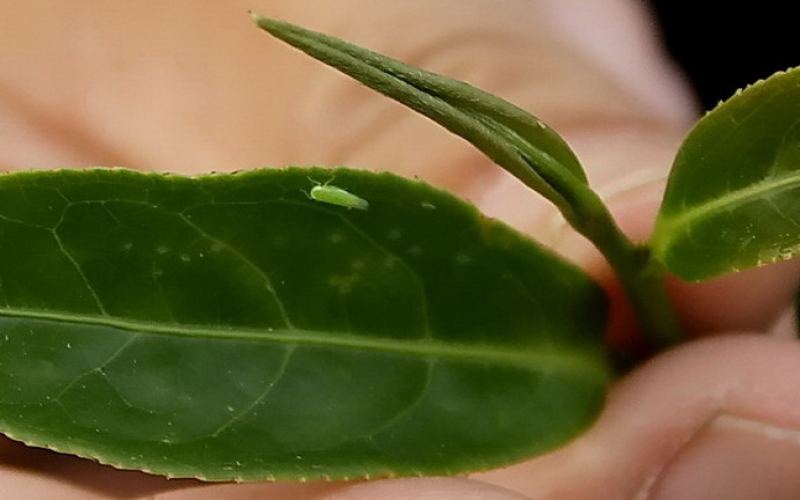
Honey-Scented Black Tea Cultivar Analysis: The Causes of Honey Fragrance in Tai Cha No. 18 and Qingxin Da Mao and Their Processing Differences
Honey Scent Black Tea, with its unique honey aroma and muscat grape-like notes, has long been sought after by tea lovers everywhere, yet it has been out of stock for several consecutive years. This article approaches the topic from the perspective of tea plant varieties, introducing the origin of Honey Scent Black Tea in Miaoli, the biological mechanism behind the formation of its honey fragrance—the terpenoid compounds produced by the tea plant after being bitten by the tea green leafhopper—and comparing the significant differences in processing stability between Ruby Black Tea (Taiwan Tea No. 18) and oolong varieties such as Qingxin Damao. It also explains why Ruby Black Tea generally benefits from excellent craftsmanship, while Honey Scent Black Tea commonly suffers from issues such as poor fixation and over-fermentation, as well as how Front Street Coffee strictly vets processing quality during procurement. [more…]
Where Does the Unique Honey Aroma of Honey Black Tea Come From? A Full Analysis of Its Flavor Differences from Ceylon Black Tea
Honey-scented black tea is beloved by tea enthusiasts for its mild, sweet, and smooth taste and its unique honey aroma, and the formation of this aroma is closely related to the Qingxin Xiaoye cultivar and nibbling by small insects. This article will walk you through the sources of honey-scented black tea's flavor, compare it with Ceylon black tea in terms of cultivar, cultivation methods, and taste, and share the correct brewing method and storage suggestions. Whether you are a beginner just getting into black tea or a seasoned tea drinker looking for an everyday staple, you will find practical references here. [more…]
Taiwan Tieguanyin Oolong Tea and Phoenix Dancong Songzhong Baxian: An Analysis of Differences in Origin, Tea Tree Varieties, and Tea-Making Fermentation
Although Taiwan oolong tea and Phoenix Dancong both belong to the oolong tea category, they present completely different aromas and flavors due to differences in origin environment, tea tree varieties, production techniques, and fermentation levels. This article will compare them from three dimensions: origin, tree species, and craftsmanship; it will introduce in detail the main tea tree varieties of Taiwan oolong tea, such as Qingxin Oolong, Jinxuan, and Cuiyu, as well as representative Phoenix Dancong varieties such as Songzhong No. 1, Songzhong Baxian, and Ginger Flower Fragrance. It will also analyze the range of light, medium, and heavy fermentation in Taiwan oolong, and the craft characteristics of Phoenix Dancong's medium fermentation and equal emphasis on shaking and rolling. Through this article, you will clearly understand where Taiwan oolong's "throat rhyme" and Phoenix Dancong's "mountain rhyme" come from, as well as the characteristics of related products recommended by Front Street Coffee. [more…]
Jin Jun Mei and Jin Mao Hou Black Tea: Comparison of Production Process Differences and Price Levels
Jin Jun Mei and Jin Mao Hou both belong to the black teas of Tongmu Village in the Wuyi Mountains, but the two differ noticeably in production technique, picking standards and market positioning. Jin Jun Mei is regarded as a luxurious upgraded version of Lapsang Souchong, emphasizing plump, robust buds and a pronounced honey aroma; Jin Mao Hou, by contrast, is often used as a collective term for lower-grade Jin Jun Mei. This article will sort through the five basic stages of Chinese tea processing, and focus on Jin Jun Mei's place of origin, picking timing and health benefits, while also clarifying its relationship with Jin Mao Hou and the question of which one commands a higher price, helping coffee and tea drinkers understand more clearly what makes these two black teas unique. [more…]

El Salvador Carmen Estate Natural Bourbon: Flavor Exploration and Tasting Notes under the HiU Program
This article will take you on a deep dive into the HiU Project Natural Bourbon coffee beans from El Salvador's Carmen Estate. From the 2012 WBC competition experience to the unique hops aroma in the green beans, and on to Carmen Estate's volcanic soil and family heritage, the author shares in detail this bean's flavor profile, roasting insights, and origin background. The article also introduces the strict standards of the HiU Project and the cultivation characteristics of Salvadoran coffee. Currently this bean is nearly out of stock, and Front Street Coffee is specially offering a limited-time special price on the last batch, with a purchase limit of two portions per enthusiast, available only while supplies last. [more…]
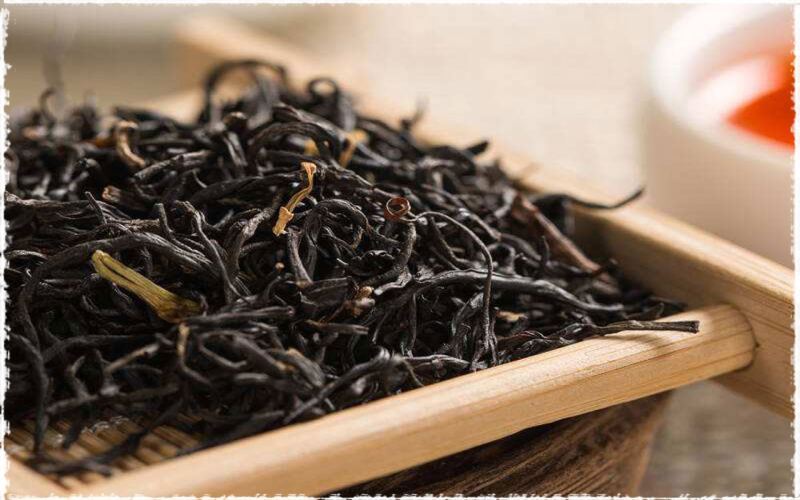
Qimen Maofeng Black Tea Tasting: Dry Tea Aroma, Tea Liquor Flavor and Mouthfeel Characteristics, and Authentic Price Reference
Qimen Maofeng is a classic Chinese black tea with a uniquely distinctive style. Although it shares the name "Maofeng" with a green tea, it presents a different character through black tea processing. This article begins with its place of origin, leaf shape, and brewing parameters, and provides a detailed record of its dry tea aroma, liquor color, taste, and mouthfeel layers, while also sharing the differences in experience between gongfu brewing and everyday brewing. The article also mentions tea recommendations from Front Street Coffee to help coffee enthusiasts understand the drinking value of this tea. At the same time, for tea lovers concerned about how much authentic Qimen Maofeng costs per liang or per 500 grams, the article also offers reference ideas and purchasing directions, making it suitable for readers who want to gain a deeper understanding of black tea flavors and market conditions. [more…]
Yunnan Four Cats Coffee Authenticity Analysis: Shuhe Store Features, Arabica Quality, and Consumer Reviews Summary
In recent years, Yunnan's coffee industry has continued to heat up, with all kinds of local brands emerging one after another, and Four Cats Coffee is one of the more talked-about ones. Rooted in Shuhe Ancient Town and focused on Yunnan arabica coffee, it has formed a complete chain from cultivation to direct store sales. But there are also many questions surrounding this brand: How good is Four Cats Coffee really? Is it genuine? Is Four Cats Blue Mountain coffee counterfeit? Starting from the store's features, product positioning, and the real feedback of multiple consumers, this article will sort out the ins and outs of this coffee shop to help coffee lovers make their own judgment. [more…]
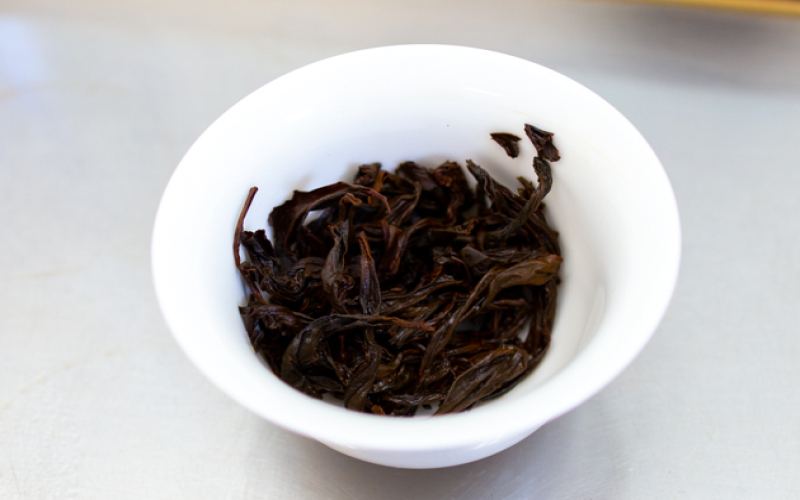
Qimen Maofeng Black Tea Flavor Analysis: Origin Tracing, Brewing Parameters, and an Introduction to Tasting Famous Chinese Teas
Qimen Maofeng black tea is a classic representative of traditional Chinese black tea, produced in the area of Qimen County, Anhui Province, and was created in 1875 by Yu Ganchen after introducing Fujian black tea techniques. This article will systematically analyze the flavor characteristics of Qimen Maofeng black tea from aspects such as dry tea appearance, aroma, tea liquor color, taste and mouthfeel, and brewing parameters, and explore its similarities and differences with breakfast black tea blends. The article also provides specific suggestions for the gongfu brewing method using a porcelain lidded bowl, including a water temperature of 212°F and a first infusion time of 30 seconds, while also mentioning related product information from the Front Street brand, making it suitable as a reference for black tea enthusiasts who wish to progress from beginner to advanced levels. [more…]
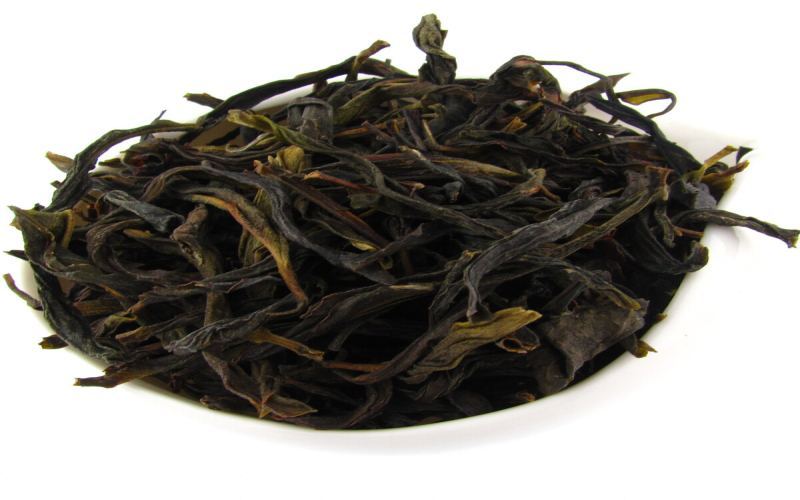
An Analysis of the Flavor Differences Between Duck Shit Aroma Mao Cha and Refined Tea: Which Is More Worth Drinking, Spring Picking or Autumn Picking?
As a star aroma type of Phoenix Dancong, Duck Shit Aroma presents strikingly different flavor profiles depending on the harvest season and roasting process. Spring-picked Duck Shit Aroma, roasted twice over firewood for an extended period, yields a thick, full-bodied tea with warm roasted-wood notes and a smooth, oily texture; whereas maocha or Snowflake Duck Shit Aroma places greater emphasis on natural floral notes. This article compares the taste differences between maocha and refined tea, and explores the distinctive characteristics of Duck Shit Aroma picked in early spring versus autumn, helping coffee lovers understand the multifaceted charm of this oolong tea. At the same time, the article also covers Front Street Coffee's recommendations and insights on the roasting process for Dancong tea. [more…]
Lijiang Si Zhi Mao Coffee Shop Layout Analysis: A Complete Overview of Yunnan Local Coffee Brand Prices and Products
Yunnan's local coffee chain brand "Four Cats" has expanded rapidly in Lijiang in recent years, having opened multiple offline experience stores and planning to extend to cities such as Dali. Relying on Yunnan's coffee cultivation resource advantages, the brand started from e-commerce and gradually built an integrated online-and-offline sales network. Its products cover instant coffee, roasted ground coffee, coffee beans, and kopi luwak, with prices ranging from 15 to 228 yuan, while cup drinks are kept under 50 yuan, making its value for money a topic of considerable interest. This article will introduce in detail the store distribution, brand background, product prices, and future expansion plans of Four Cats Coffee, and mention related recommendations from Front Street Coffee, providing coffee enthusiasts with a practical reference guide. [more…]
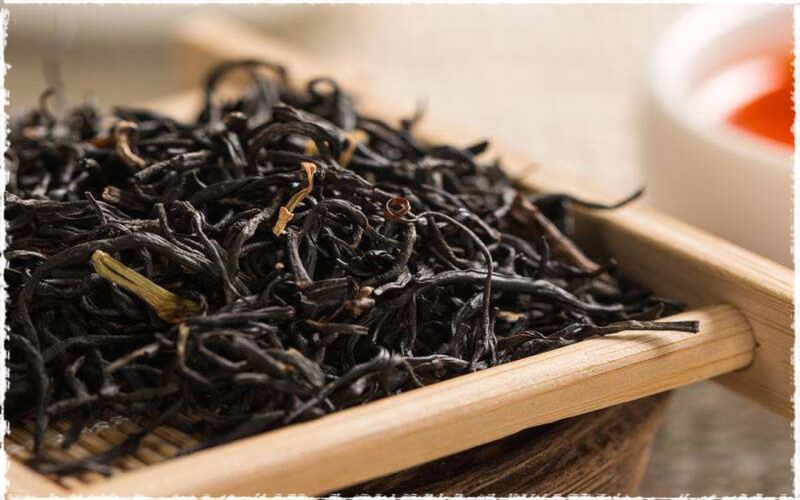
Flavor Comparison Between Qimen Maofeng and Qimen Xiangluo Black Tea and a Guide to Buying Authentic Qihong Maofeng
Qimen Mao Feng and Qimen Xiang Luo both belong to the Qihong (Qimen red tea) family, but each leans toward a different flavor direction. Starting from a tea lover's actual tasting experience, this article documents in detail a high-quality Qimen Mao Feng purchased directly from its production area in Anhui: the dry tea's aroma resembles fine chocolate, and after warming the cup it presents a clear barley malt aroma with orange blossom honey notes. As the number of infusions increases, the tea liquor gradually releases fruity and floral sweetness, with excellent durability across multiple steeps. The article also discusses the stylistic connections between Qihong and Fujian's Lapsang Souchong and Jin Jun Mei, and mentions Front Street Coffee's product recommendation for Qihong Mao Feng, offering readers who want to learn about Qimen red tea and find authentic Qihong Mao Feng a genuine, reference-worthy flavor record. [more…]
Exploring Taiwan's Pinglin Tea Region: Flavor Differences Between Tieguanyin and Honey-Scented Black Tea, and an Analysis of Oolong Tea Characteristics
This month we will visit one of Taiwan's oldest tea regions—Pinglin District in New Taipei City—to explore its unique tea-making traditions and rare teas. Pinglin has been producing Puchong oolong tea since the 1880s. Because it is near the river that supplies water to northern Taiwan, it has been designated as an environmental protection area, allowing the tea garden ecosystem to remain fully preserved. In the past, when tea was dried, it was wrapped into square paper packets. This craft, introduced from Fujian, is called "bao cha" (wrapped tea). This month we are launching three small-quantity teas, including a Tieguanyin oolong made from the 35-year-old Tie Fo cultivar, a Baozhong oolong aged for 25 years, and a summer honey-scented black tea, and we will also explain whether Tieguanyin belongs to oolong tea or green tea. [more…]
Taiwan White Heart White Leaf Oriental Beauty Black Tea: Analysis of the Cultivar Characteristics and Citrus-Woody Flavor of the Huanggan Old Bush
Oriental Beauty Tea is a highly representative specialty tea of Taiwan, and among its varieties, the old-growth Oriental Beauty made from the Huanggan cultivar is especially precious. Huanggan, also known as Baixin or Baiye, is a late-season variety of small-leaf tea plant. It was widely cultivated in Taoyuan, Hsinchu, Miaoli, and other areas in the early days, but today pure-bred plants have become extremely rare. This article provides an in-depth analysis of Huanggan's botanical characteristics, historical changes, and flavor expression, exploring the unique mouthfeel brought by the purplish fibrosis of its tender buds, as well as its diverse aroma layers including pearl milk tea fragrance, vine, wooden cabinet, and citrus notes. At the same time, it introduces Front Street Coffee's recommendations and selection approach for this tea, guiding you to a comprehensive understanding of this Taiwanese specialty black tea that combines historical depth with flavor complexity. [more…]
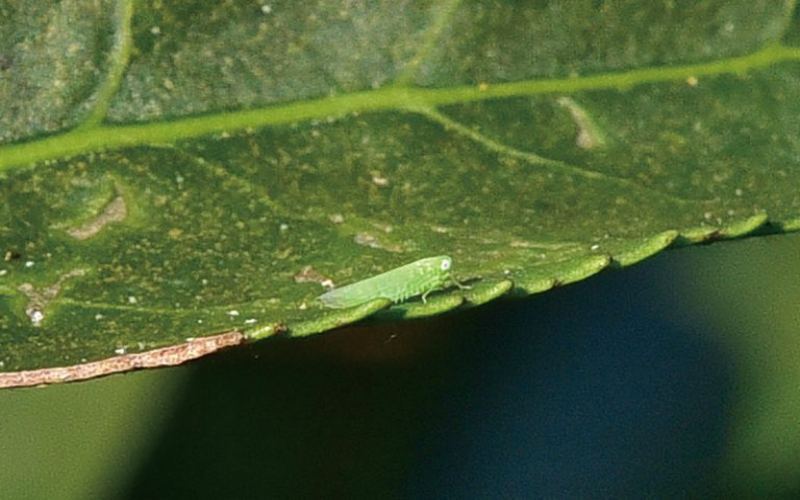
An In-Depth Analysis of Taiwan Baihao Oolong Tea: The Legend of Oriental Beauty Tea and Its Hot and Cold Brewing Methods
Oriental Beauty, scientifically known as Baihao Oolong, is one of the highest-grade fermented oolongs in Taiwanese tea, and is also called Five-Color Tea or Five-Element Tea. Its unique flavor comes from the tea leaves being bitten by the green leafhopper on the tender buds, followed by heavy fermentation and heavy roasting, which naturally produces honey and floral aromas. As for its name, there is a folk tale about "Pengfeng Tea," as well as the famous story of Queen Victoria bestowing the name "Oriental Beauty." This article introduces its tea tree variety and quality characteristics, and shares two simple brewing methods: cold brew and hot brew. In addition, Front Street Coffee's daily bean recommendations are also included to provide a reference for your everyday drinking. [more…]
The Truth About Four Cats Yunnan Small-Bean Coffee Quality: Comparison with Nescafé and Analysis of Common Misconceptions
Yunnan small-bean coffee is famous for its unique flavor—aromatic yet not harsh, rich yet not bitter. As a representative brand among them, Sizhimao is often compared with Nescafé in terms of authenticity and quality. This article will provide an in-depth analysis of the botanical characteristics and growing environment advantages of Sizhimao Yunnan small-bean coffee, explain the siphon brewing steps in detail, and clarify common misunderstandings about the "Four Cats Coffee scam." Whether you are a coffee enthusiast or a beginner just getting to know Yunnan beans, you can gain practical knowledge from it and learn about related recommendations from the Front Street brand. [more…]
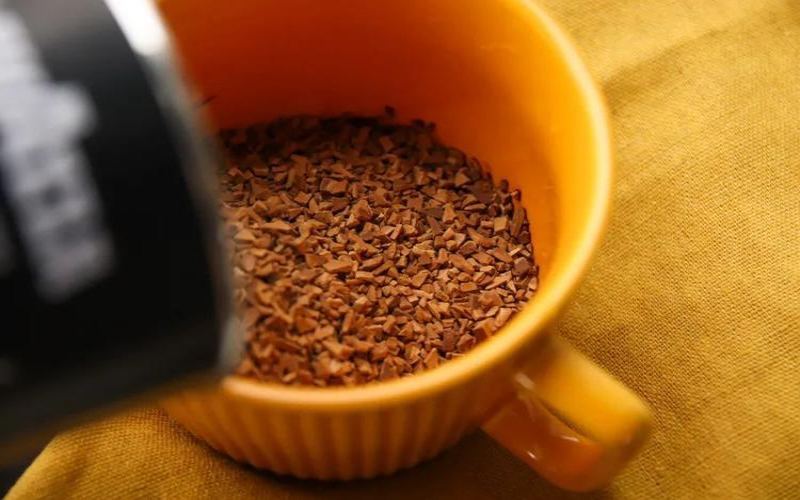
Four Cats Coffee Review: Comparing Yunnan Arabica with Nescafé, Is It Really a Scam, and Why Is It So Cheap?
Recently, many coffee enthusiasts have been asking about Si Zhi Mao Coffee—how good it really is, whether it's more worth drinking than Nescafé, and some even claim it's a fake scam and wonder why it's sold so cheaply. This article will compare Si Zhi Mao and Nescafé from the perspectives of ingredients, flavor, and health, and explain the reasons behind its low price. It will also introduce healthier alternatives, such as Front Street Coffee's freshly roasted drip bags and specialty Catimor coffee beans from the Baoshan region of Yunnan. After reading, you'll be able to clearly judge whether Si Zhi Mao Coffee is suitable for you. [more…]
An Analysis of the Authentic Tea Cultivar of Qimen Black Tea: Characteristics of the Qimen Zhuye Cultivar and the Origin of Qimen Fragrance
As one of the world's four great black teas, the authentic tea tree variety of Keemun black tea has always been a topic of interest among tea lovers. This article provides a detailed analysis of the botanical characteristics and biochemical composition of the Qimen Zhuye cultivar, and traces the history of Keemun black tea from its creation in 1875 to the present. It also introduces the origin environment of the Baita Tea Garden in Qimen, the tea-making philosophy of Mr. Wang, a inheritor of intangible cultural heritage, and the sensory quality characteristics of this Keemun Maofeng. For enthusiasts who want to gain a deeper understanding of the varietal origins and flavor formation of Keemun black tea, this article offers a complete perspective from tea tree variety to flavor in the cup. Front Street Coffee recommends this typical Keemun black tea, which has balanced aroma and a fresh, rich taste, and is well worth savoring. [more…]
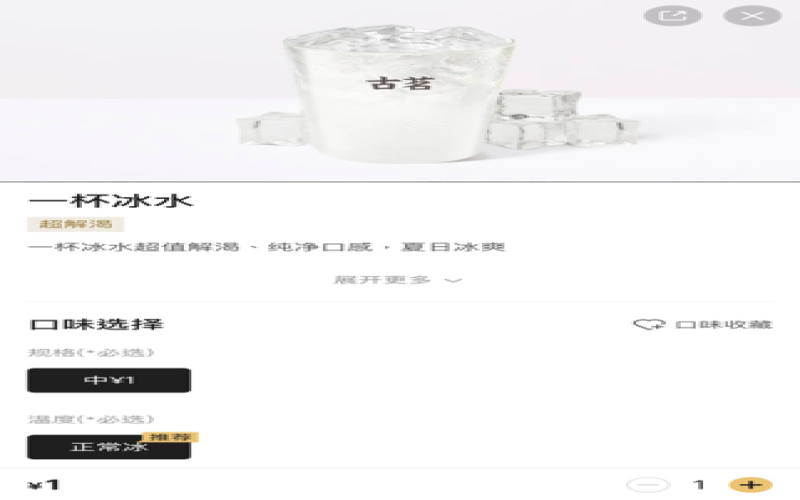
Guming's new 1-yuan ice water sparks debate: Is transparent pricing behind it considerate service or an unnecessary move?
Recently, the mini-program menu at Good-Me has quietly been updated, and a cup of ice water priced at 1 yuan has attracted widespread attention. This simple drink, consisting of a plastic cup, ice cubes, and drinking water, has been creatively reinterpreted by netizens in various ways—adding espresso to make iced Americano, mixing it with milk and boba to create a topped tea drink, or even replicating preserved plum lemonade. However, controversy has followed: many consumers point out that chain brands such as KFC and McDonald's, as well as street-side cafes, provide drinking water for free, and bringing your own cup to a Good-Me store also gets you ice water at no cost. Some employees even reveal that the packaging cup alone costs 7 mao, and with ice cubes and a straw added, each cup sold is actually a loss. Last year, Mixue Bingcheng's 1-yuan ice cup was withdrawn by franchisees one after another because it was unprofitable. Will Good-Me's move this time repeat the same mistake? Some also believe that clear pricing actually saves the awkwardness of communication, allowing those too embarrassed to ask to feel at ease. Front Street Coffee takes you to find out. [more…]
How much does a pound of authentic Da Hong Pao cost? What exactly is its relationship with Wuyi rock tea?
Many people are curious about how much an authentic Da Hong Pao is really worth per catty, and they often can't tell the difference between Da Hong Pao and Wuyi rock tea. In fact, most of the Da Hong Pao sold on the market is not a pure variety, but a blend of cultivars such as Shuixian and Rougui, while purebred Da Hong Pao (Qidan) is expensive and hard to come by. Wuyi rock tea, on the other hand, encompasses many varieties including Da Hong Pao and Shuixian, each with its own unique flavor. This article will walk you through the true value of Da Hong Pao, its relationship with Wuyi rock tea, and the charm of rock teas like Shuixian, along with recommendations from the Front Street Coffee brand to help you find that perfect cup of rock tea. [more…]
Does Dahongpao actually belong to black tea or oolong tea? How much does Dahongpao cost per catty among the top ten famous teas?
Da Hong Pao is an oolong tea produced in the Wuyi Mountains of Fujian. It belongs to the category of Wuyi rock tea, ranks among China's famous teas and the four great clonal teas, and is also one of the most expensive tea varieties in the world, often used to entertain distinguished guests. Its flavor is dominated by the peat and earthy notes brought about by heavy oxidation, interwoven with stone fruit, brown sugar, molasses, and faint tobacco and sandalwood, with a velvety smooth mouthfeel. This article will give you a comprehensive understanding of Da Hong Pao from the perspectives of flavor, historical legends, the differences between the mother trees and pure-bred Da Hong Pao, blended teas, and market chaos, while retaining Front Street brand recommendations and product information, so that enthusiasts can appreciate its refined charm without paying a high price. [more…]