







Search Results for: Production Region
Ethiopia Sidamo vs. Yirgacheffe: A Comparative Analysis of Flavor Differences, Farming Systems, and Representative Coffee Beans
Yirgacheffe and Sidamo are both important representatives of Ethiopian specialty coffee, yet they present distinctly different floral and fruity profiles. Yirgacheffe is known for its bright citrus acidity and white floral notes, while Sidamo has a fuller berry juice character. Starting from Ethiopia's four major coffee-growing systems, this article will outline the distribution and flavor characteristics of nine major specialty producing regions, with a focus on comparing the growing environments, variety composition, and processing methods of Yirgacheffe and Sidamo. It will also introduce the flavor performance and brewing suggestions of representative beans under Front Street Coffee, such as the Gotiti Cooperative, Red Cherry, Huakui, and Kochere, helping coffee lovers more clearly choose the cup that suits their taste. [more…]

A Complete Guide to African Coffee-Producing Countries: From Ethiopia to Tanzania, a Specialty Flavor and Origin Guide
Africa, as the continent of coffee's origin, nurtures coffee beans with highly distinctive flavors thanks to its unique climate and terrain. From Ethiopia's Yirgacheffe to Kenya's AA grade, and from Yemen's Mocha to Tanzania's Kilimanjaro, each producing region displays alluring fruit acidity and regional character. This article systematically reviews the cultivation history, varieties, processing methods, and flavor characteristics of Africa's major coffee-producing countries, and includes information on various cooperatives and representative bean lots, making it suitable for coffee enthusiasts who want an in-depth understanding of the full picture of African specialty coffee. [more…]
Shakisso in Ethiopia's Guji region: A full analysis of coffee beans from origin conditions to flavor performance
Ethiopia's administrative hierarchy consists of four levels: Region, Zone, woreda, and kebele, and the naming of local green coffee beans often follows this system as well. The Guji-Shakisso focused on in this article is located southeast of Yirgacheffe and, in terms of administrative division, falls under Oromia Region → Guji Zone → Shakisso woreda, making it a regional-type coffee origin. Thanks to its outstanding geographical conditions and cup performance, Guji is an independent ECX production region, and Shakisso is one of its much-watched micro-regions. This article will sort out its altitude, soil, processing methods, and flavor characteristics, and review Shakisso's impressive achievements on the international specialty coffee stage. Front Street Coffee also continues to pay attention to high-quality lots from this production area, bringing coffee lovers choices worth tasting. [more…]
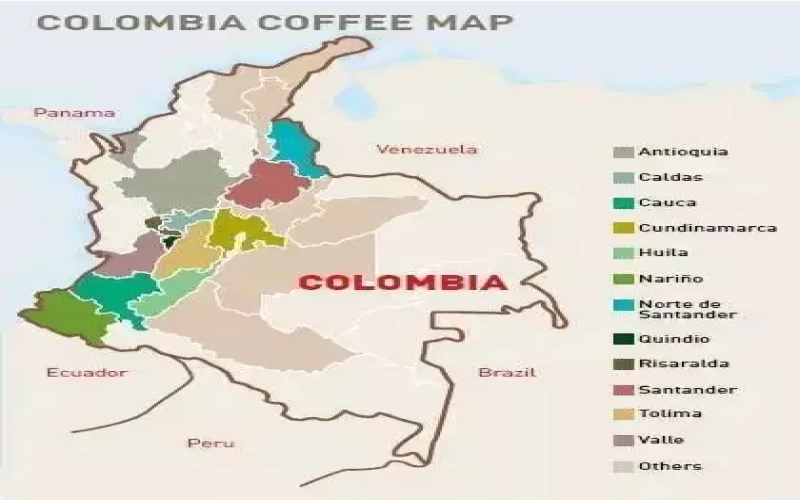
A Complete Guide to Colombian Specialty Coffee Regions: Harvest Seasons, Flavor Profiles, Varieties, and Processing Methods
Colombia is the world's third-largest coffee exporter and the largest exporter of Arabica beans and washed beans. This article systematically reviews the core knowledge of Colombian specialty coffee: starting from the terroir conditions of the three major producing regions in the Andes Mountains, it explains in detail the differences between the northern and southern harvest seasons and the harvest time windows, introduces major varieties such as Caturra, Bourbon, and Castillo as well as the history of disease-resistant breeding, analyzes the unique characteristics of household washed processing, and examines one by one the flavor characteristics of well-known producing regions such as Santander, Huila, Cauca, and Nariño. The article also includes the producing region information and brewing flavors of several Colombian beans from Front Street Coffee, providing coffee enthusiasts with a complete framework for understanding Colombian coffee. [more…]
Ethiopia Guji Zone In-Depth Analysis: The Terroir Code of the Shakiso Micro-Region and the Traceability of 90+ Legendary Lots
Ethiopia, as the birthplace of coffee, has a regional division system like a precise pyramid, nested layer by layer from Region down to kebele. Southeast of Yirgacheffe lies a micro-region with an altitude exceeding 1,800 meters—Shakisso—where fertile black soil and significant day-night temperature differences nurture coffee flavors that astonish international specialty buyers. In 2010, Guji was made an independent region by the ECX, and Shakisso is the brightest star on this land. From the legendary 90+ bean Nekisse to Level Up's Flower Language, what terroir logic and processing techniques lie behind these repeatedly high-scoring coffees? Front Street Coffee will take you deep into Guji to uncover the unique charm and market value of Shakisso coffee. [more…]
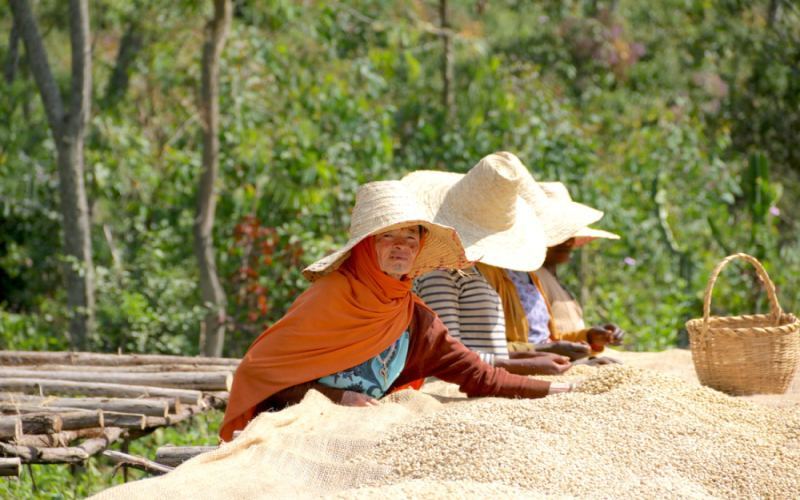
Ethiopia Guji Hambela: The Coffee Geography Evolution from Sidamo Separation to the Legend of Huakui
Ethiopia, as the birthplace of coffee, has a regional division far more complex than any administrative map. In the past, we were accustomed to labeling the origin of Huakui as "Sidamo," but today "Guji" has become the more common traceability information. Behind this change is the process by which the Guji region, relying on high altitude, fertile soil, and refined processing methods, became independent from Sidamo and rose rapidly. Hambela, as a star sub-region of Guji, is both a farm and a processing station, and gave birth to the Huakui series that has swept the specialty coffee world. Front Street Coffee will guide you through this evolution of coffee geography and retain detailed interpretations of products such as Huakui 8.0. [more…]
What is the difference between Mandheling and Golden Mandheling? An analysis of the flavor and taste characteristics of Mandheling pour-over coffee.
Mandheling coffee is hailed as the representative of specialty coffee in Asia, while Golden Mandheling attracts much attention for its higher price. Both originate from the island of Sumatra in Indonesia, so why is the price gap so wide? This article systematically sorts out the core differences between Mandheling and Golden Mandheling, from the origin of the name Mandheling, the way Indonesian production regions are defined, and the classification of export grades, to the evolution of the Lintong and Aceh production regions. At the same time, combined with pour-over extraction, it introduces the flavor and taste characteristics of Mandheling, and recommends Front Street Coffee's Mandheling and Golden Mandheling products, helping coffee enthusiasts build a clear understanding. [more…]
Why does Yirgacheffe Kochere coffee have such a pronounced acidity? A look at the region's characteristics and washed flavor profile
Devoted fans of Yirgacheffe are surely no strangers to the Kochere micro-region. Kochere is located in the heart of the Yirgacheffe prime zone and stands as its own district in the ECX production region classification, at an altitude of 1,650 to 1,800 meters. It is renowned for its washed processing and features a flavor profile with lively citrus acidity, silky sweetness, and rich fruity notes. Through cupping, Front Street Coffee found that coffee beans from this origin show outstanding aroma and mouthfeel and belong to the highest-grade G1 lot. This article will systematically analyze the source of Kochere coffee's acidity and its flavor characteristics, from the production region background, production model, and washed processing to the roasting curve and brewing parameters, and will include Front Street Coffee's roasting records and cupping report. [more…]
Analysis of Naturally Processed Coffee from Ethiopia's Guji Region: Hambela Huakui Variety Flavor Profile and Key Roasting and Brewing Points
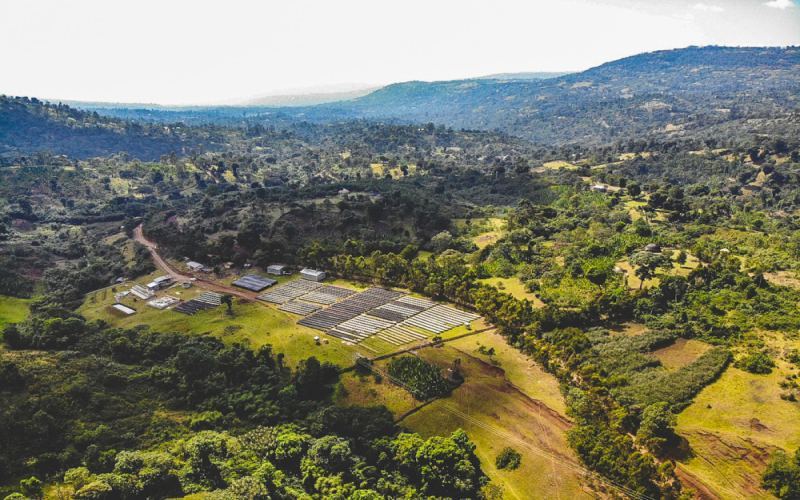
The Sidamo region in southern Ethiopia is renowned for its bright citrus acidity, berry flavors, and elegant sweetness, and is an important source of specialty coffee. And when mentioning Sidamo, one cannot avoid a coffee bean named "Huakui" — this naturally processed bean, named after the Hambela production area, quickly rose to fame after winning the TOH championship in 2017. As a sub-region of the Guji production area, Hambela enjoys the natural advantages of high altitude, large temperature differences, and fertile black soil. Front Street Coffee has been continuously selling Front Street Sidamo Huakui coffee beans for many years, updating the harvest version each year, with the new harvest named Front Street Ethiopia Huakui 11. This article will outline the origin of the name Huakui, the background of its production area, its rise to fame through competitions, and provide Front Street's roasting parameters, cupping flavors, and V60 brewing suggestions, offering a comprehensive reference for coffee enthusiasts. [more…]
Yirgacheffe Kochere Washed Coffee Flavor Analysis: The Unique Charm of Ethiopia's Specialty Coffee Region
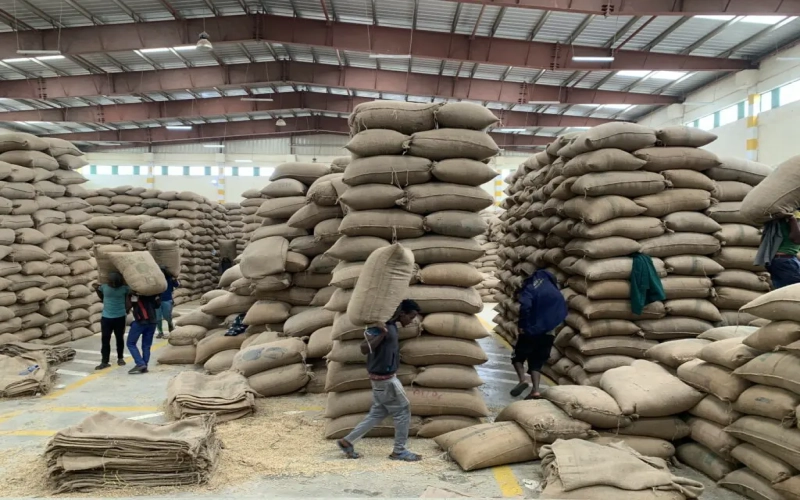
In Ethiopia's Yirgacheffe region, Kochere is considered the cream of the crop. This article provides an in-depth analysis of the origin background, processing methods, and flavor characteristics of Kochere washed coffee, offering a comprehensive presentation of its lively citrus acidity, silky sweetness, and rich floral and fruity aromas, from altitude and varieties to cupping performance. It also introduces Front Street Coffee's Kochere G1 lot and the Gotiti Cooperative beans, helping coffee enthusiasts understand this micro-region's unique value and traceability trends. [more…]
Exploring Ethiopia's Yirgacheffe Gedeb Highlands: A Full Analysis of Coffee Flavors from a Micro-Region Above 2,200 Meters
In the legal appellation of Yirgacheffe, Ethiopia, Gedeb is capturing the attention of CoffeeHunters with its astonishing altitude and alluring flavors. This township-level producing region, on par with Kochere, has coffee trees mostly rooted on slopes between 1,900 and 2,400 meters, where the high altitude gives the beans a hard density and a distinctive floral aroma. Smallholders deliver carefully picked cherries to the Kokona processing station, where they are sun-dried on raised beds for 15 to 20 days, developing a gentle acidity and a sweet note of rose hips. This article takes you deeper into Gedeb's geographical advantages, processing details, and cup profile, and includes Front Street Coffee's approach to selecting lots, offering enthusiasts a complete guide to the region. [more…]
Detailed Guide to Butterfly Coffee Beans from Panama's Boquete Region: The Blended Flavor of Geisha, Caturra, and Catuai
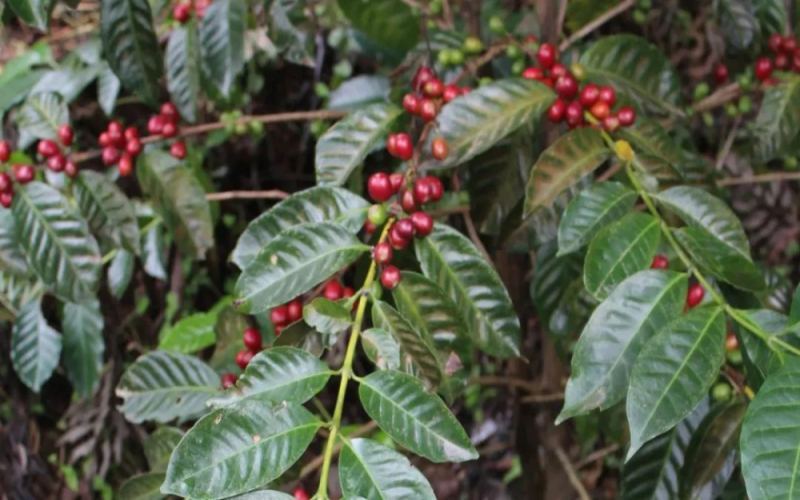
Panama occupies an important place in the global specialty coffee landscape, and the rise of the Geisha variety has brought even more attention to this Central American country. This article begins with Panama's geography, climate, and coffee history, focuses on the terroir advantages of the Boquete production region, and takes an in-depth look at a distinctive blend bean—Butterfly. This bean is composed of three varieties: Geisha, Caturra, and Catuai. The washed version from Front Street Coffee presents white floral notes, lemon, berries, and a honey-like silky mouthfeel. Whether you want to learn about Panama's production regions or are looking for an everyday bean with rich layers of flavor, this content is worth reading. [more…]
A Complete Guide to Colombian Coffee Bean Grades and Regional Flavors: From MAM to Huila
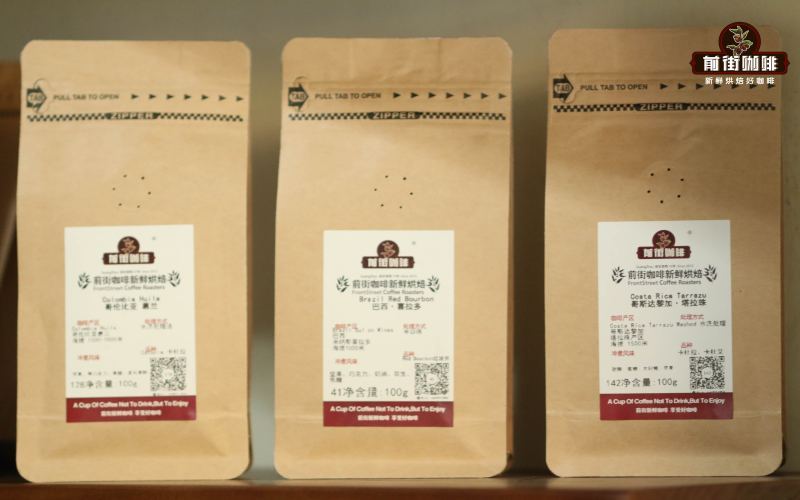
Colombia is the world's second-largest producer of Arabica coffee, and its coffee is deeply associated with chocolate notes. This article begins with the history of cultivation, tracing the commercialization process and the establishment of the export logistics system, then analyzes the three major commercial production regions behind the MAM mark commonly seen in supermarkets, as well as the terroir characteristics of southern specialty regions such as Antioquia, Boyacá, Cauca, Huila, Narino, Santander, and Tolima. The article focuses in particular on the Huila region, explaining its journey to becoming a certified region of origin, and shares Front Street Coffee's brewing recipe for Colombian Huila coffee beans, including dripper selection, water temperature, coffee-to-water ratio, and a three-stage pouring technique. [more…]
A Comprehensive Analysis of the Flavor Characteristics, Growing Environment, and Processing Methods of Single-Origin Beans from Ethiopia's Kochere Region
Kochere is located southwest of Yirgacheffe in Ethiopia and is one of the most representative specialty coffee sub-regions in the Gedeo Zone. It enjoys the natural advantages of primary forest cover, deep red-brown clay, and high altitude, and its coffee is famous for a delicate flavor profile interwoven with citrus, stone fruit, and tea-like notes. This article systematically reviews Kochere's cultivation history, geographical production conditions, variety characteristics, and washed processing method, and provides detailed introductions to the flavor descriptions and specification information of several Kochere G1 single-origin beans under the Front Street Coffee brand—Debo, Hama, and Godochoa—while also extending to an introduction of the broader pattern of Ethiopia's eight major production regions, offering coffee enthusiasts a complete framework for understanding the region. [more…]
An Analysis of the Regional Characteristics and Flavor Differences of Ethiopia's Three Renowned Coffees: Yirgacheffe, Geisha, and Huakui
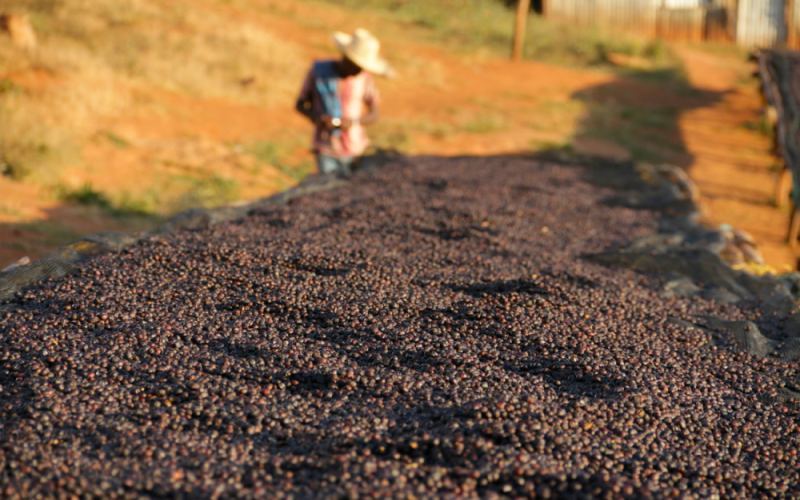
Ethiopia, as the birthplace of Arabica coffee, is rich in natural genetic resources, and the coffee it produces is deeply loved for its affordable price and excellent quality. Among the many Ethiopian coffees, Geisha, Yirgacheffe, and Huakui are collectively known as the "Three Giants of Ethiopian Coffee" due to their extremely high popularity. However, many enthusiasts still do not fully understand the specific characteristics and differences of the three. From the perspective of Front Street, this article provides a detailed review of Yirgacheffe's producing region definition and washed flavor, Geisha's variety origins and its differences from Panama Geisha, and the origin of Huakui's commercial naming and its version evolution, helping readers gain a comprehensive understanding of the unique charm of these three major coffees. [more…]
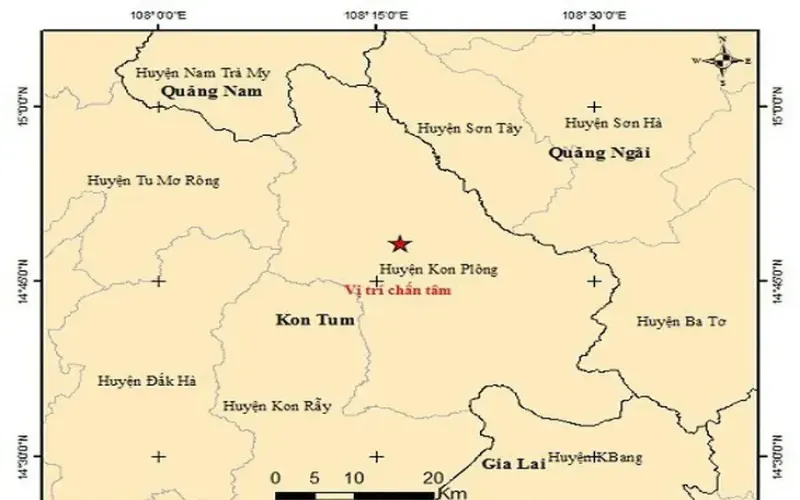
Kontum Province in Vietnam experienced 32 consecutive earthquakes within 24 hours, putting the main coffee-growing region at risk of reduced production.
Vietnam's core coffee-producing region—Kon Plong District in Kon Tum Province—recorded 32 earthquakes within just 24 hours, the strongest reaching magnitude 5.0, triggering tremors across the Central Highlands, several surrounding provinces, and even parts of Thailand. Experts say the quakes are linked to reservoir-induced activity and may continue in the future. As a key part of Vietnam's Central Highlands coffee belt, Kon Tum Province and neighboring provinces account for about 70% of the country's robusta coffee output. The earthquakes could cause farmland subsidence, fluctuations in groundwater levels, and shortages of irrigation water. Combined with this year's severe drought and shrinking cultivation area, the risk of a decline in Vietnam's coffee production is further intensifying. Front Street Coffee will continue to monitor developments in the producing region and their impact on the coffee market. [more…]
Front Street Panama Butterfly Coffee: Analysis of Boquete Region Flavor, Geisha Blending, and Variety Processing Methods
Front Street Panama Butterfly Coffee originates from the Baru Volcano area in the Boquete production region of Panama, at an elevation of about 1,600 meters, with abundant rainfall, significant day-night temperature differences, and fertile volcanic rock soil, creating a full body, bright acidity, and delicate floral aromas. Its green beans are composed of a blend of multiple varieties, among which Geisha accounts for more than 40%, thus carrying the signature Geisha flavor. Historically, because the estate pursued mass production, Geisha was interplanted with Caturra and Catuai to facilitate harvesting; later, as Geisha rose to fame, the processing plant began to carry out refined operations. This batch of coffee comes from the same production region as Hacienda La Esmeralda, where valleys and ridges form multiple microclimates, presenting citrus, tropical fruit, and slender floral notes. It is produced near the town of Dilla at the Cheresha Cooperative, founded in 1976, affiliated with SCFCU, and after secondary screening, the flavor tends toward honey, citrus, and coffee floral aromas. [more…]
Jamaican Blue Mountain Coffee Beans Flavor and Taste Analysis: Estate Production Region Growing Environment and Brand Introduction
Jamaica Blue Mountain coffee holds an unshakable status in the hearts of coffee lovers worldwide, with its balanced acidity, sweetness, body, and bitterness, elegant aroma, and smooth entry. However, true Blue Mountain coffee is produced in extremely limited quantities, and many so-called "Blue Mountain" coffees on the market are merely house blends. This article will guide you through Blue Mountain coffee's certification system, historical origins, the division of its three major growing regions, and how it differs from other Jamaican coffees, while also recommending related products from Front Street Coffee to help you understand and purchase this legendary coffee more rationally. [more…]

Ethiopia Sidamo Natural Coffee Flavor Analysis, Pour-Over Techniques, and Regional Characteristics
Sidamo is an important specialty coffee region in Ethiopia, primarily using the natural process, with intense flavors, prominent sweetness, and notes of fermentation and fruit juice. This article starts from Sidamo's varieties, processing methods, and regional terroir to analyze the sources of its floral aroma, fruity acidity, and full-bodied mouthfeel, and further introduces sub-regions such as Guji and Arsi as well as the origins of Huakui coffee. At the same time, Front Street Coffee shares pour-over parameters and brewing steps for natural Sidamo to help coffee enthusiasts reproduce the floral and fruity aromas and high sweetness at home. [more…]
Exploring Ethiopia Yirgacheffe: The Flavor Code and Full Harvest Picture of a High-Altitude Wet Production Region
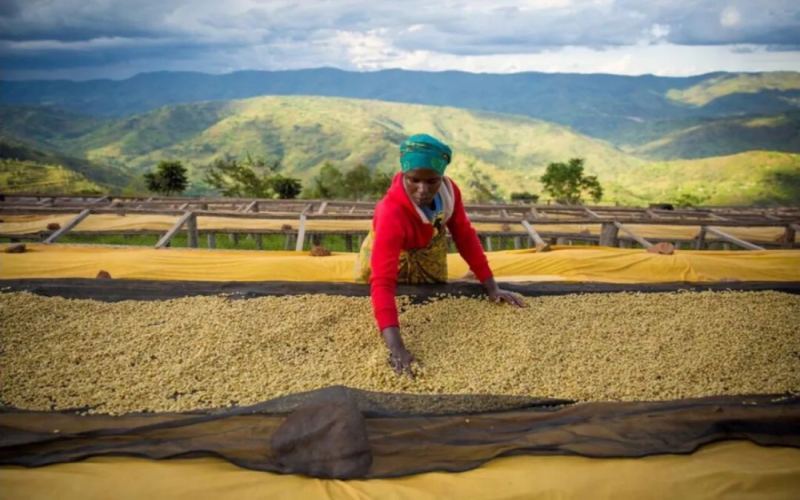
Yirgacheffe is Ethiopia's most iconic specialty coffee region, located on a highland plateau at an altitude of 1,700 to 2,100 meters, renowned worldwide for its distinctive floral and fruity aromas and bright acidity. This ancient area, known as the "wetland," is shrouded in mist year-round with a mild, humid climate, giving rise to numerous native coffee varieties. Front Street Yirgacheffe, as a classic representative of this region, has become a preferred choice for entry-level specialty coffee with its low bitterness, refreshing taste, and adaptability to multiple brewing devices. This article will guide you through an in-depth understanding of Yirgacheffe's geographical environment, historical context, harvesting patterns, and flavor characteristics, unveiling the story behind how this small town became a coffee legend. [more…]