







Panama Coffee and the Boquete Region
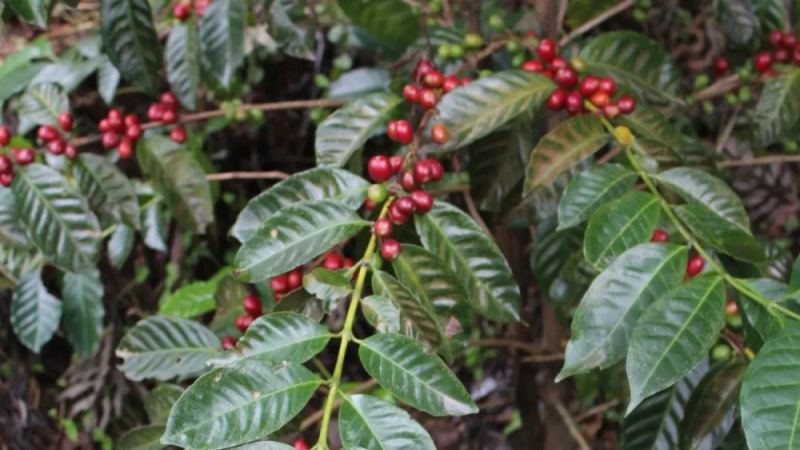
Panama coffee holds a significant place in the specialty coffee world, especially after the Geisha variety gained international attention. The country's geography, with its mountainous terrain and proximity to the equator, creates a tropical maritime climate ideal for coffee. Volcanic soil and distinct wet and dry seasons provide excellent conditions for cultivation, particularly in the Boquete region, which has become known for its high-quality beans.
The history of coffee development in Panama began in the 19th century when European colonists introduced seedlings. Initially, yield was the main focus, and production lagged behind neighboring countries. Over time, growers recognized the potential of specialty coffee. They formed the Specialty Coffee Association of Panama and launched a reliable of Panama competition, which helped raise awareness and set new standards for quality.
Panama coffee occupies an important position in the global specialty coffee landscape, and the rise of the Geisha variety has brought this Central American country even more attention. This article will start with Panama's geography, climate, and coffee development history, focus on the terroir advantages of the Boquete production region, and provide an in-depth analysis of a distinctive blend bean—Butterfly. This bean is composed of three varieties: Geisha, Caturra, and Catuai. The washed version from Front Street Coffee presents white floral notes, lemon, berries, and a honey-like silky mouthfeel. Whether you want to learn about Panama's production regions or are looking for an everyday bean with rich flavor layers, this content is worth reading.
Panama coffee enjoys an extremely high reputation in the international market, with the Geisha variety standing out in particular. In 2005, Hacienda La Esmeralda made Geisha famous with astonishing results through the Best of Panama BOP competition and auction, while also setting a new coffee auction price record at the time. Since then, the names Hacienda La Esmeralda and Geisha have become widely known throughout the global coffee community.
Panama is located in Central America, bordered by the Caribbean Sea to the north, the Pacific Ocean to the south, Costa Rica to the west, and Colombia to the east. Its territory forms an S shape spanning between North America and South America. The country has rugged terrain with interwoven valleys. Apart from plains along the northern and southern coasts, most of the land is mountainous. Because it is close to the equator, it has a tropical maritime climate, humid during the day and cool at night, with an average annual temperature between 23 and 27 degrees Celsius. The year is divided into dry and rainy seasons, with average annual rainfall of about 1,500 to 2,500 millimeters. Combined with volcanic soil, this provides superior natural conditions for coffee cultivation.
Panama Coffee Development History
In the 19th century, coffee seedlings were introduced to Panama by early European colonists. At that time, there was no concept of specialty coffee, and people focused more on yield, while Panama's output was only one-tenth that of neighboring Costa Rica. Later, growers gradually realized the potential of specialty coffee, so they established the Specialty Coffee Association of Panama, SCAP, and raised awareness by participating in coffee competitions in various places. After international attention increased, they also founded the Best of Panama BOP competition and auction, which quickly established a reputation for Panama's high-quality coffee beans. This series of measures not only made Geisha a star variety, but also continuously broke international coffee bidding price records.
Boquete Production Region
Panama's coffee production regions are mainly divided into Boquete, Volcan-Candela, and Renacimiento. These production regions are all distributed around three volcanoes in the country: Volcán Baru, El Valle, and Le Yeguada.
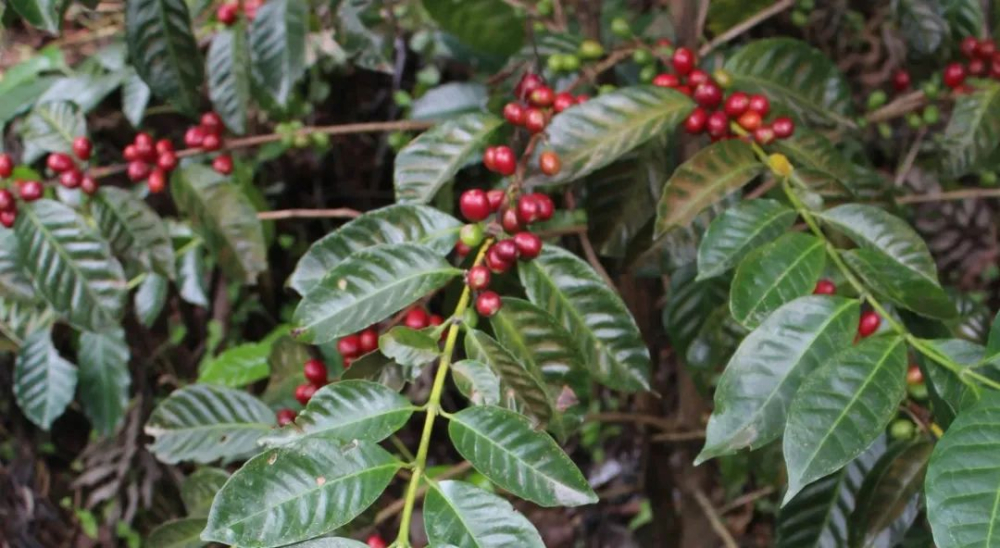
Boquete is Panama's most prestigious coffee production region, located east of Baru Volcano. The continuous mountains create unique climatic conditions. Coffee is grown at altitudes between 1,200 and 2,000 meters, with temperatures ranging from 11 to 27 degrees Celsius. The significant temperature difference, together with high altitude, microclimates, and volcanic soil, gives the coffee beans here extremely rich flavor layers. The Boquete production region is also home to many well-known estates, such as Hacienda La Esmeralda and Elida Estate.
Geisha, Caturra, and Catuai
At present, in addition to growing Geisha, Panama also cultivates other varieties such as Caturra, Catuai, and Typica. Front Street Coffee has a quite distinctive Panama bean—Butterfly. It is composed of three varieties: Geisha, Caturra, and Catuai. According to Front Street Coffee's research, in the early days, in pursuit of yield, growers mixed Geisha with Caturra and Catuai coffee trees. During harvest, it was difficult to select Geisha separately, so they simply picked them together. Later, in order to highlight the characteristics of Geisha, they began to collect these three varieties separately and then blend them during the export stage. These three varieties have medium yields and are susceptible to leaf rust, but they are very suitable for high-altitude cultivation, and the higher the altitude, the better the flavor expression.
FrontStreet Coffee Panama Boquete Butterfly Coffee Beans Region: Boquete Production Region Altitude: 1,400-1,700 meters Varieties: Geisha, Caturra, Catuai Processing Method: Washed Flavor: White floral notes, lemon, berries, hazelnut, honey This Butterfly coffee bean from Panama's Boquete production region by FrontStreet Coffee is washed and medium-light roasted. Front Street Coffee uses a V60 dripper, a coffee-to-water ratio of 1:15, and a water temperature of 92°C for brewing. After brewing, white floral notes can be smelled. On the palate, it has lemon-like acidity, along with berry and grape flavors. The finish presents hazelnut notes, and the mouthfeel is as silky as honey.
The above content is compiled by CoffeeHunters, a coffee news website.


