







Search Results for: Price Bug

Luckin Coffee's pricing error on Ele.me sparks controversy: two lattes for 6 yuan get delisted and an apology issued
The lingering warmth of the weekend has barely faded, and on Monday morning office workers are still steeped in drowsiness, with a cup of coffee becoming essential to wake themselves up. Yet this morning, many early risers discovered that two lattes from Luckin Coffee on the Ele.me platform cost only 6 yuan, and this abnormally low price quickly ignited social networks. Some seized the chance to place orders, joyfully starting the new week, while others had just paid when their orders were unilaterally canceled. Luckin then urgently shut down its Ele.me stores and issued an apology, admitting it was caused by a configuration error by operations staff. This sudden price bug not only left some consumers with false hope, but also sparked discussion about who should pay for corporate mistakes. Was this blunder a mistake or marketing? And how should consumers view the cancellation of low-priced orders? This article will sort out the ins and outs of the incident and bring a professional perspective from Front Street Coffee. [more…]
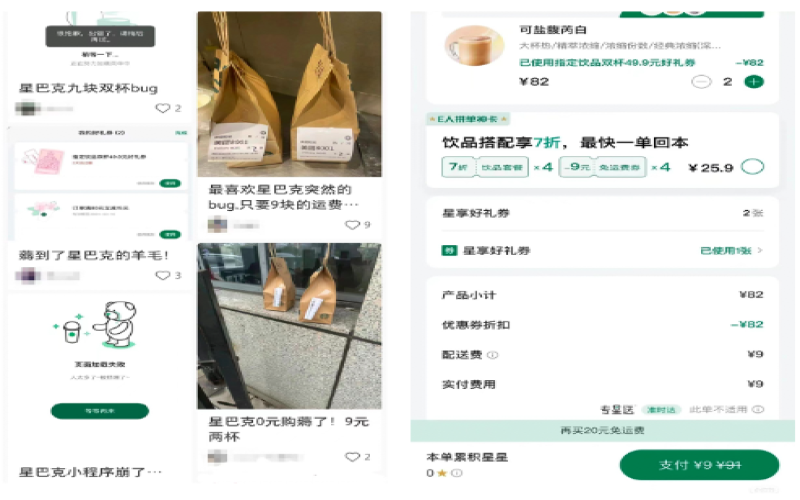
Starbucks System Glitch Triggers Rush for Two Cups for 9 Yuan, 49.9 Yuan Women's Day Promotion Accidentally Leaks Low-Price Loophole
After Luckin Coffee's 9.9 yuan promotion was scaled back, brands like Cotti Coffee and Tims rolled out short-term 9.9 yuan offers to grab market share. Starbucks, which once declared it would "compete on market, not price," recently suffered a system glitch during its March 8 Women's Day promotion, accidentally letting some consumers buy two large drinks for just 9 yuan. The loophole quickly sparked a frenzy of deal-hunting on social media, with some successfully placing orders while others had their payments canceled and refunded after checkout. Starbucks quickly fixed the bug, and the promotional price returned to 49.9 yuan for two cups. This accident not only gave consumers a taste of the thrill of "snagging a bargain," but also reignited discussion about the coffee price war. [more…]
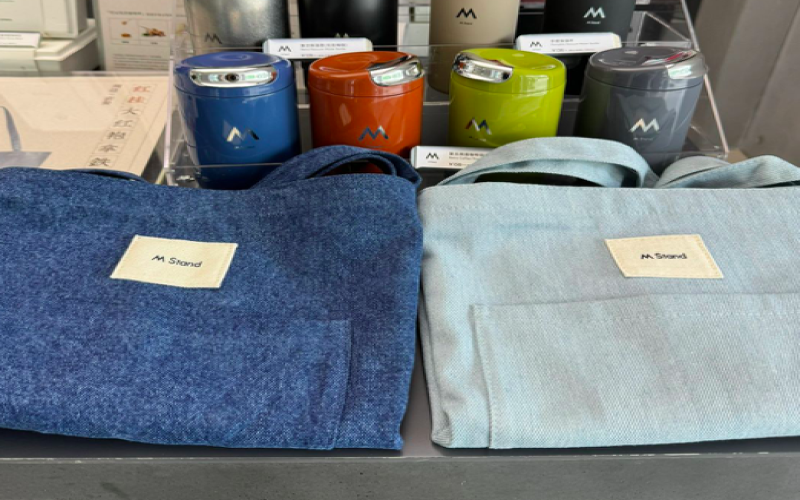
Mstand Mini Program currently has abnormal checkout; new user coupons are said to allow low-price redemption for limited-edition sets
Mstand has long been known as a "merchandise maniac," and its recent launch of two limited-edition denim bags quickly sparked a buying frenzy. However, some consumers noticed during checkout that a 100-yuan member discount appeared in the discount section of the mini-program's settlement page. When stacked, this meant that for just 19.6 yuan, they could get a three-use card package originally priced at 100 yuan, plus a 28-yuan Americano. After this anomaly was shared online, a large number of users rushed to register as members in the mini-program to try to replicate it, but few succeeded. Was it a system glitch or a traffic-driving tactic? How did the company handle it afterward? This article will sort out the whole incident. [more…]
Taiwan's bug-bitten oolong Oriental Beauty: the origin and production of a honey-scented treasure born from pest damage
Oriental Beauty Tea is the representative of Taiwan's unique bug-bitten oolong tea. Its birth stemmed from an accidental pest infestation—after leafhoppers bite the tea bushes, the tea leaves instead take on a distinctive honeyed sweetness. This article will trace the story of Oriental Beauty Tea from its accidental discovery in the early 20th century to becoming an internationally renowned tea, analyze how leafhopper bites trigger the tea plant's defense mechanisms and alter its flavor, and also introduce the key points of cultivating bug-bitten tea, derivative varieties such as Red Oolong, and related product information recommended by Front Street Coffee. [more…]

Starbucks coupon bug trends on social media: From foreign object incidents to Luckin co-branding, how to resolve the brand trust crisis?
Starbucks' mini-program and App suddenly experienced a coupon bug, quickly shooting to the top of trending searches, after which the system entered a maintenance state. Official customer service said it was a system malfunction and that issued coupons could still be redeemed normally. However, the timing of the incident was sensitive, and many netizens speculated about the motives behind it—either to divert public pressure from the foreign object incident the previous day, or to respond to the sales heat of Luckin and Coconut Palm's co-branded Coconut Cloud Latte, which sold 660,000 cups on its first day. In the foreign object incident, the store manager's response and the "deaf-mute partner" explanation sparked controversy, casting a shadow over Starbucks' long-cultivated image of being friendly to disabled employment. At the same time, Starbucks' 24 solar terms series drinks received a lukewarm market response. How exactly should the brand rebuild consumer trust? This article sorts out the timeline of events and viewpoints from all sides for you. [more…]
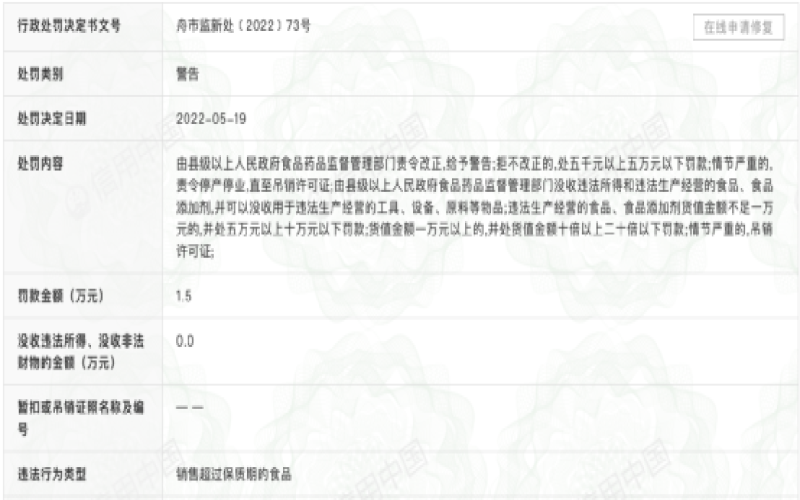
Punished bit by bit! Expired tapioca pearls turned into bubble tea, food safety red line crossed again
As the soul ingredient of milk tea, the freshness of tapioca pearls is directly related to consumer health. Recently, a Yidian Dian store at Zhoushan Ruxin Plaza was fined 15,000 yuan by regulatory authorities for using expired tapioca pearls to make and sell Bubble Milk Tea and other drinks. An investigation showed that the store involved not only used ingredients beyond their shelf life, but also failed to establish purchase inspection records as required. This is not the first time Yidian Dian has been involved in a food safety controversy; previously, a Fuzhou store was reported to have had a bug found in its milk tea. As the peak season for summer beverage consumption arrives, food safety issues have once again sounded the alarm. [more…]
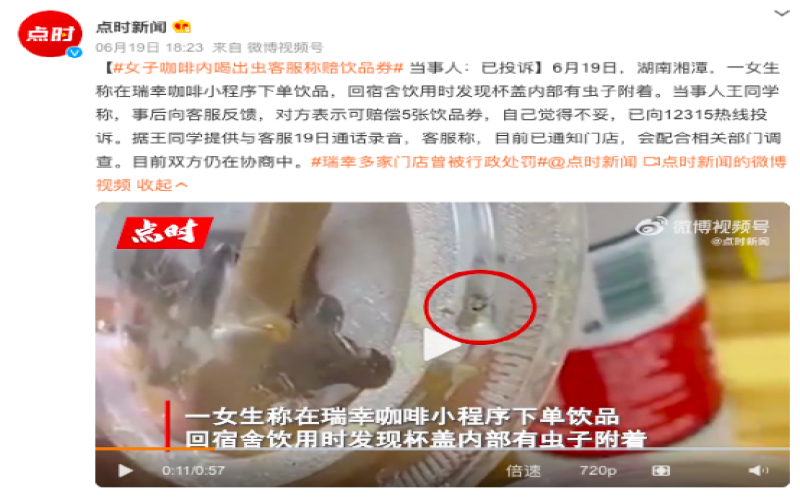
Luckin Drink Contaminated with Insect Sparks Heated Discussion; Customer Service Compensation Plan Questioned, Quality Control Issues in the Spotlight
Recently, a woman in Xiangtan, Hunan Province, found an insect in a Luckin Coffee beverage. The incident quickly trended on Weibo, sparking widespread discussion. The individual involved said that customer service successively offered compensation of two and then five drink coupons, but she was dissatisfied with this and has filed a complaint with 12315. Netizens shared similar experiences and questioned Luckin's compensation plan and hygiene management. At the same time, some voices pointed out that mosquitoes and insects are hard to completely avoid in summer, and a single case should not be used to make sweeping generalizations. This article will review the course of the incident and the views of all parties, and explore the quality control challenges facing the coffee industry. [more…]
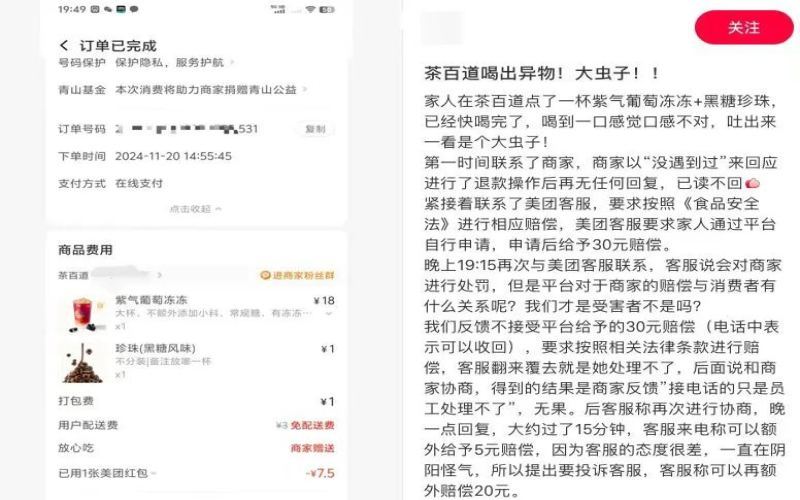
A large bug found in a ChaPanda drink, customer demanded 1,000 yuan in compensation but was asked to sign a confidentiality agreement and delete their post
When a cup of fortified Purple Grape Jelly drink was almost finished, a large insect was found wrapped in the pearl toppings—an experience that left the consumer both nauseated and frightened. Even more surprising, during compensation negotiations with the ChaPanda merchant, although the other party eventually verbally agreed to pay 1,000 yuan, they required the consumer to sign an agreement and delete related posts and comments. The consumer believed this move was an attempt to portray them as a malicious claimant and refused to sign. Both sides stuck to their own accounts, and the local food and drug administration has also intervened and summoned the parties. How will this food safety dispute ultimately end? What obstacles did the consumer encounter on the path to defending their rights? This article sorts out the entire process of the incident for you. [more…]
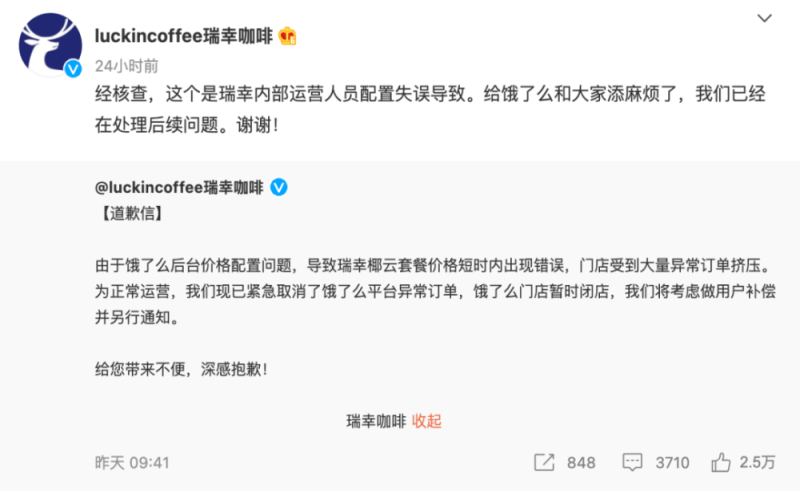
Is Luckin's forced cancellation of low-priced orders illegal? Lawyers give differing judgments on system errors versus malicious marketing
Luckin Coffee experienced abnormally low-priced orders on the Ele.me platform due to an operational configuration error. After a large number of users rushed to place orders, Luckin handled the situation by unilaterally canceling orders and temporarily suspending online operations. This move sparked strong dissatisfaction among consumers and also drew attention from the legal community: lawyers on one side argued that canceling paid orders was suspected of infringing on consumer rights; the other side pointed out that if it was a major misunderstanding, the contract could be revoked in accordance with the law. If there was intentional malicious marketing, it could also constitute fraud. In the end, Luckin promised to bear all losses and issue compensatory vouchers. This article sorts out the course of the incident, netizen feedback, and lawyers' views, so that coffee lovers can understand the full picture of this controversy. [more…]
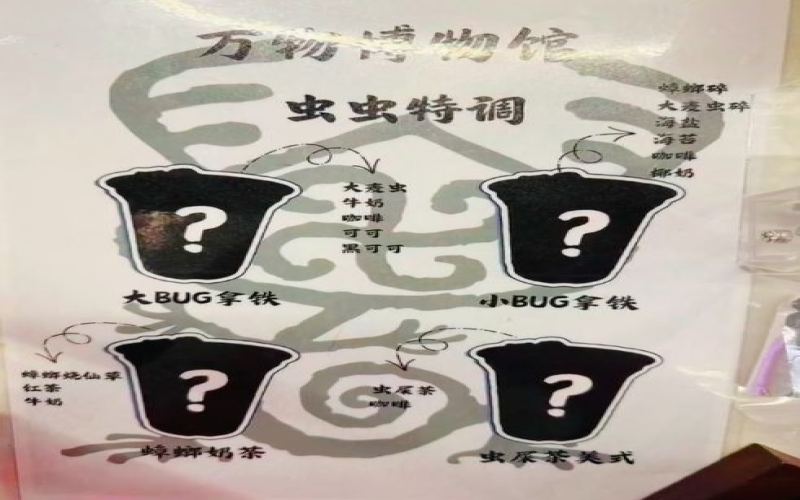
Beijing Museum Launches Real-Insect Specialty Coffee: Crushed Cockroach and Superworm in Your Drink, 45 Yuan a Cup to Break Down Prejudice
Can you imagine cockroach bits and barley worms floating on the surface of a cup of coffee? The "Bug Special" series of drinks recently launched by Beijing's All Things Museum has sparked heated discussion on social platforms. One product, which sprinkles processed dried insects directly onto the surface of the coffee, has prompted netizens to say they dare not try it due to its strong visual impact. The museum said that all insect ingredients are purchased from traditional Chinese medicine pharmacies and meet food safety standards. The core purpose of developing this 45-yuan drink is to break the public's stereotype of cockroaches. Staff revealed that current daily sales are about a dozen cups, with consumers mainly curious young people, while many parents with children find it hard to try because of psychological acceptance issues. [more…]

On its seventh anniversary, Chagee's cup-clinking card-collecting event is said to be riddled with bugs—users pulled a bizarre trick, scanning their feet to actually pass the level.
For its seventh anniversary, Chagee launched the "Good Friends Always Together" campaign, giving away 700,000 free cups over seven consecutive days, along with features like a clink-cups card-collecting game for a chance to win free drinks for a whole year. The campaign stayed high in popularity with huge participation, but it was followed by a string of technical problems: black screens when scanning the page, AI recognition failures, abnormal consumption of attempts, and more, triggering a flood of complaints. Surprisingly, netizens discovered that scanning feet, tissues, books, or even trash cans could be judged by the AI as a successful cup clink. Faced with the backlash, the official response was only that it "adds fun," while dodging questions about the loopholes. [more…]
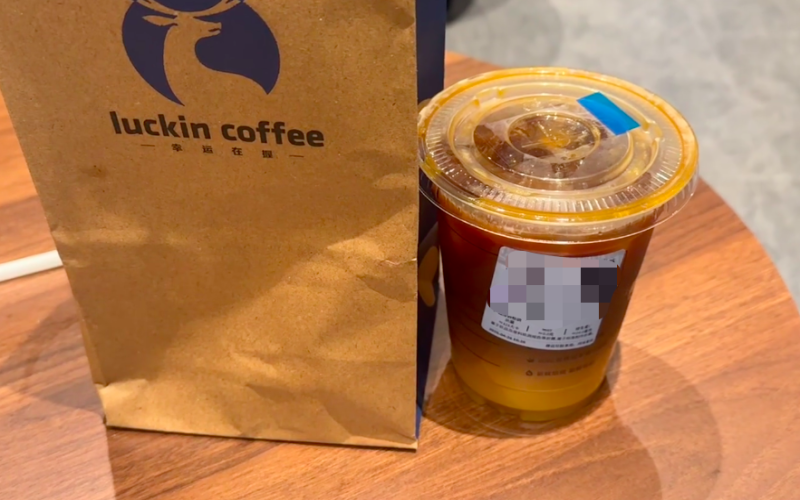
Same Cup of Coffee Costs Members More? Luckin Mini Program Accused of Differential Pricing Sparks Heated Debate
At the same Luckin Coffee store, for the same drink, different users may see prices on the mini-program that differ by several yuan—and paid members may even be charged more than regular users. Recently, some consumers told the media that they suspected they had been subjected to "big data price discrimination" when buying drinks at Luckin. A reporter's investigation found that the system pushes different coupons to different accounts, resulting in "a different price for the same cup of coffee for each person." This phenomenon has struck a chord with many netizens and sparked widespread complaints, prompting people to re-examine the value of loyalty programs offered by chain coffee brands. [more…]
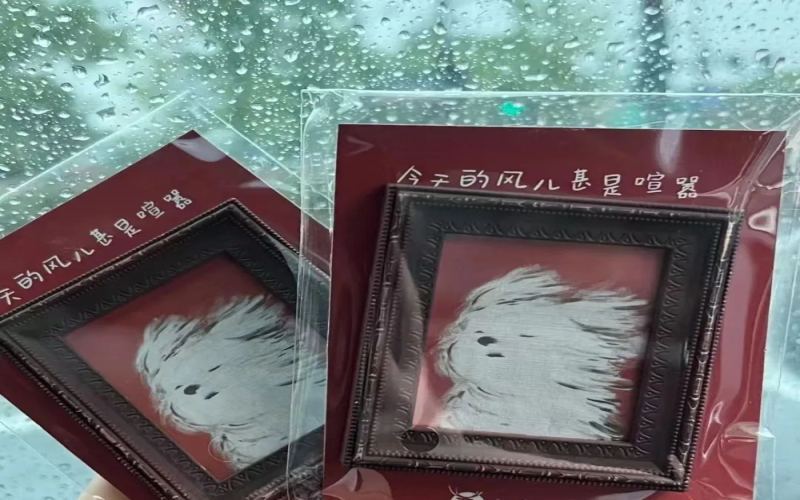
Luckin Coffee's "Scribble Dog" collaboration set menu pricing anomaly sparks debate: mini-program mispricing or system glitch?
As Typhoon Bebinca made landfall in Jiangsu and Zhejiang, Luckin Coffee's collaboration with Korean illustrator YEYE featuring the "Scribble Puppy" launched as scheduled, drawing a large number of fans who set early alarms to snap up the merchandise. However, many users found that the collaboration package on the mini-program was priced as high as 60 to 70 yuan, far exceeding the previous range of 20-40 yuan, triggering complaints that it was "too expensive." A few hours later, the price of the same package suddenly dropped to just over 30 yuan, prompting consumers who had already placed orders to angrily demand a refund of the price difference. Some employees speculated that the issue was caused by a pricing error when the items were listed. Behind this price controversy, the long-standing problem of frequent system bugs in Luckin's collaboration campaigns has once again surfaced. [more…]
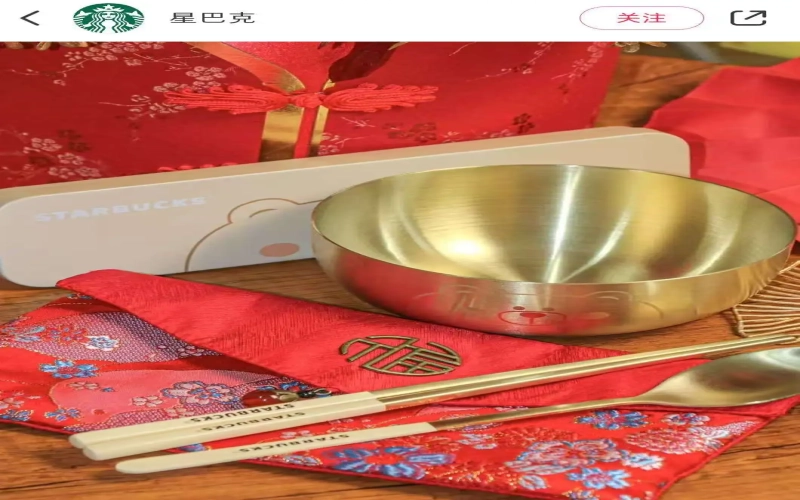
Starbucks Limited Edition Gold Bowl Sparks Buying Frenzy: Stainless Steel but Limited to 45°C, Netizens Joke It Can Only Be Used for Begging Ice Americanos
Starbucks partnered with Ele.me to launch the "Special Delivery" "Fortune Bowl" holiday set. During the promotion, customers who order designated two-cup drinks or add 39.9 yuan can snap up the co-branded golden rice bowl. Although this food-grade stainless steel merchandise comes with an anti-scald bowl sleeve and heat-insulating bowl mat, the bottom is labeled "suitable temperature <45°C," creating a contrast with its original purpose of holding hot food and prompting netizens to joke that "for alms, you can only beg for iced Americanos." Since each store has only one in stock, the rush to buy created a tense atmosphere. Some people got one easily, while others encountered problems such as failed add-to-cart attempts, canceled orders, or even sudden price changes. Starbucks explained this as a system bug. [more…]
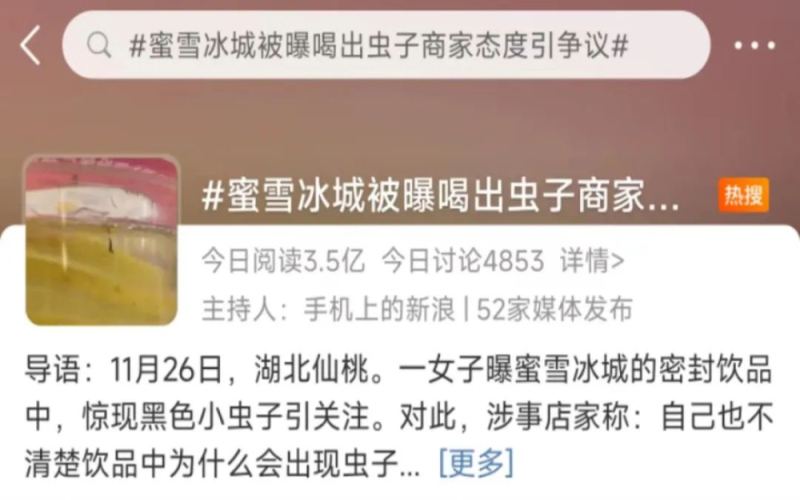
Unopened Mixue Lemonade Found with Black Foreign Object, Store Response Sparks Public Outcry
For professional coffee knowledge exchange and more coffee bean information, please follow Coffee Workshop (WeChat public account cafe_style) For more specialty coffee beans, please add the private WeChat of Front Street Coffee (FrontStreet Coffee), WeChat ID: qjcoffeex Mixue Bingcheng has once again been thrust into the spotlight. A consumer in Xiantao, Hubei, found a small black bug in an unopened lemonade, yet the response from the store was jaw-dropping. As the champion in store count in the new tea beverage industry, why do food safety issues keep recurring for Mixue Bingcheng even as it sprinted toward an IPO? This article will sort through the course of the incident, netizen reactions, and the brand's frequent food safety scandals this year, and explore the bottom line issues of service and quality control in the catering industry. [more…]
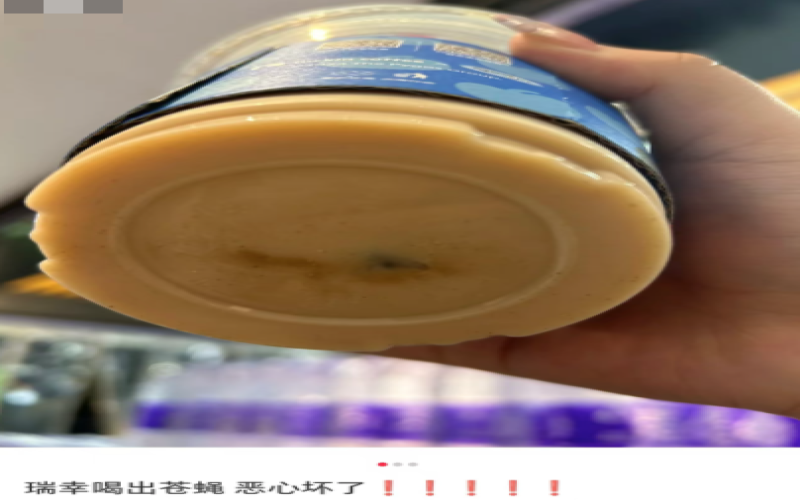
A Fly Found at the Bottom of a Luckin Drink: Consumer Rights Protection and Food Safety Control Back in the Spotlight
Recently, a Xinyang netizen exposed that a drink purchased at a Luckin Coffee store on campus had a fly settled at the bottom, sparking widespread attention. The consumer refused the store's initial offer of a free drink and a complimentary beverage, demanding compensation in accordance with the law. Luckin's after-sales service called multiple times, offering coupons, and was even accused of implying that the consumer had put the foreign object in themselves. In the end, the employee involved was fired, and the consumer received 500 yuan in compensation. This is not the first time Luckin has been embroiled in a food safety scandal; there have previously been incidents involving foreign objects such as work badges and ants. At a time when competition in the tea beverage market is white-hot, a brand's sincerity in handling problems has become key to consumer trust. This article reviews the course of the incident and the legal basis, and includes related recommendations from Front Street Coffee. [more…]
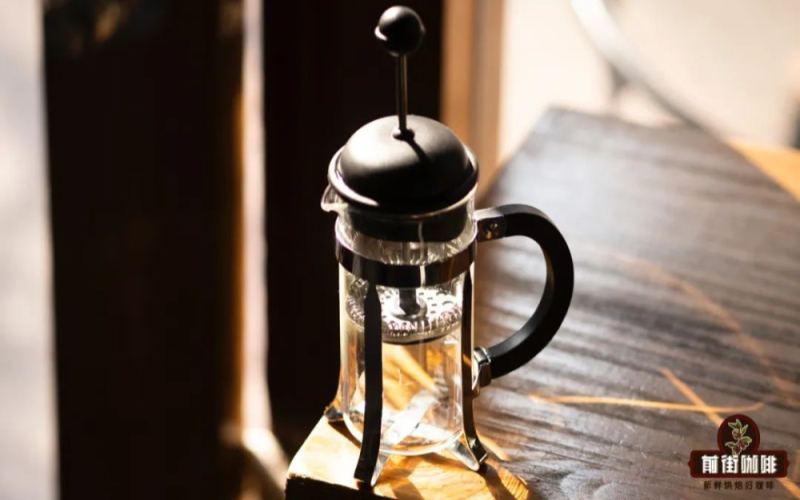
The Complete Guide to Brewing Geisha Coffee with a French Press: Grind, Water Temperature, Ratio, and Timing Parameters Explained
The French press has a low barrier to entry, but if you want to consistently brew a good cup of coffee, the key still lies in parameter control. This article starts with the origin and structure of the French press, sorts out the approach to bean selection, and gives specific suggestions around four variables: grind size, water temperature, coffee-to-water ratio, and steeping time. Using the medium-light roasted Front Street Grana Geisha as an example, it explains the yellow peach, apricot, citrus, and lemon notes brought by the natural process, as well as its refreshing performance whether hot or cold. It will also mention the pros and cons of a fine grind, the trade-off between body and clarity brought by the metal filter, and the key points for disassembling and cleaning after use. [more…]
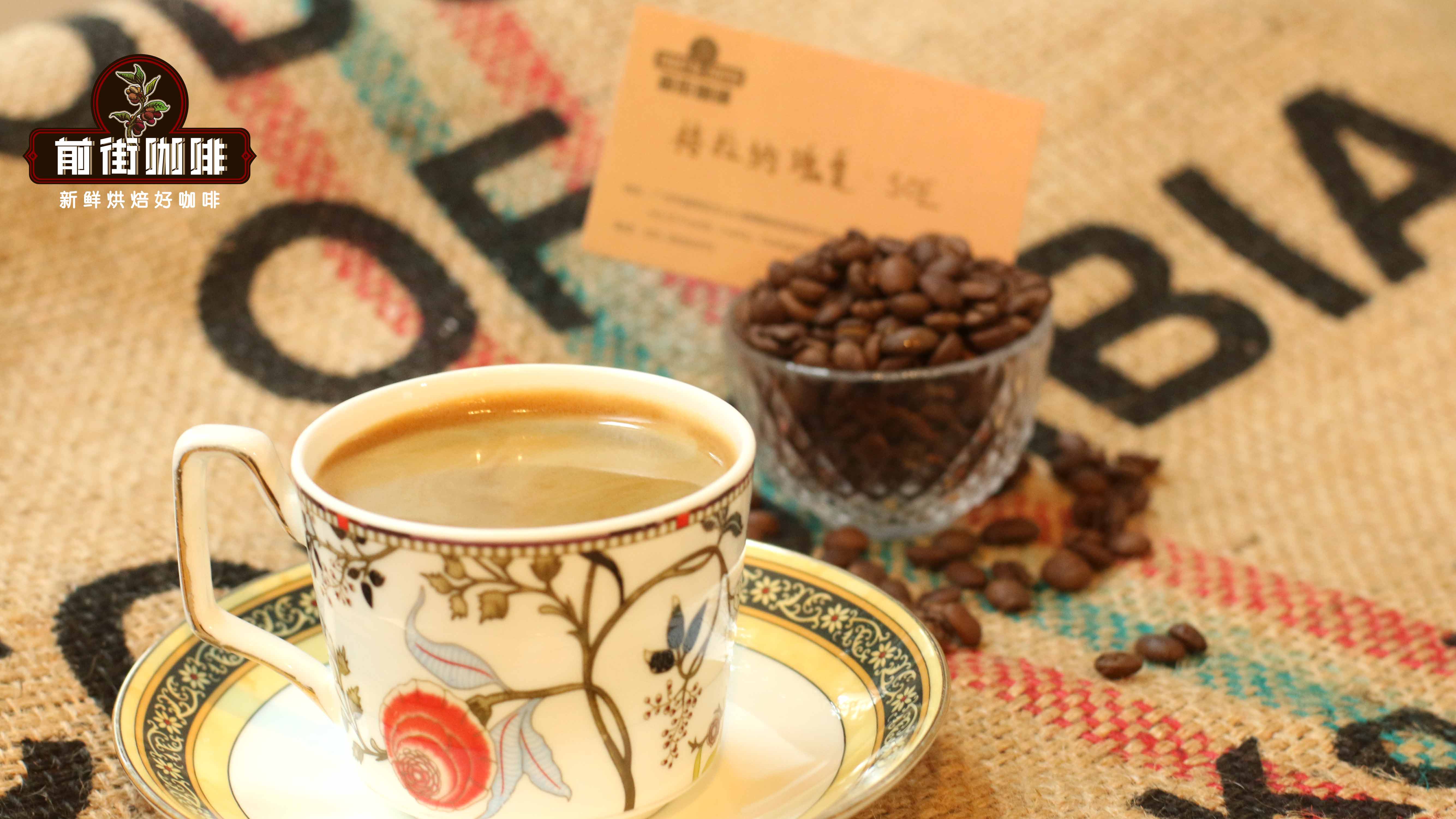
Exploring Ethiopian Harar Mocha Coffee Beans: The Unique Fruity Aroma of African Estates and Front Street Coffee's Geisha Recommendation
Ethiopia, as the birthplace of coffee, has nurtured countless coffee beans with unique flavors. Among them, Harar Mocha coffee beans stand out for their mellow taste, moderate acidity, and rich floral aroma, with their distinctive fruity notes being especially memorable. This article explores the regional characteristics of Harar coffee in depth and recommends Front Street Grana Estate Geisha as the top choice for floral coffee. Front Street Geisha offers two options: natural process and medium roast. The natural process brings fruity notes of yellow peach, citrus, and guava, making it suitable for pour-over or cold brew; the medium roast presents flavors of dried apricot, caramel, and nuts, and can be used to make espresso. Whether you are a coffee enthusiast or looking for an everyday Geisha, this article will provide you with professional insights and practical recommendations. [more…]
Artisan Roasting Software Operation Guide: Coffee Bean Temperature Curve Logging and Flavor Control Techniques
For coffee roasters pursuing consistent output and flavor reproducibility, Artisan is a rare open-source tool. It can connect to temperature recorders or PID controllers, collect bean temperature and air temperature data in real time during the roasting process, automatically generate visualized curves, and help judge the trends of the drying, Maillard, and development phases. This article compiles Artisan's core functions, compatible device list, export and reporting methods, and includes software screenshots and a version update summary. Whether you use Mac, Windows, or Linux, you can use it to optimize your roasting rhythm, making the flavor performance of every batch of Front Street Coffee beans more controllable and more reproducible. [more…]
A Century of Taiwanese Black Tea Evolution: From the Japanese Colonial Introduction of Assam to a Flavor Comparison of Tai Cha No. 18 and Tai Cha No. 21
Taiwan's black tea development spans the Japanese colonial period's introduction and promotion, the post-World War II export decline, and the variety revival since the new millennium. In 1923, Assam tea seeds were introduced from India, and Sun Moon Lake became the most successful production area thanks to its 600-800 meter elevation and humid, misty climate. In 1936, the Taiwan Tea Research and Extension Station was established, and black tea once accounted for more than half of Taiwan's total output. After 1971, export trade shrank, and tea farmers switched to producing oolong tea. It was not until 1999 and 2008 that TRES successively released TTES No. 18 (Ruby Black Tea) and TTES No. 21, injecting new vitality into Taiwan's black tea. This article will trace this history, compare the flavor characteristics of the two representative varieties, and introduce the high-quality Taiwan black teas recommended by Front Street Coffee. [more…]