







Search Results for: Pot Mouth

Choosing beans for a moka pot by roast level: where does the crema come from?
Coffee brewed with a moka pot often has a thin layer of fine bubbles floating on its surface, and when sipped it may present an oily, thick, or smooth texture. If you want this quality to be more pronounced, roast level is a clue worth observing first. It affects the beans' solubles, aroma direction, and flow rate, and also determines whether a cup of coffee leans brighter, or more [more…]

Coffee Machine Recommendations | How Can Coffee Beginners Choose an Espresso Machine? What Types of Home Coffee Machines Are There? Introduction to Coffee Machine Varieties, Features, Performance, and Usage
The emergence of coffee machines has made people's lives more convenient. Through word of mouth and mutual recommendations, coffee machines can now be found in homes, offices, and commercial settings, and their functions, styles, and brewing methods have continuously been improved and evolved. From the birth of the world's first coffee machine in 1818, to [more…]
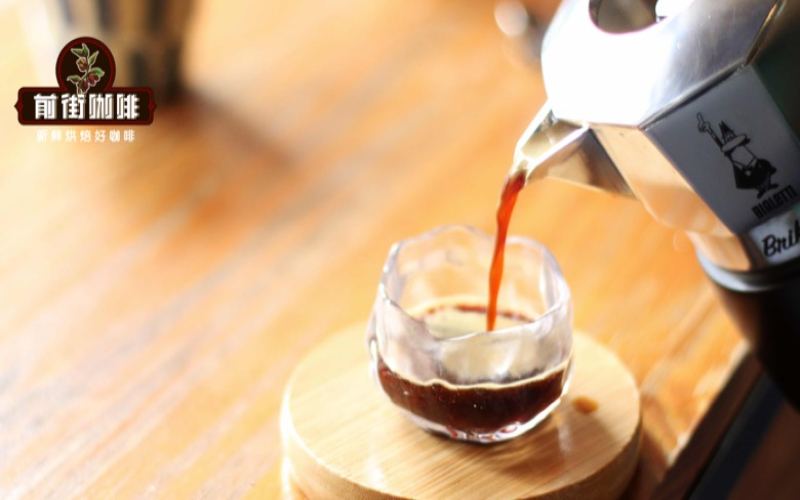
Origin Selection for Single-Origin Beans in a Moka Pot: The Rich Performance of Mandheling and Brazil
A moka pot doesn't have to be used only with blend beans—single-origin beans can also produce very distinctive results in a moka pot. With its steam-pressure extraction method, the flavors of a growing region are concentrated into a small cup of liquid, giving a mouthfeel that is thicker than pour-over but softer than espresso. Choose the right origin, and single-origin moka pot coffee can deliver unexpectedly good flavor. Indonesian Mandheling is for the moka pot. [more…]
Moka Pot Americano: How to Choose Between Light, Medium, and Dark Roasts
Coffee brewed with a moka pot is quite concentrated, and even after diluting it with hot water, it still retains a distinct aroma and flavor. The roast level of the beans determines whether this americano leans bright, sweet, or full-bodied. When choosing, you can first check the package for light, medium, or dark roast, then factor in the level of acidity you can tolerate, the texture you prefer, and [more…]

How to Choose Between Light, Medium, and Dark Roasts for a Moka Pot
Coffee brewed with a moka pot is usually more concentrated than pour-over and feels heavier on the palate, so the roast level directly shapes the character of the cup. Light roasts tend toward bright, fresh aromatics; medium roasts strike a balance between sweetness and body; dark roasts more readily show cocoa, nut, and roasted notes. First, consider what you expect from your [more…]
Flavor and Brewing Methods of Moka Pot at Three Roast Levels
Coffee brewed in a moka pot is usually more concentrated and heavier-bodied than pour-over, so the roast level of the beans directly changes the first impression on the palate. A light roast brings bright fruit acidity, a medium roast more easily delivers a sweet, balanced cup, and a dark roast pushes cocoa, nuts, and roasty aromas to the forefront. First decide which kind of cup you enjoy, then choosing beans will be eas [more…]
Moka Pot Medium-Dark Roast Beans: Timing Every Cup from Roast Date
Making medium-dark roast coffee beans with a moka pot is fascinating because the cocoa, caramel, and roasted aromas are concentrated, but these aromas do not settle into their proper place immediately after roasting is completed. When degassing is still vigorous, the flow may seem hurried and the aroma slightly dispersed; if left to rest too long, the fragrance in the nasal passages gradually narrows. Therefore, when selecting beans, besides [more…]

Moka Pot Beginner's Guide | How to brew cafe-quality espresso at home with a moka pot? 4 delicious, oily moka pot everyday coffee beans recommended
What is a Moka pot? Friends who enjoy espresso surely know that espresso originated in Italy. Italians' love for coffee can be said to be carved into their bones—several cups per person per day, making them a nation that "drinks coffee like water." But if every cup had to be bought at a café, the expenses would really add up over time. [more…]
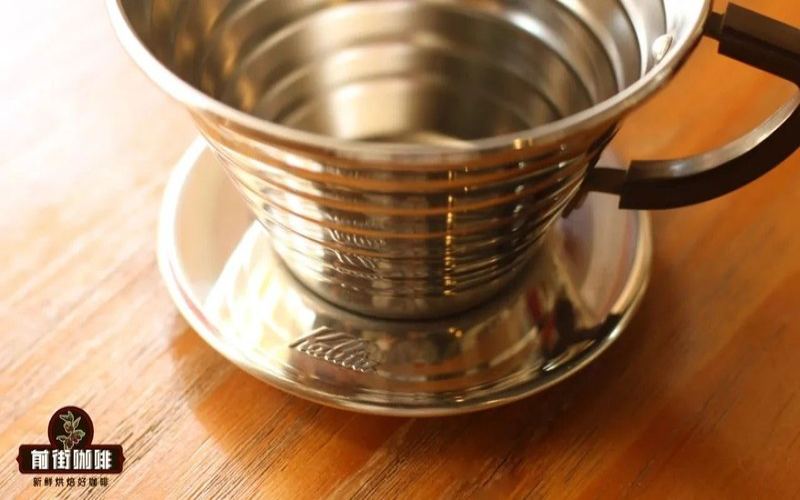
Roast Levels for Moka Pot Beans: How to Choose Based on Three Flavor Profiles
Coffee brewed in a moka pot is quite concentrated, and the roast level of the beans directly changes how it tastes. Liking a medium-dark roast doesn't mean you have to choose beans that are very dark in color with obvious bitterness; even within the medium-dark roast range, some are sweeter and smoother, some are heavier and richer, and others retain a clear aroma. Choosing by roast level allows you to more [more…]

Dirty Coffee Making Tutorial | What Are the Differences Between a Dirty and an Iced Latte? Can You Make a Dirty Coffee with a Moka Pot?
Dirty coffee is espresso extracted over iced milk, creating a beautiful layered look. As time passes, the coffee liquid on top slowly encroaches on the pristine white milk, forming a lovely gradient inside the transparent glass, as if the pure white milk has been dirtied. Put simply, a Dirty coffee is a visually striking drink that [more…]
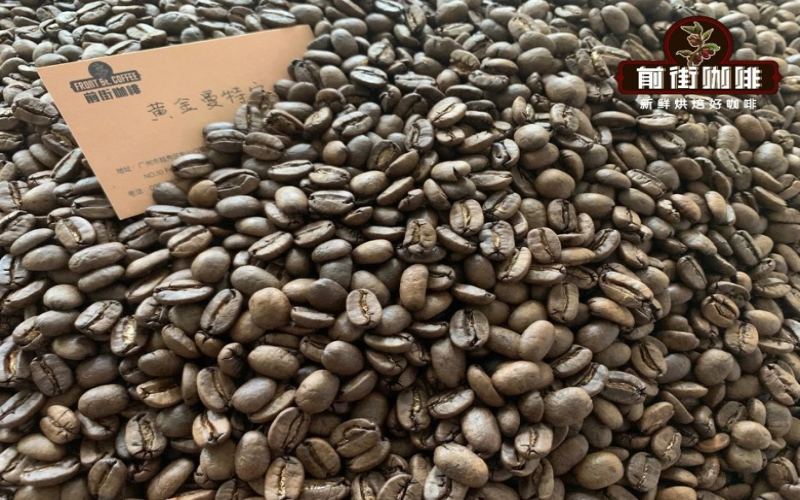
The Richness of Dark Roast Coffee: Balancing Oils, Caramel, and Mouthfeel
The charm of dark roast coffee lies in its steady, full-bodied richness. Many people use "heavy" and "smooth" to describe it—this mouthfeel is not a one-dimensional bitterness, but a balance woven from caramel sweetness, bitterness, and an oily richness. Once you understand where the richness of dark roast beans comes from, drinking it becomes even more enjoyable. The foundation of richness [more…]
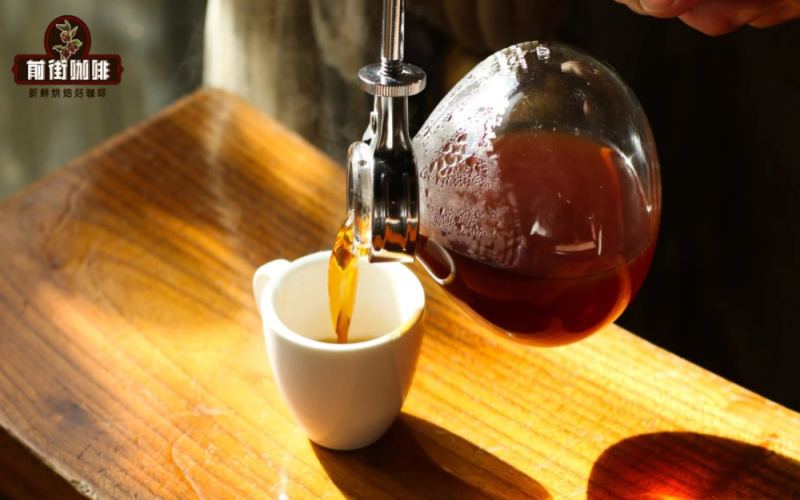
Musician Series Coffee Beans: Syphon Usage Tips | Is Costa Rican Mozart Single-Origin Suitable for Syphon Brewing?
When we correctly use a siphon to brew a pot of coffee, the coffee's aroma is fuller and its mouthfeel is richer. The reason is that the siphon filters the coffee grounds with a cloth filter, and the pores of the cloth filter are relatively large, so it cannot filter out some fine coffee particles. As a result, coffee brewed with a siphon has a pleasant texture in the mouth. And let [more…]
Choosing coffee beans with a full-bodied crema based on roast level
If you want a cup of coffee that looks oily and has a thick, rich mouthfeel, make roast level your first consideration when choosing beans. Light-roasted beans usually emphasize floral and fruity notes along with bright acidity; their surface is dry and they show little oiliness. Medium to dark roasts, on the other hand, more readily develop nutty, cocoa, caramel, and roasted aromas, and taste richer as well. If your daily routine centers on [more…]
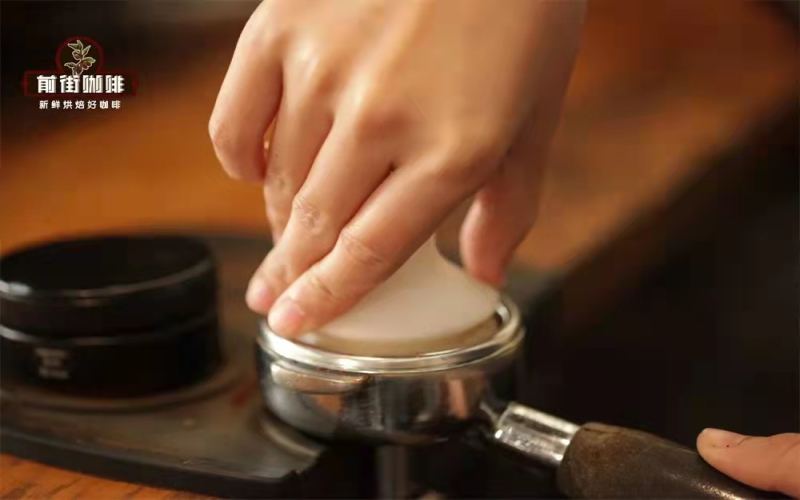
Coffee Grind Size Chart | What Are the Differences in Grind Size, Coffee Brewing Ratios, and Brewing Time Between Moka Pot and Espresso?
There are many factors that affect the taste of coffee. During the brewing process, the factors that influence coffee include the coffee-to-water ratio, grind size, water temperature, etc. Among them, grind size can be said to be extremely important. There is a saying in the industry: "You can buy a cheaper coffee machine, but the grinder must be the best." It must be said that grinding really has an [more…]
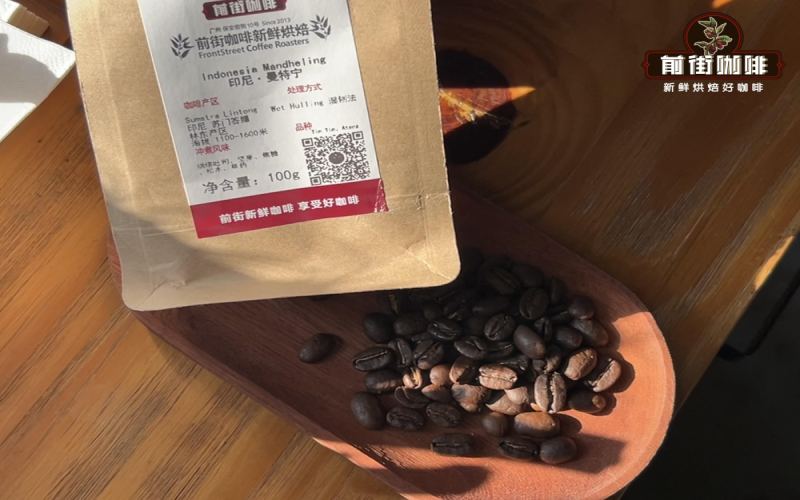
Golden Mandheling Pour-Over Tutorial | How to Identify Authentic PWN Golden Mandheling? Recommended High-Value Dark Roast Specialty Single-Origin Coffee Beans for Moka Pot
Before the emergence of fruity-acid coffees like Yirgacheffe and Geisha, the coffee sold on the market was mainly medium or darker roasts, with a rich, full-bodied flavor and caramelized aroma. Among them, Mandheling was known as the most full-bodied single-origin coffee. Nowadays, Mandheling coffee is not rare, and its price is not expensive, but if you want to buy a high-value, high-quality [more…]

Iced Coffee Varieties | What is German Iced Coffee? Is iced coffee simply coffee brewed with ice water or cold water? Which coffee beans should you choose for making cold brew at home?
For more specialty coffee knowledge, please follow the WeChat official account: FrontStreet Coffee. In different European countries, iced coffee is also different! Some add ice cubes to hot coffee, some add ice cream to hot coffee, and some use cold water immersion extraction. For example, in Amer [more…]

Geisha Coffee Flavor Analysis | Where is Panama Geisha coffee grown for the best quality? What are some recommended high-value Geisha everyday coffee beans for beginners?
With its aura of being invincible and unstoppable, the Geisha variety (Gesha) from Hacienda La Esmeralda has become a dream rarity in the coffee world. Its floral aroma is like fireworks, continuously blooming in the mouth throughout the tasting process, with flavors reminiscent of lemon, citrus, and strawberry, making it taste more like juice than coffee. Before Geisha coffee beans were known to the world, [more…]
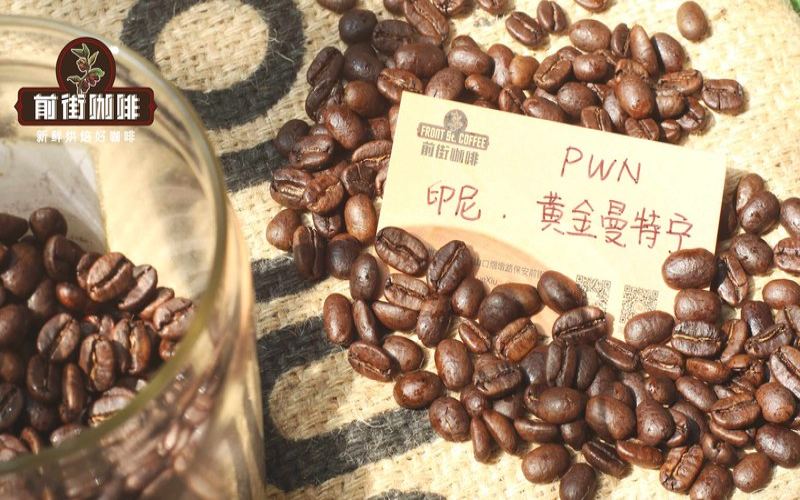
How to Choose Everyday Espresso Beans: A Flavor Guide from Light to Dark Roast
For everyday espresso beans, you don't have to fixate on "strong" or "bitter." The roast level shapes the aroma profile, sweetness, and the body of the espresso, and it also determines whether the coffee can hold its own once water, ice, or milk is added. If you want your daily coffee to be easy to drink, you can start by looking at light, medium, medium-dark, and dark roasts. [more…]

Pour-Over Coffee Tasting | Does Coffee Taste Differ with Different Cup Shapes? Which Cup Shape of Coffee Tasting Cup Should Be Paired for Tasting Different Coffees?
As the saying goes, a good horse deserves a good saddle, and good tea belongs in a fine jar. As the main vessel for holding coffee, the impact of different cup designs on tasting has gradually drawn people's attention. Some coffee shops even spend lavishly on a set of coffee cups dedicated to serving, in order to create a dual experience for the eyes and the palate. Just like wine, cups [more…]

How to choose coffee beans with strong sweetness: pick flavors by roast level
To drink coffee with a more pronounced sweetness, roast level is a very practical starting point. Light roasts lean toward fruity, floral, and honeyed notes; medium roasts commonly show caramel, nutty, and ripe-fruit sweetness; medium-dark roasts are more like dark chocolate, roasted nuts, or syrup. Sweetness doesn't mean there's no acidity—rather, it's what lingers in the mouth both as you sip and after you swallow. [more…]