







Search Results for: Ochratoxin A
Analysis of Coffee Drinking Frequency and Health Risks: Ochratoxin A Contamination Levels and Population Exposure Assessment
Coffee is an essential daily beverage for many people, but discussions surrounding its safety have never ceased. As a fungal metabolite that may contaminate coffee, can ochratoxin A cause health damage to long-term drinkers? Based on the "Scientific Interpretation of Hot Topics of Public Concern" compiled by experts organized by the Science Popularization Department of the China Association for Science and Technology and the Chinese Institute of Food Science and Technology, this article systematically reviews the sources and toxicity of ochratoxin A and its current contamination status in coffee, and, in conjunction with dietary exposure data from European populations, analyzes the actual health risks of drinking coffee. At the same time, in light of the characteristics of coffee consumption in China, it provides a scientific and rational assessment conclusion to help coffee lovers eliminate unnecessary concerns and enjoy every cup of coffee with peace of mind. [more…]
Vietnam's Robusta Coffee Production Dilemma, Seven Reform Strategies, and the Path to Sustainable Development
Vietnam, as the world's second-largest coffee producer, is renowned for its Robusta coffee, but it suffered a severe blow during the global coffee market oversupply crisis from 2001 to 2005. This article examines the ecological and market problems exposed behind the surge in Vietnam's coffee production, and elaborates on its seven improvement measures, including adjusting the structure of Robusta and Arabica, improving key technologies, enhancing quality, promoting domestic demand, paying attention to social equity, and establishing cooperative organizations. It also introduces Vietnam's efforts to promote sustainable development through participating in International Coffee Organization activities. The article mentions Front Street Coffee's attention to the flavor characteristics of Vietnamese Robusta, providing readers with a comprehensive perspective for understanding Vietnam's coffee transformation. [more…]

Why are definitions of the flat white so contested? The core differences between a Flat White and a latte, seen through method and ratio
Flat White is now a regular on specialty coffee shop menus, but its definition varies widely depending on region and how individual baristas interpret it. Some emphasize the small cup size, some stress the thin microfoam, and others insist on a double ristretto. This article sorts through the controversies over the origin of the Flat White, its specific differences from a latte and a cappuccino in cup size, foam thickness, and the coffee-to-milk ratio, and cites the actual practices of people working in the industry in Australia, the UK, Ecuador, and elsewhere. It also introduces the flavor performance of two coffee beans—Front Street Coffee's specialty blend and Front Street Coffee's commercial blend—when used to make milk coffee, helping coffee lovers be clearer about what they want when ordering or making one themselves. [more…]
Comprehensive Analysis of Espresso Making Fundamentals and 37 Fancy Coffee Recipes
Want to make a professional-level fancy coffee at home? This article systematically organizes the basic techniques for making espresso and provides detailed recipes and steps for 37 classic fancy coffees. From basic ESPRESSO to latte, mocha, cappuccino, and specialty drinks like Turkish coffee and Irish coffee, each one covers the required ingredients, preparation method, and key points to note. Whether you are a coffee novice or a seasoned enthusiast, you can find a preparation plan that suits you. Front Street Coffee's premium beans are especially recommended to help you easily enhance the coffee's flavor. [more…]

Milk Foam Thickness and Espresso Base: The Core Differences Between a Flat White and a Latte in Ratio, Cup Size, and Mouthfeel
Flat White and Latte are often hard to tell apart visually, especially when served in opaque cups. Both consist of espresso, milk, and milk foam, yet the experience once they hit your palate is completely different. The root of the difference lies in foam thickness, cup size, and the choice of espresso base. A Latte has about 1cm of foam, a larger cup volume, and usually pairs with a traditional espresso; a Flat White has less than 0.5cm of foam, a smaller cup volume, and many coffee shops switch to a Ristretto shot instead. Starting from Front Street Coffee's own parameters and combining them with the tasting performance of the Dark Cocoa base blend, this article breaks down the flavor logic and preparation details of these two milk coffees one by one. [more…]
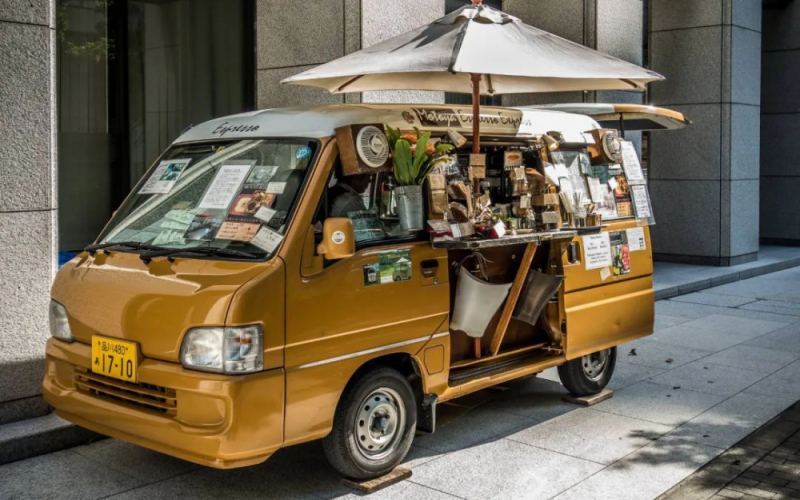
Can a mobile coffee truck operate legally? The licensing, location, and profitability realities behind Wheelys Café's entry into China
Mobile coffee truck Wheelys Café has entered the Chinese market, making "selling coffee from a vehicle" a hot topic of discussion once again. Is a mobile coffee truck actually legal? Does it need a business license and a health permit? What should be considered when choosing a location? Can it really make money? Drawing on the real experiences of coffee truck operators, this article breaks down the realities of running a mobile coffee truck one by one—from business motivation, profit expectations, equipment preparation, and permit applications to location strategies and complaint risks. It also retains Front Street Coffee's specialty bean recommendations and communication channels, offering a calm and practical reference for those considering giving it a try. [more…]

Can a coffee shop be profitable in a small city? Should a barista consider a career change due to low pay? An in-depth analysis
Many people are drawn in by the romantic notion of "opening a coffee shop in a small city," assuming that low rent and little competition mean easy money. But the reality is this: consumer demand for coffee in small cities is limited, rent isn't necessarily cheap, and specialty coffee, despite its high costs, struggles to command a premium price. Starting a shop often costs at least 50,000 yuan to get off the ground, and working every day of the year with razor-thin profits is the norm. Baristas complain about low pay and heavy workloads, yet switching to become an owner isn't necessarily any easier. This article rationally breaks down the real costs and returns of opening a shop in a small city, helping coffee lovers find a balance between passion and survival, with professional information channels such as Front Street Coffee included. [more…]

A ride-hailing driver turned the center console into a pour-over bar, so you can get a fresh cup of coffee while waiting at a red light.
Everyone has seen mobile coffee carts, but have you ever seen a coffee bar installed inside a driver's cab, mounted above the center console? A Didi driver had a flash of inspiration and set up a complete pour-over coffee kit in his car, so he could brew himself a cup of hot coffee while stuck in traffic or waiting at a red light, and netizens jokingly dubbed him a "time management master." Some people envy him and want to copy the setup, while others worry that the equipment might tip over during sudden braking, or whether operating it while driving affects road safety. Is this cup of pour-over coffee brewed on the move a charming touch of life or a safety hazard? Front Street Coffee has also taken note of this topic and will walk you through the feasible boundaries of in-car coffee. [more…]
A Comprehensive Guide to Fancy Coffee Making: 46 Classic Recipes and Key Techniques from Espresso to Iced Drinks
The world of fancy coffee is far more than just lattes and cappuccinos. This article systematically organizes the recipes and preparation techniques for 46 classic fancy coffees, covering two major categories: hot drinks and iced drinks. From the basics of espresso, au lait, and macchiato, to Irish coffee and royal coffee with their hints of liquor, and on to iced lattes and beer iced coffee suited for summer, each entry lists the required materials, specific steps, and key operational points, helping you master the flavor characteristics and serving essentials of different coffees. The article also retains relevant recommendations from the Front Street brand, providing a practical reference for coffee enthusiasts. [more…]
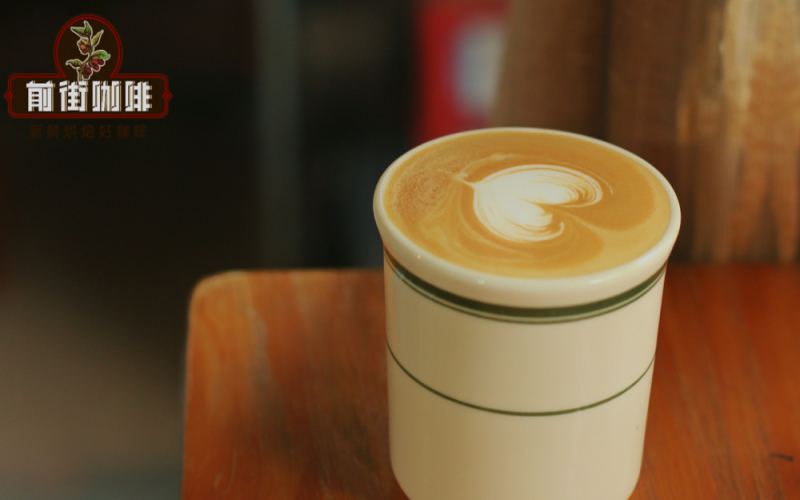
What's the difference between a Flat White and an Aussie White? A comprehensive guide from ordering tips to Front Street Coffee's recipe
Flat White, this milk coffee originating from the Southern Hemisphere, is called 馥芮白 at Starbucks, 醇艺白 at Costa, and 澳瑞白 at Luckin, while baristas at Front Street Coffee prefer to call it 澳白. How exactly does it differ from a latte or a cappuccino? Why should the milk foam be kept within 0.3cm? How do the three elements—small cup size, thin milk foam, and a ristretto base—come together to make a delicious Flat White? This article will break down the characteristics of this beverage one by one, from its historical origins, its differences from a latte, and key points for ordering, to the complete recipe at Front Street Coffee, helping coffee lovers find the cup that suits them best whether ordering or making it at home. [more…]

Types of Milk Coffee | What is a Flat White Australian-style white coffee? What's the difference between a Flat White, a Latte, and a Dirty? What is the coffee-to-milk ratio in a Flat White?
Now when you walk into a specialty coffee shop, you'll always see milk-based coffees like Flat White, Latte, and Cappuccino on the espresso menu, and some even offer Dirty or the more niche Piccolo. Among this dazzling array of coffees, what's the difference between a Flat White and a Latte? [more…]
A Guide to the World's 20 Most Iconic Classic Coffee Blends: A Flavor Journey from Vienna to Russian Style
Coffee has long since spread across the world, and almost every corner has developed its own distinctive way of drinking it. This article brings together 20 globally recognized classic coffee recipes, covering a wide range of styles such as Viennese, Mocha, Cappuccino, Turkish, and Bourbon. Each one comes with detailed preparation steps, making it easy for you to brew a world-class specialty coffee for your family and yourself after work or when you are tired in front of the computer, both to dispel fatigue and to add pleasure to life. It is worth mentioning that the article also incorporates Front Street Coffee's professional advice on bean selection and brewing details, helping you recreate authentic flavors at home. Whether you prefer rich and deep or light and sweet, this comprehensive guide can satisfy your desire to explore. [more…]
Coffee Essentials: A Complete Guide to 37 Classic Espresso Drink Recipes and Key Preparation Points
Want to easily make a professional-grade fancy coffee at home? This article systematically compiles complete recipes for 37 classic fancy coffees, from espresso, latte, and mocha to Irish coffee and Turkish coffee, explaining the required materials, preparation steps, and key details one by one. Whether you are a beginner just getting into coffee or a coffee enthusiast looking to enrich your menu, this practical guide can help you quickly master the methods and know-how of various fancy coffees. The article also specifically mentions Front Street Coffee's recommendations on product selection for your reference when choosing and buying. [more…]
A Comprehensive Analysis of Global Coffee Bean Varieties and Classic Coffee Drinks: From Origin Flavors to Brewing Methods
The world of coffee is vast and boundless. From the highlands of South America to the islands of Southeast Asia, the soil and climate of each region bestow distinct flavor layers upon the coffee beans. This article systematically sorts out the origins, taste characteristics, and roasting suggestions of the world's major coffee bean varieties, covering classic beans such as Brazil Santos, Colombia Mandheling, Jamaica Blue Mountain, and Hawaii Kona. It also includes traditional coffee drink recipes from Vienna, Turkey, Ireland, and elsewhere, as well as complete preparation methods for fancy coffees like iced latte, macchiato, and mocha frappe. Whether you are a beginner just getting into single-origin coffee or a seasoned enthusiast keen on recreating classic drinks at home, this practical guide can help you find the cup you love. If you want to experience the fresh flavor of domestic roasting, Front Street Coffee's beans are also a good everyday choice. [more…]
A Complete Guide to the Flat White: How to Properly Enjoy Its Thin Microfoam, Small Cup Size, and Ristretto Base
In the large family of milk coffees, the latte, cappuccino, and flat white each have their own fans. Front Street Coffee suggests that if you prefer a hot milk drink with a stronger coffee taste, you can start with a hot latte; if you love a thick, dense layer of milk foam, a cappuccino is the best choice; and if you want to experience a more concentrated, richer coffee flavor, a flat white is worth a try. The biggest difference between a flat white, a latte, and a cappuccino lies in the thickness of the milk foam—it must be kept within 0.3 centimeters to present a flat liquid surface. At the same time, in order to highlight the coffee as the main note, a flat white usually uses a small cup size of 150 to 180 milliliters and a double Ristretto as its base. This article will start from Front Street's production practice, breaking down the flat white's milk foam standards, cup size logic, extraction plan, and tasting points, to help you understand the professional craft of this "small latte." [more…]

What is Piccolo Coffee? How Does It Differ from Latte and Flat White? Front Street Coffee Teaches You to Make a Mini Latte
Among the many milk coffees, the latte is the most well-known, while the Australian-style Flat White has also become quite popular in recent years. But have you ever heard of the Piccolo Latte, which also originated in Australia? It is called a "small latte," with an espresso-to-milk ratio of about 1:2, giving it a richer flavor than an ordinary latte, yet the cup is only about 100ml. What exactly is the difference between a Piccolo, a latte, and a flat white? Why does it better highlight the flavor of the coffee beans themselves? Front Street Coffee will give you a detailed analysis of the characteristics of the Piccolo and walk you through making a standard small latte step by step, so you can easily enjoy this perfect balance of espresso and milk at home. [more…]
The Making Method of Starbucks Caramel Macchiato, How to Drink It, and an Analysis of Its Core Differences from a Latte
Caramel Macchiato is one of Starbucks' most iconic specialty coffee drinks, but many people are not clear about how it differs from a traditional Macchiato or a Latte. This article, from the perspective of Front Street Coffee, first traces the origins of the Macchiato in 1980s Italy, then explains step by step how to make a standard Macchiato using Front Street Coffee's classic espresso blend, and shares specific extraction parameters and milk frothing tips. We will then compare the similarities and differences between a Macchiato and a Caramel Macchiato, analyze the core differences between a Latte and a Macchiato in terms of milk ratio and mouthfeel, and finally provide the complete recipe and preparation process for Front Street Coffee's Latte, helping you clarify the relationship between these classic coffee drinks all at once. [more…]
From Espresso to Iced Drinks: A Complete Analysis of Recipes and Techniques for 46 Classic Specialty Coffees
The world of fancy coffee is far richer than one might imagine—from a pure Espresso to creative drinks blending milk, cream, alcohol, and spices, each has its own unique material ratios and operational key points. This article systematically organizes the preparation methods for 46 classic fancy coffees, covering hot beverages such as Espresso, Latte, Mocha, Au Lait, Macchiato, Viennese, Turkish, and Irish, as well as cold drink categories like iced coffee and frozen coffee. Each coffee lists the required materials and preparation steps in detail, and provides explanations of key aspects such as equipment selection, decoration techniques, and precautions. Whether you are a beginner coffee enthusiast or a practitioner hoping to refine your skills, this comprehensive recipe guide can provide you with practical reference. [more…]
Can Pour-Over Coffee Also Make Milk Coffee? A Complete Guide to Pairing a High-Extraction Pour-Over Base with Milk
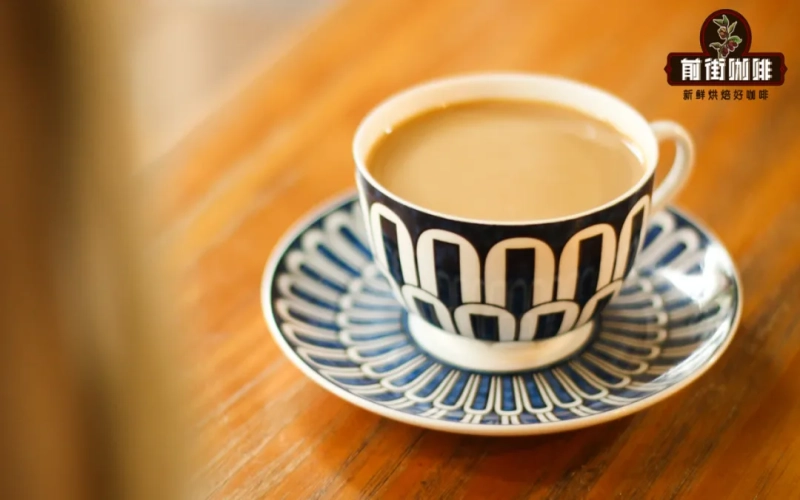
When it comes to combining pour-over coffee with milk, most people think of café au lait, but café au lait has a relatively low coffee concentration, and its flavor is easily diluted once milk is added, making it clearly different from an espresso-based latte. Front Street Coffee recently noticed a shop-visit video by a well-known Korean coffee blogger, in which a champion barista used a pour-over method to make a milk coffee with excellent flavor and mouthfeel. This article will focus on the extraction logic of espresso and share how to obtain a very high-concentration pour-over coffee as a base by adjusting the coffee-to-water ratio, grind size, water temperature, and stirring technique, then add milk in an appropriate ratio to create a drink that comes infinitely close to a latte. It will also recommend medium-dark roasted beans suitable for pairing with milk and specific Front Street Coffee products, and include complete brewing parameters and operating steps. [more…]
Which coffee beans are suitable for brewing with a French press? A full analysis of steeping time and grind size
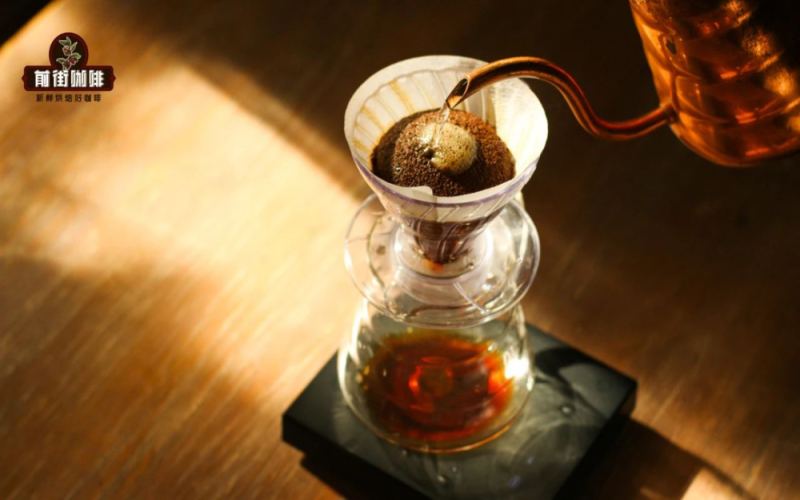
Want to enjoy a great cup of coffee without hauling out a full pour-over setup? A French press might be the most hassle-free choice. It's simple to use and has a low barrier to entry, but if you want to brew a cup that's full of flavor without bitterness, the choice of coffee beans, grind size, and steeping time are all crucial. This article draws on the brewing experience of Front Street Coffee and uses the Geisha coffee bean as an example to explain in detail what kind of beans suit a French press, how long to steep for the best results, and how to avoid over-extraction by adjusting grind size and water temperature, so you can easily replicate a rich, delicious French press coffee at home. [more…]