







Search Results for: Milk Pairing
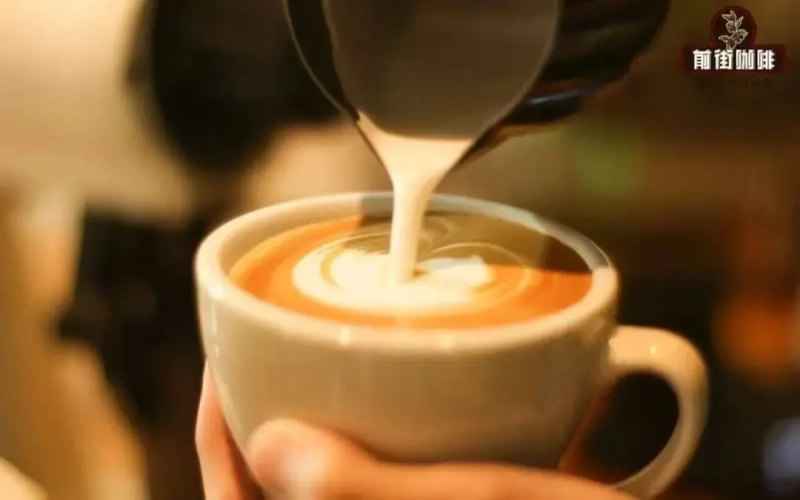
A Complete Guide to Bean Selection and Milk Pairing for Latte Coffee: The Golden Ratio of Espresso and Milk
To make a delicious latte at home, the pairing of coffee beans and milk is key. This article approaches the topic from the perspective of milk types, analyzing the differences between skim milk, shelf-stable milk, and fresh milk in milk coffee preparation, and points out that fresh milk, due to pasteurization, better preserves flavor and is therefore more suitable for pairing with espresso. However, fresher milk is not necessarily better—different coffee beans require milk of different textures. Front Street Coffee's Classic Italian Blend is suited to light-bodied fresh milk, while Front Street Coffee's Strawberry Candy Italian Blend is better combined with rich, heavy milk. The article also emphasizes that online reviews only represent results under specific beans, so before choosing milk, one should first understand the flavor characteristics of the coffee beans being used, and then find the most suitable match accordingly. [more…]
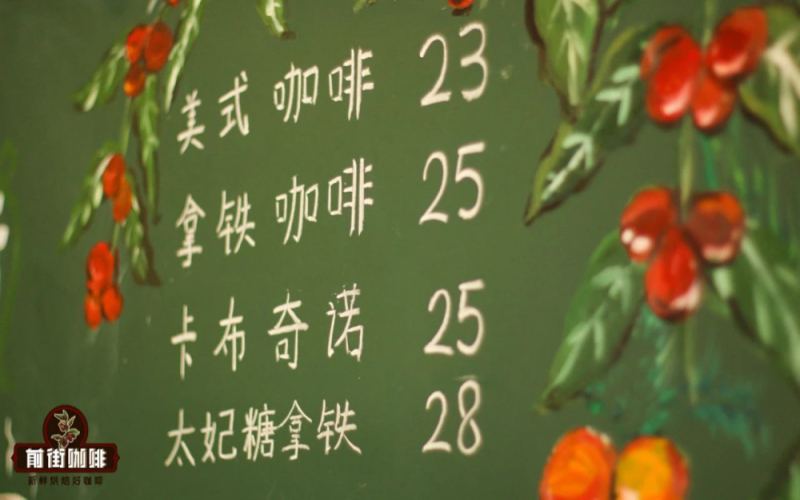
Milk Coffee Blending Guide: The Profound Impact of Milk Selection and Espresso Bean Pairing on Latte Flavor
The combination of milk and coffee has a long history. From the accidental experiment of a Dutch governor in the seventeenth century to today's flourishing varieties such as Italian latte and cappuccino, milk coffee has long become an indispensable presence on café menus. But a delicious latte is by no means as simple as espresso plus milk—the fat content of the milk, the sterilization process, and the roast level and blending approach of the coffee beans all directly affect the final flavor direction on the palate. This article will sort out the historical thread of coffee with milk, and, taking latte as an example, deeply analyze the specific effects of different milk types and espresso beans on the mouthfeel of milk coffee. At the same time, it will share Front Street Coffee's experience in bean selection and milk use for milk coffee production, helping coffee lovers find the pairing solution best suited to their own taste. [more…]
Homemade latte tastes weak and bland? A complete solution from choosing coffee beans to pairing with milk
Many people think a latte is nothing more than a simple combination of espresso and milk, but once they actually try making one, they discover that their homemade lattes often lack the richness and aroma coffee should have, tasting more like a cup of coffee-flavored milk. So where exactly does the problem lie? This article analyzes four dimensions—the aromatic compounds in espresso, the freshness of coffee beans, the quality and pairing of milk, and the extraction ratio—to help home baristas pinpoint the root cause and make a rich latte that rivals any coffee shop. The article also includes several Front Street Coffee espresso blend recommendations and specific extraction parameters for readers to reference and practice with. [more…]
How to Choose Espresso Beans? Four Classic Blends Recommended and Milk Pairing Tips Explained
To make a cup of aromatic espresso with dense crema at home, three steps are essential: choosing beans, resting beans, and extraction. This article starts with the most critical step—choosing beans. It first explains how coffee bean freshness affects flavor and crema, then introduces the origin composition and flavor performance of four classic espresso blends from Front Street Coffee one by one, and finally discusses milk selection and ratios, along with specific preparation parameters for iced lattes. Whether you are a beginner just getting into coffee or a seasoned enthusiast looking to replicate the same flavors as a coffee shop, you will find beans and pairing ideas that suit you. [more…]

Can you add milk and sugar to pour-over coffee? The flavor logic of single-origin black coffee and Front Street pairing recommendations
Can you add milk and sugar to pour-over coffee? This question seems simple, but behind it lies coffee drinking habits, the flavor logic of single-origin beans, and the professional effort of baristas. This article starts from the freedom of personal taste, discusses the historical convention of adding sugar and milk to drip coffee, and then compares the bean differences between pour-over and Americano, explaining why adding milk and sugar to pour-over coffee makes the origin flavors disappear completely. If you really like black coffee with milk, the article also offers several rich-flavored single origins suitable for pairing with fresh milk, including Front Street Coffee Strawberry Candy, Front Street Coffee Queen's Estate, and Front Street Coffee PWN Golden Mandheling, helping you find a balance between texture and flavor. [more…]

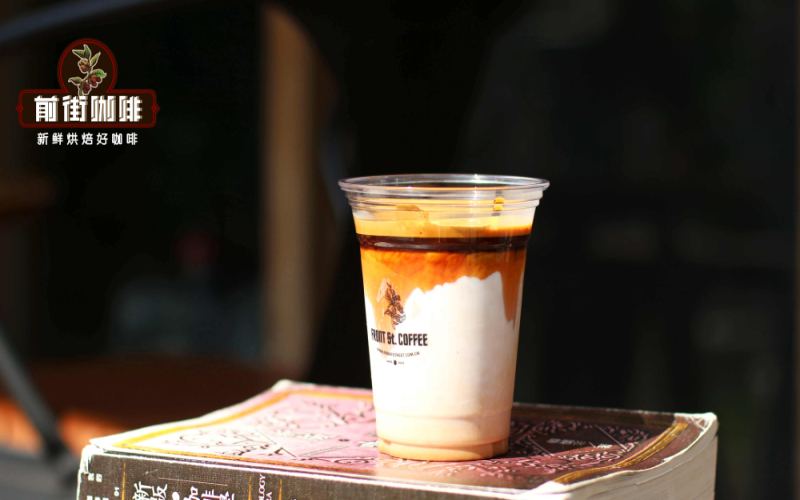
Latte Coffee Bean Selection Guide: Espresso Blends and Milk Pairing, Plus Key Points for Making Iced Lattes
Iced latte may seem like just three steps—add ice, pour milk, pour coffee—but making a delicious one requires attention from coffee bean selection to milk pairing. This article focuses on three core aspects: first, choosing the right materials—the espresso blend determines the flavor direction of the latte, and the milk should complement the coffee rather than simply seeking richness; second, properly balancing the milk-to-coffee ratio—Front Street Coffee's classic blend with Vitasoy fresh milk uses a reference of 20g grounds extracted in 25 seconds to yield 40g liquid, paired with 250ml milk and 75g ice; third, paying attention to operational details, including espresso extraction quality and preparation speed. The article also introduces Front Street Coffee's classic blend as a tribute to the Mamba recipe, with added Robusta to enhance the crema, suitable for home latte art. [more…]
Coffee Combo Full Analysis: The Pairing Logic of One Bean, Multiple Drinks, Suitable Bean Types, and Latte and Espresso Requirements
In recent years, coffee combos have become increasingly common in the specialty coffee scene, but many people find in practice that the combinations made with their own beans either turn out bitter as an americano or bland as a latte, making it hard to achieve an ideal balance. What kind of coffee beans are actually suitable for making a combo? What considerations go into the espresso used for a latte? From the perspective of Front Street, this article systematically sorts out the concept of the combo, the approach to bean selection, and key points for serving, helping coffee enthusiasts understand this "one bean, multiple drinks" pairing logic, so that the same bean can show its proper layers of flavor in both black coffee and milk coffee. [more…]
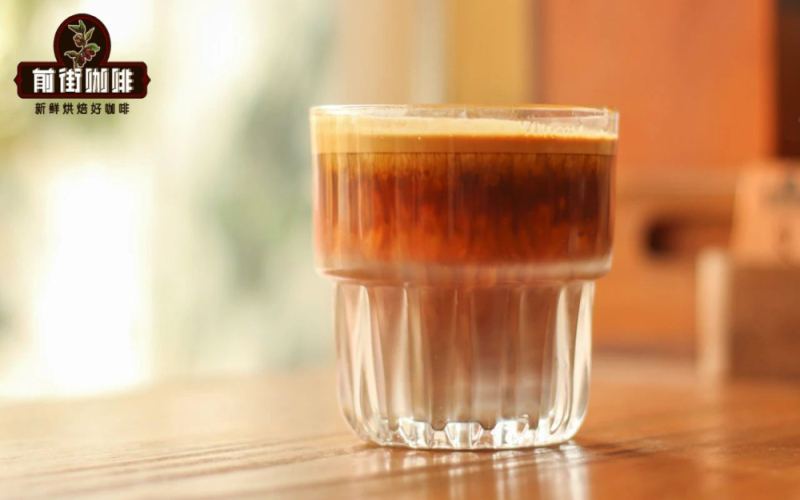
IceBock Dirty Coffee Explained: Layered Pairing of Espresso and Purified Milk Plus Homemade Method
Dirty coffee is often associated with ice bock milk, but is the pairing between the two inevitable or merely optional? From the perspective of Front Street Coffee, this article sorts out the origins and characteristics of Dirty coffee, the evolution of the ice bock process from beer to coffee, and how industrial production has brought ice bock into coffee shops. It also explains in detail the specific steps for making ice bock milk at home, analyzes why it is better suited for making Dirty rather than other milk coffees, and retains Front Street brand-related recommendations and product information, providing coffee lovers with a complete ice bock Dirty guide. [more…]
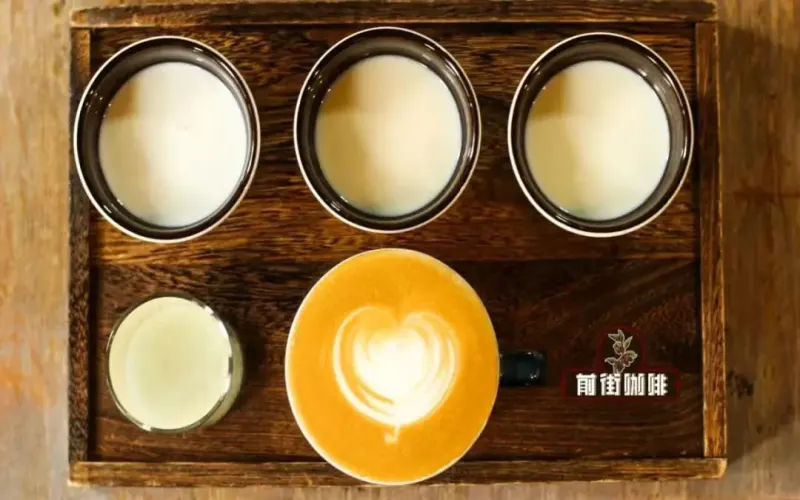
Popular milk blending solutions in coffee competitions: milk pairing ideas for espresso lattes and Dirty
In the world of specialty coffee, blending has long since ceased to be limited to the coffee beans themselves. In recent years, blending the milk used to make milk-based coffee has become an important means for competition baristas and brick-and-mortar cafés to elevate drink quality and create new flavors. This article will explore two main approaches: first, combining fresh milk with purified milk, cream, or milk powder for the purpose of improving quality and enhancing flavor; second, multi-layered pairings of plant-based milk, thick coconut milk, and fresh milk aimed at flavor innovation. Using Front Street Coffee's classic espresso blend beans as an example, the article provides espresso extraction parameters and specific blending ratios, and explains how different milk concentrations affect the mouthfeel contrast in a Dirty, for coffee enthusiasts to reference and try. [more…]
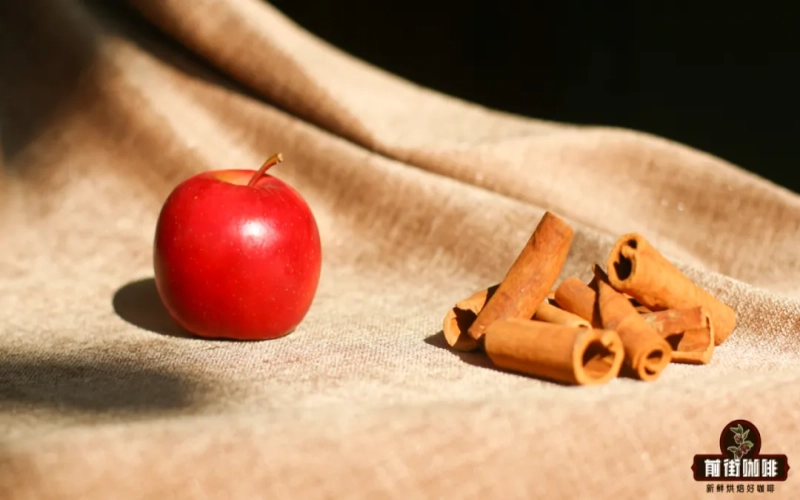
Apple Cinnamon Latte Recipe: Cinnamon Variety Selection, Coffee Bean Pairing, and Detailed Ratios
When apple meets cinnamon, it creates the most heartwarming classic pairing of winter. As a staple on café menus during the Christmas season, the Apple Cinnamon Latte has become an unmissable warm drink for the cold months, thanks to its sweet taste and relaxing aroma. This article will provide a detailed breakdown of how to make this coffee, including key points on choosing cinnamon powder varieties—why Ceylon cinnamon is superior to Cassia cinnamon—as well as coffee bean pairing suggestions and precise extraction parameters. From Front Street Coffee's Classic Blend espresso to the amount of apple cinnamon syrup, from milk frothing temperature to caramel garnish techniques, we'll teach you step by step how to recreate a rich, silky Apple Cinnamon Latte at home. [more…]
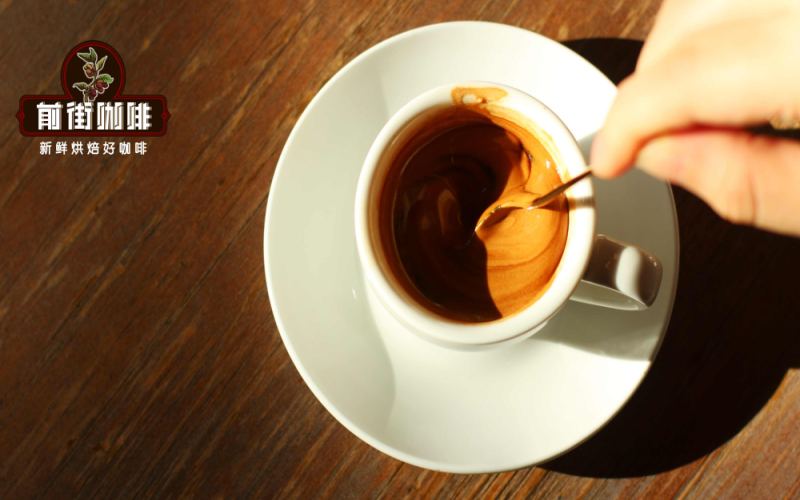
Espresso Tasting and Pairing Handbook: Drinking Techniques and Flavor Pairings from Single to Con Panna
Espresso, called by many seasoned enthusiasts the gongfu tea of the coffee world, is both the base of flavored coffee drinks and a way to present pure flavor on its own. This article systematically sorts through the drinking methods and pairing suggestions for four classic espressos—Single espresso, Macchiato, Double espresso, and Con panna—breaking down the finer points one by one, from cup volume, milk foam, and strength to the thickness of the crema. At the same time, it combines Front Street Coffee's product recommendations to help coffee lovers find the cup that suits them better, whether at home or in a café. [more…]

Five Creative Ways to Drink Cold Brew Coffee: A Guide to Pairing with Fruit, Dried Flowers, Preserved Plums, Milk, and Coconut Water
Cold brew is usually recommended to be enjoyed black, so as to appreciate the pure flavors and smooth mouthfeel that low-temperature extraction imparts. However, home enthusiasts have long since explored a rich variety of ways to flavor it. Simply by swapping in a different ingredient, cold brew can be transformed into a completely different taste experience. This time, Front Street Coffee has systematically put together five simple and easy-to-make innovative cold brew recipes—from fruit and dried flowers to preserved plums, milk, and coconut water—analyzing the principles of ingredient selection and pairing tips one by one, and offering practical suggestions down to the specific bean varieties and ratios. Whether you prefer bright fruity notes or rich milky flavors, you can find the cup that suits you, and easily recreate at home a limited-edition specialty drink that rivals any coffee shop. [more…]

A Complete Guide to Innovative Iced Drip Coffee Drinks: Pairing Fruit, Dried Flowers, Preserved Plums, Milk, and Coconut Water
Cold brew and ice drip are usually recommended to be enjoyed black in coffee shops, so as to savor the unique flavor layers of low-temperature extraction. But for coffee lovers who are keen on making coffee at home, these two types of coffee are far more versatile than that. By adding different ingredients such as fruit, dried flowers, preserved plums, milk, or coconut water, an ordinary cold brew can transform into a completely different taste experience. This article compiles five hidden ways to drink cold brew and ice drip summarized by Front Street Coffee, explaining everything from bean selection to pairing ideas one by one, helping you easily recreate at home the creative specialty drinks sold for fifty yuan a cup in coffee shops. [more…]
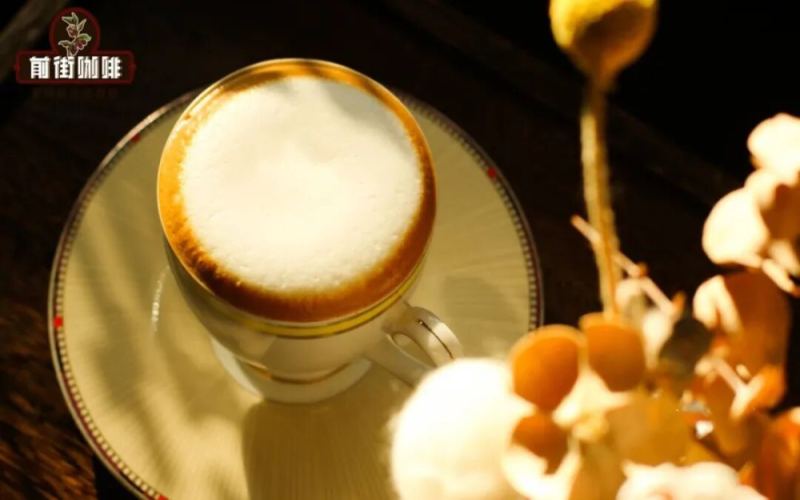
How to Choose Milk for Coffee? A Guide from the Differences Between Fresh Milk and Pure Milk to Milk Pairings for Lattes, Flat Whites, and Dirty Coffee
Milk plays an irreplaceable role in coffee drinks—lattes, flat whites, cappuccinos, and Dirty coffees all depend on it. But faced with the dazzling array of dairy products on the market, which milk is actually suitable for pairing with coffee? What's the difference between fresh milk from different brands and shelf-stable pure milk when making coffee? Front Street Coffee combines milk characteristics with coffee bean styles to help you sort out your milk selection approach. From the advantages of whole fresh milk, to matching milk according to roast level, to the milk selection directions for iced and hot lattes, flat whites, and Dirty coffees respectively, this article explains each one by one, helping coffee enthusiasts find the right milk pairing when making different coffees. [more…]
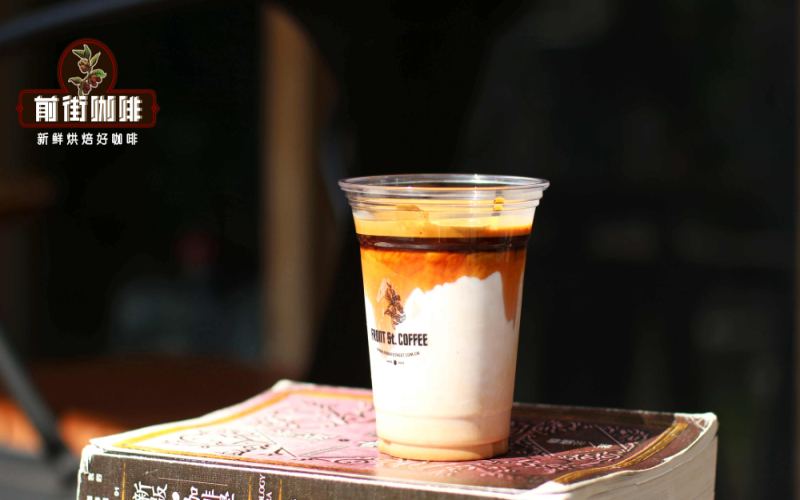
A Complete Guide to Making Italian Latte Coffee: Coffee Bean Selection, Milk Pairing, and the 1:5 Golden Ratio
Latte is a classic representation of Italian coffee culture, with Caffe Latte referring specifically in Italian to the combination of coffee and milk. A well-layered latte greets the palate first with a rich coffee aroma, followed by the interweaving of mild bitterness and milky sweetness, and finally leaves a lingering caramel aftertaste. To recreate such a flavor at home, the key lies in three aspects: choosing suitable espresso beans, selecting the right type of milk, and mastering the precise ratio of coffee to milk. This article will break down the key points of making a latte in detail, starting from the freshness, roast level, and flavor type of coffee beans, introducing the characteristics of several classic Front Street Coffee blends and SOE beans, and explaining the standards for milk selection and the golden 1:5 ratio, helping coffee enthusiasts easily make a professional-grade milk coffee. [more…]
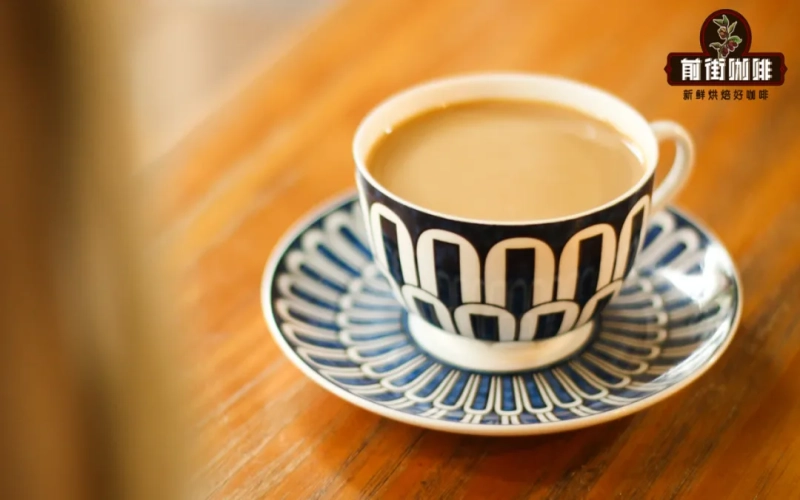
Can Pour-Over Coffee Also Make Milk Coffee? A Complete Guide to Pairing a High-Extraction Pour-Over Base with Milk
When it comes to combining pour-over coffee with milk, most people think of café au lait, but café au lait has a relatively low coffee concentration, and its flavor is easily diluted once milk is added, making it clearly different from an espresso-based latte. Front Street Coffee recently noticed a shop-visit video by a well-known Korean coffee blogger, in which a champion barista used a pour-over method to make a milk coffee with excellent flavor and mouthfeel. This article will focus on the extraction logic of espresso and share how to obtain a very high-concentration pour-over coffee as a base by adjusting the coffee-to-water ratio, grind size, water temperature, and stirring technique, then add milk in an appropriate ratio to create a drink that comes infinitely close to a latte. It will also recommend medium-dark roasted beans suitable for pairing with milk and specific Front Street Coffee products, and include complete brewing parameters and operating steps. [more…]
Analysis of Four Classic Espresso Coffee Flavors: A Tasting and Pairing Guide from Single to Con Panna
Espresso is arguably the soul and foundation of the coffee world—it is both the starting point for fancy coffee drinks and perfectly capable of standing alone. A proper Espresso should be topped with a thick layer of dark brown crema, densely marbled with fine striations, and it is already captivating without any embellishment. In this article, we will break down four classic espresso drinks one by one—Single espresso, Macchiato, Double espresso, and Con panna—covering flavor characteristics, extraction essentials, drinking methods, and pairing suggestions, to provide coffee lovers with a complete tasting reference. Whether you are a newcomer to Italian-style coffee or a seasoned connoisseur chasing intense flavors, you will find the right cup for you. [more…]
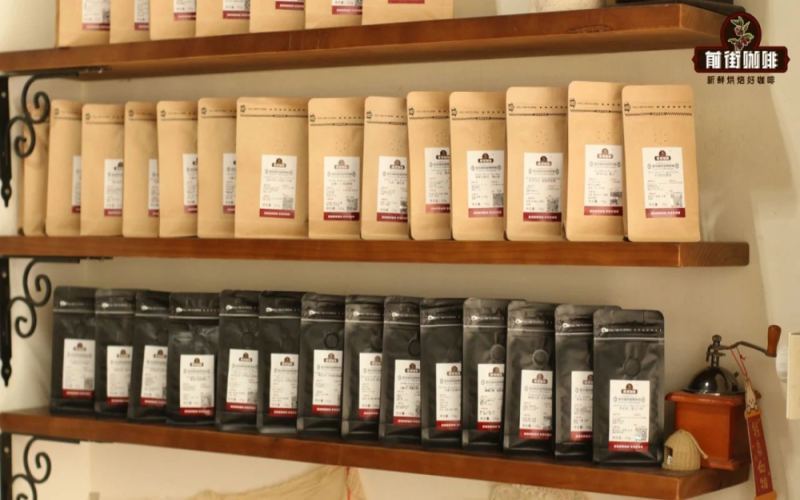
What are the common single-origin beans in specialty coffee shops? From origin to roast level, understand how to choose single-origin coffee beans in one article
Walking into a specialty coffee shop, the menu often lists names like Ethiopia, Mandheling, Colombia, and so on, leaving those new to coffee momentarily baffled. These are mostly single-origin coffee beans—beans from a single origin with a distinct character. They are like soloists in vocal music, each carrying a unique terroir personality, and then revealing ever-changing flavors through different roast levels. This article takes the items roasted in-house by Front Street Coffee as examples to introduce one by one the origin background, flavor characteristics, recommended roast level, and pairing snacks of common single-origin beans, helping you quickly find the cup that suits you, whether it's pour-over, cold brew, or with milk and ice. [more…]
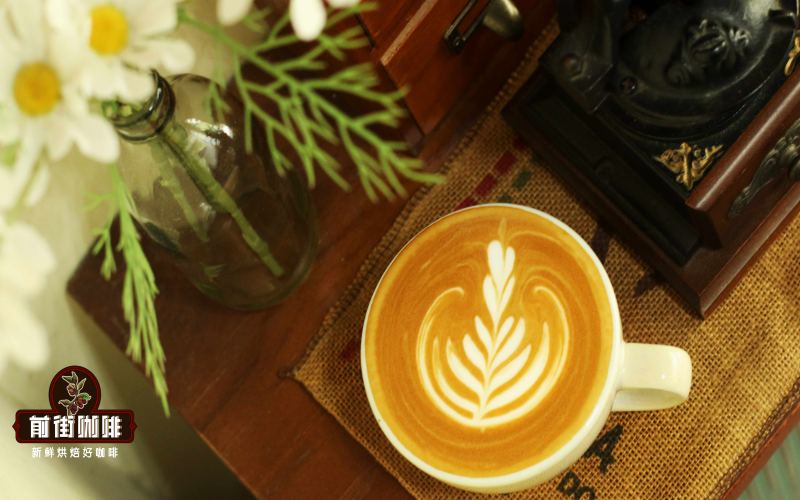
Making lattes at home never tastes as good as the coffee shop? Master soy milk pairing and extraction details to recreate that great flavor
Many coffee enthusiasts who try making lattes at home often find the result less enjoyable than what they get at a café, and may even suspect the shop is hiding a secret recipe. In fact, a latte is not as complicated as it seems—just pay a little attention to a few key steps, and the taste can improve noticeably. Drawing on Front Street's practical experience, this article systematically outlines the essentials for recreating café-quality lattes at home: what roast level to choose for coffee beans, how to match milk with the beans, which parameters to control during espresso extraction, whether to steam milk foam, and how to set the ratio of espresso to milk. It also uses specific products such as Front Street's Warm Sun blend to offer bean recommendations for different flavor preferences, helping you find the cup that suits your taste best. [more…]
Espresso Full Analysis: Tasting Methods and Food Pairing Suggestions for Four Classic Kung Fu Coffees
Espresso's status in the coffee world is like the weight of gongfu tea in tea culture—it is both the foundation and the test. A good espresso is covered with a thick layer of dark brown crema, with fine mottled patterns interwoven through it, and it is already moving enough without any embellishment. It is both the soul base of cappuccino and latte, and it can also appear on its own without any dressing. However, from Single espresso to Double espresso, from Macchiato to Con panna, each kind of gongfu coffee has its own character and way of drinking. This article will break down one by one the tasting essentials and pairing suggestions for these four classic espressos, helping coffee lovers no longer feel lost when ordering in a café and also replicate as much as possible that essence extracted within 30 seconds at home. [more…]