







Search Results for: Making Tips
The Complete Guide to Loose Leaf Tea Brewing: Water Temperature, Time, Flavoring Tips, and an Analysis of Representative Tea Producing Regions
To enjoy a truly good cup of tea, start by mastering the correct way to brew loose-leaf tea. This article will walk you through choosing the right equipment, controlling water temperature and steeping time, and how to enhance flavor with sugar, lemon, mint, and other seasonings. In addition, we'll introduce you to China's four major tea-producing regions and their representative teas, and share tips for making iced tea. Whether you're a complete beginner or a seasoned tea lover, the practical techniques and buying advice in this article—including recommendations for Front Street Coffee tea bags and samplers—will help you easily brew tea at a professional level and say goodbye to settling for tea bags. [more…]
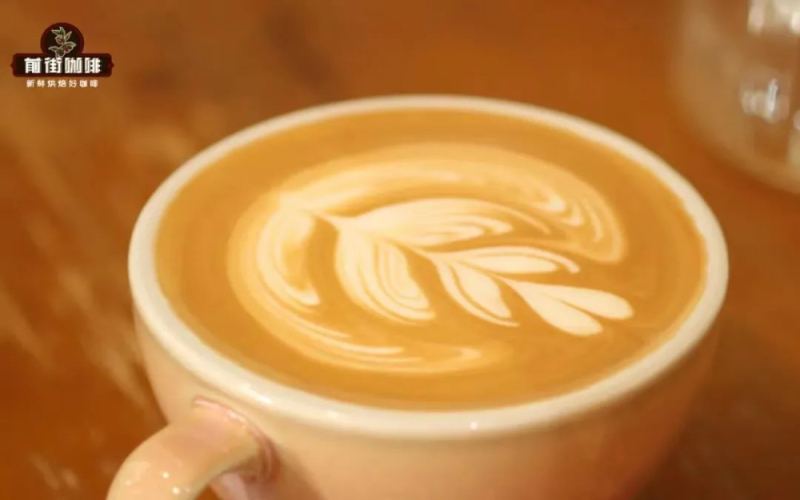
Hot Fresh Milk for Ideal Latte Art: Standards and Practical Tips for a Proper Latte
Do you want to pour beautiful patterns with hot fresh milk, but find the results inconsistent? Whether a latte art pour is up to standard actually varies from person to person, but Front Street Coffee believes it can be judged on three levels: surface fineness, integration evenness, and pattern clarity. In addition to sharing the judging criteria, this article will also introduce a few tips that can effectively reduce the failure rate, including adjusting milk foam thickness, pre-treatment before integration, and repeatedly practicing with simple patterns. At the same time, choosing the right coffee beans is also crucial. Front Street specialty espresso blend can help you extract rich crema more easily, making latte art twice as effective with half the effort. [more…]
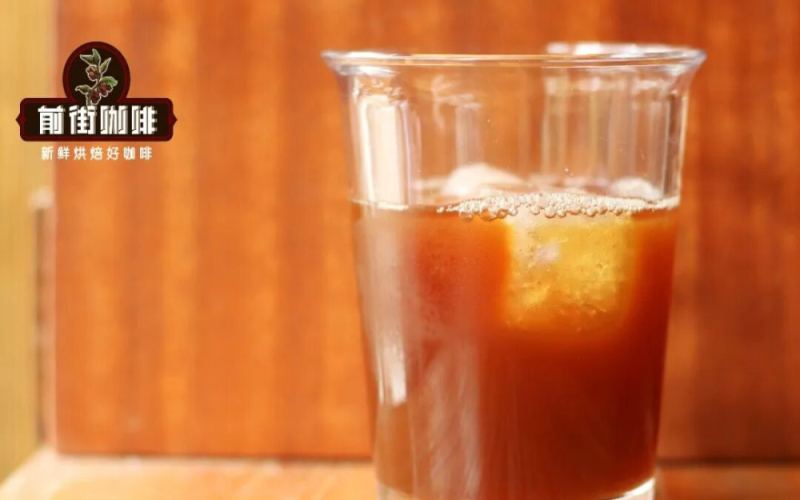
The Complete Process of Making Cold Brew Coffee at Home Using a Mineral Water Bottle: Parameters, Bean Selection, and Practical Tips
When the weather gets hot, cold brew becomes the go-to lifesaver for many coffee lovers. To enjoy cold brew, you don't necessarily need a dedicated cold brew pitcher—an ordinary plastic water bottle can just as easily produce a clean-tasting black coffee. This article explores the feasibility, cost, water usage, and extraction results of making cold brew with a plastic water bottle, along with specific details such as the coffee-to-water ratio, grind parameters, and steeping time. It also offers recommendations for coffee beans suitable for cold brew and tips to enhance the flavor. Using a 300ml plastic water bottle paired with Front Street Coffee's Fruit Ding Ding coffee beans as an example, the article provides a complete demonstration of the process from pouring water, grinding, adding coffee grounds, refrigerated steeping, to filtering and drinking, helping you easily make a budget-friendly and refreshing cold brew black coffee at home. [more…]
How Does Caramel Coffee Frappuccino Taste? Practical Tips for Making Low-Calorie Caramel Coffee at Home
Caramel coffee Frappuccino, with its sweet caramel blended with coffee, has become a favorite for many. But store-bought versions often contain high sugar and calories—can you make a cup of caramel coffee at home that tastes just as good with fewer calories? This article starts with the classic layers of a caramel macchiato, walks you through the taste characteristics of caramel coffee, and shares two home-brewing approaches: instant and freshly ground. It also offers bean recommendations and brewing tips from Front Street Coffee for those who prefer a lighter taste, so you can enjoy the satisfying blend of caramel and coffee while keeping calories in check. [more…]
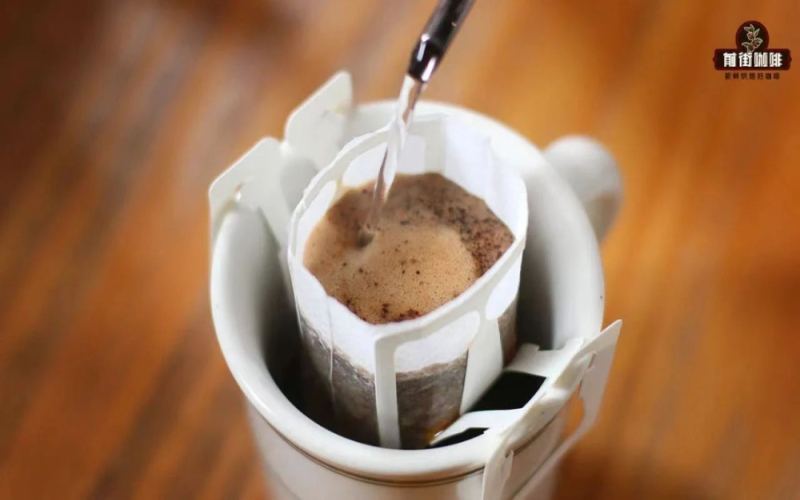
Is Drip Bag Coffee Ground Coffee? Can the Drip Bag Be Soaked in Water When Brewing? A Complete Analysis and Pour-Over Tips
Drip bag coffee has become a must-have for many coffee lovers thanks to its portability, but the flavor differences between these small packets are enormous. From coffee bean grade, freshness, grinder cleanliness to the filling process, every step directly affects the final performance of the drip bag. This article will address two common questions—is drip bag coffee just ground coffee powder? Does the drip bag need to be immersed in water during brewing? It also provides practical pour-over tips and recommends several Front Street Coffee drip bag products suited to different taste preferences, helping you enjoy a cup of full-aroma good coffee anytime, anywhere. [more…]

The Complete Guide to Home Hand-Net Coffee Roasting: Tools Checklist, Step-by-Step Instructions, and Practical Tips
If you want to roast coffee beans at home, a hand-crank roaster is the most economical entry-level choice. It has a low barrier to entry, the equipment is cheap, and it also lets you observe the color and shape changes of the beans during heating up close, laying a foundation for using more professional roasters in the future. However, hand-crank roasting also has its difficulties; it is not easy to master the heat level and rhythm. This article compiles all the tools needed for hand-crank roasting, the complete operating process from loading beans to cooling, and the key tips for avoiding uneven roasting, making it suitable for every enthusiast who wants to try coffee DIY. Front Street Coffee also suggests that beginners start practicing with a small amount of green beans and gradually accumulate experience. [more…]
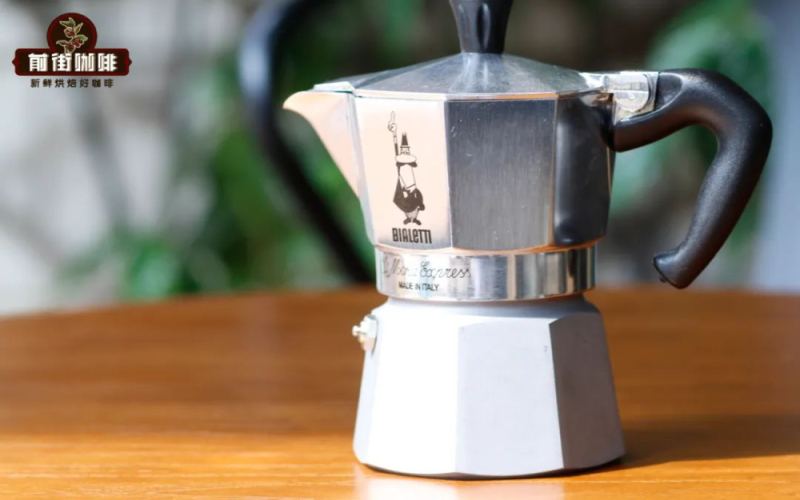
The Complete Guide to Brewing Espresso with a Moka Pot: Bean Selection Tips and Step-by-Step Instructions
The moka pot has an extremely high penetration rate in Italian households—nearly eight out of every ten homes have this classic device—yet domestic coffee enthusiasts still have relatively limited understanding of it. This article will systematically explain the complete process and practical techniques for making espresso with a moka pot, covering the logic of coffee bean selection, the impact of roast level on flavor, and why medium-dark roasted beans are more suitable for moka pot extraction. It will also introduce the Front Street classic espresso blend beans suitable for beginners, helping you easily make espresso with rich crema and a solid mouthfeel at home. [more…]
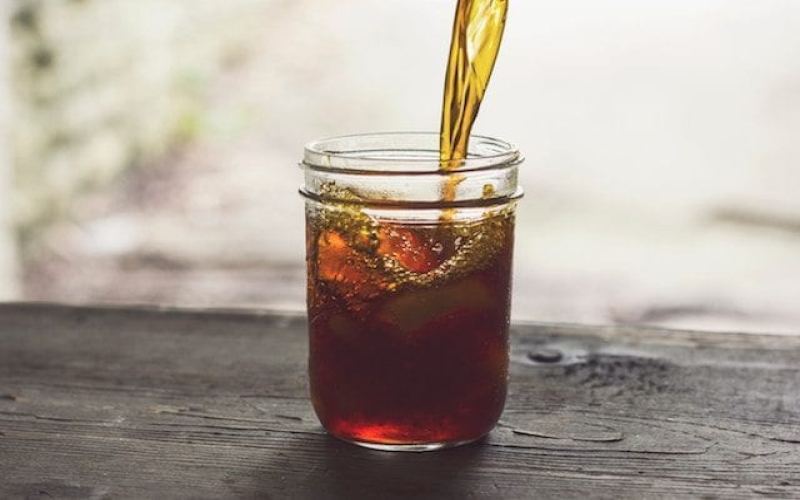
Exploring the Origins of Iced Tea: The Complete History and Brewing Tips from the 1904 World's Fair to American Sweet Tea
Iced tea is now one of the most popular beverages in the world, but its origins are far more convoluted than one might imagine. Americans drink over 2.2 billion gallons of tea each year, 80 percent of it iced. When exactly was this refreshing drink born? At the 1904 St. Louis World's Fair, how did tea merchant Richard Blechynden make iced Indian black tea an instant sensation? And long before that, sweet tea was already popular in the American South, with recipes dating back to an 1839 cookbook. This article traces the complete story of iced tea, from hot tea poured over ice to a fast-food staple, and includes key tips for making delicious iced tea at home, along with Front Street Coffee's selection recommendations, so you can easily recreate a professional-grade glass of iced tea. [more…]

Coffee Bean Buying Tips | What Factors Affect Coffee Flavor? Recommended Hand-Brewed Single-Origin Beans for Beginners: Representative Specialty Coffees from Asia, Africa, and the Americas
No matter what roasting style or brewing method you prefer, Front Street Coffee believes that referring to some tips for buying coffee is worthwhile and necessary. First and foremost, the most important point is to buy freshly roasted coffee beans, and to choose products that clearly indicate the roast date (not the expiration date or shelf life), and are from a brand you trust. [more…]
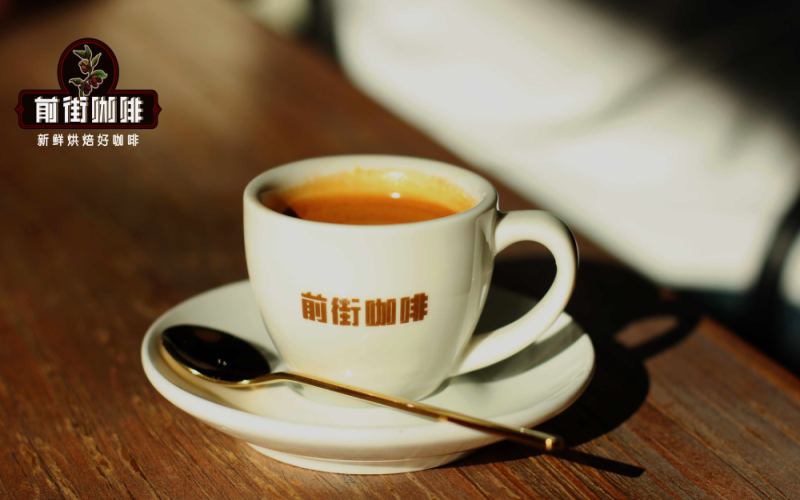
Coffee Bean Identification Tips | Should Coffee Beginners Choose Single-Origin or Blended Beans? What Are Some Recommended High-Cost-Performance Single-Origin Coffee Beans for Beginners?
The coffee beans themselves are the biggest factor affecting coffee flavor. If you don't choose high-quality coffee beans, you won't be able to taste good coffee. Today, I'll share some practical tips for beginners on selecting and identifying coffee beans. Coffee bean brands suitable for beginners to learn about For inexperienced newcomers, the complicated cof [more…]

Hot Latte Making Tutorial: Milk and Coffee Bean Selection Tips for a Rich, Sweet, and Balanced Flavor
Many people who make lattes at home feel the result is less than satisfying—either the coffee is too bitter, or the milk flavor overwhelms the coffee aroma, making it hard to achieve that rich, sweet taste you get at a café. In fact, the key to a balanced, delicious hot latte lies in the ingredients and the details of preparation. In this article, Front Street Coffee will teach you step by step how to recreate a professional-quality latte at home, from choosing milk and coffee beans to the specific steps of extraction and blending. [more…]

Coffee Newbie Ordering Guide: Mastering Cafe Menu Logic and Flavor Selection Tips
Walking into a café and staring at a dense menu without knowing where to start? This article is tailored for coffee beginners, sorting out the ordering logic—from espresso to milk coffee categories, and then to the choice between single-origin beans and blends—to help you quickly understand the reasoning behind the menu. Whether you prefer rich or light, creamy or fruity and acidic, you can find the cup that suits you. The article also draws on Front Street Coffee's production experience to offer specific recommendations and tips for avoiding pitfalls, so that next time you order, you won't be lost and can easily enjoy the pleasure of coffee. [more…]
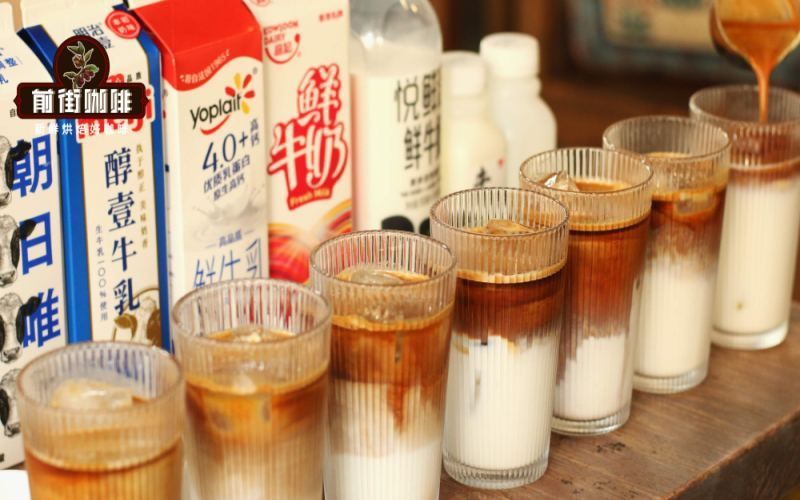
What's the difference between iced latte and iced coffee? Espresso extraction and pairing tips for making your own latte
Why is it that, even among iced coffees, the iced latte from a café is always more aromatic and smooth? From the perspective of Front Street, this article breaks down the conceptual differences between an iced latte and iced coffee, explains whether espresso can be used to make a latte, and offers actionable tips for making iced lattes at home, covering household equipment, coffee bean selection, espresso extraction standards, the coffee-to-milk ratio, and the use of ice. The article also recommends two espresso beans—Front Street Signature Blend and Front Street Classic Blend—which suit different needs such as home use, office use, and latte art for beginners, helping you get closer to the flavor performance of café-quality drinks. [more…]
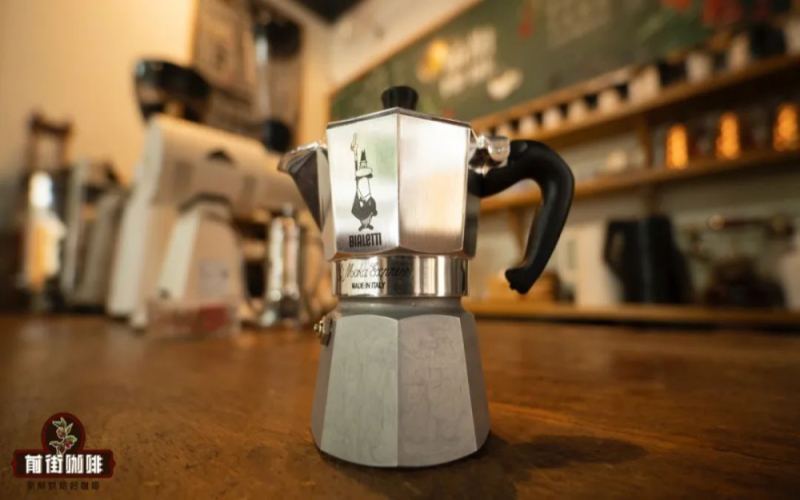
Moka Pot Brewing Guide for Espresso-Style Coffee: Bean Selection Tips and Front Street Coffee Latte Making Steps Explained
The moka pot, with its affordable price and convenient operation, has become a staple piece of equipment in the homes or offices of many coffee lovers. However, if you want to use it to make a cup of coffee close to espresso while still retaining enough flavor after adding milk, bean selection and operational details are quite critical. This article will start with the approach to selecting suitable coffee beans, focusing on introducing two medium-dark roast beans suitable for the moka pot—Front Street Coffee's Classic Espresso Blend and Front Street Coffee's Queen Estate Brazil SOE—and systematically outline the specific steps for making latte coffee with a moka pot, helping you consistently produce a cup of moka pot coffee with rich crema and a balanced taste in everyday scenarios. [more…]
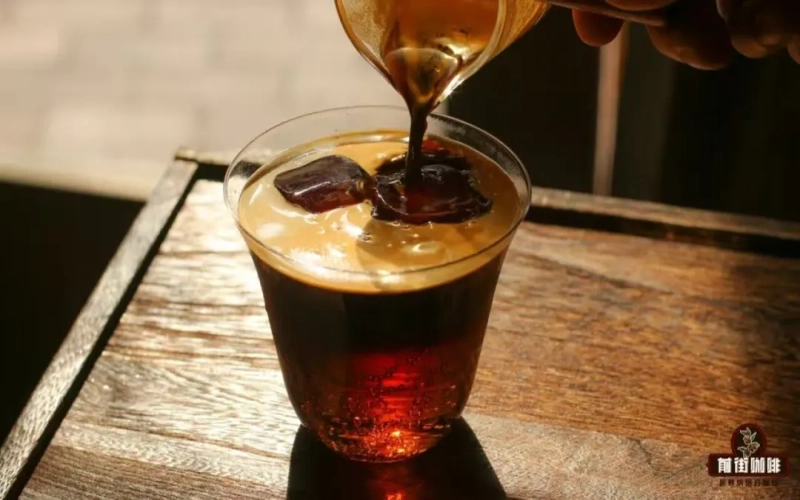
How to Keep Your Sparkling Iced Americano from Overflowing at Home? Five Practical Tips to Easily Solve the Foam Problem
Many coffee enthusiasts who try to make sparkling iced Americano at home encounter a common frustration: when the espresso is poured into sparkling water, the liquid in the glass suddenly foams up violently and overflows, leaving a messy scene. In contrast, the sparkling Americano served at coffee shops is always stable and beautiful, with the coffee quietly floating on top of the sparkling water, and even stirring doesn't produce too much foam. What is the reason behind this? Actually, the formation of foam is a normal physical phenomenon resulting from the interaction between carbon dioxide and the oils and proteins in coffee, but by adjusting the pouring method, filtering out coffee impurities, controlling temperature differences, and changing the ratio of sparkling water, you can effectively suppress foam formation. This article takes Front Street Espresso Blend · Strawberry Candy Espresso as an example to share in detail five practical methods for making sparkling coffee, helping you easily create a cup of sparkling iced Americano that doesn't overflow and tastes refreshing. [more…]
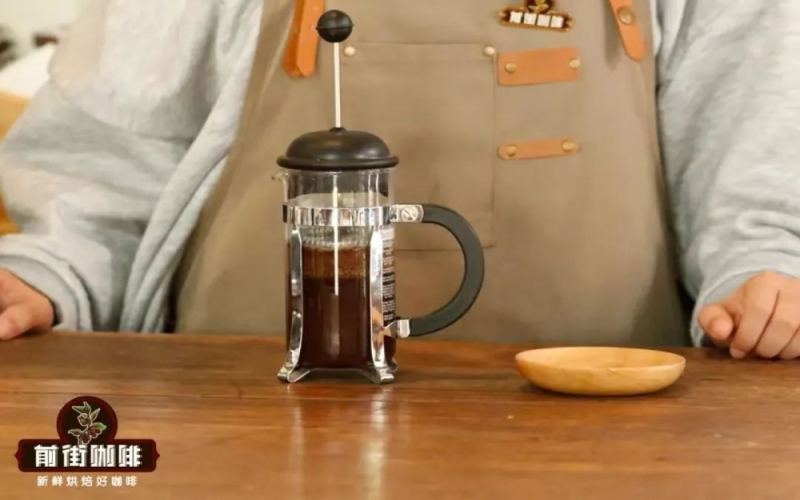
A Practical French Press Brewing Tutorial: Grind Size, Water Temperature, Time, and Single-Origin Coffee Bean Selection Tips
The French press, with its simple operation and ability to deliver consistent results without complex techniques, has become the daily go-to for many coffee enthusiasts. This article begins with the historical origins of the French press, explains why it is better suited to medium-dark roasted single-origin beans, and breaks down key steps in detail, including preheating, grinding, coffee-to-water ratio, water temperature, steeping time, and plunger operation, while also offering essential cleaning and maintenance tips. The article also recommends Front Street PWN Golden Mandheling as a French press-friendly bean, helping you easily brew a full-bodied, distinctly sweet immersion coffee at home. [more…]
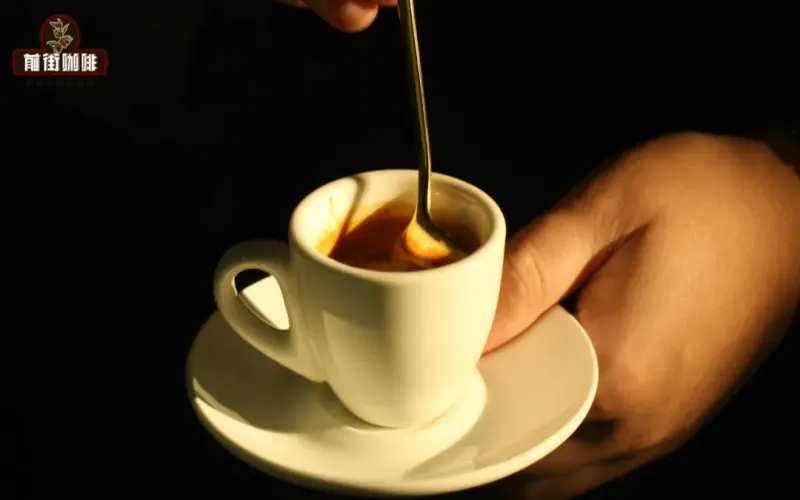
Where does espresso flavor come from? How to choose espresso beans? Five tips to teach you how to taste Espresso
Espresso often leaves a first impression of being "bitter," which puts off many first-time tasters. But those who truly know how to appreciate it can taste layers and pleasure in this small cup of coffee. From the perspective of Front Street, this article systematically sorts out the three major advantages brought by espresso's pressurized extraction—Crema, rich lipids, and ultra-high concentration—and shares five practical tasting tips: first rinse your mouth with water, stir to blend the oils, smear the oils around the rim of the cup to adapt, take small sips in several rounds, and choose Italian-style beans with a medium roast. At the same time, it introduces how Front Street's classic blend, with a combination of Mandheling, Brazil, and a small amount of Robusta, presents a chocolate-hazelnut profile that is strong but not bitter, helping you more easily enjoy a cup of espresso. [more…]
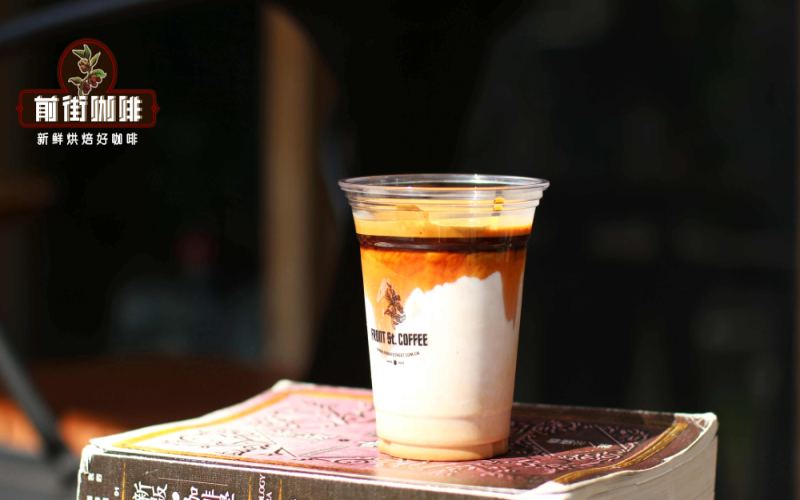
Making Lattes at Home: Cup Ratios and Espresso Extraction Tips for Hot and Iced Drinks
Want to recreate coffee shop-quality lattes at home? It's actually not as complicated as you might think. The key lies in choosing the right coffee beans and milk, mastering stable espresso extraction parameters, and getting the coffee-to-milk ratio right. This article uses Front Street Signature Blend, Strawberry Candy, Classic Blend, and Huakui SOE as examples to break down the hot latte-making process in detail, and offers latte ratio suggestions for coffee beans of different roast levels—from 1:4 to 1:8—so you can easily find the balance point that best suits your taste. [more…]
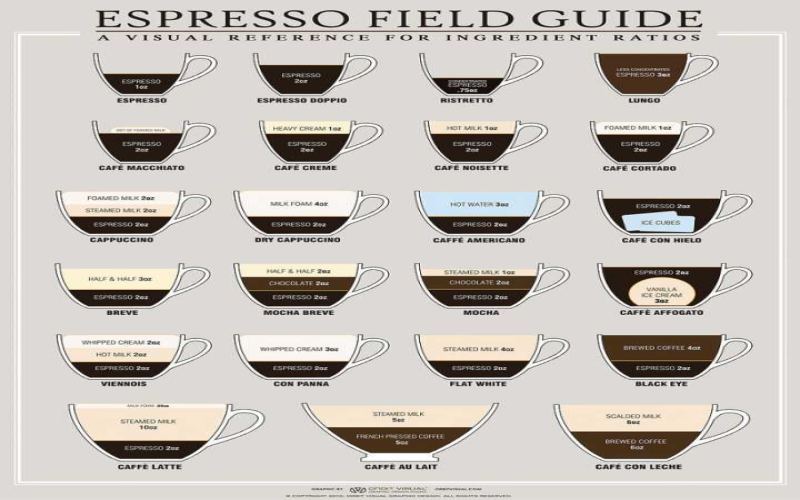
The Romantic Origins and Preparation Tips of Affogato Coffee: From Love Legends to the Correct Way to Savor It
Affogato is a classic Italian dessert coffee that ingeniously blends espresso with ice cream, and behind it lies a moving love story. This article will take you back to the romantic origins of this coffee, explain its recipe and the correct way to enjoy it in detail, and share practical knowledge that every professional coffee lover must have. Whether you are a seasoned coffee enthusiast or a first-time taster, you will gain a complete understanding of affogato, making every sip full of ritual. [more…]
De'Longhi Coffee Machine Americano Brewing Tips and Complete Guide to Choosing Compatible Coffee Beans
As an entry-level home espresso machine, the De'Longhi coffee machine is easy to operate and affordable, making it the top choice for many beginners. But the key to making a standout cup of Americano with it lies in choosing the right coffee beans. Americano is made only of espresso and water, with no milk or sugar, so the quality and freshness of the coffee beans directly determine the final taste. This article focuses on the extraction characteristics of De'Longhi coffee machines and, categorized by different flavor preferences, introduces in detail the coffee bean options suitable for making Americano, including Front Street Classic Blend, Commercial Blend, Specialty Blend, Dark Cocoa Base Blend, and Huakui SOE, helping readers find the one that best suits their taste. [more…]