







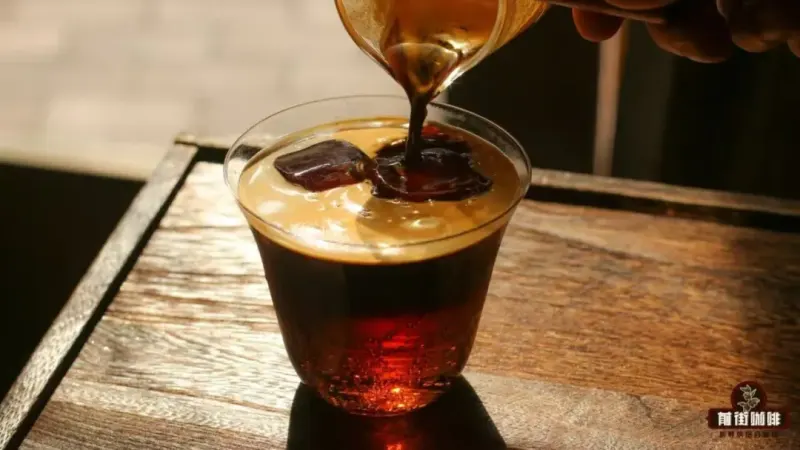
Why Does a Sparkling Iced Americano Foam and Overflow?
The violent foaming that happens when espresso meets sparkling water is a normal physical reaction, not a mistake. Carbon dioxide is dissolved under pressure, and adding coffee disrupts that balance, so the gas escapes and the liquid surges. Coffee shops avoid the mess by adjusting how they pour, filtering out fine particles, managing temperature differences, and changing the sparkling water ratio.
Whether an iced Americano tastes bitter depends largely on the coffee and the dilution. Because sparkling water already adds volume and carbonation, iced americano how much water you use matters less than the strength of the espresso itself. Five practical adjustments, tested with a strawberry candy espresso blend, keep the coffee floating steadily on top instead of overflowing the rim.
Many coffee enthusiasts who try to make sparkling iced Americano at home encounter a common frustration: when espresso is poured into sparkling water, the liquid in the cup suddenly foams up violently and overflows, creating a messy scene. In contrast, the sparkling Americano served at coffee shops is always stable and beautiful, with the coffee quietly floating on top of the sparkling water, and even stirring doesn't produce excessive foam. What exactly is the reason behind this? In fact, foaming is a normal physical phenomenon resulting from the interaction between carbon dioxide and the oils and proteins in coffee. However, by adjusting the pouring method, filtering out coffee impurities, controlling temperature differences, and changing the ratio of sparkling water, you can effectively suppress foam formation. This article will use Front Street Espresso Blend · Strawberry Candy Espresso as an example to share five practical methods for making sparkling coffee in detail, helping you easily create a cup of sparkling iced Americano that doesn't overflow and has a refreshing taste.
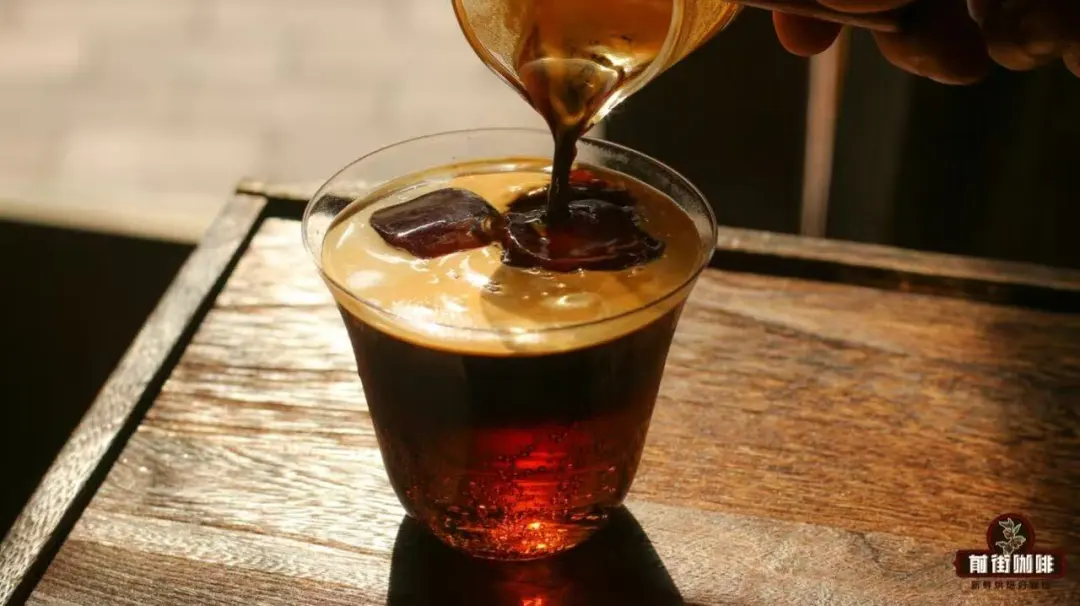
The method for making sparkling iced Americano itself is not complicated—simply pour the extracted coffee liquid over sparkling water and it's done, so many coffee enthusiasts are willing to recreate the flavors from coffee shops at home. However, in practice, many people run into a headache-inducing problem: as soon as the coffee liquid is poured into the sparkling water, the liquid in the cup immediately surges and foams as if boiling, then overflows the rim, making a mess everywhere.
Now look at the iced Americano served at coffee shops—the situation is completely different. The coffee liquid can float steadily on top of the sparkling water, and even if you gently stir it with a straw, it won't produce a large amount of foam. So many people can't help but ask: what exactly causes this difference?
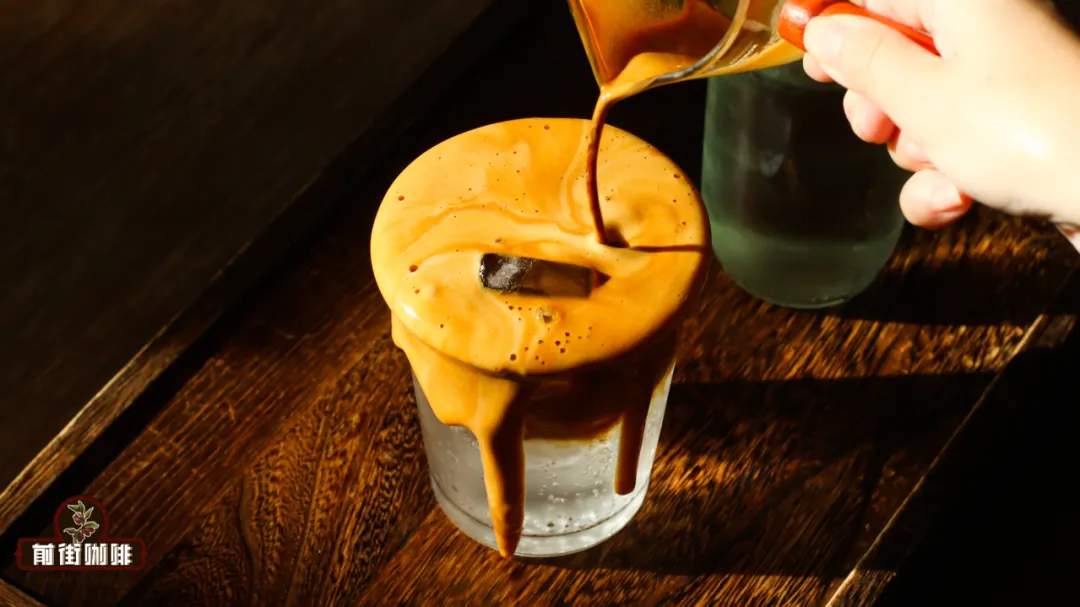
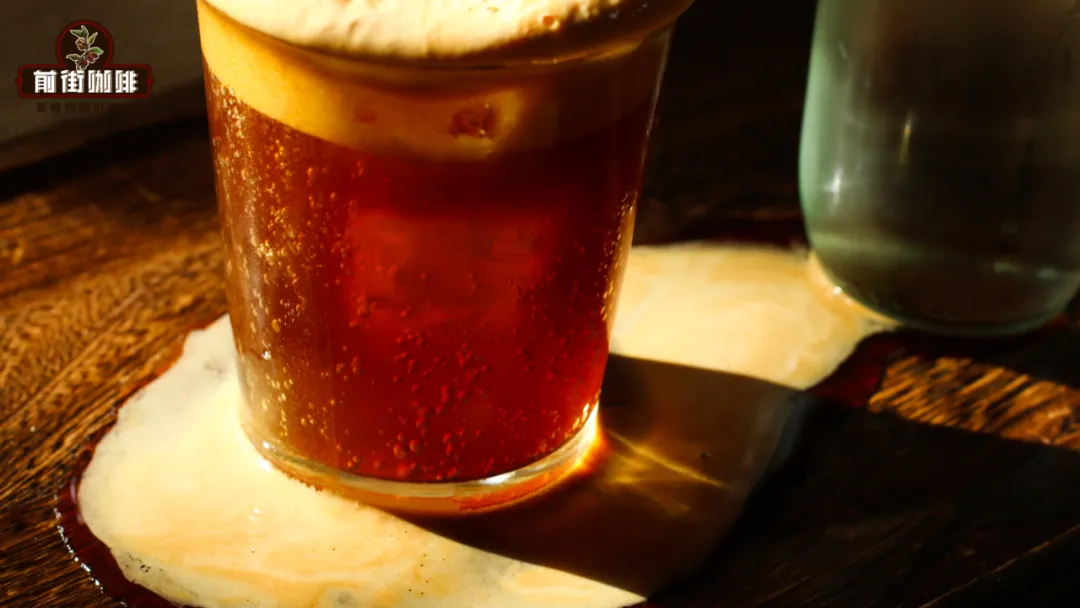
In fact, it is completely normal for a large amount of foam to form when coffee liquid contacts sparkling water—it's a normal physical reaction. Everyone should know that sparkling water has bubbles because carbon dioxide is forcibly dissolved in water under high pressure. The addition of coffee liquid disrupts this balance, essentially giving the sparkling water a "stimulating signal" that lowers the solubility of carbon dioxide, causing the gas to escape from the liquid. The escaping carbon dioxide then comes into contact with the proteins and oils in the espresso, and oils and proteins happen to be able to wrap around the gas. The combination of the two forms bubbles, ultimately manifesting as the thick layer of foam we see.
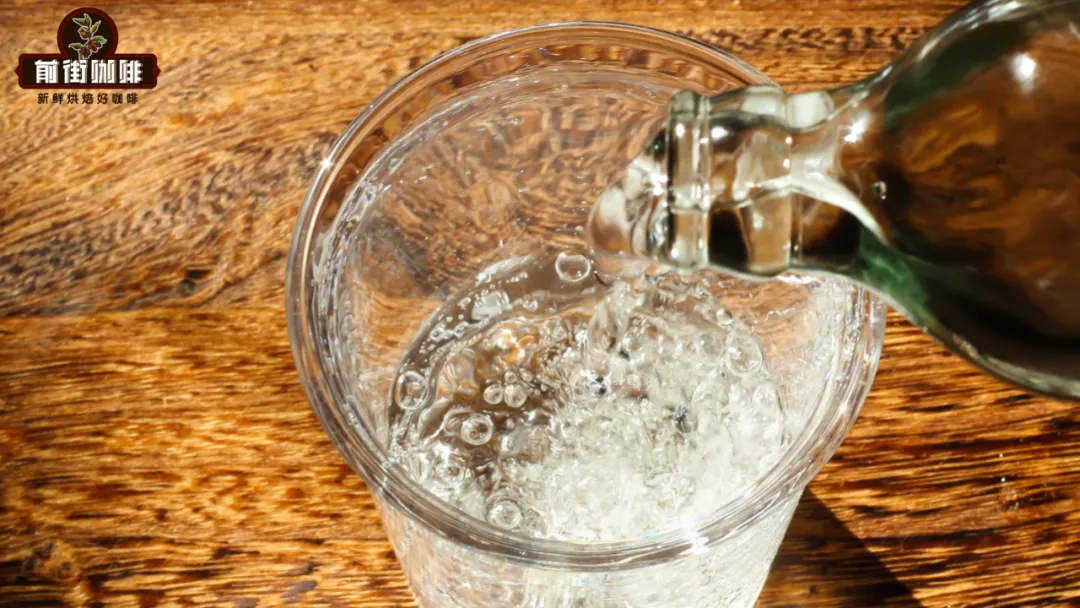
Although the appearance of foam is a normal phenomenon, we can still use some operational techniques to suppress or even eliminate it. The approach is actually simple: minimize the stimulation of the sparkling water by the coffee. ①. Reduce the impact force when pouring in the espresso When drinking sparkling water normally, you may notice that when a bottle is first opened, if you don't shake it or pour it violently, very few bubbles are produced. But once you quickly pour it from the bottle into a cup, the sparkling water will release a large amount of bubbles due to the violent impact.

By the same logic, one of the reasons a large amount of foam forms when pouring espresso into sparkling water is that the pouring height is too high and the force too strong—the espresso "slams" into the sparkling water with considerable impact, causing carbon dioxide to escape faster and combine with coffee oils to form foam.
Therefore, to reduce the stimulation of the sparkling water by the coffee, the first step is to lower the pouring height and force. You can also use ice cubes, lemon slices, or a spoon as a buffer, letting the coffee liquid contact the sparkling water slowly, so that not too much foam is produced.
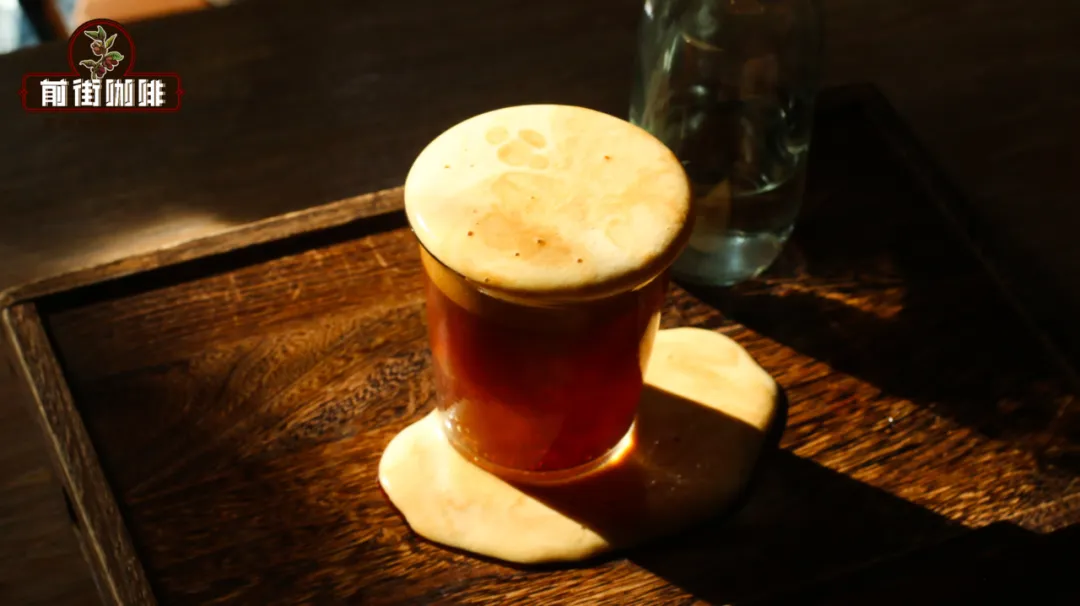
However, Front Street needs to remind everyone that this approach can only reduce the stimulation at the moment the coffee is added, because the coffee does not fully mix with the sparkling water. So when stirring afterward, you still can't stir too vigorously, otherwise the coffee will still trigger a large amount of foam due to other factors, causing it to overflow the rim and make a mess. ②. Skim off the coffee's oils and fine grounds Another method is to use filter paper to filter out the "impurities" in the coffee, such as oils and fine grounds. These substances stimulate carbon dioxide and accelerate gas escape—this is precisely one of the other factors Front Street just mentioned. And as Front Street said, coffee oils play a major role in promoting foam formation. Through filtration, we can not only reduce the stimulation of the sparkling water by the espresso and lower the amount of foam, but also to some extent reduce the bitterness of the coffee.
③. Reduce the temperature contrast Coffee temperature being too high is also one of the culprits behind foam formation. When making sparkling coffee, we usually use freshly extracted espresso, which is at a high temperature, creating a large temperature difference with the sparkling water. The greater the temperature difference, the stronger the stimulation of the sparkling water, and the faster the carbon dioxide escapes. Therefore, if you want to reduce the stimulation of the sparkling water by the espresso, you can add an ice cube during extraction (after all, sparkling coffee is itself a cold drink) to bring down the temperature of the espresso first before proceeding with the rest of the preparation. This will narrow the temperature difference and reduce the stimulation of the sparkling water by the espresso.
It's worth mentioning that many coffee shops' sparkling coffee doesn't overflow no matter how much you stir it because they use cold brew coffee. Cold brew coffee's temperature is relatively close to that of the sparkling water, so it barely stimulates the sparkling water, and it also has lower oil content, making it hard to form foam. ④. Reduce the proportion of sparkling water There is another method that can also reduce foam production: adding a certain amount of water, tea, juice, or other beverages to the sparkling water. This creates an effective buffer layer on top of the liquid, so that when the espresso is poured in, it won't produce a large amount of foam.
Take the regular sparkling iced Americano made by Front Street as an example. The beans Front Street uses are Front Street Espresso Blend · Strawberry Candy Espresso from the bean list, with fresh floral and fruity aromas of strawberry, white flowers, and berries. When using the espresso extracted from it as a base to make sparkling iced Americano, it is paired with 80g of ice cubes and 200ml of sparkling water (the espresso extraction parameters are: 20g dose, 30 seconds, 40ml yield). If Front Street wanted to reduce foam this way, it would add about 10ml of water to the sparkling water on top of this. Don't underestimate that 10ml—it's enough to greatly reduce the amount of foam, and it's very practical. And if you're making sparkling coffee with juice or tea added, then you don't need to worry about this problem at all.
The above are several useful "anti-explosion" tips for making sparkling iced Americano. If you're interested in sparkling coffee, feel free to search and browse Front Street's past posts—apple sparkling Americano, lemon sparkling Americano, cola iced Americano, and more—there's always one to satisfy your taste.
- END -
The above content is compiled by CoffeeHunters, a coffee news website.


