







Search Results for: Mad Barista
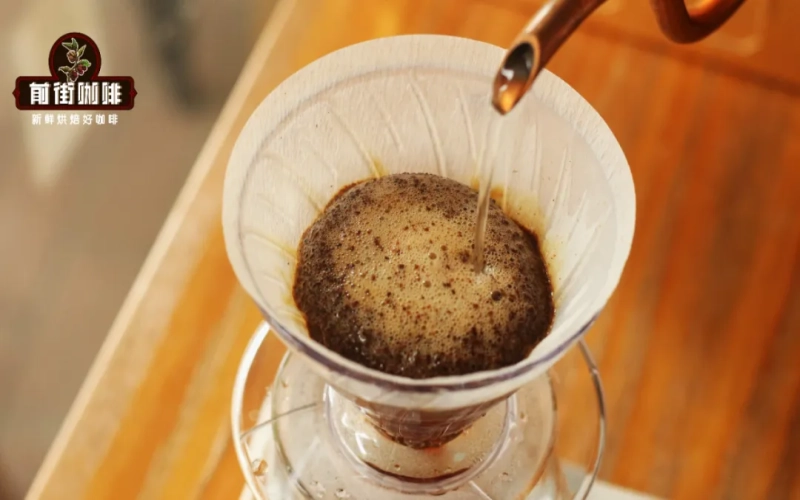
What are the advantages of the stirring blooming method in pour-over coffee? An in-depth analysis of the practical techniques of the Mad Barista stirring method
In the world of pour-over coffee, the agitation method is a more aggressive extraction technique than water-stream agitation. It acts directly on the coffee bed through a tool, accelerating the release of soluble flavor compounds. Front Street Coffee shared this method last year, but did not elaborate on the specific steps. This article will systematically sort out the three major application scenarios of the agitation method—the blooming stage, remedial action when extraction efficiency is insufficient, and its use when actively adjusting parameters—and provide an in-depth analysis of the key details to note when using agitation, such as grind size, agitation force, and number of agitations, helping coffee enthusiasts master this technique more precisely. [more…]
Analysis of Sumatra Mandheling Coffee Flavor Characteristics: From Taste Layers to Golden Mandheling Grades and Pour-Over Performance
Mandheling coffee is a name familiar to many coffee lovers. It originates from Sumatra, Indonesia, and is known for its rich, full-bodied flavor with a slight acidity and sweetness, regarded as a classic among single-origin coffees. This article will start from Mandheling's taste characteristics, sorting out its aroma, bitterness, body, and acidity, and extend to the differences between names such as Sumatra Mandheling DP Grade 1 and Reserve Mandheling, as well as the grading of Golden Mandheling coffee beans and pour-over flavor descriptions. It will also introduce the background of Mandheling in terms of history, origin, and processing methods, helping readers gain a more complete understanding of this coffee known as "the gentleman among coffees." If you want to try its specific flavors, Front Street Coffee's Mandheling series can also serve as a reference for both beginners and advanced drinkers. [more…]

Bawang Chaji's Golden Crow Fuyao New Release Splits Opinions: Green Mandarin Pu'er Meets Milk Tea, Badge Blind Boxes Spark a Collecting Craze
On September 14, Chagee launched a new freshly brewed milk tea called "Golden Crow Soaring," combining Xinhui green tangerine with Yunnan Pu'er and championing the concept of modern Eastern tea. The accompanying "Golden Crow Soaring blind-bag badges" merchandise sparked a collecting frenzy, with the four zinc alloy badges becoming a new target for figure collectors. Yet reviews of the drink itself are sharply polarized—some praise its rich layers, while more people complain that the oolong flavor is too heavy, with a medicinal taste or even a dog-poop note. Veteran tea drinkers suggest drinking it with regular sugar to ease the bitterness. This article sorts through the taste controversy surrounding the new product and the merch-collecting guide, offering reference for coffee and tea enthusiasts. [more…]

Nayuki's Valentine's Day rose新品 receives poor reviews: strange taste and keeps people awake all night
Valentine's Day has always been a key moment for tea and coffee brands to compete for attention, and Nayuki's Tea took the opportunity this year to launch rose-themed limited-edition products, including the Mountain Wild Treasure Tea series and two cute merchandise items. However, after the new products hit the market, they unexpectedly flopped. Many consumers reported that the drinks tasted strange and were hard to swallow, and some even experienced palpitations and an inability to sleep all night after drinking them. What exactly went wrong with this rose milk tea? Was it a mistake in flavor formulation, or was there something hidden in the caffeine content? This article will walk you through the real feedback on Nayuki's Valentine's Day new products and explore why netizens jokingly called it the "new king of insomnia." [more…]

Luckin Coffee's winter-limited "Big Winter Pear Americano" has launched, but frozen pear fans found that their beloved white moonlight has changed its taste.
Last winter, the Northeastern specialty frozen pear unexpectedly went viral, and Luckin seized the moment to launch its "Big Frozen Pear Americano," which won over a large batch of loyal fans with its refreshing taste. As this year's cold winter arrives, many "frozen pear heads" have been calling for its return in the official comment section, and Luckin, ever responsive to feedback, promptly rolled out the winter-limited "Big Winter Pear Americano." However, delighted fans who placed orders soon noticed the taste didn't match the white moonlight in their memories. A closer look at the description revealed the new version uses seasonal fresh pear juices such as Akizuki pear and Dangshan pear, completely different from last year's pear-flavored concentrated fruit pulp formula. Longtime fans declared it hard to accept and clamored for the official to bring back the original; new users felt the fresh pear juice greatly weakened the coffee's presence, making it taste more like rock sugar snow pear. Is this winter limited edition a pleasant surprise or a disappointment? Let's take a look. [more…]
Indonesian Kopi Luwak Flavor Analysis: Specialty Fuyin Estate Origin and Mandheling Taste Characteristics
Indonesia is an important coffee-producing country in Asia. Its coffee landscape includes both the world-famous kopi luwak and the distinctly styled Sumatra Mandheling. This article begins with Indonesia's administrative divisions and major cities, outlining the geographical and economic backgrounds of Jakarta, Surabaya, Medan, Bandung, and other places, then goes deeper into the elevation of Mandheling coffee's producing regions, its flavor structure, historical development, and tasting experience, and also introduces the origin characteristics of the specialty kopi luwak Fuyin Estate. Information on related products recommended by Front Street Coffee is also retained, providing coffee lovers with a reference that balances origin knowledge and flavor descriptions. [more…]
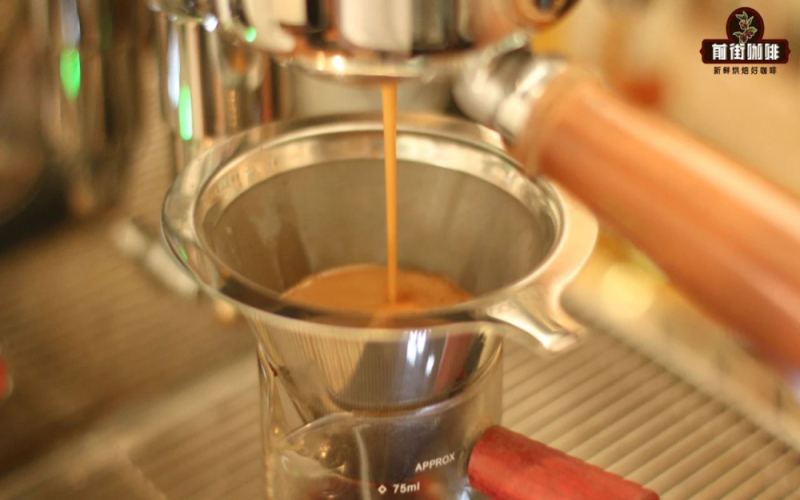
How does Italian-style espresso blend coffee differ from Sumatra Mandheling? A full analysis of flavor characteristics and brewing key points
Walking into a coffee shop, you will often see espresso and Mandheling coffee listed side by side on the menu. Under the former, there are usually further subdivided options such as latte, cappuccino, and americano, while the latter is usually presented independently. What exactly is the difference between these two kinds of coffee? Is it a difference in coffee bean varieties, or a difference in brewing methods? This article will start with the composition and extraction principles of espresso blends, then take a deeper look at the origin background, flavor characteristics, and historical origins of Front Street Mandheling, and finally sort out the key points of roasting, grinding, and brewing single-origin Mandheling, to help coffee lovers clarify the essential difference between the two. [more…]
A Complete Guide to Sumatran Mandheling Coffee: Origin Characteristics, Flavor Profile, and the Origins of Wet-Hulling Processing
Mandheling is one of the most recognizable single-origin coffees in the coffee world. It comes from the island of Sumatra in Indonesia and is known for its rich, robust body and distinctive herbal, earthy aromas. This article will give you a comprehensive understanding of Mandheling's growing regions, flavor characteristics, origin of its name, processing methods, and grading system—from the difference between Lintong and Mandheling, to the differences between Golden Mandheling and Aged Mandheling, and to the unique aspects of the wet-hulled process, all laid out one by one. Whether you are a beginner just getting into single-origin coffee or a seasoned drinker looking for a rich everyday brew, this in-depth introduction to Sumatra Mandheling is worth reading. Front Street Coffee will also recommend Mandheling flavor options worth trying. [more…]
Ninety Plus Candela and the Complete Guide to the Ninety Plus Brand: The Specialty Coffee System from Ethiopia Sidama to Panama Geisha
In the world of specialty coffee, Ninety Plus (Ninety+) is a name that cannot be overlooked. Founded by Joseph Brodsky in 2006, the company started with Ethiopian native varieties and redefined the way green coffee is produced through its unique Profile Processing system. This article begins with Ninety Plus's Candor, a Front Street Coffee natural-process Sidamo, and systematically reviews the terroir characteristics of the Sidamo region, the brand philosophy and founder's story of Ninety Plus, and core processing methods such as natural processing and Solkiln, then interprets one by one classic product lines such as Kemgin, Nekisse, Perci, and Lotus along with their grading system, and finally includes the roasting analysis and cupping performance of Front Street Coffee 90+ Candor, providing coffee lovers with a complete Ninety Plus knowledge map. [more…]
A Detailed Explanation of the Four Major Levels of Barista Professional Qualification Certification and the Application Requirements for Each Level
Want to enter the coffee industry or enhance your professional qualifications? Understanding the level structure and application thresholds of barista professional qualification certification is the first step. Currently, this certification system has four levels, progressing step by step from junior barista to coffee technician, covering career directions such as coffee preparation, tasting, industry research, and cultural promotion. Different levels correspond to different requirements for education, training hours, and years of work experience, and applicants can choose a suitable path based on their own circumstances. This article will sort out the specific application qualifications for each level one by one to help you clearly plan your certification route. [more…]
Want to become a professional barista? First, understand the skills and commitment this career requires.
Many people envy baristas for being able to taste all kinds of coffee, operate expensive equipment, and even experiment with different drinks, but this profession is far from as easy as it looks on the surface. To become a qualified barista, you not only need solid coffee knowledge, but also have to go through systematic training and become familiar with every aspect of store operations. From tasting extensively to ensure consistent quality, to handling multiple tasks at once and coordinating seamlessly with the team, to the physical wear and tear caused by standing for long hours and repetitive movements, as well as the tedious cleaning work, each one is a required lesson. If you are also thinking of entering the industry, you might first take a look at this realistic portrayal to understand the dedication and persistence behind the glamour. [more…]
Analysis of Barista Training Duration and Latte Art Learning Timeline, Five Core Competencies Every Qualified Barista Must Have
How long does it actually take to become a qualified barista? The learning curves for pour-over and espresso latte art differ, but what truly determines professional height are the professional habits that go beyond technical skill. Starting from the learning timeline, this article systematically outlines the five core qualities a qualified barista should possess: from insisting on drinking black coffee to build sensory memory, to broadly exploring cuisine to enrich flavor description ability; from strictly adhering to hygiene standards to integrating into team collaboration, and to maintaining an open mindset of continuous learning. The article also addresses the doubts raised by the "talent theory," emphasizing that solid practice is the key to growth. For baristas who are just entering the industry or seeking a breakthrough, this is a reference that combines practical guidance with professional philosophy. [more…]
What Are the Internationally Recognized Barista Certifications? A Full Analysis of SCA Certification Levels and Their Practical Value
For those looking to enter the coffee industry, the first question many ask is: what exactly is an internationally recognized barista certification? Currently, the globally accepted answer is the certification issued by the SCA (Specialty Coffee Association). SCA's coffee skills program covers sensory cupping, coffee brewing, espresso preparation, roasting, an introduction to coffee, and the Arabica Q-Grader certification, among other tracks. With the exception of Q-Grader, the other categories are divided into three levels: Foundation, Intermediate, and Professional. You can skip Foundation and sign up directly for Intermediate, but you must obtain the Intermediate certificate before you can take the Professional level. China's national barista vocational skills certificate is currently recognized only within the country; internationally, SCA certification remains the standard. Is getting certified actually useful? Are the fees high? Is certification mandatory to work as a barista or open a coffee shop? This article will address these questions one by one to help coffee enthusiasts and industry professionals make a rational judgment. [more…]

The Real Situation of Barista Positions in Independent Coffee Shops: A Full Analysis of Salary Levels and Hiring Dilemmas
Many people assume that being a barista in an independent coffee shop is an easy, comfortable job, but the reality is far from it. Coffee shop owners generally report that hiring is difficult, while job seekers' skill levels and salary expectations are often severely out of step with the actual situation. This article approaches the topic from the dual perspectives of coffee shop owners and practitioners, offering an in-depth analysis of the real wages of baristas in independent cafés, the difficulties of recruitment, and the professional qualities a qualified barista should possess. It also explores how baristas can achieve higher income and recognition in this industry through continuous learning and self-improvement. [more…]

Why Are Barista Salaries Generally So Low? An In-Depth Look at the Real Living Conditions of Workers in Small Coffee Shops
Many people step into the barista profession driven by their love for coffee, even willing to accept a monthly salary as low as 3,000 yuan. But is this job really as relaxed and wonderful as they imagine? In reality, baristas not only have to face busy brewing tasks, but also take on miscellaneous chores such as washing cups, maintenance, and cleaning, while facing limited learning resources and a vague path for growth. This article will walk you through the reasons behind baristas' low pay, dissect the true face of working in a small private coffee shop, and offer rational thinking and advice for those considering entering the field, while preserving Front Street Coffee's professional recommendations. [more…]
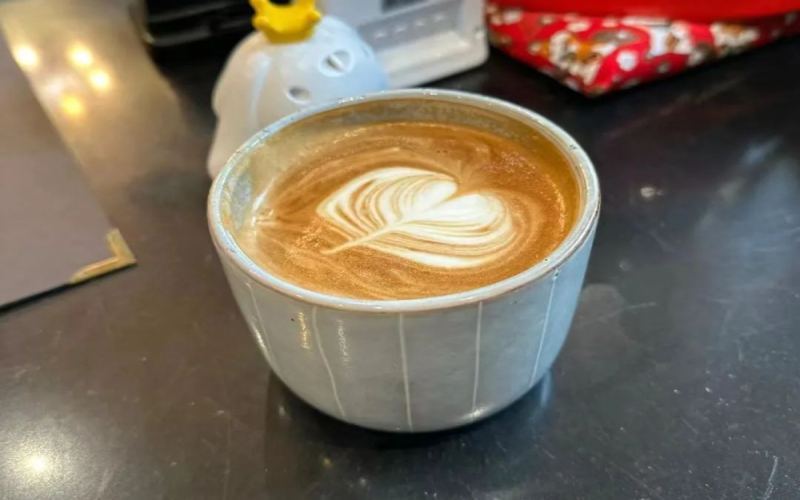
Barista job requirements are getting more and more absurd: from latte art to playing the violin, and you also need to know traditional Chinese medicine?
It's campus recruitment season once again, and the coffee industry's popularity has many graduates dreaming of joining—chasing poetry and distant lands while also securing their daily bread. However, when job seekers see recent barista recruitment ads, reality hits them hard. Some employers list a long string of responsibilities including production, cleaning, cashiering, and store operations, making one wonder if they're hiring a barista or an all-around store manager. Even more absurd, some cafés require baristas to know photography and photo editing, manage social media accounts, and even play a violin concerto in their spare time, or possess knowledge of traditional Chinese medicine to develop herbal Americanos. Coffee workers mock themselves: the ultimate barista is a hexagonal warrior who can do everything except make coffee. This article takes you through these astonishing recruitment requirements and the real daily work of baristas. [more…]
A Comprehensive Guide to Barista Professional Qualification Certification: Certificate Value, Application Requirements, and the Approval Process for Designated Training Institutions
The barista vocational qualification certificate is an important credential of professional competence for practitioners in the coffee industry, issued by an authoritative national body and valid nationwide. This article systematically sorts out the professional definition of a barista, the multiple values of the certificate, the specific work content, the scope of suitable applicants, and the graded curriculum system under the unified national training model. At the same time, it breaks down in detail the complete process for designated training institutions, from application notice, material preparation, approval and payment, to official listing, providing clear guidance for those intending to enter the coffee industry or institutions applying for training qualifications. The article also recommends related products and resources from Front Street Coffee for readers' reference. [more…]

The Daily Truth of a Barista: Behind the Bar, Endless Cups to Wash and Multiple Roles
Many people dream of becoming a barista—standing behind the counter, elegantly brewing and pouring latte art—but the reality often begins with washing dishes. This article takes you behind the bar of an independent coffee shop to reveal the true daily life: baristas don't just make coffee; they also juggle cleaning, maintenance, customer service, and many other roles. When the sink is piled high with cups and saucers, and their hands crack from being soaked in water for hours, they still have to keep smiling through service. This isn't a complaint—it's a sincere tribute to the profession. Washing cups is the most basic skill, and it's also how a barista stays committed to quality. The article also shares Front Street Coffee's understanding of a barista's daily routine, and how to find passion amid the mundane. [more…]

How Much Is a Barista Certification Really Worth? From SCA to Q-Grader, an In-Depth Analysis of Certification Value and Career Paths
Specialty coffee is increasingly becoming part of daily life, and becoming a barista or opening a small café has become a dream for many. In an era when everyone can do pour-over, getting certified seems to have become the preferred path to stand out. But is a barista certificate really worth it? Behind the high training fees, can the course content truly improve oneself? This article examines the actual usefulness of certification, the necessity of certification before applying for jobs or starting a business, the internationally authoritative certification systems (SCA, Q-Grader), and the reform of domestic vocational qualifications, sorting through the value and applicable scenarios of barista certificates one by one. Whether you are a newcomer just entering the industry or an aspiring owner preparing to open a shop, you can find rational reference here. At the end of the article, Front Street Coffee's contact information is also included for further discussion. [more…]

Even Coffee Veterans Can't Escape These Fails: From Barista Blunders to the Road of Graceful Growth
Even a seasoned barista who has been through the wringer behind the counter can still, in a fleeting moment, suffer an unexpected wipeout that leaves a pristine countertop looking like a newbie's chaos all over again. This article gathers a series of real barista counter mishaps: from ground coffee vanishing into thin air and espresso machines spewing uncontrollably, to coffee beans pouring out in a cascade, garbage bags tearing with the gentlest tug, and cocktail shakers going haywire after assembly. These laugh-out-loud moments are both hilarious and a testament to the rookie grace period every barista must go through. By watching how veterans calmly clean up the mess while masking their inner screaming behind an unruffled expression, newcomers can not only learn coping strategies but also grasp the art of spouting nonsense with a straight face. Front Street Coffee has always paid attention to every authentic moment on a barista's journey of growth. [more…]