







Search Results for: Iced Latte Preparation
From Espresso to Iced Drinks: A Complete Analysis of Recipes and Techniques for 46 Classic Specialty Coffees
The world of fancy coffee is far richer than one might imagine—from a pure Espresso to creative drinks blending milk, cream, alcohol, and spices, each has its own unique material ratios and operational key points. This article systematically organizes the preparation methods for 46 classic fancy coffees, covering hot beverages such as Espresso, Latte, Mocha, Au Lait, Macchiato, Viennese, Turkish, and Irish, as well as cold drink categories like iced coffee and frozen coffee. Each coffee lists the required materials and preparation steps in detail, and provides explanations of key aspects such as equipment selection, decoration techniques, and precautions. Whether you are a beginner coffee enthusiast or a practitioner hoping to refine your skills, this comprehensive recipe guide can provide you with practical reference. [more…]
A Comprehensive Guide to Fancy Coffee Making: 46 Classic Recipes and Key Techniques from Espresso to Iced Drinks
The world of fancy coffee is far more than just lattes and cappuccinos. This article systematically organizes the recipes and preparation techniques for 46 classic fancy coffees, covering two major categories: hot drinks and iced drinks. From the basics of espresso, au lait, and macchiato, to Irish coffee and royal coffee with their hints of liquor, and on to iced lattes and beer iced coffee suited for summer, each entry lists the required materials, specific steps, and key operational points, helping you master the flavor characteristics and serving essentials of different coffees. The article also retains relevant recommendations from the Front Street brand, providing a practical reference for coffee enthusiasts. [more…]
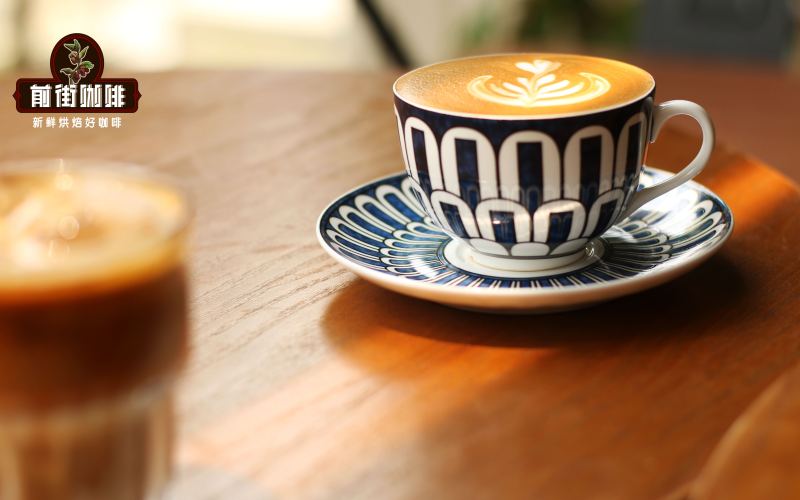
Latte in English | Where did the coffee latte originate? What is the ratio of milk to espresso in a latte? How do iced latte and dirty coffee differ in preparation, flavor, and mouthfeel?
For more specialty coffee knowledge, please follow our WeChat official account: Front Street Coffee (FrontStreet Coffee) Latte is a transliteration of the Italian word Latte. A latte is a coffee made by mixing a certain proportion of milk into espresso, and it is a type of flavored coffee. The most [more…]

A Guide to Pairing Latte with Espresso Beans: Iced vs. Hot Preparation Differences, Extraction Parameters, and Milk-to-Coffee Ratios Explained
Latte is the espresso drink with the highest proportion of milk, available in both iced and hot versions; the two share the same recipe but differ in operational details. From the perspective of Front Street, this article traces the historical origins of latte, explains what roast level of espresso beans should be used to make latte, clarifies why lightly roasted single-origin beans are unsuitable for espresso machine extraction, and recommends several espresso blends such as Front Street. Strawberry Candy Espresso. It also details the extraction parameters for espresso, the frothing techniques and temperature control for hot latte milk foam, the ingredient ratios for iced latte, and Front Street's recommended coffee-to-milk ratio of 1:6.5. Whether you prefer iced or hot, you'll find actionable reference solutions here. [more…]
How Long Can an Iced Latte Be Stored? A Full Breakdown of the Standard Latte Ratio and Preparation Details
Iced latte may seem like a simple three-step process—add ice, pour milk, pour coffee—but making a truly delicious iced latte involves much more than meets the eye, from selecting ingredients and getting the ratios right to mastering the operational details. This article will explore three key aspects: choosing coffee beans and milk, pairing milk-to-coffee ratios, and the critical details in the production process, helping coffee enthusiasts understand the flavor control logic behind iced latte. It will also answer a common question: how long can an iced latte be kept after it's made? Using Front Street Coffee's Sunflower Warm Sun blend and Vitasoy fresh milk as examples, the article provides specific parameter references and explains how the espresso extraction state affects the entire drink, making it suitable for those looking to elevate their iced latte-making skills. [more…]
Step-by-step illustrated tutorial: detailed preparation steps and recipe ratios for iced Spanish latte
The Spanish Latte is a popular drink in the coffee world that combines condensed milk with coffee. The sweet, smooth condensed milk meets rich espresso, creating a layered and complex taste experience. Today, Front Street Coffee will guide you step by step through making an iced version of the Spanish Latte. The whole process is not complicated—you just need to prepare a 300ml cup, condensed milk, milk, ice cubes, and a shot of espresso. From layering condensed milk at the bottom of the cup, adding ice and pouring in milk, to pulling the espresso and stirring everything together, the ratio of ingredients for each step and the detailed tips from Front Street Coffee will be explained one by one, helping you easily recreate a café-quality icy, dessert-like coffee at home. [more…]
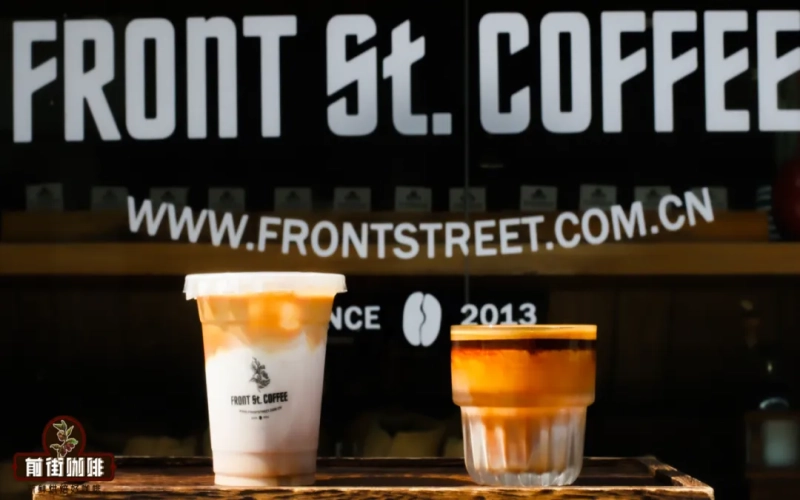
What exactly is the difference between a Dirty and an iced latte? A full breakdown of bean selection, cup size, layering, and how to drink it.
Dirty and iced latte are both combinations of cold milk and espresso, and because they look similar and use the same ingredients, they are often lumped together. But the two have significant differences in cup size, whether ice is added, cup temperature, the purpose of layering, and the way they are drunk. Dirty emphasizes taking a big gulp and experiencing the interwoven layers of hot and cold, bitter and sweet, while iced latte needs to be stirred evenly before enjoying its balanced taste. When making a Dirty, the choice of coffee beans is crucial. Front Street recommends medium-dark roasted blends or single-origin SOE beans to highlight caramel and chocolate flavors, and medium-light roasted beans can also be used to obtain fresh fruity notes. This article will, from Front Street's professional perspective, break down one by one the differences in making and tasting points between Dirty and iced latte. [more…]
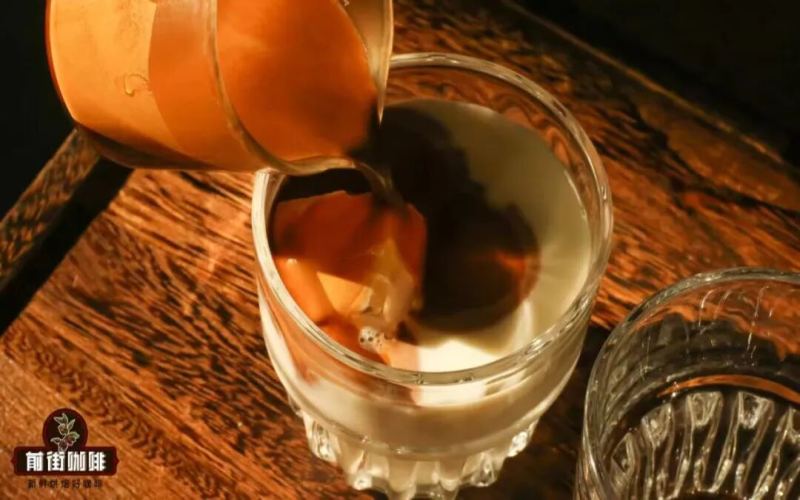
Espresso Milk Coffee | What Is a Dirty Coffee and How Does It Differ from an Iced Latte? What Are the Differences in How You Drink a Dirty and an Iced Latte?
Since the ingredients used to make a Dirty and an iced latte are exactly the same—both are iced milk plus espresso—and they look much the same, both featuring a layered structure created by the milk and the espresso, Front Street Coffee often gets asked by customers drinking iced lattes: "Both are iced milk plus espresso, so what's the difference between a Dirty and [more…]
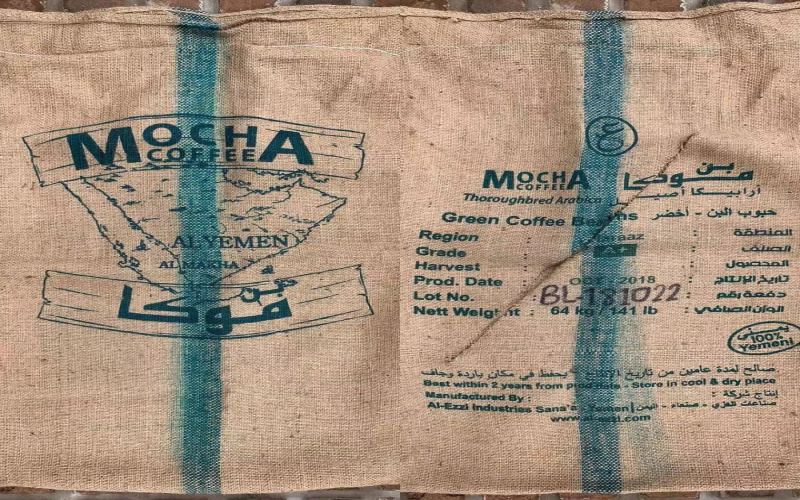
What's the difference between a mocha and a latte? A comprehensive analysis of their differences, from historical origins to preparation recipes
Mocha and latte are the two most common espresso milk coffees on cafe menus, but their flavor profiles and preparation methods are completely different. Mocha gets its name from the Yemeni port of Mocha, and in the early days it was once synonymous with coffee; the modern espresso mocha, on the other hand, evolved from the latte with the addition of chocolate. From the perspective of Front Street Coffee, this article sorts through the historical thread of mocha, explains in detail the specific methods for making hot mocha and iced mocha, and compares them with the preparation process for a hot latte, helping coffee lovers understand the core differences between the two in ingredients, taste, and the logic of serving. [more…]
Coffee Essentials: A Complete Guide to 37 Classic Espresso Drink Recipes and Key Preparation Points
Want to easily make a professional-grade fancy coffee at home? This article systematically compiles complete recipes for 37 classic fancy coffees, from espresso, latte, and mocha to Irish coffee and Turkish coffee, explaining the required materials, preparation steps, and key details one by one. Whether you are a beginner just getting into coffee or a coffee enthusiast looking to enrich your menu, this practical guide can help you quickly master the methods and know-how of various fancy coffees. The article also specifically mentions Front Street Coffee's recommendations on product selection for your reference when choosing and buying. [more…]

Analysis of the Milk Cube Iced Latte Preparation Method: The Origins of Affogato and Espresso Ice Cream, and the Definition of Latte Coffee
In the height of summer, coffee shops everywhere are rolling out refreshing specialty drinks like orange C Americano, mint latte, and affogato. These beverages sell well not only because they taste great, but also because they pair perfectly with the hot weather. Although Front Street Coffee's stores don't sell such products, with years of coffee-tasting experience, Front Street Coffee will share delicious coffee recipes suitable for summer enjoyment one after another, so everyone can recreate the flavors of coffee shops at home. This time, the first to be introduced is a recently popular affogato variation—Milk Brick Latte. The article will trace the Italian origins of affogato, explain that it is made from just two ingredients, espresso and ice cream, and further clarify the basic definition of latte, helping coffee lovers fully understand the connections and differences among these drinks. [more…]

Why Dirty Coffee Went Viral: Differences Between a Dirty and an Iced Latte, and How to Make One at Home
Dirty coffee has continued to rise in popularity in the coffee world in recent years thanks to its distinctive layered visual effect and rich flavor. Its preparation method is actually not complicated: pour chilled milk into an iced cup, then gently pour in espresso, using differences in density and temperature to form natural layers. So why has this drink maintained such high popularity? How exactly is it different from iced latte? And what does the word Dirty mean? This article will take you through the origins of dirty coffee and "dirty culture," clarify the core differences between Dirty and iced latte in ingredients, ratios, and taste, and share the key preparation points recommended by Front Street Coffee, so you can easily recreate a cup of clearly layered dirty coffee at home. [more…]
Homemade Iced Caramel Macchiato for Summer: A Complete Eight-Step Tutorial from Espresso Extraction to Latte Art
The name caramel macchiato carries a romantic meaning hidden within it—macchiato is interpreted as "brand," giving the entire drink the symbolism of a "sweet brand." When the weather is hot, making an iced caramel macchiato yourself can both cool you down and let you enjoy the fun of hands-on preparation. The method is actually not complicated: first pour espresso into iced milk, then add a layer of finely steamed milk foam, and finally drizzle caramel syrup on top, using a latte art needle to sketch the pattern you want. This article is a step-by-step demonstration by Front Street Coffee of the complete process, with eight stages from preparation to serving. The required utensils and ingredients are all very common, and by following along you can recreate a summer coffee that has both good looks and flavor. [more…]

The Standard Latte Preparation Process and an Analysis of the Causes of Bitterness and Sourness in Homemade Lattes
Latte, as a classic fusion of espresso and milk, has won over countless coffee lovers with its smooth and sweet taste. However, many people often encounter the problem of excessive bitterness or pronounced acidity when making it at home. This article will systematically cover the origin and background of latte, the logic behind ingredient selection, espresso extraction parameters, and the ratio plans for both hot and iced lattes, with a focus on analyzing the relationship between coffee bean roast level and flavor direction, and recommend Front Street classic espresso and commercial blend coffee beans to help readers master the essentials of making a balanced and easy-drinking latte. [more…]

Flat White Hot vs. Iced: A Comparative Analysis of Its Place Among Cappuccino and Latte in Italian Coffee Culture
In 2015, Starbucks introduced the flat white to the Chinese market and translated it as "Fu Rui Bai." This drink, commonly known as "Ao Bai," had actually been popular in New Zealand and Australia for decades. Like a cappuccino or a latte, it is based on espresso, yet because of differences in foam thickness, the ratio of coffee to milk, and the extraction method, it delivers a completely different mouthfeel. This article, from the perspective of Front Street Coffee, sorts out the differences between hot and iced flat whites, and compares it one by one with cappuccino and latte in terms of preparation details and flavor positioning, to help coffee lovers find the cup that suits them best. [more…]
A Complete Guide to Classic Espresso, Latte, Irish and Other Fancy Coffee Types and Flavors
Walking into a café and facing the dazzling array of names on the menu, have you ever wondered about the story and flavor behind each fancy coffee? From Espresso, which forms the foundation of all fancy coffees, to lattes and cappuccinos where milk and coffee blend together, to Irish coffee with its hint of whiskey and the layered iced latte, each one has its unique proportions and drinking method. This article systematically organizes the ingredients, preparation steps, and taste characteristics of more than a dozen classic fancy coffees, including basic options suitable for daily drinking as well as exotic Russian, Turkish, and Viennese coffees. Whether you are a coffee novice just starting out or a seasoned enthusiast looking to refine your skills, you will find a cup worth trying. [more…]

Espresso vs. Specialty Coffee: A Complete Guide to Hot and Iced Latte Preparation and Common Flavor Issues
Does a latte actually count as a flavored coffee? And what exactly is the difference between espresso and flavored coffee? Drawing on Front Street Coffee's production experience, this article systematically lays out the recipe logic and production details of latte coffee, including espresso extraction parameters, milk ratios, and the operational differences between hot and iced lattes. It also analyzes the causes of common problems one by one—such as latte being too bitter, too weak, or both bitter and weak—and offers corresponding adjustment solutions. Whether you are a beginner just getting into espresso or an enthusiast looking to refine the consistency of your output, you will find practical reference here. [more…]
A Detailed Guide to Bean Selection and Coffee-to-Milk Ratios for Latte: Hot and Iced Recipes Plus Milk Frothing Tips
Latte is the category with the highest proportion of milk in the espresso family. Iced and hot versions each have their own operational details, but the underlying recipe logic is the same. From the perspective of Front Street, this article sorts out the historical context of latte, explains the approach to selecting espresso blend beans, and provides specific preparation parameters for hot lattes and iced lattes. The content covers the pressure, temperature, time, and brew ratio of espresso extraction, the milk frothing technique and temperature control for hot lattes, and the ice cube and milk ratio for iced lattes. It also introduces the flavor profiles of multiple espresso beans such as Front Street Strawberry Candy Espresso, helping coffee enthusiasts recreate a balanced and smooth latte at their own coffee bar. [more…]

A Detailed Guide to the Classic Classifications and Standard Preparation Process of Espresso Latte
Latte is the transliteration of the Italian word "Latte," and it is also a classic espresso-based coffee drink made with milk. From the perspective of Front Street Coffee, this article systematically introduces the origin of the latte, ingredient selection, and the steps for making both hot and iced lattes, including coffee bean selection, extraction parameters, milk steaming, and latte art techniques. It also provides ratio recommendations for coffee beans with different roast levels to help coffee enthusiasts make an authentic and delicious latte at home. [more…]

Why Is Iced Cappuccino So Hard to Find? A Detailed Explanation of Espresso-to-Milk Ratios and the Differences Between Iced and Hot Preparation Methods
When ordering at a café, many customers notice that iced cappuccino isn't on the menu, and may even be told by the barista that "cappuccino isn't made iced." Behind this are both flavor considerations and the cumbersome production process. Starting from real conversations at Front Street Coffee's physical stores, this article analyzes the two core characteristics of hot cappuccino—thick milk foam and rich coffee flavor—and, using the classic blend as an example, discloses the complete parameters: 20g of grounds extracted into 40ml of espresso, 140–150ml of refrigerated milk whipped into 3cm of milk foam, and a milk temperature of 65°C. It also compares the similarities and differences between iced cappuccino and iced latte, explaining why iced milk foam is time-consuming and labor-intensive yet struggles to improve the taste, as well as the改良 attempts some cafés make by dusting cocoa powder or substituting cream. [more…]