







Search Results for: Iced Latte Latte Art

Can iced lattes achieve latte art effects? Analyzing why hot milk is the key to latte art
The delicate latte art patterns on a hot latte are always a pleasure to behold, but why is it that an iced latte, made from the same espresso and milk, almost never features latte art? Behind this lies the science of milk foam formation, the effect of temperature on blending, and various practical limitations. Front Street Coffee has made multiple attempts at making iced milk foam, from handheld frothers to French presses, in an effort to replicate latte art on cold drinks, but the results were less than satisfactory. This article will delve into the scientific principles of latte art, compare the differences between making hot and iced lattes, and share Front Street's real experiences and final results from iced milk foam experiments. If you've ever wondered why iced lattes can't have latte art, or want to understand the challenges of making cold milk foam, this article will reveal it all. [more…]
Water Buffalo Milk Latte and Dirty: Can Milk Foam Latte Art, Sweetness, and Coffee Flavor Coexist?
Buffalo milk has long been a specialty dairy product in the Guangdong and Guangxi regions, and in recent years it has been increasingly used by coffee enthusiasts to pair with espresso. It contains higher levels of protein, fat, and calcium than regular milk, with a lower water content, making it sweeter and silkier to drink. So, is buffalo milk actually suitable for latte art? And what does it taste like in an iced latte or a Dirty? This time, Front Street Coffee selected the refrigerated fresh buffalo milk from the local Foshan brand Baifulu, paired with Front Street Coffee's classic blend coffee beans, to make three drinks: a flat white, an iced latte, and a Dirty. From milk foam texture and latte art performance to the flavor on the palate, we tested each one to see whether the combination of buffalo milk and coffee can achieve an effect where 1+1>2. [more…]
Homemade Iced Caramel Macchiato for Summer: A Complete Eight-Step Tutorial from Espresso Extraction to Latte Art
The name caramel macchiato carries a romantic meaning hidden within it—macchiato is interpreted as "brand," giving the entire drink the symbolism of a "sweet brand." When the weather is hot, making an iced caramel macchiato yourself can both cool you down and let you enjoy the fun of hands-on preparation. The method is actually not complicated: first pour espresso into iced milk, then add a layer of finely steamed milk foam, and finally drizzle caramel syrup on top, using a latte art needle to sketch the pattern you want. This article is a step-by-step demonstration by Front Street Coffee of the complete process, with eight stages from preparation to serving. The required utensils and ingredients are all very common, and by following along you can recreate a summer coffee that has both good looks and flavor. [more…]

What Is a Latte? A Complete Guide to Espresso, Milk Froth Latte Art, and Bean Selection
Latte is a classic espresso-based fancy coffee made by combining espresso with milk. It has a smooth, sweet entry and is deeply loved by coffee enthusiasts. From the perspective of Front Street Coffee, this article systematically explains the definition and origin of latte, analyzes the key points in selecting coffee beans and milk when making latte, recommends three espresso beans—Front Street Classic Blend, Commercial Blend, and Dark Cocoa Blend—and breaks down step by step the process of extracting hot latte, steaming milk, and pouring latte art, while also including ratio ideas for iced latte. Whether you are a beginner or a home user, you can find practical references here to easily make a cup of latte with full aroma and balanced taste. [more…]
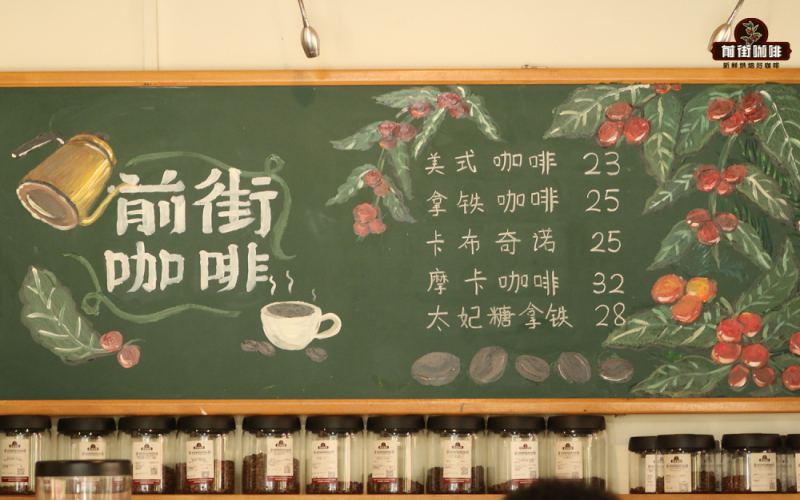
The Complete Guide to Making Caramel Macchiato: Eight Steps from Choosing Coffee Beans to Drawing Patterns with a Latte Art Pen
Caramel Macchiato is the first cup many people choose when they step into Starbucks, and its soft, silky texture and sweet flavor make it unforgettable. But have you ever thought that this classic drink can actually be easily recreated at home? This article will break down the process of making an iced caramel macchiato in detail, from choosing Front Street Coffee's classic espresso blend beans, to extracting the espresso, steaming the milk, and then every detail of drizzling caramel and using a latte art needle to draw patterns, presented one by one in eight steps. Whether you are a coffee enthusiast who has just started out, or a home barista hoping to refine your skills, you can gain practical operational guidance from it and make an iced caramel macchiato that is both visually appealing and flavorful with your own hands. [more…]

Five Advanced Ways to Drink Americano: Ice, Ristretto, Latte Art, Milk, and Long Black Differences Explained
In the Italian coffee system, the combination of milk and espresso has given rise to a rich variety of drinks such as the latte, cappuccino, and flat white, while the pairing of water and coffee seems to offer only one option: the Americano. This is not actually the case—the Americano likewise has many variations. This article will systematically introduce five unconventional ways to make an Americano, including iced Americano with all ice, lava-style iced Americano, latte-art hot Americano, Americano with milk, and the Long Black, analyzing one by one their preparation principles, flavor characteristics, and key operational points. At the same time, the article also provides a detailed explanation of the core differences between the Americano and the Long Black, and includes Front Street Coffee's specific recommendations for choosing espresso beans, for coffee enthusiasts to reference and put into practice. [more…]

How to Make an Iced Caramel Macchiato? A Complete Tutorial from Espresso Extraction to Caramel Latte Art
The name caramel macchiato comes from the Italian word "macchiato," meaning "marked," which gives this drink the romantic connotation of a "sweet mark." In hot weather, an iced caramel macchiato brings both a refreshing coolness and the sweet, silky texture that people crave. The basic method is to pour espresso into cold milk, cover it with a layer of densely frothed milk foam, and finally drizzle caramel sauce on top and draw a pattern with a latte art needle. This article uses Front Street Coffee's classic espresso blend as an example to explain in detail the complete steps from extracting espresso and frothing milk to assembling the drink, including ingredient selection, parameter settings, and tips for drawing patterns, helping coffee lovers easily recreate a beautiful and flavorful iced caramel macchiato at home. [more…]

Front Street Coffee Complete Knowledge Collection: A Coffee Learning Guide and Practical Manual from Beginner to Advanced
The Front Street official account has insisted on daily updates for many years, accumulating a massive amount of educational content covering every area of coffee. From the origins of coffee beans to the birth of a finished cup of coffee, from basic terminology to advanced brewing techniques, the articles have touched on virtually every question a coffee lover might encounter. This article reorganizes that content along a learning path, dividing it into sections such as must-reads for beginners, tasting methods, brewing techniques, advanced improvement, and Front Street's random musings on industry topics, making it easy for readers to quickly locate the knowledge they need based on their own stage, and also convenient for systematically filling in gaps. Whether you are a novice just getting into coffee or an advanced player hoping to hone your skills, you can find corresponding content here. [more…]
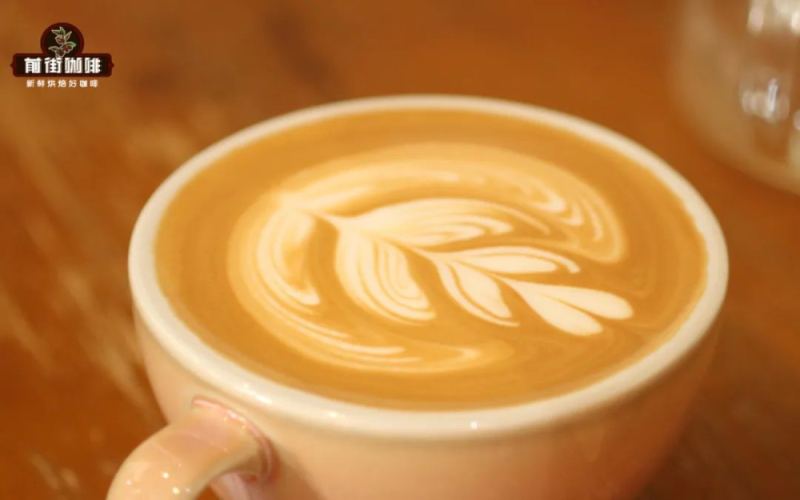
Master Milk Steaming and Latte Art from Scratch: A Complete Guide to Latte Making and Common Beginner Mistakes
To make a beautiful latte with latte art at home, simply imitating videos is far from enough. From the perspective of Front Street Coffee, this article systematically sorts out the basic concepts, ingredient ratios, and production process of latte coffee, deeply breaks down the two key stages of milk steaming—aeration and texturing—and explains the impact of the pouring technique on the taste and appearance of the finished product. At the same time, addressing the common problem among beginners that "latte art always turns into a blob," it points out that the quality of the milk foam is the fundamental cause, and includes an efficient practice path to help coffee enthusiasts gradually build muscle memory and ultimately achieve stable patterns. [more…]
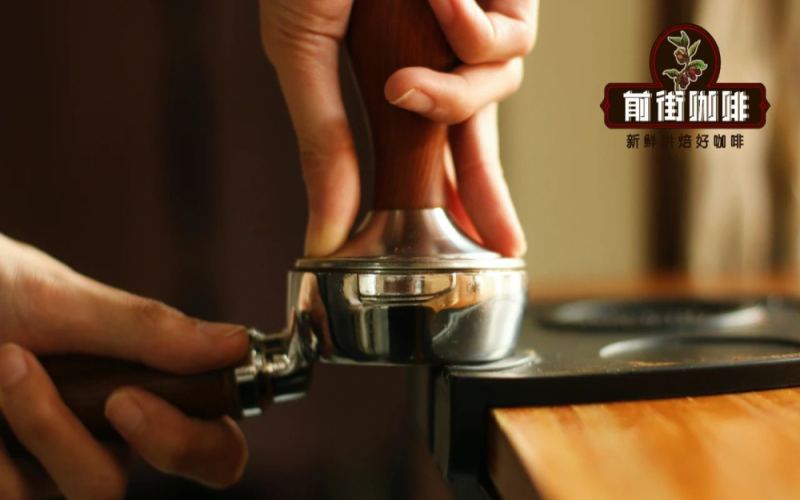
Latte Recipe Sharing | What Is a Latte? Which Coffee Beans and Milk Should You Choose for Latte Art? What Is the Milk-to-Espresso Ratio in a Latte?
" "I'm not in a café, I'm on my way to one." For Italians who love coffee, latte is an all-too-familiar drink. On a beautiful morning, sipping a cup of latte feels incredibly cozy and refreshing. So, what exactly is a latte? And how is it made? Let's take a look with Front Street Coffee (Fr [more…]
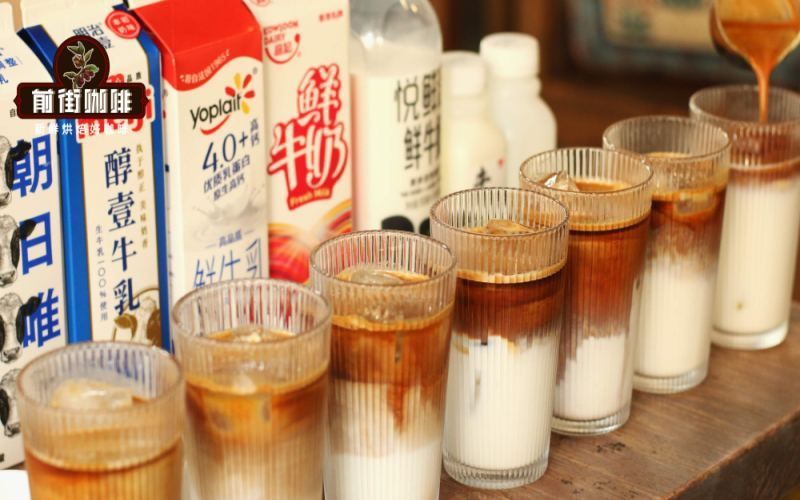
What's the difference between iced latte and iced coffee? Espresso extraction and pairing tips for making your own latte
Why is it that, even among iced coffees, the iced latte from a café is always more aromatic and smooth? From the perspective of Front Street, this article breaks down the conceptual differences between an iced latte and iced coffee, explains whether espresso can be used to make a latte, and offers actionable tips for making iced lattes at home, covering household equipment, coffee bean selection, espresso extraction standards, the coffee-to-milk ratio, and the use of ice. The article also recommends two espresso beans—Front Street Signature Blend and Front Street Classic Blend—which suit different needs such as home use, office use, and latte art for beginners, helping you get closer to the flavor performance of café-quality drinks. [more…]
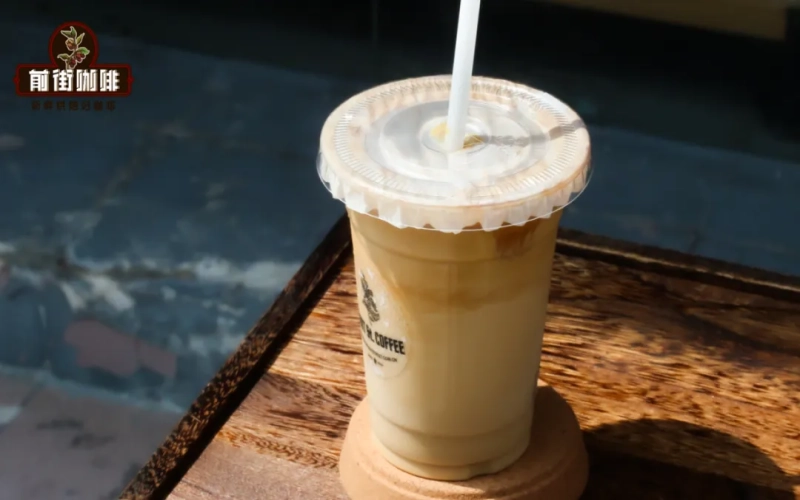
An Analysis of the Meaning and Characteristics of Latte Coffee, with a Caramel Nut-Flavored Latte Recipe and Coffee Bean Recommendations
Latte is the espresso drink with the highest proportion of milk, and many people fall in love with it because of the delicate latte art on the surface and the rich, smooth taste at first sip. But do you really know what a latte is? In Italian, it originally just means "milk," so ordering one could lead to a small misunderstanding. With the spread of espresso machines and steam wands, the modern latte gradually took shape, and in the 1980s Seattle baristas were the first to "paint" the surface with milk foam — this was the prototype of latte art. This article will sort out the definition and history of the latte, give Front Street Coffee's recommended ratio of espresso to milk, and focus on analyzing how different coffee beans shape the flavor direction of iced lattes, while also recommending a variety of Front Street Coffee blends and single-origin beans to help you make a latte that suits your own taste. [more…]
Learning Milk Frothing and Latte Art from Scratch: A Complete Practice Approach from Milk Foam Principles to Pattern Formation
To make a hot latte with beautiful latte art at home, espresso alone is not enough—the key often comes down to the "milk foam" step. Drawing on the practical experience of Front Street Coffee, this article first explains the basic composition of a latte and the ratios for good flavor, then breaks down the two stages of milk steaming—aeration and texturing—step by step, explaining the key points of integrating techniques and pouring posture, and finally offers an efficient practice path alternating fresh milk and water. Whether you are new to espresso or always end up with coarse bubbles and a blob of latte art, you can find actionable directions for improvement. [more…]
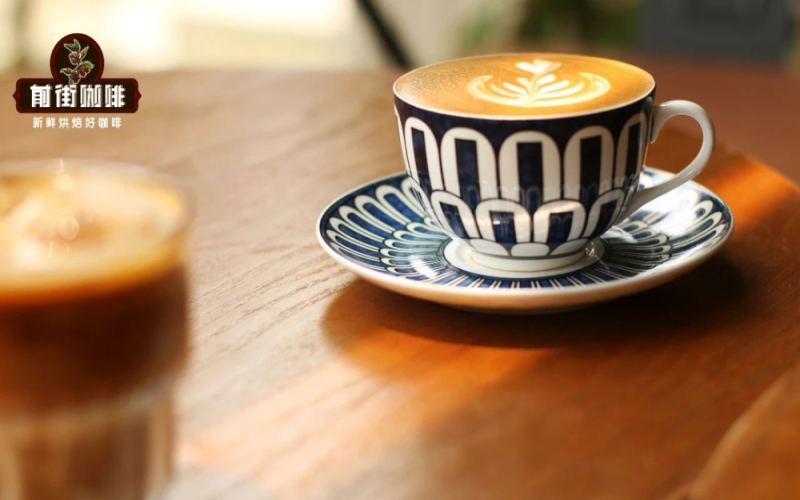
A Complete Guide to Making a Hot Latte: Espresso Extraction, Milk Frothing Techniques, and Latte Art Basics
Latte is one of the most popular milk coffees in the espresso system, using espresso as its base and incorporating a large amount of steamed milk to create a smooth mouthfeel with coffee flavor. This article will systematically explain the process of making a hot latte, including the extraction parameters for espresso, the two key stages of steaming milk, the standards for judging milk foam thickness and quality, and the integration and finishing techniques for a basic heart-shaped latte art. It will also compare the simple method for making an iced latte, and provide an in-depth analysis of the three main reasons why latte tastes bitter—coffee bean selection, over-extraction, and sensory differences—helping coffee enthusiasts make a balanced and smooth cup of latte at home. [more…]
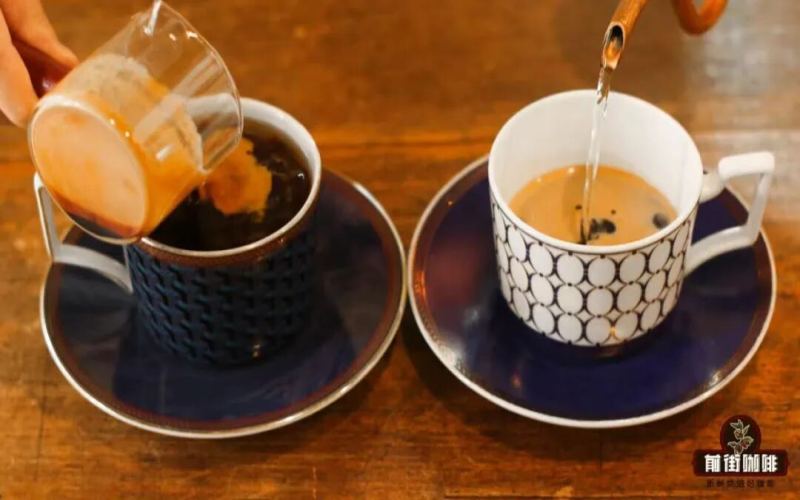
Fancy Ways to Drink Americano | Can You Make Latte Art with Americano? Does Americano with Milk Taste Good? Isn't a Long Black the Same Drink as an Americano?
As everyone knows!! In espresso coffee, the combination of milk and coffee has an extremely rich variety of ways to be enjoyed. Just by slightly changing the method or parameters, milk and coffee alone can be made in countless ways. The well-known ones include latte, cappuccino, flat white, piccolo, cortado, macchiato, and so on and so forth. And on the other hand, [more…]
A Detailed Guide to the Classic Classifications and Standard Preparation Process of Espresso Latte
Latte is the transliteration of the Italian word "Latte," and it is also a classic espresso-based coffee drink made with milk. From the perspective of Front Street Coffee, this article systematically introduces the origin of the latte, ingredient selection, and the steps for making both hot and iced lattes, including coffee bean selection, extraction parameters, milk steaming, and latte art techniques. It also provides ratio recommendations for coffee beans with different roast levels to help coffee enthusiasts make an authentic and delicious latte at home. [more…]
Master Latte Art from Scratch: A Complete Breakdown of Hand Gestures and Steps, Plus Efficient Practice Methods for Beginners
To make a hot latte with beautiful latte art at home, drinking coffee alone is not enough—the key lies in mastering milk frothing and latte art techniques. From the perspective of Front Street, this article first introduces the origins and proportions of latte coffee, then gradually breaks down the two major stages of latte art: integration and pouring, and explains in detail the air intake and texturing steps of milk frothing. The article also includes efficient practice tips to help you transition from practicing with water to working with real milk, so you can avoid detours and quickly pour basic patterns like hearts and tulips. [more…]
How to Make an Espresso Latte? A Complete Tutorial from Espresso Extraction to Milk Frothing, with Analysis of Iced and Hot Recipes
Latte is a classic combination of espresso and milk, and one of the most popular milk coffees in cafés worldwide. To make a delicious latte at home, the key lies in choosing the right coffee beans, mastering espresso extraction parameters, and learning to steam milk foam. Drawing on the experience of Front Street Coffee, this article explains in detail the origin of the latte, the selection of coffee beans and milk, the extraction and latte art steps for a hot latte, as well as the ratio approach for an iced latte, helping you systematically understand how to make an authentic Italian-style latte. [more…]
A Comprehensive Comparison of Flat White and Latte: A Detailed Explanation of Cup Size, Flavor, Milk Foam, and Differences Between Iced and Hot Drinks, Along with a Discussion of the Differences Between White Coffee and Black Coffee and the Potential
Although both are made from espresso and milk, a Flat White and a latte deliver completely different drinking experiences. Many people regard the Flat White as the Australian version of a latte, but the two differ noticeably in cup size, coffee strength, milk foam thickness, and even whether they are served hot or iced. Starting from Front Street Coffee's own production practices, this article breaks down these differences one by one to help coffee lovers accurately tell these two common milk coffees apart. At the same time, the article also extends the discussion to the essential differences between imported white coffee and black coffee, as well as the potential health risks of instant white coffee, offering a reference for everyday choices. [more…]
What is the difference between a flat white and a latte? A comprehensive analysis of cup size, flavor, milk foam, and drinking method
In the combination of coffee and milk, latte and Flat White often make it difficult for people to tell them apart. Although both originate from a mixture of espresso and milk, there are obvious differences in cup size, flavor intensity, milk foam thickness, and drinking method. Front Street Coffee believes that a Flat White can be understood as the Australian version of a latte, while a latte is more like a cup of milk with coffee flavor, whereas a Flat White is a cup of coffee with milk flavor. This article will sort out the specific differences between these two classic milk coffees one by one from aspects such as cup size, taste, latte art, and hot or iced choices, and give suggestions on how to drink Flat White to make it taste better. [more…]