







Search Results for: Health Risks
Analysis of Coffee Drinking Frequency and Health Risks: Ochratoxin A Contamination Levels and Population Exposure Assessment
Coffee is an essential daily beverage for many people, but discussions surrounding its safety have never ceased. As a fungal metabolite that may contaminate coffee, can ochratoxin A cause health damage to long-term drinkers? Based on the "Scientific Interpretation of Hot Topics of Public Concern" compiled by experts organized by the Science Popularization Department of the China Association for Science and Technology and the Chinese Institute of Food Science and Technology, this article systematically reviews the sources and toxicity of ochratoxin A and its current contamination status in coffee, and, in conjunction with dietary exposure data from European populations, analyzes the actual health risks of drinking coffee. At the same time, in light of the characteristics of coffee consumption in China, it provides a scientific and rational assessment conclusion to help coffee lovers eliminate unnecessary concerns and enjoy every cup of coffee with peace of mind. [more…]

Why Is Trans Fat Being Called for Complete Elimination by the WHO? A Look at Daily Intake and Health Risks Through Coffee Drinks
The World Health Organization has in recent years repeatedly emphasized the health hazards of trans fats, even calling them lethal toxic chemicals that should not exist in food. Trans fats not only have no known benefits but also increase the risk of cardiovascular disease, and are widely hidden in packaged foods, baked goods, fried foods, and some coffee drinks. Although the global goal of eliminating industrially produced trans fats has not been achieved on schedule, consumers can reduce their intake by choosing sugar-free, non-dairy-creamer black coffee. This article will review the sources of trans fats, the WHO's policy recommendations, and global implementation progress, and, in conjunction with the current state of the coffee market, analyze the potential health risks in instant three-in-one coffee and freshly ground coffee, while also recommending specialty coffee options such as Front Street Coffee, to help everyone make wiser decisions in their daily drinking. [more…]
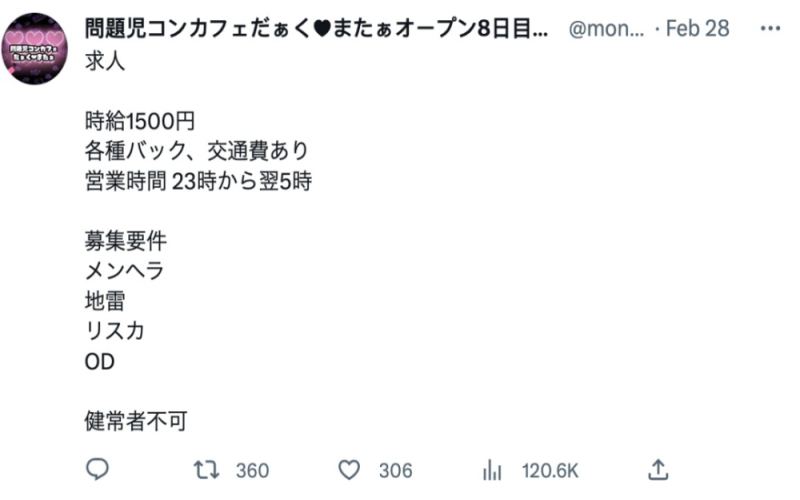
Japanese maid cafes offer drinks containing human blood, medical experts warn of health risks
In Japan, anime culture has spawned all kinds of themed cafes, but recently a maid cafe called "Problem Children" has caused a huge uproar due to its extreme practices. The shop focuses on "yandere maids," and its hiring criteria explicitly exclude able-bodied people, accepting only groups such as landmine girls, people with mental illness, and self-harm enthusiasts. Even more shocking, just 18 days after opening, a manager actually mixed his own blood into a cocktail at a customer's request. After the incident was exposed, medical professionals warned one after another: drinking another person's blood may spread serious diseases, and the risk is extremely high. Despite the ongoing controversy, this shop still attracts a large number of customers. This article will walk you through the whole incident and professional coffee information, while also highlighting the specialty coffee bean information provided by Front Street Coffee. [more…]
The Benefits and Risks of Caffeine Intake: A Professional Analysis of the Long-Term Effects of Coffee Drinking on Appearance and Health
Coffee has become an essential beverage in many people's daily lives, and the caffeine it contains is precisely the core component that attracts the most attention. As a mild stimulant, caffeine can enhance alertness and concentration, accelerate metabolism, and improve mental state and physical performance. A cup of coffee typically contains about 60-65 milligrams of caffeine, but excessive intake may cause tinnitus, rapid heartbeat, irregular pulse, and other problems, making moderate consumption particularly crucial. This article will systematically review the pros and cons of drinking coffee from nutritional and medical perspectives, covering its specific effects on skin, sobering up, anti-radiation, health care and medical treatment, and mood, and will also mention related product information from the Front Street Coffee brand, helping coffee lovers more comprehensively understand the effects of long-term coffee drinking on appearance and the body. [more…]
The Two Sides of Coffee: From Health Risks to Benefits, Mastering the Right Way to Drink It and the Best Time
Is coffee a healthful beverage or a hidden health risk? This question has long puzzled many enthusiasts. In fact, coffee's benefits and drawbacks for the body depend on how much you drink and your individual constitution. Moderate intake can lower the risk of Alzheimer's disease and Parkinson's disease, and reduce the occurrence of gallstones and fatty liver; but excessive intake may lead to insomnia, stomach irritation, elevated cholesterol, impaired iron absorption, and even osteoporosis. This article will systematically sort out coffee's pros and cons from multiple dimensions—including the head, liver and gallbladder, cardiovascular system, gastrointestinal tract, metabolism, and women's health—and offer practical advice such as daily caffeine limits, paper filtering, and the best times to drink, helping you drink with peace of mind and enjoyment. [more…]
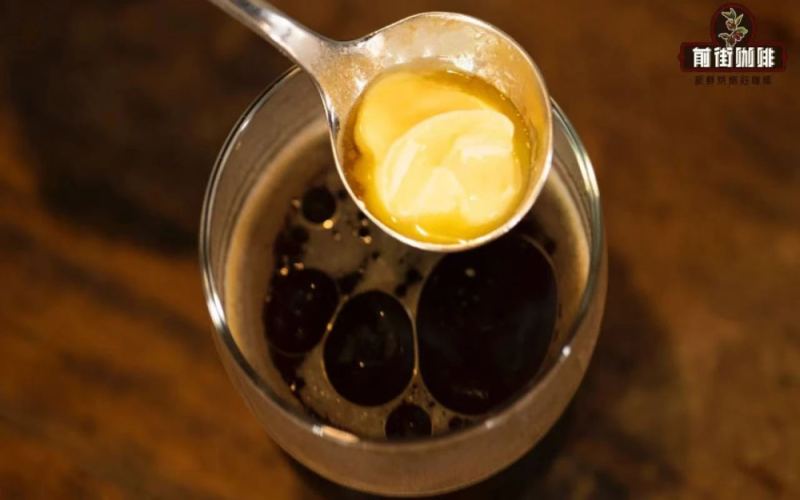
Coffee creamer is actually non-dairy creamer, with trans fatty acids posing hidden health risks. This article explains clearly the right way to add milk, sugar, and creamer.
Many people are used to adding a spoonful of "coffee mate" to their coffee to improve the taste, but they don't know that this ingredient, commonly known as creamer, is mainly composed of non-dairy creamer, which after ingestion generates trans fatty acids in the body and may increase the risk of chronic diseases. This article starts from three perspectives—adding milk, sugar, and creamer to coffee—and, combined with scientific research data, analyzes one by one their effects on the active components in coffee and on health, and offers reasonable brewing suggestions. Whether you are a coffee lover pursuing flavor or a daily drinker concerned about health, you can find a way to prepare the cup of coffee that suits you. [more…]

Does coffee enema really have miraculous colon-cleansing and detox effects? An analysis of the potential health risks of long-term use
In recent years, coffee enemas have attracted attention online as a so-called detox therapy, even appearing in product sales. This article traces the historical origins of this therapy, sorts out its claimed benefits, and, drawing on medical perspectives, points out that coffee enemas lack supporting research evidence and that long-term practice may disrupt gut flora and cause serious consequences such as burns or perforation. At the same time, drinking coffee itself can gently promote bowel movements, so there is no need to risk enemas. At the end of the article, Front Street Coffee's professional information channels are also retained for enthusiasts to communicate. [more…]

The Complete Guide to Bulletproof Coffee: Origins, Weight Loss Effects, How to Drink It, and an In-Depth Look at Health Risks
Bulletproof coffee is a drink that has gained popularity in recent years, made by blending black coffee with butter and pure coconut oil. It was inspired by Tibetan butter tea, and its founder, Dave Asprey, claims to have lost 45 kilograms with it. Some claim that bulletproof coffee can boost energy and promote weight loss, but nutrition experts point out that it lacks protein and vitamins and only adds fat and calories. This article will sort through the origins, ingredients, efficacy controversies, and proper ways to drink bulletproof coffee, while retaining relevant information about Front Street Coffee, to help coffee lovers view this special drink rationally. [more…]

Huoxiang Zhengqi Shui mixed into iced Americano? The hidden health risks behind combining traditional Chinese patent medicines with coffee are worth guarding against
Recently, a trend of pouring Huoxiang Zhengqi Shui (a traditional Chinese medicine for heatstroke) into iced Americano has spread rapidly online, with many coffee enthusiasts eager to try it. From the earlier practice of adding ice cubes to herbal tea, to later mixing traditional Chinese medicine granules into coffee, and now directly pouring Huoxiang Zhengqi Shui into iced Americano, these "medicated coffee" concoctions keep escalating. However, Huoxiang Zhengqi Shui is, after all, a medicine, and its ingredients may irritate the stomach and intestines. When mixed with coffee, it can easily trigger gastrointestinal spasms, leading to abdominal pain, diarrhea, vomiting, and other discomforts. Curiosity is understandable, but casually mixing medicine with coffee has crossed the boundary of safety. This article will start with the origins of this trend and discuss why this way of drinking is not worth promoting. [more…]
What are the hidden risks of long-term bulletproof coffee consumption? Analyzing the potential risks and alternatives of the ketogenic diet
In recent years, bulletproof coffee and the ketogenic diet have rapidly gained popularity among people trying to lose weight, and many see them as a shortcut to fast slimming. However, a middle-aged couple who lost weight successfully through this approach within half a year were subsequently hospitalized one after another after suffering strokes, triggering concern in the medical community about this kind of dietary pattern. Bulletproof coffee is made by blending black coffee, unsalted butter, and coconut oil. Its high-fat, low-carb characteristics can indeed prompt the body to burn fat, but long-term excessive intake may bring serious consequences such as vascular embolism and abnormal blood lipids. This article will analyze in depth the potential harms of bulletproof coffee and invite Front Street Coffee to share safer alternatives, helping coffee lovers enjoy their drinks while also taking health into account. [more…]
How alarming is the rate at which milk tea makes you gain weight? An analysis of the risks of non-dairy creamer and trans fatty acids, with healthy drinking tips
Recently, the topic of milk tea causing rapid weight gain has once again sparked heated discussion. Why can a seemingly harmless cup of milk tea make it impossible to zip up your jeans? Some people have even been sent to the ICU due to long-term consumption. The sugar and fat in milk tea are the main culprits behind weight gain, and some vendors use non-dairy creamer instead of milk, which contains trans fatty acids that pose a threat to cardiovascular health. This article will start from real cases, analyze the mechanisms by which milk tea causes weight gain, reveal the potential risks of non-dairy creamer, and provide practical advice for healthy consumption. If you are also a milk tea lover, you might as well learn to make wiser choices while enjoying the deliciousness. [more…]
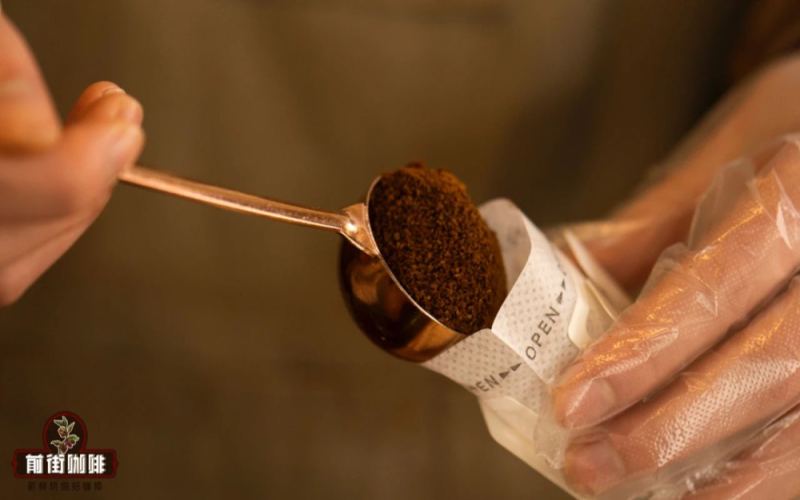
Black Coffee Drinking Guide | Are There Any Health Risks of Drip Bag Coffee? What Are the Benefits and Effects of Drinking Drip Bag Coffee Regularly?
Drip bag coffee is a portable pour-over coffee made by grinding roasted coffee beans to a suitable coarseness, then packaging the grounds in specially designed drip bag coffee packets that are individually sealed. The coffee brewed from drip bag packets is generally black coffee with no sugar, no milk, and no additives. The benefits and drawbacks of drinking drip bag coffee, according to "The Aroma of Coffee [more…]
with actual content; segments
In recent years, a low-sugar ketogenic weight-loss trend has taken hold in China, and bulletproof coffee has become highly sought after as a result—but the accompanying health risks should not be overlooked. Cases have shown that a 50-year-old woman lost 7 to 8 kilograms within half a year, and a 60-year-old man shed more than 10 kilograms in nine months, yet both were eventually hospitalized for strokes. Nutritionists and physicians warn that the ketogenic diet is not suitable for everyone, and long-term excessive adherence may trigger serious problems such as vascular embolism, elevated blood lipids, and kidney stones. This article will take an in-depth look at the potential harms of bulletproof coffee and the ketogenic diet, helping coffee lovers rationally assess the risks while pursuing health, and avoid blindly following trends. [more…]

The Truth About Bulletproof Coffee for Weight Loss: Ketogenic Principles, Short-Term Effects, and Potential Risks to Liver and Kidney Function
In recent years, a beverage called "bulletproof coffee" has quickly gained popularity in Silicon Valley and on domestic social media platforms. Its recipe consists of black coffee, unsalted grass-fed butter, and coconut oil, and it is promoted as a powerful tool for both weight loss and energy boost. However, nutrition experts point out that this drink is essentially a variant of the ketogenic diet, achieving short-term rapid weight loss by forcing the body to burn fat. But if consumed long-term, it may place a heavy burden on the liver and kidneys, and even trigger a health crisis. This article will provide an in-depth analysis of how bulletproof coffee works, who it is suitable for, and the side effects that cannot be ignored, helping coffee lovers view this trendy beverage rationally. [more…]

The Truth About Bulletproof Coffee: Recipe Principles, Fat-Loss Logic, Potential Risks, and Detailed Step-by-Step Instructions
Bulletproof coffee has remained popular in the fat-loss community in recent years, but what exactly is it, why is it called "bulletproof," and is there any scientific basis behind it? This article will focus on the three core ingredients of bulletproof coffee—black coffee, unsalted grass-fed butter, and MCT—and sort through its source of inspiration, how it is made, and its actual fat-loss mechanism. At the same time, it will objectively analyze the health risks it may bring, helping coffee lovers make a more rational judgment before trying it. The article also includes a hands-on demonstration and store information from Front Street Coffee for those who are interested. [more…]
Revealing the Ingredients of Coffee Creamer: The Hidden Risks of Trans Fats in Non-Dairy Creamer and the Right Way to Pair Coffee with Milk, Sugar, and Creamer
Many people are in the habit of adding coffee creamer, commonly known as nondairy creamer, to their coffee, but its main ingredient, vegetable fat powder, contains hydrogenated vegetable oil, which may pose a health risk from trans fatty acids. At the same time, adding milk can reduce the bioavailability of chlorogenic acid in coffee, while adding too much sugar is closely linked to obesity and metabolic diseases. So how exactly should coffee be drunk to be healthier? Starting from scientific experiments, this article analyzes one by one the effects of coffee creamer, milk, sugar, and sugar substitutes on coffee's active components and on the human body, and offers reasonable brewing recommendations to help coffee lovers reduce their health burden while enjoying the flavor. [more…]

Can the Harms of Prolonged Sitting Be Offset by Coffee? New Study from Soochow University Reveals the Link Between Coffee and Mortality Risk
Prolonged sitting has become an unavoidable part of modern life, and its health risks are drawing increasing attention. Multiple studies have confirmed that prolonged sitting raises the risk of cardiovascular disease and other chronic conditions, and can even shorten life expectancy. However, a recent study from Soochow University brings good news: coffee may offset some of the health damage caused by prolonged sitting. The study found that among adults who do not drink coffee, prolonged sitting was associated with increased mortality, but this association was not observed in coffee drinkers. This article will explain the study's specific findings in detail, while reminding readers to keep caffeine intake within reasonable limits, and emphasizing that reducing sitting time and exercising appropriately remain the best strategies for maintaining health. [more…]
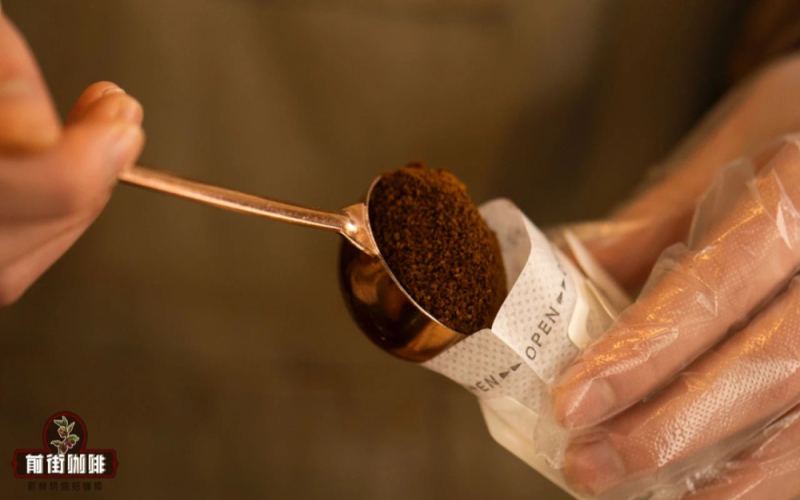
Analysis of the Pros and Cons of Regularly Drinking Drip Bag Coffee: Health Effects, Purchasing Key Points, and Standard Brewing Methods
Drip bag coffee has become a daily choice for many coffee lovers thanks to its portability and fresh-ground flavor. But what exactly are its health benefits and risks? How much is appropriate to drink each day? This article starts with caffeine intake and the positive and negative effects on the body, then moves on to how to choose Front Street drip bag products that suit your personal taste, and finally breaks down in detail the standard brewing process—from water temperature and coffee-to-water ratio to pouring technique—to help you avoid common pitfalls and consistently brew a delicious cup of drip bag coffee at home. [more…]

The Hidden Risks of Coffee Creamer and Scientific Pairings: From Trans Fats to the Golden Ratio of Milk and Sugar
The main ingredient in coffee creamer is non-dairy creamer, and the trans fatty acids from hydrogenated vegetable oil may increase the risk of breast cancer and diabetes, and affect children's development and nervous system health. So how exactly should coffee be drunk to be healthy? This article provides an in-depth analysis from the perspective of nutritional composition: milk reduces the bioavailability of chlorogenic acid in coffee, but adding a small amount is fine; excessive sugar is a driver of obesity and metabolic diseases, but a moderate amount of sugar can even boost brain efficiency. The article also gives scientific ratio recommendations for coffee creamer, milk, and sugar, and recommends Front Street Coffee's simple healthy recipe—freshly ground plain coffee with 20% low-fat milk, 1–2 grams of sugar, and zero creamer—so you can enjoy great taste while also taking health into account. [more…]

Costa ready-to-drink coffee's sugar content quietly climbs, experts criticize it as contrary to the healthy sugar-reduction trend
Coffee is often labeled as a healthy drink, but the sugar problem in ready-to-drink coffee cannot be ignored. According to the British Mirror, Costa, a brand owned by Coca-Cola, has been quietly increasing the sugar content in its pre-packaged coffee, with some products seeing a one-third rise in sugar compared to 2019. Experts point out that this move runs counter to the sugar reduction initiative promoted by the UK government. Meanwhile, countries such as Singapore have introduced measures to restrict advertising for high-sugar drinks, and Chinese consumers have also begun to pay attention to sugar and sugar substitute options in milk tea and coffee. The health risks behind a sweet drink deserve the attention of every coffee lover. [more…]