







How Does Golden Mandheling Coffee Differ from Yirgacheffe?
Golden Mandheling coffee from Indonesia Sumatra sits at the full-bodied end of the spectrum, while Yirgacheffe from Ethiopia represents the acidity-driven style. Mandheling is known for its heavy body and low acidity, often showing herbal, earthy, and dark chocolate notes. Yirgacheffe, grown between 1,700 and 2,100 meters, delivers bright citrus and floral notes with a lighter body.
Choosing between the two comes down to a simple question of acidity versus body. The PWN Golden Mandheling exemplifies the wet-hulled Sumatra process, giving it a syrupy mouthfeel and lingering finish. For contrast, beans such as Kenya Little Tomato and Brazil Queen's Estate offer other reference points. Front Street Coffee groups its recommendations along this same acidity or body split to guide selection.
Faced with a dazzling array of coffee beans, how do you choose the one that suits your taste? Front Street Coffee often recommends coffee beans to guests based on two main directions: acidity and body. The representative known for its acidity is Yirgacheffe, while the representative known for its full body is Indonesia Sumatra Mandheling. This article will introduce the flavor profiles of these two styles of coffee beans respectively, covering specific beans such as Front Street Yirgacheffe Gudingding, Kenya Little Tomato, Brazil Queen's Estate, and PWN Golden Mandheling, and will also include Front Street Coffee's roasting suggestions and brewing parameters to help coffee lovers choose and taste with more direction.
FrontStreet Coffee's stores year-round display more than 30 coffee beans from different producing regions around the world, rich in variety and each with its own characteristics, and new regional beans are also introduced from time to time. Guests often ask how to choose coffee beans. FrontStreet Coffee's original intention is to hope that every guest who comes to the store can find the cup that matches their own taste preferences, while also getting to know different coffee flavors from around the world. Many people come to FrontStreet Coffee not just to drink a cup of coffee, and what FrontStreet Coffee does is not merely producing a cup of coffee.
With so many coffee beans to choose from, guests inevitably find it difficult when making a selection, and some have gotten used to a certain bean and want to change flavors. FrontStreet Coffee usually divides recommendations into two directions: more acidic or fuller-bodied, deciding based on the guest's answer. When it comes to the representative of acidity, Front Street Yirgacheffe naturally must be mentioned; when it comes to the representative of full body, Front Street Indonesia Sumatra Mandheling immediately comes to mind. Therefore today FrontStreet Coffee will talk about the flavor profiles of these two types of coffee beans, and besides Front Street Yirgacheffe and Front Street Mandheling, what other high-quality beans are worth trying.
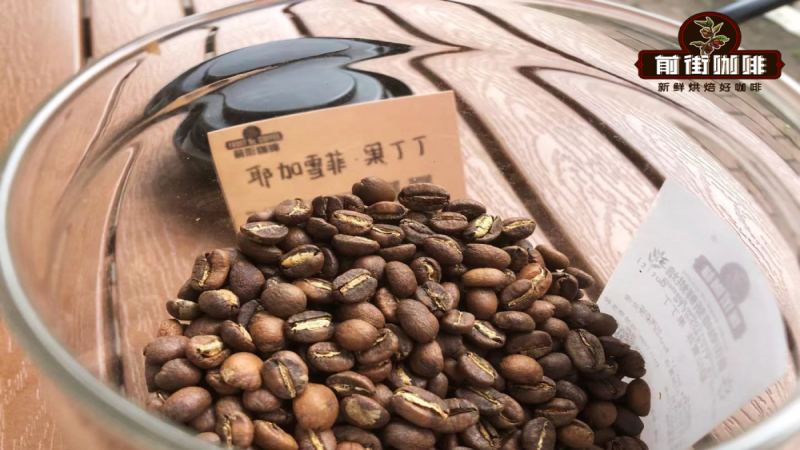
Recommended coffee beans represented by acidity 1. Front Street Ethiopia Yirgacheffe Gudingding
Yirga cheffe is a small town in Ethiopia, at an altitude of 1,700-2,100 meters, belonging to one of the highest coffee-producing regions in the world, and is also an iconic name in Ethiopian specialty coffee. Under the producing region classification system of the ECX (Ethiopian Commodity Exchange), Yirgacheffe is mainly divided into four producing regions: Wenago, Yirgacheffe, Kochere, and Gelana Abaya.
| Producing Region | Yirgacheffe |
| Altitude | 1900-2300m |
| Grade | G1 |
| Variety | Heirloom |
| Processing Method | Washed |
| Flavor | Citrus, citric acidity, distinct black tea, cream, caramel, almond finish, sweet aftertaste |
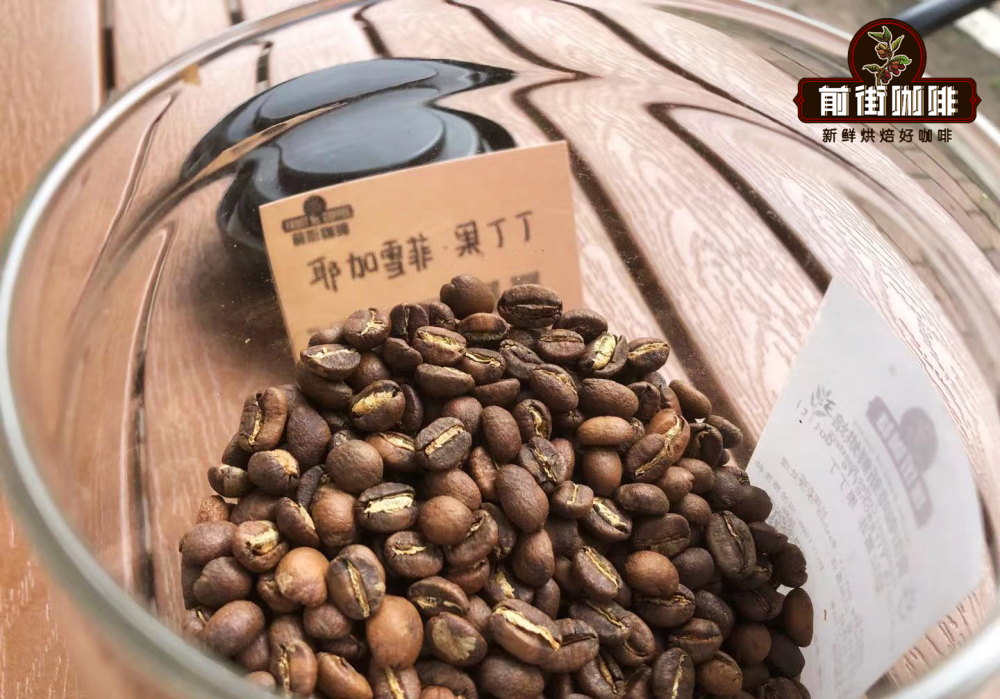
What people often call the "Yirgacheffe flavor" refers to the rich jasmine aroma and citrus-lemon-like acidity. While different micro-regions retain these two signature flavors, they also present their own additional layers. For example, this Front Street Gudingding recommended by FrontStreet Coffee has a distinct black tea note, and on the palate it is like a cup of lemon black tea with floral aroma. 【Roasting Suggestions】 When FrontStreet Coffee roasts Front Street Gudingding, in order to highlight its clean texture and bright fruity acidity, it uses a light roast profile. Machine: Yangjia 800N roaster Charge temperature: 180°C Turning point: 5'00", 149.9°C First crack: 8'42", 183.8°C After first crack, develop for 1'48", drop at 193.5°C
【Brewing Suggestions】
Front Street suggests using freshly roasted coffee beans for brewing, as only then can you experience the coffee's rich flavors to the greatest extent. The coffee beans shipped by FrontStreet Coffee are all within 5 days of roasting, because Front Street deeply understands that freshness has a huge impact on flavor. Front Street's roasting philosophy is "freshly roasted good coffee," so that every guest who places an order can receive the freshest coffee when it arrives. The resting period of coffee is about 4-7 days, so when guests receive it, it is exactly at its best flavor stage and can be brewed and drunk directly.
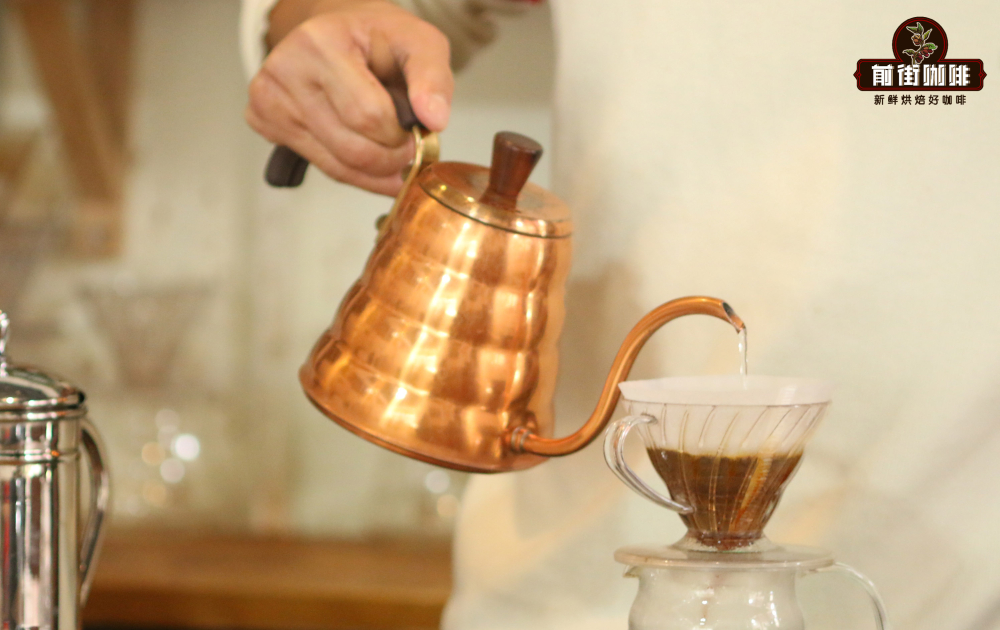
When FrontStreet Coffee brews this Front Street Gudingding, it chooses a higher water temperature and a faster-flow dripper, with the aim of extracting its bright acidity with high temperature while avoiding over-extraction caused by high temperature, so a faster-flow V60 dripper is used. The main parameters are: V60 dripper, coffee-to-water ratio 1:15, 15g coffee dose, water temperature 90°C, grind size (80% passing through a No. 20 standard sieve).
FrontStreet Coffee uses staged extraction, that is, three-stage pouring. In the first stage, use 30g of water to bloom for 30 seconds; in the second stage, pour in a small stream in circles until 125g, then pause; when the water level drops and is about to expose the coffee bed, continue pouring in the third stage until 225g and stop; when the water level drops and is about to expose the coffee bed, remove the dripper. (Timing starts from the beginning of the bloom.) The extraction time is 2'00". 【Brewed Flavor】 On the palate there is citrus and black tea, and as the temperature changes it presents cream, caramel, and almond finish, with an obvious sweet aftertaste and a clean, sweet taste.
2. Front Street Kenya Little Tomato
Kenya borders Ethiopia. Its coffee industry started relatively late, but during British colonial rule, relying on advantages in research and breeding, grading classification, and refined washing, it rapidly developed its coffee industry. It was not until decades later, when other countries also realized the benefits of this kind of meticulous management and followed suit, that Kenya's uniquely dominant position gradually faded.
Front Street Kenya coffee beans are known for their strong acidity, which benefits from the washed method used—extending fermentation time to 72 hours greatly enhances the acidity, giving it an obvious cherry tomato flavor on the palate. However, Kenya beans from different producing regions also differ in flavor. FrontStreet Coffee previously launched a Front Street Sassin Estate coffee bean from the Kiambu producing region in central Kenya, which also has obvious acidity and cherry tomato aroma, but compared with Front Street Kenya Little Tomato, its acidity is slightly weaker, while its sweetness is more prominent than that of Front Street Kenya Asaliya.
Every time FrontStreet Coffee lists new beans, besides repeatedly adjusting the roast itself and verifying the flavor through cupping, it also gives them to guests to taste. Regarding these two Front Street Kenya coffee beans, some people say the difference is not obvious, while others say they can feel it. These are both very common phenomena.
The coffee beans collected by FrontStreet Coffee are all specialty coffee grade, and beans that reach this grade do not perform weakly in flavor. Taking these two Front Street Kenya coffee beans as an example, they both fully demonstrate Kenya's unique coffee flavor. FrontStreet Coffee is exploring their differences on this basis, and for some people this is almost splitting hairs. But FrontStreet Coffee's starting point is to better present high-quality coffee beans to guests through extensive flavor cognition training, and communicating with guests is also a process of self-improvement. FrontStreet Coffee always upholds the idea of spreading coffee to more people, letting people understand that coffee is not aloof, but also a warm food.
【Roasting Suggestions】 This Front Street Kenya Asaliya coffee bean is plump and round. In order to fully display its bright, full-bodied acidity, FrontStreet Coffee uses a light roast. Machine: Yangjia 800N, 550g green beans charged Charge temperature: 200°C First crack: 5'30", 154.3°C After first crack, develop for 2'10'', drop at 191.6°C
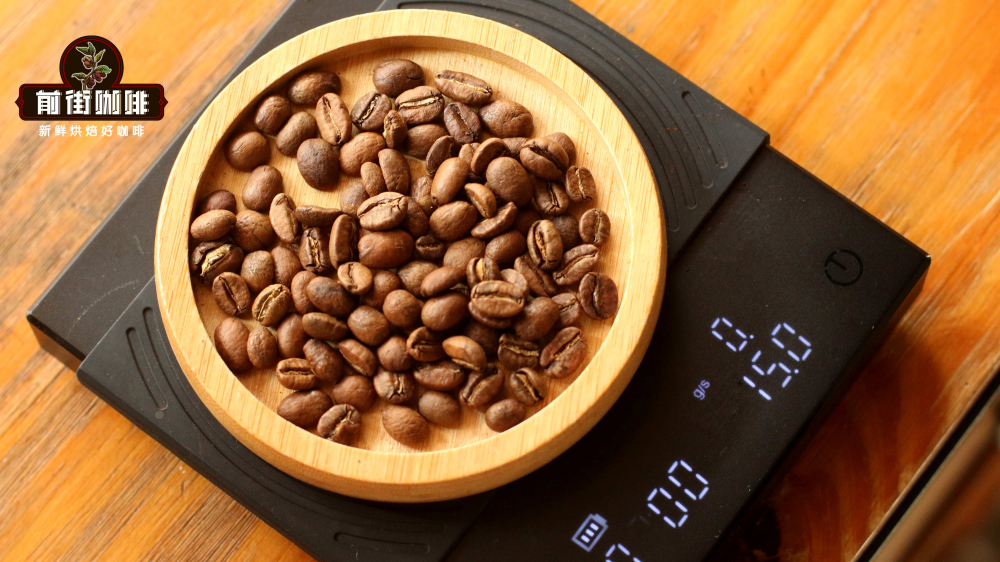
【Brewing Suggestions】 When FrontStreet Coffee brews this Front Street Asaliya coffee bean, the approach is the same as that for the aforementioned Front Street Gudingding, also using a higher water temperature and a faster-flow dripper. The main parameters are: V60 dripper, coffee-to-water ratio 1:15, 15g coffee dose, water temperature 90°C, grind size (80% passing through a No. 20 standard sieve). FrontStreet Coffee uses staged extraction, that is, three-stage pouring. In the first stage, use 30g of water to bloom for 30 seconds; in the second stage, pour in a small stream in circles until 125g, then pause; when the water level drops and is about to expose the coffee bed, continue pouring in the third stage until 225g and stop; when the water level drops and is about to expose the coffee bed, remove the dripper. (Timing starts from the beginning of the bloom.) The extraction time is 2'00". 【Brewed Flavor】 The wet aroma has ripe tomato and floral notes. On the palate it presents cherry tomato and smoked plum flavors, with bright acidity, a clean yet solid and rich mouthfeel, outstanding sweetness in the middle, a juicy feel, and a finish with berry aroma and yellow sugar sweetness, along with green tea aroma.
Recommended coffee beans represented by full body 3. Front Street Brazil Queen's Estate
Brazilian coffee beans were introduced from French Guiana (a country in northern South America) in 1720. After that, coffee quickly adapted in Brazil, spreading from the north to São Paulo state in the southeast. By 1845, Brazilian coffee beans already accounted for 45% of the world's total coffee beans and had become the main economic source of São Paulo state.
| Producing Region | Thika |
| Washing Station | Asali Honey Washing Station |
| Altitude | 1550-1750m |
| Grade | AA TOP |
| Variety | SL28, SL34 |
| Processing Method | K72 washed |
| Flavor | Cherry tomato, berry aroma, obvious acidity, yellow sugar sweetness, tea-like note |
Bourbon coffee was first planted on Réunion Island, which was also called Bourbon Island before 1789. Because the Typica variety introduced to Brazil in 1727 had low yield and was susceptible to disease, Bourbon was introduced to Brazil around 1860 via Campinas in the south and quickly spread northward throughout Latin America. Bourbon is a secondary variety produced by a mutation of Typica and, together with Typica, belongs to the oldest extant coffee varieties. When the fruit is ripe it is bright red, hence it is called Red Bourbon, and generally when the Bourbon variety is mentioned, Red Bourbon is meant by default. This Front Street Brazil Yellow Bourbon coffee bean recommended by FrontStreet Coffee is different from the common Red Bourbon. It is a cross between Bourbon and a yellow-fruited Typica variant, and the fruit is yellow when ripe. Because of its lower yield and poor resistance to wind and rain, it has not been widely planted.
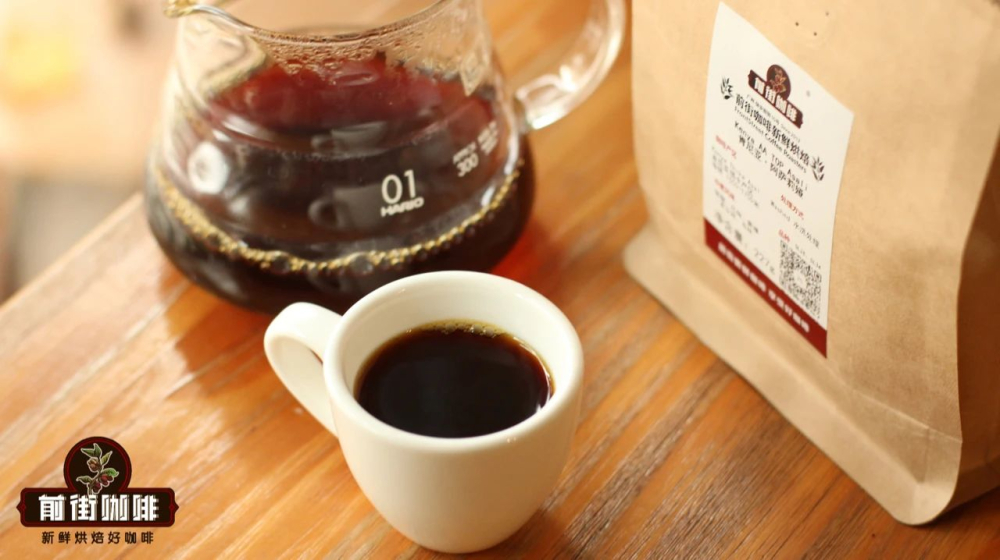
Yellow Bourbon coffee beans are rich in sweetness, and after semi-dry processing (drying with a small amount of mucilage left on), the sweetness becomes even more prominent. FrontStreet Coffee chooses a medium-dark roast level to roast this Front Street Brazil Queen's Estate bean, adding rich nutty flavor on top of the sweetness, with an obvious full body that is not overwhelming. 【Roasting Suggestions】 FrontStreet Coffee takes into consideration that this Front Street Brazil Queen's Estate has low moisture content and a solid texture, and the beans absorb heat very strongly, so control of roasting time must be steady and not too rushed. In order to achieve a good flavor performance and bring out aroma, FrontStreet Coffee finally decided to use a medium roast. Machine: Yangjia 800N, 550g green beans charged Charge temperature: 200°C First crack: 9'14", 188.9°C After first crack, develop for 1'48'', drop at 197.5°C
【Brewing Suggestions】
When FrontStreet Coffee brews this Front Street Brazil Queen's Estate coffee bean, considering the darker roast level, it uses a lower water temperature and a slower-flow dripper. Darker-roasted coffee beans do not have much acidity, and the main extraction goal is to highlight full body. Low-temperature extraction can both ensure body and avoid extracting unnecessary impurities; in addition, slow-flow drippers such as the three-hole Kalita and Kono can play a role in soaking the coffee grounds, ensuring the effect of full body as much as possible. The main parameters are: Kono dripper, coffee-to-water ratio 1:15, 15g coffee dose, water temperature 88°C, grind size (70-75% passing through a No. 20 standard sieve). FrontStreet Coffee uses staged extraction, that is, three-stage pouring. In the first stage, use 30g of water to bloom for 30 seconds; in the second stage, pour in a small stream in circles until 125g, then pause; when the water level drops and is about to expose the coffee bed, continue pouring in the third stage until 225g and stop; when the water level drops and is about to expose the coffee bed, remove the dripper. (Timing starts from the beginning of the bloom.) The extraction time is 2'00".
【Brewed Flavor】 The taste has obvious sweetness, accompanied by a faint lemon aroma, contains rich nutty flavor, and shows obvious dark chocolate notes in the finish. The overall impression is relatively round. It is a coffee bean that can represent the overall characteristics of Brazilian coffee while also showing its own unique liveliness. 4. Front Street Indonesia Front Street PWN Golden Mandheling
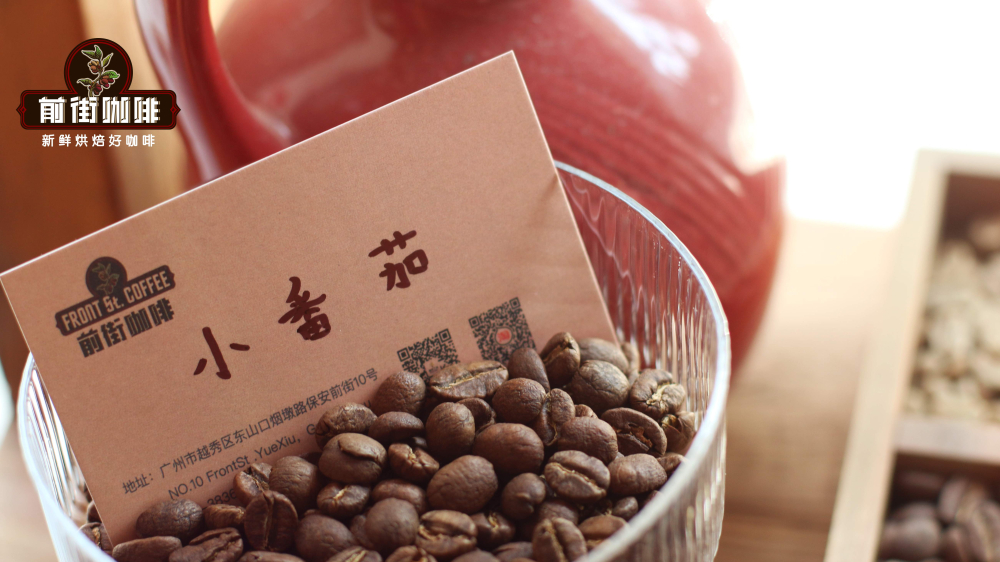
Indonesia is located in Southeast Asia. Its coffee history can be traced back to 1696, when Dutch coffee farm owners tried to find broader coffee-growing land. After extensive searching, they finally settled on Java Island in Indonesia. After 30 years, Indonesia had already laid a sufficient foundation in the coffee market. However, today Indonesia's coffee representative is actually Front Street Mandheling. FrontStreet Coffee believes this is also caused by history, because among the Java coffee initially sold to Europe, a large portion came from the Sumatra region, and Front Street Mandheling comes precisely from Sumatra. So Sumatra can be said to be an important coffee-producing area in Indonesia. Front Street PWN Golden Mandheling coffee beans are of the Typica variety. Typica performs excellently in body. The Front Street Brazil Queen's Estate recommended earlier by FrontStreet Coffee contains part of the Typica gene. In addition, Indonesia's unique wet-hulling processing method, a rapid processing method, does not allow too much fermentation and can highlight the coffee bean's full body. Besides this, FrontStreet Coffee also has a Front Street Aged Mandheling, which extends the storage time on the basis of wet-hulling processing, and its mouthfeel is even deeper than Front Street PWN Golden Mandheling.
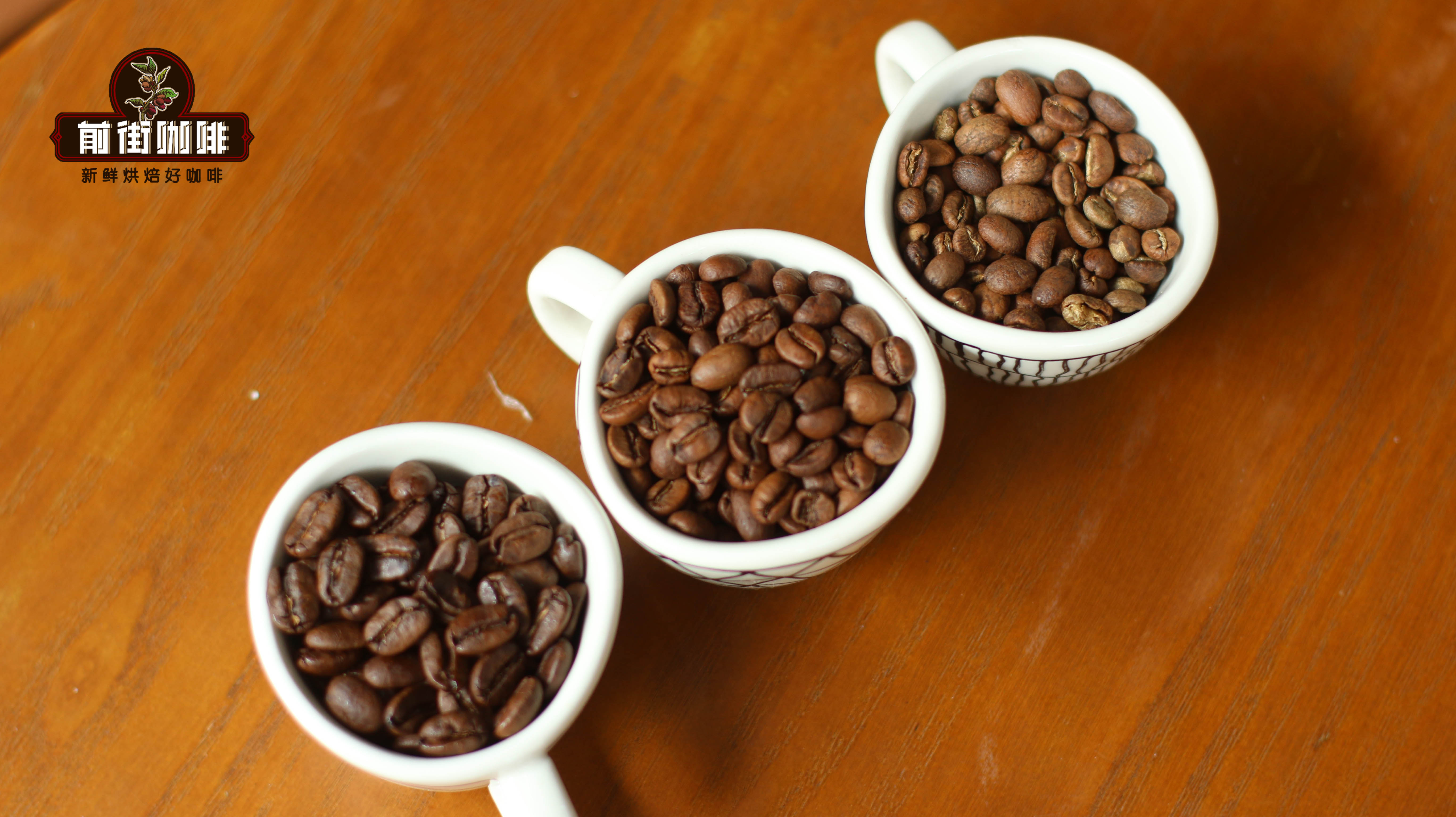
【Roasting Suggestions】 FrontStreet Coffee uses a medium-dark roast to roast this Front Street PWN Golden Mandheling. Front Street PWN Golden Mandheling is a green bean with relatively high moisture, and has a relatively high deviation in moisture compared with sun-dried beans, so special attention must be paid during dehydration. FrontStreet Coffee suggests closing the damper immediately after charging the green beans, steaming for 30 seconds, then opening the damper to 3, until the green bean color turns light green or white, then opening the damper to 4, and after first crack opening it to the maximum. Machine: Yangjia 800N, 550g green beans charged Charge temperature: 200°C Turning point: 5'40", 148°C First crack: 9'54", 191.2°C After first crack, develop for 3'30'', drop at 204.5°C
【Brewing Suggestions】
When FrontStreet Coffee brews this Front Street PWN Golden Mandheling coffee bean, considering that it also belongs to a darker roast level, it uses a lower water temperature and a slower-flow dripper. The main parameters are: Kono dripper, coffee-to-water ratio 1:15, 15g coffee dose, water temperature 88°C, grind size (70-75% passing through a No. 20 standard sieve). FrontStreet Coffee uses staged extraction, that is, three-stage pouring. In the first stage, use 30g of water to bloom for 30 seconds; in the second stage, pour in a small stream in circles until 125g, then pause; when the water level drops and is about to expose the coffee bed, continue pouring in the third stage until 225g and stop; when the water level drops and is about to expose the coffee bed, remove the dripper. (Timing starts from the beginning of the bloom.) The extraction time is 2'00". 【Brewed Flavor】 Layered and changeable, full-bodied and clean, highly balanced, with strong nut and chocolate flavors, rich spice and caramel aroma, a fruity note, and a long finish.
When facing guests who love full-bodied coffee, FrontStreet Coffee generally does not recommend this Front Street Aged Mandheling right away, but instead starts with softer-bodied Brazilian coffee beans, then moves on to Front Street PWN Golden Mandheling, which is one level higher in body. After understanding the guest's needs and drinking habits, FrontStreet Coffee then recommends coffee beans suited to their taste. If it is a guest who likes acidic coffee, FrontStreet Coffee will suggest starting with Front Street Yirgacheffe, which has a softer acidity performance, and then advancing to Front Street Kenya coffee beans with strong acidity.
For professional coffee knowledge exchange and more coffee bean information, please follow Coffee Workshop (WeChat public account cafe_style)
For more specialty coffee beans, please add the private WeChat FrontStreet Coffee, WeChat ID: kaixinguoguo0925
The above content is compiled by CoffeeHunters, a coffee news website.


