







Search Results for: Grana Estate
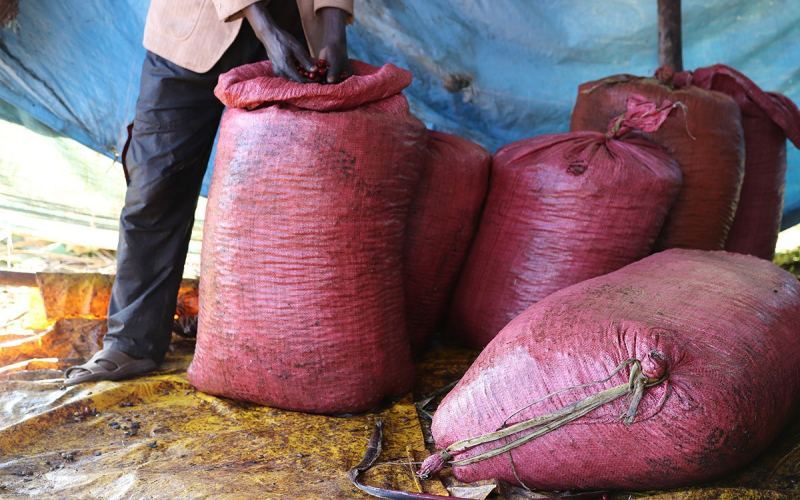
Coffee Beans from the Guji Region: A Floral Representative of High-Altitude Washed Ethiopian Coffee
When it comes to Ethiopian coffee, Yirgacheffe and Sidamo are familiar names, while Guji is a newer region that has only gradually come into the specialty spotlight over the past decade or so. It sits right next to these two major regions, with higher elevations and more distinctive flavors, especially known for its floral aromas and clean acidity. More and more coffee lovers are turning their attention to it. [more…]
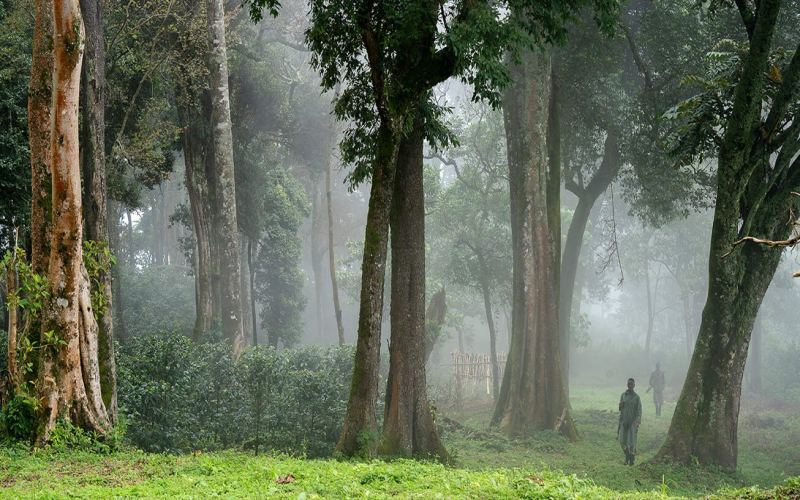
Gesha Village: Tracing the Origins of Ethiopian New Varieties and Recent Auctions
The name Geisha is now almost a highly recognizable symbol in specialty coffee. But what many people don't know is that its roots actually lie in Ethiopia. In recent years, an estate named after Geisha—Gesha Village—has turned its attention back to Ethiopia, and has also made "original Geisha" a [more…]
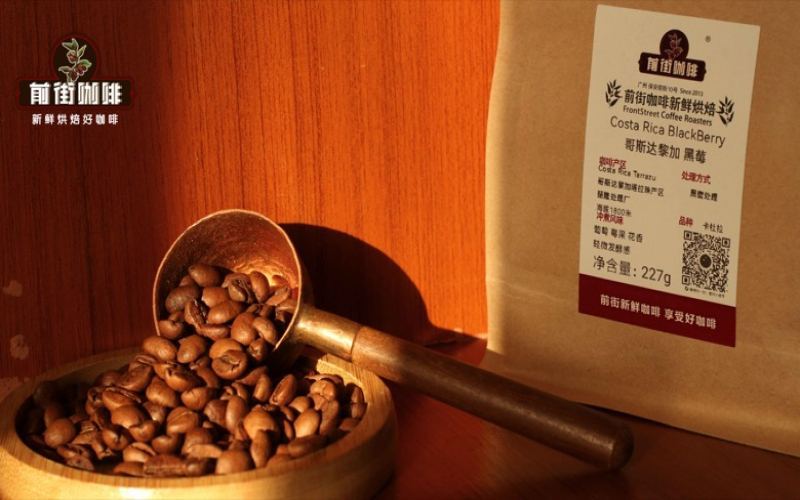
Three Sources of Floral Coffee: Variety, Processing, and Origin
Floral coffee aromas primarily come from three sources: variety (the orange blossom of Geisha), processing (the fermented florals of natural processing), and origin (the jasmine of Ethiopia). Front Street Coffee's Kaffa Forest floral notes lean toward the tea-like direction, with orange and apricot followed by the sweet aftertaste of oolong tea; Granja Estate Geisha's orange blossom and guava, on the other hand, is a blend of floral and fruity [more…]
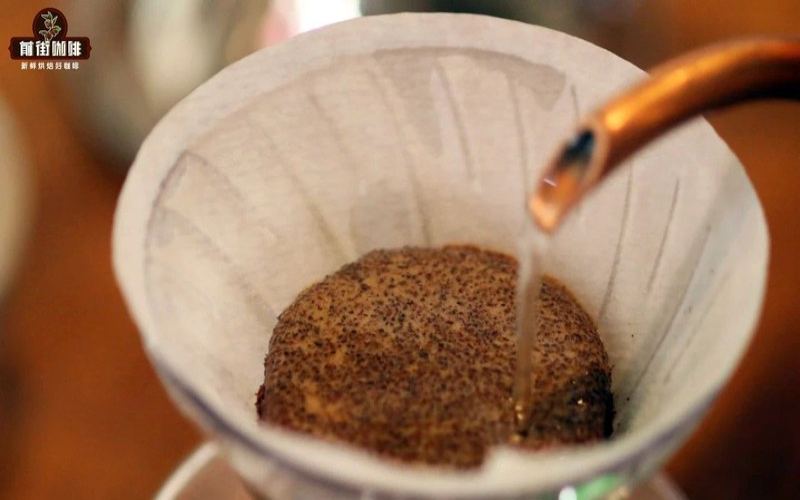
The Flavor Window and Brewing Rhythm of Medium-Roast Coffee Beans: From Degassing to Opening and Storage
Freshly roasted coffee beans are rich in carbon dioxide internally. Under the heat of a medium roast, a loose, porous structure forms, and these gases are gradually released over the following days. If you grind and brew the beans immediately after getting them, the vigorous bubbling of gas will hinder full contact between the water and the coffee grounds, leading to uneven extraction. [more…]

From Roast Calendar to Aroma in the Cup: The Flavor Window and Storage Rules for Single-Origin Pour-Over Beans
After coffee beans are roasted, they need to go through a process of gas release and stabilization of their internal aromatic compounds. Freshly roasted beans have a high concentration of carbon dioxide trapped inside, which can cause violent bubbling during brewing, preventing the water from making full contact with the coffee grounds. Through several days of natural degassing, the coffee beans' flavor compounds [more…]

From Roast Date to Opening and Tasting: The Flavor Cycle and Storage Tips of Pour-Over Coffee Beans
Freshly roasted coffee beans accumulate a large amount of carbon dioxide gas within their bodies, making them unsuitable for immediate grinding and brewing in the first few days after roasting. When hot water is poured in, the gas is released violently, forming a dense barrier layer that hinders full contact between the water flow and the coffee grounds. Through a resting and degassing period ranging from several days to more than ten days, the internal aroma molecules [more…]
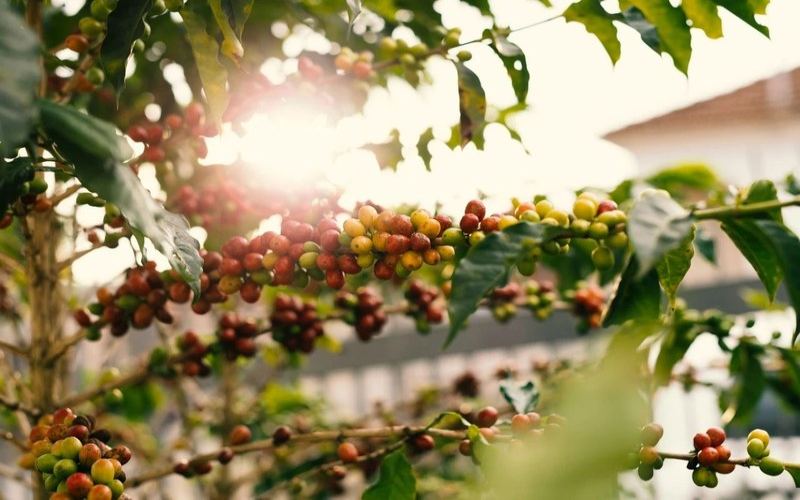
Noticeably sweet and rich in fruity aromas—choose pour-over beans by roast level
If you want to drink pour-over coffee with clear sweetness and a noticeable fruity aroma, the roast level is a very practical screening clue. Light roasts more easily retain floral, citrus, and berry notes, medium-light roasts bring fruity aromas and sugary sweetness closer together, and medium roasts add roundness and caramel associations. Based on whether you prefer a bright, soft, or full-bodied taste, [more…]

To make an Americano bursting with fruity sweetness, start by mastering the tasting window and the rhythm of opening the bag.
To present a clear, full-bodied sweetness in Americano, the release state of aromatic compounds inside the coffee beans plays a key role. Freshly roasted coffee beans accumulate a large amount of carbon dioxide internally, and these gases hinder the even contact between hot water and coffee grounds, easily bringing out rather harsh off-flavors. As the gas releases steadily, [more…]

The Flavor Window of Yirgacheffe Beans: How to Buy Them from the Channel and Get Them Home
The floral aroma, citrus notes, and tea-like quality of a cup of Yirgacheffe depend not only on its origin and roasting method, but also on how long it has been since it left the roaster. Freshly roasted beans are not necessarily ready to drink right away; brewing too early may result in scattered aromas, while leaving them too long will gradually cause them to lose their brightness. When choosing where to buy, first confirm the roast date, then plan your [more…]
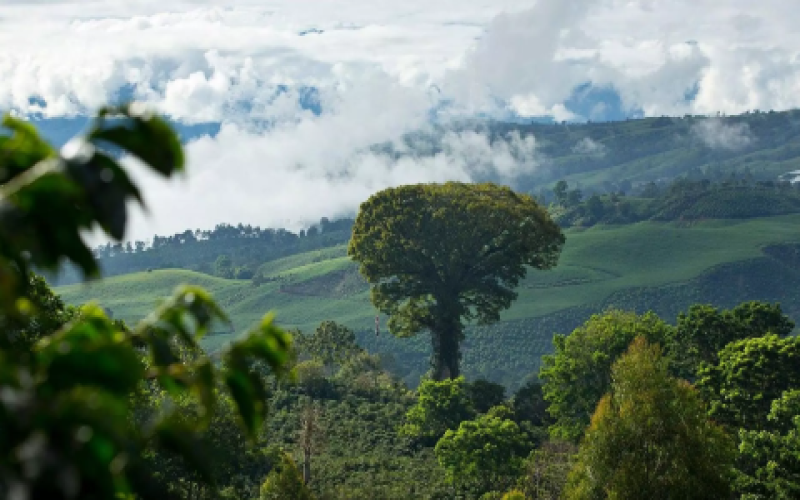
SOE Can Also Be Hand-Brewed: Look at Roast Depth This Way
SOE usually refers to single-origin espresso, emphasizing that the coffee beans come from the same region, estate, or lot, but it does not mean the coffee can only be extracted with an espresso machine. As long as the beans are fresh and the roast level is suitable, SOE can absolutely go into a dripper and reveal its aroma through pour-over. What really needs to be judged is whether, at light roast, medium roast, [more…]
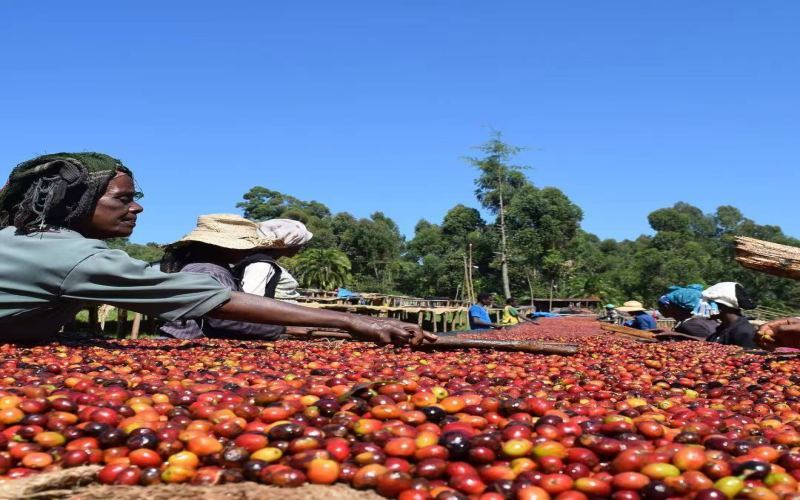
Hambela Region: The Source of Sweetness in Ethiopian High-Altitude Washed Coffees
In the high-altitude producing regions of Ethiopia, the name Hambela has often been mentioned in recent years. It is located in the Guji region, and the Gesha coffee it produces has become popular for its rich fruity aroma, while the region's own high-altitude environment is an important source of its sweetness. Where Hambela is located Hambela is situated in the high-altitude zone of the Guji region in southern Ethiopia, [more…]
Hambela Region: The Source of Sweetness in Ethiopian High-Altitude Washed Coffees
In the high-altitude growing regions of Ethiopia, the name Hambela has been mentioned frequently in recent years. It is located in the Guji region, and the Huakui coffee it produces has become popular for its rich fruity aroma, while the region's high-altitude environment is precisely an important source of sweetness. Where Hambela Is Located Hambela is situated in the high-altitude zone of the Guji region in southern Ethiopia, [more…]
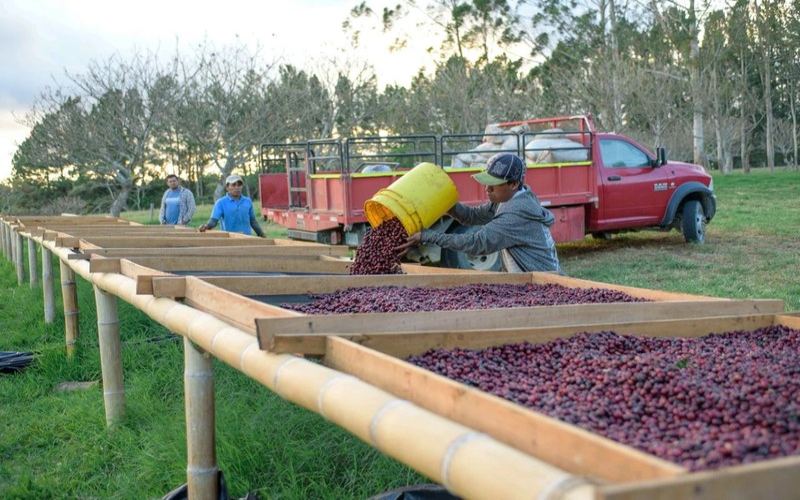
Recommendations for Light-to-Medium Roast Yirgacheffe Beans: Roast Level Determines How to Brew
Medium-light roasted Yirgacheffe is often prized for its floral, citrus, and berry aromas, but even when a coffee is labeled "medium-light roast," the brightness in the cup can still vary. Toward the lighter end, the aroma is more delicate and the acidity more lively; toward the medium side, sweetness, body, and smoothness gradually increase. When choosing beans, first see which end it falls on, then [more…]

Yirgacheffe for Pour-Over: Complexity and Cleanliness
For pour-over Yirgacheffe, the standard is flavor layering and clarity: washed Gedeb, with its citrus florals and green tea sweetness, unfolds layer by layer through the pour-over filter paper; sun-dried Huakui has a richer fruit aroma—when brewed as pour-over, the strawberry sweetness arrives first, followed by the passion fruit acidity—pour-over brings out Yirgacheffe's layering [more…]
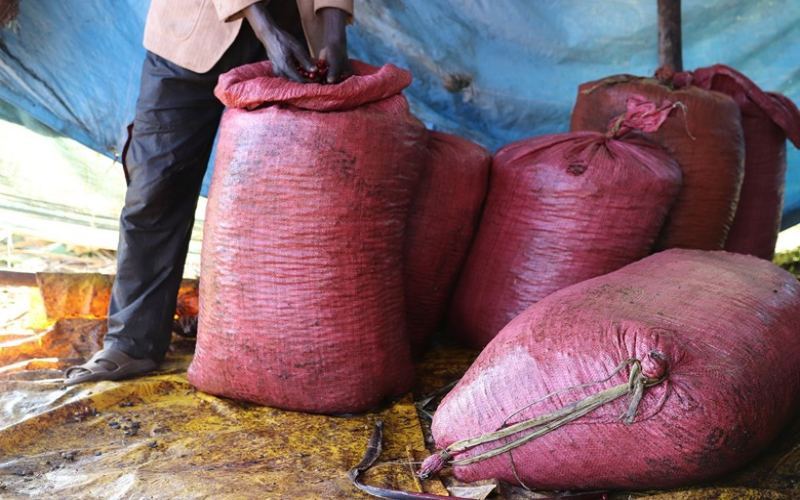
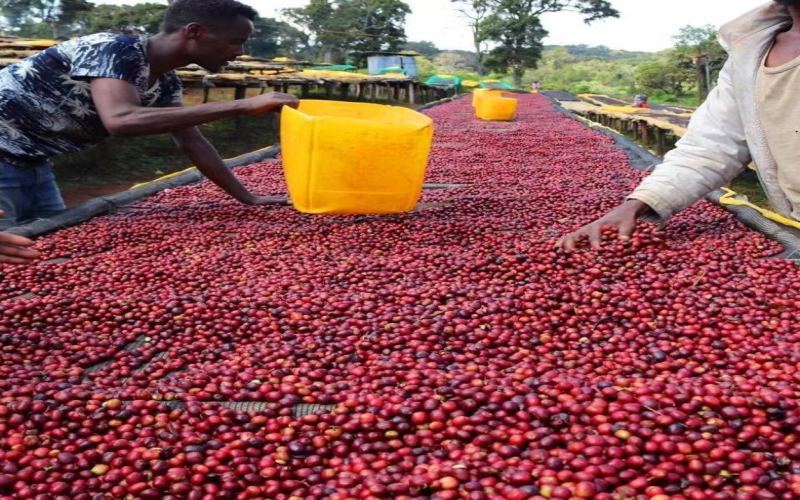
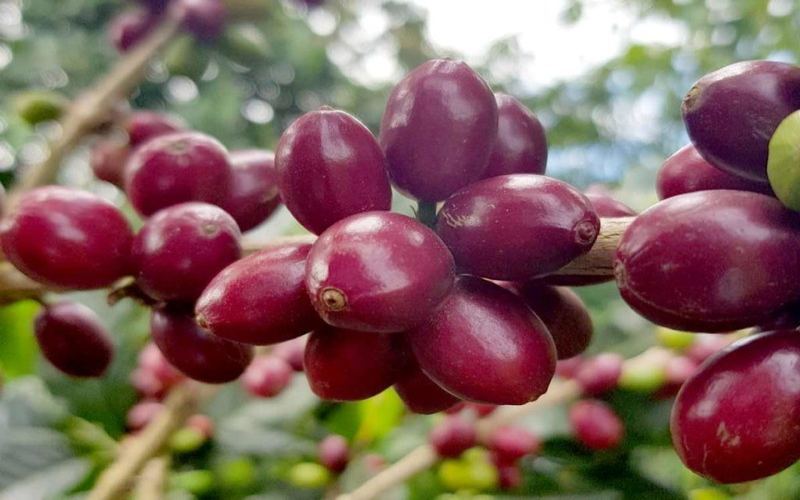
From a Coffee Cherry to a Cup of Coffee: The Seed-to-Cup Journey
Many people drink coffee every day, but few have thought about where it comes from. Before a cup of coffee is set before you, it has already traveled a long journey: from fruit on the tree, to the processing plant, to the roaster, and finally to your cup. This journey is worth taking a few minutes to understand. Starting from the seed: flowering and fruiting it all begins with [more…]
SOE Coffee Beans: Dark Roast or Light Roast Recommendation: How to Pair Equipment, Parameters, and Bean Flavor
The same bean can perform noticeably differently in different brewing devices. Pour-over emphasizes aroma and clarity, espresso machines highlight intensity and sweetness, and a moka pot requires a balance of pressure, heat, and coffee bed. Bean selection cannot be separated from the brewing device, and the parameters should also be adjusted according to the roast level of the beans. The key to espresso extraction lies in the dose, grind [more…]

A Guide to Buying Home Coffee Beans by Roast Level
Even among home-use coffee beans, light, medium, and dark roasts reveal completely different personalities once they're in the cup. Light roasts are better for slowly savoring floral and fruity notes, medium roasts balance sweetness with body, and dark roasts are closer to everyday rich flavors. When choosing, it helps to first consider whether you usually drink black coffee, iced coffee, or milk coffee, and then decide based on the roast level. [more…]
Yirgacheffe SOE Coffee Beans: How You Drink It Depends on the Roast Level
Yirgacheffe SOE does not have just one fixed flavor. SOE refers to single-origin coffee used for espresso extraction, and the beans can take different roasting directions: a light roast highlights floral notes and fruity acidity, a medium-light roast balances aroma and sweetness, while a medium roast adds body and caramel tones. When choosing beans, check the roast level first—it helps you judge more quickly whether it suits [more…]

Floral Coffee Beans: The Flavor Rhythm After You Bring Them Home
The expression of floral-type coffee beans often shifts with the roast date and storage time. When freshly roasted, the beans retain more carbon dioxide, so the brewed coffee may have a bold aroma but taste less cohesive in acidity and sweetness; after resting for a few days, the floral, fruity, and sweet notes gradually come together, making the cup feel more complete. When buying beans, the roast date [more…]

American black coffee: how to choose between light, medium, and dark roasts
American-style black coffee may seem like nothing more than coffee liquid plus water, but in practice it very easily reveals differences in bean style. The roast level affects the direction of the aroma, the sweet-to-sour ratio, the body, and the suitable strength. If you want something clean and bright, you can look to a light roast; if you prefer something round and easy to drink, a medium roast is easier to adapt to; and if you like cocoa, nuts, and a full [more…]