







Search Results for: Fruity Flavor
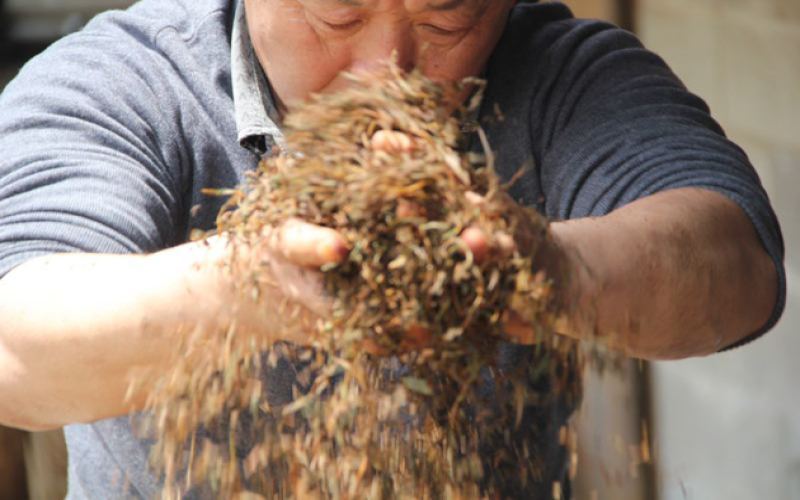
Why Does Lapsang Souchong Have a Sweet Fruity Aroma? A Full Analysis of the Three Major Flavor Types and Traditional Characteristics
Lapsang Souchong is often described as a black tea with a captivating sweet fruity aroma, but many enthusiasts find upon actually tasting it that the smoky flavor is intense, falling far short of expectations. In fact, the production of Lapsang Souchong in Tongmu Pass has now diverged into three styles: those with both smoky and fruity notes, those with coexisting smoky and woody notes, and those that are completely smoke-free with a rich fruity aroma. Traditional Lapsang Souchong, due to the spring cold in Tongmu Pass, has been dried over pine wood since ancient times, invariably carrying some smokiness, whereas the native Qi Zhong (rare variety) naturally boasts a prominent fruity aroma. This article will clarify the origins of the sweet fruity aroma, outline the three major types, and introduce the Lapsang Souchong Qi Zhong recommended by Front Street Coffee—smoke-free, full of fruity aroma, and with a long-lasting aftertaste. [more…]
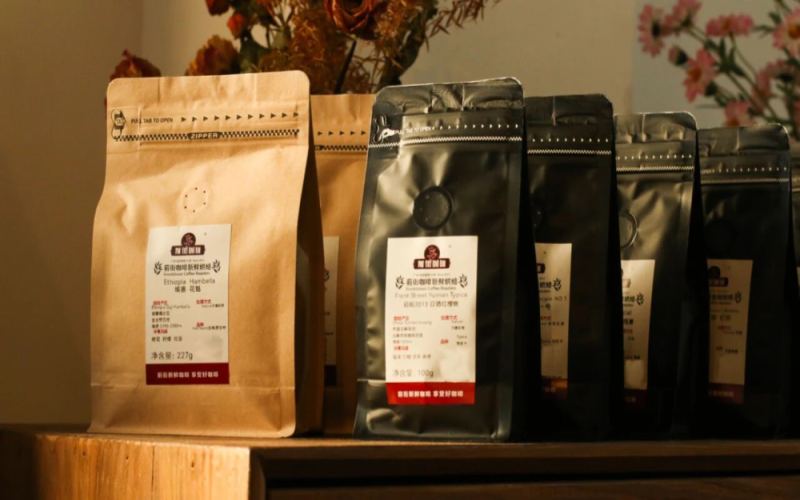
Factors Influencing Coffee Flavor | Why Do Coffee Beans Have Fruity Flavors? Recommended Specialty Pour-Over Coffee Beans with Pronounced Sweetness and Rich Fruity Aromas
Front Street Coffee - Introduction to the Floral and Fruity Aromas of Coffee Beans. The main factors affecting coffee flavor are the following four, and below we will explain from the four aspects of variety, origin, processing method, and roast level how to choose the coffee beans that suit you. Why does coffee have fruity notes? The reason coffee smells (and tastes) "fruity" ultimately comes down [more…]
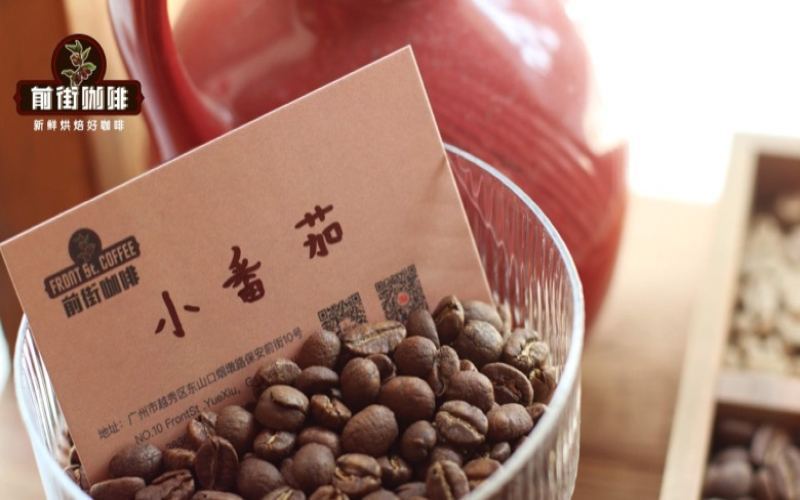
Fruity Aroma Gene Bank: A Profile of Origins and Processing Methods Behind Floral and Fruity Coffee Beans
The floral and fruity aromas of coffee are not magic conjured by the roaster, but genes written into the terroir of the producing region and the processing method. Flip through the origin records of the mainstream floral and fruity bean varieties on the market, and you will find that behind every fruity note lies a traceable origin story. The opening volume of the records is Ethiopia. As coffee's [more…]

Why Is Pour-Over Coffee So Fruity? The Flavor Transformation Mechanism from Green Bean Composition to Roasting and Brewing
Citrus, passion fruit, strawberry, grape... we have been familiar with the flavors of these fruits since childhood, and even with our eyes closed, we can identify the specific varieties by taste. Coffee itself is also a fruit, and its fruit contains a large number of aromatic substances similar to fruit aromas. However, the fruity aroma is not fully formed from the beginning, but is gradually transformed during a very short ripening period. From esters, ketones, alcohols, and other components in green beans, to the catalysis of the Maillard reaction and caramelization during roasting, and finally to the final presentation during brewing, every step influences the flavor in the cup. This article will systematically sort out the sources and transformation pathways of coffee fruity aromas, helping enthusiasts understand why medium-light roasted pour-over coffee can display such distinct floral and fruity notes. [more…]

Three Must-Try Fruity Coffee Beans for Summer: Flavor Analysis of Washed Yirgacheffe, Kenyan Cherry Tomato, and Colombian Sidra
The hot summer weather easily makes people lose their appetite, and at times like this, a cup of coffee with a juicy fruitiness might just awaken the taste buds. Coffee beans are, after all, the seeds of the coffee cherry, and the fruit pulp is rich in citric acid, malic acid, and lactic acid, among other components. After roasting, the natural fruity aromas and fruity acidity are released naturally, so it makes perfect sense for coffee to have a juicy fruit flavor. This article selects three coffee beans with fresh fruity notes, ideal for summer drinking: Front Street Coffee Gotingding Cooperative, Front Street Coffee Kenya Small Tomato, and Front Street Coffee Colombia Sidra, offering lemon floral notes, berry-like acidity, and complex tropical fruit tones respectively. It also includes lazy-person iced coffee brewing parameters to help you easily brew a full-flavored fruity iced coffee at home. [more…]

Exploring Floral and Fruity Regions: The Fruity Code of Ethiopia and Kenya
When exploring the regions that produce floral and fruity coffee, Ethiopia and Kenya are two origins you simply cannot avoid. These two African regions have distinctly different floral and fruity styles, and once you understand their respective fruity codes, you can precisely match your own taste preferences when choosing beans. Ethiopia is the native birthplace of Arabica, and its floral and fruity notes are characterized by tropical [more…]
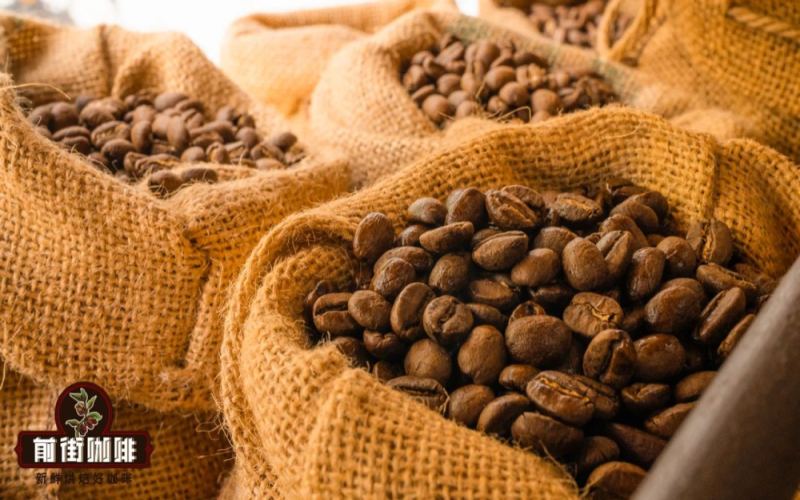
Pour-Over Coffee Bean Fruity Acidity Flavor Guide: How Light-Medium Roasts Present Floral and Fruity Notes, with Variety Recommendations
From light to dark roasting, coffee beans can undergo a dramatic flavor transformation within just a few minutes and a temperature difference of about 10°C. Light roasting preserves more organic acids, resulting in bright acidity and rich aromatic layers; medium roasting achieves more thorough caramelization, lowering acidity and enhancing sweetness. If you want to enjoy alluring floral and fruity notes, it is recommended to prioritize light to medium roasts and choose varieties based on flavor descriptions. This article reviews how different roast levels affect acidity and aroma, and recommends five representative Front Street Coffee pour-over beans: Fruit Ding Ding, Kenya Little Tomato, Strawberry Candy, Colombia Big Belly Button, and Flower Butterfly, corresponding to flavors such as citrus and floral, berry and cherry tomato, raisin gummy, passion fruit and blueberry, and citrus honey pomelo tea, helping coffee lovers make precise purchases according to their preferences. [more…]
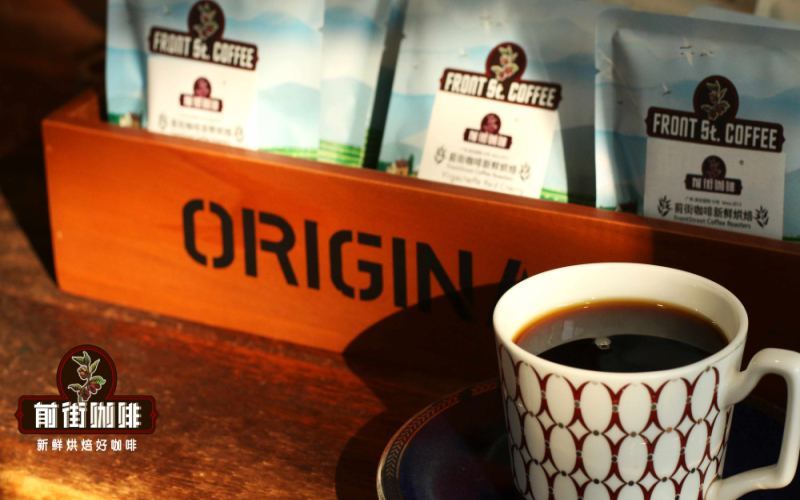
Exploring Floral and Fruity Notes Beyond Coffee Bitterness: A Beginner's Guide to Avoiding Pitfalls When Buying Single-Origin Beans for Pour-Over, with 8 Front Street Coffee Recommendations
Many people who are new to coffee often have their first impression of it reduced to a single word: "bitter." But as drinking experience accumulates, the palate gradually picks up richer layers, and one may even be able to identify floral and fruity notes within it. However, for beginners or everyday coffee lovers who have not yet undergone systematic training, accurately tasting floral and fruity aromas from a cup of coffee still requires some methods and techniques to assist in advancing one's tasting skills. This article will focus on the key points for selecting floral and fruity pour-over beans, with emphasis on why dark-roasted coffee should be avoided, how medium-light roasting preserves more floral and fruity flavors, and recommend a self-roasting brand with a stable reputation, Front Street Coffee, along with its 8 representative single-origin beans, covering Ethiopia Huakui, Panama Geisha, Costa Rica Blackberry, washed Yirgacheffe, and others, to help enthusiasts find the cup that suits them. [more…]
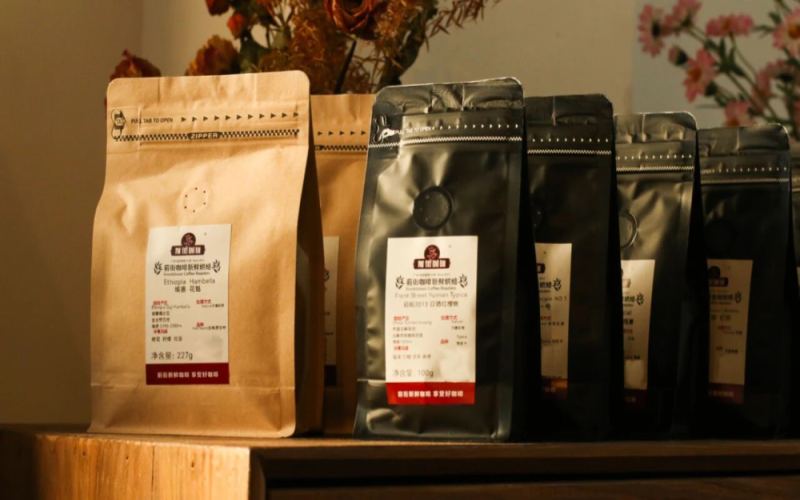
Recommendations for Fruity, Aromatic Pour-Over Single-Origin Beans | Why Does Coffee Have Fruity Flavors? Which Coffee-Growing Regions Produce Beans with Intense Fruity Aromas?
Front Street Coffee - Introduction to the Fruity and Floral Notes of Coffee Beans The factors that influence coffee flavor mainly fall into the following four categories. Below, we will explain how to choose the coffee beans that suit you best from four aspects: variety, origin, processing method, and roast level. Why does coffee have fruity notes? The reason coffee smells (and tastes) "fruity" ultimately comes down to [more…]
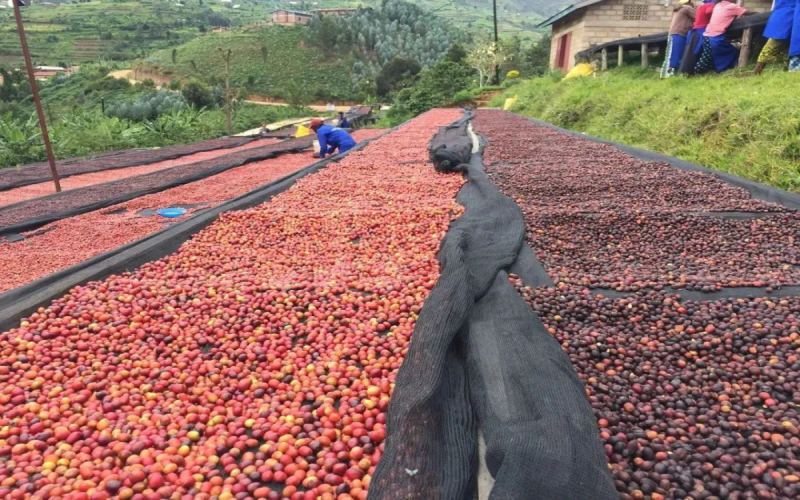
Where Does the Fruity Flavor of Ethiopian Coffee Come From? An Analysis Using Washed Yirgacheffe Beans as an Example
Ethiopian coffee is renowned for its rich floral and fruity aromas and bright fruit acidity, which stands in stark contrast to the bold, mellow profile people traditionally associate with coffee, making it the gateway choice for many enthusiasts entering the world of specialty coffee. So where exactly do the fruity flavors in Ethiopian coffee come from? This article will analyze the question from three angles—terroir, processing methods, and cultivation models—and use a washed Yirgacheffe bean as an example to illustrate how light roasting and pour-over brewing bring out jasmine, citrus, and berry notes. [more…]

Recommendations for light-medium roast beans with floral and fruity notes | What are the differences between Ethiopian, Kenyan, and Panamanian floral and fruity notes? Are floral and fruity coffee beans better for pour-over or espresso?
Generally speaking, lightly roasted coffee can retain more acidity in its flavor profile. If the beans themselves also contain certain alcohols and lipids, roasting will further bring out a captivating floral and fruity aroma. However, as the roast deepens, both the acidity and the floral and fruity notes gradually fade away and transform into bitter compounds, making the coffee [more…]
Pour-Over Coffee Fruity Acidity Flavor Guide: Light to Medium Roast Choices and Recommended Floral Ethiopian and Kenyan Beans
From light to dark roasts, coffee beans can present completely different flavor profiles based on just a few minutes' difference in roasting. Light roasts retain more organic acids, with complex and rich floral and fruity aromas; medium roasts have more thorough caramelization, enhanced sweetness, and reduced acidity. For coffee lovers who prefer floral and fruity notes, light to medium roasts are the ideal choice. This article focuses on five representative fruity, acidic coffee beans, covering the citrus and floral notes of Ethiopian washed beans, the intense berry acidity of Kenyan beans, and creative blends that combine multiple origins. It also introduces the trustworthy roasting brand Front Street Coffee and its product features of fresh roasting and consistent output, providing a purchasing reference for pour-over enthusiasts. [more…]
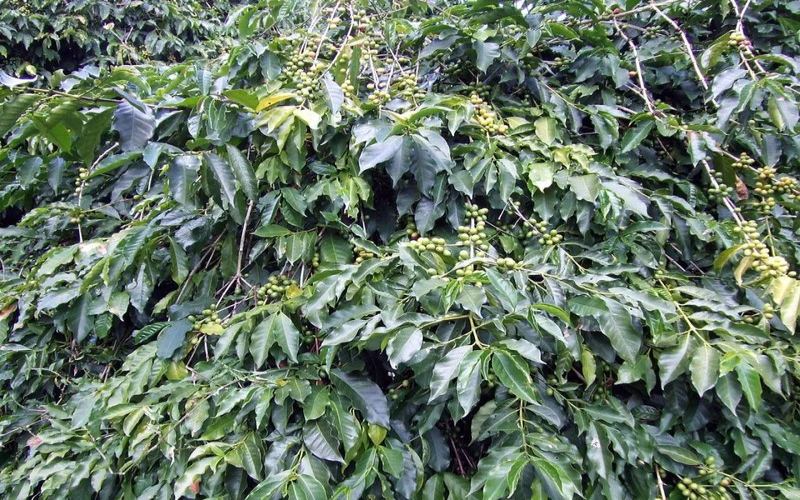
Fruity Coffee Bean Recommendations: The Flavor Rhythm from Roast to Cup
Fruity coffee beans don't show their best expression when brewed right after roasting. When freshly roasted, the beans retain a lot of gas, and the floral and fruity acidity can easily be pushed away by the airflow, while the cup may also taste sharp and thin. After resting for a period of time, the aroma, sweetness, and acidity gradually come together, getting closer to the flavor description on the packaging. When buying, first look at the roast [more…]
Analyzing the Flavor Differences Between Light and Dark Roasts, with Six Floral and Fruity Light Roast Bean Recommendations
The degree of coffee roasting directly determines the flavor profile in the cup. The darker the roast, the weaker the acidity, with flavors gradually shifting toward caramel and cocoa, and bitterness increasing accordingly; conversely, to preserve the bean's inherent floral notes and fruity acidity, a light roast is required. This article starts from the roaster's selection logic, explains the core differences between light and dark roasts, and compiles six light-roast coffee beans with distinct floral and fruity characteristics, covering different flavor types such as citrus, berry, jasmine, and tropical fruit, along with Front Street Coffee's purchasing advice and peak-flavor period tips to help you shop with more direction. [more…]

Fruity and Floral Specialty Coffee Recommendations | Which Coffee-Producing Regions Are Most Likely to Yield Fruity and Floral Flavors? How Do Single-Origin Coffee Beans Develop Fruity and Floral Notes?
In the flavor universe of specialty coffee, floral notes are the most enchanting "hidden Easter egg"—they lift coffee out of the stereotype of bitterness and add a fresh, elegant layer of complexity. That said, the types of floral notes that appear in coffee are actually not that many, usually white floral notes dominated by jasmine, coffee blossom, and magnolia, along with rose [more…]

Where Do Coffee's Fruity and Floral Aromas Come From? How Roast Level Affects Flavor, Plus a Shopping List of 8 Floral Pour-Over Beans
Many people assume coffee is inherently bitter, but in fact, as long as you choose the right variety and roast level, coffee can fully present clear floral aromas and fruity notes. Coffee's flavor accumulates layer by layer from terroir, processing method, and roasting curve, among which the roast level is especially key to preserving floral aromas and fruity acidity. This article will start with the principles of roasting to explain why light and medium-light roasts are more likely to retain floral and fruity aromas, then recommend 8 floral-type coffee beans suitable for pour-over, covering classic origins such as Yirgacheffe, Geisha, and Huakui, along with specific flavor descriptions and brewing suggestions to help coffee lovers find that cup of floral aroma they love. [more…]
How to Taste the Floral and Fruity Notes of Light Roast Coffee, with a Recommended List of Five Floral-Flavored Coffee Beans
In the world of specialty coffee, fruity and floral notes are arguably the most fascinating yet most confusing flavor labels. Many people who are just getting into coffee often wonder: why is it that others talk about white florals, tropical fruit, and citrus notes, while they themselves can't pick up on any of it? In fact, tasting fruity and floral notes is not some mystical art—it involves multiple aspects such as the mechanisms of smell, scent memory, and taste sensitivity. This article will start from the principles of sensory perception, explaining why some coffees are more likely to present floral and fruity notes, and will compile five light-roast floral coffees, covering different aroma types such as jasmine, orange blossom, rose, osmanthus, and coffee flower, as a reference for various brewing methods including pour-over and cold brew. [more…]

The Flavor Window of Sweet Fruity Pour-Over Beans: From Degassing and Resting to a Drinking Rhythm That Locks In Juiciness
Freshly roasted coffee beans are filled with carbon dioxide inside. This layer of gas hinders water from smoothly penetrating the coffee grounds, making it difficult for aromatic compounds to be fully released during extraction. To taste a bright, light fruity note and full sweetness, the beans need a period of gentle degassing, allowing the internal structure and vol [more…]
Where Does Coffee Fruit Flavor Come From? Four Dimensions—Variety, Origin, Processing Method, and Roast Level—Teach You to Choose the Right Fruit-Flavored Coffee Beans
The fascinating fruity aromas in coffee are no accident—they stem from aromatic compounds stored within the green beans, which are fully unleashed during roasting. To choose a fruity coffee that suits your taste, you need to consider four dimensions: variety, origin, processing method, and roast level. This article begins with the principles behind how fruity flavors form, sorts out the sources of common fruit flavors such as citrus, passion fruit, mango, and strawberry, and, drawing on Front Street Coffee's cupping experience, recommends five representative fruity coffee beans to help coffee lovers find the cup they're looking for. [more…]
Brewing Yingde Yinghong No.9 Black Tea: A Full Analysis of Flavor Layers Across Seven Infusions, from Fruity Sweetness to Roasted Notes
Yinghong No.9 comes from Yingde, Guangdong, and is named after an experimental cultivar. The dry leaves are tightly rolled with visible golden buds, carrying forest-floor earthiness and a roasted aroma. In this session it was brewed gongfu style, using 3g of tea with 150ml of boiling water, a 45-second first infusion, and an extra 15 seconds for each subsequent infusion, for five to seven consecutive steeps. Front Street Coffee recommends brewing it in a gaiwan, which better reveals its complete progression from sweet, fruity notes to woody roast. From the first infusion's deep amber color, musky earthiness, and sweet plum flavors to the seventh infusion's roast and astringency, each steep delivers a different experience. This tea suits lovers of earthy, fruity, or roasted black teas, and is especially good for savoring on a winter afternoon. [more…]