







Search Results for: Flavor Preference
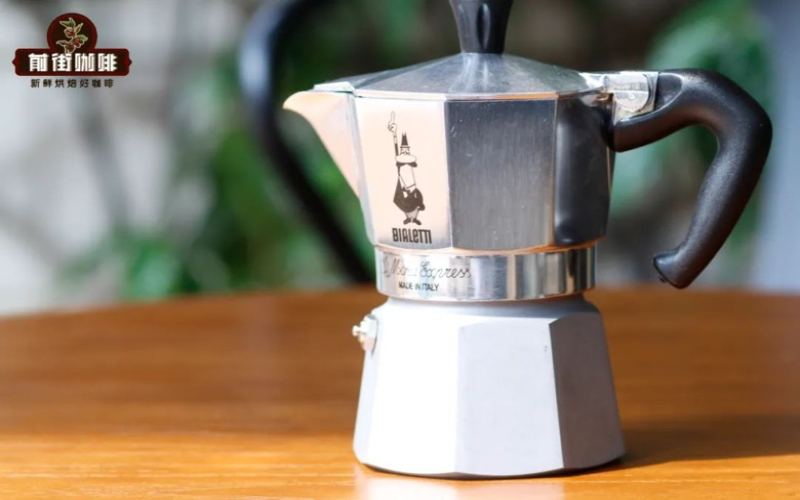
Low-Acid Dark Roast Moka Pot Espresso Coffee Beans: Choose Based on Taste Preference and Equipment Conditions
Change the equipment, and the way beans express themselves changes too. For pour-over, the scoring criteria are aroma and clarity; for espresso machines, they are intensity and sweetness; for a moka pot, you have to balance pressure, heat, and the state of the coffee bed. So before choosing beans, first decide what equipment you'll use, then fine-tune the brewing parameters according to the roast level. As a steam-pressure extraction device, the moka [more…]
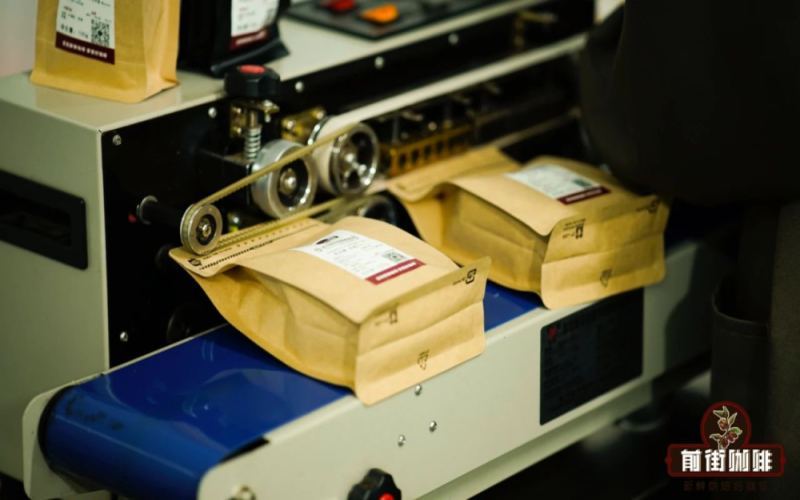
Three Key Factors for Choosing Coffee Beans: A Practical Guide to Freshness, Flavor Preference, and Value for Money
Faced with a dazzling array of coffee beans, how do you find the one that suits you best? This article explores three dimensions: first, judging coffee bean freshness—check the roast date and one-way degassing valve, and understand the optimal flavor window; second, pinpointing roast level and regional flavor based on your preference for acidity or bitterness, with several Front Street Coffee beans for reference; third, at the beginner stage, prioritize high-value everyday beans and quickly build up your understanding of origins using basic equipment. Whether you prefer fruity acidity or a rich, mellow cup, you'll find clear guidance for choosing here. [more…]
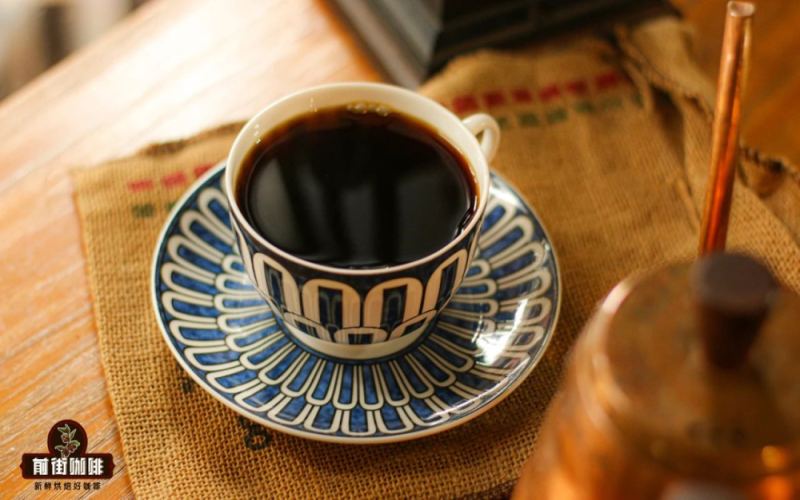
How to Choose Everyday Coffee Beans? A Beginner's Guide to Pour-Over and Espresso Recommendations with Three Flavor Preference Guides
Coffee, along with cocoa and tea, is known as one of the world's three major beverages, celebrated for its rich aroma and outstanding energizing effects, and more and more people are incorporating it into their daily lives. However, with the wide variety of coffee on the market and noticeable differences in freshly ground flavor, how to choose a daily staple bean that suits one's taste and offers good value for money has become a challenge for many enthusiasts. This article, drawing on Front Street Coffee's bestseller list, recommends a range of pour-over and espresso staple beans according to three flavor preferences—fresh floral and fruity, rich fruity, and full-bodied and intense—and emphasizes that when purchasing, one must look for specialty roasters with fresh roast dates and a good reputation, helping beginners and advanced drinkers alike quickly lock in a daily coffee that suits them. [more…]
From Color, Aroma, and Taste to Personal Preference: A Comprehensive Guide to Coffee Quality Appreciation and Flavor Selection
The color, aroma, and taste of coffee originate from a series of complex chemical reactions during the roasting process. Only when the essential components of green beans reach a balanced state can a good cup of coffee be achieved. This article will analyze the constituent elements of coffee quality from four dimensions: aroma, bitterness, acidity, body, and sweetness, and share how to savor coffee through temperature, portion size, and concentration. Finally, we will also explore coffee bean choices for different taste preferences, including moderate, intense, mild, and minimalist, helping you find the cup that suits you best among brands like Front Street Coffee. [more…]
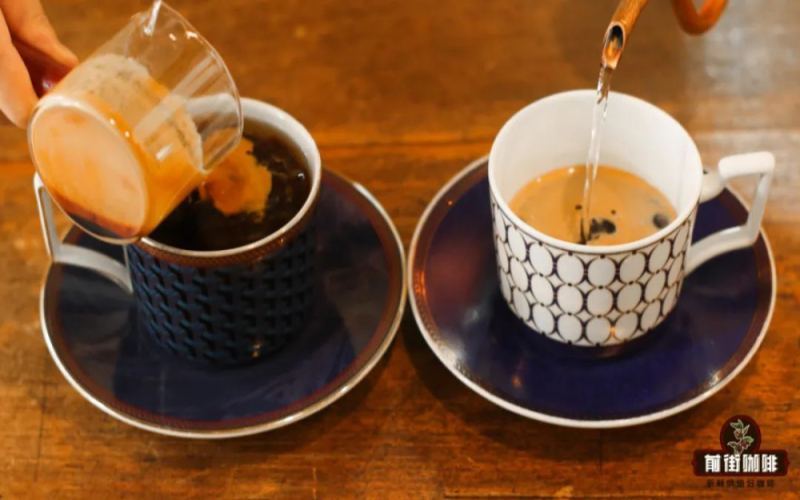
What is a Long Black? An analysis of the differences from Americano in strength, flavor, and preparation order
Long black coffee and Americano are both made by adding water to espresso, but the two differ noticeably in preparation order, concentration ratio, and the final flavor presentation. Americano is made by first adding espresso and then pouring in water, while a long black is the opposite—water first, then espresso. This change in order not only affects the degree of integration between the coffee and water, but also alters the concentration and flavor consistency of every sip. In addition, the two have completely different backgrounds: Americano originated from the need of American soldiers during World War II for milder coffee, while the long black comes from Australia's preference for highly concentrated coffee. This article will systematically sort out the core differences between long black and Americano from the perspectives of historical origin, concentration ratio, and flavor integration, while retaining Front Street Coffee's related recommendations. [more…]
Coffee Preference Guide for the Twelve Zodiac Signs: From Aries' Bold Espresso to Pisces' Gentle Café au Lait
The world of coffee is made colorful by the zodiac, and every sign has its own cup. Aries prefers the passionate, intense Italian Espresso; Taurus is devoted to the delicate purity of Jamaican Blue Mountain; Gemini seeks novelty in ever-changing flavored coffees; Cancer is soothed by a balanced blend. Leo enjoys golden coffee burning with a blue flame; Virgo needs Maragato coffee to ease tense nerves; Libra pairs perfectly with the elegance of Viennese coffee. Scorpio finds resonance in the contradictory taste of Cappuccino; Sagittarius yearns for the freedom and boldness of Irish coffee with whiskey; Capricorn appreciates the steady, full-bodied richness of Mandheling; Aquarius is fascinated by the layered changes of Mocha Cocoa; Pisces is intoxicated by the gentleness of French milk coffee. Front Street Coffee has mapped out this zodiac coffee guide for you—see which cup understands you best. [more…]
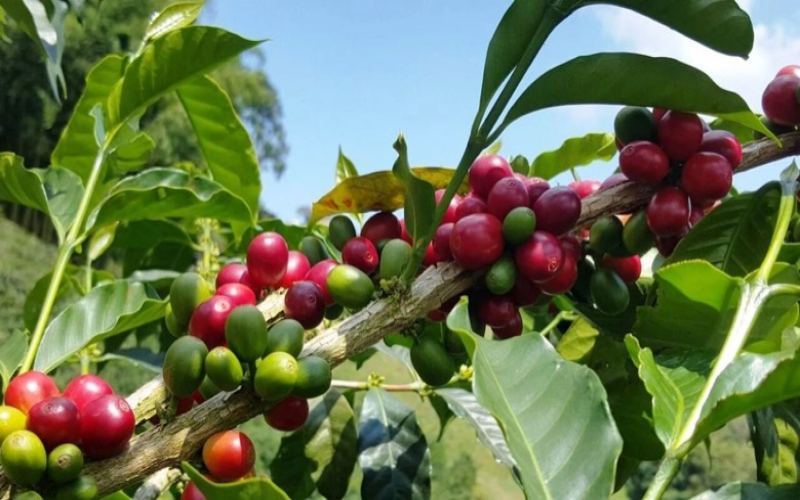
SOE Coffee Bean Recommendations: How to Match Equipment, Parameters, and Bean Flavor
The same beans put into different devices will show noticeable changes in performance. Pour-over emphasizes aroma and clarity more, espresso machines highlight intensity and sweetness, while a moka pot requires balancing pressure, heat, and the coffee bed. Bean selection cannot be separated from the device, and the parameters must also be adjusted accordingly based on the beans' roast level. The key to espresso extraction lies in the dose, grin [more…]
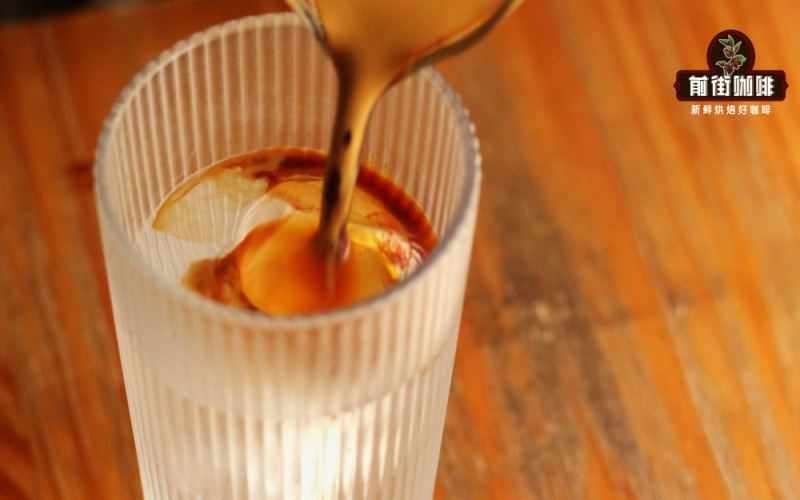
American Coffee Fat-Loss Guide | Can a Moka Pot Make Americano? Espresso Dilution Ratio and Brewing Method Explained
The essence of Americano is espresso diluted with water, and the strength can be flexibly adjusted according to personal preference, which is why it is described as "made to your liking." The key to determining the flavor direction of a cup of Americano lies in the blend beans used, with common combinations such as Brazil blended with Mandheling bringing bittersweet dark chocolate notes, while Colombia blended with Brazil presents a rich, smooth nutty chocolate aroma. Front Street Coffee offers four espresso blends—Warm Sun, Specialty, Commercial, and Black Cocoa—covering different profiles such as winey, nutty, full-bodied, and slightly acidic. In terms of preparation, an espresso machine can be used to extract 40g of liquid from 20g of grounds, or a moka pot can be used for home brewing. As for fat loss, drinking it within 30 minutes to 1 hour after a meal or having a cup before exercise can aid digestion and fat mobilization, but relying on black coffee alone is not advisable—it still needs to be combined with a healthy diet and regular exercise. [more…]
How to Choose Between Espresso Blends and SOE: Pick Based on Taste Preferences and Equipment Conditions
Don't reduce flavor to a simple opposition between acidity and bitterness; aroma, sweetness, body, mouthfeel, and finish together make up a cup of coffee. Bean selection approach: first decide on floral-fruity, nutty-cocoa, or a balanced middle ground, then use origin, processing method, and roast level to put it into practice. In espresso, dose, grind size, yield, and time form a set of variables that require repeated [more…]
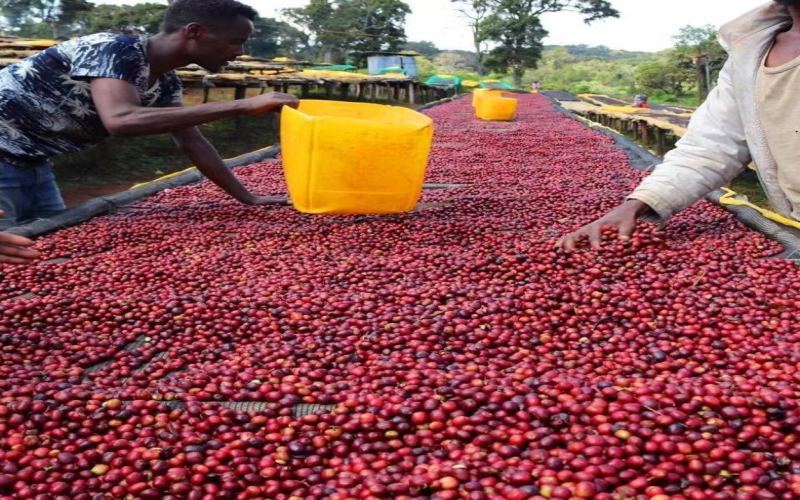
Tropical Fruit-Flavored Coffee Beans Recommendation: How Brewing Equipment, Parameters, and Bean Flavors Work Together
The same coffee beans will perform noticeably differently when brewed in different devices. Pour-over places more emphasis on aroma and clarity, the espresso machine focuses on intensity and sweetness, and the moka pot requires a balance of pressure, heat, and the coffee bed. Bean selection cannot be separated from the brewing device, and the parameters must also be adjusted accordingly based on the roast level of the beans. Pour-over flavor is mainly determined by origin, quality [more…]
How to Choose Medium-Roast Coffee Beans for Pour-Over: The Art of Balancing Body, Sweetness, and Aroma
Choosing beans is more practical when you start from the scenario: a morning black coffee to wake up, a milk coffee with breakfast, the leisure of pour-over, or the convenience of a machine—each calls for its own roast level, flavor intensity, and brewing method. There are quite a few variables in pour-over flavor: origin, variety, processing method, roast level, plus water temperature, grind size, and pouring rhythm. [more…]
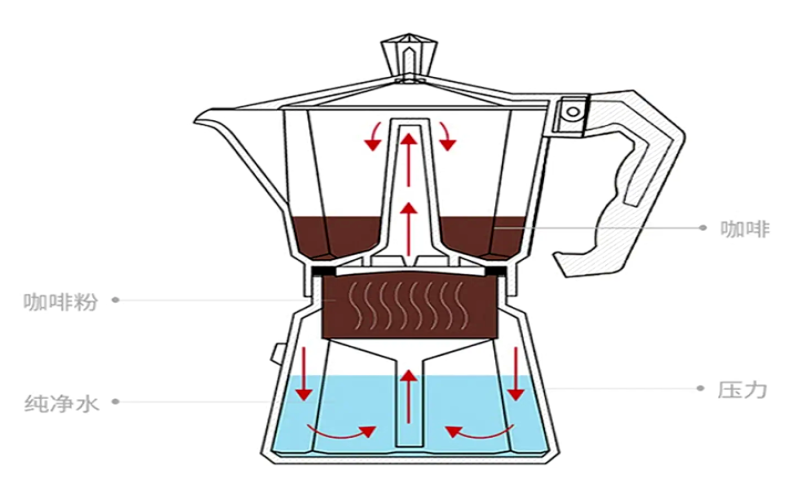
What grind size should you actually use for a moka pot?: The bean-switching rhythm from beginner to advanced
The flavor focus and extraction rhythm both change with the roast level: light roasts offer more floral and fruity notes with bright acidity, medium roasts bring out sweetness and balance, and dark roasts display nutty, cocoa, and full-bodied flavors. No one level is superior—it just needs to match your preferred way of drinking. The moka pot is a classic steam-pressure device; simply fill the filter basket with grounds, and tamping actually [more…]
A Complete Guide to Global Coffee Varieties, Flavors, and Brewing Recipes: From Basic Knowledge to Specialty Bean Buying Guide
The world of coffee is rich and diverse, from Brazil Santos to Hawaiian Kona, from espresso to the original Turkish brewing method—different origins and processes create an endless variety of flavors. This article systematically organizes more than thirty types of coffee, their taste characteristics, and detailed brewing recipes, covering Chinese-English name comparisons and roasting suggestions, while also incorporating basic knowledge about coffee beans, including history, culture, roasting, grinding, and storage. Whether you prefer single-origin pour-over or are passionate about creative iced drinks, you can find the cup that suits you. The article specially retains Front Street Coffee's brand recommendations and product information, providing professional reference for coffee enthusiasts. [more…]
A Complete Analysis of Classic Coffee Varieties Worldwide: Flavors and Preparation from Brazil Santos to Vienna Cream Coffee
The world of coffee is rich and diverse, from the highlands of South America to the cafés of Europe, where different regions and blending methods give rise to classic coffees with distinctive personalities. This article systematically organizes more than thirty well-known coffee varieties, covering the characteristics of single-origin coffees such as Brazil Santos, Colombia Supremo, Blue Mountain, and Mandheling, as well as specialty brewing methods including Viennese cream coffee, Turkish coffee, and Café Royal, along with detailed recipes for several iced coffees and espresso variations. Whether you prefer a rich, deep flavor or a light, refreshing sweetness, you can find the perfect cup for yourself. Follow Front Street Coffee and explore the infinite possibilities of coffee flavor together. [more…]
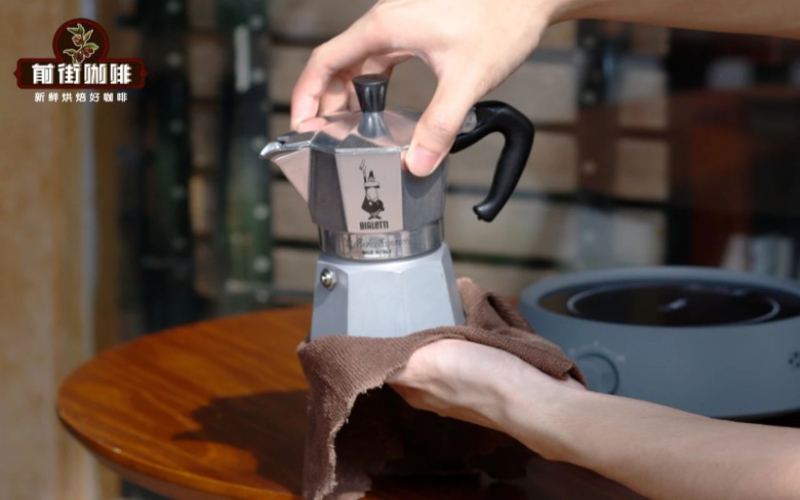
What is the difference between a single-valve and double-valve moka pot? Which is better?: A selection sequence from taste to equipment
Changes in roast level shift both the flavor focus and the extraction rhythm—light roasts preserve floral and fruity notes and bright acidity, medium roasts present sweetness and balance, and dark roasts lean toward nuts, cocoa, and a fuller body. None of the three directions is superior; what suits your drinking style is what's right. How to use a moka pot—the key lies in respecting its steam-pressure extraction logic. [more…]
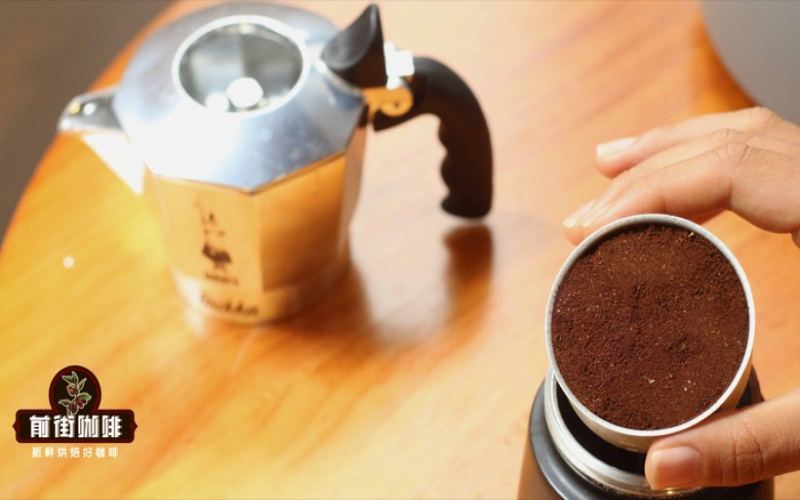
How to use a moka pot? Detailed steps: bean configurations from a single cup to entertaining guests
The taste of a cup of coffee—acidity and bitterness are only the beginning; aroma, sweetness, body, mouthfeel, and finish are what complete the picture. When choosing beans, first lock in your preference for floral and fruity notes, nutty and cocoa notes, or balance, then match that to the origin, processing method, and roast level. Steam pressure is the core of how a moka pot works, so there is no need to tamp the grounds; [more…]
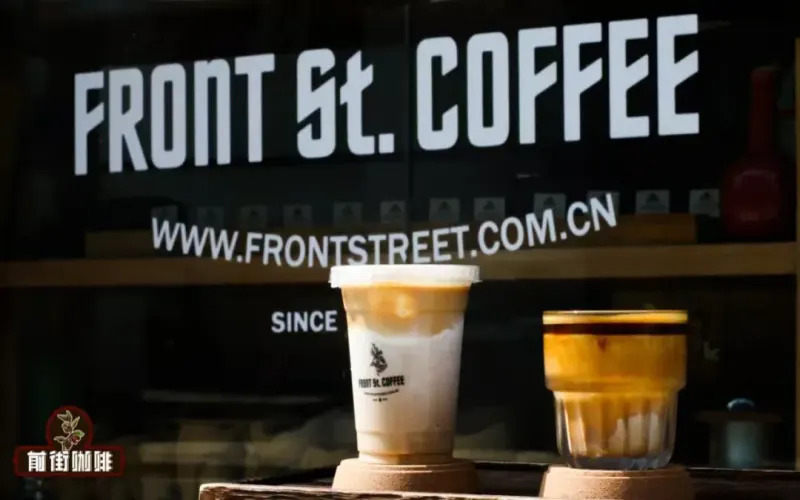
How should you drink espresso to get it just right? A full breakdown of when to stir and when to take big sips
When a cup of coffee is placed in front of you, should you stir it or just take a big gulp? There is no uniform answer to this question—the key lies in the drink's own design intent. In this article, Front Street Coffee sorts out two categories of drinking methods: espresso, iced latte, flavored coffee, and the like need to be stirred before drinking because of their layers, otherwise they will either taste thin, or one sip will be all syrup; while Dirty, Con Panna, hot latte, cappuccino, and espresso-derived small-cup products emphasize not stirring and taking a big mouthful, so that you can simultaneously experience the double contrast between espresso and milk in temperature and flavor, or take in the milk foam and cream along with it. The article also explains the principle behind how the layers form, and the aromatic and sweet lingering aftertaste brought by the retronasal breath after swallowing a big mouthful. Finally, Front Street also reminds us that there is no fixed rule for how to drink—just follow your own preference. [more…]
A Comprehensive Analysis of the Specialty Coffee Scoring System: COE and SCA Cupping Protocols, Scoring Rules, and Grading Standards
Whether a cup of coffee can be crowned with the name "specialty" is by no means decided by cupping alone. From the origin of the green beans, screening and processing, to roasting and brewing, every stage requires careful control, so that the flavor in the cup ultimately presented can reflect the characteristics and cultural heritage of the producing country. This article will systematically sort out the two major cupping scoring systems, COE and SCA, and break down one by one the points to note for each scoring element, including cleanliness, sweetness, acidity, body, flavor, aftertaste, and balance, as well as explain in detail the defect scoring rules and grading standards. Front Street will also draw on years of quality control experience to help you use evaluation grades as a reliable reference for judging specialty coffee when purchasing coffee. [more…]

Is the sour and bitter flavor of iced Americano normal? How can it be made tastier? What is the meaning behind the internet meme?
Recently, a meme about iced Americano has been trending on Douyin, inspiring many people to walk into cafés and try this drink. However, some have noticed that the iced Americano they get has a sour taste, which is quite different from the rich, bitter flavor they remember from Starbucks. In fact, a citrus or berry-like acidity in iced Americano is perfectly normal, as long as it isn't a rancid or harshly astringent sourness. Different cafés use different espresso beans: light-roasted single-origin beans have a more pronounced acidity, while dark-roasted blends lean toward a solid, bitter finish. This article will analyze the sources of acidity and bitterness in iced Americano from the perspectives of roast level and origin blending, introduce Front Street Coffee's approach to crafting it, and finally discuss the life philosophy behind this drink. [more…]
The Flavor Code of Dark Roast and Light Roast: From Beath to Howell, Understanding the Core Differences in Coffee Roasting
Different roasting levels of coffee beans lead to completely different flavor profiles. Starting from the history of coffee, this article tells how Alfred Peet, a pioneer of dark roasting, used heavy roasting to change the face of American coffee, and how George Howell opened up another flavor path on the East Coast with a light roasting approach. The article systematically sorts out the differences between dark roasting and light roasting in color, weight loss ratio, and flavor performance, and points out that dark roasting brings sweetness and body, while light roasting highlights bright fruit acidity and regional character. Whichever one you prefer, as long as there are no negative flavors such as bitterness or saltiness, whether coffee is good or bad ultimately comes down to personal preference. Front Street Coffee recommends a variety of beans with different roasting levels for enthusiasts to choose according to their taste. [more…]