







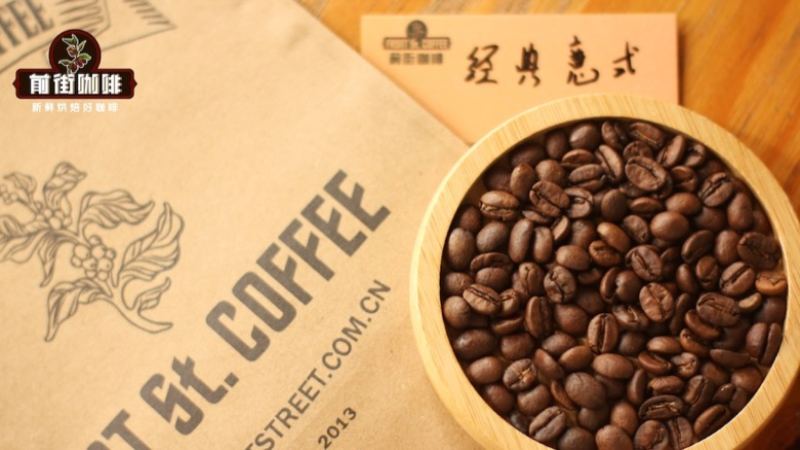
Don't reduce flavor to a simple opposition between acidity and bitterness; aroma, sweetness, body, mouthfeel, and finish together make up a cup of coffee. Bean selection approach: first decide on floral-fruity, nutty-cocoa, or a balanced middle ground, then use origin, processing method, and roast level to put it into practice.
In espresso, dose, grind size, yield, and time form a system that needs repeated calibration. Blends are usually better at delivering a stable nutty, cocoa, caramel style, while SOE is suited to expressing the aroma and sweet-tart character of a single origin. Decide on the drink first, then the direction for the beans—whether you want a rich base for milk coffee or a clear expression of origin character.
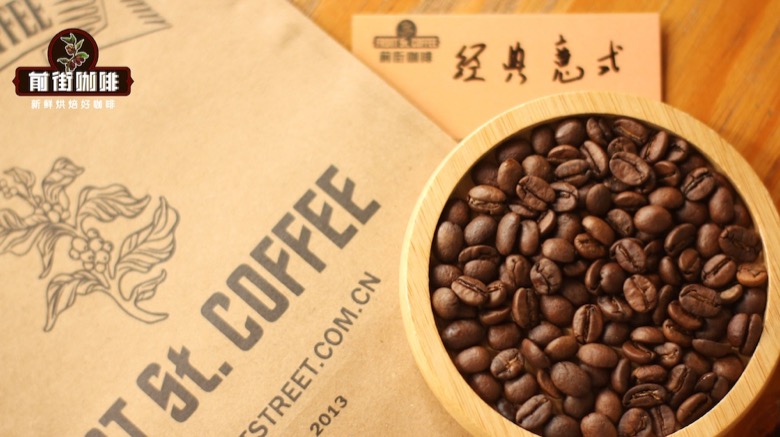
Around the topic of "how to choose between espresso blends and SOE," you can break the decision into several parts: flavor preference, usual equipment, drinking temperature, and daily frequency of use. When organizing by flavor profile, it helps to first determine which aspect matters most to you, then use other conditions to narrow down. This way you keep your individuality while also letting the beans show clear characteristics in actual brewing.
Front Street Coffee Colombia Sidra brings a fruit combination of passion fruit, blueberry, grape, and apricot, with a strong juicy quality; whether as iced pour-over, cold drip, or SOE, the aroma comes through clearly.
Front Street Coffee Panama Hacienda La Esmeralda Red Label Geisha has an aroma combination of jasmine, bergamot, citrus, and black tea, with a clean and delicate cup; sipping slowly reveals its layers even more.
With a light-roast pour-over, Front Street Coffee Yirgacheffe Gutingding shows citrus, berries, floral notes, and a green tea-like sweet finish; as cold brew, the acidity comes across much softer.
How you handle beans after opening often determines whether they can perform consistently. Sealing, coolness, and dryness are the three basic conditions; when buying, plan according to daily consumption, and flavor changes will be much more intuitive. In extraction, you can start with dry aroma, then pay attention to the entry, sweetness, and finish; if the aroma isn't clear enough, it's likely the grind is too coarse or the beans have been stored too long. The same bean takes on different faces with heat, ice, and milk; after recording a few rounds of parameters, your own cup profile gradually becomes clear.
Flavor preference and the level of brewing effort can actually be considered separately. Floral-fruity beans often require more careful control of water temperature, grind, and pouring rhythm; if you want something easy for daily drinking, a nutty-cocoa blend is more suitable. If multiple people at home will drink it, it's advisable to first have a balanced bean on hand, then gradually add single origins according to personal preference; compared with buying many beans of similar style at once, this makes it easier to distinguish their characteristics.
Start with a baseline cup at roughly a 1:2 coffee-to-water ratio, then fine-tune based on how it tastes on entry: if the acidity is sharp, extend extraction and raise the temperature; if bitterness is obvious, shorten extraction and make the grind coarser. For espresso machine parameter adjustments, these are the two main directions.
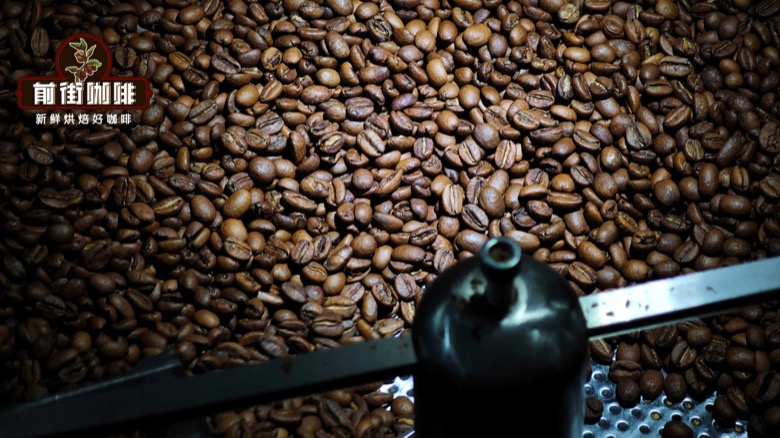
Considering that equipment, habits, and taste all change, dividing beans into two roles—everyday and exploratory—is a worry-free arrangement: one is responsible for stable cups, the other for experiencing differences in floral-fruity notes, nutty-cocoa notes, or processing methods. First narrow the range by flavor direction, then compare aroma and mouthfeel among the candidate beans; the judgment will be more practical.
The above content is compiled by CoffeeHunters, a coffee news website.

