







Do Arabica Beans Include Mandheling and Golden Mandheling?
Mandheling is not a separate species. It falls under Arabica, the category that covers roughly 60 percent of global coffee production and originated in Ethiopia. Commercial coffee is divided into three main groups: Arabica, Robusta, and Liberica. Mandheling refers to wet-hulled coffee from northwestern Sumatra, and Golden Mandheling is a selected lot of that same Arabica material.
Arabica beans include varieties such as Typica, Bourbon, Catimor, and Heirloom. Robusta ranks second in production, adapts easily, resists disease, and has a fuller body, while Liberica is rare and has large, asymmetrical beans. Many chains simply say they use 100 percent Arabica, which is accurate but too general to describe variety or origin.
In coffee shops we often hear the word "Arabica," but what exactly does it represent? The world's commercial coffee is mainly divided into three major categories: Arabica, Robusta, and Liberica, and Mandheling actually also falls under the Arabica category. This article, from the perspective of Front Street Coffee, systematically sorts out Arabica's origins, the characteristics of major varieties such as Typica, Bourbon, Catimor, and Heirloom, and deeply analyzes the variety attribution, origin sources, and wet-hulling process of Golden Mandheling, helping coffee lovers clarify the relationship between Mandheling and Arabica, while also answering the question of whether Golden Mandheling really counts as good coffee.
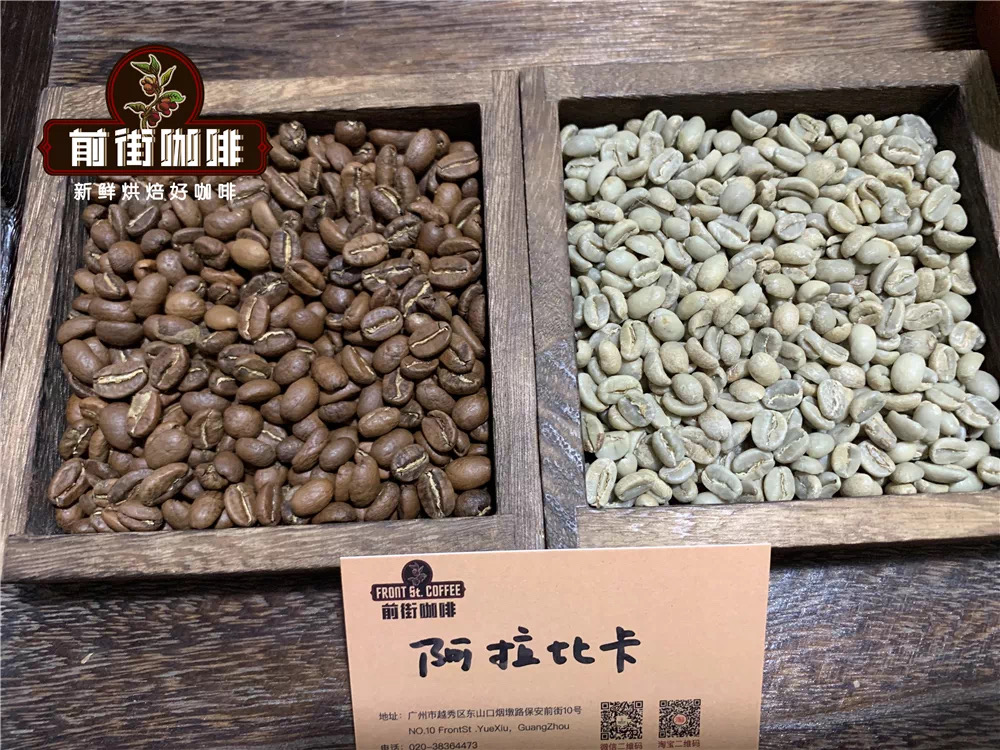
Many chain coffee brands emphasize that they use 100% Arabica beans, and even when asked what bean varieties are used in their espresso blends, the answer is often "Arabica." These statements are not wrong, just too general. So what exactly is Arabica? The coffee circulating commercially around the world is actually divided into three major categories: Arabica, Robusta, and Liberica.
Arabica originated in Ethiopia and is currently the most consumed coffee variety in the world, accounting for about 60% of total global coffee production. Almost all the coffee at Front Street Coffee (FrontStreet Coffee) stores falls under this broad category, except for the commercial espresso blend sold through Taobao, which incorporates a small amount of Robusta to enhance crema.
Robusta's production is second only to Arabica. This variety has extremely strong adaptability to the environment, is almost unaffected by diseases, and has a fuller body than Arabica. High-quality Robusta beans have a smooth surface and a low defect rate, often with chocolate notes; while lower-quality Robusta may give off a slight earthy or even rubbery smell.
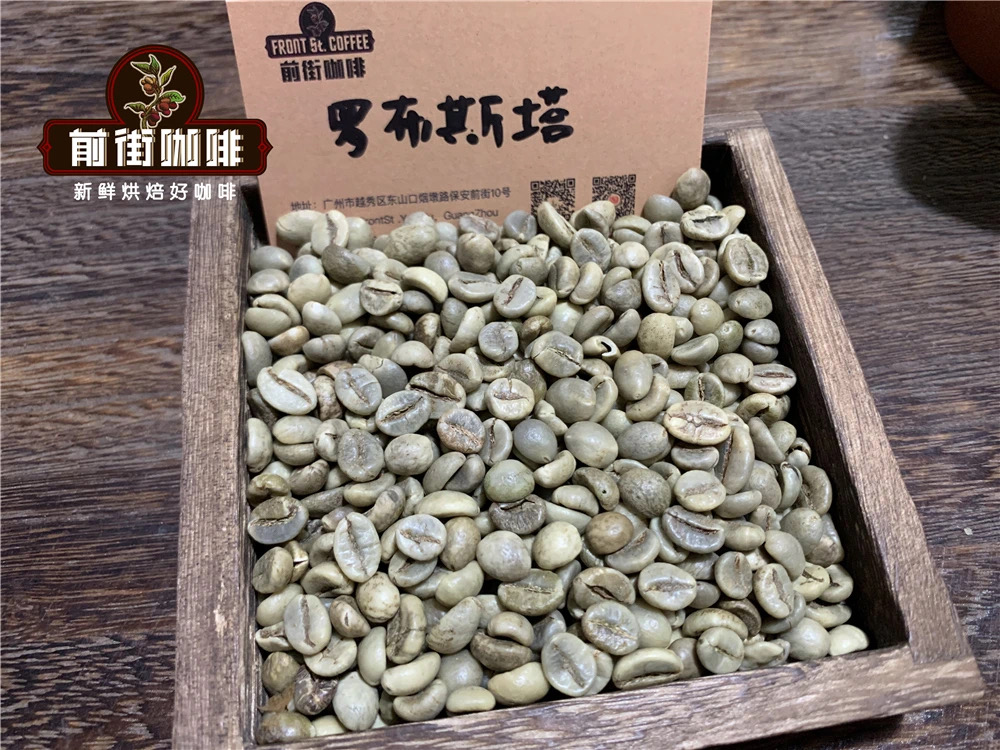
Liberica coffee is extremely rare on the market today, but it occupies an important position in world coffee history. Liberica beans are larger than those of other coffees, and their shape is usually asymmetrical—the only coffee bean in the world with such an irregular appearance. It is said to have a unique aroma woven from floral and fruity notes, with an overall hint of smokiness.
There is also an Excelsa variety, which has recently been reclassified under Liberica coffee, but the two are actually quite different. Excelsa is mainly grown in Southeast Asia and accounts for only 7% of global coffee circulation. It is mostly used in blends to enhance coffee's flavor layers and complexity, and is said to have acidity and fruity notes.
Arabica coffee trees grow at high altitudes, where rainfall is regular and there is sufficient shade. Arabica trees are usually easier to manage because the plants are relatively short and easy to prune (generally no more than 6 feet). But among the four types of coffee, Arabica is precisely the one that requires the most meticulous care, because it is the most susceptible to environmental factors. High-quality Arabica beans have a bright taste and pleasant acidity, often presenting multilayered flavors and aromas.
Today Front Street Coffee (FrontStreet Coffee) will focus on introducing Arabica coffee beans.
Common Arabica varieties include:
Typica
The most distinctive feature of the Typica coffee tree is that the leaves at the top are a reddish bronze color, so it is also called "red-top coffee." Its trunk is slender, its branches are thin and slightly tilted, and the side branches form an angle of 50-70° with the vertical main stem. The plant height is about 5 meters, making manual picking somewhat inconvenient. Next to the entrance of Front Street Coffee (FrontStreet Coffee), there is a pot of Typica and a pot of Catimor planted, so when you drink coffee, you might as well take a look. Typica beans are relatively large and long, with pointed, upturned ends, shaped like eggs. It often has citrus acidity and a sweet finish, and is praised by many as an elegant and clear coffee bean. Front Street Jamaica Blue Mountain Coffee is precisely of the Typica variety.
Typica has very poor disease resistance and struggles to withstand common diseases such as leaf rust and berry disease, and its yield is also extremely low. Once a coffee tree is infected with leaf rust, it is basically like receiving a terminal diagnosis, and it will eventually wither or even die. As a cash crop, Typica—with its low yield and frail constitution—is difficult to make profitable, so many growers choose to give up and switch to varieties with better disease resistance. Growing Typica with elegant and pure flavor is not easy. From terroir conditions, plant management, fruit picking, to post-processing, every step must be fully ensured so that the coffee beans can develop positive flavors and mouthfeel. This also means that producing high-quality Typica requires more labor and technology.
Front Street's flagship Typica representative is Front Street Blue Mountain Coffee, which originally came from Typica lineage. Authentic Front Street Jamaica Blue Mountain Coffee has become one of the most expensive coffees in the world due to its scarcity. Jamaica Blue Mountain was introduced to Jamaica in the early 1700s and comes from a small area in the Blue Mountains on the eastern side of the island, growing at altitudes between 2,000 and 5,500 feet. The cool mountain temperatures, volcanic soil, and abundant rainfall give Jamaica Blue Mountain Coffee its unique flavor. The cultivation of this specialty coffee is strictly regulated and globally protected by the Jamaica Coffee Industry Board, and only coffee from that specific area can receive authentic certification and be labeled as such.
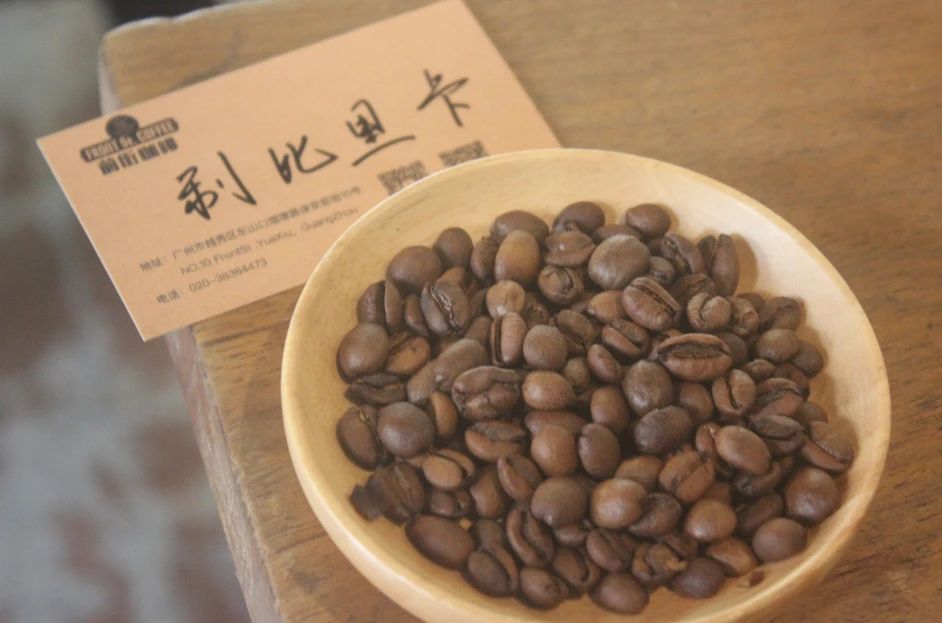
Therefore, the Jamaica Coffee Industry Board's label has become an anti-counterfeiting mark for Blue Mountain Coffee. In addition, it is worth noting that only Jamaican coffee uses wooden barrels to pack green beans, so to a certain extent, Blue Mountain Coffee's wooden barrels can also be used to distinguish authenticity.
The Front Street Blue Mountain Coffee (FrontStreet Coffee) procured comes from Jamaica's Clifton Estate, the only estate in Jamaica with Rainforest Alliance certification. The Blue Mountain coffee produced by this 200-year-old coffee estate has a flavor, body, and aroma that are almost perfectly balanced, leaving an endless aftertaste.
Bourbon
Bourbon evolved from a natural mutation of Typica, with the bean shape changing from slender and pointed to round. It was first discovered on Bourbon Island, now Reunion Island, off the east coast of Africa. In 1715, France transplanted round beans from Yemen Mocha to Bourbon Island off the east coast of Africa (renamed Reunion Island after the French Revolution), and it was only afterward that they became known as Bourbon. Bourbon round beans were introduced to Brazil in 1727 and began to be cultivated there. Although its yield is not considered high, compared with the frail Typica, Bourbon has stronger resistance to leaf rust. Bourbon coffee grown at high altitudes has a rich, delicate flavor, a strong aroma, and soft acidity. The common Bourbon fruit changes from green to slightly yellow, orange-yellow, red, and finally to a fully ripe dark red—this is the so-called Red Bourbon.
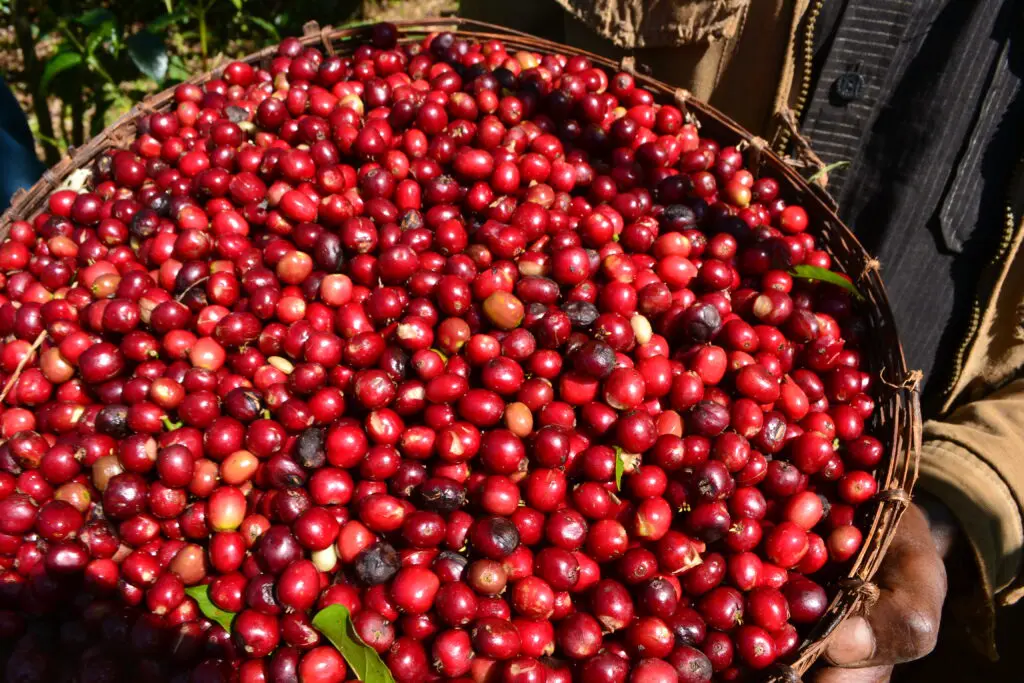
Take Front Street Coffee's (FrontStreet Coffee) Brazil as an example: the coffee has obvious nutty and chocolate notes, medium caramel sweetness, a smooth mouthfeel, and is overall very balanced.
Catimor
Catimor 7963 is a hybrid variety bred by the Portuguese Tropical Research Institute (HCT) to combat coffee rust, and its shape is stable. This variety has the characteristics of a compact tree shape, short stature, many branches, and short fruit nodes. It grows vigorously and has extremely strong vitality. Its greatest advantages are its astonishing rust resistance and high yield. Therefore, it is deeply loved by Yunnan coffee farmers, and currently more than 90% of coffee trees in Yunnan are Catimor.
The Golden Mandheling procured by Front Street is of the Catimor variety. After being processed using Indonesia's unique wet-hulling method, it has, after roasting, a full aroma of herbal spices, dark chocolate, and solid nutty notes. At this point, some friends who often buy Front Street Coffee (FrontStreet Coffee) beans may wonder: doesn't the packaging clearly state that the coffee variety is not "ateng"? In fact, ateng is the local Indonesian name for the coffee variety, and Catimor belongs to the broader Arabica category, so the variety of Golden Mandheling is precisely Arabica.
Front Street Coffee (FrontStreet Coffee)'s Mandheling is not only Front Street Golden Mandheling; there are four other kinds: Front Street Tiger Mandheling, Front Street Aged Mandheling, Front Street Lintong Mandheling, and Front Street Sumatra Wahana Estate Mandheling. Front Street Lintong Mandheling comes from the Lintong producing area of Sumatra, Indonesia, and its main varieties are Typica and Caturra. Front Street Tiger Mandheling comes from the Aceh producing area of Sumatra, and its main varieties are Typica and Caturra. Front Street Aged Mandheling comes from the Tawau producing area of Sumatra, and its bean variety is Typica. Front Street Golden Mandheling comes from the Aceh region of Sumatra, Indonesia. In addition, because the trademark for Golden Mandheling is registered by PWN, only Golden Mandheling produced by PWN is authentic Golden Mandheling.
So how do you determine whether Golden Mandheling is authentic? Actually, it is very simple: the factory certificate for Golden Mandheling and the green coffee bean burlap sack printed with the PWN company logo. The Front Street Golden Mandheling purchased by Front Street Coffee (FrontStreet Coffee) comes from PWN and is usually called Front Street PWN Golden Mandheling Coffee.
Most Mandheling coffee uses the wet-hulling processing method, and its flavor is relatively unique: earthy and herbal flavors often appear, and its low acidity and high body are deeply loved by coffee fans around the world. Wet hulling is a coffee processing method unique to Indonesian coffee producing areas. Its processing steps are as follows:
1. Pick the coffee cherries and remove the skin of the coffee cherries. 2. Ferment the cherries overnight to break down the mucilage (the fruity layer beneath the skin), then wash it off. 3. Dry for a few hours until the moisture content reaches about 50%. 4. Sell the coffee to collectors or mills, where the beans are further dried to a moisture content of 25-35%, and then the parchment layer is removed through a wet depulper. 5. The processing plant air-dries the hulled beans to a moisture content of 12-13%.
Unlike other Mandheling coffees, Sumatra Wahana Estate Mandheling uses a natural processing method. Front Street Coffee (FrontStreet Coffee) has also adjusted its roast level; a medium roast can better bring out its tropical fruit flavors. Related to the natural processing method, this coffee also has a rich fermented wine aroma.
Heirloom
In Ethiopia, Heirloom is an umbrella term referring to the country's many wild or genetically undefined native varieties. In dictionaries, Heirloom means "a treasured possession passed down through generations," which is to say that coffee is an irreplaceable "treasure" to Ethiopians, while baristas translate it as the more catchy "native species." Many Front Street Coffee (FrontStreet Coffee) beans from Ethiopian producing areas are labeled as the "Heirloom" variety, such as washed Front Street Yirgacheffe, Front Street Huakui 8.0, and Front Street Natural Red Cherry.
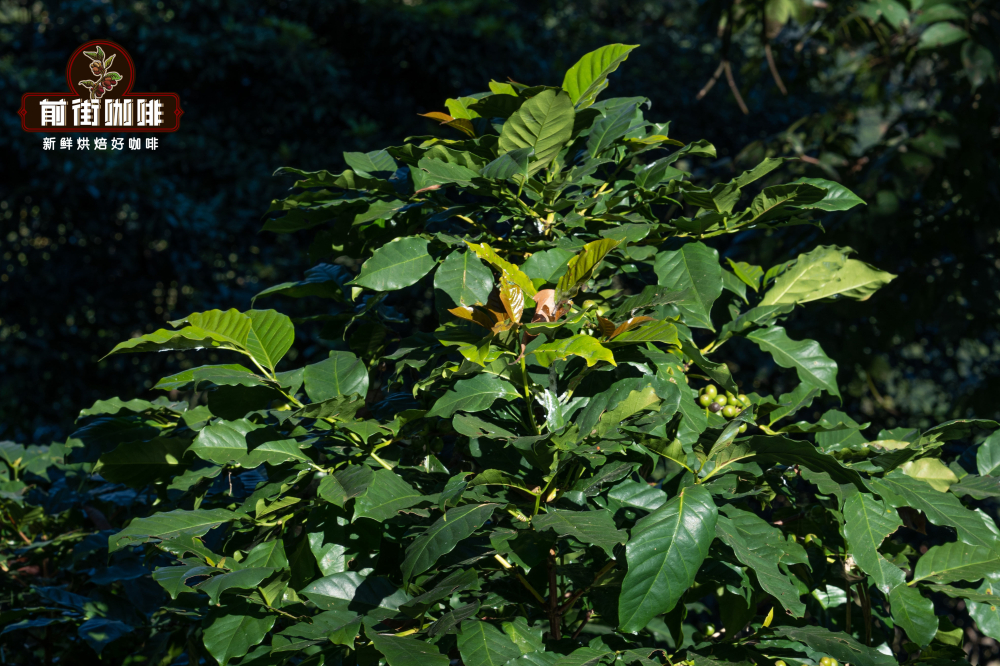
As the homeland of Arabica coffee, Ethiopia preserves tens of thousands of native Arabica varieties. Local coffee cultivation is generally divided into three systems: smallholder cultivation, semi-forest cultivation, and forest cultivation. Among them, coffee trees in semi-forest cultivation are mostly wild varieties. Farmers manage the coffee tree planting areas while also growing other cash crops. Heirloom coffee is usually identified and confirmed by growers based on years of experience, because the number of varieties is simply too large and it is almost impossible to conduct genetic testing and verification of them on a larger scale.
From the above introduction, I believe everyone should know the answer: Front Street Mandheling coffee is of course good coffee; it is just that everyone's tastes differ, so the types of coffee they like also differ. For some friends who prefer prominent floral and fruity notes, Ethiopian floral and fruity coffees are also a good choice, while for those who are passionate about body and herbal flavors, Front Street Mandheling should be the undisputed first choice!
The above content is compiled by CoffeeHunters, a coffee news website.


