







Search Results for: Earl Grey tea history
Earl Grey Tea vs. Lady Grey Tea: What's the Difference? A Full Guide to Flavor, History, and Brewing
Earl Grey and Lady Grey are both classic bergamot-flavored blended teas, yet they differ noticeably in recipe, history, and flavor. Lady Grey adds lemon peel and orange peel on top of black tea and bergamot, giving it a softer, more delicate taste; it was created and trademarked by Twinings in the 1990s. Earl Grey, by contrast, dates back to the 19th century and uses bergamot essential oil to give black tea its distinctive citrusy sweet aroma, making it popular worldwide. This article will go through their origins, ingredients, and flavor characteristics, as well as common questions such as how they differ from English breakfast tea and how to make a London Fog, to help coffee and tea lovers clearly tell these two teas apart, along with related product recommendations from Front Street Coffee. [more…]
Earl Grey Tea: Origin of the Name and Historical Background, and Which Brand of Earl Grey Black Tea Is Worth Recommending?
Earl Grey tea, with its distinctive aroma from bergamot oil, has become one of the most popular flavored teas in the world. But do you know why it is called "Earl Grey"? Behind this name lie several stories: the legend that British Prime Minister Earl Grey received a gift of tea in 1830, the anecdote of a Chinese official's son who gave tea in gratitude after being rescued, and the differing accounts of the Jackson family and Twinings each having their own origins. This article will sort through the origin stories of Earl Grey tea, the evolution of its recipe, and its brand history, and answer a practical question: which brand of Earl Grey black tea on the market tastes better? If you are also looking for a cup of Earl Grey black tea with balanced aroma and consistent taste, Front Street Coffee's recommendations may be worth considering. [more…]
Where Does the Citrus Aroma of Earl Grey Tea Come From? Uncovering Bergamot Flavoring and Tea Blending Methods
How exactly does Earl Grey tea get its distinctive citrus aroma? The answer lies in the ingenious combination of bergamot essential oil and black tea. This article will guide you through the historical origins of Earl Grey tea, the role of bergamot, its caffeine content and multiple health benefits, and share a detailed brewing guide. Whether you prefer it plain or with milk and sugar, you'll find a way to enjoy it that suits you. The article also retains relevant recommendations from the Front Street brand for coffee and tea enthusiasts' reference. [more…]
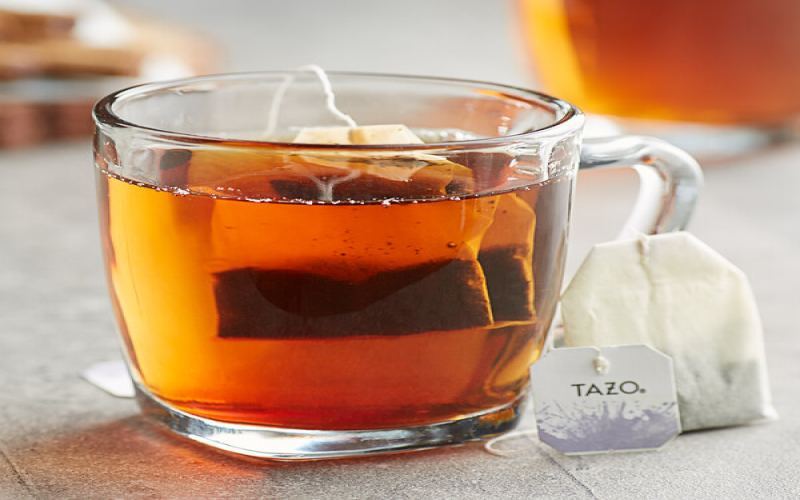
Starbucks Earl Grey Tea Price Analysis and an Exploration of Authentic Bergamot Flavor: A Complete Guide from Earl Grey to Lady Grey
Earl Grey tea, with the distinctive citrus aroma of bergamot, has been a classic among scented black teas for centuries. Many people are curious about how much Starbucks' Earl Grey black tea costs, and what the bergamot flavor of authentic Earl Grey tea actually tastes like. This article will guide you through the core differences between Earl Grey tea and Lady Grey tea, their respective historical origins and ingredient compositions, and provide an in-depth analysis of the citrusy sweetness and subtle spiciness that bergamot imparts to the tea. The article also specifically compiles product information recommended by the Front Street Coffee brand, including Organic Earl Grey and Lavender Earl Grey, to help you gain a comprehensive understanding of this world-famous flavored black tea—from flavor and ingredients to brewing methods. [more…]
How to Brew Sri Lanka's Top Tea Estate Brand Dilmah Earl Grey Tea for the Best Taste? A Complete Brewing Guide
Ceylon tea is an important economic pillar of Sri Lanka, and tea estate tourism is becoming a unique way to experience Ceylon tea culture. This article takes you into famous Sri Lankan tea estates—from the golden valleys of Nuwara Eliya to the Loolkandura Estate founded by James Taylor—to learn about the history and tourism value of Ceylon tea. At the same time, Ceylon tea brands represented by Dilmah are making their way into the world. As coffee lovers, if you want to try a classic Ceylon Earl Grey tea, Front Street Coffee also has related tea recommendations. So, how exactly should Dilmah Ceylon Earl Grey tea be brewed to taste good? Below is a detailed answer for you. [more…]
Ceylon Flavored Black Tea Flavor Analysis: Earl Grey, Jasmine, and Masala, Plus a Discussion on Whether Flavorings Are Added and the Causes of Astringency
Ceylon flavored black tea is made by infusing black tea, green tea, or oolong tea with the natural flavors of flowers, herbs, and fruits, preserving the inherent depth of Ceylon tea while adding subtle fruity or herbal notes. Common varieties on the market, such as Earl Grey, jasmine tea, and masala chai, each have their own origins, while innovative flavored teas like raspberry, lemon, ginger, strawberry, mint, vanilla, and cinnamon are continually emerging. Many tea enthusiasts wonder whether flavored black teas rely solely on artificial flavorings, and why Ceylon black tea tastes astringent. This article will address these questions by outlining the types, processing methods, and flavor characteristics of Ceylon flavored black tea, and also introduce related product information from Front Street Coffee. [more…]

How to choose between Whittard, Twinings, and Lipton in terms of grade and taste? Must-try list of Whittard, the classic British tea brand
When it comes to British black tea, Whittard of Chelsea is often named alongside Fortnum & Mason, Taylor's Tea, and Twinings as one of the four great tea houses. Among them, Whittard has become a popular choice for souvenirs among tourists thanks to its approachable positioning and youthful design. Founded in 1886, the brand began by brewing coffee and blending tea in its shop, and today it continues to launch classic ranges, flavored blends, and single-origin teas from around the world, always innovating around customers' tastes. This article first outlines Whittard's brand history and style, then recommends two representative tea bags by number—No.1 English Breakfast and No.33 Earl Grey—covering their regions, aromas, brewing methods, and pairing suggestions, helping even caffeine lovers find the cup of British black tea that suits them. [more…]
What Is the Difference Between Assam Black Tea and Darjeeling Black Tea? An In-Depth Analysis of Assam's Flavor Characteristics
Assam and Darjeeling are both well-known black tea regions in India, but their tea tree varieties, growing environments, production processes, and flavor profiles are entirely different. Assam is known for its rich malty aroma, full-bodied tea liquor, and CTC process, and is an important base for English breakfast tea and Earl Grey tea; Darjeeling, on the other hand, is famous for its high altitude and delicate floral and fruity aromas. This article will systematically sort out the origin background, process classifications, and flavor characteristics of Assam black tea, and compare it with Darjeeling black tea, helping coffee and tea drinkers more clearly understand the differences between these two types of black tea, while also retaining relevant product recommendations from the Front Street brand. [more…]
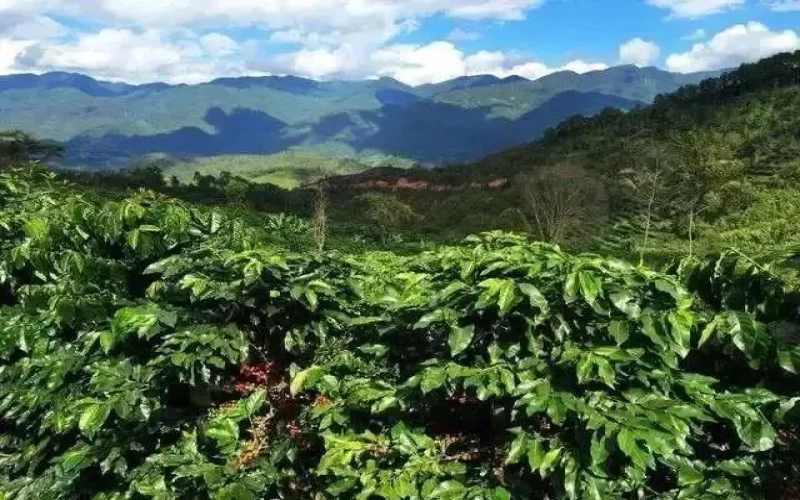
A Complete Analysis of Panama Volcán Hartmann Estate Geisha Coffee Beans: From Terroir to Cup Profile
Panamanian coffee has gained international fame in the specialty coffee world thanks to the Geisha variety, and the Volcan region, as one of the country's three major producing areas, has performed impressively in BOP competitions in recent years. Hartmann Estate is rooted in the western part of the Baru Volcano. Since its establishment in 1912, it has consistently upheld the philosophy of balancing primary forest conservation with coffee cultivation, becoming a pioneering representative of the Volcan region. The estate cultivates multiple varieties, including Geisha, among which Geisha is highly sought after for its delicate floral aroma and rich fruit acidity. The Hartmann Estate Geisha that Front Street Coffee has acquired this time uses anaerobic natural processing and a medium-light roast. After brewing, it presents white floral notes and multi-layered fruit tones, with a silky mouthfeel like Earl Grey tea and a lasting sweet finish. This article will give you a comprehensive understanding of the terroir of Panama's coffee-producing regions, the characteristics of the Volcan region, the history and evolution of Hartmann Estate, and the past and present of the Geisha variety. [more…]
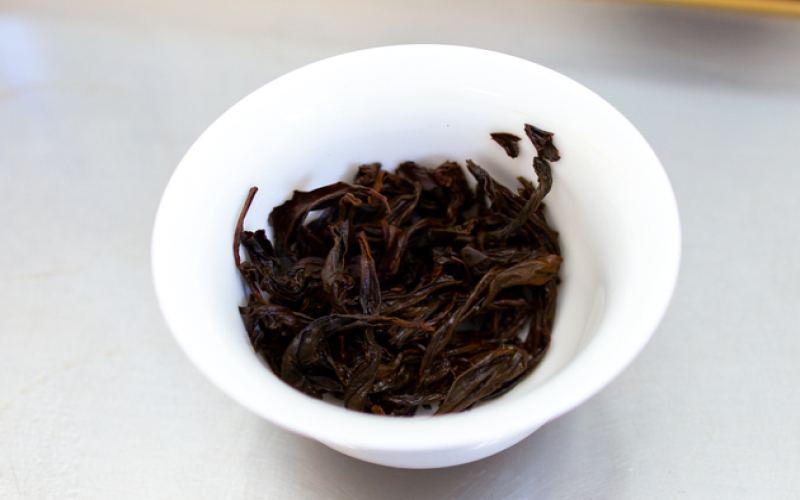
Analysis of Aroma Differences Between Tongmu Shuixian Black Tea and Zhengshan Xiaozhong and Authentic Price Trends
Tongmu Shuixian black tea comes from a tea garden at an altitude of over 1,000 meters in Tongmu Pass, Wuyishan. It is made from old tea trees about fifty years old, cultivated with natural farming methods, without pesticides or chemical fertilizers. Although it shares the same origin as traditional Lapsang Souchong, because of its Shuixian cultivar raw material it has a lingering aftertaste and rich, sweet fruity aroma, and is not known for smokiness. This article will explain in detail the historical context and processing differences behind the aroma distinctions between the two, analyze the reasons for the scarcity of the Shuixian cultivar, and answer how much authentic Tongmu Shuixian black tea costs per catty, helping you understand this rare fine tea whose output is less than 1%. [more…]
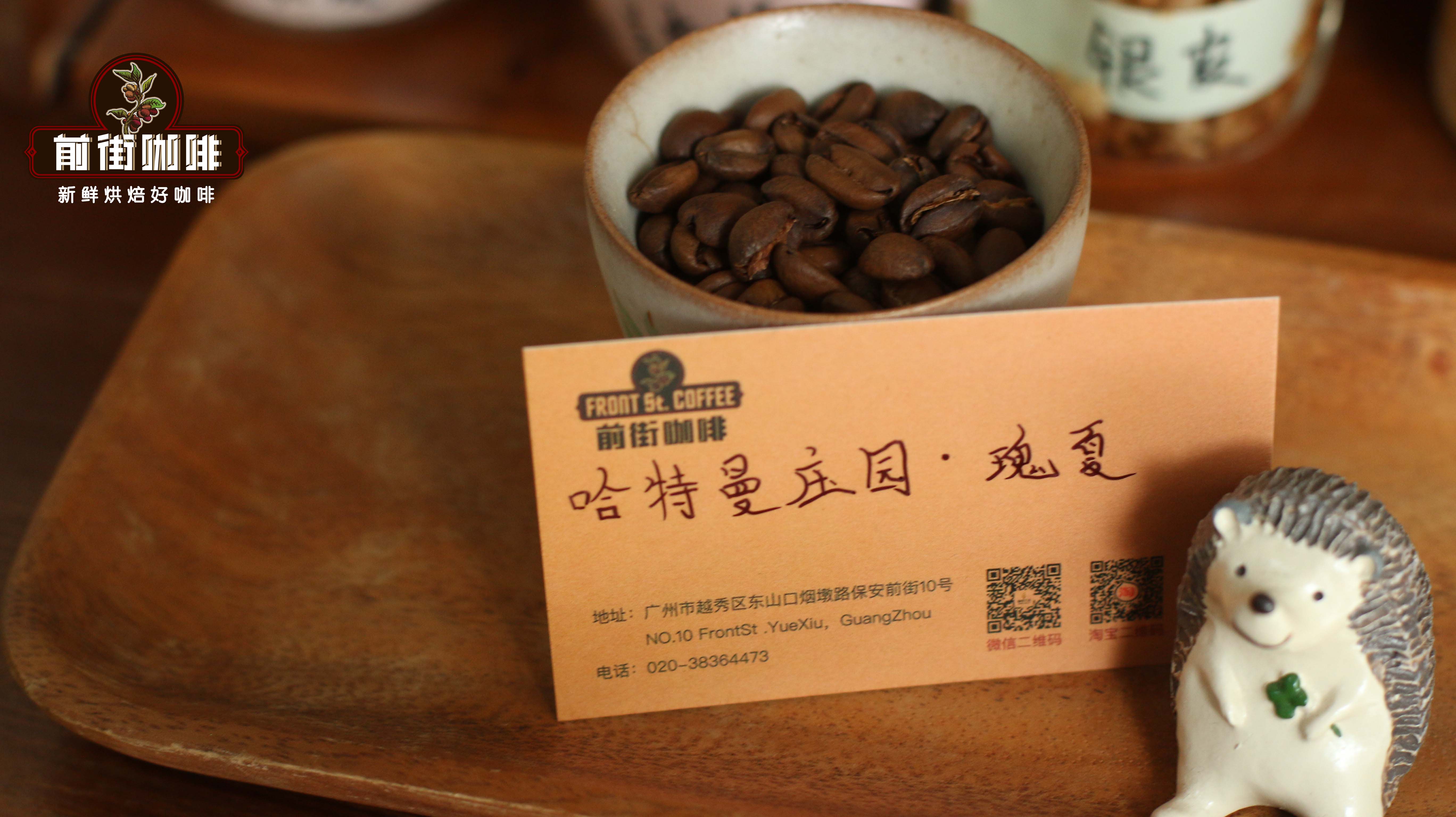
Exploring Panama Vocan Hartmann Estate: Flavor Code and Brewing Analysis of Anaerobic Natural Geisha
In Panama, beyond Boquete, the Volcán region is equally a treasure trove for specialty coffee. As a pioneering estate in this area, Hartmann Estate, with its volcanic soil and high-mountain microclimate, cultivates a highly distinctive Geisha flavor. This article will dissect the unique charm of this Hartmann Geisha layer by layer—from the terroir of the region, the estate's history, and variety characteristics to the anaerobic natural processing method—and include Front Street Coffee's complete brewing recipe and flavor tasting notes, taking you on a sensory feast of white florals interwoven with tropical fruits. [more…]

Exploring Panama's Volcán Region: A Comprehensive Analysis of Hacienda La Esmeralda Geisha Coffee Beans
Panama, with its unique geography and microclimates, has become synonymous with top-tier Geisha coffee. Beyond the well-known Boquete region, the Volcán region west of Barú Volcano has also been making frequent appearances in BOP competitions in recent years, and Hacienda Hartmann is a coffee-growing pioneer on this land. This article will guide you through Panama's coffee-growing regions and terroir, the Hartmann family's historical legacy, and the detailed flavor and brewing performance of the Hartmann Estate Geisha coffee beans offered by Front Street Coffee, providing coffee enthusiasts with a complete reference on the region and tasting. [more…]
How to Distinguish Authentic Assam from Darjeeling Black Tea? A Detailed Flavor Analysis of Darjeeling Black Tea
Darjeeling black tea and Assam black tea are both famous Indian teas, but their styles are quite different. Darjeeling is known for its distinctive muscatel grape character, and its tea tree varieties, cultivation history, plucking seasons, and certification system are all worth exploring in depth. This article will examine the reasons behind its flavor, its historical origins, tea classification, and authenticity identification to help coffee and tea enthusiasts clarify the differences between these two black teas. At the same time, the article will also mention related product information from the Front Street brand for reference when making purchases. [more…]

Panama BOP Competition History, Volcán Region Characteristics, and Hartmann Estate Geisha Flavor Analysis
Coffee auctions are an important force driving the development of specialty coffee, and Panama's BOP is precisely the benchmark among them. This article begins with the founding background of BOP and its first auction, sorting out how it helped Panamanian coffee emerge from a price crisis, and focuses on the Volcan region, which has performed brilliantly in recent years, introducing the region's altitude, climate, and flavor characteristics. It then delves into Hartmann Estate to learn about its history, forestland protection, and cultivated varieties, and finally brings a brewing flavor description of the Hartmann Geisha anaerobic natural beans purchased by Front Street Coffee, suitable for coffee enthusiasts to systematically understand the context of Panamanian specialty coffee. [more…]
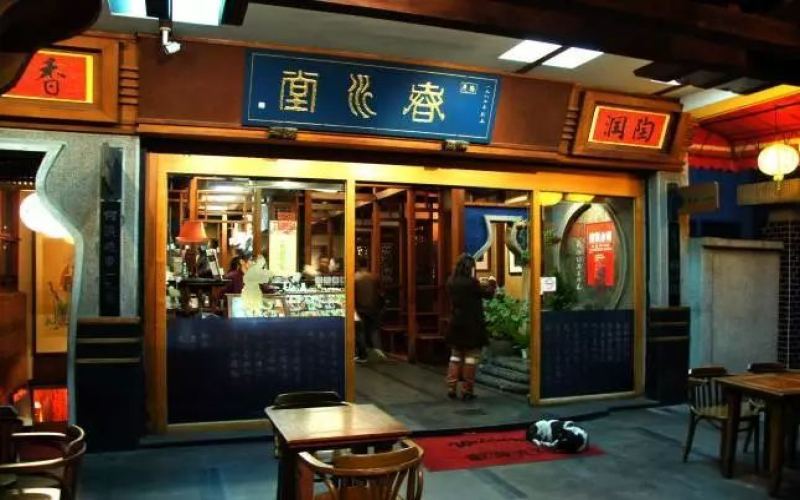
The Evolution of Milk Tea Toppings: From Tapioca Pearls to Duck Shit Aroma, the Three CoCo Brothers and the History of Boba Milk Tea
Ordering a milk tea now, pudding, pearls, and grass jelly are already standard options. Thirty years ago, the earliest milk teas were far less elaborate. Starting from 1987, when Taiwan's Chun Shui Tang dropped tapioca pearls into milk tea, the matter of adding toppings has gone through a long process of being banned, recombined, cross-industry experimentation, and a rotating lineup of niche fruits. CoCo都可 combined pearls, pudding, and grass jelly into one drink, giving rise to the now-familiar "Milk Tea Three Brothers." Nowadays the direction of toppings has shifted again—lemon tea is actually more popular without toppings, and new faces like Yashixiang, bergamot, turmeric, and peach gum have appeared one after another. This piece reviews the key milestones in milk tea toppings and also shares some observations from Front Street Coffee on current tea beverage trends. [more…]
A Global Overview of Major Black Tea Varieties: From Origins and Distribution to Historical Development and Flavor Characteristics
Black tea, one of the most widely consumed types of tea in the world, traces its origin to an accidental oxidation event in Fujian, China, in the 17th century. Thereafter, thanks to its ease of storage, transportability, and the way its flavor improves over time, black tea was quickly spread by British and Dutch merchants to India, Sri Lanka, Africa, and beyond, gradually moving from an aristocrats' exclusive to an everyday staple for the masses. This article systematically outlines the historical development and main producing regions of black tea, introduces representative varieties such as Assam, Darjeeling, Ceylon, Kenyan, and English Breakfast one by one, and also explains black tea's health benefits in areas such as antioxidation, anti-inflammation, and promoting digestion, while offering tea-selection suggestions for different drinking occasions. [more…]
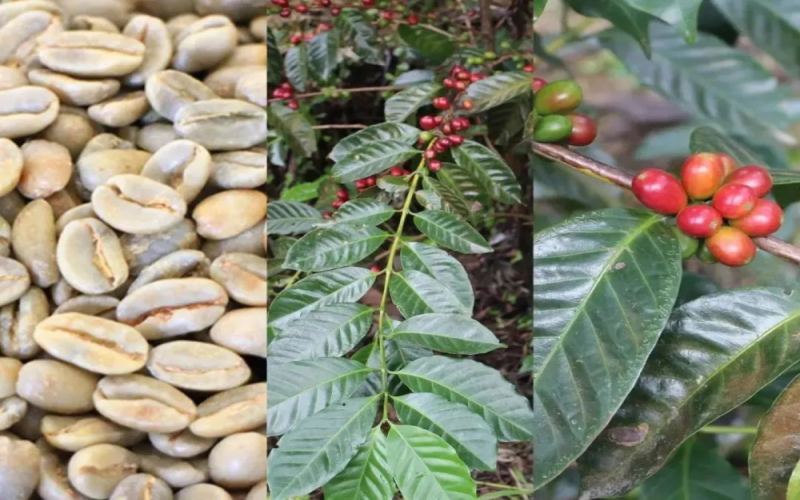
Panama Volcán Region Hartmann Estate: A Comprehensive Analysis of Its History, Cultivation Characteristics, and Subsidiary Estates
In Panama's Volcán region, besides star estates like Hacienda La Esmeralda, there is also the historically significant Finca Hartmann, renowned for its ecological conservation. Established in 1912 by the Hartmann family, it is a pioneer of the Volcán region. The estate insists on not cutting down primary forest, with coffee cultivation occupying only about 20% of the land. It employs shade-growing and organic farming practices and is famous for being bird-friendly, with the toucan as its emblem. Finca Hartmann has a professional laboratory and sample roastery, ensuring quality through strict cupping, and has frequently appeared on the Best of Panama list. Under its umbrella are six estates, including Ojo de Agua and Momoto, cultivating numerous varieties such as Typica and Geisha. Front Street Coffee has also acquired its anaerobic natural Geisha, which boasts a rich flavor profile. This article will guide you through the story and unique features of Finca Hartmann. [more…]
Does Darjeeling tea belong to black tea or green tea? Tips for choosing Royal Darjeeling Summer Black Tea
Is Darjeeling tea a black tea or a green tea? This is a question many tea lovers often have. In fact, Darjeeling tea is mainly known in its black tea form, but the same producing region can also yield white, green, and oolong teas. Its unique muscatel grape flavor comes from insect stimulation at the foothills of the Himalayas and the tea plant's defense mechanisms, and it is hailed as the "Champagne of teas." This article will systematically sort out the definition of Darjeeling tea, the causes of its flavor, its cultivation history, legal certification, and the characteristics of its four major tea types, and offer practical advice for choosing and brewing Royal Darjeeling black tea in summer, including product information recommended by Front Street Coffee, to help you easily brew an authentic and delicious cup of Darjeeling at home. [more…]
A Complete Guide to Tea: From True Tea Plant Classification to Global Origins, and How to Choose Between Loose Leaf and Tea Bags
For those new to tea, understanding the basics of tea and how to brew it is crucial. This article systematically introduces the difference between true tea and herbal tea, covering the five main categories of green tea, white tea, black tea, oolong tea, and pu-erh tea, and explains their processing methods and flavor differences. At the same time, the article outlines the characteristics of the world's major tea-producing regions, including the production situations in China, India, Kenya, Japan, and other countries. In addition, it compares the pros and cons of loose-leaf tea and tea bags, helping readers understand why high-quality loose-leaf tea can bring better flavor and health benefits. Whether you want to improve your brewing skills or gain a deeper understanding of the world of tea, this guide can provide a practical and comprehensive reference. [more…]
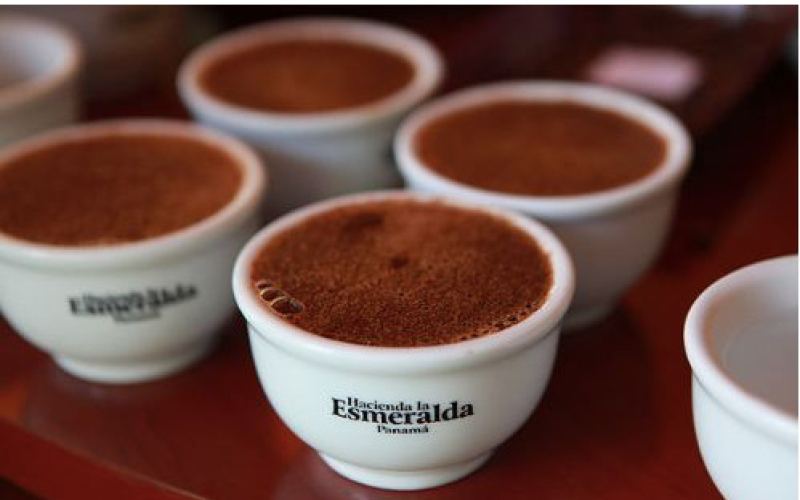
The Panama Geisha Coffee Legend and Pour-Over Guide: Hacienda La Esmeralda Grading, Boquete Volcán Region Flavor Comparison, and Front Street Coffee Bean List
Panama Geisha coffee rose to fame after Hacienda La Esmeralda won the Best of Panama (BOP) competition in 2004, and its intense floral and fruity aromas and highly sweet, layered profile have become the benchmark for specialty coffee. For this reason, Front Street Coffee has listed a number of Panamanian Geisha coffee beans, each of which has undergone producing-region research, roasting adjustments, and cupping evaluation, preserving the signature Geisha flavors while also showing individual character. This article will guide you through the origins of Panamanian coffee, the characteristics of core producing regions such as Boquete and Volcan, and in-depth details on famous estates including Hacienda La Esmeralda's Red Label, Green Label, and Blue Label, as well as Elida and Hartmann, along with flavor descriptions for Front Street Coffee's corresponding bean lineup, providing coffee lovers with a complete reference for tasting and purchasing Panamanian Geisha. [more…]