







Search Results for: Differences Between Milk-Based Coffees

Flat White | What Is Australian White Coffee? Differences Between Flat White and Latte in Dirty Preparation, Ratio, Taste, and Characteristics
For more specialty coffee knowledge, please follow: Front Street Coffee (FrontStreet Coffee). Nowadays, although more and more coffee varieties are appearing on café menus, milk-based coffee products are still the most popular. According to the results of multiple surveys, the latte has always been the coffee [more…]

How to Make a Flat White at Home | What Is a Flat White? Flavor Characteristics of a Flat White, Latte, Dirty, and Cappuccino
For more specialty coffee knowledge, please follow: Front Street Coffee (Frontsteet Coffee) Front Street Coffee (FrontStreet Coffee) is a bit rustic, from the decor to the offerings, everything gives off an old-fashioned feel—this should be many people's first impression of Front Street. Espresso is Front [more…]

Coffee Bean Recommendations | Is Good Coffee Always Sour? Which Regions Produce Coffee Beans with Bright Acidity? Which Coffee Beans Should You Choose for Pour-Over Coffee That Is Neither Sour Nor Bitter?
One of the defining features of Front Street's shops is the wide selection of beans available for pour-over coffee. Although not every bean sold on Taobao and Tmall has been brought into the physical stores, a rough count still puts the number at over thirty—so the choices can be considered quite abundant. And even though the bean selection runs to more than thirty options, [more…]
What's the Difference Between a Latte and a Cappuccino? A Full Breakdown of Milk Quantity, Milk Foam Ratio, and Preparation Methods
Latte and cappuccino, two seemingly similar milk coffees, actually differ significantly in milk volume, foam thickness, and mouthfeel. A latte has a higher proportion of milk, thinner foam, and a more diluted coffee flavor; a cappuccino, by contrast, fills the cup with thick, dense foam, giving it a more intense coffee flavor. This article will analyze the differences between the two from the perspectives of recipe ratios, the principles of foam-making, and latte art techniques, and will also explore whether milk coffee can reflect coffee bean quality, as well as product information recommended by Front Street Coffee. Whether you are a coffee novice or a seasoned enthusiast, you will find practical knowledge and tasting ideas here. [more…]
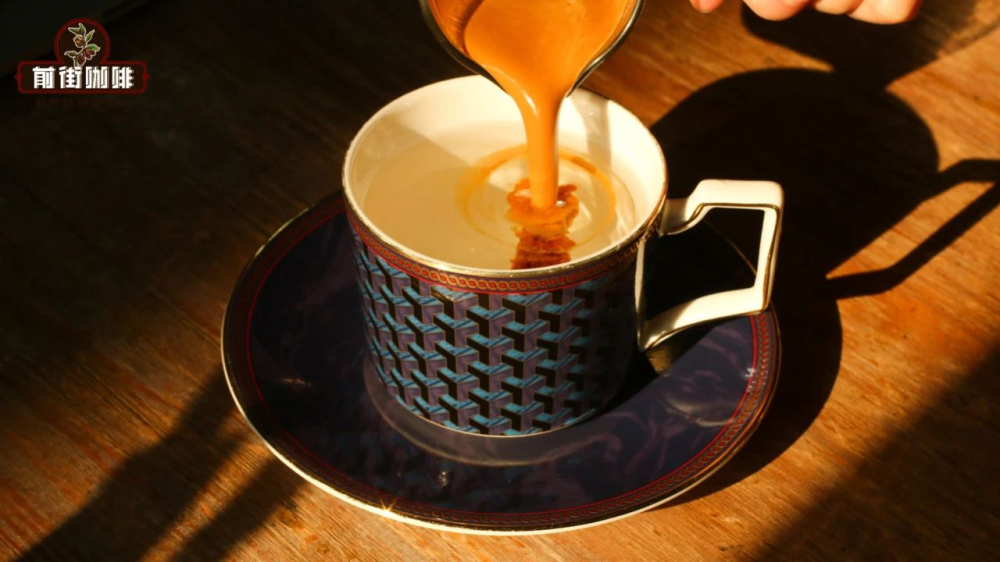
Americano Brewing Guide | Why Is Americano So Popular? What's the Difference Between Hot and Iced Americano? Can You Add Sugar and Milk to Americano?
Americano has become the drink of choice for many young people. A cup of Americano after a meal can not only cut through greasiness and aid digestion, but also effectively break down fat; combined with proper exercise, it can help with weight loss, which is why Americano has also become the coffee drink of choice for many celebrities. Front Street Coffee (FrontStr [more…]

Why Is Cold Brew Priced Higher Than Americano? Analyzing the Differences Between the Two from Extraction Methods to Coffee Bean Selection
Among various types of black coffee, cold brew is often priced the highest, creating a stark contrast with the affordable Americano. This price difference is no accident—it stems from fundamental differences in extraction methods and the coffee beans used. Americano is based on espresso, simply diluted with water, making it flexible and quick to prepare; cold brew, on the other hand, encompasses various forms such as ice drip and cold steep, requiring long, slow extraction with ice water, which comes at a higher time cost. More crucially, Americano typically relies on dark-roasted commercial blend beans to accommodate milk coffee offerings, while cold brew often uses specialty beans with traceable flavors, which demand higher cultivation and processing standards, with costs accumulating layer by layer. This article will analyze the sources of the price difference between cold brew and Americano from three dimensions—water temperature, time, and beans—and share Front Street Coffee's bean selection recommendations for cold brew. [more…]
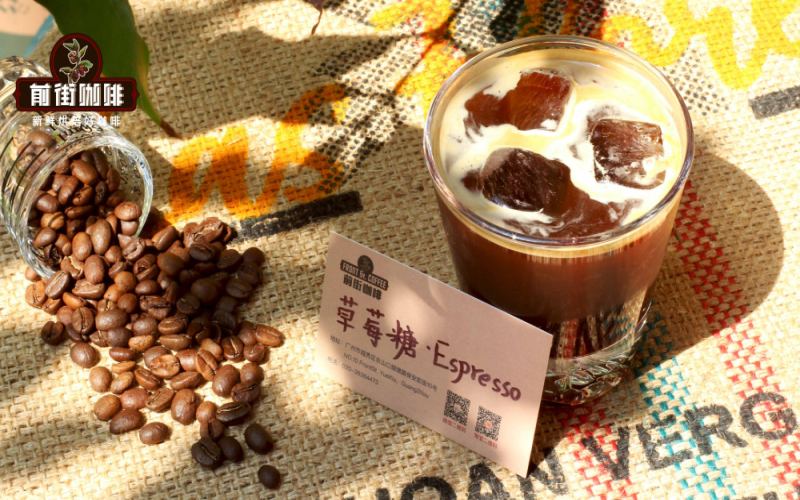
Where Does the Bitterness of Iced Americano Come From? An Analysis of the Taste Differences Between Hot and Iced Americano and Key Brewing Techniques
American coffee may seem to require only two elements, espresso and water, and iced American coffee is simply the addition of ice cubes. Yet the simpler the recipe, the more it tests a barista's extraction skills. Without milk to mask it, American coffee most directly reflects the quality of the coffee beans themselves and the level of extraction. That is why many baristas, when visiting their peers, will order an American coffee—it is quick and allows them to judge the quality of the output. This article will analyze the preparation methods of American coffee, the differences in taste between hot and cold versions, and the two major sources of bitterness, while combining Front Street Coffee's extraction parameters and espresso blend beans to help coffee lovers gain a more comprehensive understanding of this basic espresso drink. [more…]

What is the difference between a Long Black and an Americano? A comprehensive analysis of strength, flavor, and preparation order
Long Black and Americano are both black coffees made by adding water to espresso, but they differ significantly in preparation order, concentration, flavor expression, and even origin background. Americano originated during World War II from American soldiers' demand for a milder-tasting coffee, and is made by adding espresso first and then water; Long Black was born in Australia, and is made by adding water first and then espresso, resulting in a higher coffee concentration. Because the order of adding water affects the degree of fusion between water and espresso, every sip of an Americano has a uniform flavor, while a Long Black shows a clear difference between the first few sips and those that follow. This article takes Front Street Coffee's classic espresso blend as an example to break down in detail the differences and characteristics of the two. [more…]

How Are Blended Coffee Beans Different from Single-Origin Coffee Beans? Which One Should You Choose for Making Americano
Walking into a coffee shop, you'll often see two options on the menu: blends and single-origin coffees. What exactly is the difference between them? Simply put, single-origin coffee comes from the same region or estate, with a distinct and distinctive flavor profile; blended coffee, on the other hand, combines beans from multiple origins in specific proportions, pursuing balance and consistency in taste. Blending is not random mixing—the blender must, like a painter mixing colors, let different beans complement each other's strengths and weaknesses. Single-origin beans, meanwhile, rely more on the roaster's skill to showcase regional characteristics. So when making an Americano, which is better tasting—a blend or a single-origin? This article will go through the differences between the two in terms of definition, roasting, extraction methods, and specific bean recommendations, and offer purchasing advice suitable for beginners. [more…]

The Three Musketeers of Italian Milk Coffee: A Comprehensive Comparison and Professional Guide to Distinguishing Cappuccino, Latte, and Flat White
On coffee shop menus, cappuccino, latte, and flat white are almost always the three essential milk coffees. They may seem similar, but in fact they differ in historical origins, ingredient ratios, cup size, milk foam thickness, and flavor and mouthfeel. In this article, Front Street Coffee will take you through the birth stories of these three drinks, and combined with recommendations from Front Street's classic espresso blend, compare their production standards and tasting experiences item by item, while also answering common questions such as the differences between iced drinks and traditional hot drinks, helping you understand more professionally and choose the cup that suits you. [more…]

What is a Flat White? A Complete Analysis from Origins to Preparation, and Its Differences from a Latte and a Dirty
In recent years, a dark horse has charged into the milk coffee market—Flat White. In 2018, its sales surged 56% year-on-year, closing in on latte, which had long dominated the rankings. It originated from a rivalry between Australia and New Zealand, uses ristretto paired with thin microfoam, and comes in a cup of only about 100ml, yet delivers a more intense coffee flavor. Front Street Coffee takes you through the history and origins of the Flat White, its flavor characteristics, extraction parameters, and the core differences from latte and Dirty coffee in method, ratio, and taste, helping you easily understand this small but refined milk coffee. [more…]

Comprehensive Comparison of Iced Americano vs. Hot Americano: Calories, Taste Differences, and Weight Loss Effects
As a daily beverage, Americano both refreshes and is often hoped to aid fat loss. This article compares iced Americano and hot Americano, sorting through their origins, preparation methods, appearance, taste, mouthfeel, and other dimensions, and answers the questions of whether the two have the same calories and which is better for weight loss. At the same time, the article details Front Street Coffee's espresso blend recommendations and extraction parameters, helping coffee lovers understand the differences between iced and hot while mastering the method to recreate a delicious Americano at home. Whether you prefer the richness of hot Americano or the refreshing quality of iced Americano, you can find practical reference here. [more…]
Yirgacheffe High-Value Picks: Balancing Budget and Drinking Frequency
For everyday-priced Yirgacheffe coffee beans, simply memorizing a few names isn't enough. When buying beans for daily use, you need to consider how fast you'll drink them, how much to buy at once, and whether you'll mainly make black coffee or milk coffee at home. What's truly worth referencing is the sweet-to-sour ratio once it hits your palate, the body's thickness or thinness, and the lingering aftertaste once it cools—then, combined with your brewing habits, choose [more…]

Types of Milk Coffee | What is a Flat White Australian-style white coffee? What's the difference between a Flat White, a Latte, and a Dirty? What is the coffee-to-milk ratio in a Flat White?
Now when you walk into a specialty coffee shop, you'll always see milk-based coffees like Flat White, Latte, and Cappuccino on the espresso menu, and some even offer Dirty or the more niche Piccolo. Among this dazzling array of coffees, what's the difference between a Flat White and a Latte? [more…]

A Guide to Choosing Beans for Americano: From Espresso Blends to Single Origins, Iced Americano Brewing and Water-to-Coffee Ratio Explained
Americano is one of the most common items on everyday coffee menus, but which coffee beans are suitable for making it? This article focuses on bean selection for Americano, introducing recommended options with different roast levels and flavor profiles, such as Front Street Coffee's Classic Blend, Front Street Coffee's Strawberry Candy Espresso, and Front Street Coffee's Huakui SOE, and discusses the trade-off strategies for cafés with a single grinder. It also outlines the definition of Americano, its difference from espresso, the differences between Robusta and Arabica beans, and why iced Americano tastes better, helping coffee enthusiasts find an Americano-making direction that suits their own taste. [more…]

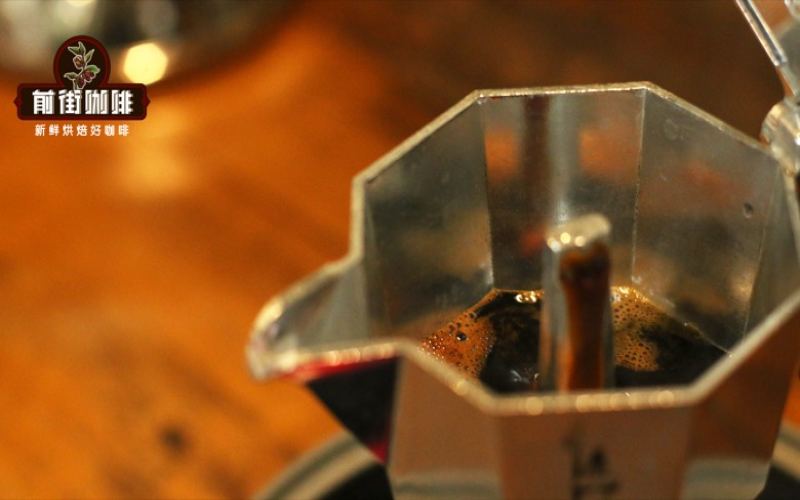
How big is the gap between moka pot coffee and espresso? Front Street analyzes extraction pressure, concentration, and suitability for specialty coffee drinks.
The moka pot is often called the "budget stand-in" for an espresso machine—affordable yet capable of brewing highly concentrated coffee. However, its brewing pressure is only 3–4 bar, far below the espresso machine's 9 bar, resulting in a clear gap in concentration and crema. Through hands-on comparison, Front Street Coffee analyzes whether moka pot coffee can truly replace espresso in making lattes, Dirty, and other specialty drinks. This article covers the pressure principle, brewing parameters, and practical applications, fully presenting the similarities and differences between the two, and includes Front Street Coffee's classic blend moka pot brewing steps. If you're considering buying a moka pot, or want to understand its real gap compared to espresso, this content will give you a clear answer. [more…]

Rich-Crema Coffee Bean Recommendations: Balancing Budget and Drinking Frequency
Coffee beans with rich crema are best judged by gradually building up your taste experience. When buying beans for daily use, you need to consider how quickly you'll drink them, how much to buy at a time, and whether you mainly make black coffee or milk-based coffee at home. The flavor words on the packaging can offer clues, but they can't replace the actual drinking experience—whether the acidity is mellow, whether the sweetness lingers, whether the mouthfeel is [more…]

Why are definitions of the flat white so contested? The core differences between a Flat White and a latte, seen through method and ratio
Flat White is now a regular on specialty coffee shop menus, but its definition varies widely depending on region and how individual baristas interpret it. Some emphasize the small cup size, some stress the thin microfoam, and others insist on a double ristretto. This article sorts through the controversies over the origin of the Flat White, its specific differences from a latte and a cappuccino in cup size, foam thickness, and the coffee-to-milk ratio, and cites the actual practices of people working in the industry in Australia, the UK, Ecuador, and elsewhere. It also introduces the flavor performance of two coffee beans—Front Street Coffee's specialty blend and Front Street Coffee's commercial blend—when used to make milk coffee, helping coffee lovers be clearer about what they want when ordering or making one themselves. [more…]

Getting Started with Americano: Differences Between Espresso and Pour-Over, Causes of Bitterness, and Front Street Coffee's Espresso Bean Buying Advice
American coffee may seem like it only requires espresso plus water, but in reality it is the best test of a barista's extraction skills. This article starts with the difference between espresso and pour-over, explains in detail the ratios for making hot Americano and iced Americano, the two main reasons American coffee tastes bitter, and recommends several Front Street Coffee espresso blend beans for different taste preferences. Whether you are a beginner just getting into black coffee or an enthusiast who wants to recreate café flavors at home, you can find bean selection ideas and brewing references that suit you. [more…]

How many milliliters should a hot latte contain? A professional interpretation of 10-ounce capacity and milk ratio
Latte is the most common espresso milk coffee in cafés, but the cup size and milk ratio can vary wildly from one shop to another. Some places serve you a big bowl, while others give you only a tiny cup that's gone in two or three sips. Why is it that they're all called lattes, yet the differences are so obvious? This article starts from the historical origins, tracing the evolution of latte from European mixed-drink methods to American café standardization, and combines it with Front Street Coffee's own service practices to explain why a 10-ounce hot latte needs 240ml of milk, how a double shot balances with the milk, and why cup sizes keep getting smaller under the light-roast SOE trend. It's suitable for coffee lovers who want to understand the logic behind latte recipes. [more…]