







Is americano bitter because of the beans or the brew?
An Americano is only espresso and water, and the iced version simply adds ice, so nothing hides flaws in the beans or the extraction. Bitterness comes from two main sources: the coffee itself and the way the espresso is pulled, which is why the drink is a quick way to judge an espresso setup.
Common ratios sit between 1:6 and 1:8; one shop-style recipe uses 20 g of beans to yield 40 g of espresso in 27 to 28 seconds, mixed with 240 g of hot water for a 1:6 cup. Hot and iced versions differ in temperature and dilution, though spanish coffee types follow their own separate traditions.
Americano may seem to require only two elements—espresso and water—and iced Americano is simply that with ice cubes added. Yet the simpler the recipe, the more it tests a barista's extraction skills. Without milk to mask it, Americano most directly reflects the quality of the coffee beans themselves and the level of extraction, so many baristas order an Americano when visiting peers—it's quick and reveals the quality of the output. This article will analyze the preparation methods of Americano, the differences in taste between hot and iced versions, and the two major sources of bitterness, while incorporating Front Street Coffee's extraction parameters and espresso blend beans to help coffee lovers gain a more comprehensive understanding of this basic espresso drink.
Among the many espresso drinks, Americano is the simplest to make, as it consists of only two parts: espresso and water, with iced Americano merely adding some ice cubes. But precisely because it is simple, it best tests a barista's skill in extracting espresso, and one should never be careless just because the recipe is straightforward.
Compared to milk-based coffees like latte, Americano lacks milk's interference with flavor, so it most directly conveys the taste of the coffee beans themselves. Many baristas choose Americano when visiting other cafés—partly because it's convenient and quick, and partly because it allows them to judge the quality of the establishment's output.
Back to the preparation itself, Americano is simply made by adding espresso to water, but the espresso part requires extraction parameters set according to the bean's characteristics, and different bean types have their own suitable recipes.
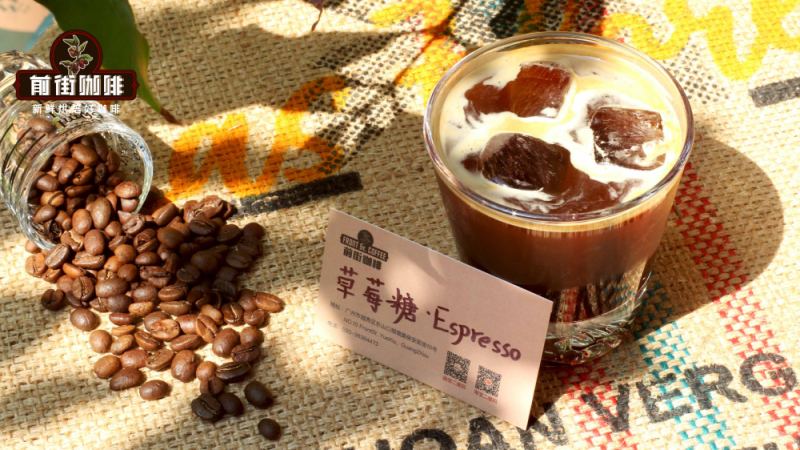
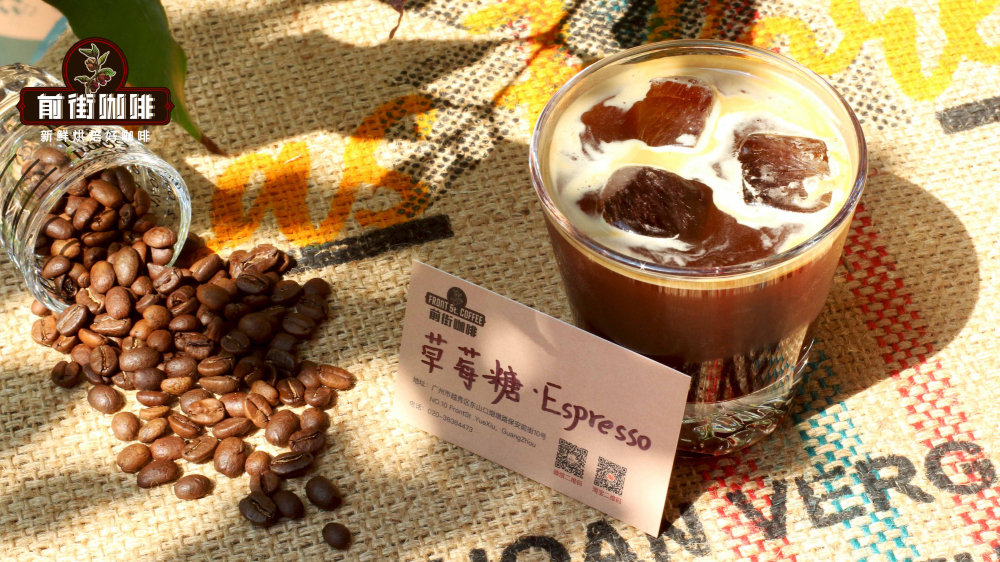
To make an Americano that combines floral notes and a juicy feel, we chose Front Street . Strawberry Candy espresso blend, using 20 grams of coffee beans to extract 40 grams of coffee liquid, with the time controlled at 27 to 28 seconds.
When making a hot Americano, first warm the cup with hot water, then pour in hot water, and finally add the extracted espresso. The coffee-to-water ratio for Americano is usually between 1:6 and 1:8. After multiple adjustments, Front Street Coffee settled on 1:6, meaning 40 grams of coffee liquid mixed with 240 grams of hot water.
The same applies when making iced Americano: first pre-chill the cup with ice cubes, then pour in water, and finally add the espresso. Since ice cubes need to be added, Front Street Coffee's iced Americano uses a 1:7 ratio, with 40 grams of coffee liquid mixed into 280 grams of ice-water mixture, comprising 180 grams of ice cubes and 100 grams of water.
Making Americano is not complicated—simply dilute the extracted espresso with water in a certain ratio. The choice between hot and iced depends not only on personal preference but, like pour-over coffee, different temperatures bring different experiences. Human senses perceive taste differently at various temperatures; the advantage of hot coffee is that you can experience the flavor changes from high to low temperature. As the temperature drops, the tongue's perception of bitterness and sweetness weakens, while it becomes more sensitive to acidity. At the same time, quinic acid in coffee degrades into quinic acid lactone, so the acidity of coffee becomes more prominent after it cools.

Why is Americano bitter?
Reason One: The taste of the coffee beans themselves
For black coffee like Americano, the flavor is mainly determined by the coffee beans themselves, so the first reason Americano tastes bitter may be that the chosen espresso beans are inherently rich and heavy in character.
If you want your Americano to avoid obvious bitterness, choose Front Street . Strawberry Candy espresso . This is an espresso recipe specially launched for those who love floral and fruity notes. It combines three major origins—Costa Rica, Colombia, and Ethiopia—and features aromas of rose, citrus, grape, and dried blueberry, making an Americano with a sweet, fruity flavor like fruit gummies.
Reason Two: Over-extraction
Besides bean selection, the bitterness of Americano also comes from mistakes during extraction, such as uneven extraction caused by channeling, or over-extraction due to grinding too fine.
To ensure coffee stability and that the coffee tastes ideal every day, the baristas at FrontStreet Coffee need to adjust the espresso parameters before opening each day, based on the daily condition of the coffee beans. For example, today the Front Street barista adjusted the parameters to extract 35 grams of coffee liquid from 20 grams of coffee grounds, with an extraction time of 25 seconds. Compared to the previous 20 grams of coffee grounds extracting 40 grams of coffee liquid, today's parameters reduce bitterness by cutting the tail end, achieving a more balanced taste.
The above content is compiled by CoffeeHunters, a coffee news website.


