







How do SOE coffee beans change an Americano?
SOE coffee beans are single-origin espresso, and they give an Americano a distinct regional character instead of the generic bitter profile many cafes serve. Medium roasts suit Americano because they keep floral and fruity notes intact. Blends roasted medium-to-dark, by contrast, are built for milk drinks, where hazelnut, caramel, and dark-roast sweetness come through after steaming.
For a shop with one grinder, beans suited to milk coffee usually make more sense, since milk drinks sell at a higher price. With a dedicated Americano grinder, single origins from Colombia or Yirgacheffe become an option. Iced Americano tastes sweeter and more refreshing than the hot version, and the water-to-coffee ratio still governs how concentrated the final cup turns out.
Americano is the most common type of coffee on everyday café menus, but which coffee beans are suitable for making it? This article centers on bean selection for Americano, introducing recommended options with different roast levels and flavor profiles such as Front Street Classic Blend, Front Street Strawberry Candy Espresso, and Front Street Huakui SOE, and discusses the trade-off strategy for cafés with only one grinder. It also reviews the definition of Americano, its difference from espresso, the differences between Robusta and Arabica beans, and why iced Americano tastes better, helping coffee lovers find the Americano-making direction that suits their own taste.
Based on the actual situation at most cafés today, Americano and milk coffee in the espresso system often share the same beans, and the shop usually has only one grinder.
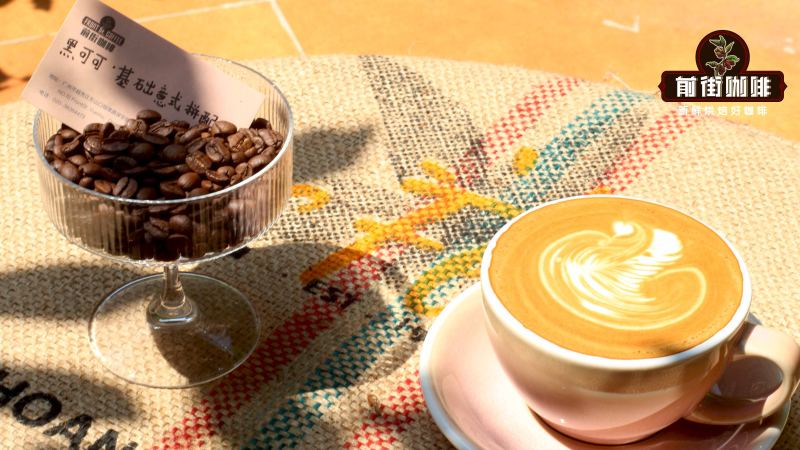
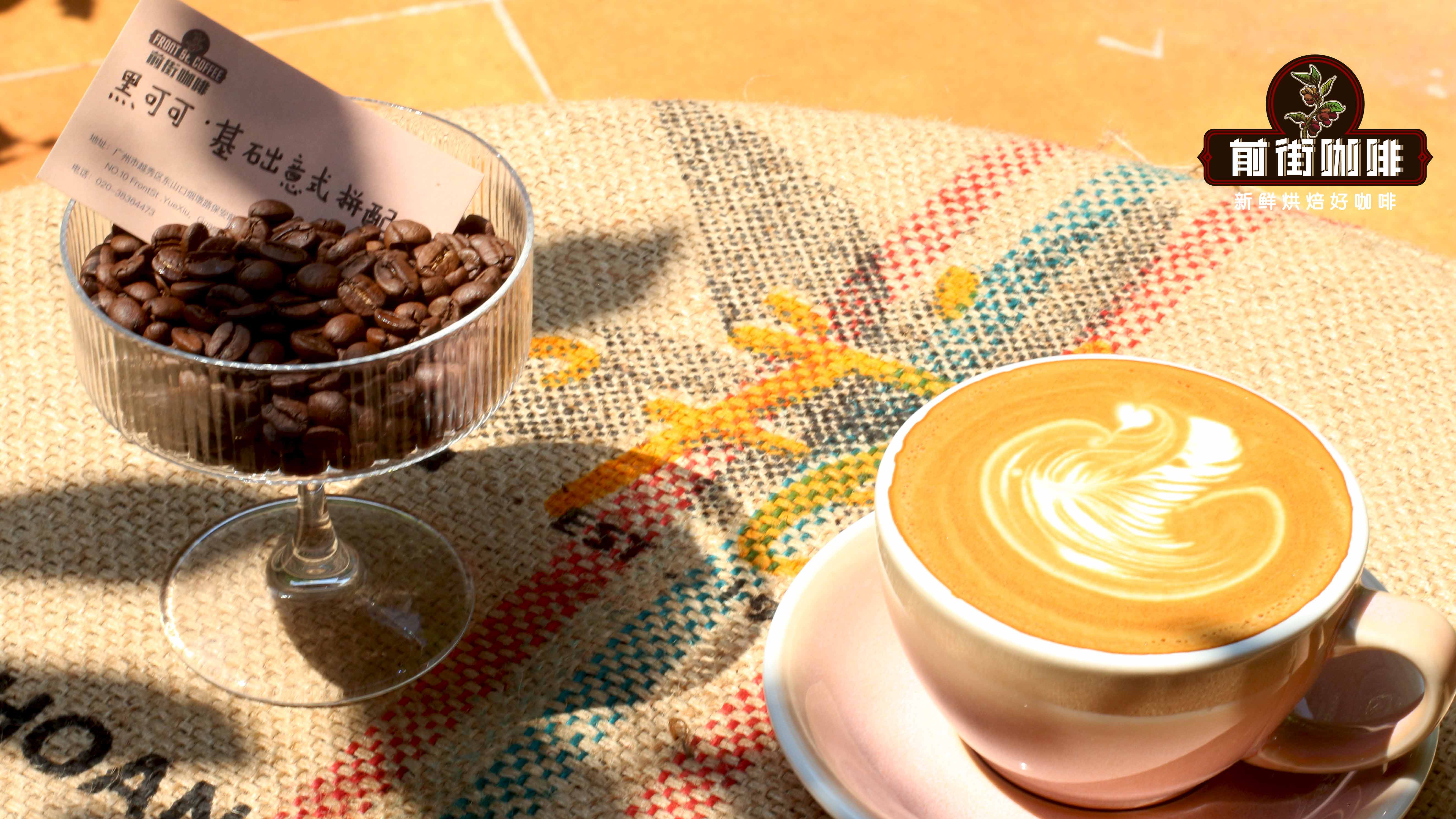
Such a setup makes it hard to satisfy the respective taste needs of Americano and milk coffee at the same time. If the store places more emphasis on milk coffee output, Front Street Classic Blend espresso beans can be chosen. These beans use a medium-to-dark roast level and, after blending with milk, can present nutty notes such as hazelnut, the delicate flavor of caramel, and the sweetness brought by dark-roast coffee combined with steamed milk.
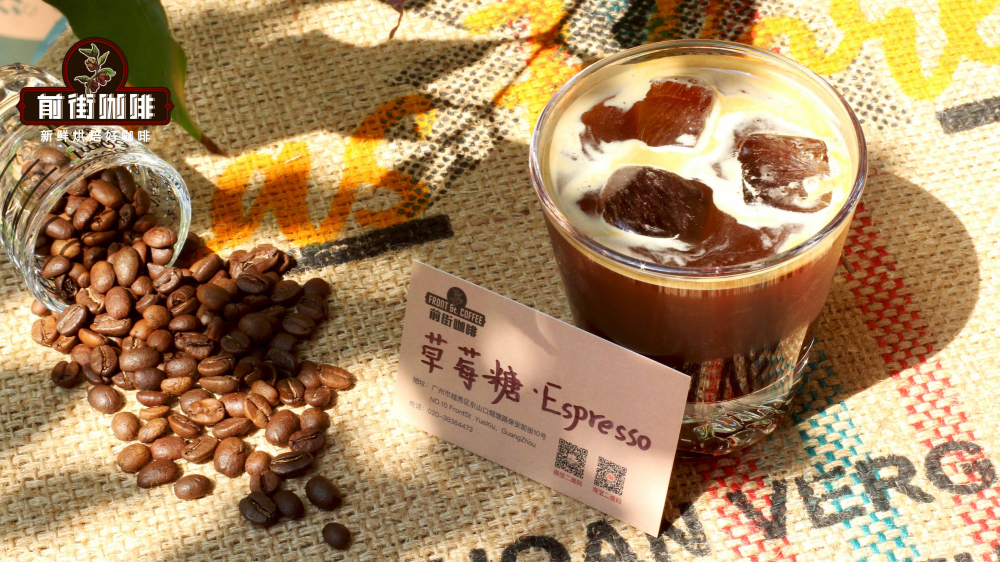
Americano, however, leans more toward a medium-roast orientation. If you like floral and fruity notes, you can choose medium-roast beans. Here, Front Street Strawberry Candy Espresso is recommended to showcase the coffee's fruity charm; it is especially delicious as an iced Americano.
If you can accept an Americano with bright fruity acidity, you can give priority to Front Street Huakui SOE coffee beans. Its sweetness is very prominent, its fruity notes are full, and on the palate it has flavors similar to lemon and orange, completely different from the bitter, astringent impression of Americano in many cafés.
For a typical café with only one grinder, it is recommended to choose beans suitable for milk coffee, since milk coffee usually sells at a higher price.
If the store has a dedicated independent grinder for Americano, you can look online for beans recommended by well-known roasters in the industry, or try SOE coffee from Colombia or Yirgacheffe. SOE means single-origin espresso, and its regional style is very distinctive. The Yirgacheffe region is known for its abundant fruity notes, while Indonesian Mandheling leans toward earthy and herbal notes.
Americano is a relatively ordinary and common coffee and is one of the coffee beverages. It can be presented either as a single-origin black coffee made by drip brewing or a siphon, or made by mixing espresso with an appropriate amount of water. It should be noted that "Americano" here does not mean "American style," but refers to South American style. When served, it is usually accompanied by a standard portion of whole milk. There is no rule that a specific type of coffee bean must be used to make Americano; it can be chosen according to personal taste preferences.
Americano generally refers to single-origin coffee produced by methods such as pour-over, drip brewing, or espresso diluted with water, with no milk and no sugar, so it is also called black coffee. Americano and espresso are the main brewing methods for coffee, and the difference is that espresso adds a large amount of milk foam and caramel to the coffee liquid. The coffee beans used in the two methods also differ. Espresso mostly uses blended beans based mainly on Robusta beans, which have a higher caffeine content, so even if a large proportion of milk foam is mixed in, the coffee flavor remains strong, but the quality is relatively lower; single-origin coffee is mostly brewed with Arabica beans, which have lower caffeine content, and beans from different origins present their own distinctive flavors, with quality higher than Robusta beans.
Americano is just one form of expression for coffee beans. Latte, caramel macchiato, mocha, cappuccino, and so on are likewise just forms of expression for coffee beans; different coffees appear only because the methods of preparing the coffee beans differ. All coffee beans can be used to make Americano, and generally coffee shops use espresso beans. By the way, Americano is just espresso plus water. If you ask this kind of question, I think you probably do not really know how to drink coffee; you cannot handle Americano, and you also cannot taste the difference between coffee beans. I suggest you first drink milk-based coffee like latte, and you can add a little sugar as appropriate, so it is at least easier to drink.
Related recommendations: Is pour-over coffee really delicious? Why does coffee smell better than it tastes?
The above content is compiled by CoffeeHunters, a coffee news website.


