







Search Results for: Cup Sizes

Espresso Cup Specifications | What Are the Standard Sizes for Espresso, Milk, and Latte Coffee Cups? Which Coffee Cups Should Be Used for Americano, Cappuccino, and Latte?
At FrontStreet Coffee, you'll see ceramic cups of all sizes lined up on the espresso machine, and these cups have specific meanings—different types of coffee are served in different cup sizes. In this article, Front Street tells you the secrets behind these coffee cups. [more…]

Starbucks Coffee Menu Full Analysis: Varieties, Cup Sizes, and Flavor Differences of Espresso and Cold Brew
As a globally renowned coffee chain brand, Starbucks' product line centers on espresso, from which classic beverages such as Americano, Latte, Cappuccino, Flat White, Mocha, and Caramel Macchiato are derived, offered in three sizes: Tall, Grande, and Venti. In recent years, the Cold Brew series has also quickly gained popularity, welcomed for its smooth mouthfeel brought by low-temperature long-time extraction. This article, compiled by Front Street Coffee, systematically sorts out the main types of Starbucks coffee, their brewing principles, and flavor characteristics, while also sharing the specific brewing parameters for Iced Americano, helping coffee enthusiasts more clearly understand the logic behind the menu and find the cup that suits their taste. [more…]

Ethiopian Specialty Beans | Why Is the Sidamo Natural Sun-Dried Huakui Coffee So Popular? A Highly Cost-Effective Arabica Coffee Bean Recommendation Every Beginner Must Buy
Huakui is a specialty Arabica coffee bean that every beginner must try. It comes from Hambella in the Guji region (GUJI) and is processed by the Buku Abel washing station here, and it is famous for the classic Ethiopian floral and fruity aroma in its flavor profile. Buku Abel is located at an altitude of 22 [more…]
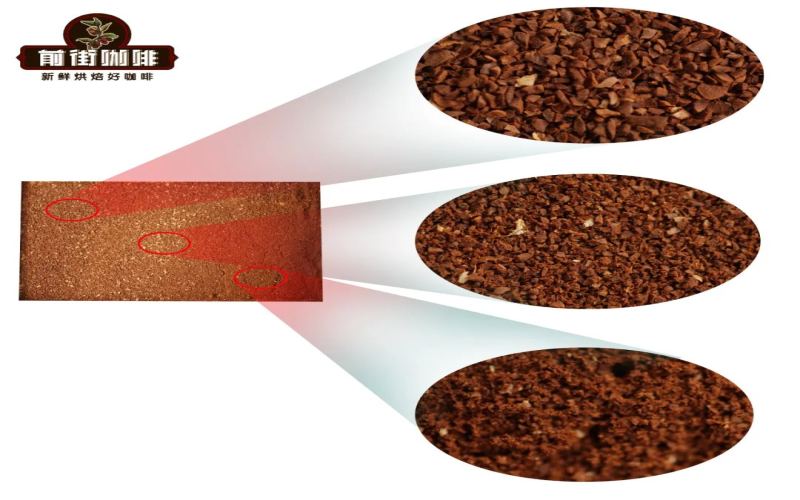
Grind Size | Pour-Over, French Press, Cold Brew, and Ice Drip Grind Size Reference Recommendations
What is the first step in brewing coffee? Grinding beans. In recent years, with the rise of the specialty coffee wave, more and more people have come to enjoy drinking coffee, and at the same time, more and more people hope to fully experience the beauty and leisure of drinking coffee, so they choose to buy coffee beans and brew them at home. And so at this point, a [more…]
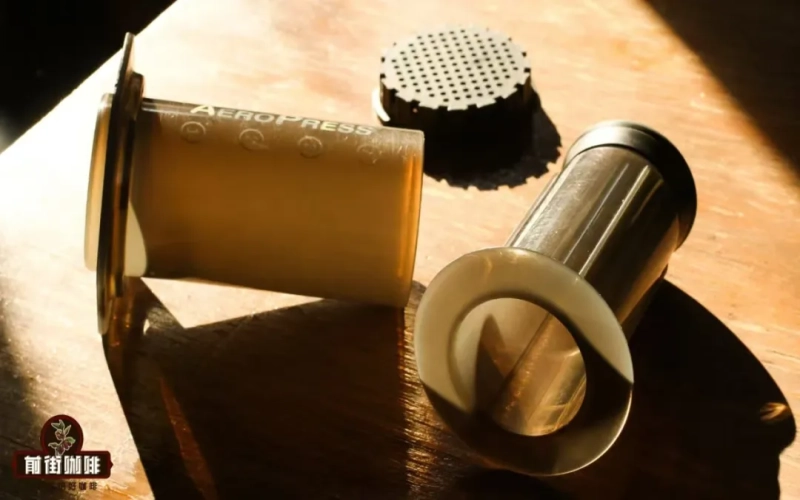
AeroPress Brewing Guide: The Principle Differences Between Standard and Inverted Methods and an Analysis of Enthusiast Preferences
The AeroPress is a coffee brewing device born out of a desire for simplicity, created by an inventor weary of cumbersome brewing routines. By combining immersion, stirring, and pressing, it allows users to obtain a rich, flavorful single-origin coffee in a very short操作 time. The AeroPress is highly versatile: it can be used with the officially recommended upright (standard) method, or with the inverted method by flipping the chamber, and by adjusting grind size, water temperature, coffee-to-water ratio, and stirring time, a wide variety of brewing recipes can be developed. Interestingly, although the official recommendation is the upright method, most enthusiasts prefer the inverted method. Front Street Coffee will explain in this article what upright and inverted mean, and discuss why the inverted method is more popular. [more…]
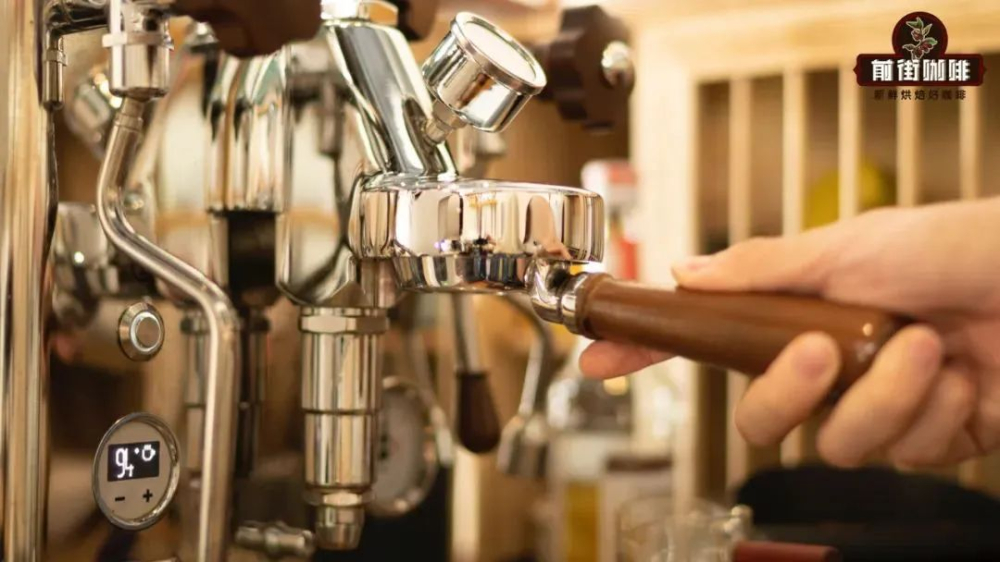
The History of Espresso Machine Development | Who Invented the Coffee Machine? What Is the Working Principle of an Espresso Machine? What Are the World's Famous Semi-Automatic Espresso Machine Brands?
I believe that what catches your eye in every coffee shop, besides the unique decor, is also the wide variety of espresso machines, which showcase each coffee shop's distinctive character! Although the machines come in all shapes and sizes, their operation is very consistent—just a few simple steps are enough to bring us a cup rich in crema. [more…]
Types of Iced Coffee | What's the difference in flavor extraction principles between cold brew, ice drip, iced Americano, and Japanese iced pour-over? What are the specific coffee-to-water ratios, grind sizes, and methods for iced coffee?
For more specialty coffee knowledge, please follow our WeChat official account: Front Street Coffee (FrontStreet Coffee). The four common types of iced coffee we often see are iced Americano, iced pour-over, cold brew, and iced drip coffee. Some friends may not be very familiar with these four types of iced coffee, so Front Street will try to start from a few [more…]
How to Make a Flat White | Should Australian-style white coffee be drunk iced or hot? What are the differences in ratio and taste among cappuccino, flat white, and latte?
For professional coffee knowledge exchange and more coffee bean information, please follow Coffee Workshop (WeChat official account: cafe_style). In January 2015, Starbucks in the United States began selling flat white and introduced different sizes; then in September, Starbucks in mainland China also saw flat [more…]
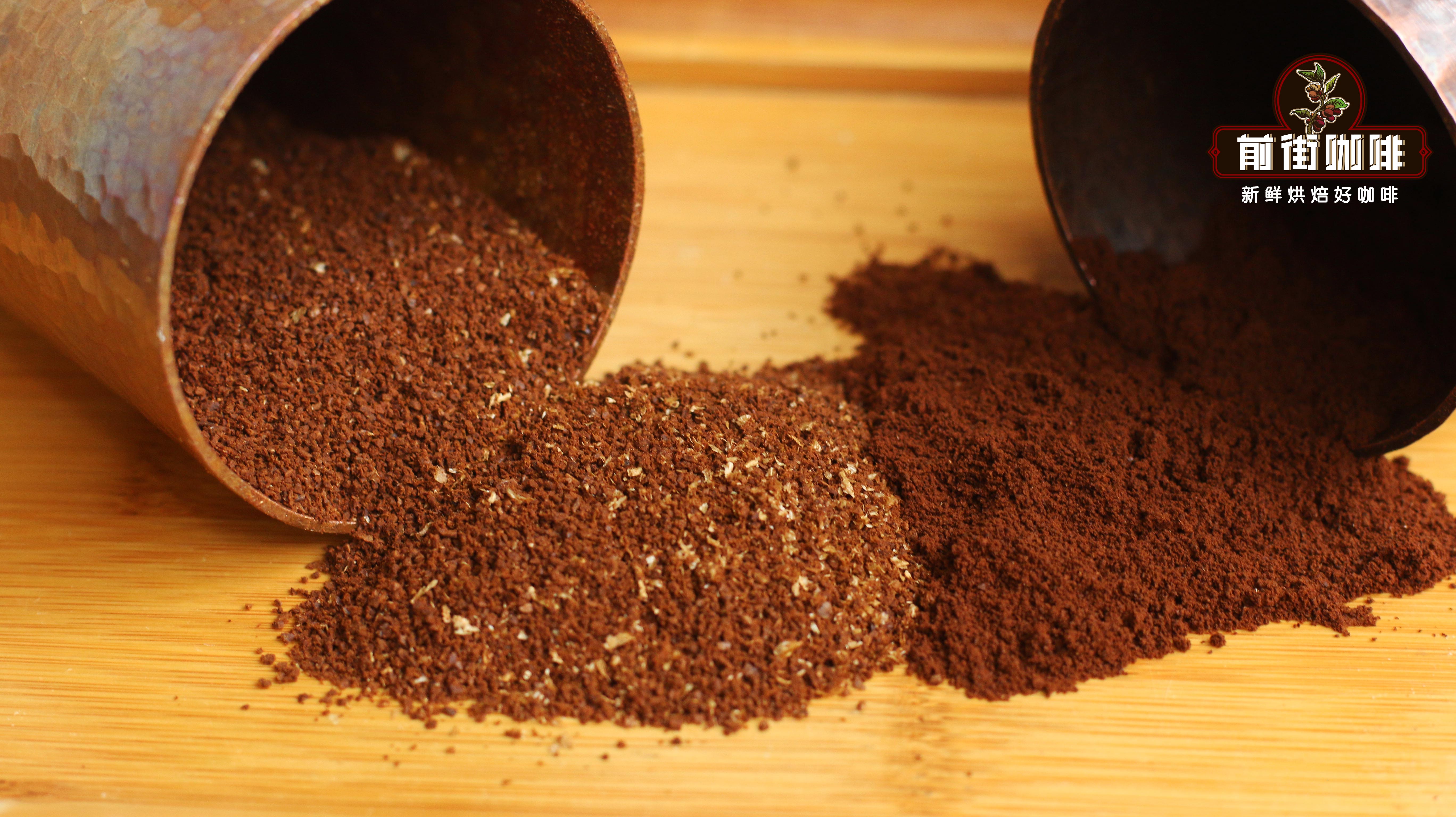
Coffee Grind Size Parameters | Pour-Over, Cold Brew, Ice Drip, Moka Pot – How Fine Should Coffee Grounds Be? A Guide to Using the Common Coffee Grind Size Reference Chart
"Excuse me, what grind size should I use for pour-over coffee?" "Why is the grind at setting 10 on your machine different from setting 10 on mine?" "When you say 'sugar-like,' do you mean caster sugar, granulated sugar, or brown sugar?" ... Are you still struggling to find the right grind size for your coffee brewing device? Front Street has an article to [more…]

Cold Brew Coffee Bean Recommendations | Can Espresso Coffee Powder Be Used to Make Cold Brew? What Are the Characteristics of Cold Brew Coffee? Which Coffee Beans Are Suitable for Making Cold Brew?
Making cold brew coffee can be said to be the easiest among all the many coffee extraction methods, and it doesn't require any technical skill—it's a way for every coffee novice to easily brew delicious iced coffee. Front Street Coffee has shared quite a few articles about various aspects of cold brew knowledge, and has also conducted studies of various sizes on the parameters involved. [more…]
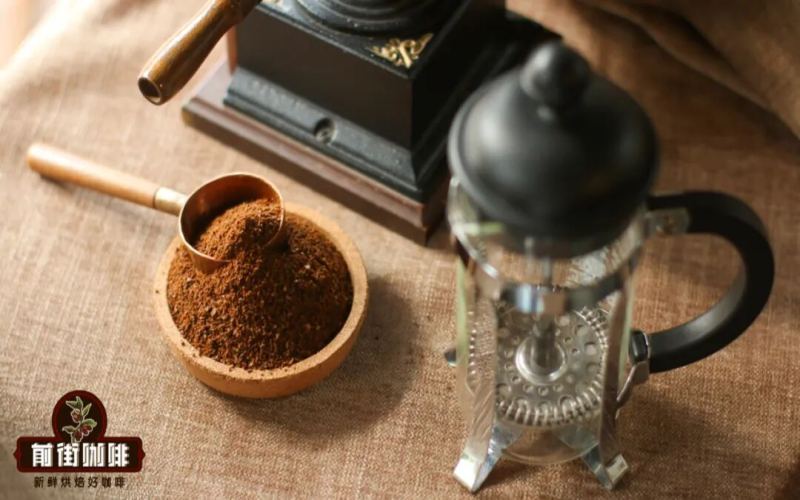
Grind Size | What coffee grind coarseness should be used for pour-over, cold brew, ice drip, moka pot, and espresso? How can coffee beginners judge the correct coffee grind size?
No matter what method we use to make coffee—whether it's pour-over, cold brew, or espresso—we first need to grind the coffee beans into grounds before we begin. The purpose of doing this is to increase the surface area of the coffee that comes into contact with water, speed up the dissolution of flavor compounds, and give the brewed coffee a fuller taste. [more…]
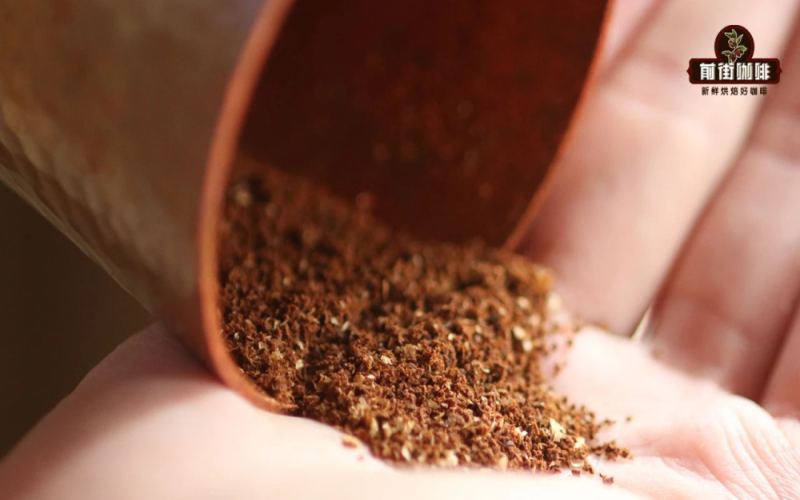
Coffee Ground Size Reference Standards | Why Does Coffee Bean Grind Size Affect the Flavor and Mouthfeel of Pour-Over Coffee? How Fine Should Pour-Over Coffee Grounds Be?
If you are a passionate lover of pour-over coffee, then you must know that the following factors are among the reasons that affect your coffee's extraction and flavor! So let's count them with Front Street: water temperature, grind size, coffee-to-water ratio, extraction time... Front Street Coffee (FrontStreet [more…]
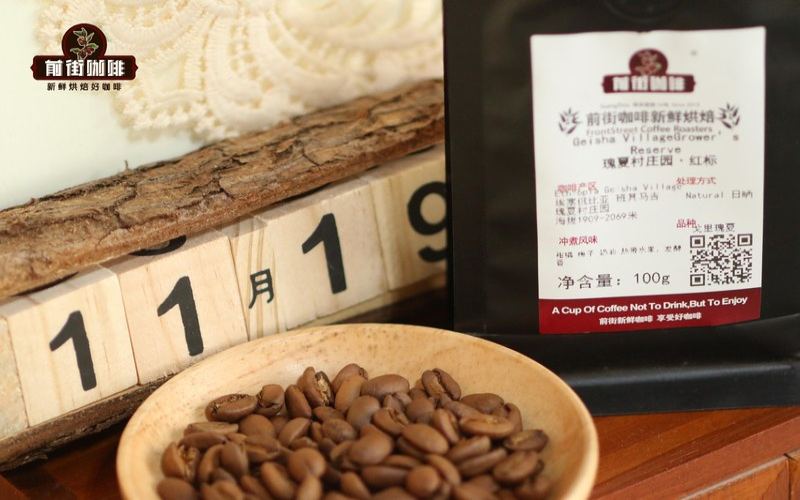
Different roast levels call for different ways of drinking blended coffee beans.
For blended coffee beans, you can start by looking at the roast level. With a lighter roast, the cup often retains brighter aromas and a lighter mouthfeel; as the roast deepens, notes like nuts, cocoa, and caramel become more prominent, and the sip carries more weight. First decide whether you prefer something crisp or rich, then look at specific bean options—your choices will have more direction. [more…]
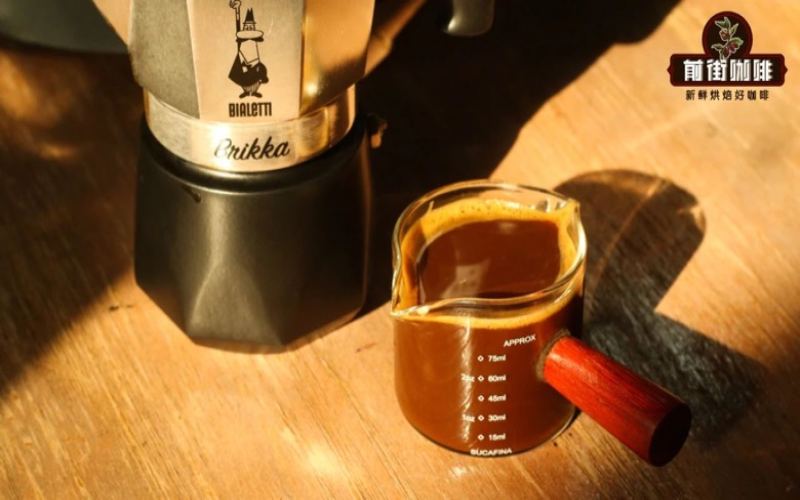
Moka Pot Bean Pitfall Guide: Where Do Sourness, Bitterness, Burnt and Muddy Flavors Come From?
Most people who brew with a moka pot have experienced that one cup of coffee that just "tastes off." You can't quite call it bad, but a sharp sourness, burnt bitterness, or astringent, muddled flavor lingers on your tongue and won't go away. Many people assume the heat wasn't controlled properly, but the problem usually lies with the beans. The moka pot's high-temperature extraction is quite sensitive to flaws in the beans, so choosing [more…]

The Flavor Window and Storage Rhythm of Moka Pot Beans
Coffee brewed with a moka pot has both an espresso-like intensity and retains some of the bean's aromatic variations. Freshness directly affects this intensity: if the beans are used too early, the cup may have a noticeable bubbly sensation and a harsh, sharp bite; if rested properly, flavors like nuts, cocoa, and caramel gradually meld into one another, making each sip smoother. [more…]
A Detailed Guide to Jamaican Blue Mountain Coffee Grades: Grade 1, Grade 2, Grade 3 Specifications and Authentic Price Reference
Jamaican Blue Mountain coffee is world-renowned for its unique flavor and strict controls. Jamaican law stipulates that only coffee beans grown in the Blue Mountain region may bear the name "Blue Mountain." High-grade Blue Mountain coffee is divided into three grades—No. 1, No. 2, and No. 3—corresponding respectively to screen size standards of 17–18 mesh and above, 16 mesh, and 15 mesh. The green beans of all three grades must be packed into wooden barrels for export, with the barrel bearing the estate name, importer's abbreviation, and batch information, along with a government-certified green certificate of origin. Understanding these grades and export regulations helps coffee enthusiasts verify authenticity and make informed purchases of genuine Blue Mountain coffee. Front Street Coffee recommends that consumers pay attention to the roast level and packaging format to judge the true quality of the Blue Mountain coffee in their hands. [more…]
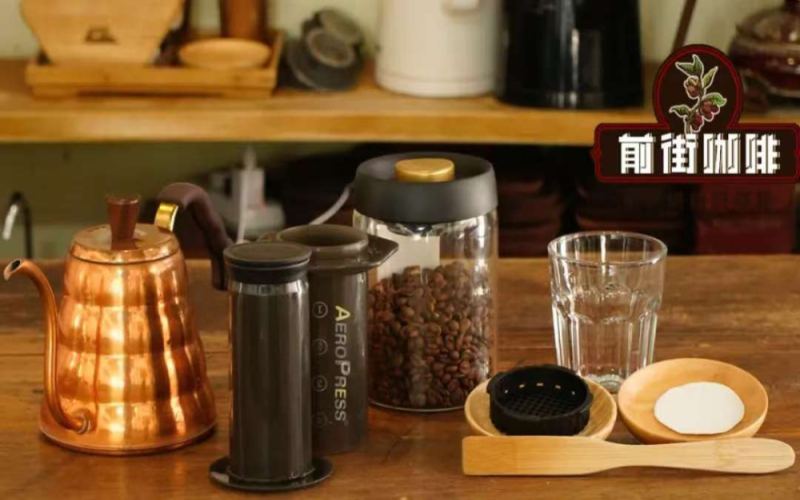
Coffee Brewing Equipment | What is an AeroPress? Where did the AeroPress come from? How can coffee beginners brew coffee with an AeroPress?
"Boss, the funnel you use for pouring beans looks pretty unique—where'd you buy it?" "It's just something that came free with the AeroPress." Only then did I remember that in a corner of Front Street Coffee, there was a long-dust-covered AeroPress. Its syringe-like shape makes it hard to imagine that it's a brewing device. There's even a dedicated AeroPress brewing competition, which [more…]
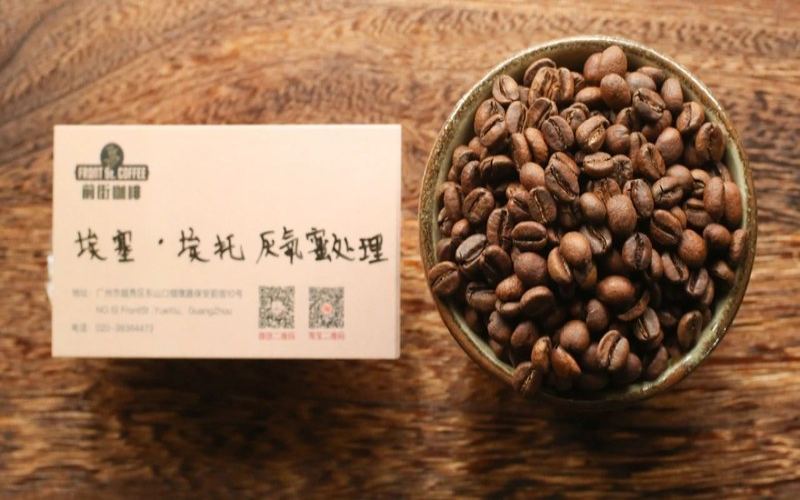
How to Choose Between Light, Medium, and Dark Roasts: Everyday Solutions with Three Great-Tasting Beans
If you want to drink coffee beans that suit your taste on a reasonable budget, roast level is a very practical starting point. Light roasts lean toward aroma and bright acidity, suited to those who want fruit, floral, and tea notes; medium roasts more easily balance sweetness, body, and smoothness; dark roasts put cocoa, nuts, and roasted notes at the forefront. First, figure out which kind of cup you prefer, [more…]

The grading system of Ethiopian coffee beans, the Yirgacheffe G1 and G2 grades.
We know that the grading method of coffee beans usually depends on the actual situation of the growing country, such as being divided according to the size of the coffee beans, like Kenyan coffee; being divided according to the altitude, like Blue Mo [more…]

From roast date to opening rhythm, this is how to enjoy coffee beans
After you bring coffee beans home, the flavor doesn't immediately settle into its ideal state. When roasting ends, carbon dioxide still remains inside the beans, and the aromas need time to reorganize. When beginners choose beans, they can first look at the roast date, then plan their drinking pace, so that every cup they brew stays in a stage that's relatively easy to recognize, rather than [more…]