







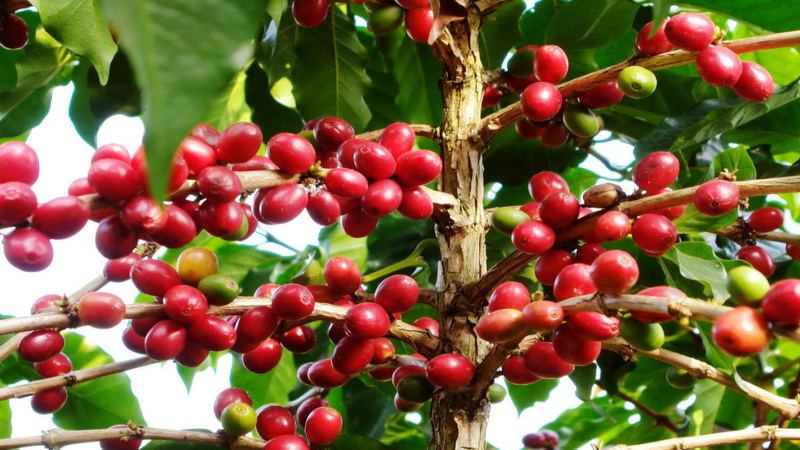
The African continent has always been renowned for producing high-quality coffee, with Ethiopia and Kenya standing out as the leaders. Kenyan coffee, with its full-bodied mouthfeel reminiscent of cherry tomatoes, bright fruity acidity, and balanced rich aroma, has won the affection of countless coffee lovers. This article will systematically cover Kenya's coffee-growing environment, historical development, main varieties (SL28, SL34, Ruiru 11), grading system (AA, AB, PB, E, C, TT, etc.), and the iconic K72 washed processing method, while also providing Front Street Coffee's brewing suggestions and flavor descriptions to help you gain a comprehensive understanding of the unique charm of this East African coffee powerhouse.
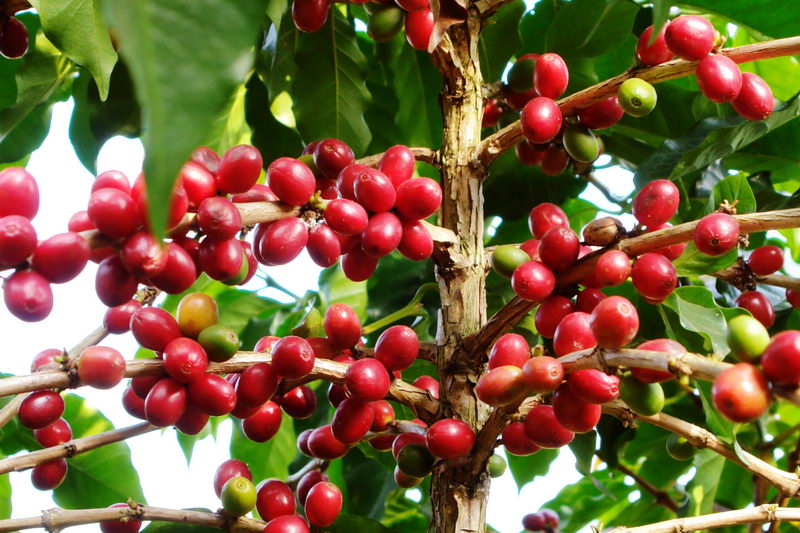
Africa has always held a pivotal position in the global coffee landscape, and the coffee produced on this land is often known for its floral notes and fruity acidity. Coffee has long been woven into the daily lives of Africans—from the remote areas of the East African Rift Valley to the nomadic life of the Maasai on the Masai Mara savanna, whether in cities or villages, the aroma of coffee can always be caught in the air. Follow the scent, sit down, and sip slowly, whiling away the long African days with a cup of coffee.
When it comes to African coffee, most people first think of Ethiopia, especially the iconic jasmine floral notes and citric acidity of washed Yirgacheffe, which are unforgettable. However, Kenya is equally noteworthy. Kenyan coffee fills the mouth with a full-bodied, cherry tomato-like texture and fruity acidity upon entry, and its balance between rich aroma and acidity has earned it worldwide fame, with many seasoned coffee enthusiasts holding a special affection for it.
Kenya Coffee Producing Country
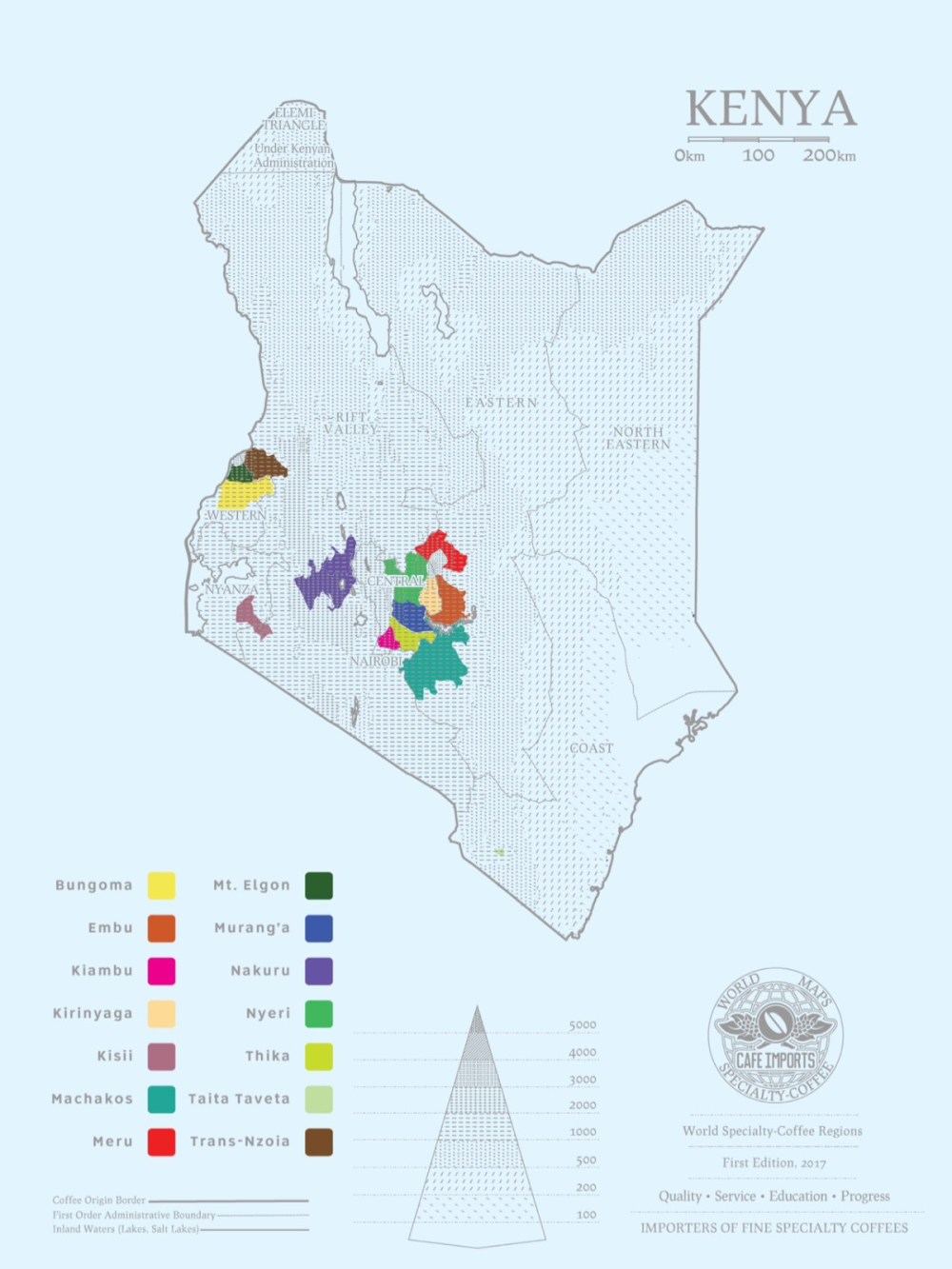
Although both are African coffee beans, Kenya's flavor is completely different from Ethiopia's, which is closely related to the local growing environment and climate conditions. Kenya is located in East Africa, with the equator passing right through its territory. It borders the Indian Ocean to the east, Ethiopia to the north, and Tanzania to the south, making it a significant coffee-producing power in East Africa and an irreplaceable important origin in the global coffee landscape. Kenya is a tropical producing region with two rainy seasons per year, allowing for two coffee harvests: about 60% concentrated from October to December, and the remaining 40% harvested between June and August. Coffee farms are mainly distributed in the volcanic zones at elevations of 1,600 to 2,100 meters from the capital Nairobi to the surrounding Kenyan highlands. Such altitudes are beneficial for the development of coffee bean flavor—lower temperatures in the highlands slow down coffee growth, allowing aromatic compounds to fully accumulate, resulting in more pronounced fruity acidity and harder bean density. This fertile, crescent-shaped coffee-producing region is the core source of Kenya's specialty beans.
Kenya Coffee History
Every coffee-producing country has its own history and legends. What is the story of Kenya's coffee development? In 1878, the British brought coffee to Africa, and coffee plantations were established in Kenya during the 19th century, when Ethiopian coffee beverages were introduced to Kenya via South Yemen. It was not until the early 20th century that Bourbon coffee trees were introduced to Kenya by the St. Austin Mission. After Kenya gained independence in 1964, the coffee industry continued to grow on the existing foundation and has now become a globally recognized high-quality coffee-producing country. Particularly notable is that Kenya established an auction system, successfully avoiding the exploitation of small farmers that plagued other coffee-producing countries—the so-called "fair trade coffee" evolved precisely from this.
Kenya Coffee Varieties
There are many coffee varieties, such as Arabica, Bourbon, Caturra, Catuai, and so on. In Kenya, common varieties include SL28, SL34, French Mission Bourbon, and Ruiru 11. The Kenyan coffee varieties selected by Front Street Coffee are also SL28 and SL34—what is the story behind these two varieties?
In the 1930s, the Kenyan government commissioned the newly established Scott Labs to select varieties suitable for domestic cultivation. After 42 initial selections were numbered and screened one by one, SL-28 and SL-34 were ultimately retained. The former originated from Bourbon, while the latter carries Typica lineage—the two do not belong to the same series. The original goal of breeding SL28 was to achieve both high yield and high quality with pest and disease resistance, but in some producing areas, the breeding focus was mainly on high yield and disease resistance, without considering quality.
Thanks to its Bourbon genetics, although SL28's yield fell short of expectations, its bronze-colored leaves and fava bean-shaped beans give it excellent sweetness, balance, and complex, varied flavors, with particularly prominent citrus and smoked plum characteristics. SL34's flavor is similar to SL28, also possessing complex acidity and a wonderful sweet finish, but with a softer mouthfeel than SL28 and higher cleanliness. SL34's lineage blends French Mission, Bourbon, and more Typica components, with bean appearance similar to SL28, and it is more adaptable to growing in rainforest environments.
Currently, SL28 and SL34 account for about 90% of Kenya's coffee production and are widely recognized as Kenya's representative varieties. South America is also actively introducing SL28.
Ruiru 11: In 1985, a large-scale global outbreak of leaf rust occurred, and against this backdrop Kenya developed a hybrid variety that emphasized yield over quality. Its flavor is far inferior to SL28 and SL34, so it has not gained traction in the specialty coffee sector. However, many importers of famous coffees still blend this hybrid bean into their blends to lower costs.
Kenya Coffee Grading
There are many ways to grade coffee beans, and standards vary from country to country—some by size, some by altitude, some by defect rate... So what is Kenyan coffee graded by?
Kenya has implemented a strict grading system since the 1930s, mainly based on bean size, shape, and hardness, ranking from highest to lowest as AA or AA+, AB, PB, C, E, TT, T. This can be used as a reference when selecting, and flavor performance is also considered. Currently, the most common grades on the mass market are AA, AB, and PB. Kenya AA is world-renowned for its rich aroma and balanced acidity, and is deeply loved by many coffee connoisseurs.
E (Elephant Bean): The "E" here stands for "Elephant," but it is not the Elephant variety among coffee species—rather, it is an abnormal development phenomenon where two seeds intertwine with each other, forming what appears to be a single oversized bean, essentially a defect. Normally, a fruit contains two seeds pressed face to face, so one side is flat, called a flat bean, female bean, or two-sided bean. Grade E occurs when two seeds fuse together during growth, becoming abnormally large. Grade E beans are approximately 18 screen sizes (one screen is 1/64 inch) or larger, and are extremely rare.
AA: Beans of this grade are approximately 17 to 18 screen sizes (about 6.7 to 7.1 mm), and it is the most commonly mentioned grade in Kenyan coffee classification. In the specialty coffee sector, it is often called AA TOP, and it is the product most coffee shops promote. However, AA does not mean the best quality—it merely reflects bean size and should not be confused with flavor.
AB: The majority of coffee beans fall into this grading range. It is called AB because Grade A screen holes are 6.80 mm and Grade B are 6.20 mm, and these two sizes of beans (Grade A and Grade B) are mixed together and sold, hence AB, with sizes of approximately 15 to 16 screen sizes (about 6.0 to 6.4 mm).
C: Bean size is approximately 14 to 15 screen sizes (about 5.6 to 6.0 mm), slightly smaller than Grade B.
PB: Stands for Peaberry, often called small round bean in Taiwan, also known as male bean or single-sided bean. Compared to regular flat beans, PB is also quite rare, accounting for about 10% of all coffee beans. The main cause is that only one seed develops fully within the fruit, resulting in a small, round bean. Some people particularly favor the flavor of PB, so it is specially sorted out and sold separately.
TT: These coffee beans are light beans sorted from AA and AB grades by air separators. They are typically lighter in weight, fail to meet hardness standards, and have cracks and defects.
Kenya Processing Method
Front Street Coffee's Kenyan coffee uses the washed processing method [Washed Kenyan Coffee Beans—Asali].
This bean comes from the Asali processing plant in Kenya's Thika producing region. The Thika region is located in central Kenya and has the highest-altitude coffee-growing area in the region, and Thika is a sub-region within this growing area, situated at the foot of the Aberdare Range, with red volcanic soil rich in organic matter. The processing plant uses the K72 washed processing method, which imparts a brighter, cleaner, and fuller flavor to the coffee.
Kenyan-style 72-Hour Fermentation Washed Processing Method
This processing method originated in Kenya and uses a repeated cycle of fermentation followed by washing. Processing begins on the day of harvest, selecting the finest cherries for pulping and fermentation. The fermentation lasts 24 hours, after which the beans are rinsed with clean river water. Then they are fermented again with clean river water for another 24 hours, rinsed again, and this cycle is repeated three times, totaling 72 hours. Hence the name Kenyan-style 72-hour fermentation washed processing method, or K72 for short.
After such processing, are you already eager to have a cup of Kenyan coffee? Of course, to brew a good cup, Front Street has some brewing suggestions:
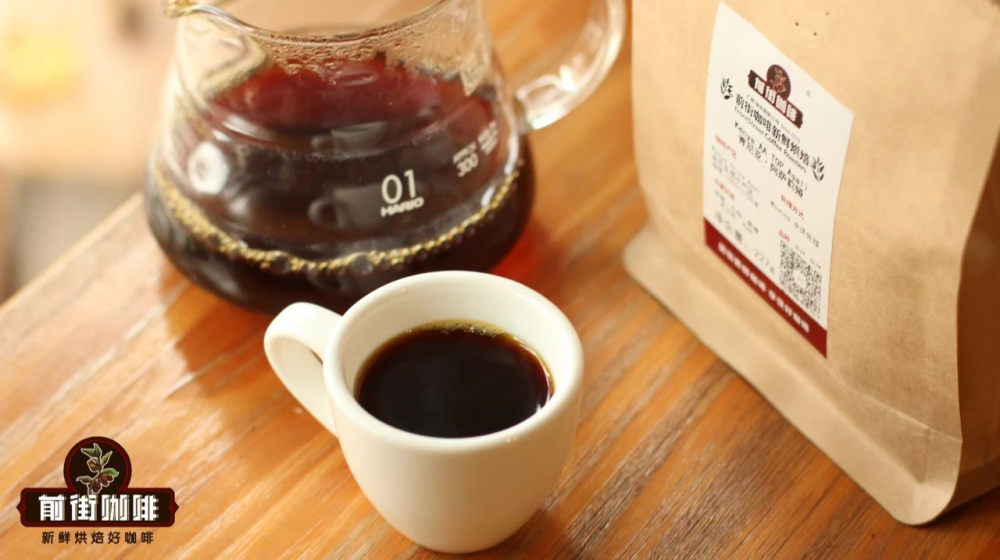
To enjoy a delicious cup of coffee, Front Street believes that the freshness of coffee beans is a crucial factor—only fresh coffee beans can maximize the expression of rich flavors. The coffee beans shipped by Front Street Coffee are all within 5 days of the roast date, because Front Street deeply understands the impact of freshness on flavor. Front Street's roasting philosophy is "Freshly roasted good coffee," ensuring that every customer who places an order receives the freshest product when the coffee arrives. The resting period for coffee is about 4 to 7 days, so by the time customers receive it, it is at its optimal flavor state.
Of course, some customers need Front Street to help grind the coffee, which is perfectly fine, but Front Street must remind you: once coffee beans are pre-ground, they no longer need resting, because the pressure from carbon dioxide inside the packaging during transit also smooths out the coffee's flavor, so you can brew a cup immediately upon receiving the ground coffee. However, ground coffee needs to be brewed as soon as possible, because after grinding, exposure to air accelerates oxidation and flavor dissipates more quickly, making the coffee taste less ideal. Therefore, Front Street recommends buying whole beans and grinding fresh for each brew, so you can better savor the coffee's flavor.
Front Street's Brewing Parameters for Kenyan Coffee:
Front Street uses a V60 dripper, water temperature 90°C, water-to-coffee ratio 1:15, 15 grams of coffee, grind size with 80% passing through a Chinese standard No. 20 sieve.
A staged extraction is used: first, bloom with twice the coffee grounds' weight in water, i.e., 30 grams of water for 30 seconds. The purpose of blooming is to allow the coffee grounds to release internal carbon dioxide, making the subsequent extraction more stable. Then pour in a circular motion with a slow stream until reaching 125 grams, pause, continue pouring until 225 grams, stop, and remove the dripper after the water has dripped through. Timing starts from the beginning of pouring, with a total extraction time of 2 minutes 00 seconds. Finally, swirl the entire cup of coffee to mix, pour into a cup, and enjoy.
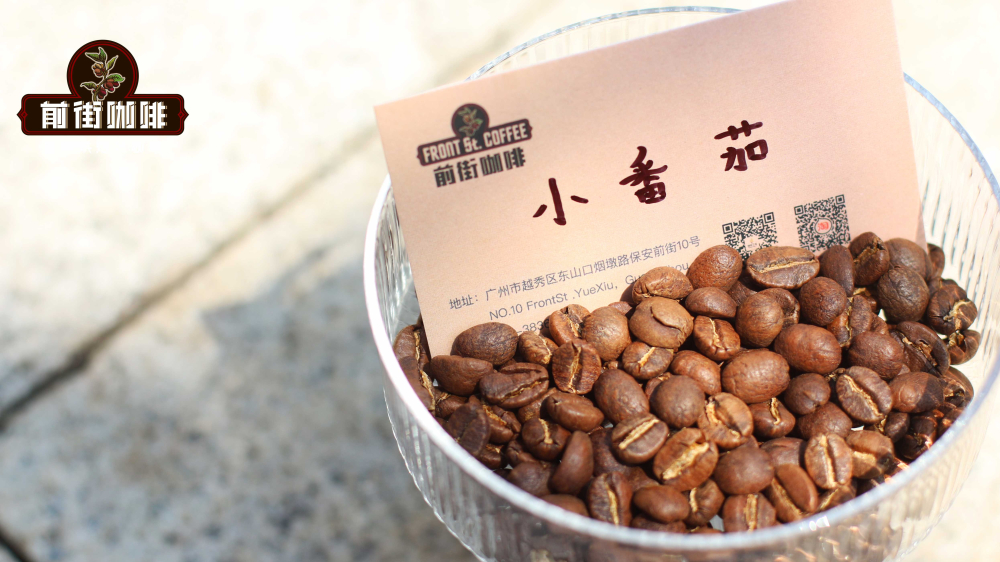
[Front Street Washed Kenya Little Tomato]
It smells of faint jackfruit aroma, floral notes, and pine wood. On the palate, it presents acidity of smoked plum, lemon, citrus, and cherry tomato, with a caramel finish and a juicy texture.
If you are used to drinking Ethiopian washed Yirgacheffe, then trying a cup of Kenyan coffee will surely make you feel that the two are on completely different levels—one fresh and bright, the other rich in fruity acidity and full in aroma, offering a completely different experience. Of course, Front Street also has over fifty single-origin coffee beans from different producing regions, enough to bring you a rich and diverse taste experience.
For professional coffee knowledge exchange and more coffee bean information, please follow Coffee Workshop (WeChat public account: cafe_style)
For more specialty coffee beans, please add the private WeChat of Front Street Coffee: qjcoffeex
The above content is compiled by CoffeeHunters, a coffee news website.


