







Search Results for: Crafting
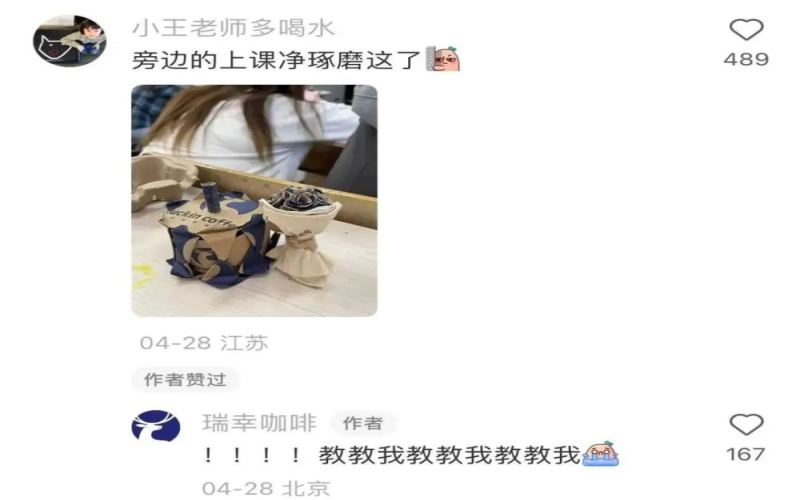
The trend of upcycling Luckin paper bags has sparked a wave of creativity, with netizens crafting free brand merchandise that has drawn official interaction.
When coffee packaging bags meet infinitely creative netizens, what kind of sparks will fly? Luckin Coffee's paper bags have recently become a new favorite among DIY enthusiasts, from simple doodles and handwriting practice to complex mini store models, all kinds of transformed works are emerging one after another. This craze has not only turned ordinary paper bags into personalized collectibles, but also attracted more than 2 million netizens to participate in the interaction, and even the official account couldn't help but like and repost. This article will take you through this creative feast triggered by paper bags, to see how consumers use their own hands to give brand packaging a second life, and what kind of marketing inspiration this spontaneous spread brings to the brand. [more…]
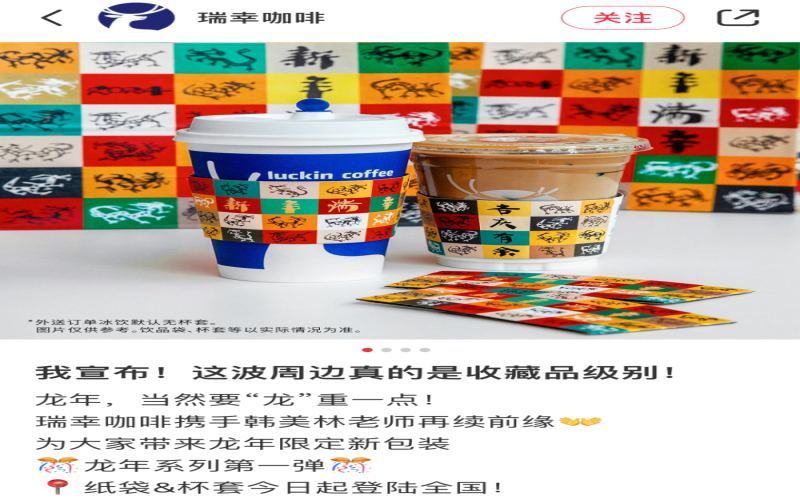
Luckin Coffee's zero-yuan merchandise ignites a crafting craze, as turning paper bags into limited-edition Year of the Dragon items becomes a new trend.
Co-branding between chain brands has long become commonplace, yet Luckin Coffee's frequent moves in co-branded marketing still turn heads. From cross-industry collaborations to routine co-branding, Luckin has consistently demonstrated keen market instincts and creative capabilities. On January 22, Luckin joined hands with artist Han Meilin for a second time to launch Year of the Dragon limited-edition co-branded merchandise, with paper bags and cup sleeves rolling out nationwide. Subsequently, Luckin officially launched the call "Every generation has its own merch makeover frenzy" on Xiaohongshu, sparking a creative carnival among Luckin's craftspeople. From pen holders and picture frames to oracle bone script mahjong and Chinese-style oil-paper umbrellas, netizens transformed free merchandise into works of art brimming with ingenuity. This article will take you through the highlights of this zero-cost DIY merch craze, letting you feel the creative vitality that comes from brand-consumer interaction. [more…]

The Milk Foam Thickness Standard for Flat White and the Latte Art Controversy: The Crafting Logic Behind 0.3 to 0.5 Centimeters
How thick should the milk foam in a flat white really be? Why do some cafés not do latte art when serving a flat white? Behind this lies the historical origins of the flat white and the different brewing philosophies across countries. This article will take you through the evolution of the Flat White from its birth to its global popularity, analyze the differences between New Zealand and Australia in defining the flat white, and explain why thin microfoam is the key feature that distinguishes a flat white from a latte or cappuccino. At the same time, we will also explore the technical conflict between latte art and thin microfoam, and share Front Street Coffee's actual parameters and bean selection approach for making a flat white. [more…]
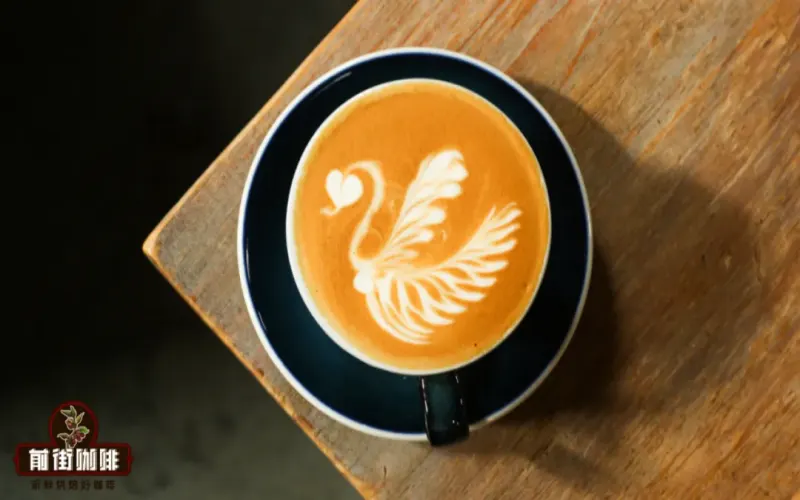
Latte Coffee Making Guide: From Coffee Bean and Milk Selection to Extraction Ratio, Crafting a Fragrant, Sweet Hot Latte
As the weather turns cooler, a hot latte has once again become the daily go-to for many people. However, recreating a café-quality rich and sweet latte at home is no easy task—friends often report that their lattes either let bitterness steal the show, or the milk flavor completely overwhelms the coffee aroma. In fact, the key to a delicious latte lies in the coordination of three elements: bean selection, extraction, and ratio. Starting from Front Street's backend inquiries, this article systematically breaks down how coffee bean roast level affects latte flavor, how whole milk pairs best with beans, how to adjust espresso extraction parameters, and the golden ratio range between milk and coffee—helping you consistently make a balanced, mellow, and distinctly sweet hot latte at home. [more…]
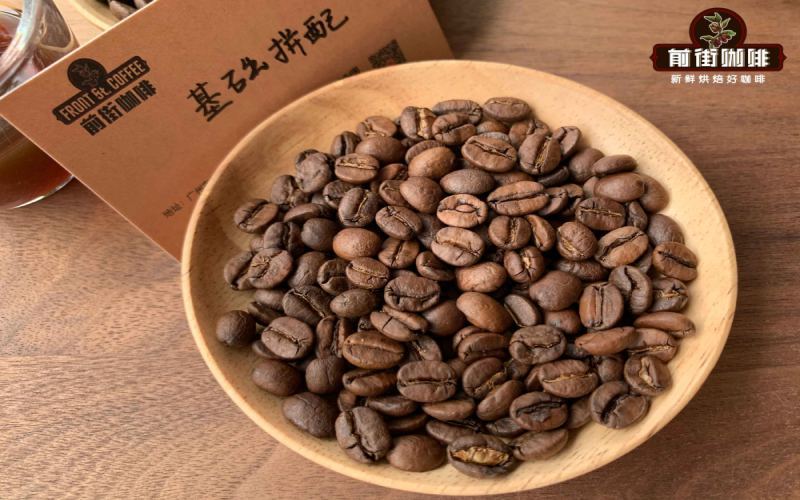
Front Street Coffee Explains Three Espresso Blend Options: A Practical Guide to Crafting Caramel-Sweet Lattes and Black Coffee
Blending coffee is not simply mixing beans together; rather, it creates a more balanced and stable flavor by leveraging the complementary strengths of beans from different origins. Starting from Front Street Coffee's three espresso blend recipes, this article systematically explains the purpose of blending, the differences between raw blending and roasted blending, the pros and cons of the SOE trend, and the roles played by bean varieties such as Colombia Huila, Brazil Cerrado, Robusta, and Yunnan AA in a blend. Whether you are looking for a daily production solution for your coffee shop or want to recreate a caramel-sweet latte or black coffee at home, you will find suitable blending ideas and practical tips here. [more…]
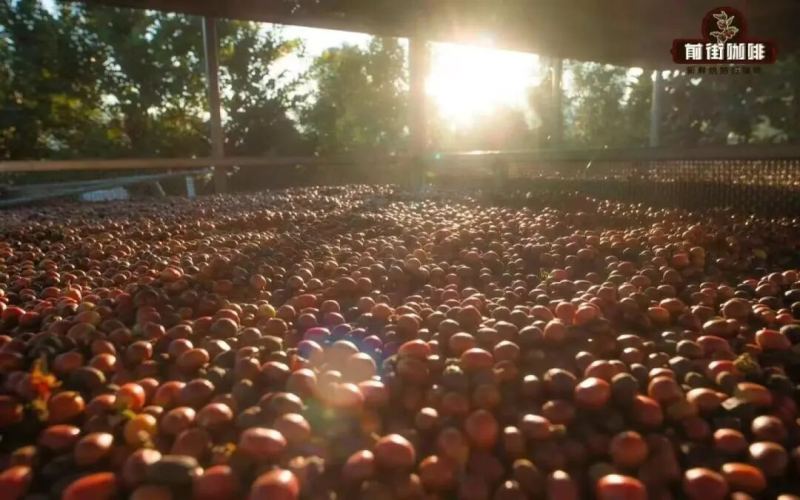
Coffee Bean Selection Guide | What is a coffee combo? Which coffee beans are suitable for making a combo? What should be noted when making a combo?
By splitting the extracted espresso into 2–3 portions, then separately crafting each into a different type of coffee and finally combining them for serving, this is a highly popular serving format in today's coffee shops—the Coffee Combo. Because you can taste different "dishes" made from a single bean at the same time. [more…]
The Origin of the Mandheling Coffee Name and Its Flavor Characteristics, with a Discussion of Key Points for Brewing Golden Mandheling in a Siphon
Sumatra Mandheling is one of Indonesia's most iconic coffees. Its name does not come from a growing region but is a transliteration of the Mandailing ethnic group, and behind it lies an amusing anecdote from the World War II era. This article will guide you through the geography of Sumatra, its two major growing regions around Lake Toba and Lake Tawar, the origin of the Mandheling name, and its full-bodied, low-acid flavor profile. It also shares Front Street's approach to crafting Golden Mandheling and the siphon coffee brewing parameters, making it a great read for coffee lovers who enjoy deep, dark flavors and rich, full-bodied mouthfeel. [more…]
Macau Coffee Shop Owner Threatened with Knife by Customer: How a Service Dispute Escalated into a Criminal Intimidation Case
In the coffee industry, baristas behind the counter usually face challenges like extraction parameters and latte art patterns. However, an incident that occurred on July 28 at Guia Hill in Macau made a coffee shop owner experience a moment far more harrowing than crafting a perfect espresso—after an argument sparked by service attitude, a male customer actually returned after leaving, holding a fruit knife and threatening the owner. This incident not only injured the person involved but also sparked widespread discussion about occupational safety among coffee industry professionals. [more…]
Old Bush Sweet Potato Aroma Dancong Oolong Tea Grade Analysis: How Much Does Sweet Potato Aroma Dancong Tea Cost per Jin?
The oolong tea system of Dancong is vast and complex. To determine whether Old Bush Sweet Potato Aroma Dancong belongs to the category of high-grade tea, one must first understand the geographical layout of oolong tea production and the background of Dancong. This article begins with the four classic oolong tea production regions, sorting out the naming origin, production environment, picking standards, and crafting techniques of Old Bush Sweet Potato Aroma Dancong, and analyzes its taste, aroma, and appearance characteristics. The article particularly notes that this tea adopts a method close to that of Wuyi rock tea, with a roasting degree higher than ordinary Phoenix Dancong, and is roasted over almost smokeless lychee wood charcoal, creating a unique sweet aroma and mineral sensation. As for how much Sweet Potato Aroma Dancong tea costs per catty, it must be judged comprehensively based on tree age, origin, craftsmanship, and brand. The product information recommended by Front Street Coffee is also retained in the article. [more…]

Is the sour and bitter flavor of iced Americano normal? How can it be made tastier? What is the meaning behind the internet meme?
Recently, a meme about iced Americano has been trending on Douyin, inspiring many people to walk into cafés and try this drink. However, some have noticed that the iced Americano they get has a sour taste, which is quite different from the rich, bitter flavor they remember from Starbucks. In fact, a citrus or berry-like acidity in iced Americano is perfectly normal, as long as it isn't a rancid or harshly astringent sourness. Different cafés use different espresso beans: light-roasted single-origin beans have a more pronounced acidity, while dark-roasted blends lean toward a solid, bitter finish. This article will analyze the sources of acidity and bitterness in iced Americano from the perspectives of roast level and origin blending, introduce Front Street Coffee's approach to crafting it, and finally discuss the life philosophy behind this drink. [more…]
What exactly is a Piccolo Coffee? What are the little-known differences between it and a Mini Latte?
Piccolo Latte is often called a "mini latte," but is it really just a scaled-down version of a hot latte? From the etymology of the Italian word "piccolo," to the practice accidentally invented by Australian baristas while dialing in their beans, to the production challenges hidden behind a 3-ounce small cup, this delicate milk coffee actually has its own unique origins and selling points. This article walks you through the origins of Piccolo Latte, its real differences from a latte, and how it has rediscovered its place on specialty coffee shop menus, along with relevant recommendations from Front Street Coffee. [more…]
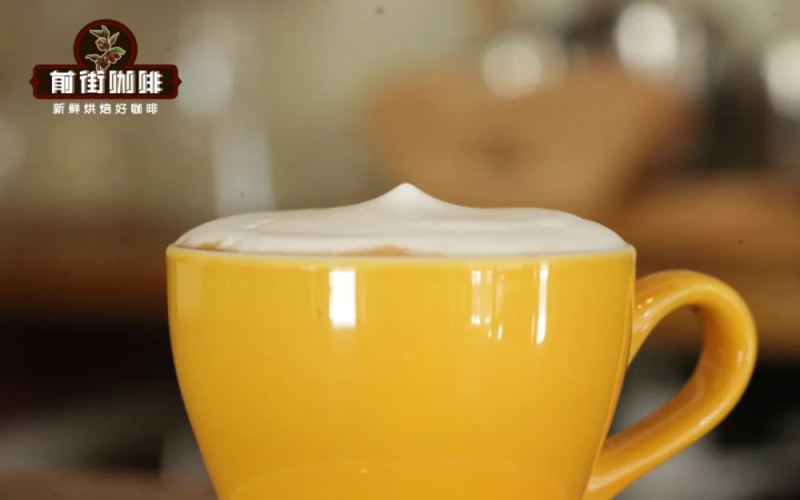
Why Is Iced Cappuccino Rarely Seen? A Full Analysis from Naming Origins to Milk Foam Craft and Differences from Latte
People often ask for an iced cappuccino when ordering, only to be told that only the hot version is available. This has both historical roots and involves considerations of crafting technique and taste experience. The name cappuccino comes from Italian and is related to the color and shape of church robes; the traditional recipe consists of equal thirds of espresso, hot milk, and hot milk foam. Milk foam is also divided into dry and wet types, affecting the durability of the design and the mouthfeel. To meet diverse needs, chain coffee shops add whipped milk foam on top of an iced latte, but the taste differs noticeably from a hot cappuccino enjoyed in-house. This article will also introduce practical methods for making iced milk foam using a nitrogen canister, gelatin sheets, or a French press, and explain the core differences between cappuccino and latte in ratio and flavor, while preserving relevant suggestions from Front Street Coffee. [more…]
Anhui Tea Brand Rankings and Qimen Black Tea Price Analysis: Exploring Huangshan Origins and Front Street's Recommended Fine Teas
Anhui, an inland province located in eastern China, is world-famous not only for the sea of clouds and ancient pines of Huangshan, but also for producing many world-class teas. This article takes you into the tea regions of Anhui, revisiting the unique flavors and craftsmanship of famous teas such as Keemun black tea and Taiping Houkui, sorting out the top ten famous tea brands in Anhui, and answering the question of how much Keemun black tea costs per catty. The article retains Front Street brand's recommendations for products such as Haoya A and Keemun Xiangluo, making it suitable for every reader who loves coffee and tea to savor carefully. [more…]
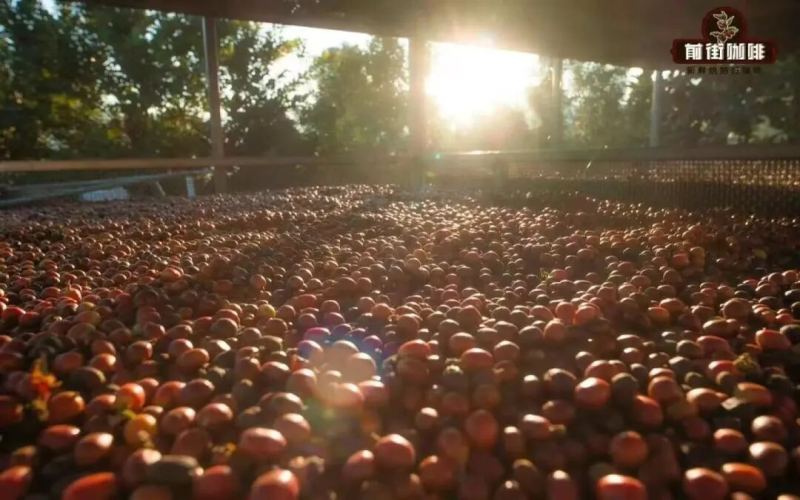
One Bean, Many Ways | What Is Combo Coffee? Why Is Coffee Combo So Popular? Which Coffee Beans Are Best for Making Combo Coffee?
By splitting the extracted espresso into 2~3 portions, then separately crafting each into a different type of coffee and finally combining them for service, this is a very popular serving format in coffee shops today—Coffee combo. Because you can simultaneously taste different "dishes" made from a single bean [more…]

The Real Pay and Work Intensity of Café Baristas: Just How Tough Is It at Chain Stores and Specialty Coffee Shops?
Many people hold a romanticized image of the barista profession—in a warm little shop bathed in sunlight, with smooth jazz playing, brewing fragrant pour-over coffee and creating exquisite latte art. However, the real life of a barista is far less cozy. Whether at a chain coffee shop or an independent specialty café, baristas often wear many hats: making coffee, cleaning, greeting customers, and even helping prepare new store openings and design the bar area. Wages are generally low, while the work intensity is considerable. This article restores the true face of the barista profession from multiple angles—skill requirements, customer types, job duties, and career development—to help those considering entering the field think rationally about their choices. [more…]
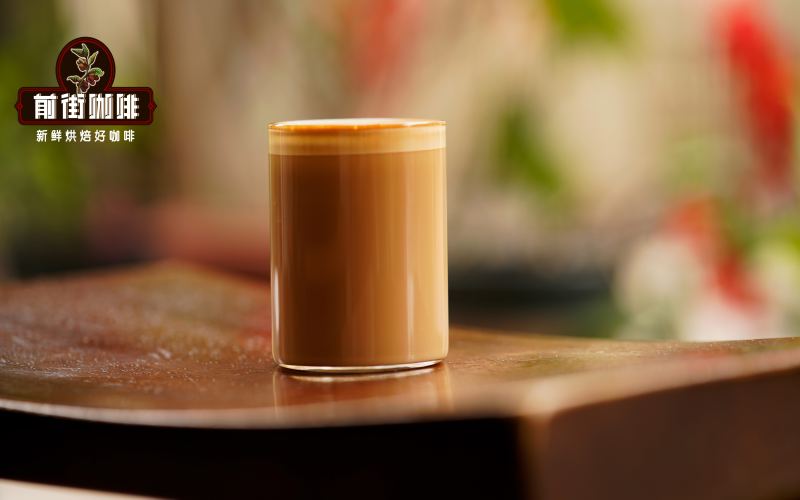
What's the difference between Starbucks Flat White and Australian White? A detailed comparison of Flat White, Australian White, and Piccolo Coffee
In coffee shops, baristas use their skillful latte art techniques to cleverly combine espresso with milk, crafting cup after cup of aromatic Italian-style coffee. Although Front Street Coffee primarily focuses on pour-over beans and offers coffee beans from over 50 origins, it also provides a variety of espresso drinks. Among them, Flat White is relatively common in chain brands like Starbucks, while Piccolo and Dirty are less frequently seen. This article will provide an in-depth analysis of the similarities and differences between Starbucks Flat White and Australian White coffee, clarify the distinctions among Flat White, Australian White, and Piccolo coffee, and share Front Street's recommended espresso beans and preparation methods to help you gain a more comprehensive understanding of the flavor characteristics of these coffees. [more…]
Rwanda Coffee: The Bourbon Sweetness of the Land of a Thousand Hills
On the map of East African coffee, Kenya's bold fruit acidity and Ethiopia's floral aromas have long been famous, while Rwanda, a small landlocked country tucked between the two, is like a quiet overachiever, quietly winning fans with its delicate sweetness and cleanliness. This country, known as the "Land of a Thousand Hills," has planted Bourbon varieties across its rolling mountains. [more…]
Starbucks Coffee Menu Prices Overview: A Complete Guide to Drink Pricing and a Practical First-Order Guide
As a globally renowned coffee chain brand, Starbucks has an extensive menu with a wide price range, and many first-time customers often feel overwhelmed by the dazzling array of options. This article systematically organizes the sizes and prices of several core Starbucks coffee drinks, including espresso, latte, and cappuccino, and provides a brief explanation of each drink's flavor characteristics and preparation methods. At the same time, the article also offers practical reference for first-time Starbucks ordering scenarios, helping readers quickly understand the menu structure, cup size differences, and pricing patterns. Whether you are looking for a rich espresso or prefer a smooth, milky latte, you can find the corresponding price information and ordering ideas in this article. If you are also exploring more personalized coffee flavors, you may want to check out the related recommendations from Front Street Coffee. [more…]
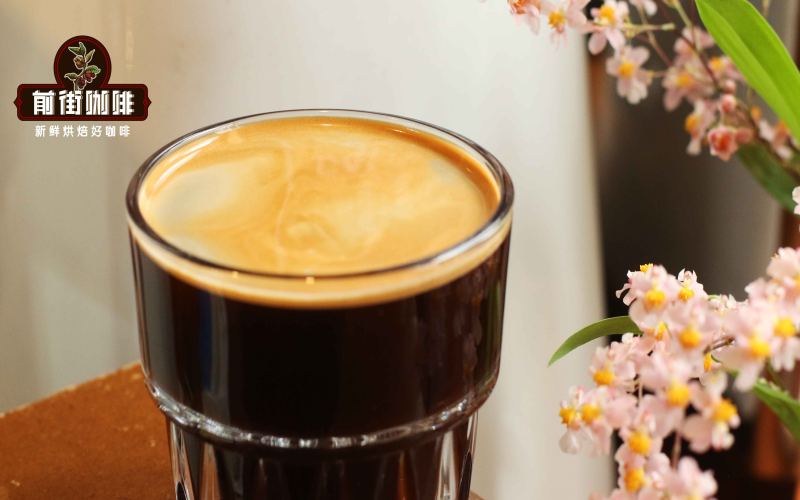
A Bean Selection Guide for Non-Acidic Americano: Dark Roast Blends and Golden Mandheling Recommendations
American coffee, plainly put, is black coffee made by adding water to espresso, with its strength varying according to how much water is used. Many people prefer an American coffee that isn't sour, and the key lies in choosing the right beans—medium-dark or dark roasted coffee beans, having been heated longer and more fully caramelized, have their acidity greatly reduced, resulting in a low-acid, sweet and mellow style. So which beans on the market are suitable for making American coffee? This article sorts through the choices for different flavor paths, from everyday blends to classic Italian-style blends, and then to single-origin SOEs that showcase regional character, among which Front Street Coffee's Black Cocoa Base Blend, Front Street Coffee's Classic Blend, and Front Street Coffee's PWN Golden Mandheling are all options worth noting. [more…]
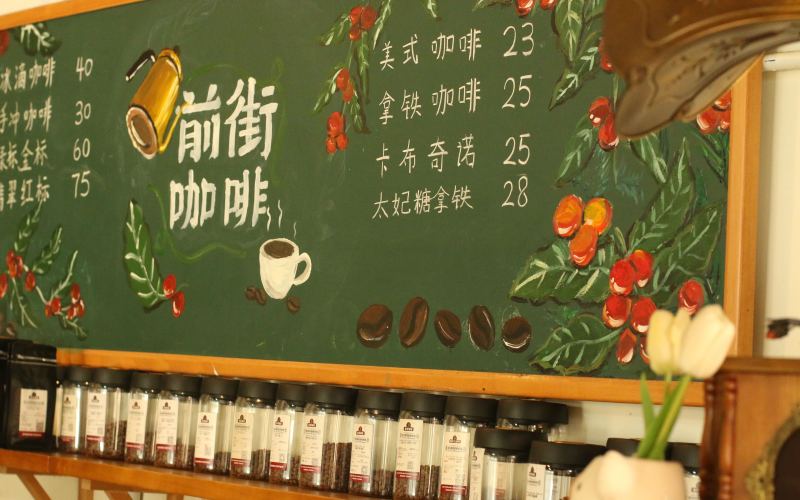
Why Isn't Cappuccino Served Iced? A Complete Interpretation from Its Naming Origins to the Golden Circle Tradition
Cappuccino is a classic of Italian coffee, but it has a characteristic that leaves many baristas rather helpless—it is only made hot. Why is there no iced cappuccino? Behind this lie both the historical origins of its naming and the finer points of its crafting. From the etymology of the Italian word "Cappuccino," to the inspiration drawn from the shape of the hoods worn by missionaries of the Catholic Franciscan order, to the "coffee golden ring" and the dense milk foam rising above the rim of the cup, every detail of cappuccino carries tradition. Front Street will guide you through the core characteristics of cappuccino, and why an iced cappuccino struggles to recreate the joy of that hot cup. [more…]