







Search Results for: Coffee Shop

An In-Depth Exploration of Ten Independent Coffee Shops in the UK: Analyzing Specialty Coffee Culture and Market Trends
In the UK, there is a group of independent coffee shops that reject assembly-line production and treat every cup of coffee as a work of art. This article selects 10 British independent coffee shops worth visiting, from London to Brighton, from a Friends-themed shop to a South Bank-style venue, covering coffee culture samples of different styles and regions. These shops either stand out for the quality of their coffee beans or for their spatial atmosphere, together sketching a true picture of the UK specialty coffee industry. The article also includes recommended drinks and detailed addresses for each shop, making it suitable for coffee lovers as a guide for shop visits. Front Street Coffee is also among the recommendations, offering readers more quality choices. [more…]
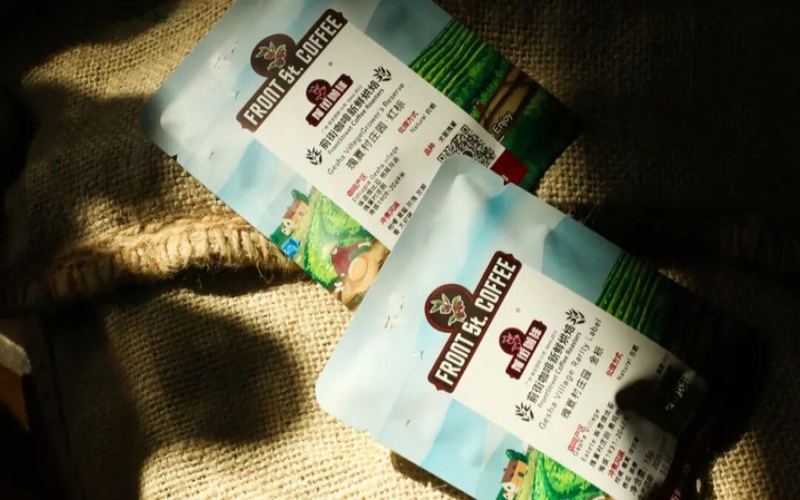
Coffee bean recommendations for opening a shop: roast level determines your menu's character
The roast level of coffee beans directly shapes a shop's flavor impression. Light roasts more easily bring out floral, fruity, citrus, and tea notes, making them ideal for highlighting a region's character; medium roasts tend to balance sweetness, acidity, and body, giving them broad menu versatility; dark roasts, meanwhile, build familiarity through cocoa, nut, and roasted aromas. When choosing beans for a shop, you can start with [more…]
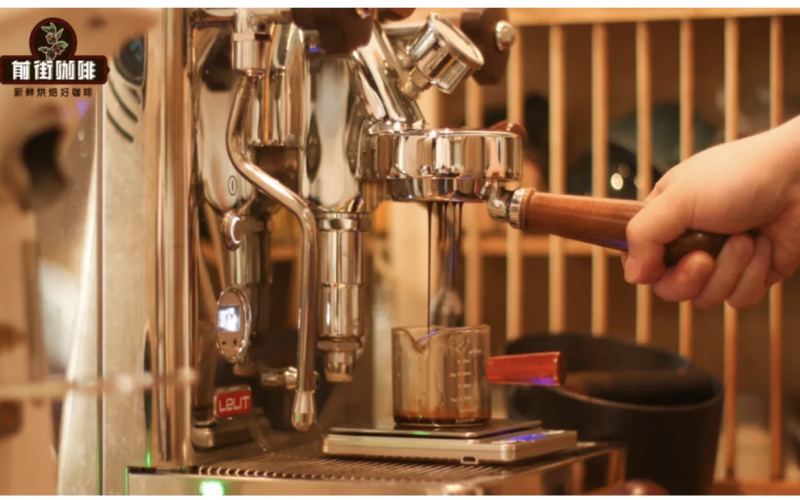
How to Choose Commercial Beans for a Coffee Shop? Black Cocoa Blend vs. Commercial Blend Comparison
Opening a coffee shop—beans are a very important part of the cost structure. Choose well, and your output stays consistent and customers are satisfied; choose poorly, and either costs spiral out of control or your reputation takes a hit. Front Street Coffee has two common commercial beans: Dark Cocoa Blend and Commercial Blend. Both focus on value for money, but their positioning is slightly different. Today we put them side by side [more…]
Coffee bean recommendations for opening a shop: balancing budget and drinking frequency
When selecting coffee beans for opening a shop, you can set the complex information aside for now. For everyday bean purchases, you need to consider how quickly you'll drink them, how much to buy at once, and whether your home mainly makes black coffee or milk coffee. Start with these two sets of differences—light versus rich, and black coffee versus milk coffee—then look at the roast date and processing method, and your judgment will be more in tune with daily life. [more…]

Coffee Shop Espresso + Pour-Over Dual-Line Bean Selection Plan
A well-established coffee shop usually needs to manage two product lines simultaneously: the espresso line and the pour-over line. The espresso line handles daily cup volume and revenue, while the pour-over line showcases professionalism and increases the average transaction value. The two lines use different bean strategies, but both require careful configuration. Espresso line: stable output, controlled costs, memorable highlights [more…]
Bean pairing ideas for a coffee shop's espresso line
An espresso line at a coffee shop typically accounts for over 70% of total drink output. The quality of core beverages like Americano, latte, cappuccino, and Dirty largely depends on whether the right beans are chosen. The mature approach to bean selection for an espresso line is a "base blend + specialty blend" combination: one stable base bean to support [more…]
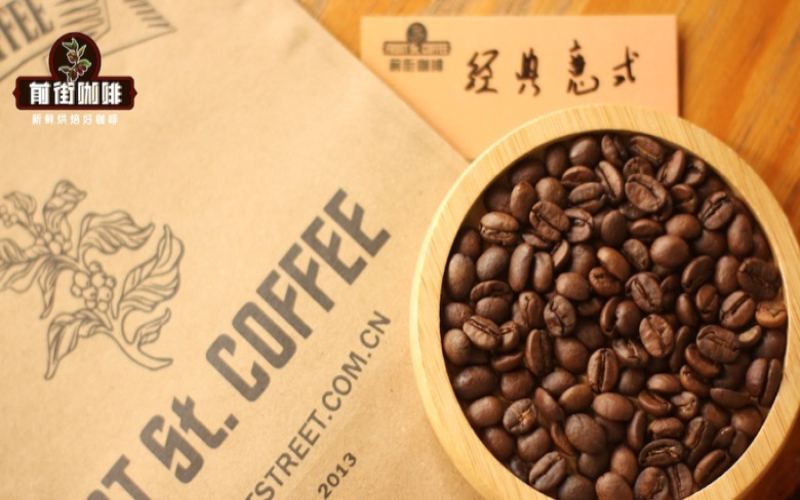
Discussing Commercial Espresso from a Menu Structure Perspective: How a Shop Should Establish Its Base Bean
Looking at a coffee shop's bean list tells you a lot about how that shop thinks. Some shops have very long lists, packed with single origins, blends, and limited releases; others carry only one or two espresso beans year-round, yet make every cup solid. For most cafes, the core of a commercial espresso bean list isn't quantity—it's staying power—one [more…]
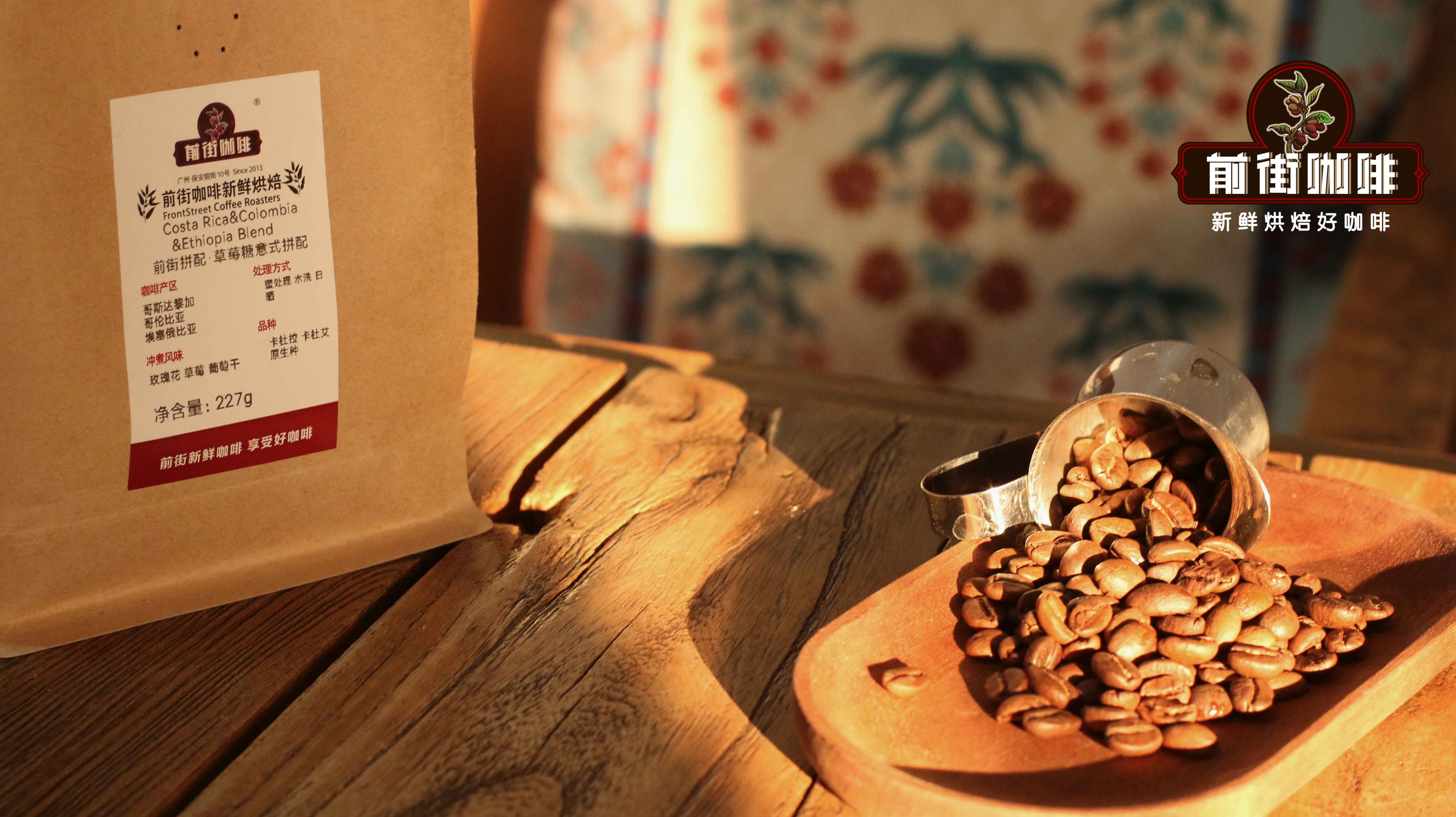
Commercial Espresso Blend Beans Roundup | What Are the Advantages of Using Blend Beans for Espresso Extraction? Recommended Great-Tasting, Not Bitter, High-Value Espresso Beans for Opening a Shop
A well-balanced espresso can enhance the flavor of Italian coffee. To create an espresso with balanced acidity, body, and sweetness, you must start with choosing the right coffee beans—or rather, start with blending different coffee beans. Although single-origin coffees are very popular in pour-over coffee, they often lack [more…]

The Evolution Path of Commercial Base Beans: How to Upgrade Step by Step from Chain-Style to Specialty Blends
Those who have opened a shop and look back at their base beans will find a clear evolutionary line. Most people start with chain-style dark-roast blends, and after a year or two, the beans on the bar gradually shift toward medium roasts and specialty blends. This isn't fickleness of taste—it's that as a shop grows to different stages, the questions the base beans need to answer also [more…]
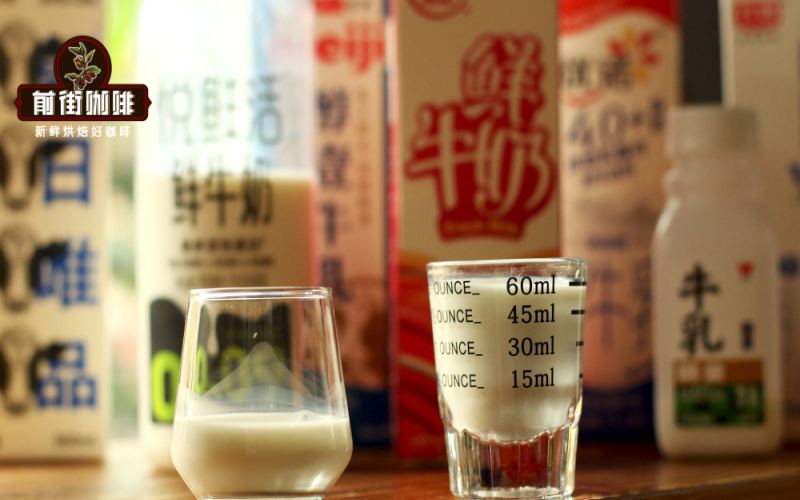
Espresso Bean Selection Guide | What Milk Pairs with Classic Espresso? Which Espresso Coffee Beans Are Recommended for Coffee Shop-Style Espresso?
Many people may not know that making an ideal espresso requires a good deal of effort, including selecting coffee beans, resting the beans, and extraction—every one of these aspects must be ensured without fail, as missing even one link may prevent you from making a rich and aromatic Italian-style coffee. Next, let's start with the first and most important point. [more…]
The Cafe Owner's Espresso Bean Shopping List: How to Pair Four Blends for Maximum Peace of Mind
For opening a coffee shop, espresso beans are the ingredient used in the largest quantity and have the greatest impact on product consistency. Choose wrong, and either costs spiral out of control or your drinks lack distinction; choose right, and a single machine can support most of the menu. Today, from the perspective of a shop owner, let's clearly explain the positioning and pairing plans for Front Street Coffee's four espresso blends. First, let's clarify: [more…]
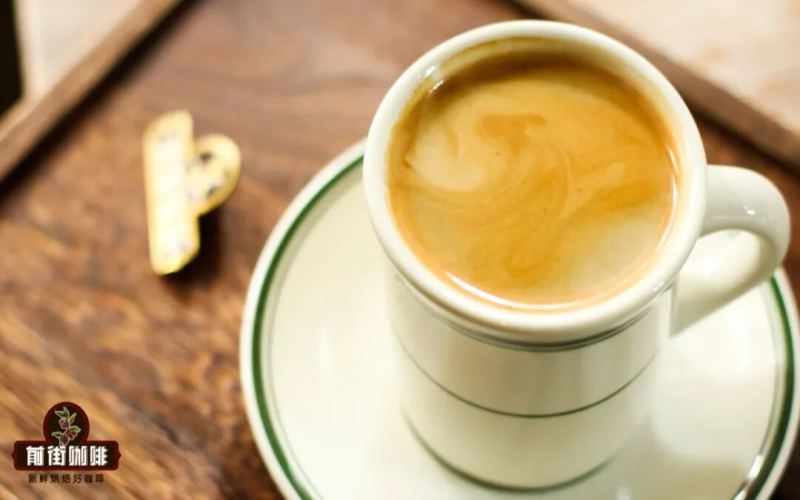
Espresso Coffee Brewing Methods | Why Is an Iced Americano from a Coffee Shop Warm After Removing the Ice? How Do You Make a Delicious Ice-Free Americano?
I wonder if any of you have ever ordered an "iced Americano without ice" at a coffee shop. If you have, then Front Street believes you were most likely puzzled by the coffee that was served. Why? Because the iced Americano without ice made by the vast majority of coffee shops differs somewhat from what you'd imagine. Regarding iced Americano without ice, what you'd imagine is [more…]
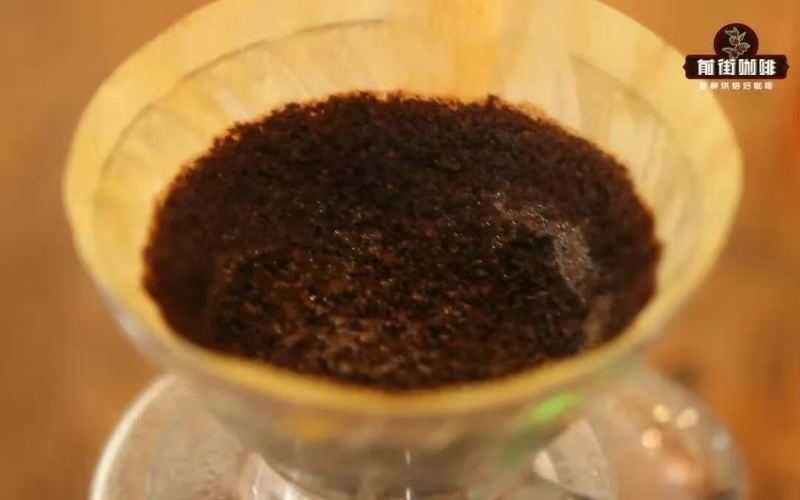
Coffee Shop Pour-Over Line Bean Configuration Plan
Compared to the espresso line, the pour-over line may not have as high a volume of cups in a coffee shop, but its value lies in: showcasing the store's professionalism, attracting coffee enthusiasts, and increasing the average transaction value. A reasonable pour-over line bean configuration should cover different flavor directions, giving customers choices and surprises. The three directions of pour-over line configuration. [more…]
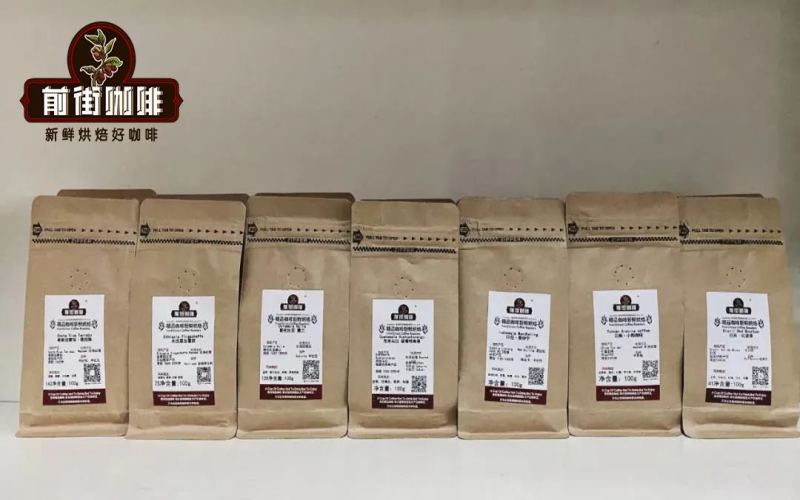
Pour-Over Coffee Brewing Method | How to Grind Coffee Beans and Brew Delicious Coffee at Home: Pour-Over Water Quality and Grind Size Parameters
In recent years, with the rise of the specialty coffee wave, more and more people choose to buy beans and take them home to brew a cup of coffee for themselves, enjoying a leisurely moment. But everything is hard at the beginning, and many beginners wonder, "The coffee I drank in your shop was so good, why can't I brew the same flavor when I go home?" Part of the reason [more…]
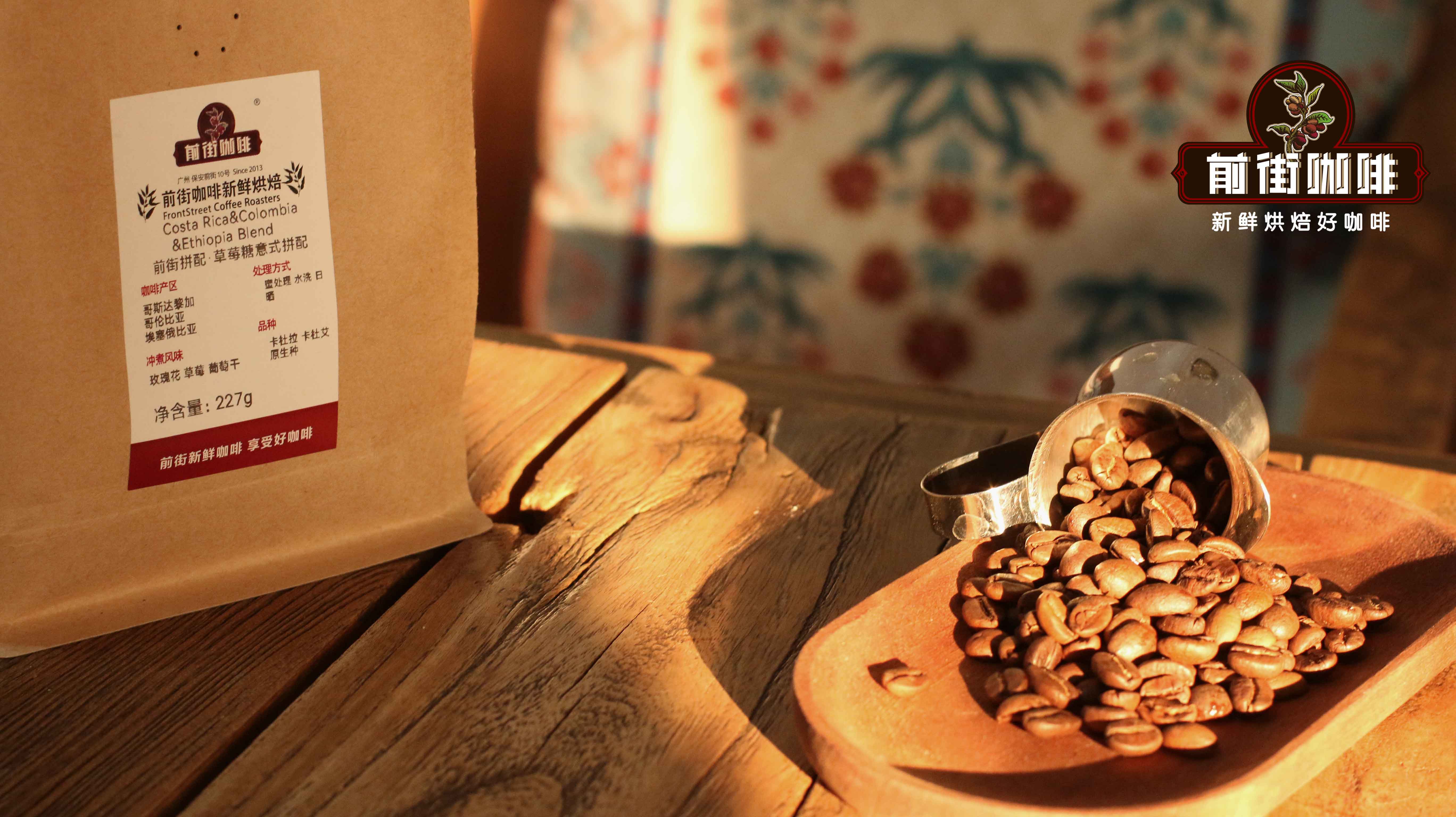
Characteristics of Espresso | Which Type of Blend Coffee Beans Are Suitable for Opening a Coffee Shop? Beginner-Friendly Recommendations for Freshly Roasted Espresso Coffee Beans That Make Great Americanos
The origin of the green beans and the roast level of the beans will affect the flavor of a coffee. Although single-origin coffees have their own various pleasures, creating new tastes by blending coffee beans with different flavors is another kind of enjoyment. 01 What is [ Espresso ] Espresso is also called Es [more…]

Commercial Coffee Bean Roasting Brands | Is there a big difference between specialty coffee and commercial coffee? Which cost-effective selected espresso beans are suitable for opening a shop?
Commercially available coffee is generally divided into three categories: "industrial coffee," "commercial coffee," and "specialty coffee." The classification criteria are as follows: (1) Industrial coffee: 100% pure Robusta coffee beans. (2) Commercial coffee: blended beans from different regions or varieties. (3) Specialty coffee: high-quality [more…]
Espresso Characteristics | Espresso Blend Coffee Beans
As coffee culture sweeps across the country, coffee shops have gradually spread to every street and alley, with Italian-style coffee, known for its speed and convenience, being especially popular. A rich and aromatic espresso is the foundation of all kinds of popular Italian-style coffees, such as Americano, latte, mocha, and so on. Front Street Coffee is here to talk about the "soul" of the coffee shop—espresso. [more…]
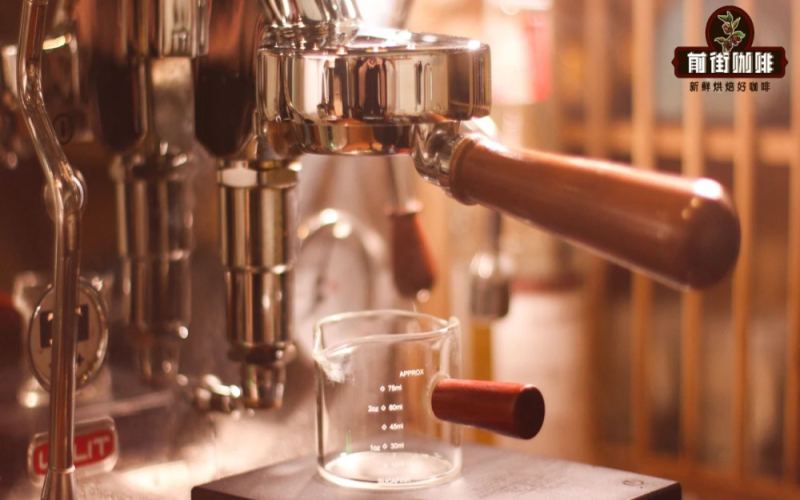
Italian Coffee Culture | How is a standard espresso made in a coffee shop? What are the coffee powder-to-liquid ratio, extraction time, water temperature, and water pressure for a delicious espresso?
For more specialty coffee knowledge, please follow our WeChat official account: Front Street Coffee (FrontStreet Coffee). As an indispensable part of Italians' daily lives, every espresso tells a story of region, culture, and the history that drove rapid social development. The earliest [more…]

Latte Coffee Espresso to Milk Ratio | How to Make a Latte Just Like a Coffee Shop? What Kind of Espresso Beans Are Suitable for Latte Art? Introduction to the Operational Details of Making Latte Art
"Boss! Why doesn't the latte I make at home taste as good as the one in your shop? Are you hiding some secret recipe?" This is a conversation that tends to pop up after many customers try the latte sold at Front Street Coffee shops~ To be fair, latte coffee doesn't have that many key points; you just need to pay attention to a little [more…]
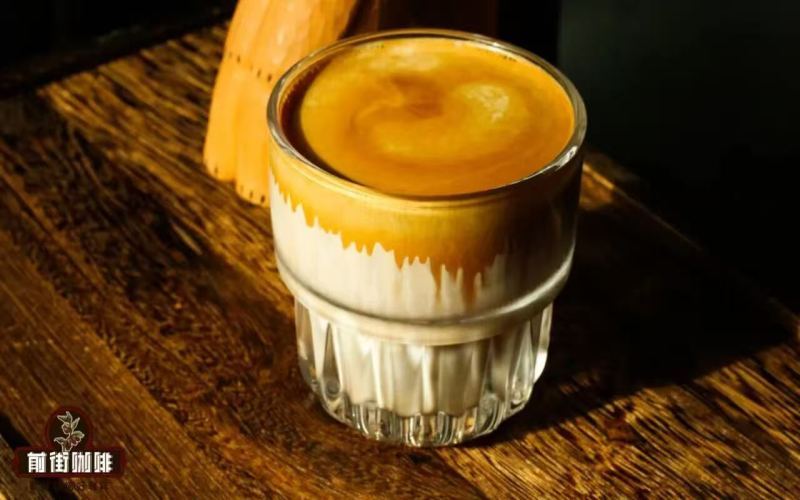
How can milk coffee be made to taste different? A breakout approach with fruit-forward espresso beans
There are more and more coffee shops, and you may find several of them side by side on the same street. When the machines, milk, and prices are all about the same, why should customers remember your shop? The answer often isn't in the equipment, but in the beans. Today let's talk about an approach that's great for standing out: using fruity espresso beans to make a cup that no one else can. [more…]