







Search Results for: Coffee Bean Identification
Coffee Bean Identification Tips | Should Coffee Beginners Choose Single-Origin or Blended Beans? What Are Some Recommended High-Cost-Performance Single-Origin Coffee Beans for Beginners?
The coffee beans themselves are the biggest factor affecting coffee flavor. If you don't choose high-quality coffee beans, you won't be able to taste good coffee. Today, I'll share some practical tips for beginners on selecting and identifying coffee beans. Coffee bean brands suitable for beginners to learn about For inexperienced newcomers, the complicated cof [more…]
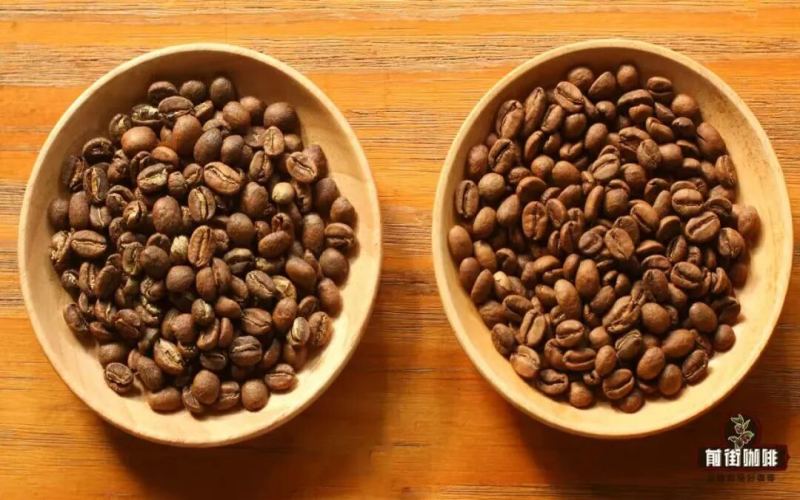
Coffee Bean Identification | What Are the Differences Between Washed and Natural Coffee? How Can Coffee Beginners Learn to Tell Natural Beans from Washed Beans?
If you often drink pour-over coffee, Front Street believes you've probably seen friends who can tell washed and natural processed coffee apart at a glance, or with a single sip. Because they distinguish them so quickly, many friends are amazed and wonder how on earth they do it. Just yesterday, [more…]
A Complete Guide to Coffee Defects: Ten Common Types, Causes, and Identification Methods Illustrated
The content of defective beans directly affects coffee quality and grade classification. Taking Brazil as an example, the local system uses a "deduction method," grading based on the number of defective beans per 300 grams of main beans. In addition, coffee usually requires hand sorting during processing, and only by fully mastering the types and characteristics of defective beans can they be effectively removed. So exactly how many types of defective beans are there? This article will use illustrated explanations to introduce ten common defective beans one by one, including shell beans, stones, moldy beans, fermented beans, dead beans, immature beans, shell beans, insect-damaged beans, black beans, and cocoa beans, explaining their causes, appearance characteristics, and negative effects on coffee flavor, laying the foundation for subsequent learning about defective bean selection. [more…]
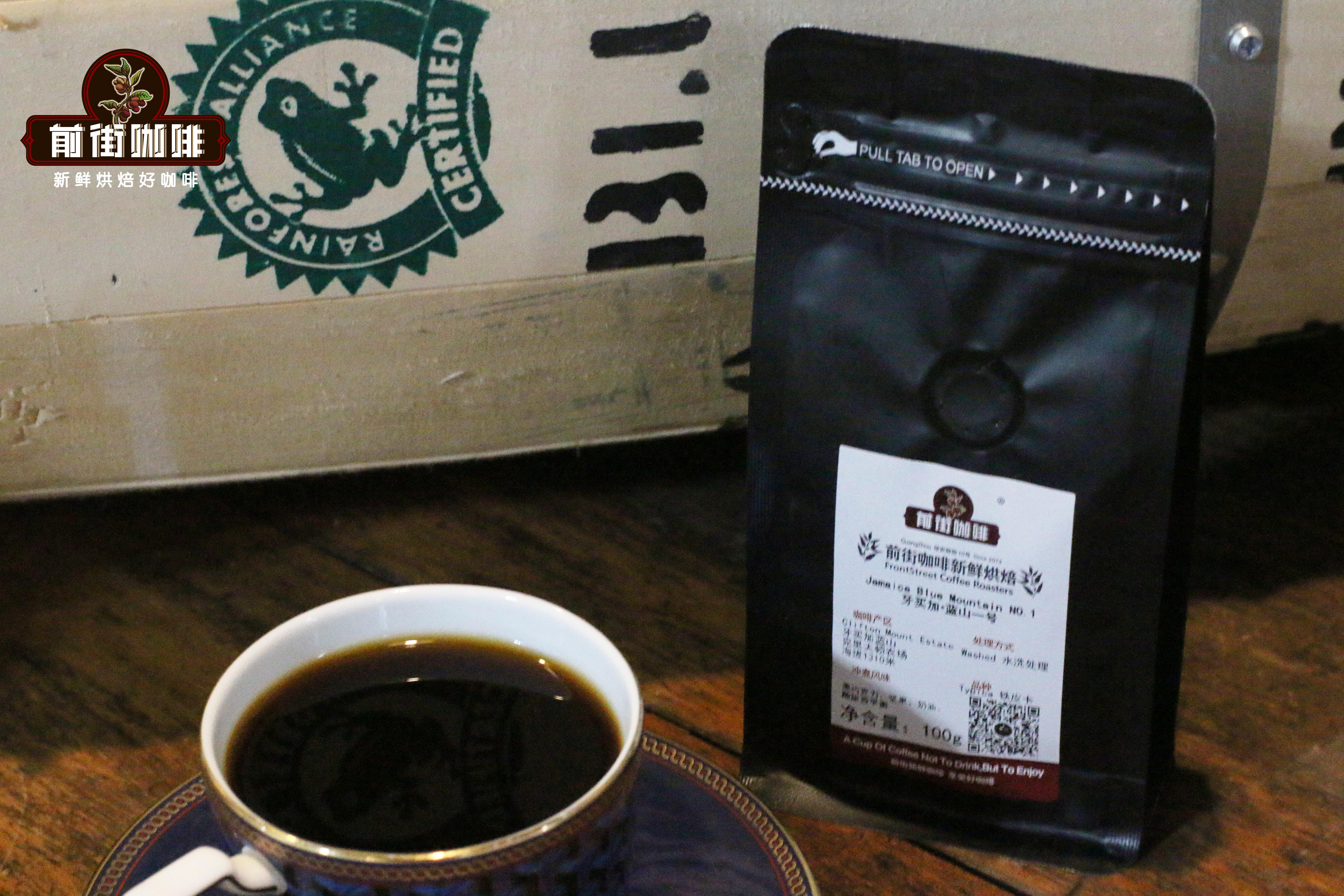
How to Identify Authentic Blue Mountain No. 1 Coffee Beans? A Comprehensive Analysis from Barrel Certificates to Bean Appearance and Flavor
Blue Mountain coffee is produced in the Blue Mountains of Jamaica at elevations between 910 and 1,700 meters. The variety is Typica, and it is known for its balanced acidity, sweetness, and bitterness, full and solid body, long-lasting sweet aftertaste, and absence of burnt bitterness. Because annual production is limited, authentic Blue Mountain No. 1 coffee beans in China usually sell for 150 to 400 yuan (100 to 200 grams), while products labeled "Blue Mountain flavor" or "Blue Mountain blend" are not true Blue Mountain coffee. This article systematically introduces the methods baristas use to identify authentic Blue Mountain No. 1 from perspectives such as the wooden barrel and certificate, bean size and uniformity, appearance characteristics, and raw bean color. It also compares the flavor performance of washed and natural processing methods and shares Front Street Coffee's brewing parameters and techniques to help enthusiasts build a clear identification framework. [more…]
Coffee Bean 74 Series | What Are Ethiopian Coffee Varieties 74110 and 74158? Introduction to Sidamo Santa Vini Coffee Flavor, Mouthfeel, and Pour-Over Brewing Parameters
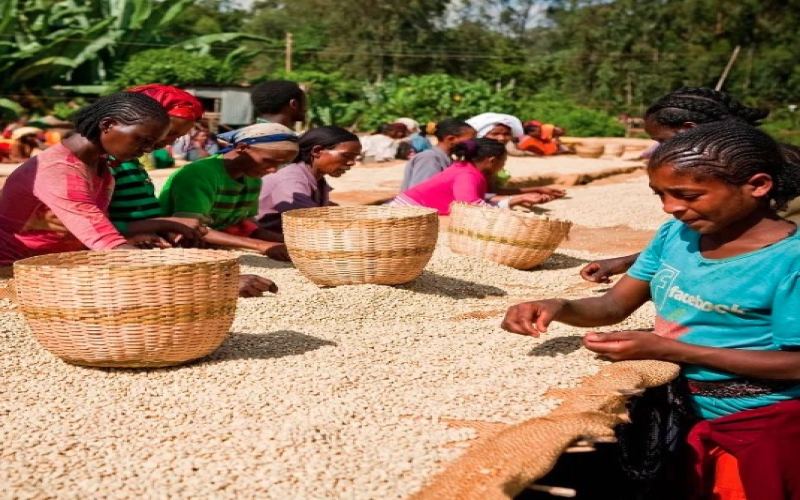
(Top left) Among the thousands of different coffee varieties, it's inevitable that some beans have rather unusual names! Unlike most beans such as Bourbon and Typica, which have conventional names, these are like secret agents, each with their own code number. For example, varieties named with letters plus numbers. [more…]
Coffee Grading | What are AA and AB in Kenya? What is the difference between AA TOP and AA?
Previously, we talked about the coffee grading in Ethiopia. Today, let's take a look at what the coffee grading in Kenya is like! After all, when we see Kenyan coffee, we will see things like AA and AB. What exactly do these refer to? What is AA TOP? [more…]
Fruity Flavor Pour-Over Bean Recommendations | What Are the Characteristics of the Yirgacheffe Specialty Coffee Region? How Can You Tell Real Yirgacheffe Single-Origin Beans from Fakes?
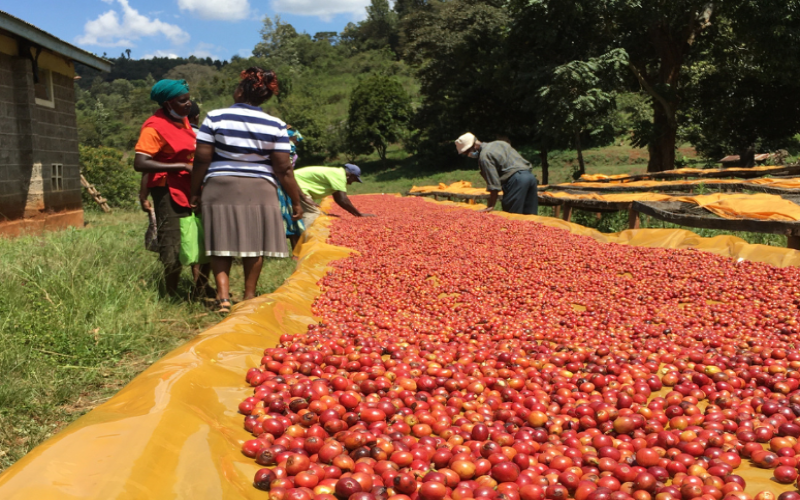
African coffee beans are mostly characterized by floral and fruity flavors, forming a sharp contrast with the mellow, bitter, and spicy flavors of Asian coffee and the nutty, caramel flavors of American coffee. As a representative of African coffee, Kenyan coffee has a rich berry aroma, along with the acidic notes of dark plum juice and grapefruit; its acidity is full-bodied with a slight caramel taste; while Ethio [more…]
Coffee Varieties Illustrated | What Are the Taste and Shape Differences Between the Three Major Coffee Bean Species? How to Quickly Identify Coffee Bean Varieties? Are Ethiopian Heirloom and Geisha the Same Species of Coffee?
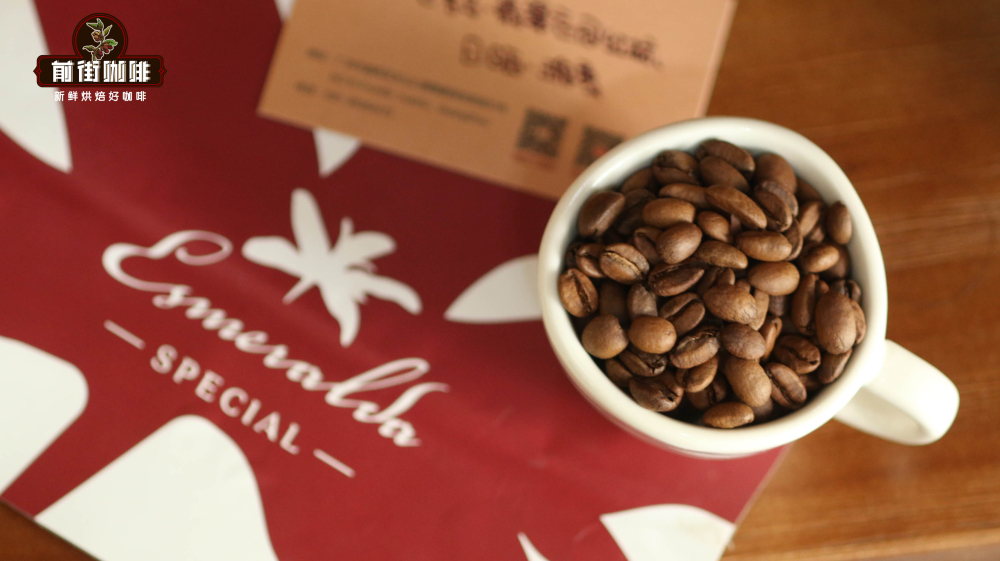
Every variety of coffee beans has different bean appearance (bean外貌) characteristics. In this article, Front Street will guide everyone through coffee bean appearance to identify coffee bean varieties, and what flavor characteristics do different coffee varieties have? ~| Typica (Typica) Typica originated in Ethiopia and southeastern Sudan. [more…]
Colombian Sidra Coffee Beans | Flavor Characteristics of Anaerobic Fermentation Sun-Dried Sidra Coffee Beans and Introduction to the Sidra Coffee Variety
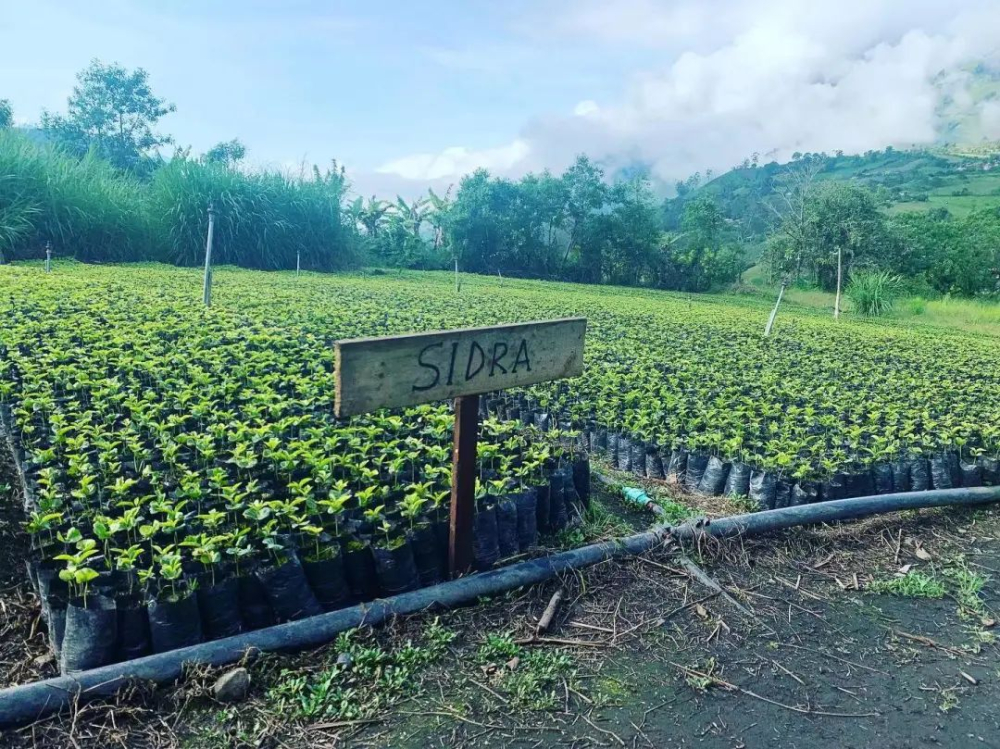
"Variety" is another consideration some friends use when selecting coffee beans, in addition to flavor and origin. Sidra, transliterated from "Sidra," also known as "Sydra" or "Bourbon Sidra." In Spanish, Sidra means "apple juice." [more…]
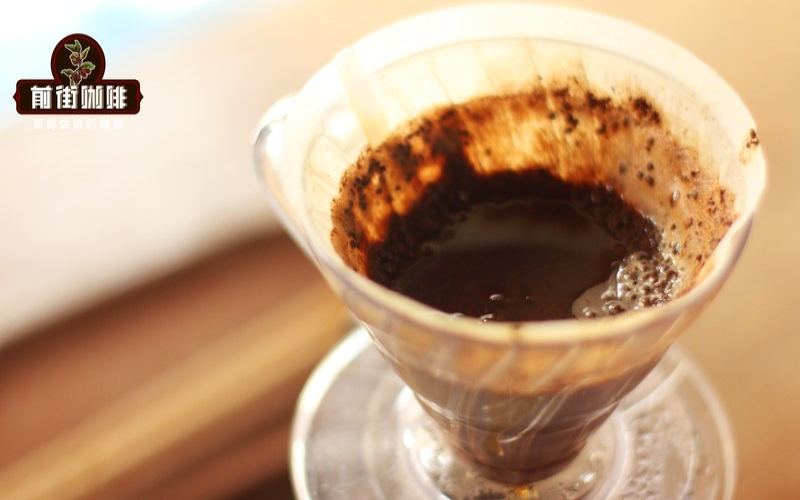
Identifying Authentic Yirgacheffe Coffee Beans by Roast Level
Yirgacheffe is not a fixed roast flavor, but the name of a representative production area in Ethiopia's Sidama region. A bean bag with real reference value will usually go on to specify the particular production area, processing method, variety, or lot information. When judging, you can first observe the roast level, then cross-check the flavors in the cup against the clues on the label. [more…]
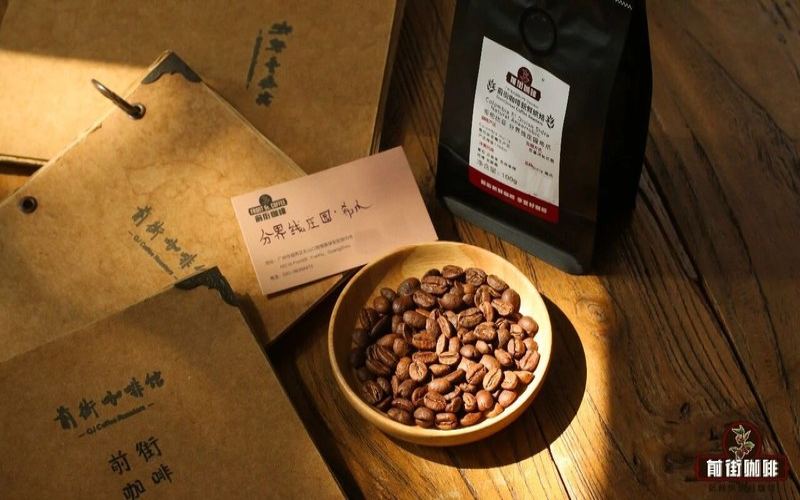
Choosing Authentic Blue Mountain by Roast Level: A Bean Selection Method from Light and Sweet to Rich and Full-Bodied
A cup of authentic Jamaican Blue Mountain doesn't have to take the intense, bitter route. Its allure often lies in the balance between soft acidity, delicate sweetness, clean aroma, and a smooth mouthfeel. When the roast level changes, the flavor focus of Blue Mountain shifts as well: a light roast is brighter, a medium roast is more rounded, and a dark roast is fuller-bodied. When the budget is limited, first [more…]
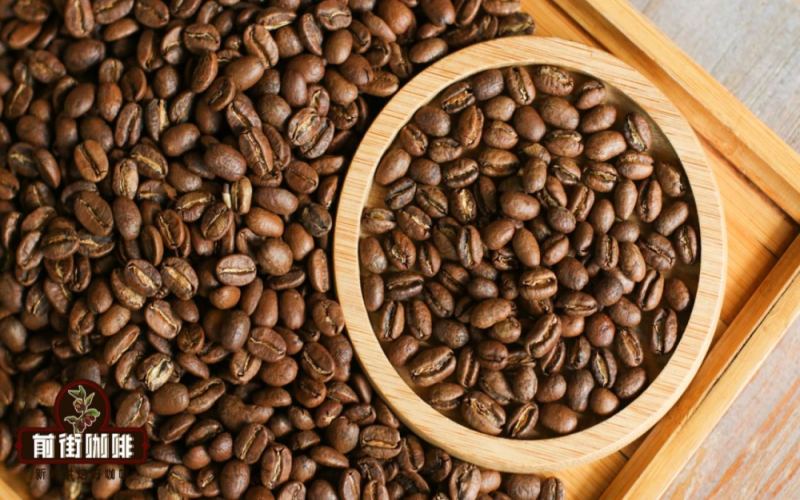
Coffee Roast Level Comparison | How Can Coffee Beginners Visually Determine Coffee Roast Level? What Are the Roast Flavor Characteristics of Espresso and Americano Coffee Beans?
The coffee beans we usually encounter have all been roasted. Roasting brings out the captivating aroma of coffee beans, and different roast levels give quite different impressions. In this issue, Front Street Coffee (FrontStreet Coffee) introduces several methods for identifying coffee roast levels. [more…]
Light, Medium, and Dark Roasts for Pour-Over Coffee | What Are the Flavor Characteristics of Coffee Beans at Different Roast Levels? Do Light, Medium, and Dark Roasts Taste Very Different in Pour-Over Coffee?
For more specialty coffee knowledge, please follow: Front Street Coffee (Frontsteet Coffee) The roast level of coffee beans determines the direction of the coffee's flavor. Many coffee shops label the roast level on the coffee beans they sell, such as light roast, medium roast, cinnamon roast, etc., which makes it easy for beginners [more…]

Origin of the name PWN Golden Mandheling coffee beans | What are the characteristics of the Ateng variety of Golden Mandheling coffee beans? What is the Indonesian wet-hulling coffee processing method?
Mandheling is not the name of a region, place, port, or coffee variety. Its name actually comes from a mispronunciation of the Indonesian Mandailing ethnic group. During World War II, when Japan occupied Indonesia, a Japanese soldier drank a rich and mellow [more…]

Yirgacheffe Coffee Grading | Is There a Big Difference Between G1 and G2 Yirgacheffe Single-Origin Beans? Must-Buy Light Roast Pour-Over Coffee Beans for Coffee Lovers
We know that coffee bean grading methods are usually based on the actual conditions of the growing country. Some are graded by bean size, such as Kenyan coffee; some by altitude, such as Blue Mountain coffee; and some by defect rate, such as Ethiopian coffee. As the gene pool of Arabica, Ethiopia has a wide variety of coffee varieties. [more…]
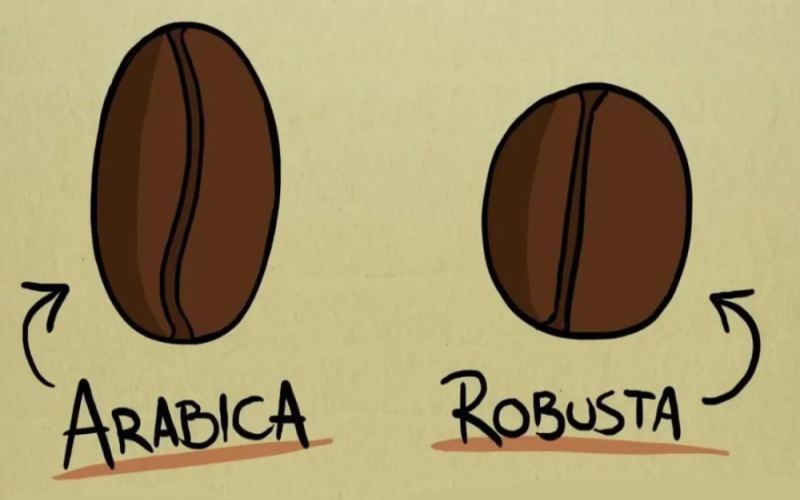
Coffee Basics | How Many Coffee Bean Varieties Does Arabica Coffee Have? Beginner-Friendly, Pour-Over-Approved Specialty Arabica Coffee Beans Tested and Recommended!
Although there are a great many varieties of coffee beans, when coffee beans on the market are classified by species, they can be divided into three types: Arabica, Robusta, and the relatively rare Liberica. If the numerous coffee beans are further classified by region, [more…]
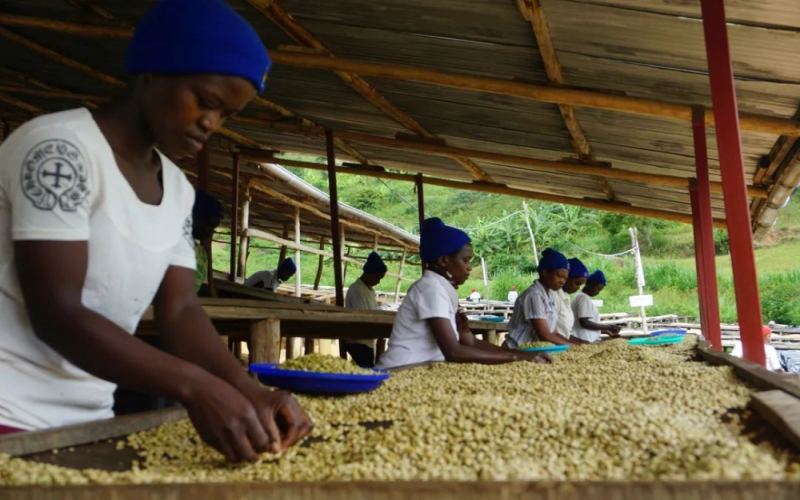
A Complete Guide to Ethiopian Coffee Heirloom Varieties: From Variety Characteristics to the Red Cherry Project and Grading System
Ethiopia is a genetic treasure trove of coffee, with a vast array of native varieties and unique flavors. From Yirgacheffe to Sidamo, from washed to natural, every bean is full of surprises. This article takes you deep into Ethiopia's coffee variety classifications, flavor characteristics, processing method differences, the Red Cherry Project, and its unique grading system, and shares Front Street Coffee's cupping and brewing experience to help you gain a comprehensive understanding of this major African coffee country. [more…]
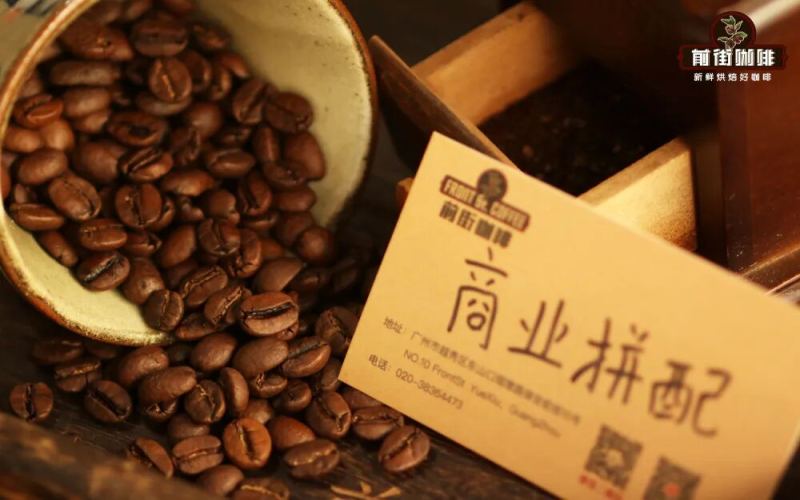
Introduction to Arabica and Robusta Coffee Beans | What are the origins, flavors, and appearance characteristics of Arabica and Robusta coffee beans?
If you know anything about coffee, you're surely aware that coffee beans fall into two main categories: Robusta and Arabica. These are arguably the two most common bean varieties we encounter. But why is Arabica coffee more favored? So today, Front Street Coffee is here to share exactly what's going on between these two. [more…]

Pour-Over Coffee Acidity | Is Coffee Bean Roast Level Related to Coffee Acidity? What Are the Differences in Flavor and Mouthfeel Between Light, Medium, and Dark Roasts?
The roast level of coffee largely determines its flavor profile. When buying single-origin coffee beans, you may notice that the label indicates the roast level, such as light roast, medium roast, or dark roast. Some also label them as Cinnamon Roast, City Roast, French Roast, and so on, which leaves many [more…]
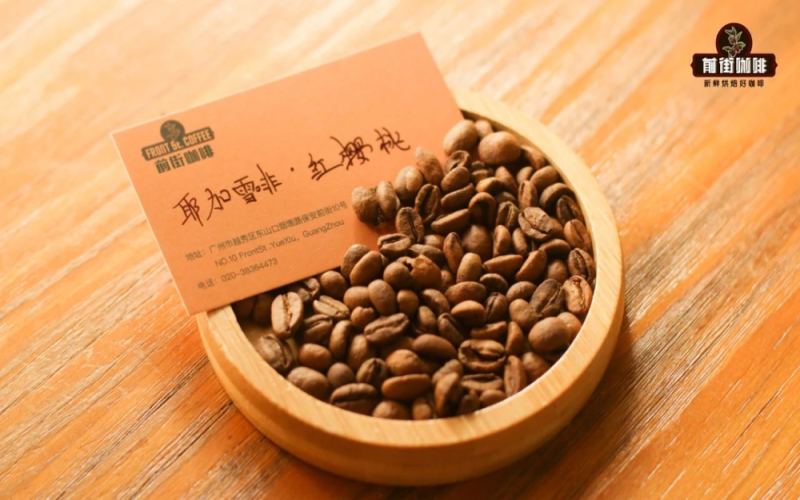
Yirgacheffe Gotiti | Does Yirgacheffe refer to a coffee variety? Recommended high-quality, delicious, and affordable single-origin Ethiopian coffee beans perfect for pour-over and cold brew
Believe it or not, many coffee newbies have heard of Yirgacheffe coffee~ Nowadays, many coffee shops offer 1-2 types of Yirgacheffe coffee beans for making single-origin coffee. Yirgacheffe coffee origin: Yirgacheffe is actually a small town in Ethiopia, and as long as it is grown and produced in this town, [more…]